
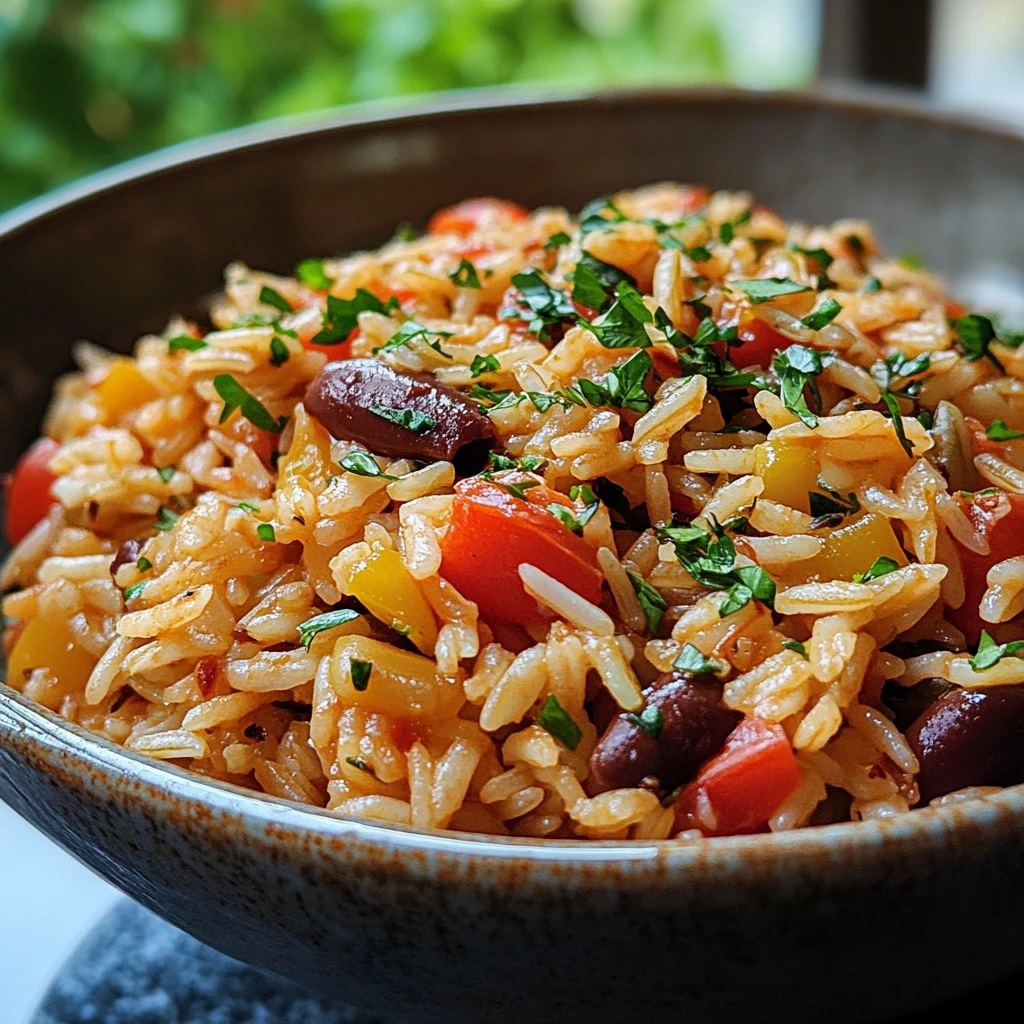
Discover the Magic of Mediterranean Rice Recipes
Welcome to the world of Mediterranean cuisine, where fresh ingredients, vibrant flavors, and wholesome cooking come together to create dishes that are as nutritious as they are delicious. In this article, we’ll dive into the art of making a Mediterranean rice recipe—a versatile, flavorful, and healthy dish that’s perfect for any occasion. Whether you’re a seasoned cook or a beginner in the kitchen, this guide will walk you through everything you need to know, from essential ingredients to step-by-step instructions, variations, and even tips for perfecting your dish. So, grab your apron, and let’s get started on this culinary adventure!
Introduction and Overview of Mediterranean Rice Recipe
When you think of the Mediterranean diet, what comes to mind? Perhaps it’s the sun-drenched coasts of Greece, the bustling markets of Spain, or the aromatic kitchens of Italy. Mediterranean cuisine is more than just food—it’s a lifestyle. Rooted in centuries-old traditions, this way of eating emphasizes fresh, seasonal ingredients, healthy fats like olive oil, and a balance of flavors that delight the palate.
What makes Mediterranean cooking truly special is its simplicity. Instead of relying on heavy sauces or complex techniques, it lets the natural flavors of ingredients shine. And at the heart of many Mediterranean dishes lies a humble yet versatile ingredient: rice.
What is a Mediterranean Rice Recipe?
A Mediterranean rice recipe is a dish that combines rice with a variety of fresh vegetables, herbs, spices, and sometimes proteins like chicken or shrimp. Think of it as a canvas where you can paint with flavors from the Mediterranean region. Whether it’s a Greek rice pilaf studded with tomatoes and olives, a Spanish rice infused with saffron, or a Middle Eastern rice dish fragrant with cumin and cinnamon, these recipes are as diverse as the cultures they come from.
What sets Mediterranean rice dishes apart is their emphasis on healthy ingredients and bold flavors. They’re not just filling—they’re nourishing, making them a perfect choice for anyone looking to eat well without sacrificing taste.
Why You Should Try This Recipe
If you’re still on the fence about trying a Mediterranean rice recipe, here’s why it’s worth your while. First, it’s incredibly easy to prepare. With just a few simple steps, you can whip up a dish that’s both satisfying and impressive. Second, it’s highly customizable. Whether you’re vegan, gluten-free, or just looking to use up what’s in your fridge, this recipe can adapt to your needs.
But perhaps the best reason to try this dish is its health benefits. Packed with whole grains, fresh vegetables, and heart-healthy olive oil, it’s a meal that nourishes your body and soul. Plus, it’s a great way to incorporate the principles of the Mediterranean diet into your everyday cooking.
So, are you ready to bring a taste of the Mediterranean to your table? Let’s move on to the next part, where we’ll explore the key ingredients you’ll need to create this delicious dish.
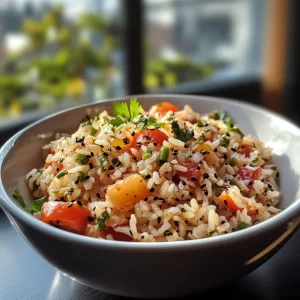
Key Ingredients for Mediterranean Rice Recipe
Essential Ingredients
When it comes to crafting a delicious Mediterranean rice recipe, the secret lies in the ingredients. Each component plays a crucial role in building the dish’s flavor, texture, and nutritional value. Here’s a breakdown of the essential ingredients you’ll need:
- Rice: The star of the show! Short-grain rice like Arborio or basmati rice works best, as they absorb flavors beautifully and have a satisfying texture.
- Olive Oil: A cornerstone of Mediterranean cooking, olive oil adds richness and a hint of fruitiness to the dish.
- Vegetables: Think colorful and fresh! Tomatoes, bell peppers, onions, zucchini, and spinach are popular choices.
- Herbs and Spices: Oregano, thyme, cumin, paprika, and saffron bring depth and aroma to the dish.
- Broth: Vegetable or chicken broth enhances the rice’s flavor while keeping it moist.
Optional Add-Ins for Customization
One of the best things about Mediterranean rice recipes is their versatility. You can easily tailor the dish to suit your preferences or dietary needs. Here are some optional add-ins to consider:
- Proteins: Add grilled chicken, shrimp, or tofu for a heartier meal.
- Nuts and Dried Fruits: Almonds, pine nuts, raisins, or apricots add a delightful crunch and sweetness.
- Cheese: Feta or Parmesan can be sprinkled on top for a creamy, tangy finish.
Substitutions for Dietary Restrictions
If you’re following a specific diet, don’t worry—this recipe is incredibly adaptable. Here are some substitutions to keep in mind:
- Gluten-Free: Ensure your broth and spices are gluten-free.
- Vegan: Skip animal proteins and use vegetable broth.
- Low-Carb: Replace rice with cauliflower rice for a lighter option.
Step-by-Step Cooking Instructions
Preparing the Ingredients
Before you start cooking, it’s essential to get all your ingredients ready. This step ensures a smooth and enjoyable cooking process. Here’s what you need to do:
- Wash the Rice: Rinse the rice under cold water until the water runs clear. This removes excess starch and prevents the rice from becoming too sticky.
- Chop the Vegetables: Dice the onions, bell peppers, and tomatoes into uniform pieces. If you’re using leafy greens like spinach, give them a quick rinse and pat them dry.
- Prepare the Proteins: If you’re adding chicken or shrimp, season them with a pinch of salt, pepper, and your favorite herbs.
Cooking the Rice
Now comes the heart of the recipe—cooking the rice. Follow these steps for perfect results:
- Sauté the Aromatics: Heat a tablespoon of olive oil in a large pan or pot. Add the chopped onions and garlic, and sauté until they’re soft and fragrant.
- Toast the Rice: Add the rinsed rice to the pan and stir it for a minute or two. This step enhances the rice’s nutty flavor.
- Add the Broth: Pour in the vegetable or chicken broth, ensuring the rice is fully submerged. Bring the mixture to a gentle boil.
- Simmer and Cover: Reduce the heat to low, cover the pot, and let the rice simmer for about 15-20 minutes. Avoid lifting the lid—this traps the steam and ensures even cooking.
For more tips on cooking perfect rice, check out this guide from Bon Appétit.
Combining Ingredients
While the rice is cooking, you can prepare the other components of the dish:
- Sauté the Vegetables: In a separate pan, heat a bit of olive oil and sauté the bell peppers, zucchini, and tomatoes until they’re tender but still vibrant.
- Cook the Proteins: If you’re using chicken or shrimp, grill or pan-sear them until they’re fully cooked.
- Mix Everything Together: Once the rice is done, fluff it with a fork and gently fold in the sautéed vegetables and proteins.
Garnishing and Serving
The final touches can elevate your Mediterranean rice recipe from good to great. Here’s how to finish it off:
- Add Fresh Herbs: Sprinkle chopped parsley, dill, or cilantro over the dish for a burst of freshness.
- Drizzle with Olive Oil: A light drizzle of olive oil adds richness and enhances the flavors.
- Serve with Lemon Wedges: A squeeze of lemon juice brightens up the dish and balances the flavors.
Variations of Mediterranean Rice Recipes
Regional Variations
One of the most exciting aspects of Mediterranean cuisine is its diversity. Each region has its own unique take on rice dishes, and exploring these variations can add a whole new dimension to your cooking. Here are a few regional twists to try:
- Greek Rice Pilaf: Infused with tomatoes, onions, and a hint of oregano, this dish is often garnished with crumbled feta cheese and Kalamata olives.
- Spanish Rice: Known as arroz a la española, this version features saffron, bell peppers, and sometimes chorizo for a smoky flavor.
- Italian Risotto: Creamy and rich, risotto is made with Arborio rice, white wine (optional), and Parmesan cheese. Add mushrooms or asparagus for extra depth.
- Middle Eastern Rice: Fragrant with spices like cumin, cinnamon, and cardamom, this dish often includes dried fruits and nuts for a sweet and savory contrast.
Seasonal Variations
Adapting your Mediterranean rice recipe to the seasons is a great way to keep it fresh and exciting. Here’s how you can tweak the dish throughout the year:
- Spring: Use fresh peas, asparagus, and artichokes for a light and vibrant dish.
- Summer: Incorporate cherry tomatoes, zucchini, and fresh herbs like basil and mint.
- Autumn: Add roasted butternut squash, sweet potatoes, and a sprinkle of cinnamon for a cozy twist.
- Winter: Use hearty greens like kale or Swiss chard, and add warming spices like nutmeg and cloves.
Fusion Recipes
If you’re feeling adventurous, why not blend Mediterranean flavors with other cuisines? Here are some fusion ideas to inspire you:
- Mediterranean-Asian Fusion: Add soy sauce, ginger, and sesame oil to the rice, and top with stir-fried vegetables and tofu.
- Mediterranean-Mexican Fusion: Mix in black beans, corn, and a dash of chili powder, and serve with avocado slices and lime wedges.
- Mediterranean-Indian Fusion: Use basmati rice, and add curry spices like turmeric, coriander, and garam masala.
Health Benefits of Mediterranean Rice Recipe
Nutritional Breakdown
A Mediterranean rice recipe isn’t just delicious—it’s also packed with nutrients that support overall health. Here’s a quick look at what this dish brings to the table:
- Whole Grains: Rice, especially brown or wild rice, provides complex carbohydrates, fiber, and essential minerals like magnesium and selenium.
- Healthy Fats: Olive oil is rich in monounsaturated fats, which are known to support heart health.
- Vitamins and Minerals: Fresh vegetables like tomatoes, bell peppers, and spinach are loaded with vitamins A, C, and K, as well as antioxidants.
- Lean Proteins: Adding chicken, shrimp, or tofu boosts the dish’s protein content, making it a well-rounded meal.
Benefits of Key Ingredients
Let’s take a closer look at how the key ingredients in this recipe contribute to your health:
- Olive Oil: This heart-healthy fat helps reduce inflammation, improve cholesterol levels, and support brain health.
- Vegetables: Packed with antioxidants, they protect your cells from damage and boost your immune system.
- Herbs and Spices: Ingredients like oregano, cumin, and saffron not only add flavor but also have anti-inflammatory and digestive benefits.
- Whole Grains: Rice provides sustained energy and helps regulate blood sugar levels, making it a great choice for a balanced diet.
How It Fits into a Balanced Diet
Incorporating a Mediterranean rice recipe into your meals is an excellent way to embrace the principles of the Mediterranean diet. This eating pattern is renowned for its ability to promote heart health, support weight management, and reduce the risk of chronic diseases like diabetes and cancer.
What makes this dish particularly beneficial is its balance of macronutrients—carbohydrates from the rice, healthy fats from the olive oil, and proteins from the added ingredients. Plus, it’s a fantastic way to increase your intake of fresh vegetables and whole grains, which are often lacking in modern diets.
By enjoying this dish regularly, you’re not just treating your taste buds—you’re nourishing your body and supporting long-term health. In Part 6, we’ll share some tips and tricks to help you perfect your Mediterranean rice recipe.
Tips and Tricks for Perfect Mediterranean Rice
Cooking Tips
Even though Mediterranean rice recipes are relatively simple, a few expert tips can take your dish from good to exceptional. Here’s how to avoid common pitfalls and achieve the best results:
- Avoid Mushy Rice: To prevent overcooking, use the right ratio of liquid to rice (usually 2:1) and resist the urge to lift the lid while it’s simmering.
- Toast the Rice: Sautéing the rice in olive oil before adding the broth enhances its nutty flavor and prevents it from becoming sticky.
- Layer the Flavors: Add herbs and spices in stages—some while sautéing the aromatics and others just before serving—to build depth of flavor.
- Use Fresh Ingredients: Fresh vegetables, herbs, and high-quality olive oil make a world of difference in taste and texture.
Storage and Reheating
If you have leftovers (which is rare because this dish is so delicious!), here’s how to store and reheat them properly:
- Refrigeration: Store the rice in an airtight container in the fridge for up to 3 days.
- Freezing: For longer storage, freeze the rice in portion-sized containers for up to 2 months.
- Reheating: To retain moisture, reheat the rice in a pan with a splash of broth or water, or microwave it covered with a damp paper towel.
Presentation Tips
They say we eat with our eyes first, so here’s how to make your Mediterranean rice recipe look as good as it tastes:
- Garnish Generously: Sprinkle fresh herbs, toasted nuts, or crumbled feta cheese on top for a pop of color and texture.
- Serve in a Colorful Dish: A vibrant plate or bowl can make the dish look even more appetizing.
- Add a Side Salad: Pair the rice with a simple Mediterranean salad for a complete and visually appealing meal.
FAQs Section
1. What type of rice is best for Mediterranean rice recipes?
Short-grain rice like Arborio or basmati rice works best because they absorb flavors well and have a pleasant texture. However, you can also use brown rice or wild rice for a healthier twist.
2. Can I make this recipe vegan?
Absolutely! Simply omit animal proteins and use vegetable broth instead of chicken broth. You can also add plant-based proteins like tofu or chickpeas for extra substance.
3. How long does it take to prepare a Mediterranean rice recipe?
On average, it takes about 30-45 minutes, depending on the ingredients and cooking method. Using a rice cooker or instant pot can save time.
4. What are some common spices used in Mediterranean rice dishes?
Popular spices include cumin, paprika, oregano, thyme, and saffron. These add depth and aroma to the dish.
5. Can I use frozen vegetables?
Yes, frozen vegetables are a convenient option. Just make sure to thaw and drain them before adding to the dish to avoid excess moisture.
6. Is this dish gluten-free?
Yes, as long as you use gluten-free broth and ensure your spices are free from cross-contamination, this recipe is naturally gluten-free.
7. How can I make the dish more flavorful?
To enhance the flavor, use high-quality olive oil, fresh herbs, and a splash of lemon juice or vinegar before serving.
8. Can I prepare this dish in advance?
Yes, you can cook the rice and prepare the vegetables ahead of time. Simply combine and reheat when ready to serve.
9. What can I serve with Mediterranean rice?
This dish pairs well with grilled chicken, fish, or a simple Mediterranean salad. It’s also delicious on its own as a main course.
10. How do I store leftovers?
Store leftovers in an airtight container in the fridge for up to 3 days or freeze for up to 2 months. Reheat with a splash of broth or water to retain moisture.