
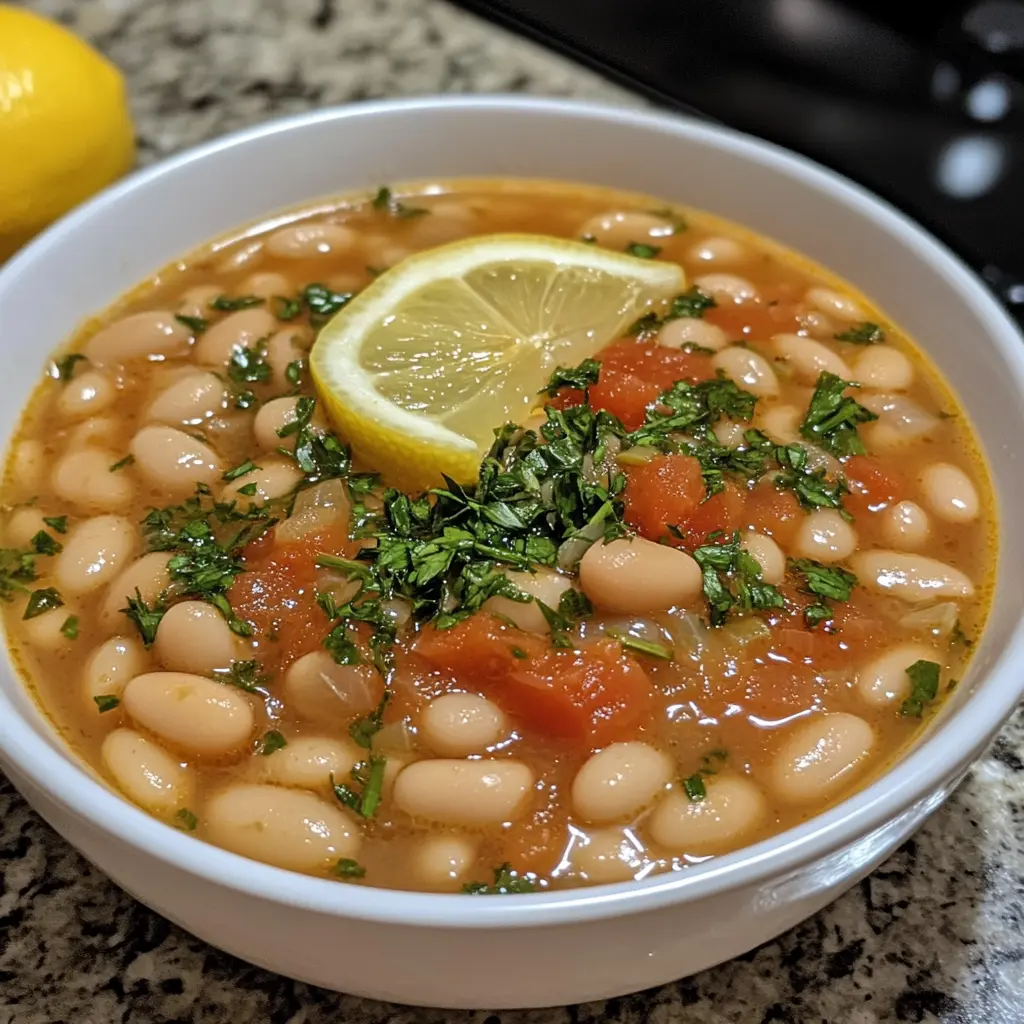
What Makes This Mediterranean Stew Special
Mediterranean white bean stew with lemon and herbs stands out as a cornerstone of healthy eating patterns celebrated worldwide. The dish captures the essence of Mediterranean cuisine through simple, fresh ingredients that deliver maximum flavor. Unlike heavy cream-based stews, this recipe relies on the natural creaminess of white beans and the brightness of fresh lemon juice to create depth and complexity.
The combination of protein-rich legumes with antioxidant-packed herbs creates a nutritionally complete meal. White beans provide substantial plant-based protein while fresh herbs like parsley, rosemary, and oregano contribute anti-inflammatory compounds. The addition of lemon juice not only enhances flavor but also aids in iron absorption from the beans.
Traditional Roots
White bean stews have been prepared across Mediterranean regions for centuries as economical, nourishing family meals. Italian cooks simmer these beans with garlic and rosemary in dishes called fagioli con verdure, while Greek variations incorporate lemon and dill for Aegean-inspired brightness. Spanish versions might feature smoky paprika, demonstrating how each culture adds its unique signature to this versatile foundation.
The History Behind White Bean Stews
The cultivation of white beans traces back to ancient times, with legumes playing crucial roles in Mediterranean diets since the Bronze and Iron Ages. Peasant communities throughout the region relied on white beans for their affordability, long shelf life, and ability to sustain families during lean periods.
In northern France, white bean stews evolved into the famous Cassoulet, while residents of Guernsey filled earthenware crocks with beans, meat scraps, and seasonings. Housewives would deliver these “bean jars” to local bakers who placed them in ovens overnight, allowing residual heat to slowly cook the contents into hearty breakfasts.
Essential Ingredients Breakdown
Creating an authentic Mediterranean white bean stew with lemon and herbs requires quality ingredients that work together harmoniously. Each component serves a specific purpose in building layers of flavor.
Primary Ingredients
-
White beans: Cannellini, Great Northern, or navy beans form the protein-rich base
-
Extra-virgin olive oil: Provides healthy fats and Mediterranean authenticity
-
Aromatics: Yellow onion, garlic, carrots, and celery create the flavor foundation
-
Tomatoes: Whole canned tomatoes with juices add depth and acidity
-
Fresh lemon: Both juice and zest brighten the entire dish
-
Fresh herbs: Parsley, rosemary, oregano, or dill contribute aromatic complexity
-
Vegetable broth: Creates the flavorful liquid base
-
Spices: Cumin, coriander, paprika, and black pepper enhance warmth
The beauty of this Mediterranean white bean stew with lemon and herbs lies in ingredient simplicity. Each element contributes without overwhelming, allowing the natural flavors to shine through.
Nutritional Benefits and Health Advantages
White beans deliver impressive nutritional value, making this stew exceptionally healthy. A 100-gram serving of cooked white beans contains approximately 139 calories, 9.7 grams of protein, and 6.3 grams of fiber.
Key Nutrients
White beans rank among the most nutrient-dense foods available. They provide substantial amounts of iron (3.7mg per 100g), potassium (561mg), magnesium (63mg), and folate (81µg). The high fiber content supports digestive health and helps maintain stable blood sugar levels.
The protein content in white beans makes them excellent meat alternatives. With 23.36 grams of protein per 100 grams in their raw form, they contribute significantly to daily protein requirements. This makes Mediterranean white bean stew with lemon and herbs ideal for vegetarian and vegan diets.
Heart Health Benefits
White beans contain virtually no cholesterol, minimal saturated fat, and very low sodium when prepared without added salt. This nutritional profile supports cardiovascular health and helps maintain healthy blood pressure levels.
Mediterranean herbs used in this stew provide additional health advantages. Oregano and rosemary contain anti-inflammatory compounds that reduce oxidative stress and lower chronic disease risk. Rosemary’s antioxidants help alleviate stress while positively influencing mood. Oregano and thyme may help lower LDL cholesterol, while rosemary promotes better circulation.
Step-by-Step Cooking Instructions
Creating perfect Mediterranean white bean stew with lemon and herbs requires attention to technique and timing. This recipe comes together in approximately 30-40 minutes, making it ideal for weeknight dinners.
Preparation Steps
Start by heating 2-3 tablespoons of extra-virgin olive oil in a large Dutch oven over medium heat. Add one finely chopped yellow onion and sauté for 3-4 minutes until softened and translucent. The onion forms the aromatic base that carries flavors throughout the stew.
Add 2-3 minced garlic cloves to the pot and cook for 30-60 seconds until fragrant. Be careful not to burn the garlic, as this creates bitter flavors. Next, incorporate chopped carrots and celery, cooking for another 5 minutes to develop sweetness.
Building Flavor Layers
Season the vegetables with kosher salt and freshly ground black pepper to taste. Add Mediterranean spices including 1 teaspoon ground coriander, 1/2 teaspoon sweet paprika, 1/2 teaspoon ground cumin, and a pinch of red pepper flakes. These warm spices create depth and complexity characteristic of Mediterranean cuisine.
Stir in 3 cans (about 42 ounces total) of drained and rinsed cannellini beans. Mix well to coat the beans with the aromatic vegetables and spices. Add 2 cans (15 ounces each) of whole tomatoes with their juices, breaking up the tomatoes with a wooden spoon.
Simmering and Finishing
Pour in vegetable broth to achieve your desired consistency. For a brothier stew, use 3-4 cups of broth; for thicker texture, use 2 cups. Bring the mixture to a boil over high heat for approximately 5 minutes.
Reduce heat to low and partially cover the Dutch oven, leaving a small opening for steam to escape. Simmer for 20-25 minutes until the beans become tender and the sauce thickens slightly. The beans should be creamy but still hold their shape.
Remove from heat and stir in the juice of one lemon and 3-4 tablespoons of finely chopped fresh parsley. The lemon juice should be added at the end to preserve its bright, fresh flavor. Taste and adjust seasonings as needed.
Ingredient Substitutions and Variations
Mediterranean white bean stew with lemon and herbs adapts easily to available ingredients and personal preferences. This flexibility makes it practical for home cooks working with what they have on hand.
Bean Alternatives
While cannellini beans are traditional, Great Northern beans work beautifully as substitutes. Great Northern beans are smaller and rounder with milder flavor, perfect for achieving creamy texture. Navy beans or butter beans also perform well, though cooking times may vary slightly.
For those using dried beans instead of canned, soak 2 cups of dried white beans overnight in water. Drain and cook in 6 cups of fresh water with a bay leaf until tender, approximately 60-90 minutes. This method allows better control over texture and sodium content.
Vegetable Variations
Add leafy greens to increase nutrient density and color contrast. Spinach, kale, Swiss chard, or escarole work wonderfully stirred in during the last 5 minutes of cooking. The greens wilt into the stew, adding earthy flavors and vitamins.
Bell peppers contribute sweetness and texture when diced and sautéed with the onions. Zucchini or summer squash add freshness during warmer months. Fennel bulb provides a subtle anise note that complements the Mediterranean profile.
Herb Combinations
While parsley is classic, experiment with different herb combinations. Fresh dill creates a Greek-inspired version with bright, herbaceous notes. Rosemary adds woody, pine-like aromatics characteristic of Tuscan preparations. Za’atar, a Middle Eastern herb blend, introduces oregano, thyme, and sesame seeds for complex flavor.
Basil brings sweetness and pairs excellently with tomatoes. Oregano contributes earthy, slightly bitter notes. Fresh thyme offers delicate, floral undertones. Mix and match these herbs based on seasonal availability and taste preferences.
Spice Adjustments
Harissa paste adds North African flair with its complex blend of chilies and spices. Start with 1-2 tablespoons and adjust to heat preference. Smoked paprika creates depth reminiscent of Spanish preparations.
For Mediterranean white bean stew with lemon and herbs with more heat, increase red pepper flakes or add fresh chilies. Urfa biber, a Turkish chili pepper, provides smoky, raisin-like notes with moderate heat.
Best Bean Varieties for This Stew
Understanding white bean varieties helps you select the best option for Mediterranean white bean stew with lemon and herbs. Each type offers distinct characteristics that affect texture and flavor.
Cannellini Beans
Cannellini beans are large, kidney-shaped beans with nutty flavor profiles. Their substantial size and firm texture make them ideal for dishes where beans need to hold their shape during extended cooking. These beans are Italian cuisine staples, featured prominently in minestrone soup and Tuscan white bean preparations.
The creamy interior of cannellini beans creates luxurious mouthfeel without becoming mushy. Their ability to absorb flavors while maintaining structure makes them perfect for Mediterranean white bean stew with lemon and herbs.
Great Northern Beans
Great Northern beans are smaller and rounder than cannellini with milder, more delicate flavor. Their softer texture makes them excellent for mashing and pureeing. These beans are commonly used in American dishes like baked beans and traditional bean soups.
Their neutral flavor allows surrounding ingredients to shine, making them versatile for various seasoning profiles. Great Northern beans cook slightly faster than cannellini, requiring less simmering time to achieve tenderness.
Navy Beans
Navy beans are the smallest white bean variety with dense, creamy texture. They break down more readily during cooking, contributing to thicker, more velvety stew consistency. Their mild flavor makes them excellent flavor carriers for bold herbs and spices.
Mediterranean Herbs and Their Benefits
Fresh herbs transform Mediterranean white bean stew with lemon and herbs from simple to spectacular. Understanding each herb’s characteristics helps you create balanced, aromatic dishes.
Parsley Properties
Parsley provides fresh, slightly peppery notes that brighten rich stews. This herb contains vitamin K, vitamin C, and vitamin A, supporting immune function and bone health. Flat-leaf (Italian) parsley offers more robust flavor than curly varieties, making it preferred for cooking applications.
Rosemary Characteristics
Rosemary contributes woody, pine-like aromatics with slight lemon undertones. This herb pairs naturally with white beans in Tuscan-style preparations. Rosemary contains compounds that combat inflammation and oxidative stress while promoting better circulation.
Use rosemary sparingly as its strong flavor can overpower delicate ingredients. One tablespoon of fresh chopped rosemary suffices for most stew recipes.
Oregano and Thyme
Oregano delivers earthy, slightly bitter notes that complement tomatoes beautifully. Its anti-inflammatory properties help reduce chronic disease risk. Oregano contains compounds that may lower LDL cholesterol levels.
Thyme offers delicate, floral undertones with subtle mint notes. This versatile herb enhances without dominating, making it excellent for layered flavor building. Both oregano and thyme dry well, though fresh versions provide superior flavor.
Dill and Its Uses
Dill creates Greek-inspired variations of Mediterranean white bean stew with lemon and herbs. Its feathery leaves provide fresh, tangy flavor with hints of anise. Dill pairs exceptionally well with lemon, creating bright, refreshing profiles perfect for lighter stew versions.
Serving Suggestions and Pairings
Mediterranean white bean stew with lemon and herbs shines as a complete meal or hearty side dish. Thoughtful accompaniments enhance the experience while maintaining Mediterranean diet principles.
Bread Pairings
Crusty whole-grain bread is essential for soaking up flavorful broth. Toast thick slices and rub with garlic cloves for simple garlic toast. Focaccia, ciabatta, or sourdough provide satisfying texture contrasts to creamy beans.
Create homemade croutons by cubing whole-grain bread, tossing with olive oil and quartered garlic cloves, then baking until golden. These croutons add textural interest when sprinkled over each serving.
Garnishing Ideas
Drizzle high-quality extra-virgin olive oil over each bowl before serving. This finishing touch adds richness and authentic Mediterranean flavor. Sprinkle freshly grated Parmesan cheese or nutritional yeast for savory depth.
Fresh lemon zest provides vibrant color and concentrated citrus essence. Add a pinch just before serving to maximize aromatic impact. Chopped fresh herbs echo those cooked into the stew, reinforcing herbal notes.
Cracked black pepper and sea salt flakes allow diners to adjust seasoning to personal preference. A dollop of Greek yogurt or dairy-free alternative adds cooling creaminess that balances the stew’s warmth.
Complete Meal Ideas
Serve Mediterranean white bean stew with lemon and herbs alongside simple green salads dressed with lemon vinaigrette. The crisp, acidic salad provides refreshing contrast to hearty beans.
Roasted vegetables such as bell peppers, zucchini, or eggplant complement the stew’s flavor profile. Quinoa or farro pilaf adds whole grains for those desiring additional substance.
Storage and Meal Prep Tips
Mediterranean white bean stew with lemon and herbs excels as a make-ahead meal. Proper storage techniques maintain quality and food safety while maximizing convenience.
Refrigeration Guidelines
Cool the stew completely before transferring to airtight containers. Store in the refrigerator for up to 5 days. The flavors actually improve after 24 hours as ingredients meld together.
Reheat individual portions in the microwave or warm gently on the stovetop over medium-low heat. Add splash of vegetable broth if the stew has thickened during storage. The beans continue absorbing liquid as they sit.
Freezing Instructions
This stew freezes beautifully for up to 3 months. Portion into freezer-safe containers, leaving 1 inch of headspace for expansion. Label with contents and date for easy identification.
Thaw frozen stew overnight in the refrigerator or use the defrost setting on your microwave. Reheat thoroughly until steaming hot, stirring occasionally. The texture remains excellent after freezing, though you may want to refresh with additional lemon juice and fresh herbs.
Batch Cooking Strategy
Double or triple the recipe to maximize efficiency. Mediterranean white bean stew with lemon and herbs requires minimal extra effort when scaling up. Use a large stockpot or divide between two Dutch ovens if necessary.
Prepare components in advance for quicker assembly. Chop vegetables and store in containers. Pre-measure spices into small bowls. This mise en place approach streamlines cooking when time is limited.
Common Mistakes to Avoid
Even simple recipes benefit from understanding potential pitfalls. Recognizing these common errors ensures consistently excellent Mediterranean white bean stew with lemon and herbs.
Overcooking the Beans
Canned beans are already fully cooked and need only gentle warming. Excessive simmering causes them to become mushy and break apart. Monitor the stew during simmering and remove from heat once beans are heated through and slightly tender.
If using dried beans, cook them separately until just tender before adding to the stew. This provides better control over final texture.
Adding Lemon Too Early
Lemon juice should be incorporated at the end of cooking to preserve its bright, fresh flavor. Heat diminishes lemon’s vibrant acidity, resulting in flat-tasting stew. Add both juice and zest after removing from heat for maximum impact.
Insufficient Seasoning
White beans require generous seasoning to reach their flavor potential. Taste the stew before serving and adjust salt, pepper, and acid levels. The stew should taste vibrant and well-balanced, not bland or one-dimensional.
Layer seasoning throughout the cooking process rather than adding everything at once. Season the vegetables while sautéing, adjust after adding beans and tomatoes, then fine-tune at the end.
Using Low-Quality Olive Oil
Extra-virgin olive oil contributes significantly to authentic Mediterranean flavor. Don’t skimp on quality, especially for the finishing drizzle. Premium olive oil adds fruity, peppery notes that elevate the entire dish.
Frequently Asked Questions
Can I make Mediterranean white bean stew with lemon and herbs in a slow cooker?
Yes, this stew adapts well to slow cookers. Sauté the aromatics and spices on the stovetop first to develop flavor, then transfer everything to the slow cooker. Cook on low for 4-6 hours or high for 2-3 hours. Add fresh lemon juice and herbs during the last 30 minutes.
How can I make this stew creamier?
Mash 1 cup of the beans against the side of the pot before adding the broth. This releases starches that naturally thicken the liquid. Alternatively, remove 2 cups of the stew, blend until smooth, then stir back into the pot.
Is Mediterranean white bean stew with lemon and herbs suitable for meal prep?
Absolutely, this stew is ideal for meal preparation. The flavors improve after sitting, making it perfect for weekly batch cooking. Store portions in individual containers for grab-and-go lunches throughout the week.
Can I use dried herbs instead of fresh?
Yes, substitute 1 teaspoon dried herbs for every tablespoon of fresh herbs called for in the recipe. Add dried herbs during the simmering stage so they have time to rehydrate and release flavors. Fresh herbs added at the end provide brighter, more vibrant taste.
What makes this stew Mediterranean?
The combination of white beans, olive oil, tomatoes, lemon, and fresh herbs reflects traditional Mediterranean ingredients and cooking methods. This stew embodies the Mediterranean diet’s emphasis on plant-based proteins, healthy fats, and abundant vegetables.
How do I prevent the stew from being too watery?
Control liquid levels by adjusting the amount of broth added. For thicker stew, use less broth and simmer uncovered to allow evaporation. The stew naturally thickens as it sits due to the beans absorbing liquid.
Print
Mediterranean White Bean Stew with Lemon and Herbs
- Total Time: 45 minutes
- Yield: 4 1x
Ingredients
2 tablespoons olive oil
1 small onion, diced
3 cloves garlic, minced
1 carrot, diced
1 celery stalk, diced
1 teaspoon dried oregano
1/2 teaspoon dried thyme
1/4 teaspoon red pepper flakes (optional)
Salt and black pepper, to taste
2 (15-oz) cans white beans (cannellini or great northern), drained and rinsed
3 cups vegetable broth
1/2 cup crushed tomatoes (optional, for color and depth)
Zest and juice of 1 lemon
1/4 cup fresh parsley, chopped
2 tablespoons fresh dill or basil, chopped
Instructions
1. Sauté the Aromatics
-
Heat olive oil in a large pot over medium heat.
-
Add onion, carrot, and celery; cook 4–5 minutes until softened.
-
Stir in garlic, oregano, thyme, red pepper flakes, salt, and pepper.
2. Build the Stew
-
Add white beans, vegetable broth, and crushed tomatoes (if using).
-
Bring to a gentle simmer and cook for 15–20 minutes, allowing flavors to meld.
3. Finish with Lemon and Herbs
-
Stir in lemon zest, lemon juice, parsley, and dill or basil.
-
Simmer 2–3 minutes more. Taste and adjust seasoning.
4. Serve
-
Serve warm with a drizzle of olive oil and extra herbs if desired.
Notes
Make it creamier: Lightly mash some beans in the pot.
Add greens: Spinach or kale can be stirred in at the end.
Protein boost: Add chickpeas or serve with grilled fish or chicken.
Storage: Keeps well refrigerated for up to 4 days; flavors improve over time.
- Prep Time: 15
- Cook Time: 30
Nutrition
- Calories: 320