
Introduction
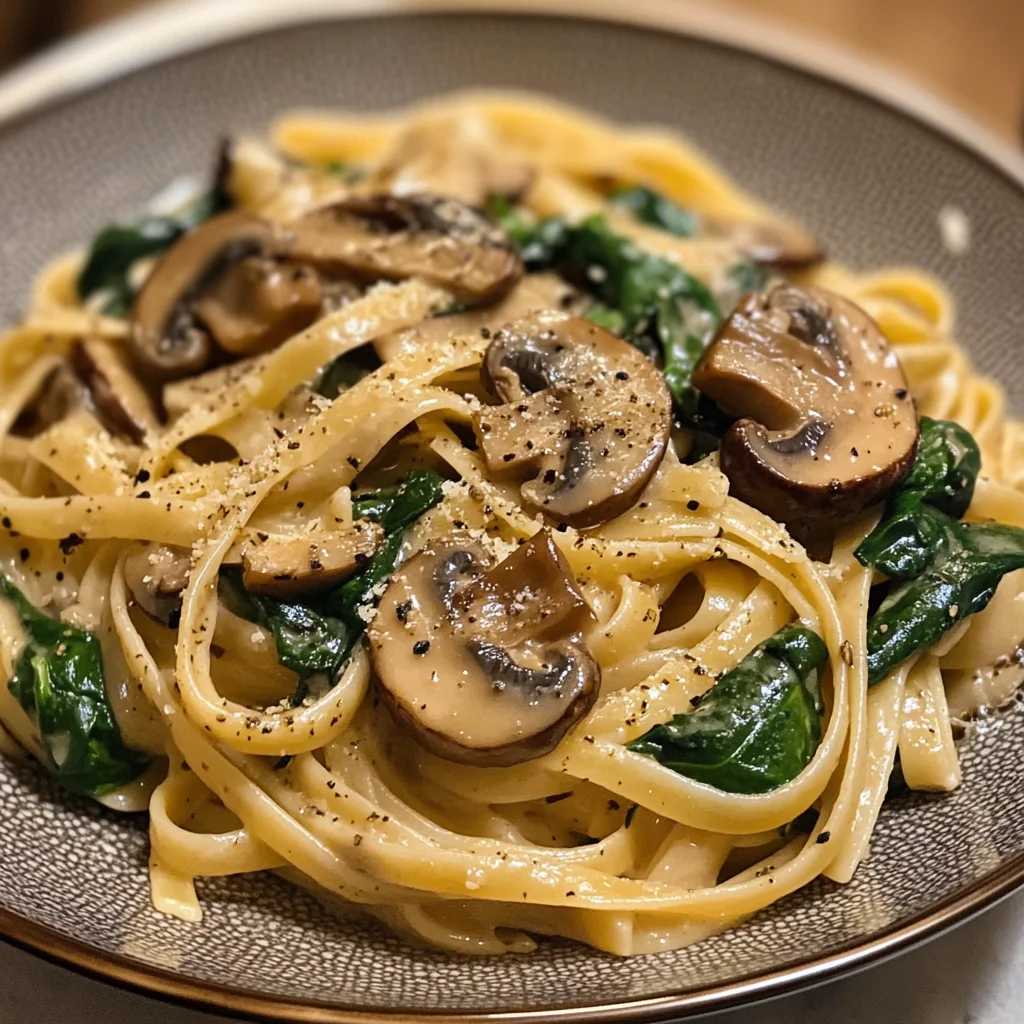
Miso Butter Pasta with Mushrooms and Spinach transforms simple ingredients into an extraordinary weeknight dinner. This umami-rich dish combines the savory depth of fermented miso paste with creamy butter, tender mushrooms, and iron-packed spinach. Moreover, you can have this restaurant-quality meal on your table in just 30 minutes.
The magic happens when miso paste meets melted butter and starchy pasta water. This creates a silky, flavorful sauce that coats every strand of pasta. Additionally, the earthy mushrooms and wilted spinach add both texture and nutritional value to this satisfying meal.
What Makes Miso Butter Pasta Special
The Power of Umami
Miso paste delivers an incredible umami punch that elevates ordinary pasta into something memorable. Furthermore, this fermented soybean paste contains probiotics that support digestive health. The fermentation process reduces antinutrients and makes the dish easier to digest.
Quick and Easy Preparation
This recipe requires minimal prep work and comes together quickly. In fact, most of the ingredients are pantry staples. Therefore, you can create an impressive meal without extensive planning or shopping.
Versatile and Customizable
The base recipe adapts beautifully to different dietary needs. Consequently, you can make it vegan, gluten-free, or protein-packed depending on your preferences.
Essential Ingredients You’ll Need
For the Pasta
-
8-12 ounces spaghetti, linguine, or pasta of choice
-
1 teaspoon salt for pasta water per liter
-
Water for boiling
For the Miso Butter Sauce
-
3 tablespoons white or brown miso paste
-
2-3 tablespoons unsalted butter
-
1 cup reserved pasta cooking water
-
2-4 cloves garlic, minced
-
Black pepper to taste
For the Vegetables
-
8 ounces mushrooms, sliced (shiitake, cremini, or button)
-
3-4 cups fresh spinach (about 80-100g)
-
1-2 tablespoons olive oil or avocado oil
-
Sea salt to taste
Optional Garnishes
-
Fresh herbs (chives, parsley, or oregano)
-
Grated Parmesan or nutritional yeast
-
Sesame seeds
-
Red pepper flakes for heat
Health Benefits of Key Ingredients
Miso Paste Nutritional Advantages
Miso paste offers numerous health benefits beyond its rich flavor. First, it contains beneficial probiotics that strengthen your gut flora and boost immunity. Additionally, regular miso consumption may reduce the risk of certain cancers by 50-54%, particularly breast cancer in postmenopausal women.
The fermentation process in miso creates valuable nutrients. Specifically, it improves your body’s ability to absorb minerals and vitamins. Furthermore, miso contains antioxidants that protect cells from free radical damage.
Mushrooms Provide Essential Nutrients
Mushrooms deliver selenium and B vitamins while contributing deep umami flavor. Moreover, shiitake mushrooms contain lentinan and eritadenine, compounds with potential health benefits. These fungi are also low in calories yet satisfying in texture.
Spinach Nutritional Power
Spinach ranks among the healthiest vegetables you can eat. It provides iron, vitamin K, and powerful antioxidants. Additionally, spinach may protect eye health and support cognitive function as you age. Around half of the calories in spinach come from protein, making it surprisingly protein-dense.
Nutritional Synergy
The combination of mushrooms and spinach creates remarkable nutritional benefits. Research shows that magnesium in spinach enhances our perception of umami compounds in mushrooms. Therefore, you need less added salt to achieve satisfying flavor.
Step-by-Step Cooking Instructions
Preparing Your Ingredients
First, gather all ingredients before you start cooking. Slice your mushrooms evenly for consistent cooking. Next, mince the garlic and measure out your miso paste. Finally, wash and drain the spinach thoroughly.
Cooking the Pasta
Bring a large pot of water to a rolling boil. Add salt generously—about 1 teaspoon per liter of water. Then, add your pasta and stir immediately.
Cook the pasta for 2-3 minutes less than the package directions indicate. This ensures perfectly al dente texture. Before draining, reserve at least 1 to 1.5 cups of starchy pasta water. This liquid is crucial for creating your silky sauce.
Sautéing the Mushrooms
While the pasta cooks, heat 1 tablespoon of oil in a large skillet over medium-high heat. Add the sliced mushrooms in a single layer without overcrowding. Season lightly with salt and pepper.
Cook the mushrooms without stirring for 3-4 minutes. This allows them to develop a golden, crispy exterior. Then, stir and continue cooking for another 3-5 minutes until deeply browned. Remove the mushrooms from the pan and set aside.
Creating the Miso Butter Sauce
In the same skillet, add another tablespoon of oil if needed. Sauté the minced garlic for 2-3 minutes until fragrant. Be careful not to burn it.
Add the miso paste to the pan. Whisk in the reserved pasta cooking water gradually. The starchy water helps emulsify the miso into a smooth sauce. Add butter and stir until completely melted.
Combining Everything
Add the spinach to the sauce and stir until it begins to wilt. This takes about 1-2 minutes. Return the cooked mushrooms to the pan.
Add the drained pasta to the skillet. Toss everything together, adding more pasta water as needed to achieve a silky consistency. The pasta should absorb the sauce and glisten beautifully.
Final Touches
Taste and adjust seasoning with black pepper or additional miso if desired. The dish should taste savory and well-balanced. Serve immediately while hot, garnished with your chosen toppings.
Pro Tips for Perfect Results
Achieving Al Dente Perfection
Always use a large pot with plenty of water so pasta moves freely. Additionally, never rinse cooked pasta unless making a cold dish. The surface starch helps sauce adhere better.
Reduce the package cooking time by 2-3 minutes for true al dente texture. The pasta should be tender but still have a slight firmness when bitten.
Maximizing Mushroom Flavor
Choose fresh, firm mushrooms without dark spots or sliminess. Don’t wash mushrooms under running water—wipe them with a damp cloth instead. Excess moisture prevents proper browning.
Let mushrooms cook undisturbed initially to develop crispy, golden edges. Furthermore, season them lightly during cooking rather than heavily at the end.
Miso Paste Selection
White miso offers a milder, slightly sweet flavor. Conversely, brown or red miso provides deeper, more intense umami notes. Therefore, choose based on your flavor preference.
Unpasteurized miso contains more beneficial probiotics. However, pasteurized versions work perfectly fine for cooking purposes.
Butter Temperature Matters
Allow butter to soften at room temperature before mixing with miso. Cut it into cubes to speed up the softening process. If pressed for time, microwave sliced butter for 5-10 seconds.
Pasta Water is Crucial
The starchy pasta cooking water acts as an emulsifier. It helps create a cohesive sauce that clings to every noodle. Always reserve more than you think you need—you can’t recreate it once drained.
Spinach Handling
Fresh baby spinach works best for this recipe. Add it at the last minute since it wilts quickly. Moreover, don’t overcook spinach or it becomes mushy and loses nutritional value.
Variations and Substitutions
Protein Additions
Transform this into a heartier meal by adding protein. Grilled chicken, seared shrimp, or pan-fried tofu work beautifully. Alternatively, canned tuna provides convenient protein with additional umami depth.
Cook your protein separately and add it when combining the pasta with vegetables. This prevents overcooking and maintains optimal texture.
Pasta Shape Options
While spaghetti and linguine are traditional choices, other shapes work wonderfully. Fusilli captures sauce in its spirals. Gnocchi creates a heartier, more substantial dish.
For gluten-free versions, use rice noodles or gluten-free pasta. Just adjust cooking times according to package directions.
Vegetable Variations
Beyond spinach and mushrooms, consider adding other vegetables. Cherry tomatoes bring sweetness and acidity. Broccoli florets add nutrition and texture. Bell peppers contribute color and crunch.
Caramelized onions mixed into the miso butter create incredible depth. This variation requires advance preparation but delivers outstanding results.
Dairy-Free and Vegan Options
Replace regular butter with vegan butter or olive oil. The sauce remains creamy thanks to the starchy pasta water. Skip the Parmesan garnish or use nutritional yeast instead.
Vegan versions taste equally delicious while accommodating dietary restrictions.
Spice Level Adjustments
Add red pepper flakes or fresh chili for heat. Conversely, omit spicy elements for kid-friendly versions. Fresh ginger creates warming flavor without excessive heat.
Sriracha sauce mixed into the miso butter adds both heat and complexity.
Serving Suggestions
As a Main Course
Serve generous portions as a complete meal. The combination of pasta, vegetables, and umami-rich sauce provides satisfaction without heaviness. A simple side salad completes the dinner perfectly.
As a Side Dish
Smaller portions work beautifully alongside grilled proteins. This pasta pairs especially well with fish or chicken. The umami flavors complement rather than overpower main dishes.
Garnishing for Presentation
Fresh herbs elevate both appearance and flavor. Chopped chives add mild onion notes. Parsley contributes brightness and color. Fresh oregano brings Mediterranean flair.
Grated Parmesan cheese adds salty richness. A drizzle of quality olive oil creates glossy appeal. Sesame seeds provide nutty crunch.
Wine-Free Beverage Pairings
Serve this pasta with sparkling water infused with lemon or cucumber. Green tea complements the Japanese-inspired flavors beautifully. Kombucha offers probiotic benefits that mirror those in miso.
Storage and Reheating Guide
Refrigerator Storage
Store leftover Miso Butter Pasta with Mushrooms and Spinach in an airtight container. Properly stored, it keeps for 3-4 days in the refrigerator. The flavors often intensify overnight as ingredients meld together.
Reheating Methods
Reheat pasta gently in a skillet over medium-low heat. Add a splash of water or broth to revive the sauce consistency. Stir frequently to prevent sticking and ensure even heating.
Microwave reheating works but may result in less ideal texture. Heat in 30-second intervals, stirring between each. Add liquid as needed to maintain moisture.
Freezing Considerations
This pasta doesn’t freeze particularly well due to the sauce separating. However, if you must freeze it, use within one month. Thaw overnight in the refrigerator before reheating. The texture will differ from freshly made pasta.
Make-Ahead Components
Prepare the miso butter compound in advance and refrigerate for up to one week. Cook mushrooms ahead and store separately. However, cook pasta fresh for best results.
Frequently Asked Questions
What type of miso paste works best for this recipe?
White miso provides mild, slightly sweet flavor ideal for beginners. Brown or red miso offers more intense umami notes for adventurous eaters. Both types work excellently in Miso Butter Pasta with Mushrooms and Spinach.
Can I make this dish dairy-free?
Absolutely—substitute vegan butter or use additional olive oil. The starchy pasta water creates creaminess without dairy. This simple swap makes the recipe completely plant-based.
How do I prevent the sauce from being too salty?
Start with less miso paste than the recipe suggests. Taste as you go and add more gradually. Remember that Parmesan cheese also adds saltiness, so account for garnishes when seasoning.
What mushroom varieties work best?
Shiitake mushrooms provide the most intense umami flavor. Cremini and button mushrooms offer milder taste and wider availability. Mix different varieties for complex flavor profiles.
How can I make the sauce creamier?
Add more butter or a splash of cream for richness. Alternatively, blend some cooked mushrooms into the sauce for velvety texture. More pasta water also increases creaminess without added fat.
Is Miso Butter Pasta healthy?
Yes—this dish contains beneficial probiotics from miso, vitamins from spinach, and nutrients from mushrooms. Control portions and ingredient amounts to align with your nutritional goals.
Can I use frozen spinach instead of fresh?
Fresh spinach works best for optimal texture and flavor. However, thawed and squeezed frozen spinach can substitute in a pinch. Reduce cooking time since frozen spinach is pre-wilted.
How do I store leftover miso paste?
Keep miso paste tightly sealed in the refrigerator after opening. It lasts for several months or even years due to fermentation. Don’t worry if the color darkens slightly—this is natural.
Conclusion
Miso Butter Pasta with Mushrooms and Spinach delivers restaurant-quality results with minimal effort and time. This umami-packed dish combines nutritious ingredients into a satisfying meal that pleases both family and guests. The creamy miso butter sauce, earthy mushrooms, and vibrant spinach create harmonious flavors in every bite.
Whether you’re seeking a quick weeknight dinner or impressive entertaining option, this recipe delivers consistently. The health benefits from fermented miso, nutrient-dense spinach, and flavorful mushrooms make this more than just delicious comfort food. Furthermore, the endless variations mean you’ll never tire of this versatile dish.
Try making Miso Butter Pasta with Mushrooms and Spinach tonight and discover why this recipe has become a favorite for home cooks worldwide. Your taste buds and dinner guests will thank you for introducing them to this incredible flavor combination.
Print
Miso Butter Pasta with Mushrooms and Spinach
- Total Time: 20 minutes
- Yield: 3 1x
Ingredients
6 oz (170 g) pasta (spaghetti, linguine, or fettuccine)
2 tbsp unsalted butter
1 tbsp white miso paste
1 tbsp olive oil
2 cloves garlic, minced
1 cup mushrooms, sliced (shiitake, cremini, or button)
2 cups fresh spinach
2 tbsp grated Parmesan cheese
1 tsp soy sauce
Salt & pepper, to taste
Optional garnish: sesame seeds, chili flakes, or fresh herbs
Instructions
-
Cook Pasta:
-
Boil pasta according to package instructions until al dente. Drain, reserving ¼ cup pasta water.
-
-
Cook Vegetables:
-
In a large skillet, heat olive oil over medium heat.
-
Sauté garlic until fragrant (about 1 minute).
-
Add mushrooms and cook until tender and lightly browned (5–6 minutes).
-
Add spinach and cook until just wilted.
-
-
Make Miso Butter Sauce:
-
Reduce heat to low. Add butter and miso paste to the skillet, stirring until smooth and creamy.
-
Add soy sauce and a splash of reserved pasta water to loosen the sauce if needed.
-
-
Combine Pasta and Sauce:
-
Toss cooked pasta in the miso butter sauce until evenly coated.
-
Adjust seasoning with salt and pepper.
-
-
Serve:
-
Divide pasta into bowls.
-
Sprinkle with Parmesan cheese and optional garnishes such as sesame seeds or chili flakes. Serve immediately.
-
Notes
Miso Tip: White miso is mild and slightly sweet; red miso can be used for a stronger, saltier flavor.
Vegan Option: Use plant-based butter and skip Parmesan or use a vegan alternative.
Make It Viral: Add colorful vegetables like cherry tomatoes or red bell peppers for an eye-catching contrast.
Storage: Best served immediately; can refrigerate leftovers for up to 1 day. Reheat gently with a splash of water.
- Prep Time: 5
- Cook Time: 15
Nutrition
- Calories: 400