
Miso-Turmeric Salmon and Coconut Rice: A Complete Guide to This Flavorful One-Pot Meal
Introduction
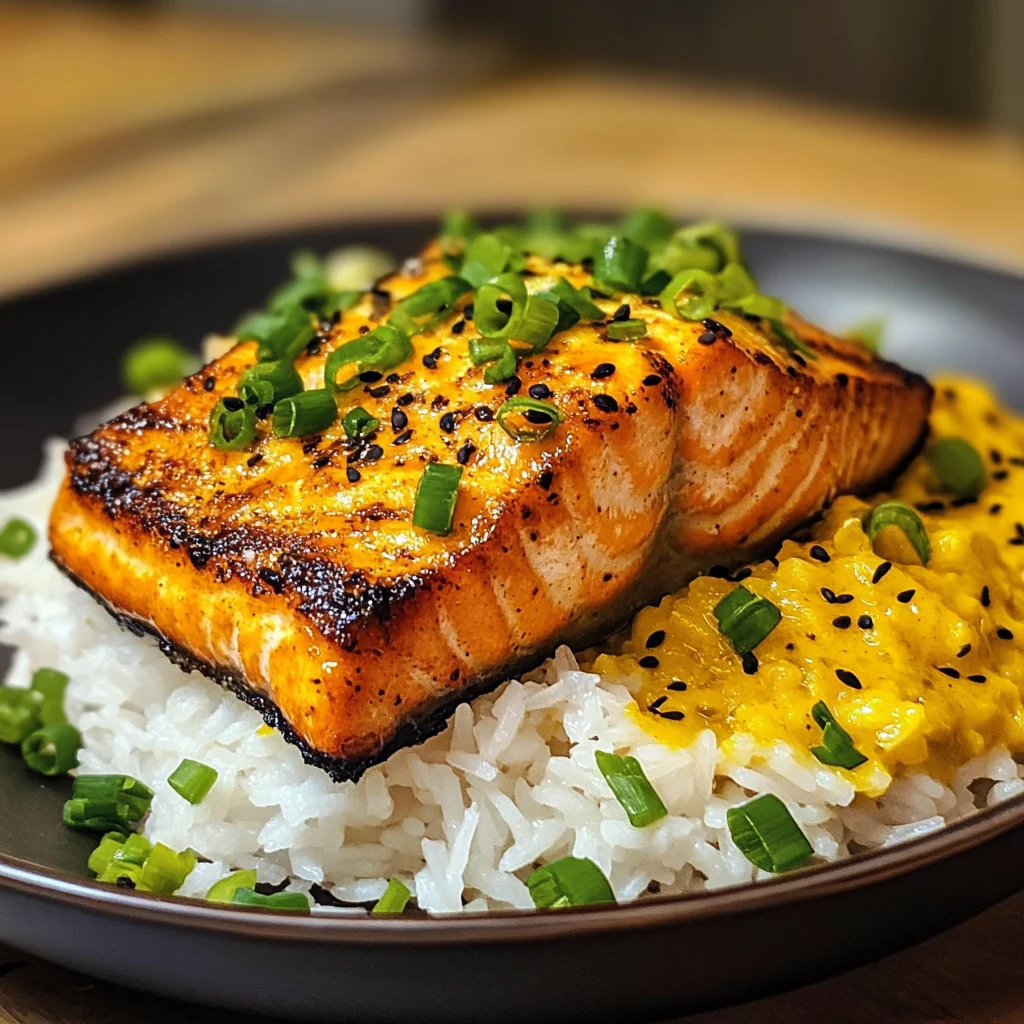
Miso-turmeric salmon and coconut rice brings together bold Asian-inspired flavors in one convenient pot. This dish features tender salmon fillets glazed with savory miso and golden turmeric, nestled atop creamy coconut rice. Moreover, it’s ready in just 30 minutes, making it perfect for busy weeknights.
The beauty of this recipe lies in its simplicity. You don’t need multiple pans or complicated techniques. Instead, everything cooks together, allowing the flavors to meld beautifully. Furthermore, the dish provides a complete meal with protein, carbohydrates, and vegetables all in one pot.
This recipe combines Japanese miso paste with the warming spice of turmeric. The result is a dish that’s both comforting and refreshing. Additionally, the coconut milk creates a silky, fragrant base that transforms ordinary rice into something extraordinary.
What Makes Miso-Turmeric Salmon and Coconut Rice Special
The Perfect Flavor Balance
The combination of miso, turmeric, and coconut creates a unique taste experience. Miso paste brings deep umami flavor that’s savory and slightly sweet. Meanwhile, turmeric adds an earthy, warm note along with a beautiful golden color.
Coconut milk provides richness without heaviness. It makes the rice tender and slightly sticky. The full-fat variety works best because it creates that signature creamy texture.
One-Pot Convenience
This miso-turmeric salmon and coconut rice recipe uses a single pot. The rice cooks on the bottom while the salmon steams on top. Consequently, cleanup is minimal and cooking is hands-off.
The layered cooking method is ingenious. First, the rice simmers in coconut milk. Then, greens like spinach create a natural steaming basket. Finally, the salmon fillets nestle on top, cooking gently in the steam.
Time-Saving Benefits
From start to finish, this dish takes only 30 minutes. The prep work is minimal, requiring just 10 minutes. Therefore, it’s an excellent choice when you need a healthy dinner fast.
The rice and salmon cook simultaneously. You don’t need to babysit the pot. Instead, you simply layer the ingredients and let them cook.
Key Ingredients and Their Benefits
White Miso Paste
White miso is the star ingredient in this miso-turmeric salmon and coconut rice. It’s milder than other miso varieties. The paste dissolves easily into the hot rice and salmon juices.
Miso is a fermented soybean paste. It contains beneficial probiotics that support digestive health. Additionally, miso provides B-complex vitamins, vitamin E, and minerals like copper and zinc.
The fermentation process enhances the nutritional value. Studies show that fermented soybean foods contain higher concentrations of beneficial compounds compared to unfermented versions.
Fresh Salmon
Salmon is rich in omega-3 fatty acids. These essential fats support heart and brain health. A 3-ounce serving provides about 2,150 mg of omega-3s.
Skinless salmon fillets work best for this recipe. They layer more evenly over the rice. Furthermore, the miso-turmeric marinade penetrates every bite.
Choose wild-caught salmon when possible. It typically contains higher levels of omega-3 fatty acids. However, farm-raised salmon is also nutritious.
Ground Turmeric
Turmeric gives this dish its distinctive golden hue. The spice contains curcumin, a compound with powerful properties. Curcumin acts as a natural anti-inflammatory agent.
Research shows that turmeric may help reduce inflammation in the body. The curcumin blocks inflammatory molecules. Therefore, it may benefit people with conditions like arthritis.
Turmeric also provides antioxidant effects. These help protect cells from damage. Additionally, studies suggest turmeric may support heart health.
Coconut Milk
Full-fat coconut milk is essential for creamy rice. It replaces water as the cooking liquid. The result is rice that’s tender, slightly sticky, and fragrant.
Coconut milk contains medium-chain fatty acids. These provide quick energy. The milk also adds natural sweetness that balances the savory miso.
For best results, use canned full-fat coconut milk. Light versions won’t create the same rich texture. Shake the can well before opening to ensure the cream and liquid are mixed.
Jasmine Rice
White jasmine rice is the traditional choice. It has a slightly sweet aroma. The grains remain tender and separate when cooked properly.
Rinsing the rice before cooking is crucial. This step removes excess starch. Consequently, the rice won’t become mushy or sticky.
You can substitute basmati rice if preferred. However, jasmine rice provides the best texture for this dish.
Baby Spinach
Baby spinach adds color and nutrients. It wilts quickly from the steam. The greens create a natural barrier between the rice and salmon.
Spinach is rich in vitamins A, C, and K. It also provides iron and folate. Moreover, it adds minimal calories while boosting the nutritional profile.
You can substitute other greens like bok choy or kale. However, baby spinach is tender and cooks quickly.
Fresh Aromatics
Scallions bring a mild onion flavor. They’re sliced thin and mixed into the miso marinade. The white and light green parts work best.
Fresh ginger adds warmth and depth. It pairs beautifully with miso. Additionally, ginger may aid digestion.
Lime juice brightens the entire dish. A squeeze at the end adds freshness. Cilantro makes an excellent garnish, though it’s optional.
Health Benefits of This Dish
Rich in Omega-3 Fatty Acids
Salmon provides high-quality omega-3 fatty acids. These essential fats support multiple aspects of health. Research shows they may reduce inflammation throughout the body.
Omega-3s are particularly beneficial for heart health. They may help lower blood pressure slightly. Furthermore, they can reduce triglyceride levels in the blood.
The American Heart Association recommends eating fatty fish at least twice weekly. This miso-turmeric salmon and coconut rice recipe makes meeting that goal delicious and easy.
Anti-Inflammatory Properties
Both turmeric and salmon offer anti-inflammatory benefits. Curcumin in turmeric blocks inflammatory molecules. Similarly, omega-3s in salmon reduce inflammation.
Chronic inflammation contributes to many health conditions. These include heart disease, diabetes, and arthritis. Therefore, eating anti-inflammatory foods may support overall wellness.
Studies demonstrate that curcumin may be as effective as some medications for reducing pain. However, it works naturally without harsh side effects.
Probiotic Support
Miso is a fermented food containing beneficial bacteria. These probiotics support digestive health. They help maintain a healthy gut microbiome.
Good gut bacteria improve nutrient absorption. They also support immune function. Additionally, probiotics may help with various digestive issues.
Fermented foods like miso also contain enzymes. These help break down food more efficiently. Consequently, nutrients are more easily absorbed.
Complete Nutrition Profile
This dish provides a balanced meal. Salmon offers high-quality protein and healthy fats. The rice supplies energy-giving carbohydrates.
One serving contains approximately 400-485 calories. It provides about 32 grams of protein. Additionally, it includes important vitamins and minerals.
The dish is rich in vitamin D, which salmon provides abundantly. It also contains B vitamins from both the miso and salmon. Moreover, the spinach adds vitamins A, C, and K.
Heart Health Benefits
Multiple ingredients in this miso-turmeric salmon and coconut rice support cardiovascular health. Omega-3 fatty acids improve blood vessel function. They may also reduce the risk of irregular heartbeats.
Studies show that eating fish regularly reduces heart disease risk. The omega-3s may lower the risk of dying from heart disease. Therefore, this dish is an excellent choice for heart-healthy eating.
Turmeric also supports heart health. It enhances endothelial function and fights free radical damage. Additionally, it reduces inflammation that can harm blood vessels.
Step-by-Step Preparation Guide
Gathering Your Ingredients
Start by assembling everything you need. For the miso-turmeric salmon and coconut rice, gather 2 cups white jasmine rice. You’ll also need one 15-ounce can of full-fat coconut milk.
For the salmon, use 1.5 pounds of skinless fillets. Cut them into 2-3 inch pieces. Additionally, prepare 2 tablespoons white miso paste, 2 tablespoons soy sauce, and 1 teaspoon ground turmeric.
You’ll need 4 scallions, thinly sliced. Gather 5 cups packed baby spinach. Finally, have 1 tablespoon olive oil, salt, pepper, and lime wedges ready.
Preparing the Rice
First, rinse the jasmine rice thoroughly. Place it in a strainer under cold running water. Continue rinsing until the water runs clear.
This step removes excess surface starch. Consequently, the rice will be fluffy rather than gummy. Never skip this crucial preparation step.
After rinsing, let the rice drain completely. This ensures accurate liquid measurements later. Well-drained rice cooks more evenly.
Making the Miso-Turmeric Marinade
In a small bowl, combine the miso paste and soy sauce. Add the ground turmeric and olive oil. Whisk everything together until smooth.
The mixture should be thick but spreadable. If it’s too thick, add a teaspoon of water. Stir in half of the sliced scallions.
This marinade will coat the salmon. It also adds flavor to the cooking liquid. The turmeric gives everything a beautiful golden color.
Assembling the One-Pot Dish
Choose a large, wide pot with a tight-fitting lid. A Dutch oven works perfectly. Add the rinsed rice to the pot.
Pour in the coconut milk. Add 1.5 cups of water. Season with salt and pepper to taste.
Stir the rice mixture gently. Make sure the rice is evenly distributed. The liquid should just cover the rice.
Layering for Success
Bring the liquid to a gentle boil over medium-high heat. Once boiling, reduce the heat to low. Do not cover yet.
Let the rice simmer for about 5 minutes. The liquid should be mostly absorbed. Small craters will form on the surface.
Now spread the baby spinach evenly over the rice. The greens will create a steaming layer. They’ll wilt as the salmon cooks.
Adding the Salmon
Arrange the salmon pieces on top of the spinach. Space them evenly across the surface. Brush each piece generously with the miso-turmeric marinade.
Make sure every salmon piece gets coated. Use all of the marinade. The flavors will drip down into the rice.
Cover the pot with the lid. Keep the heat on the lowest setting. This gentle cooking ensures tender salmon.
The Cooking Process
Let everything steam for 12-15 minutes. Don’t lift the lid during this time. The steam needs to stay trapped inside.
The salmon should be cooked through when done. It will flake easily with a fork. The internal temperature should reach 145°F.
The rice underneath will be tender and fully cooked. The spinach will be wilted but still bright green. All the flavors will have melded together beautifully.
Final Touches
Remove the pot from heat. Let it rest, still covered, for 5 minutes. This allows any remaining moisture to be absorbed.
Uncover and fluff the rice gently with a fork. Be careful not to break up the salmon. Sprinkle the remaining scallions on top.
Serve with lime wedges on the side. A squeeze of fresh lime brightens the entire dish. Garnish with cilantro if desired.
Cooking Tips for Perfect Results
Rice Preparation Secrets
The rice-to-liquid ratio is crucial for this miso-turmeric salmon and coconut rice. Use 1.5 cups of liquid for every cup of rice. This includes both coconut milk and water.
Never use too much liquid. Excess moisture makes rice mushy. Conversely, too little liquid results in crunchy, undercooked grains.
Measure carefully for best results. Use a dry measuring cup for rice. Use a liquid measuring cup for the coconut milk and water.
Choosing the Right Salmon
Salmon thickness affects cooking time. Aim for fillets that are about 1-inch thick. They’ll cook evenly in the steaming time.
Fresh salmon works beautifully. However, thawed frozen salmon is also excellent. Just make sure it’s completely thawed and patted dry.
Remove any pin bones before cooking. Run your fingers along the fillet. Use tweezers to pull out any bones you find.
Temperature Control Matters
Low, gentle heat is essential. High heat will burn the bottom of the rice. It will also overcook the salmon.
Once you reduce the heat to low, don’t increase it. The pot should barely simmer. You might hear occasional gentle bubbling.
If your stove runs hot, use a heat diffuser. This prevents scorching. The rice should cook slowly and evenly.
Proper Pot Selection
Use a pot with a heavy bottom. This distributes heat evenly. Thin pots create hot spots that can burn the rice.
The pot should be wide enough for all the salmon pieces. They shouldn’t overlap. Each piece needs exposure to steam.
A tight-fitting lid is essential. Steam must stay trapped inside. If your lid doesn’t fit well, cover with foil first, then add the lid.
Marinade Application
Apply the miso-turmeric marinade generously. Don’t be shy with it. The marinade creates incredible flavor.
For deeper flavor, marinate the salmon beforehand. Place salmon in a dish with the marinade. Cover and refrigerate for 30 minutes to 2 hours.
However, the quick version works wonderfully too. Brushing the marinade on just before cooking still delivers delicious results.
Avoiding Common Pitfalls
Never peek during cooking. Every time you lift the lid, steam escapes. This increases cooking time and affects results.
Don’t stir the rice once the salmon is added. Stirring breaks up the layers. It also risks breaking the salmon apart.
Resist the urge to increase the heat. Patient, slow cooking yields the best texture. Rushed cooking results in unevenly cooked food.
Testing for Doneness
The salmon should be opaque throughout. Insert a fork into the thickest part. The flesh should flake easily.
If the salmon isn’t quite done, cover and steam for 2-3 more minutes. Check again before serving. Undercooked salmon has a translucent center.
The rice should be tender with no hard center. Taste a grain to check. If it’s still firm, add a splash of water, cover, and cook for 3-5 more minutes.
Variations and Customizations
Different Protein Options
While salmon is traditional, other fish work well too. Try this recipe with cod or halibut. These white fish are mild and flaky.
For a richer flavor, use Arctic char. It’s similar to salmon but slightly milder. Black cod is another luxurious option.
Even shrimp work beautifully. Use large, peeled shrimp. They cook quickly, so reduce the steaming time to 8-10 minutes.
Vegetarian Adaptations
Make this miso-turmeric salmon and coconut rice vegetarian by using tofu. Choose extra-firm tofu and press it well. Cut into thick slabs and marinate.
Tempeh is another excellent option. It’s firmer than tofu and has a nutty flavor. The fermentation complements the miso beautifully.
For extra protein, add edamame to the rice. Stir them in with the coconut milk. They’ll cook along with the rice.
Rice Alternatives
Basmati rice creates a lighter, fluffier texture. It has a subtle aroma. Use the same liquid ratio.
Brown rice is more nutritious but takes longer to cook. Pre-cook it partially before adding the salmon. Otherwise, the salmon will overcook.
For a low-carb version, try cauliflower rice. Use it as a base and arrange the salmon on top. The cooking method changes slightly, requiring less time.
Vegetable Additions
Beyond spinach, many greens work well. Bok choy adds crunch and sweetness. Separate the leaves and layer them like spinach.
Kale is heartier and more nutritious. However, it takes longer to wilt. Add it to the rice 5 minutes earlier than spinach.
Sliced bell peppers add color and sweetness. Layer them with the greens. They’ll soften during steaming.
Spice Variations
Add fresh ginger to the marinade for extra warmth. Grate about 1 teaspoon. It pairs perfectly with miso.
For heat, include red pepper flakes. Start with 1/4 teaspoon. You can always add more at the table.
Sesame oil enhances the Asian flavors. Add 1 teaspoon to the marinade. The nutty aroma is wonderful.
Coconut Milk Substitutes
For a lighter version, use half coconut milk and half vegetable broth. The rice will be less rich. However, it will still have coconut flavor.
Coconut cream makes the dish even richer. Dilute it with water to the same volume. The result is incredibly creamy.
For those avoiding coconut, use vegetable broth entirely. Add a tablespoon of butter for richness. The flavor profile changes but remains delicious.
Serving Suggestions
Complementary Side Dishes
This miso-turmeric salmon and coconut rice is a complete meal. However, simple sides enhance the experience. A cucumber salad provides cool crunch.
Edamame makes an excellent starter. Season them with sea salt. They complement the Asian flavors.
Pickled vegetables add tanginess. Try pickled ginger or radishes. They cut through the richness.
Garnishing for Appeal
Fresh cilantro is the classic garnish. Its bright flavor lifts the dish. However, basil works well too.
Toasted sesame seeds add crunch and nutty flavor. Sprinkle them generously on top. They also look beautiful.
Sliced green onions provide color and mild bite. Use both the white and green parts. They add visual interest.
Presentation Ideas
Serve directly from the pot for a rustic feel. Let everyone help themselves. It’s casual and inviting.
For elegant plating, use shallow bowls. Spoon rice into the center. Place a salmon piece on top.
Arrange lime wedges around the edge. Their bright green color contrasts beautifully. They’re also functional, adding fresh acidity.
Pairing Beverages
Green tea complements the Asian flavors naturally. Its subtle bitterness balances the richness. Serve it hot or iced.
Sparkling water with lime cleanses the palate. It’s refreshing and simple. Add fresh mint for extra flavor.
A light, citrusy iced tea works wonderfully. Brew jasmine tea and chill it. The floral notes echo the rice.
Making It a Party Dish
This recipe scales easily for gatherings. Double or triple the ingredients. Use a larger pot or multiple pots.
Set up a toppings bar for guests. Offer additional scallions, cilantro, and lime. Include sesame seeds and chili flakes.
Serve family-style on a large platter. Arrange the salmon pieces artfully. Garnish abundantly for visual impact.
Storage and Meal Prep Tips
Refrigerator Storage
Store leftovers in an airtight container. This miso-turmeric salmon and coconut rice keeps for 3-4 days. Refrigerate within 2 hours of cooking.
Separate the salmon from the rice if possible. They reheat at different rates. This prevents overcooking the fish.
Let the dish cool completely before storing. Hot food raises the refrigerator temperature. This can affect other stored items.
Freezing Guidelines
The rice freezes well for up to 3 months. However, salmon texture changes when frozen. It becomes slightly drier.
If freezing, undercook the salmon slightly. It will finish cooking during reheating. This prevents the dry, tough texture.
Freeze in portion-sized containers. This makes defrosting easier. You can thaw only what you need.
Reheating Methods
The microwave works for quick reheating. Add a tablespoon of water first. Cover loosely and heat in 1-minute intervals.
For best texture, reheat on the stovetop. Add the rice to a pan with a splash of water. Heat gently, stirring occasionally.
The oven method preserves texture beautifully. Place in an oven-safe dish. Cover with foil and heat at 350°F for 15-20 minutes.
Meal Prep Strategies
Prepare components ahead for easy assembly. Cook the rice up to 2 days early. Store it separately from other ingredients.
Make the miso-turmeric marinade in advance. It keeps in the refrigerator for up to 5 days. Just give it a stir before using.
Portion the salmon and marinate it. Store in individual containers. Each portion is ready to cook when needed.
Maintaining Food Safety
Always use a food thermometer. Salmon should reach 145°F internally. This ensures it’s safe to eat.
Thaw frozen salmon in the refrigerator overnight. Never thaw at room temperature. This prevents bacterial growth.
Don’t leave cooked food at room temperature. The “danger zone” is between 40°F and 140°F. Bacteria multiply rapidly in this range.
Common Mistakes to Avoid
Rice Cooking Errors
Using too much liquid is a frequent mistake. This creates mushy, sticky rice. Measure carefully using the proper ratio.
Not rinsing the rice causes gummy texture. The excess starch makes rice clump together. Always rinse until water runs clear.
Lifting the lid during cooking releases steam. This extends cooking time. It also affects the final texture.
Salmon Preparation Issues
Overcooking salmon makes it dry and tough. Watch the timing carefully. Remember that it continues cooking slightly after removing from heat.
Using salmon with skin complicates serving. The skin doesn’t always remove easily. Skinless fillets are simpler for this miso-turmeric salmon and coconut rice.
Uneven salmon pieces cook at different rates. Try to cut similar-sized portions. This ensures everything finishes simultaneously.
Marinade Problems
Making the marinade too thin dilutes flavor. It should be thick and paste-like. Add miso gradually if adjusting consistency.
Not using enough marinade robs the dish of flavor. Coat the salmon generously. The marinade is essential for taste.
Forgetting to season the rice is a common oversight. The coconut rice needs salt. Don’t rely only on the marinade for seasoning.
Temperature Troubles
Cooking on too high heat burns the rice bottom. Once simmering, reduce to the lowest setting. Be patient.
Starting with cold coconut milk slows cooking. Bring it to room temperature first. This speeds up the initial boil.
Not preheating the pot evenly causes hot spots. Heat the empty pot first. Then add ingredients.
Ingredient Substitution Errors
Using light coconut milk disappoints. It lacks the richness needed. Always choose full-fat versions.
Red or dark miso is too strong. The flavor overwhelms other ingredients. White miso is mild and balanced.
Long-grain rice other than jasmine changes texture. While possible, the results differ. Jasmine provides the authentic experience.
FAQs
Can I make miso-turmeric salmon and coconut rice ahead of time?
You can prepare components ahead but shouldn’t fully cook the dish in advance. The rice and marinade store well separately. However, cooked salmon dries out when reheated. For best results, cook fresh but prep ingredients earlier.
What type of miso should I use?
White miso paste works best for this recipe. It’s mild and slightly sweet. Yellow miso is an acceptable substitute. Avoid red or dark miso, as they’re too intense and salty.
Can I use frozen salmon?
Yes, frozen salmon works perfectly. Just thaw it completely in the refrigerator overnight. Pat it dry before applying the marinade. Frozen salmon is often flash-frozen at peak freshness.
Is this dish gluten-free?
Not as written because soy sauce contains wheat. However, you can easily adapt it. Use tamari or coconut aminos instead. These provide similar umami flavor without gluten.
How do I know when the salmon is done?
Insert a fork into the thickest part. The salmon should flake easily. Additionally, it should be opaque throughout with no translucent center. The internal temperature should reach 145°F.
Can I use brown rice instead of white?
Brown rice requires much longer cooking time. If using it, partially cook the rice first. Add the salmon during the last 12-15 minutes. Otherwise, the salmon will overcook.
What if I don’t have coconut milk?
You can use vegetable broth as a substitute. However, the dish will lack coconut flavor and creaminess. Adding a tablespoon of butter helps restore richness.
How spicy is this dish?
The recipe isn’t spicy at all. Turmeric provides earthiness, not heat. Add red pepper flakes or fresh chili if you prefer spice.
Conclusion
Miso-turmeric salmon and coconut rice delivers restaurant-quality flavors with minimal effort. This one-pot wonder combines protein-rich salmon with creamy coconut rice. Moreover, it’s ready in just 30 minutes, making weeknight dinners effortless.
The dish offers impressive nutritional benefits. Omega-3 fatty acids from salmon support heart health. Meanwhile, turmeric provides anti-inflammatory properties. Additionally, miso contributes beneficial probiotics for gut health.
The cooking method couldn’t be simpler. Layer rice, greens, and marinated salmon in one pot. Then let steam work its magic. Consequently, cleanup is minimal and results are consistently delicious.
This versatile recipe adapts to your preferences easily. Try different proteins, vegetables, or seasonings. Each variation brings new flavors while maintaining the core concept.
The balance of savory miso, earthy turmeric, and creamy coconut creates unforgettable taste. Fresh lime juice and herbs brighten every bite. Therefore, this miso-turmeric salmon and coconut rice deserves a permanent place in your recipe rotation.
Print
Miso-Turmeric Salmon and Coconut Rice
Description
Miso-Turmeric Salmon and Coconut Rice
📝 Ingredients
For the Salmon:
-
4 salmon fillets (skin-on or skinless)
-
2 tbsp white miso paste
-
1 tbsp soy sauce
-
1 tbsp honey or maple syrup
-
1 tsp ground turmeric
-
1 tbsp rice vinegar or lime juice
-
1 tbsp sesame oil
-
1 clove garlic, minced
For the Coconut Rice:
-
1 cup jasmine rice
-
1 cup coconut milk
-
¾ cup water
-
½ tsp salt
-
1 tsp lime zest (optional)
For Garnish:
-
Chopped cilantro
-
Toasted sesame seeds
-
Lime wedges
👩🍳 Instructions
-
Cook the rice — Rinse the rice, then add it to a saucepan with coconut milk, water, and salt. Bring to a boil, then reduce heat to low. Cover and simmer for 15 minutes. Remove from heat and fluff with a fork.
-
Make the glaze — In a bowl, whisk together miso, soy sauce, honey, turmeric, rice vinegar, sesame oil, and garlic until smooth.
-
Cook the salmon — Heat a drizzle of oil in a skillet over medium-high. Sear salmon skin-side down first, 3–4 minutes per side, until golden and cooked through.
-
Glaze it — In the last minute of cooking, brush the salmon with the miso-turmeric glaze and let it caramelize slightly.
-
Serve — Plate the salmon over coconut rice. Drizzle extra glaze over the top, and garnish with sesame seeds, cilantro, and lime wedges.