
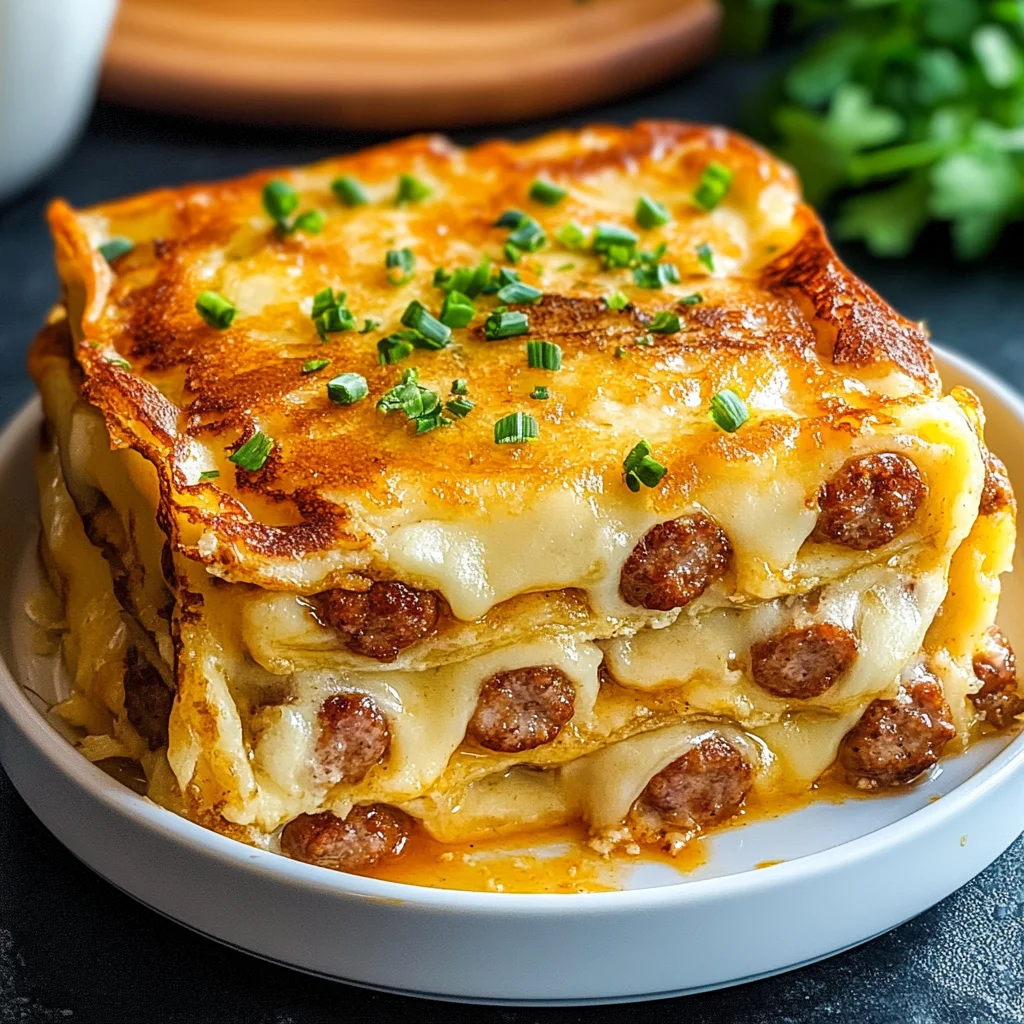
Pancake Sausage Casserole: The Ultimate Breakfast Comfort Food
Imagine waking up to the aroma of savory sausage and fluffy pancakes baked together in one delicious dish. Pancake Sausage Casserole transforms ordinary breakfast ingredients into an extraordinary comfort meal that feeds a crowd with minimal effort. This make-ahead breakfast combines the beloved flavors of classic pancakes and breakfast sausage into a convenient casserole format that’s perfect for busy mornings, holiday gatherings, or weekend brunch celebrations.
This comprehensive guide walks you through everything you need to know about creating the perfect pancake sausage casserole, from ingredient selection to storage tips.
What is Pancake Sausage Casserole?
Pancake sausage casserole is a creative breakfast dish that layers or combines cooked breakfast sausage with pancake batter in a baking dish. The mixture bakes into a cohesive, sliceable casserole that offers the texture of fluffy pancakes with savory sausage in every bite.
This dish originated from the American tradition of combining breakfast favorites into convenient one-pan meals. It gained popularity in the 1980s and 1990s as busy families sought efficient breakfast solutions. Today, this casserole remains a staple at potlucks, holiday breakfasts, and meal prep rotations.
The beauty of this breakfast casserole lies in its versatility. You can customize it with different sausage varieties, add vegetables, incorporate cheese, or adjust the sweetness level. Additionally, it eliminates the need to flip individual pancakes, making breakfast preparation significantly easier.
Why You’ll Love This Recipe
Convenience Factor
This pancake and sausage casserole saves precious morning time. Instead of standing over a griddle flipping pancakes, you simply pour everything into a pan and let the oven do the work. This hands-off approach means you can prepare other dishes or enjoy time with family.
The make-ahead potential further enhances convenience. Prepare the casserole the night before, refrigerate it, and bake it fresh in the morning. Alternatively, bake it completely, then reheat portions throughout the week for quick breakfasts.
Budget-Friendly Breakfast
Creating this sausage pancake casserole costs significantly less than restaurant brunch prices. Basic ingredients like flour, eggs, milk, and sausage remain affordable year-round. One pan feeds 8-12 people, making it economical for large families or gatherings.
According to the USDA Food Data Central, the per-serving cost typically ranges from $1.50 to $3.00 depending on ingredient quality and regional pricing. This represents substantial savings compared to individual pancake meals.
Crowd-Pleasing Appeal
This breakfast casserole satisfies diverse taste preferences. Children love the familiar pancake flavor, while adults appreciate the savory sausage component. The dish works equally well for casual family breakfasts and special occasion brunches.
The presentation also impresses guests. Cutting neat squares from a golden-brown casserole creates an attractive serving display. Moreover, the aroma filling your kitchen generates anticipation and appetite.
Essential Ingredients Breakdown
Pancake Batter Components
All-Purpose Flour forms the structural foundation of your casserole. Use 2½ to 3 cups for standard recipes. The flour creates the tender, cake-like texture characteristic of pancakes. For best results, measure flour using the spoon-and-level method rather than scooping directly from the bag.
Leavening Agents include baking powder and baking soda. These ingredients create the fluffy rise in your casserole. Typically, you’ll need 2-3 tablespoons of baking powder. Check expiration dates, as old leavening agents lose effectiveness.
Eggs provide structure and richness. Most recipes call for 4-6 large eggs. The eggs bind ingredients together and contribute to the golden color. Room temperature eggs incorporate more easily into batter.
Milk adds moisture and helps achieve the proper batter consistency. Use 2-3 cups of whole milk, 2% milk, or buttermilk. Buttermilk creates extra tang and tenderness. Plant-based milk alternatives work for dietary restrictions.
Sugar balances the savory sausage with subtle sweetness. Add ¼ to ½ cup depending on preference. Granulated sugar works perfectly, though brown sugar adds molasses notes.
Fat in the form of melted butter or oil enriches the batter. Include ¼ to ⅓ cup for optimal moisture and flavor. Butter provides superior taste, while vegetable oil creates slightly lighter texture.
Sausage Selection
Pork Breakfast Sausage represents the traditional choice. Use 1-1½ pounds of bulk breakfast sausage or links removed from casings. Choose regular, mild, or spicy varieties based on heat preference.
Turkey Sausage offers a leaner alternative with similar flavor profiles. This option reduces fat content while maintaining satisfying taste. The American Heart Association recommends leaner protein choices for heart health.
Chicken Sausage provides another lean option with unique flavor possibilities. Varieties like apple chicken sausage or spinach feta chicken sausage add interesting dimensions to the casserole.
Vegetarian Sausage accommodates plant-based diets. Modern meat alternatives replicate traditional sausage texture and flavor remarkably well. Brands like Beyond Meat and Impossible Foods offer quality options.
Optional Enhancement Ingredients
Cheese elevates richness and adds savory depth. Incorporate 1-2 cups of shredded cheddar, mozzarella, or Monterey Jack. Mix cheese into the batter or sprinkle it on top before baking.
Vegetables boost nutrition and add color. Diced bell peppers, chopped spinach, sliced mushrooms, or diced onions work beautifully. Sauté vegetables before adding to remove excess moisture.
Seasonings customize flavor profiles. Consider adding garlic powder, onion powder, dried herbs, black pepper, or red pepper flakes. Start with ½ teaspoon of each and adjust to taste.
Kitchen Tools You’ll Need
Essential Equipment
A 9×13-inch baking dish serves as the standard vessel for this casserole. Glass or ceramic dishes work best as they distribute heat evenly. Metal pans also function well but may require slight temperature adjustments.
Large mixing bowls accommodate batter preparation. Use one bowl for dry ingredients and another for wet ingredients. Stainless steel or glass bowls work better than plastic for thorough mixing.
A whisk ensures smooth, lump-free batter. Choose a balloon whisk for incorporating air and achieving light texture. Alternatively, an electric mixer streamlines the process for larger batches.
A large skillet cooks the sausage before adding it to the casserole. Cast iron or stainless steel skillets provide even heat distribution. Non-stick pans simplify cleanup but may not achieve the same browning.
Measuring cups and spoons ensure accurate proportions. Use dry measuring cups for flour and sugar, liquid measuring cups for milk and oil. Precision matters for achieving proper consistency.
Helpful Optional Tools
A spatula helps fold ingredients together gently. Silicone spatulas resist heat and prevent scratching baking dishes. They’re particularly useful for scraping bowl sides completely.
Aluminum foil covers the casserole during initial baking if browning occurs too quickly. This prevents over-darkening while ensuring the center cooks thoroughly.
A meat thermometer verifies that eggs reach safe internal temperatures. The USDA recommends egg dishes reach 160°F for food safety. Insert the thermometer into the casserole center for accurate readings.
Step-by-Step Preparation Guide
Preparing the Sausage
Begin by heating your skillet over medium heat. Add the breakfast sausage and break it into small crumbles using a wooden spoon or spatula. Cook for 8-10 minutes, stirring occasionally, until no pink remains and the sausage achieves golden-brown coloring.
Proper browning develops rich, savory flavor through the Maillard reaction. This chemical process creates complex taste compounds that enhance the overall dish. Don’t rush this step by using high heat, which can burn the exterior while leaving the interior undercooked.
Once cooked completely, transfer the sausage to a paper towel-lined plate. This drains excess grease, preventing the casserole from becoming overly oily. Let the sausage cool for 5-10 minutes before adding it to the batter.
Creating the Pancake Batter
Start by preheating your oven to 350°F. Meanwhile, grease your 9×13-inch baking dish with butter or non-stick cooking spray. Thorough greasing prevents sticking and ensures easy serving.
In a large bowl, whisk together flour, baking powder, sugar, and salt. Create a well in the center of the dry ingredients. This technique helps incorporate wet ingredients more smoothly.
In a separate bowl, beat eggs until slightly frothy. Add milk and melted butter, whisking until fully combined. The melted butter should be warm but not hot, as excessive heat can cook the eggs prematurely.
Pour the wet ingredients into the well of dry ingredients. Gently whisk until just combined, being careful not to overmix. Small lumps are acceptable and actually desirable. Overmixing develops gluten, resulting in tough, chewy texture rather than tender fluffiness.
Combining Ingredients
Fold the cooled, cooked sausage into the pancake batter using a spatula. Distribute the meat evenly throughout the mixture for consistent flavor in every serving. If adding cheese or vegetables, incorporate them at this stage as well.
Pour the combined mixture into your prepared baking dish. Use the spatula to spread it evenly, ensuring consistent thickness throughout. This promotes uniform cooking and prevents some areas from burning while others remain undercooked.
Tap the baking dish gently on the counter several times. This releases air bubbles that could create unwanted holes in the finished casserole. The surface should appear relatively smooth after tapping.
Cooking Instructions and Timing
Baking Process
Place the prepared casserole on the center oven rack. Center placement ensures even heat circulation from all directions. Bake uncovered for 35-45 minutes, depending on your oven and the casserole’s thickness.
The casserole is done when the top turns golden brown and the center no longer jiggles when gently shaken. Additionally, a toothpick inserted into the center should emerge clean or with just a few moist crumbs.
For food safety, verify the internal temperature reaches 160°F using a meat thermometer. This temperature ensures eggs cook completely, eliminating potential foodborne illness risks according to food safety guidelines.
Achieving Perfect Texture
If the top browns too quickly before the center cooks through, tent the casserole loosely with aluminum foil. This shields the surface from direct heat while allowing the interior to continue cooking.
Conversely, if you want extra browning on top, increase the oven temperature to 375°F for the final 5 minutes of baking. Watch carefully during this time to prevent burning.
After removing from the oven, let the casserole rest for 10-15 minutes before cutting. This resting period allows the structure to set, making slicing cleaner and easier. The residual heat continues gentle cooking during this time.
Portion Cutting
Use a sharp knife to cut the casserole into squares or rectangles. Wipe the knife clean between cuts for neater presentation. A bench scraper or large offset spatula helps lift portions from the pan without breakage.
Standard portions range from 3×3 inches for hearty servings to 2×3 inches for lighter portions. One 9×13-inch pan typically yields 8-12 servings depending on portion size.
Flavor Variations and Customizations
Savory Variations
Loaded Breakfast Casserole incorporates additional breakfast favorites. Add diced ham, crumbled bacon, sautéed onions, and bell peppers alongside the sausage. Top with shredded cheddar cheese and diced tomatoes before baking.
Southwest Style brings southwestern flair to your casserole. Use chorizo-style sausage, add black beans, corn, diced green chiles, and pepper jack cheese. Serve with salsa, sour cream, and fresh cilantro.
Italian-Inspired Version features Italian sausage, mozzarella cheese, sun-dried tomatoes, and fresh basil. This Mediterranean twist pairs beautifully with marinara sauce for dipping.
Vegetable-Forward Option maximizes nutrition by loading the casserole with vegetables. Include spinach, mushrooms, zucchini, and bell peppers. Use turkey sausage or vegetarian sausage to keep it lighter.
Sweet and Savory Combinations
Apple Cinnamon Sausage Casserole combines sweet and savory elements harmoniously. Use maple-flavored breakfast sausage and add diced apples, cinnamon, and a touch of maple syrup to the batter.
Blueberry Sausage Version incorporates fresh or frozen blueberries into the batter. The fruit adds bursts of sweetness that complement the savory sausage. Serve with additional maple syrup or honey.
Dietary Adaptations
Gluten-Free Pancake Sausage Casserole substitutes gluten-free flour blend for regular flour. Ensure your baking powder is gluten-free as well. Add ½ teaspoon xanthan gum if your flour blend doesn’t include it.
Dairy-Free Version replaces milk with almond milk, oat milk, or coconut milk. Substitute butter with coconut oil or dairy-free margarine. Omit cheese or use dairy-free alternatives.
Lower-Carb Option reduces flour and increases eggs for a protein-forward casserole. Use almond flour or coconut flour in place of some all-purpose flour. This creates a denser, more custard-like texture.
Make-Ahead and Storage Tips
Advance Preparation Methods
Overnight Assembly allows you to prepare everything the night before. Cook the sausage, prepare the batter, combine them, and pour into the greased baking dish. Cover tightly with plastic wrap or aluminum foil and refrigerate overnight.
When ready to bake, remove the casserole from the refrigerator while preheating the oven. Let it sit at room temperature for 15-20 minutes. Cold casseroles from the refrigerator may require an additional 5-10 minutes of baking time.
Freezer-Friendly Preparation extends storage even further. Assemble the unbaked casserole in a freezer-safe dish, cover tightly with plastic wrap followed by aluminum foil, and freeze for up to 3 months.
To bake from frozen, thaw overnight in the refrigerator, then bake as directed. Alternatively, bake directly from frozen at 325°F, adding 20-30 minutes to the cooking time. Cover with foil for the first half of baking to prevent over-browning.
Short-Term Storage
Store leftover baked casserole in an airtight container in the refrigerator for 3-4 days. Cut into individual portions before storing for easier reheating. Glass containers preserve flavor better than plastic.
Label containers with the date to track freshness. The casserole maintains best quality when consumed within this timeframe, though it remains safe if kept at proper refrigerator temperatures below 40°F.
Reheating Instructions
Oven Reheating provides the best texture restoration. Preheat your oven to 350°F, place portions in an oven-safe dish, cover with foil, and heat for 15-20 minutes until warmed through.
Microwave Method offers quick convenience. Place a portion on a microwave-safe plate and heat on medium power for 1-2 minutes. Use medium power rather than high to prevent tough, rubbery texture.
Toaster Oven works perfectly for single portions. Heat at 350°F for 10-12 minutes, checking halfway through. This method crisps the exterior nicely while warming the interior.
Serving Suggestions and Pairings
Complementary Toppings
Maple Syrup represents the classic pancake topping that works beautifully with this casserole. The sweetness balances the savory sausage perfectly. Warm the syrup before serving for enhanced flavor and easier pouring.
Fresh Fruit adds brightness and nutrition. Serve alongside fresh berries, sliced strawberries, or seasonal fruit. The fruit’s acidity cuts through the richness of the sausage and eggs.
Whipped Cream provides light, airy sweetness. Make homemade whipped cream by beating heavy cream with a touch of sugar and vanilla. This topping works especially well for sweeter variations.
Butter and Honey creates simple, classic topping. Let butter soften to room temperature for easy spreading. Drizzle honey over buttered portions for natural sweetness.
Side Dish Pairings
Fresh Fruit Salad balances the casserole’s richness with refreshing lightness. Combine melons, grapes, berries, and citrus fruits for a colorful accompaniment. [Check out our guide on [fruit salad preparations]].
Hash Browns add crispy potato goodness to the meal. Whether shredded and pan-fried or cubed and roasted, potatoes complement breakfast casseroles wonderfully.
Yogurt Parfait offers a lighter, probiotic-rich side. Layer Greek yogurt with granola and fresh berries. This provides protein and beneficial bacteria for digestive health.
Green Salad brings vegetables to the breakfast table. Mix spring greens with cucumber, tomatoes, and light vinaigrette. This unexpected pairing adds nutritional balance.
Beverage Pairings
Coffee remains the quintessential breakfast beverage. Brew fresh coffee using quality beans for the best experience. Both regular and decaffeinated options pair well.
Fresh Juice provides vitamin-rich refreshment. Orange juice offers classic appeal, while apple or cranberry juice provides alternatives. Choose 100% juice without added sugars.
Milk complements pancake flavors naturally. Serve cold whole milk, 2% milk, or plant-based alternatives. Chocolate milk appeals to children and adds festive touch.
Hot Tea offers a gentler caffeine option or caffeine-free choice. Black tea, green tea, or herbal varieties all work well. Serve with honey for natural sweetness.
Troubleshooting Common Issues
Problem: Soggy or Undercooked Center
Cause: Insufficient baking time or incorrect oven temperature often creates this issue. Additionally, too much liquid in the batter can prevent proper setting.
Solution: Ensure your oven temperature is accurate using an oven thermometer. Bake until the internal temperature reaches 160°F and the center no longer jiggles. If the top browns before the center cooks, tent with foil and continue baking at a slightly lower temperature.
Problem: Dry or Tough Texture
Cause: Overmixing the batter develops excess gluten, creating tough texture. Additionally, overbaking removes too much moisture, resulting in dryness.
Solution: Mix batter until just combined, leaving small lumps. Remove the casserole from the oven as soon as it reaches 160°F internal temperature. Add slightly more milk or melted butter to the batter for extra moisture.
Problem: Burnt Top with Raw Center
Cause: Oven temperature running too hot or placing the casserole too close to the heating element causes this problem.
Solution: Lower the oven temperature by 25°F and move the casserole to a lower rack position. Cover the top with aluminum foil once it achieves desired browning while the center finishes cooking.
Problem: Greasy or Oily Texture
Cause: Not draining cooked sausage properly releases excess fat into the casserole. Using very fatty sausage varieties can also contribute.
Solution: Always drain cooked sausage thoroughly on paper towels before adding to batter. Consider using leaner sausage options like turkey or chicken sausage. You can also dab the cooked sausage with additional paper towels to remove more grease.
Problem: Bland Flavor
Cause: Insufficient seasoning or using low-quality sausage creates flat taste.
Solution: Season the batter with salt, pepper, garlic powder, and onion powder. Choose well-seasoned breakfast sausage rather than plain ground pork. Add cheese, herbs, or other flavor enhancers to boost taste.
Nutritional Information
Basic Nutritional Profile
A standard serving (approximately 1/12 of the casserole) contains roughly 280-350 calories. This estimate varies based on specific ingredients and portion sizes. The macronutrient breakdown typically includes 15-20 grams of protein, 30-35 grams of carbohydrates, and 12-18 grams of fat.
The protein content comes primarily from eggs and sausage, providing essential amino acids for muscle maintenance and satiety. Carbohydrates derive mainly from flour and sugar, offering energy for daily activities.
Fat content varies significantly based on sausage type and added cheese. Using turkey or chicken sausage instead of pork reduces fat substantially. The casserole provides approximately 180-250 milligrams of cholesterol per serving, primarily from eggs.
Micronutrient Content
This breakfast casserole provides several important vitamins and minerals. Eggs contribute vitamin D, vitamin B12, selenium, and choline. These nutrients support bone health, nervous system function, and cellular processes.
Milk adds calcium for bone strength and vitamin A for vision health. Depending on fortification, milk also provides vitamin D. Using enriched flour contributes B vitamins including thiamin, riboflavin, and niacin.
The sausage provides iron, zinc, and B vitamins. These minerals and vitamins support immune function, wound healing, and energy metabolism. Adding vegetables increases vitamin C, folate, and fiber content.
Making It Healthier
Increase Protein: Use additional eggs or egg whites to boost protein without significantly increasing calories. Higher protein content promotes satiety and helps maintain stable blood sugar levels.
Add Fiber: Incorporate whole wheat flour or oat flour to replace some all-purpose flour. Add vegetables like spinach, peppers, or mushrooms. Fiber supports digestive health and helps maintain fullness.
Reduce Sodium: Choose lower-sodium sausage varieties and reduce added salt in the batter. Excessive sodium intake may contribute to high blood pressure in sensitive individuals.
Lower Fat: Use turkey or chicken sausage, reduce or eliminate added cheese, and use low-fat milk. These modifications significantly reduce saturated fat and total calories.
Frequently Asked Questions
Can I use pancake mix instead of making batter from scratch?
Yes, pancake mix works perfectly for this casserole. Use about 3 cups of complete pancake mix (the kind requiring only water) and prepare according to package directions, typically adding eggs and milk. This shortcut saves time while still producing delicious results. However, you’ll have less control over sugar content and texture compared to homemade batter.
How do I know when the pancake sausage casserole is fully cooked?
The casserole is done when it reaches an internal temperature of 160°F, the top turns golden brown, and the center no longer jiggles when gently shaken. Insert a toothpick or knife into the center—it should emerge clean or with minimal moist crumbs. If liquid batter appears, continue baking for 5-minute intervals until set.
Can I make this casserole without eggs?
Yes, though eggs provide structure and binding. For egg-free versions, use commercial egg replacers following package instructions for the equivalent of 4-6 eggs. Alternatively, try flax eggs (1 tablespoon ground flaxseed mixed with 3 tablespoons water per egg) or applesauce (¼ cup per egg). The texture will differ slightly, becoming denser and less fluffy.
What’s the best way to prevent the casserole from sticking to the pan?
Thoroughly grease your baking dish with butter or non-stick cooking spray, paying special attention to corners. For extra insurance, line the bottom with parchment paper after greasing. Let the baked casserole rest for 10-15 minutes before cutting, as this allows the structure to set and makes removal easier.
Can I add vegetables to pancake sausage casserole?
Absolutely. Sauté vegetables first to remove excess moisture that could make the casserole soggy. Bell peppers, onions, mushrooms, spinach, and zucchini all work beautifully. Add 1-2 cups of cooked, well-drained vegetables to the batter along with the sausage. This boosts nutrition and adds interesting flavors.
How long does leftover casserole last in the refrigerator?
Properly stored in an airtight container, leftover casserole stays fresh for 3-4 days in the refrigerator. Ensure it cools to room temperature within 2 hours of baking before refrigerating. Reheat individual portions in the microwave or oven until heated through to 165°F for food safety.
Conclusion
This pancake sausage casserole combines breakfast favorites into one convenient, crowd-pleasing dish. The recipe offers incredible versatility through countless variations, from savory loaded versions to sweet-and-savory combinations. Whether preparing it for a special brunch, meal prepping for the week, or feeding a large family gathering, this casserole delivers satisfying comfort food with minimal hands-on effort.
The make-ahead capabilities and freezer-friendly nature make this recipe particularly valuable for busy households. Prepare it the night before for stress-free holiday mornings, or batch-cook multiple casseroles to stock your freezer with ready-made breakfasts. The straightforward preparation requires only basic ingredients and equipment, making it accessible for cooks of all skill levels.
By following the detailed instructions and tips provided, you’ll achieve perfectly cooked, golden-brown casserole every time. Remember to drain your sausage thoroughly, avoid overmixing the batter, and verify the internal temperature reaches 160°F for food safety. Customize the recipe to match your family’s preferences and dietary needs through the numerous variation options explored throughout this guide.

Pancake Sausage Casserole
Description
Pancake Sausage Casserole
Ingredients
• 1 lb breakfast sausage
• 2 cups pancake mix
• 1 1/2 cups milk
• 2 eggs
• 1 tsp vanilla extract
• 2 tbsp melted butter
• 1–2 tbsp maple syrup mixed into the batter (optional but highly recommended)
• Extra maple syrup for serving
Optional: sprinkle cinnamon for a warm twist
Instructions
-
Heat oven to 375°F (190°C). Grease a 9×13 baking dish.
-
Cook sausage until browned and crumbled. Drain extra grease.
-
In a bowl, whisk pancake mix, milk, eggs, vanilla, and melted butter until smooth.
-
Spread cooked sausage evenly in the baking dish.
-
Pour pancake batter over the sausage. Give the pan a little shake to settle everything.
-
Bake 25–30 minutes until the top is golden and a toothpick comes out clean.
-
Slice and serve warm with a glorious river of maple syrup.