
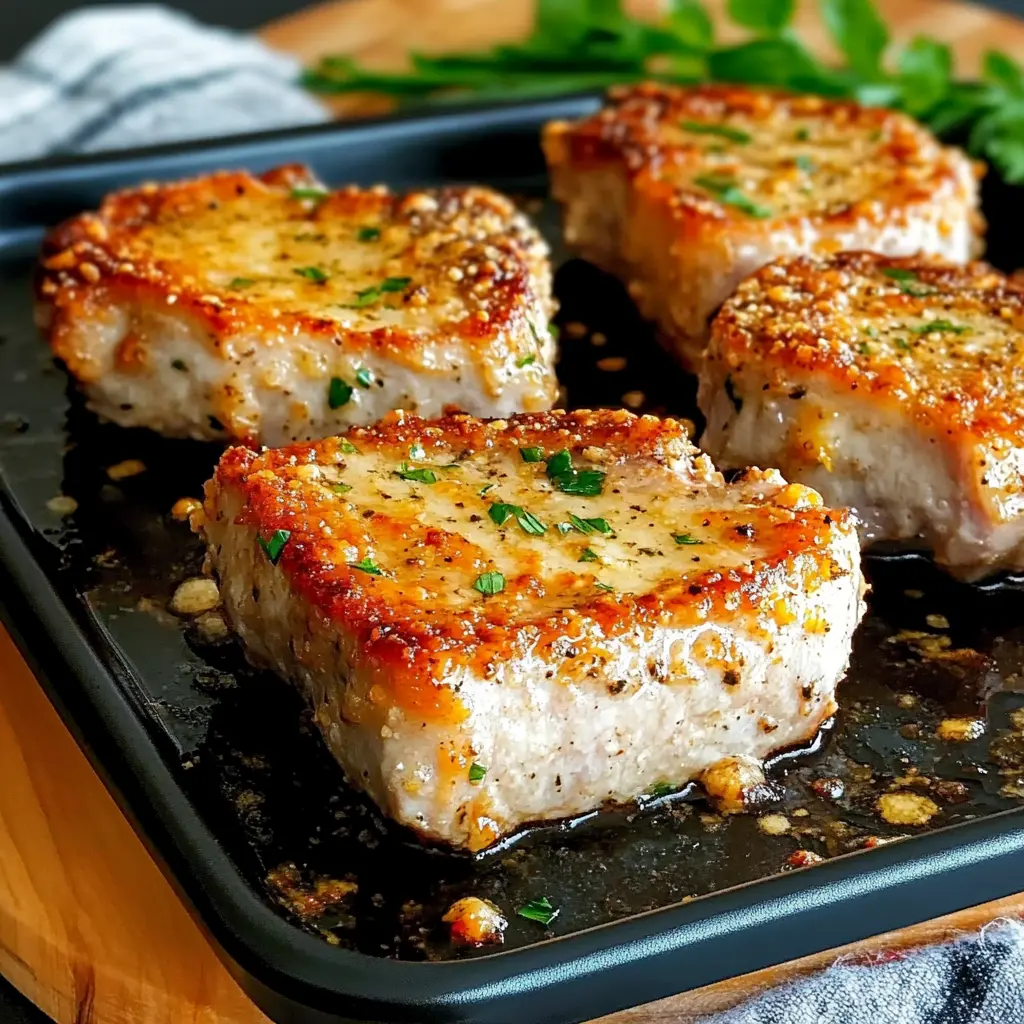
The Ultimate Guide to Parmesan Baked Pork Chops: Crispy, Juicy, and Irresistible
Introduction
Imagine biting into a perfectly golden pork chop with a crispy Parmesan crust that gives way to tender, juicy meat underneath. That’s exactly what you’ll achieve with these Parmesan Baked Pork Chops. This recipe transforms ordinary pork chops into an extraordinary dinner that rivals any restaurant dish.
Moreover, baking these pork chops creates a healthier alternative to frying while maintaining that coveted crispy exterior. Furthermore, the combination of Parmesan cheese and carefully selected seasonings creates a flavor profile that’s both sophisticated and comforting. Additionally, this method ensures even cooking throughout, resulting in perfectly cooked meat every single time.
Consequently, whether you’re cooking for a weeknight family dinner or entertaining guests, these Parmesan baked pork chops will become your go-to recipe. In fact, this comprehensive guide will walk you through every step, tip, and variation to ensure your success.
What Makes Parmesan Baked Pork Chops Special
The Perfect Coating System
The secret to exceptional Parmesan baked pork chops lies in the three-layer coating system. First, flour creates the foundation layer that helps the egg adhere properly. Then, beaten eggs provide the binding agent that holds everything together. Finally, the Parmesan and breadcrumb mixture forms the crispy, flavorful exterior.
This coating technique ensures maximum adhesion and creates that restaurant-quality crust. Furthermore, the Parmesan cheese adds both flavor and helps achieve the golden-brown color we all crave. Additionally, the combination of fine and coarse textures in the coating creates an interesting mouthfeel.
Superior Flavor Development
Unlike simple seasoned pork chops, these Parmesan-crusted versions develop complex flavors during the baking process. The cheese caramelizes slightly, creating nutty undertones that complement the pork’s natural flavor. Meanwhile, the herbs and spices in the coating bloom in the oven’s heat, intensifying their aromatic qualities.
Moreover, the baking method allows the flavors to penetrate the meat gradually, resulting in seasoning throughout rather than just on the surface. Consequently, each bite delivers a harmonious blend of savory, nutty, and herbaceous notes.
Essential Ingredients and Their Benefits
Primary Ingredients
Pork Chops (Bone-in, 1-inch thick)
-
Provides the protein foundation for this dish
-
Bone-in chops retain more moisture and flavor during cooking
-
The bone acts as a natural heat conductor, ensuring even cooking
-
Choose chops with good marbling for maximum tenderness
Grated Parmesan Cheese
-
Creates the signature flavor and contributes to browning
-
Adds protein and calcium to the dish
-
Freshly grated Parmesan melts better than pre-packaged varieties
-
The aged cheese provides complex, nutty flavors
Panko Breadcrumbs
-
Delivers superior crispiness compared to regular breadcrumbs
-
The larger, airier texture creates better coating adherence
-
Provides the satisfying crunch that contrasts with tender meat
-
Toasts beautifully in the oven for golden color
Supporting Ingredients
All-Purpose Flour
-
Forms the base layer for coating adhesion
-
Helps seal in the pork’s natural juices
-
Creates a barrier that prevents the coating from sliding off
-
Contributes to the overall structure of the crust
Large Eggs
-
Acts as the binding agent between flour and breadcrumb layers
-
Provides moisture that helps achieve even browning
-
Contains proteins that coagulate during cooking, firming the coating
-
Beaten eggs coat more evenly than whole eggs
Essential Seasonings
-
Garlic Powder: Adds aromatic depth without overpowering
-
Italian Seasoning: Provides herbaceous notes and complexity
-
Paprika: Contributes color and mild smoky flavor
-
Salt and Black Pepper: Essential for enhancing all other flavors
Optional Flavor Enhancers
Fresh Herbs
-
Rosemary pairs beautifully with pork’s rich flavor
-
Thyme adds earthy, subtle complexity
-
Parsley brightens the overall taste profile
-
Fresh herbs should be finely chopped for even distribution
Lemon Zest
-
Adds bright, citrusy notes that cut through richness
-
Complements the Parmesan’s nutty characteristics
-
Provides aromatic oils that enhance the overall fragrance
-
Use only the colored part of the peel, avoiding bitter white pith
Step-by-Step Recipe Guide
Preparation Phase
Step 1: Preheat and Prepare
Start by preheating your oven to 425°F (220°C). This high temperature is crucial for achieving the crispy exterior while ensuring the interior cooks thoroughly. Meanwhile, line a baking sheet with parchment paper or lightly grease it with cooking spray. Additionally, place a wire rack on the baking sheet if available, as this promotes even air circulation.
Step 2: Set Up Your Breading Station
Create an efficient assembly line with three shallow dishes. In the first dish, place 1 cup of all-purpose flour seasoned with salt and pepper. In the second dish, beat 3 large eggs until well combined. In the third dish, combine 1 cup of grated Parmesan cheese, 1 cup of panko breadcrumbs, and your chosen seasonings.
Furthermore, having a clean plate ready for the breaded chops will keep your workspace organized. Also, consider having a small bowl of water nearby for cleaning your fingers during the breading process.
Meat Preparation
Step 3: Prepare the Pork Chops
Remove the pork chops from refrigeration 15-20 minutes before cooking to bring them closer to room temperature. This step ensures more even cooking throughout. Next, pat each chop completely dry with paper towels, as excess moisture prevents proper coating adhesion.
Then, season both sides of each chop with salt and freshly ground black pepper. This base seasoning penetrates the meat and enhances the overall flavor profile. However, be careful not to over-season, as the Parmesan coating will add significant flavor.
The Breading Process
Step 4: Execute the Three-Layer Coating
Working with one pork chop at a time, dredge it thoroughly in the seasoned flour, shaking off any excess. This light dusting creates the foundation for the other layers to adhere properly. Next, dip the floured chop into the beaten eggs, ensuring complete coverage on all sides.
Finally, press the chop firmly into the Parmesan breadcrumb mixture, coating both sides generously. The pressing motion is crucial – it helps the coating stick and creates that desired thick crust. Place the breaded chop on your prepared baking sheet and repeat with remaining chops.
Pro Tip: Use one hand for dry ingredients and the other for wet to prevent coating buildup on your fingers.
Baking to Perfection
Step 5: Achieve the Perfect Bake
Place the prepared pork chops in the preheated oven, ensuring they’re not touching each other. This spacing allows hot air to circulate around each chop, promoting even browning and cooking. Bake for 20-25 minutes, depending on thickness, until the internal temperature reaches 145°F (63°C).
Importantly, avoid flipping the chops during baking, as this can disturb the coating and reduce crispiness. Instead, trust the oven’s even heat distribution to cook them properly. Additionally, the high temperature creates steam that helps cook the meat while simultaneously crisping the exterior.
Step 6: Rest and Serve
Once cooked, remove the pork chops from the oven and let them rest for 5 minutes before serving. This resting period allows the juices to redistribute throughout the meat, ensuring maximum tenderness. Furthermore, the coating will continue to crisp slightly as it cools, achieving the perfect texture.
Expert Tips for Perfect Results
Selecting the Right Pork Chops
Choose bone-in pork chops that are at least 1 inch thick for optimal results. Thinner chops tend to overcook before the coating achieves proper crispiness. Moreover, look for chops with good marbling, as the intramuscular fat keeps the meat moist during the high-heat baking process.
Additionally, center-cut chops provide the most consistent thickness and cooking results. However, rib chops work excellently too and often have superior flavor due to their higher fat content. Consequently, avoid thin-cut or boneless chops for this particular recipe, as they don’t provide the best texture or flavor outcomes.
Temperature Control Strategies
Use a meat thermometer to ensure accuracy, as visual cues alone can be misleading. Insert the thermometer into the thickest part of the chop, avoiding contact with the bone, which can give false readings. The USDA recommends cooking pork to 145°F (63°C) followed by a 3-minute rest period.
However, if you prefer your pork slightly more done, cook to 150°F (66°C) maximum to avoid drying out the meat. Remember that carryover cooking will increase the temperature by 3-5 degrees during the resting period. Therefore, removing the chops at exactly 145°F ensures they’ll reach the perfect final temperature after resting.
Coating Optimization Techniques
For extra crispiness, try double-coating the pork chops by repeating the egg and breadcrumb steps. This technique creates an exceptionally thick, crunchy crust that many restaurants use. However, this method requires careful timing to prevent the coating from burning before the meat cooks through.
Alternatively, toast the panko breadcrumbs lightly in a dry skillet before mixing with the Parmesan. This pre-toasting gives the coating a head start on browning and creates an even crispier final result. Furthermore, mixing different textures of breadcrumbs can create interesting coating variations.
Moisture Management
Properly managing moisture is crucial for achieving crispy Parmesan baked pork chops. First, ensure the meat is completely dry before beginning the breading process. Any surface moisture will create steam during cooking, which makes the coating soggy rather than crispy.
Second, consider brining the pork chops for 30 minutes before cooking if you have time. A simple brine of water and salt (1 tablespoon salt per cup of water) helps the meat retain moisture during the high-heat cooking process. However, remember to pat them completely dry after brining and before breading.
Delicious Variations to Try
Mediterranean-Style Parmesan Pork Chops
Transform your basic recipe by incorporating Mediterranean flavors that complement the Parmesan beautifully. Add dried oregano, basil, and sun-dried tomato powder to the breadcrumb mixture. Furthermore, include finely chopped sun-dried tomatoes for bursts of concentrated flavor and interesting texture.
This variation pairs exceptionally well with roasted vegetables and creates a more complex flavor profile. Additionally, you can garnish the finished chops with fresh basil leaves and a drizzle of high-quality olive oil for an authentic Mediterranean presentation.
Herb-Crusted Version
Create an herb-crusted variation by incorporating fresh herbs into the coating mixture. Finely chop fresh rosemary, thyme, and sage, then mix them into the Parmesan breadcrumb coating. The fresh herbs provide aromatic oils that bloom during baking, creating an incredibly fragrant dish.
Moreover, this version works particularly well for special occasions or holiday meals. The herb combination creates a more sophisticated flavor profile that impresses guests while remaining approachable for family dinners. However, use fresh herbs sparingly, as they can overpower the Parmesan if used excessively.
Spicy Parmesan Chops
For those who enjoy heat, create a spicy version by adding red pepper flakes, cayenne pepper, or smoked paprika to the coating mixture. Start with small amounts and adjust to your heat preference, as the spices will concentrate during baking. Furthermore, the heat pairs surprisingly well with the nutty Parmesan flavor.
This variation appeals to those who want more excitement in their dinner routine. Additionally, the spicy coating creates an interesting contrast with cooling side dishes like cucumber salad or creamy mashed potatoes. However, be mindful of your family’s heat tolerance when adjusting spice levels.
Lemon-Parmesan Variation
Brighten the dish by incorporating fresh lemon zest into the breadcrumb mixture and finishing with fresh lemon juice after baking. The citrus adds brightness that cuts through the rich Parmesan coating and complements pork’s natural flavors beautifully. Furthermore, lemon provides aromatic oils that enhance the overall sensory experience.
This variation works particularly well during spring and summer months when lighter flavors are more appealing. Moreover, the lemon’s acidity helps tenderize the meat slightly and creates a more balanced overall dish. However, use only the zest, avoiding the bitter white pith underneath.
Nutritional Information and Health Benefits
Macronutrient Breakdown
Each serving of Parmesan baked pork chops provides approximately 350-400 calories, depending on the size of the chop and amount of coating used. The protein content ranges from 35-40 grams per serving, making this dish an excellent source of high-quality, complete protein. Furthermore, the fat content typically falls between 18-22 grams, with a good balance of saturated and unsaturated fats.
The carbohydrate content remains relatively low at 8-12 grams per serving, primarily from the breadcrumb coating. This macronutrient profile makes the dish suitable for various dietary approaches, including higher-protein and moderate-carbohydrate eating plans. Additionally, the combination provides sustained energy and satiety.
Protein Quality and Benefits
Pork provides all nine essential amino acids that our bodies cannot produce independently. These amino acids support muscle growth, repair, and maintenance, making this dish particularly beneficial for active individuals. Moreover, pork contains high levels of thiamine (Vitamin B1), which supports energy metabolism and nervous system function.
The Parmesan cheese adds additional high-quality protein along with calcium for bone health. Furthermore, aged cheeses like Parmesan contain beneficial bacteria and enzymes that may support digestive health. However, individuals with lactose intolerance often tolerate aged cheeses better than fresh dairy products due to the aging process.
Micronutrient Content
This dish provides several important vitamins and minerals beyond its impressive protein content. Pork serves as an excellent source of zinc, which supports immune function and wound healing. Additionally, it contains selenium, a powerful antioxidant that protects cells from oxidative damage.
The Parmesan cheese contributes significant amounts of calcium and phosphorus, both crucial for bone health and maintenance. Furthermore, the herbs and spices in the coating provide various antioxidants and anti-inflammatory compounds. However, the exact micronutrient content varies based on specific ingredients and quantities used.
Health-Conscious Modifications
For those monitoring sodium intake, reduce the salt in the seasoning and choose lower-sodium Parmesan cheese options. Many grocery stores now offer reduced-sodium versions of aged cheeses without significantly compromising flavor. Additionally, increasing the herb content can compensate for reduced salt while providing additional health benefits.
To increase fiber content, consider mixing whole wheat breadcrumbs with the panko or adding finely ground flaxseed to the coating mixture. These modifications boost nutritional value without significantly altering taste or texture. However, test small batches first to ensure you’re satisfied with the results.
Best Side Dishes and Serving Suggestions
Classic Pairings
Creamy Mashed Potatoes serve as the quintessential comfort food pairing for Parmesan baked pork chops. The smooth, buttery texture contrasts beautifully with the crispy coating, while the mild flavor allows the pork to shine. Furthermore, the potatoes help balance the dish’s richness and provide satisfying carbohydrates.
Roasted Seasonal Vegetables offer both nutrition and color contrast to the golden pork chops. Root vegetables like carrots, parsnips, and Brussels sprouts roast beautifully alongside the chops, developing caramelized edges that complement the Parmesan crust. Additionally, the vegetables can cook simultaneously in the same oven, streamlining meal preparation.
Fresh and Light Options
Mixed Green Salad with a tangy vinaigrette provides a refreshing counterpoint to the rich, cheesy coating. The acidity from the dressing helps cleanse the palate between bites and aids in digestion. Moreover, the raw vegetables add important nutrients and fiber to round out the meal’s nutritional profile.
Steamed Broccoli or Green Beans offer vibrant color and crisp texture that contrasts nicely with the tender pork. These vegetables are quick to prepare and provide important vitamins and minerals. Furthermore, a squeeze of fresh lemon juice over the vegetables ties the flavors together beautifully.
Starch Alternatives
Rice Pilaf seasoned with herbs creates an elegant base for the pork chops while absorbing any delicious juices from the meat. The rice’s mild flavor won’t compete with the Parmesan coating, and its fluffy texture provides an interesting contrast. Additionally, you can customize the pilaf with various herbs and aromatics to match your flavor preferences.
Garlic Herb Pasta transforms the meal into a more Italian-inspired dish that complements the Parmesan beautifully. Choose shapes like penne or rigatoni that can hold onto any sauce or seasonings. However, keep the pasta preparation simple to avoid overwhelming the pork chop flavors.
Sauce Recommendations
While these Parmesan baked pork chops are delicious on their own, certain sauces can enhance the dining experience. A simple Lemon Butter Sauce made with butter, lemon juice, and fresh herbs brightens the dish without masking the Parmesan flavor. Furthermore, the richness of the butter complements the crispy coating beautifully.
Mushroom Gravy provides an earthy, savory element that pairs wonderfully with pork. The umami flavors in mushrooms enhance the meat’s natural taste while adding moisture to each bite. Additionally, the gravy works particularly well when serving the chops with mashed potatoes or rice.
For more information on creating perfect side dishes, [check out our comprehensive guide on pairing proteins with vegetables].
Storage and Reheating Guidelines
Proper Storage Techniques
Store leftover Parmesan baked pork chops in the refrigerator within two hours of cooking to maintain food safety. Place them in airtight containers or wrap tightly in aluminum foil to prevent moisture loss and flavor transfer. Properly stored, the chops will maintain their quality for 3-4 days in the refrigerator.
For longer storage, freeze the cooked chops for up to 3 months. Wrap each chop individually in plastic wrap, then place in freezer bags with the air removed. This double-wrapping method prevents freezer burn and maintains the coating’s texture better than single wrapping. However, note that the coating may lose some crispiness after freezing and thawing.
Optimal Reheating Methods
Oven Reheating produces the best results for maintaining the coating’s crispiness. Preheat your oven to 350°F (175°C) and place the chops on a wire rack set over a baking sheet. This setup allows air to circulate around the chops, preventing the bottom from becoming soggy. Heat for 10-15 minutes until warmed through.
Air Fryer Method works excellently for restoring crispiness to the coating. Set the air fryer to 350°F (175°C) and heat the chops for 5-7 minutes, checking halfway through. This method is particularly effective for single servings and produces results very close to the original texture. However, avoid overcrowding the air fryer basket for best results.
What to Avoid
Never use the microwave for reheating these pork chops, as it will make the coating soggy and ruin the texture that makes this dish special. The microwave’s steam-based heating method directly conflicts with maintaining crispiness. Similarly, stovetop reheating in a pan can work but requires careful attention to prevent burning the coating.
Additionally, avoid reheating the chops more than once, as this increases the risk of bacterial growth and significantly degrades the texture and flavor. Instead, only reheat the portions you plan to eat immediately. Furthermore, always ensure reheated pork reaches an internal temperature of 165°F (74°C) for food safety.
Common Mistakes to Avoid
Coating Problems
Insufficient Drying represents the most common mistake that leads to soggy, disappointing results. Many home cooks skip the crucial step of thoroughly patting the pork chops dry before breading. Excess moisture creates steam during cooking, which prevents the coating from achieving proper crispiness. Always use paper towels and allow a few minutes for air drying after patting.
Rushed Breading Process often results in uneven coating that falls off during baking. Take time with each layer, ensuring complete coverage and proper adherence. Press the breadcrumb mixture firmly onto each chop, and don’t rush between the flour, egg, and breadcrumb stages. Furthermore, having all your ingredients prepared before starting prevents the breading from becoming messy or uneven.
Temperature and Timing Errors
Oven Temperature Too Low will result in pork chops that cook through before achieving the desired golden-brown coating. The high temperature of 425°F (220°C) is essential for creating the crispy exterior while properly cooking the interior. Lower temperatures may seem safer, but they actually increase the risk of dry, overcooked meat.
Overcooking remains a persistent problem that ruins otherwise perfect pork chops. Pork is safe to eat at 145°F (63°C) and will be juicy and tender at this temperature. Cooking beyond 160°F (71°C) will result in dry, tough meat regardless of how perfect your coating might be. Therefore, invest in a reliable meat thermometer and use it consistently.
Preparation Oversights
Wrong Cut Selection significantly impacts the final result. Thin pork chops (less than ¾ inch thick) cook too quickly and often become dry before the coating browns properly. Similarly, boneless chops tend to be less flavorful and more prone to drying out than bone-in varieties. Consequently, always choose thick, bone-in chops for optimal results.
Inadequate Seasoning creates bland pork chops that rely too heavily on the coating for flavor. Season the meat itself with salt and pepper before breading, and don’t be afraid to add herbs or spices to the breadcrumb mixture. The seasoning should complement and enhance the pork’s natural flavor, not mask it.
Serving and Storage Mistakes
Serving Immediately Without Resting prevents the juices from redistributing throughout the meat. The 5-minute resting period is crucial for achieving maximum tenderness and preventing juice loss when cutting. Additionally, the coating continues to crisp during this time, improving the overall texture.
Improper Storage leads to soggy leftovers that don’t reheat well. Never stack hot pork chops directly on top of each other, as this traps steam and makes the coating soggy. Instead, cool them on a wire rack before storing, and use proper airtight containers to maintain quality.
Frequently Asked Questions
Can I use boneless pork chops for this recipe?
While bone-in pork chops work best for Parmesan baked pork chops, you can use boneless chops with some adjustments. Choose thick-cut boneless chops (at least 1 inch thick) and reduce the cooking time by 3-5 minutes. However, boneless chops may be slightly less flavorful and more prone to drying out. Therefore, monitor the internal temperature carefully to avoid overcooking.
What’s the best way to ensure the coating stays crispy?
Achieving crispy Parmesan baked pork chops requires several key techniques. First, thoroughly dry the pork chops before breading. Second, use the proper three-layer coating system with firm pressing at each stage. Third, bake at the correct high temperature (425°F) without opening the oven door frequently. Finally, avoid covering the chops during or after baking, as this traps steam and makes the coating soggy.
Can I prepare these pork chops ahead of time?
Yes, you can bread the pork chops several hours ahead and refrigerate them until ready to bake. This advance preparation actually helps the coating adhere better. However, don’t let them sit longer than 24 hours, as the coating may become soggy. When ready to cook, bring them to room temperature for 15-20 minutes before baking for even cooking results.
What should I do if my coating is browning too quickly?
If the coating browns too rapidly while the meat is still undercooked, reduce the oven temperature to 375°F (190°C) and continue cooking. Alternatively, tent the chops loosely with aluminum foil to prevent further browning while the interior finishes cooking. However, this usually indicates the oven temperature was too high or the coating layer was too thick initially.
How can I tell when the pork chops are done without a thermometer?
While a meat thermometer provides the most accurate results, you can check doneness by making a small cut near the bone. The meat should be just barely pink in the center and the juices should run clear. However, investing in a good instant-read thermometer is highly recommended for consistent, safe results when making Parmesan baked pork chops.
Can I make this recipe gluten-free?
Absolutely! Replace the all-purpose flour with your preferred gluten-free flour blend, and use gluten-free breadcrumbs instead of regular panko. Many stores now carry gluten-free panko-style breadcrumbs that work excellently for this recipe. The cooking method and times remain the same, ensuring celiacs and gluten-sensitive individuals can enjoy this delicious dish.
What’s the best type of Parmesan cheese to use?
Freshly grated Parmigiano-Reggiano provides the best flavor and melting properties for this recipe. However, good-quality domestic Parmesan cheese works well too and costs significantly less. Avoid pre-grated cheese sold in shakers, as it often contains anti-caking agents that prevent proper melting and browning. Furthermore, the fresher cheese provides superior nutty flavor that makes these pork chops truly special.
Conclusion
These Parmesan Baked Pork Chops represent the perfect combination of simplicity and sophistication, delivering restaurant-quality results in your home kitchen. The crispy, golden coating gives way to tender, juicy meat that satisfies both comfort food cravings and refined palates. Moreover, this baking method provides a healthier alternative to frying without sacrificing flavor or texture.
Throughout this comprehensive guide, you’ve learned the essential techniques for selecting quality ingredients, executing proper breading methods, and achieving optimal cooking results. Furthermore, the various tips and troubleshooting advice ensure your success whether you’re a beginner or experienced home cook. The versatility of this recipe, with its numerous variations and pairing options, makes it suitable for everything from weeknight dinners to special occasions.
Remember that perfect Parmesan baked pork chops depend on attention to detail in each step, from properly drying the meat to monitoring cooking temperatures. However, once you master these fundamentals, you’ll have a reliable recipe that consistently produces impressive results. Additionally, the make-ahead options and proper storage techniques ensure you can enjoy this delicious dish even on busy schedules.
The combination of high-quality protein, satisfying textures, and complex flavors makes this dish a valuable addition to any home cook’s repertoire. Whether you choose the classic version or experiment with the suggested variations, these pork chops will become a family favorite that you’ll return to again and again.
Parmesan Baked Pork Chops
Description
Parmesan Baked Pork Chops
Ingredients
For the pork chops:
-
4-6 boneless pork chops, about 1/2 to 3/4-inch thick
-
1/2 to 3/4 teaspoon kosher salt
-
1/4 teaspoon black pepper
For the egg wash:
-
2 large eggs, beaten
-
3 tablespoons whole milk
For the coating:
-
1 cup panko breadcrumbs
-
2/3 to 3/4 cup grated Parmesan cheese
-
1 teaspoon garlic powder
-
1 teaspoon lemon pepper seasoning
-
1 teaspoon onion powder
-
1/2 teaspoon dried Italian seasoning
-
1/2 teaspoon dried parsley
For finishing:
-
1/4 cup butter, melted
-
Olive oil spray
-
Fresh parsley for garnish
Instructions
Step 1: Prepare oven and pan
Preheat oven to 350°F. Liberally spray a rimmed baking sheet fitted with an oven-safe rack with cooking spray. Line the baking sheet with foil if desired.
Step 2: Set up coating stations
In a shallow bowl, beat together eggs, milk, 1/4 teaspoon garlic salt, and 1/4 teaspoon black pepper. On a separate plate, mix together panko breadcrumbs, grated Parmesan cheese, garlic powder, lemon pepper, onion powder, Italian seasoning, and dried parsley.
Step 3: Season and coat pork chops
Season each pork chop lightly with kosher salt and pepper. Dip each pork chop into the egg wash, ensuring it’s fully coated. Press the seasoned breadcrumb mixture firmly onto each pork chop, coating both sides thoroughly. Arrange coated chops on the prepared baking rack.
Step 4: Add final touches and bake
Drizzle each pork chop with melted butter or spray with olive oil for extra crispiness. Bake for 30-35 minutes for 1/2-inch thick chops, or until internal temperature reaches 145°F and the coating is golden brown and crispy.
Step 5: Optional browning and rest
For extra browning, increase oven temperature to broil for the last few minutes, turning once to brown both sides evenly. Let pork chops rest for 5 minutes before serving to allow juices to redistribute.
Step 6: Serve
Garnish with fresh chopped parsley and serve immediately while the coating is still crispy.