
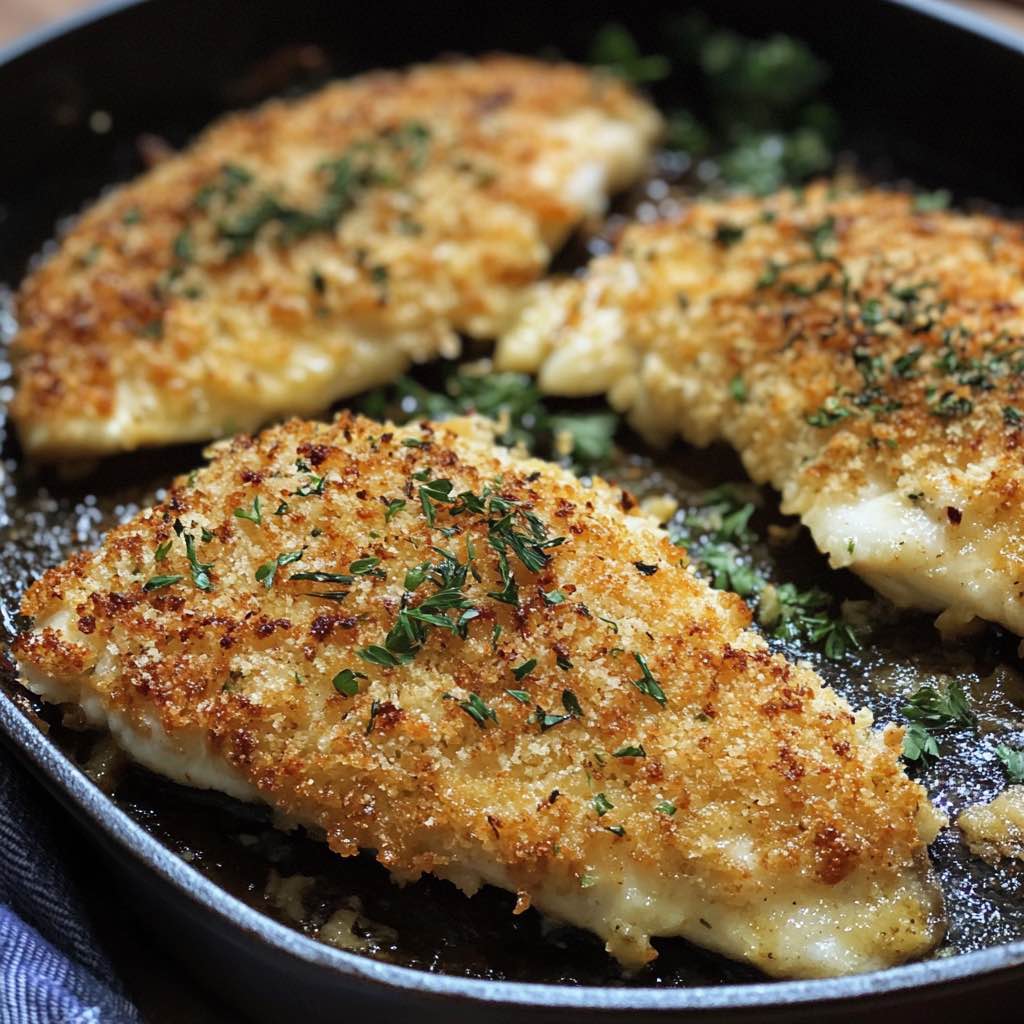
Parmesan-Crusted Catfish: A Deliciously Crispy and Easy Recipe
Parmesan-Crusted Catfish transforms an everyday fish into a gourmet meal with a golden, crispy coating that’s bursting with flavor. This simple yet elegant dish combines tender catfish fillets with a savory Parmesan and herb crust, creating a restaurant-quality dinner that’s ready in under 30 minutes. Whether you’re new to cooking fish or a seasoned home chef, this Parmesan-Crusted Catfish recipe delivers consistent results every time.
Why Parmesan-Crusted Catfish Works
Parmesan-Crusted Catfish stands out because it combines the mild, sweet flavor of catfish with the nutty, salty richness of Parmesan cheese. Additionally, the coating creates a protective barrier that keeps the fish moist while delivering an irresistible crispy texture. The cheese caramelizes during cooking, forming a golden crust that adds depth and complexity to each bite.
Moreover, this cooking method is incredibly forgiving. Catfish has a firm texture that holds up well to baking and broiling, making it difficult to overcook. Furthermore, the Parmesan crust acts as an insulator, protecting the delicate fish flesh from drying out.
This recipe also offers excellent versatility. You can adjust seasonings, swap herbs, or change cooking methods while maintaining the core appeal of a crispy, cheesy crust. Consequently, it suits various dietary preferences and flavor profiles without requiring advanced cooking skills.
The Science Behind the Crust
The magic happens when proteins in the cheese combine with heat. Parmesan contains less moisture than other cheeses, allowing it to crisp beautifully without burning. Meanwhile, the breadcrumb mixture provides structure and absorbs butter or oil, creating multiple layers of texture.
The Maillard reaction—a chemical process between amino acids and sugars—creates that golden brown color and complex flavors. Therefore, achieving the right temperature is crucial for optimal results.
Nutritional Benefits of Catfish
Catfish delivers impressive nutritional value that makes it an excellent choice for health-conscious diners. A 3.5-ounce serving contains only 105 calories while providing 18 grams of high-quality protein. This makes Parmesan-Crusted Catfish ideal for those monitoring their calorie intake while prioritizing protein consumption.
Heart-Healthy Omega Fatty Acids
Catfish provides both omega-3 and omega-6 fatty acids, which support cardiovascular health. Specifically, one serving contains approximately 237 mg of omega-3 fatty acids. These healthy fats help reduce inflammation, regulate blood cholesterol levels, and may decrease heart disease risk.
Furthermore, the omega-3 content supports brain function and cognitive health. Research indicates these fatty acids play important roles in memory, learning, and overall neurological wellness.
Vitamin and Mineral Powerhouse
One serving of catfish delivers an exceptional 121% of the daily value for vitamin B12. This essential nutrient supports red blood cell formation, nervous system function, and helps prevent anemia. Additionally, catfish contains significant amounts of selenium (26% DV), which acts as an antioxidant protecting cells from damage.
Phosphorus represents another key nutrient, with catfish providing 24% of the daily requirement. This mineral strengthens bones and teeth while supporting overall skeletal health. Meanwhile, potassium (19% DV) helps regulate blood pressure and supports proper muscle function.
Low Mercury Content
Unlike some fish species, catfish ranks very low in mercury contamination. This makes it a safer choice for frequent consumption, particularly for children and pregnant women. Therefore, you can enjoy Parmesan-Crusted Catfish regularly without worrying about heavy metal accumulation.
Essential Ingredients You’ll Need
Creating perfect Parmesan-Crusted Catfish requires just a handful of quality ingredients. First, selecting fresh catfish fillets ensures the best flavor and texture. Look for fillets that appear moist with a mild, fresh smell—never fishy or ammonia-like.
Main Components
Catfish Fillets: Choose 4 to 6 medium fillets, approximately 3 to 5 ounces each. Farm-raised catfish works beautifully and is widely available. Ensure fillets are skinless for easier eating and better crust adhesion.
Parmesan Cheese: Use freshly grated Parmesan rather than pre-packaged varieties. Fresh cheese melts better and provides superior flavor without additives or anti-caking agents. You’ll need approximately 1/3 to 1/2 cup depending on your preference.
Breadcrumbs: Either panko or Italian-seasoned breadcrumbs work well. Panko creates a lighter, crispier texture, while traditional breadcrumbs offer a finer coating. Plan for about 3/4 cup total.
Binding Agents
Mayonnaise or Mustard: These create the “glue” that helps the crust adhere to the fish. Mayonnaise adds richness and helps achieve golden browning. Alternatively, Dijon mustard provides tang without extra moisture. Use approximately 2 tablespoons per fillet.
Melted Butter: About 1/2 cup of melted butter adds flavor and promotes browning. Some recipes combine butter with sour cream for extra creaminess. However, you can substitute olive oil for a lighter option.
Seasonings and Herbs
Fresh Herbs: Chopped parsley, dill, or thyme brighten the dish. Use approximately 1 to 2 tablespoons of fresh herbs or 1 teaspoon dried. Additionally, basil and oregano complement the Italian flavor profile beautifully.
Basic Seasonings: Salt, black pepper, paprika, and garlic powder form the foundation. Moreover, a squeeze of fresh lemon juice (about 1/2 tablespoon) adds brightness without overpowering the delicate fish.
Step-by-Step Cooking Instructions
Creating restaurant-quality Parmesan-Crusted Catfish at home is straightforward when you follow these detailed steps. First, proper preparation ensures even cooking and maximum flavor development.
Preparation Phase
Step 1: Preheat Your Oven. Set your oven to 375°F for baking or prepare your broiler on high heat. Additionally, position the oven rack in the upper third for optimal browning. This temperature allows the fish to cook through while the crust develops a golden color.
Step 2: Prepare the Baking Sheet. Line a baking sheet with parchment paper or lightly grease a 13×9-inch baking dish. Furthermore, this prevents sticking and makes cleanup effortless. For crispier results, use a wire rack set over the baking sheet.
Step 3: Pat the Fish Dry. Use paper towels to thoroughly dry each catfish fillet. Excess moisture prevents proper crust adhesion and can result in soggy coating. Therefore, this simple step significantly impacts the final texture.
Step 4: Season the Fillets. Sprinkle both sides of each fillet with salt and black pepper. Additionally, a light dusting of garlic powder enhances the savory notes. Let the seasoned fish rest at room temperature for 5 minutes.
Creating the Crust
Step 5: Prepare the Parmesan Mixture. In a shallow bowl, combine breadcrumbs, grated Parmesan cheese, chopped parsley, paprika, and dried herbs. Mix thoroughly until all ingredients are evenly distributed. This ensures consistent flavor in every bite.
Step 6: Make the Herb Spread (Optional). Mix mayonnaise, sour cream, melted butter, fresh herbs, and lemon juice in a small bowl. This creamy mixture adds richness and helps the crust adhere better than mayonnaise alone. Alternatively, simply brush fillets with melted butter.
Step 7: Coat the Fish. Spread mayonnaise or the herb mixture onto the top side of each fillet. Then, press each fillet firmly into the breadcrumb-Parmesan mixture, coating only the top surface. Press down firmly to ensure the coating sticks properly.
Cooking Process
Step 8: Arrange on Baking Sheet. Place coated fillets on your prepared baking sheet with the crusted side facing up. Space fillets at least 1 inch apart to allow heat circulation. Additionally, spray or drizzle the tops lightly with olive oil for extra crispiness.
Step 9: Bake the Fish. Place the baking sheet in the preheated oven and bake for 15 to 20 minutes. The fish is done when it reaches an internal temperature of 145°F and flakes easily with a fork. Check at the 15-minute mark to prevent overcooking.
Step 10: Optional Broiling. For an extra-crispy, golden crust, finish under the broiler for 2 to 3 minutes. Watch carefully to prevent burning, as the cheese can darken quickly. This final step creates restaurant-quality browning.
Step 11: Rest Before Serving. Let the Parmesan-Crusted Catfish rest for 3 to 5 minutes after removing from the oven. This allows juices to redistribute throughout the fish, ensuring moist, flavorful bites. Meanwhile, prepare your side dishes and garnishes.
Pro Tips for Perfect Crust
Achieving an impeccable Parmesan crust requires attention to several key details. First, using freshly grated Parmesan cheese makes a significant difference in both flavor and texture. Pre-shredded cheese contains anti-caking agents that prevent proper melting and browning.
Temperature Control
Maintaining proper oven temperature ensures even cooking without burning. An oven thermometer helps verify accuracy, as many ovens run hot or cold. Additionally, avoid opening the oven door frequently, which causes temperature fluctuations.
For broiling, position the fish 4 to 6 inches from the heating element. Closer placement risks burning the crust before the fish cooks through. Furthermore, rotate the baking sheet halfway through broiling for even browning.
Moisture Management
Excess moisture is the enemy of crispy coatings. Therefore, pat fillets completely dry before seasoning. Moreover, avoid marinating catfish in liquid-based mixtures before crusting. Instead, apply seasonings directly to dry fish.
Additionally, don’t overcrowd the baking sheet. Proper spacing allows steam to escape, preventing sogginess. Consequently, cook in batches if necessary to maintain adequate space between fillets.
Coating Techniques
Apply the binding agent (mayonnaise or mustard) in a thin, even layer. Too much creates a thick barrier that prevents crust adhesion. Conversely, too little results in bare spots and uneven coverage.
Press the breadcrumb mixture firmly onto the fish to ensure it sticks during cooking. However, avoid excessive handling, which can compact the coating and reduce crispiness. Therefore, work efficiently and gently.
Ingredient Quality
Fresh herbs dramatically improve flavor compared to dried alternatives. If using dried herbs, reduce the quantity by two-thirds, as they’re more concentrated. Furthermore, high-quality butter enhances richness and promotes beautiful browning.
Choose catfish fillets of similar size and thickness for even cooking. Thicker fillets require longer baking times, while thinner pieces cook quickly. Accordingly, adjust cooking times based on fillet thickness.
Common Mistakes to Avoid
Even experienced cooks can encounter challenges when preparing Parmesan-Crusted Catfish. First, overcooking ranks as the most common error, resulting in dry, tough fish. Catfish cooks quickly, so check for doneness at the minimum recommended time.
Coating Problems
Using wet fish creates the most frequent coating failures. Moisture prevents breadcrumbs from adhering properly and produces a soggy texture. Therefore, always thoroughly dry fillets with paper towels before coating.
Another mistake involves applying too much binding agent. A thick layer of mayonnaise or butter weighs down the coating and can make it greasy. Instead, use just enough to create a thin, tacky surface.
Temperature Issues
Starting with cold fish straight from the refrigerator leads to uneven cooking. The exterior overcooks while the center remains cold. Consequently, let fillets sit at room temperature for 15 to 20 minutes before cooking.
Setting the oven temperature too high burns the Parmesan crust before the fish cooks through. Meanwhile, too-low temperatures result in pale, soft coatings without proper browning. Therefore, stick to the recommended 375°F to 400°F range.
Serving Mistakes
Serving Parmesan-Crusted Catfish immediately after cooking doesn’t allow the crust to set properly. A brief resting period lets the coating firm up slightly, making it less likely to fall off. Additionally, this resting time helps redistribute juices throughout the fish.
Attempting to flip the fish during cooking represents another error. The crust only goes on the top side, and flipping can dislodge the coating. Therefore, resist the urge to turn the fillets.
Delicious Variations to Try
Parmesan-Crusted Catfish adapts beautifully to various flavor profiles and dietary preferences. First, experimenting with different herb combinations creates unique taste experiences. For instance, cilantro and lime zest provide a Mexican-inspired twist.
Flavor Variations
Cajun Parmesan Catfish: Add 1 to 2 tablespoons of Cajun seasoning to the breadcrumb mixture. This creates a spicy, bold version that pairs wonderfully with cooling cucumber salad. Additionally, increase paprika for extra color and mild heat.
Garlic Parmesan Catfish: Mix 2 to 3 minced garlic cloves into the coating. Furthermore, add garlic powder to the breadcrumb mixture for intense garlic flavor. This variation works exceptionally well with roasted vegetables.
Lemon Herb Catfish: Incorporate lemon zest into the Parmesan mixture and squeeze fresh lemon juice over finished fillets. Moreover, double the fresh herbs for a brighter, lighter taste. This version complements spring and summer menus beautifully.
Italian-Style Catfish: Use Italian-seasoned breadcrumbs and add dried oregano, basil, and a pinch of red pepper flakes. Additionally, serve with marinara sauce for dipping. This creates a familiar, comforting flavor profile.
Cooking Method Alternatives
Pan-Fried Version: Cook the crusted fillets in a skillet with butter over medium heat. This method creates an even crispier crust. However, it requires more attention and oil than baking.
Grilled Parmesan Catfish: Preheat your grill to medium-high and use a fish basket. Apply the coating carefully, as grilling can dislodge breadcrumbs. Nevertheless, this method adds wonderful smoky notes.
Air Fryer Method: Cook at 400°F for 10 to 12 minutes without flipping. This produces excellent crispiness with minimal oil. Moreover, the air fryer cooks quickly and efficiently.
Dietary Modifications
Gluten-Free Option: Substitute regular breadcrumbs with gluten-free panko or crushed gluten-free crackers. Alternatively, finely ground almonds or pecans create a unique, nutty crust.
Lower-Fat Version: Replace mayonnaise with Greek yogurt and reduce butter. Additionally, use cooking spray instead of drizzling oil on top. These modifications significantly reduce calories without sacrificing flavor.
Spicy Variation: Add cayenne pepper, hot sauce, or crushed red pepper flakes to taste. Furthermore, serve with spicy remoulade or chipotle aioli. This appeals to those who enjoy heat.
Best Side Dishes to Serve
Selecting the right accompaniments elevates Parmesan-Crusted Catfish from a simple meal to a complete dining experience. First, consider balancing the rich, crispy fish with lighter, refreshing sides.
Classic Southern Sides
Coleslaw: Creamy coleslaw provides cool, crunchy contrast to warm, crispy catfish. The tangy dressing cuts through the richness of the Parmesan crust. Moreover, coleslaw is easy to prepare ahead of time.
Hush Puppies: These cornmeal fritters complement catfish perfectly in traditional Southern fish fries. Their slightly sweet flavor balances the savory cheese coating. Additionally, they’re fun to eat and crowd-pleasing.
Collard Greens: Slow-cooked greens with onions offer nutritious balance. Their slightly bitter taste contrasts beautifully with mild catfish. Furthermore, they add important vitamins and fiber to the meal.
French Fries: Crispy fries are a universally loved pairing. Choose shoestring, steak-cut, or sweet potato varieties. Moreover, they’re simple to prepare from fresh or frozen potatoes.
Fresh and Light Options
Cucumber Salad: Crisp cucumbers with red onions and light vinaigrette refresh the palate. This cooling side dish takes only minutes to prepare. Additionally, it provides hydration and crunch.
Garden Salad: Mixed greens with tomatoes, cucumbers, and your favorite vegetables offer nutritious balance. Choose a light vinaigrette to avoid overwhelming the fish. Consequently, this keeps the meal feeling fresh rather than heavy.
Grilled Asparagus: Tender asparagus spears with lemon and garlic complement the Parmesan flavors. Roasting or grilling brings out natural sweetness. Moreover, asparagus provides important nutrients and fiber.
Starchy Accompaniments
Cheese Grits: Creamy, cheesy grits create a comforting Southern meal. Their smooth texture contrasts with crispy fish coating. Additionally, jalapeño cheese grits add pleasant heat.
Rice Pilaf: Light, fluffy rice absorbs any juices from the fish. Cilantro lime rice works particularly well with Cajun-spiced catfish. Furthermore, rice is budget-friendly and easy to scale.
Potato Salad: Classic Southern potato salad with creamy dressing satisfies comfort food cravings. Serve it cold or at room temperature for convenience. Moreover, it can be prepared completely ahead of time.
Macaroni and Cheese: Rich, creamy mac and cheese creates an indulgent combination. This pairing appeals especially to children and comfort food lovers. Additionally, it rounds out the meal with satisfying carbohydrates.
Vegetable Sides
Fried Green Tomatoes: Tangy, crispy green tomatoes echo the fish’s coating. This traditional Southern side adds interest and color. Furthermore, the tart flavor balances richer components.
Fried Okra: Crunchy okra provides authentic Southern flair. The mild vegetable complements rather than competes with catfish. Moreover, it adds texture variety to the plate.
Storage and Reheating Guidelines
Properly storing Parmesan-Crusted Catfish maintains quality and ensures food safety. First, refrigerate leftovers within two hours of cooking to prevent bacterial growth. Place cooled fish in an airtight container to preserve moisture and prevent odors from transferring.
Refrigeration Best Practices
Cooked catfish keeps safely in the refrigerator for 3 to 4 days. Store pieces separately rather than stacked to maintain crust texture. Additionally, place paper towels in the container to absorb excess moisture.
Never leave Parmesan-Crusted Catfish at room temperature for extended periods. Bacteria multiply rapidly between 40°F and 140°F, potentially causing foodborne illness. Therefore, prompt refrigeration is essential for safety.
Label containers with the date to track freshness. When in doubt about age or quality, discard the fish rather than risk illness. Furthermore, always reheat leftovers to 165°F before eating.
Freezing Instructions
Freeze cooked Parmesan-Crusted Catfish for 2 to 3 months. However, be aware that the crust may lose some crispiness after freezing. Nevertheless, properly frozen fish maintains acceptable quality.
Wrap individual portions tightly in plastic wrap, then place in freezer bags. Remove as much air as possible to prevent freezer burn. Additionally, label bags with contents and date for easy identification.
For raw catfish, store in the refrigerator for 1 to 2 days or freeze at 0°F for longer storage. Keep fresh fish on ice if holding for extended periods before cooking. Moreover, use crushed ice rather than blocks for better coverage.
Reheating Methods
The oven produces the best results for reheating Parmesan-Crusted Catfish. Preheat to 350°F and place fish on a baking sheet. Heat for 10 to 15 minutes until warmed through and the crust recrisps.
Avoid microwaving, as it makes the coating soggy and dries out the fish. If you must use a microwave, heat in short 20-second intervals at 50% power. However, results will be inferior to oven reheating.
For frozen cooked fish, thaw overnight in the refrigerator before reheating. Alternatively, thaw in cold water, changing the water every 30 minutes. These methods ensure even reheating without overcooking the edges.
Frequently Asked Questions
What makes the Parmesan crust stick to the catfish?
The binding agent—typically mayonnaise, mustard, or butter—creates a sticky surface that holds the breadcrumb mixture. Additionally, the natural moisture from the fish helps the coating adhere during cooking.
Can I prepare Parmesan-Crusted Catfish ahead of time?
Yes, coat the fillets up to 4 hours before baking and refrigerate them uncovered. This actually helps the coating set and adhere better. However, bake just before serving for optimal texture.
How do I know when the catfish is fully cooked?
Fish is done when it reaches an internal temperature of 145°F and flakes easily with a fork. The flesh should appear opaque rather than translucent throughout.
Can I use other fish instead of catfish?
Absolutely. This Parmesan crust works beautifully on cod, tilapia, halibut, or any firm white fish. Adjust cooking times based on fillet thickness.
Why did my Parmesan crust burn?
Excessive oven temperature or placing fish too close to the broiler element causes burning. Additionally, using old, dry cheese can burn more quickly. Reduce temperature and monitor carefully.
Is Parmesan-Crusted Catfish healthy?
Yes, catfish provides lean protein, omega-3 fatty acids, and essential vitamins with relatively few calories. The Parmesan adds flavor without excessive fat when used moderately.
What can I substitute for mayonnaise?
Greek yogurt, sour cream, or Dijon mustard work well as alternatives. Each provides the necessary moisture and binding properties. Choose based on your flavor preference.
Can I make this recipe gluten-free?
Replace regular breadcrumbs with gluten-free panko or finely ground nuts. All other ingredients are naturally gluten-free. The texture remains excellent with these substitutions.
Conclusion
Parmesan-Crusted Catfish delivers restaurant-quality results with minimal effort and simple ingredients. The combination of tender, flaky catfish with a golden, crispy Parmesan coating creates a satisfying meal that appeals to all ages. Moreover, this versatile recipe adapts easily to various flavor preferences and dietary needs.
The impressive nutritional profile makes this dish a smart choice for health-conscious families. With lean protein, omega-3 fatty acids, and essential vitamins, Parmesan-Crusted Catfish supports overall wellness while satisfying comfort food cravings.
Whether you’re planning a quick weeknight dinner or entertaining guests, this reliable recipe produces consistent, delicious results. The straightforward preparation and short cooking time free you to focus on enjoying the meal rather than stressing in the kitchen.

Parmesan-Crusted Catfish
Description
Parmesan-Crusted Catfish
Ingredients
-
4 catfish fillets
-
Salt and black pepper, to taste
-
1 teaspoon garlic powder
-
1 teaspoon paprika
-
½ teaspoon cayenne pepper (optional, for a little kick)
-
½ cup all-purpose flour
-
2 large eggs
-
2 tablespoons milk or buttermilk
-
1 cup grated Parmesan cheese
-
½ cup seasoned breadcrumbs (or panko for extra crunch)
-
2 tablespoons melted butter
-
Lemon wedges, for serving
🔪 Instructions
1. Prep the Catfish
-
Preheat oven to 425°F (220°C).
-
Pat catfish fillets dry and season both sides with salt, pepper, garlic powder, paprika, and cayenne.
2. Set Up Breading Station
-
Place flour in one shallow bowl.
-
In a second bowl, whisk together eggs and milk.
-
In a third bowl, mix Parmesan cheese, breadcrumbs, and melted butter until crumbly.
3. Coat the Fillets
-
Dredge each fillet lightly in flour, shaking off excess.
-
Dip into the egg mixture.
-
Press into the Parmesan-breadcrumb mixture, coating both sides evenly.
4. Bake the Catfish
-
Line a baking sheet with parchment paper or lightly greased foil.
-
Arrange the coated fillets in a single layer.
-
Bake for 15–20 minutes, or until golden brown and crispy.
-
For extra crunch, broil for 1–2 minutes at the end — just until perfectly browned.