
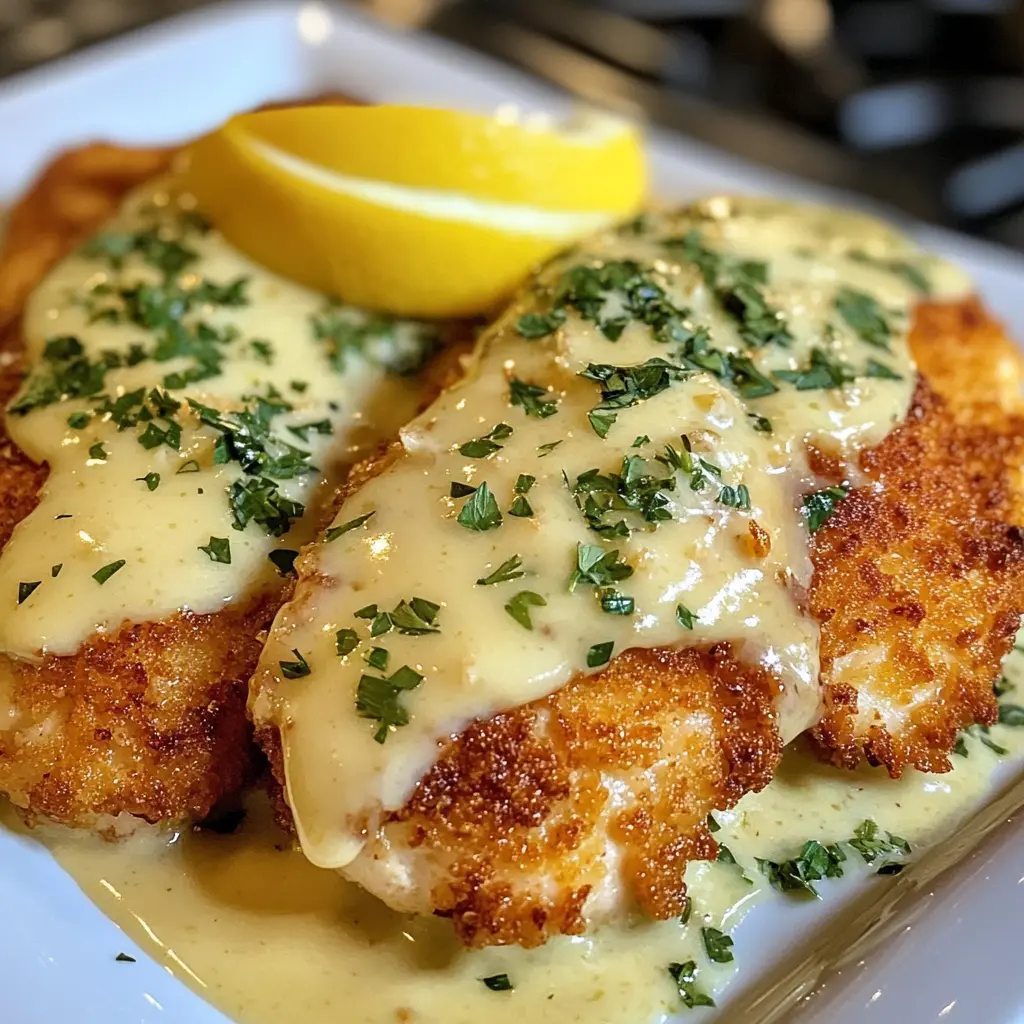
Parmesan Crusted Chicken with Creamy Lemon Sauce: A Complete Guide
Introduction
Looking for an impressive yet simple dinner that tastes like restaurant quality? Parmesan crusted chicken with creamy lemon sauce delivers exactly that experience. This dish combines tender, juicy chicken coated in crispy parmesan with a luxurious, tangy sauce.
The target keyword, parmesan crusted chicken with creamy lemon sauce, appears naturally throughout this guide. Whether you’re feeding your family or impressing dinner guests, this recipe works beautifully. The combination of crispy parmesan and silky lemon cream creates a flavor profile that’s both sophisticated and comforting. Best of all, you can prepare this weeknight meal in under 30 minutes.
What Is Parmesan Crusted Chicken?
Parmesan crusted chicken represents a modern twist on traditional breaded chicken. Instead of using breadcrumbs, this technique relies on finely shredded or grated parmesan cheese. When cooked properly, the parmesan melts slightly while forming a golden, crispy exterior.
The parmesan crust creates an intense cheese flavor without adding bulk. This makes it an excellent choice for low-carb and keto-friendly diets. The crust adheres directly to the chicken, creating a textured surface that contrasts beautifully with tender meat.
Why This Dish Works
The Science Behind the Crust
The parmesan cheese crust works through a combination of three factors: moisture from the egg wash, heat application, and cheese composition.
First, the egg wash provides adhesion. It creates a tacky surface that helps the parmesan stick to the chicken. Second, medium-high heat causes the cheese to melt gradually. This melting process bonds the cheese particles together. Finally, parmesan’s composition allows it to brown beautifully without burning.
The Creamy Lemon Sauce Magic
Creamy lemon sauce represents the perfect complement to crispy chicken. The acidity from lemon juice cuts through the richness of the cream. Meanwhile, the sauce’s silky texture coats each bite with flavor.
Temperature control prevents curdling when combining lemon and cream. The key involves tempering the cream gently with hot stock first. This method ensures a smooth, glossy sauce every time.
Essential Ingredients
For the Parmesan Crusted Chicken
-
4 boneless, skinless chicken breasts (about 1.5 pounds total)
-
1 large egg
-
1 cup finely shredded parmesan cheese
-
1 teaspoon dried Italian seasoning
-
1/2 teaspoon salt
-
1/4 teaspoon black pepper
-
3 tablespoons butter
-
1 tablespoon olive oil
For the Creamy Lemon Sauce
-
3 tablespoons butter
-
3 cloves garlic, minced
-
1 1/4 cups chicken broth
-
3/4 cup heavy cream
-
3 tablespoons fresh lemon juice (adjust to taste)
-
2 teaspoons Dijon mustard
-
3/4 cup grated parmesan cheese
-
Salt and pepper to taste
-
Fresh parsley for garnish
Ingredient Quality Matters
High-quality ingredients make a substantial difference. Use freshly grated parmesan rather than pre-packaged varieties when possible. Fresh parmesan contains fewer additives and melts more smoothly.
Fresh lemon juice provides superior flavor compared to bottled versions. The brightness of fresh citrus enhances the entire dish. Organic lemons offer even better quality and superior zest for garnish.
Step-by-Step Preparation Guide
Preparing the Chicken
Step 1: Pound the chicken breasts
Place each chicken breast between plastic wrap. Use a meat mallet to gently pound until uniform thickness (approximately 3/4 inch). Even thickness ensures uniform cooking throughout.
Step 2: Set up your breading station
Arrange three shallow bowls in a line. The first bowl contains the whisked egg and a pinch of salt. The second bowl holds parmesan cheese mixed with Italian seasoning. The third bowl remains empty for finished pieces.
Step 3: Coat the chicken
Dredge each chicken breast in the egg mixture first. Ensure complete coverage on both sides. Then, press the chicken firmly into the parmesan mixture. Flip and coat the other side generously. Press the coating firmly so it adheres properly. Shake off any excess parmesan.
Cooking the Chicken
Step 4: Heat your skillet
Place a large skillet over medium-high heat. Add butter and olive oil together. Allow the mixture to heat until the butter froths and the oil shimmers. This indicates proper cooking temperature.
Step 5: Cook the chicken (Critical step!)
Once the pan is properly heated, add the chicken. Here’s the most important tip: Do not move the chicken for the first 3 minutes.
Allow the parmesan crust to adhere and brown thoroughly. After 3 minutes, check the underside with a spatula or tongs. When the bottom is deep golden brown, carefully flip the chicken. Cook the opposite side for another 3 minutes until equally golden and crispy.
Total cooking time should be 6–8 minutes maximum. Overcooking dries out the chicken unnecessarily. Remove the chicken from the pan onto a clean plate. Keep the residual pan drippings for the sauce.
Cooking Techniques for Success
Achieving the Perfect Crust
The secret to a crispy parmesan crust involves three factors: proper heat, minimal movement, and timing.
Medium-high heat creates the ideal cooking temperature. Too much heat burns the exterior before cooking the interior. Too little heat prevents the cheese from crisping properly. The heat must be high enough that the oil shimmers noticeably.
Resist the urge to move the chicken. Many home cooks flip too early or move the pieces around excessively. This prevents the parmesan from bonding to the chicken. Let the cheese set undisturbed for the full three minutes.
Timing matters tremendously. A 3-minute per side cooking time works for most chicken breasts. Thinner pieces may cook faster, while thicker ones need slightly longer. Use visual cues rather than strict timing. The chicken is done when it reaches an internal temperature of 165°F.
Moisture Management
Dry your chicken thoroughly before coating. Pat the chicken breasts with paper towels to remove surface moisture. Extra moisture prevents the egg wash and parmesan from adhering properly.
This simple step significantly improves your results. The drier the surface, the crispier the final crust. Take 30 seconds to prepare the chicken adequately.
Creating the Perfect Creamy Lemon Sauce
Building the Flavor Base
Step 1: Create the foundation
In the same skillet used for cooking chicken, melt 3 tablespoons of butter over medium heat. Add minced garlic cloves and sauté for approximately 10 seconds. This brief cooking time releases the garlic’s aromatic compounds without burning the butter.
Step 2: Add the liquid components
Pour in 1 1/4 cups of chicken broth immediately after garlic. Stir well, scraping the bottom of the pan to dissolve the browned bits from the chicken. These caramelized bits (called fond) contribute significant depth and umami flavor.
Step 3: Incorporate the creamy element
Add 2 teaspoons of Dijon mustard and whisk to combine. The mustard adds complexity and helps thicken the sauce naturally. Pour in 3/4 cup of heavy cream slowly while whisking constantly.
Preventing Curdling
Avoid adding cold cream directly to hot liquid. Instead, create a gradual transition by whisking constantly. Alternatively, temper the cream first by gradually whisking in small amounts of hot broth before combining everything.
This technique, called tempering, prevents the cream proteins from denaturing and separating. Gentle, consistent whisking maintains an emulsion between the cream and broth.
Achieving the Perfect Texture
Step 4: Bring to a gentle simmer
Increase heat slightly to medium-high and bring the mixture to a slow boil. Then immediately reduce heat to low for a gentle simmer. Small bubbles should form slowly around the pan’s edge.
Step 5: Add parmesan and thicken
Stir in 3/4 cup of grated parmesan cheese gradually. Whisk continuously until the cheese melts completely. The sauce will thicken noticeably as the cheese incorporates. This thickening occurs because parmesan contains casein proteins that bind the liquid.
Allow the sauce to simmer for an additional 3 minutes while stirring occasionally. This resting period develops the flavor further while achieving the desired consistency.
Final Seasoning
Step 6: Add lemon juice carefully
Add lemon juice near the end of cooking, not at the beginning. Start with 3 tablespoons of fresh lemon juice and whisk thoroughly. Taste the sauce and adjust lemon juice up to 4 tablespoons based on preference.
Adding lemon juice at the end preserves its bright flavor. If added too early, the heat breaks down the fresh citrus notes. Season with salt and pepper to taste. Remember that the parmesan and broth already contain salt. Add conservatively.
Plating and Serving Suggestions
Traditional Presentation
Plate the parmesan crusted chicken in the center. Spoon the creamy lemon sauce generously over the top. Garnish with fresh parsley and a thin lemon slice for visual appeal.
Ideal Accompaniments
Pasta pairing:
Serve with linguine, fettuccine, or egg noodles. The sauce clings beautifully to these shapes. The creamy lemon sauce coats each strand perfectly.
Vegetable sides:
Roasted asparagus, sautéed green beans, or steamed broccoli complement the rich sauce. These vegetables provide textural contrast and nutritional balance. Roasted cauliflower works wonderfully for lower-carb options.
Starch alternatives:
Serve over mashed potatoes, cauliflower mash, or rice. These bases absorb the sauce while adding substance to the meal. Mashed potatoes provide classic comfort. Cauliflower mash offers a lighter alternative.
Serving Temperature
Serve parmesan crusted chicken with creamy lemon sauce immediately after plating. The chicken retains its crispy crust for only a few minutes once sauced. The sauce should be warm but not actively bubbling.
Common Mistakes to Avoid
Mistake 1: Moving the Chicken Too Early
Moving the chicken during cooking prevents the parmesan from adhering properly. The cheese hasn’t bonded to the surface yet when moved prematurely. The result is coating that separates from the chicken.
Resist this temptation completely. Set a timer for exactly 3 minutes. Do not lift the chicken, peek underneath, or move it in any way during this period.
Mistake 2: Overcooking the Chicken
Chicken breasts become dry and rubbery when cooked beyond 165°F internal temperature. The parmesan crust crisps quickly, making it easy to overcook the interior. Use an instant-read thermometer for accuracy.
Check internal temperature at the thickest point. Once the chicken reaches 165°F, remove it immediately. Residual heat continues cooking the chicken even after removal from the pan.
Mistake 3: Adding Lemon Too Early
Adding lemon juice early in sauce preparation breaks down the bright citrus notes. The heat oxidizes and diminishes the fresh lemon flavor. Add lemon juice only at the very end of cooking.
Start with less lemon juice than you think necessary. You can always add more, but you cannot remove excess lemon juice.
Mistake 4: Cooking Cream at Too High a Temperature
High heat causes cream to break down and separate. The mixture curdles into small, unappetizing particles. Maintain a gentle simmer rather than a rolling boil.
Watch carefully for signs of curdling. If the sauce appears grainy or separated, reduce heat immediately and whisk vigorously. Often, gentle whisking can recover a sauce that’s beginning to curdle.
Mistake 5: Using Low-Quality Parmesan
Pre-grated or powder parmesan contains cellulose and additives that prevent proper melting. These particles interfere with achieving a smooth sauce and crispy crust. Always use freshly grated parmesan when possible.
If only pre-grated parmesan is available, use it sparingly. Fresh parmesan makes a noticeable difference in both texture and flavor. The investment in quality cheese pays dividends in the final dish.
Variations and Modifications
Seasonal Variations
Spring Version: Add fresh herbs like chives, dill, and tarragon to the cream sauce. Fresh peas or asparagus tips provide seasonal vegetables. Lemon pairs beautifully with these light, spring flavors.
Summer Version: Incorporate fresh basil into the parmesan crust. Serve alongside grilled summer vegetables. Fresh corn creates a delightful summer accompaniment.
Fall Version: Add sage and thyme to the parmesan mixture. Serve with roasted butternut squash or sweet potatoes. The earthiness of these vegetables complements the creamy sauce.
Winter Version: Include garlic and black pepper more generously in the crust. Serve over mashed potatoes or egg noodles. Root vegetables provide hearty accompaniments.
Protein Modifications
Turkey breast: Substitute turkey breast for a leaner protein option. Pound turkey to similar thickness as chicken. Cook for slightly longer due to lower fat content.
Pork tenderloin: Thin pork medallions work beautifully with this preparation. Cooking time remains similar to chicken. The creamy lemon sauce complements pork’s natural flavors.
Fish option: Although unconventional, delicate white fish like halibut accepts this treatment well. Reduce cooking time significantly to prevent dry fish.
Sauce Modifications
Garlic-forward version: Double the garlic quantity in the sauce. This intensifies the flavors significantly. Fresh garlic provides superior results to garlic powder.
Herb-infused version: Add 1 tablespoon of fresh herbs (dill, tarragon, or chives) to the finished sauce. Stir herbs in just before serving to preserve their fresh color and flavor.
Lighter version: Substitute half-and-half for heavy cream to reduce calories and fat content. The sauce will be less thick but still delicious. Simmer slightly longer to achieve desired consistency.
Dietary Accommodations
Gluten-free option: This recipe is naturally gluten-free since it uses parmesan instead of breadcrumbs. Verify that all ingredients, especially the Dijon mustard, contain no gluten additives.
Low-carb version: Serve over cauliflower mash or zucchini noodles instead of pasta. This dish fits perfectly into ketogenic eating plans.
Nutritional Information
A typical serving of parmesan crusted chicken with creamy lemon sauce (one chicken breast with 1/3 of the sauce) contains approximately:
-
Calories: 520
-
Protein: 42 grams
-
Total Fat: 28 grams
-
Saturated Fat: 15 grams
-
Carbohydrates: 4 grams
-
Fiber: 0 grams
-
Sodium: 780 milligrams
These values may vary based on specific ingredient brands and portion sizes. Using lighter cream or reduced butter quantities lowers the fat and calorie content.
Storage and Reheating
Proper Storage Methods
Refrigerator storage:
Store cooked parmesan crusted chicken and sauce separately in airtight containers. The chicken maintains its crispiness better when stored separately from the sauce. Refrigerate for up to 3 days.
Freezer storage:
Freeze cooked chicken in freezer bags for up to 3 months. Freeze the sauce separately in ice cube trays for portion control. Thaw overnight in the refrigerator before reheating.
Reheating Techniques
For the chicken:
Reheat in a 350°F oven for 8-10 minutes to restore crispiness. Avoid microwave reheating, which creates soggy texture. The oven provides even heating that maintains the parmesan crust quality.
For the sauce:
Reheat gently over low heat, stirring frequently. Add a splash of chicken broth if the sauce becomes too thick. Never boil the reheated sauce, as this can cause it to break.
Combining for serving:
Reheat chicken and sauce separately, then combine just before serving. This method prevents the reheated chicken from becoming soggy. The crispy texture remains intact.
Frequently Asked Questions
Can I prepare this dish ahead of time?
Yes, you can prepare the components separately in advance. Bread the chicken up to 4 hours ahead. Keep the breaded chicken refrigerated until ready to cook. The sauce can be made completely 1 day ahead and reheated gently.
What if my sauce becomes grainy or separated?
If the sauce curdles, reduce heat to low immediately and whisk vigorously. Often, this gentle action recovers the sauce. Add 1-2 tablespoons of cold cream and whisk until smooth. If these steps don’t help, strain through fine mesh and start fresh sauce.
How thick should the parmesan crusted chicken sauce be?
The sauce should coat the back of a spoon and drip slowly off when tilted. It should be pourable but not watery. If too thin, simmer longer over medium-low heat. If too thick, add chicken broth 1 tablespoon at a time.
Can I use bottled lemon juice instead of fresh?
Fresh lemon juice provides superior flavor, though bottled juice works in a pinch. Use slightly less bottled juice (2-3 tablespoons) as it’s more concentrated. The fresh brightness will be noticeably diminished.
Is this recipe suitable for meal prep?
Yes, this recipe works well for meal prep purposes. Cook the chicken and prepare the sauce on your chosen prep day. Store separately as described in the storage section. Portion into individual containers for grab-and-go meals.
What pairs best with this parmesan crusted chicken dish?
Pasta serves as the most traditional pairing. Alternatively, serve with roasted vegetables or mashed potatoes. Each accompaniment provides different flavor and texture profiles that complement the creamy lemon sauce.
How long does preparation take total?
Preparation and cooking typically take 25-30 minutes from start to finish. This includes breading the chicken, cooking, and making the sauce. Active hands-on time is approximately 20 minutes.
Conclusion
Parmesan crusted chicken with creamy lemon sauce represents an impressive yet achievable weeknight dinner. This dish combines tender chicken, crispy parmesan, and luxurious lemon cream into a memorable meal.
The key to success involves three factors: proper temperature management, avoiding premature movement of the chicken, and careful handling of the cream sauce. Follow the techniques outlined in this guide, and you’ll achieve restaurant-quality results consistently.
Whether serving for a simple family dinner or impressive entertainment, this parmesan crusted chicken recipe delivers on flavor, texture, and presentation. The creamy lemon sauce elevates the dish beyond ordinary preparations.
Print