
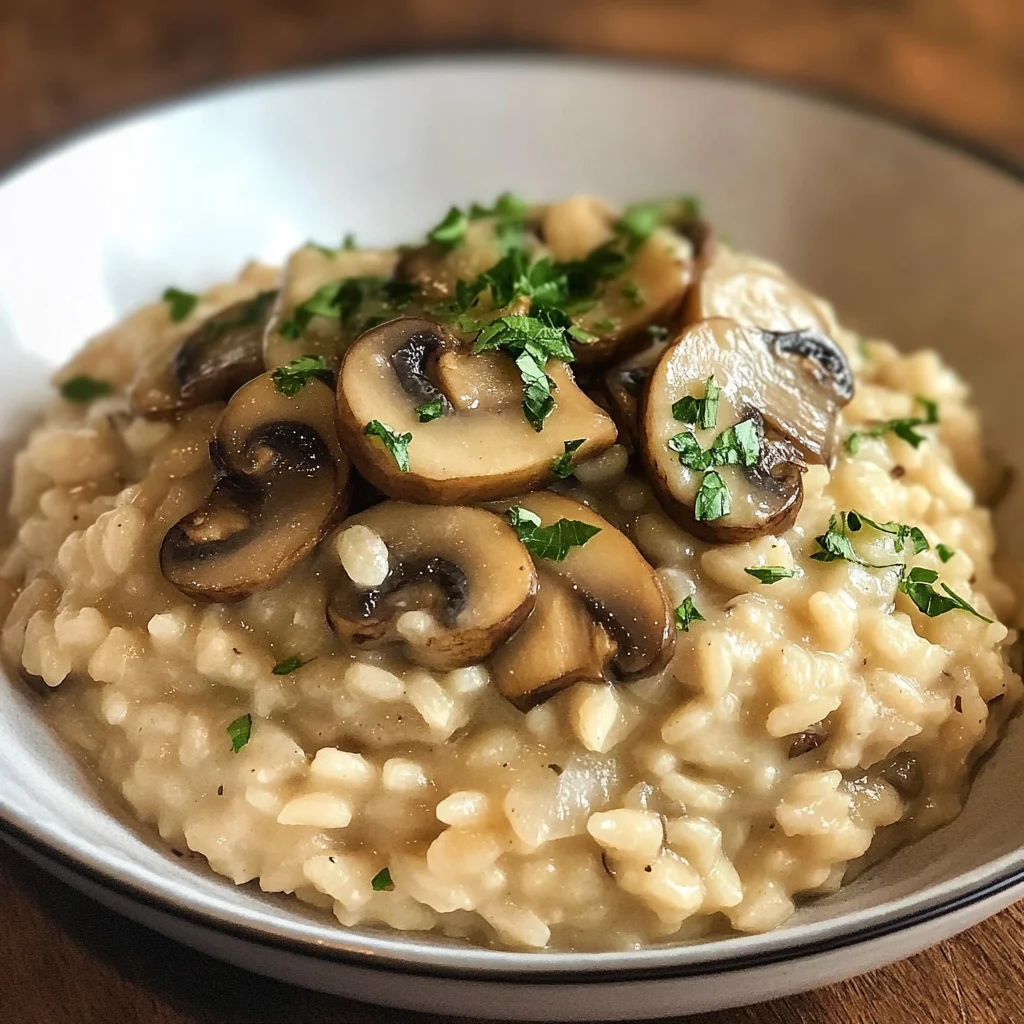
Parsnip and Mushroom Risotto
Parsnip and Mushroom Risotto combines the earthy sweetness of winter root vegetables with the savory depth of mushrooms in a creamy, comforting dish. This vegetarian meal offers incredible richness without requiring hours in the kitchen, making it perfect for weeknight dinners or special occasions. The natural sweetness of parsnips complements the umami notes from mushrooms, creating a balanced flavor profile that appeals to both vegetarians and meat-eaters alike.
What Makes This Dish Special
Winter Comfort at Its Best
Root vegetables like parsnips reach peak flavor during cold months between October and March. Cold weather actually improves parsnips by converting their starches into natural sugars, resulting in enhanced sweetness and depth. This seasonal advantage makes parsnip and mushroom risotto an ideal choice for winter comfort food that genuinely tastes better when prepared during colder months.
A Nutritious One-Pot Meal
Unlike many comfort foods, this risotto provides substantial nutritional value alongside its satisfying taste. The combination delivers fiber, vitamins, and minerals in every serving. Moreover, the dish accommodates various dietary preferences, from vegan adaptations to dairy-rich versions, without sacrificing flavor or texture.
Nutritional Benefits
Parsnips: Nutritional Powerhouse
Parsnips contribute remarkable health benefits to this dish. They contain high levels of vitamin C, B vitamins, folic acid, potassium, and magnesium. These root vegetables are particularly rich in both soluble and insoluble fiber, promoting digestive regularity and supporting beneficial gut microbiota. Additionally, parsnips are easily digestible, making them suitable for people with sensitive stomachs or inflammatory bowel conditions.
An 80-gram serving of parsnips provides one of your recommended daily vegetable servings. The fiber content helps with weight management goals by increasing satiety while maintaining relatively low calorie density. Furthermore, parsnips may help regulate blood pressure due to their potassium content and contain antioxidants with anti-inflammatory properties.
Mushroom Nutrition Profile
Mushrooms add significant nutritional value with minimal calories. Varieties like cremini mushrooms offer excellent selenium content, providing approximately 31 percent of recommended daily intake per serving. Shiitake mushrooms are particularly rich in B vitamins, especially pantothenic acid and niacin, along with substantial dietary fiber. All mushroom varieties contain modest amounts of fiber and various nutrients while remaining low in calories and fat.
Complete Meal Nutrition
A typical serving of parsnip and mushroom risotto contains approximately 300-485 calories depending on preparation method. The dish provides balanced macronutrients with adequate protein from cheese and mushrooms, complex carbohydrates from arborio rice, and healthy fats from butter or olive oil. This combination creates a satisfying meal that supports sustained energy levels throughout the day.
Essential Ingredients
Core Components
Arborio Rice: This short-grain Italian rice is essential for authentic risotto texture. Arborio rice contains starches that break away during cooking while preserving a firm center, creating the characteristic “al dente” texture prized in Italian cuisine. The starch release also contributes to risotto’s signature creaminess without requiring excessive dairy.
Parsnips: Select firm, medium-sized parsnips with smooth skin. Larger parsnips may have woody cores that should be removed. Approximately 2-3 medium parsnips suffice for most recipes, providing natural sweetness and nutritional benefits.
Mushrooms: Use 400 grams of brown mushrooms, cremini, or shiitake varieties. Each type offers distinct flavors and nutritional profiles. Cremini mushrooms provide earthier notes, while shiitake adds more pronounced umami depth.
Supporting Ingredients
-
Vegetable stock (approximately 1 liter) kept warm for gradual incorporation
-
Butter (40 grams) for rich flavor and smooth texture
-
Onion or shallot (1 medium) finely chopped for aromatic base
-
Garlic (1-2 cloves) for additional depth
-
Parmesan cheese (60 grams grated) for savory complexity
-
Fresh herbs like sage, parsley, or thyme for aromatic finish
-
Salt and pepper for seasoning
Optional Enhancements
Consider adding mascarpone (2 tablespoons) for extra creaminess. Fresh spinach (150 grams) increases nutritional value and adds color contrast. Roasted parsnip pieces can be reserved as garnish for textural variety.
Step-by-Step Preparation
Ingredient Preparation
Begin by peeling and coarsely grating 2-3 medium parsnips. Alternatively, dice them into small cubes for distinct texture. Clean and slice 400 grams of mushrooms into even pieces to ensure uniform cooking. Finely chop one medium onion and mince 1-2 garlic cloves. Grate 60 grams of fresh Parmesan cheese rather than using pre-grated varieties for superior flavor.
Setting Up Your Cooking Station
Place vegetable stock in a saucepan and bring to a gentle simmer. Reduce heat to maintain warmth throughout cooking process. Having warm stock ready prevents temperature drops when adding liquid to risotto, which could interrupt the starch release process. Arrange all prepared ingredients within easy reach since risotto requires frequent attention and stirring.
Initial Cooking Steps
Heat butter in a large pot over medium heat. Add chopped onion and cook for 5 minutes until softened and translucent without browning. This gentle cooking, called sweating, develops sweet aromatic notes without creating bitter flavors. Add grated or diced parsnips along with fresh herbs like sage, cooking for an additional 2-3 minutes.
Cooking Techniques for Perfect Risotto
Rice Toasting Phase
Add 250 grams of arborio rice to the pot, stirring well to coat each grain with butter. Toast the rice for 3-4 minutes while constantly stirring until grains begin turning translucent around edges. This crucial step helps rice maintain its structure during subsequent liquid additions and enhances nutty flavor notes.
Gradual Liquid Addition
Add warm stock one ladle at a time (approximately 4-8 ounces), stirring constantly. Wait until each addition is almost completely absorbed before adding more liquid. This gradual process, lasting 20-25 minutes, allows controlled starch release that creates risotto’s characteristic creaminess. The rice is ready when grains are al dente—tender outside with slight firmness in the center.
Mushroom Integration
Sauté mushrooms separately in a pan with garlic and herbs until golden brown. This technique intensifies mushroom flavor through caramelization. Alternatively, add raw mushroom slices directly to risotto during the final 10 minutes of cooking. Both methods work effectively, though pre-sautéing provides more concentrated mushroom taste.
Final Enrichment
Remove pot from heat when rice reaches desired texture. Stir in grated Parmesan cheese, any remaining butter, and optional mascarpone. Add baby spinach if using, allowing residual heat to wilt the greens. Cover with lid and let rest for 5 minutes, permitting flavors to meld and texture to settle. The risotto should have a fluid, glossy consistency described as “all’onda” or flowing like waves.
Flavor Variations
Roasted Parsnip Version
Roast half the parsnips with maple syrup before incorporating them into finished risotto. This technique caramelizes the natural sugars, adding concentrated sweetness and textural contrast. The roasted pieces provide distinct flavor pockets throughout the creamy base.
Multi-Mushroom Approach
Combine different mushroom varieties for complexity. Use cremini mushrooms for the base, adding shiitake for umami depth and oyster mushrooms for delicate texture. Wild mushrooms, when available, contribute forest-like earthiness that elevates the entire dish.
Herb Variations
While sage pairs beautifully with parsnips, experiment with other herbs. Fresh thyme adds subtle floral notes, while rosemary provides pine-like intensity. Parsley offers bright, clean flavors that balance the dish’s richness. Chop herbs finely and add during final stages to preserve their aromatic qualities.
Additional Vegetables
Incorporate leeks alongside or instead of onions for milder, sweeter base. Add diced celery root (celeriac) to complement parsnips’ sweetness with subtle celery flavor. Root vegetable combinations create complex flavor profiles perfect for winter meals.
Serving Suggestions
Plating and Presentation
Serve parsnip and mushroom risotto in wide, shallow bowls to showcase its creamy texture. Spoon risotto into center, allowing it to spread naturally. Top with reserved roasted parsnip pieces, fried sage leaves, or fresh herbs for visual appeal. Drizzle high-quality olive oil around edges for professional presentation.
Accompaniments
This risotto functions as a complete meal but pairs well with simple sides. Serve with lightly dressed arugula salad for peppery contrast. Crusty bread helps gather every creamy bite. Roasted vegetables like Brussels sprouts or winter squash complement the earthy flavors without overwhelming them.
Portion Guidance
Standard servings range from 300-400 grams per person as a main course. For appetizer portions, reduce to 200 grams per serving. The dish’s richness means smaller portions often satisfy, especially when served alongside other items.
Storage and Reheating Tips
Proper Storage
Allow risotto to cool to room temperature before transferring to airtight containers. Refrigerate for up to 3 days maximum. The texture will firm considerably as rice absorbs liquid during storage. Add labels with preparation dates to track freshness.
Reheating Methods
Reheat risotto gently on the stovetop over low heat. Add small amounts of warm vegetable stock or water to restore creamy consistency, stirring frequently. Microwave reheating works but requires attention—use 50% power in 1-minute intervals, stirring between each heating cycle and adding liquid as needed.
Freezing Considerations
While possible to freeze risotto, texture suffers significantly upon thawing. The rice tends to become mushy and separated. If freezing is necessary, slightly undercook the rice initially and freeze in portion-sized containers for up to 1 month. Thaw overnight in refrigerator before reheating.
Common Mistakes to Avoid
Temperature Issues
Using cold stock creates temperature fluctuations that interfere with proper starch release. Always maintain warm stock throughout cooking process. Similarly, cooking over excessively high heat causes uneven cooking and can burn rice before interior softens.
Stirring Problems
Insufficient stirring prevents proper starch release and even cooking. However, overly aggressive stirring breaks rice grains and creates gummy texture. Aim for consistent, gentle stirring that keeps rice moving without crushing grains.
Liquid Management
Adding too much liquid at once drowns the rice, preventing proper starch development. Conversely, allowing rice to dry completely between additions creates chalky, unevenly cooked grains. Master the gradual addition technique for consistent results.
Timing Errors
Adding cheese and final enrichments too early causes separation and graininess. Wait until removing pot from heat to incorporate these ingredients. Rushing the overall cooking process by raising heat shortcuts the gradual starch release that creates risotto’s signature texture.
Frequently Asked Questions
Can I make parsnip and mushroom risotto ahead of time?
Risotto tastes best when served immediately after preparation. However, you can prepare ingredients in advance—chop vegetables, grate cheese, and warm stock before beginning the cooking process. This mise en place approach allows quicker execution while maintaining optimal texture.
What can I substitute for arborio rice?
Carnaroli rice works excellently and some chefs prefer it for slightly firmer texture. Vialone Nano offers another authentic Italian option. Avoid long-grain rice varieties like basmati or jasmine, as they lack the necessary starch content for proper risotto texture.
How do I know when risotto is properly cooked?
Properly cooked risotto features rice grains that are tender on the outside with slight firmness at the center—this is al dente texture. The overall consistency should be fluid and creamy, flowing slowly when tilted, described as “all’onda”. Taste-testing remains the most reliable method.
Can I make this recipe vegan?
Absolutely—substitute butter with olive oil and omit Parmesan cheese or use nutritional yeast for savory notes. The dish remains deliciously creamy due to starch released from arborio rice during cooking. Cashew cream can replace mascarpone if desired for extra richness.
Why did my risotto turn out gummy?
Gummy texture results from over-stirring, breaking rice grains and releasing excess starch. Using too much liquid or insufficiently toasting rice initially also contributes to this problem. Additionally, continuing to cook after rice reaches al dente stage causes mushiness.
What mushroom varieties work best?
Brown mushrooms, cremini, and shiitake all work beautifully. Cremini mushrooms provide balanced earthiness, while shiitake offers pronounced umami depth and additional fiber. Mixing varieties creates complex flavor profiles that elevate the dish.
Conclusion
Parsnip and Mushroom Risotto delivers comfort, nutrition, and sophisticated flavor in one satisfying dish. The natural sweetness of winter parsnips combines perfectly with earthy mushrooms and creamy arborio rice, creating a vegetarian meal that pleases diverse palates. With proper technique—gradual liquid addition, consistent stirring, and careful timing—you can achieve restaurant-quality results at home.
This versatile recipe accommodates various dietary preferences and welcomes creative variations while maintaining its essential character. The nutritional benefits from fiber-rich parsnips and nutrient-dense mushrooms make this risotto both indulgent and wholesome. Master the fundamental techniques outlined above, and you’ll have a reliable recipe for impressive weeknight dinners and special occasions alike.
Print
Parsnip and Mushroom Risotto
Description
Parsnip and Mushroom Risotto
Servings: 4
Prep Time: 10 minutes
Cook Time: 35–40 minutes
Calories: ~400 kcal per serving
Ingredients:
-
200g Arborio rice
-
1 medium parsnip, peeled and diced small
-
200g mushrooms (button, chestnut, or mixed), sliced
-
1 small onion, finely chopped
-
2 cloves garlic, minced
-
1 liter vegetable stock, kept warm
-
2 tablespoons olive oil or butter
-
50ml dry white wine (optional)
-
50g Parmesan cheese, grated (or vegan alternative)
-
Salt and black pepper, to taste
-
Fresh parsley or thyme, chopped, for garnish
Instructions:
-
Prepare the base:
Heat olive oil or butter in a large pan over medium heat. Add onion and garlic and sauté until soft and translucent. -
Cook the mushrooms and parsnip:
Add sliced mushrooms and diced parsnip to the pan. Sauté for 5–7 minutes until mushrooms release their moisture and parsnip starts to soften. -
Toast the rice:
Stir in Arborio rice and cook for 1–2 minutes until slightly translucent at the edges. If using, add white wine and let it simmer until mostly absorbed. -
Add the stock gradually:
Begin adding warm vegetable stock, one ladle at a time, stirring frequently. Wait until most of the liquid is absorbed before adding the next ladle. Continue for 20–25 minutes until the rice is creamy and al dente. -
Finish the risotto:
Remove from heat and stir in Parmesan cheese. Adjust seasoning with salt and black pepper. -
Serve:
Plate the risotto and garnish with fresh parsley or thyme. Serve immediately while creamy and hot.