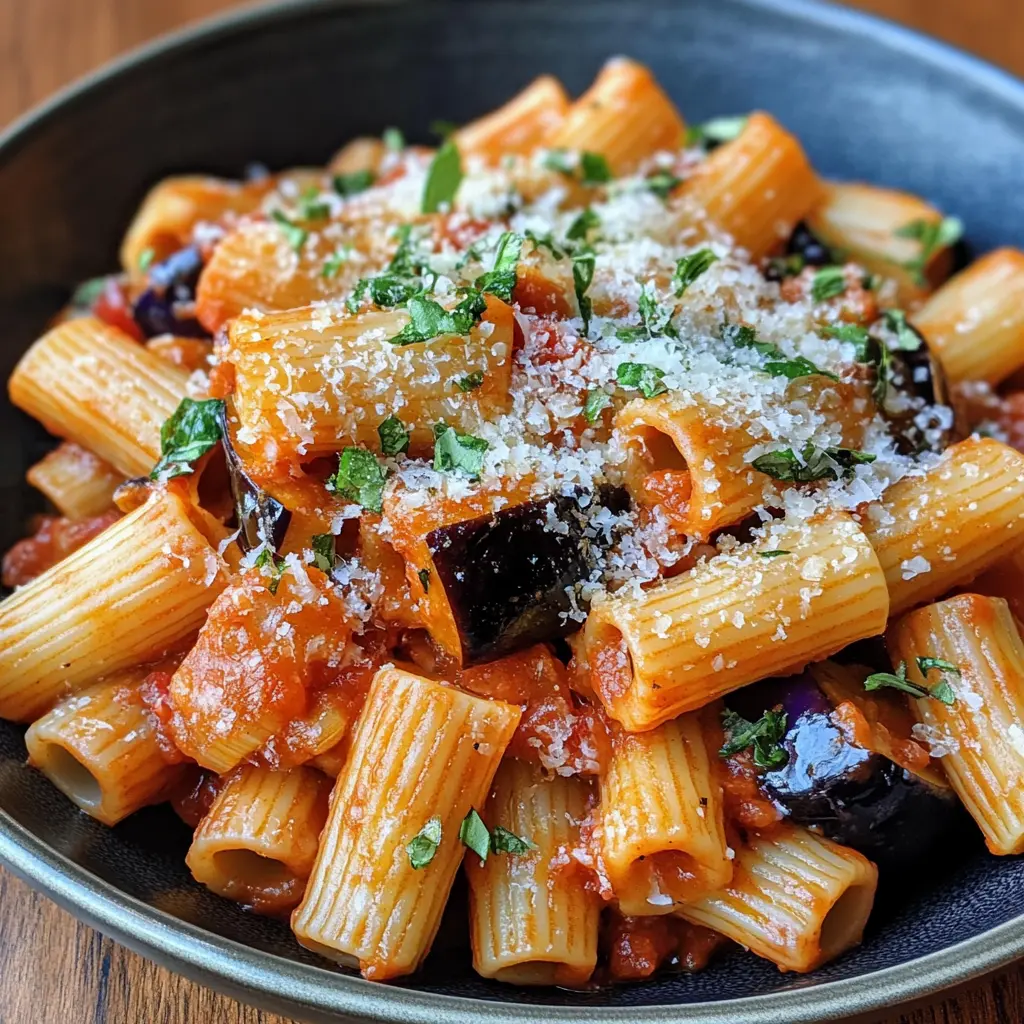
Pasta alla Norma with Roasted Eggplant: The Ultimate Sicilian Recipe Guide
Introduction
Pasta alla Norma with roasted eggplant represents one of Sicily’s most celebrated culinary treasures. This iconic dish from Catania combines tender roasted eggplant, vibrant tomato sauce, fragrant basil, and salty ricotta salata cheese to create a symphony of Mediterranean flavors. Moreover, this recipe showcases the simplicity and elegance that defines Italian cuisine. Furthermore, it demonstrates how humble ingredients can transform into something extraordinary when prepared with care and attention.
What is Pasta alla Norma?
Pasta alla Norma stands as a traditional Sicilian pasta dish originating from Catania, Sicily’s second-largest city. This beloved recipe features four essential components that work harmoniously together. First, golden eggplant provides a creamy texture. Second, rich tomato sauce adds depth and acidity. Third, fresh basil contributes aromatic freshness. Finally, ricotta salata cheese delivers a salty, tangy finish.
The dish gained recognition throughout Italy and beyond for its perfect balance of flavors and textures. Additionally, it represents the Mediterranean diet’s core principles. The combination creates a satisfying meal that feels indulgent while remaining relatively healthy.
The Fascinating History Behind the Name
The Opera Connection
The name “Pasta alla Norma” carries fascinating cultural significance tied to Catania’s rich artistic heritage. According to one popular theory, the dish relates to composer Vincenzo Bellini’s opera “Norma,” which premiered at Teatro alla Scala in Milan on December 26, 1831. Legend suggests a Sicilian chef created this special pasta dish for the opera’s debut evening. Interestingly, some speculate the chef drew inspiration from both the opera’s name and soprano Giuditta Pasta, who performed the leading role.
The Playwright’s Exclamation
Another compelling origin story dates to around 1920 at a lunch gathering in Catania. Playwright Nino Martoglio attended dinner at the Musco-Pandolfini household on Via Etnea. Upon tasting the eggplant pasta, he reportedly exclaimed, “Signora Saridda, chista è ʼna vera Norma” (Mrs. Saridda, this is a real Norma). This exclamation referenced Bellini’s masterpiece, suggesting the dish achieved the same level of excellence. Consequently, the name stuck and became synonymous with this Sicilian specialty.
Cultural Significance
Regardless of which origin story holds more truth, both versions connect the dish to Vincenzo Bellini and his opera. This connection elevated a simple pasta dish to legendary status. Furthermore, it reflects how Sicilians celebrate their cultural heritage through food. The dish became so beloved that September 23rd is now celebrated as National Pasta alla Norma Day.
Essential Ingredients for Authentic Pasta alla Norma
Core Components
Creating authentic Pasta alla Norma with roasted eggplant requires selecting high-quality ingredients. Each component plays a crucial role in the final dish. Therefore, choosing the best available products makes a significant difference in flavor and texture.
Eggplant: Select firm, glossy eggplants without blemishes or soft spots. Medium-sized eggplants work best because they contain fewer seeds and less bitterness. Typically, one large eggplant (about 460 grams) serves four people.
Tomatoes: Use quality peeled tomatoes or tomato puree for the sauce. San Marzano tomatoes provide ideal sweetness and low acidity. Alternatively, high-quality canned crushed tomatoes deliver excellent results. You’ll need approximately 800 grams for a traditional recipe.
Pasta: Traditional recipes call for short tubular pasta shapes. Rigatoni remains the most popular choice due to its sturdy texture and ability to hold sauce. Other excellent options include macaroni, penne, ziti, or even spaghetti.
Ricotta Salata: This aged, salted ricotta cheese made from sheep’s milk provides the dish’s signature salty finish. The cheese is firm enough to grate and offers a distinct contrast to soft regular ricotta. If unavailable, substitute with pecorino romano or firm feta cheese.
Fresh Basil: Use generous amounts of fresh basil leaves for authentic flavor. The herb adds aromatic freshness that complements the rich tomato sauce. Approximately 8-10 fresh basil leaves work well for four servings.
Garlic: Fresh garlic cloves provide essential aromatic depth. Two cloves suffice for most recipes without overwhelming other flavors.
Olive Oil: Extra virgin olive oil serves multiple purposes in this dish. Use it for roasting eggplant, making sauce, and finishing the pasta.
How to Select and Prepare the Perfect Eggplant
Choosing Quality Eggplant
Selecting the right eggplant significantly impacts your Pasta alla Norma with roasted eggplant. Look for firm specimens with smooth, shiny skin. Additionally, check that the eggplant feels heavy for its size. This indicates freshness and proper moisture content. Avoid eggplants with brown spots, wrinkles, or soft areas.
The stem cap should appear fresh and green rather than dried or brown. Press gently on the eggplant’s surface. It should feel slightly firm with just a bit of give. Furthermore, smaller to medium-sized eggplants typically taste less bitter and contain fewer seeds.
Preparing Eggplant: The Salting Process
Traditional Sicilian cooks salt eggplant slices before cooking to reduce bitterness. This process, called “degorging,” also helps achieve better texture during roasting. Cut eggplants into slices or cubes as your recipe requires. Arrange them in layers in a colander, sprinkling salt between layers.
Let the salted eggplant drain for 30 minutes to an hour. Consequently, moisture and bitter compounds will be drawn out. After draining, pat the eggplant pieces aggressively dry with paper towels. This step proves crucial for achieving crispy, golden-brown roasted eggplant rather than soggy pieces.
Cutting Techniques
Different cutting methods produce varied textures in your final dish. Traditional recipes often call for slicing eggplant into rounds, then cutting into strips after cooking. Alternatively, cube the eggplant into uniform pieces before roasting. Smaller pieces (about 2 cm dice) incorporate better into the sauce and distribute more evenly throughout the pasta.
Roasting vs. Frying: The Best Eggplant Technique
Traditional Frying Method
Authentic Sicilian Pasta alla Norma traditionally uses fried eggplant. This method creates incredibly tender, almost creamy eggplant with golden-brown edges. Heat abundant olive oil in a pan until shimmering. Fry eggplant pieces until golden on all sides. However, frying requires significant oil and constant attention.
The fried eggplant absorbs oil, creating rich flavor and velvety texture. Nevertheless, this method adds considerable calories and requires careful temperature management. Additionally, you must work in batches to avoid overcrowding the pan.
Modern Roasting Method
Roasting eggplant offers a healthier, easier alternative that still delivers excellent results. This technique has gained popularity among home cooks seeking lighter versions of classic recipes. Furthermore, roasting allows you to prepare larger quantities simultaneously without standing over the stove.
Preheat your oven to 400-425°F (200-220°C). Toss prepared eggplant pieces with olive oil, salt, and optional garlic powder. Spread them in a single layer on a parchment-lined baking sheet. Roast for 30-35 minutes until soft, golden, and caramelized. Turn the pieces halfway through cooking to ensure even browning.
The roasted eggplant develops natural sweetness as it caramelizes. Moreover, this method uses significantly less oil while still achieving delicious results. The texture becomes tender and slightly crispy around the edges.
Which Method to Choose
Both approaches work beautifully for Pasta alla Norma with roasted eggplant. Traditional purists prefer frying for its authentic texture and flavor. However, roasting provides practical advantages for everyday cooking. Choose based on your preferences, time constraints, and dietary goals.
Step-by-Step Recipe Instructions
Ingredients (Serves 4)
-
1 large eggplant (approximately 460g), cut into cubes or slices
-
800g quality peeled or crushed tomatoes
-
320-400g rigatoni or macaroni pasta
-
100-200g ricotta salata cheese, grated
-
2 garlic cloves, peeled and lightly crushed
-
8-10 fresh basil leaves, torn
-
Extra virgin olive oil
-
Salt to taste
-
Optional: red pepper flakes for heat
Preparing the Eggplant
First, cut your eggplant into desired shape—either cubes or slices. Place pieces in a colander, sprinkling salt between layers. Let drain for 30 minutes to remove bitterness and excess moisture. Meanwhile, pat the eggplant aggressively dry with paper towels.
Preheat oven to 400°F (200°C). Line a baking sheet with parchment paper. Toss dried eggplant with 2-3 tablespoons olive oil, ensuring even coating. Arrange pieces in a single layer on the prepared sheet. Roast for 30-35 minutes, flipping halfway through, until golden brown and tender.
Making the Tomato Sauce
While eggplant roasts, prepare your tomato sauce. Heat 2-3 tablespoons olive oil in a large saucepan over medium heat. Add crushed garlic cloves and cook for about 30 seconds, stirring constantly. The garlic should become fragrant but not burned.
Once garlic starts to brown lightly, add crushed tomatoes immediately. Season with salt to taste. Reduce heat to low and simmer gently for 20-30 minutes, stirring occasionally. The sauce should reduce and thicken, losing its watery consistency. Cook slowly for best flavor development.
Cooking the Pasta
Bring a large pot of well-salted water to a rolling boil. Add your pasta and cook until al dente according to package directions. This typically takes 10-12 minutes for dried rigatoni. Before draining, reserve about half a cup of pasta cooking water.
The starchy pasta water helps sauce cling to pasta and adjust consistency if needed. Therefore, always save some before draining.
Combining Everything
Once tomato sauce has thickened properly, gently fold in your roasted eggplant pieces. Stir carefully to avoid breaking up the eggplant. Heat through for 1-2 minutes. Remove from heat and add torn fresh basil leaves, stirring gently to incorporate.
Drain cooked pasta and add directly to the sauce. Toss everything together, adding reserved pasta water as needed to achieve desired consistency. The sauce should coat pasta beautifully without being too dry or too watery.
Plating and Serving
Divide Pasta alla Norma with roasted eggplant among serving plates. Top each portion generously with grated ricotta salata cheese. Add additional fresh basil leaves for garnish. Serve immediately while hot.
Choosing the Right Pasta Shape
Why Rigatoni Works Best
Rigatoni stands as the preferred pasta shape for Pasta alla Norma with roasted eggplant among Italian cooks. This short, tubular pasta features ridges on the outside and a wide opening in the center. The ridges help sauce cling to each piece effectively. Furthermore, the hollow center captures bits of eggplant and sauce.
Rigatoni’s thicker walls provide a satisfying, chewy texture that contrasts beautifully with tender eggplant. This sturdy pasta holds up well when tossed with sauce. Additionally, it requires slightly longer cooking time than thinner pastas like penne.
Alternative Pasta Options
Several other pasta shapes work excellently if rigatoni isn’t available. Penne offers similar tubular structure with angled ends. Ziti provides straight-cut tubes that also capture sauce well. Fusilli’s spiral shape grabs sauce effectively in its grooves.
Some traditional Sicilian versions use macaroni or even spaghetti. Busiate, a Sicilian twisted pasta, provides authentic regional flair. Choose any short pasta shape that can hold chunky sauce components.
Pasta Cooking Tips
Cook pasta in abundant, well-salted water. The water should taste like the sea. This seasons pasta from within as it cooks. Moreover, properly salted water prevents pasta from becoming bland and needing excessive sauce.
Never rinse pasta after draining. The surface starch helps sauce adhere properly. Always cook pasta to al dente texture—tender but still slightly firm when bitten. Remember that pasta continues cooking slightly when tossed with hot sauce.
Making the Perfect Tomato Sauce
Selecting Tomatoes
Quality tomatoes form the foundation of excellent Pasta alla Norma with roasted eggplant sauce. San Marzano tomatoes from Italy offer ideal sweetness and low acidity. These elongated plum tomatoes have protected designation of origin status. However, any high-quality canned whole or crushed tomatoes work well.
Avoid tomatoes with added seasonings or flavors. Furthermore, check ingredient lists—the best products contain only tomatoes and perhaps salt. Fresh tomatoes can work during peak summer season. However, quality canned tomatoes often provide more consistent results year-round.
Building Flavor Layers
Start by heating olive oil over medium heat in your sauce pan. Add peeled, lightly crushed garlic cloves. Cook briefly until fragrant, about 30 seconds, stirring constantly. This releases aromatic compounds into the oil.
Watch carefully—garlic burns quickly and bitter garlic ruins sauce. Once lightly golden, immediately add tomatoes. The tomatoes will stop garlic from cooking further. Season lightly with salt, remembering you can adjust later.
Simmering for Depth
Reduce heat to low and let sauce simmer gently. This slow cooking concentrates flavors and reduces excess liquid. Stir occasionally to prevent sticking or scorching. The sauce needs 20-30 minutes of gentle cooking.
You’ll know it’s ready when stirring doesn’t reveal watery liquid underneath. The sauce should coat a spoon nicely. Taste and adjust salt as needed. Remove the whole garlic cloves if desired, though some cooks leave them in for rustic presentation.
Fresh Basil Addition
Add torn fresh basil leaves only after removing sauce from heat. The residual warmth releases basil’s aromatic oils without cooking it to death. This preserves the herb’s bright, fresh flavor. Stir gently to distribute basil throughout the sauce.
Tips for Achieving Restaurant-Quality Results
Don’t Skip the Eggplant Prep
Salting and draining eggplant may seem unnecessary, but this step dramatically improves the final dish. The process removes bitter compounds and excess moisture. Consequently, roasted eggplant browns beautifully instead of steaming. Additionally, properly prepared eggplant maintains better texture when mixed with sauce.
Pat eggplant very dry after salting. Removing surface moisture allows proper caramelization during roasting. This creates the golden-brown color and concentrated flavor that distinguishes excellent Pasta alla Norma with roasted eggplant from mediocre versions.
Use Generous Olive Oil
Quality extra virgin olive oil enhances every component of this dish. Don’t be shy—Italian cooking relies on good olive oil for flavor and texture. Use it for roasting eggplant, making sauce, and finishing the pasta. The oil carries flavors and creates silky texture on your palate.
However, balance remains important. The dish should taste rich but not greasy. Furthermore, roasted eggplant requires less oil than fried versions while still delivering excellent results.
Reserve Pasta Water
Always save pasta cooking water before draining. This starchy liquid helps create perfect sauce consistency. Add it gradually when combining pasta with sauce. The starch helps sauce cling to pasta surfaces instead of pooling at the bottom of the bowl.
Start with a few tablespoons and add more as needed. The sauce should coat pasta nicely without being too thick or too thin. This professional technique makes home cooking taste restaurant-quality.
Serve Immediately
Pasta dishes taste best when served right away. The pasta maintains ideal texture when hot and freshly tossed with sauce. Additionally, the cheese melts slightly from the heat, creating creamy pockets of salty flavor.
Warm your serving plates in the oven briefly before plating. This keeps pasta hot longer during eating. Furthermore, bring grated ricotta salata to the table so diners can add more to taste.
Common Mistakes to Avoid
Overcrowding the Baking Sheet
Spreading eggplant in a single layer proves crucial for proper roasting. Overcrowded pieces steam rather than roast, resulting in soggy, pale eggplant. If necessary, use two baking sheets or roast in batches. Each piece needs space around it for air circulation and proper browning.
Skipping the Flip
Turn eggplant pieces halfway through roasting time. This ensures even browning on multiple sides. Without flipping, one side may burn while the other remains pale. Set a timer to remind yourself to rotate the pan and flip the pieces.
Overcooking the Pasta
Cook pasta only until al dente—tender but still slightly firm. Overcooked pasta becomes mushy and can’t hold sauce properly. Remember that pasta continues cooking briefly when tossed with hot sauce. Therefore, drain it slightly before it reaches perfect texture in the pot.
Adding Basil Too Early
Fresh basil burns and blackens quickly when added to hot sauce too soon. The herb loses its vibrant color and fresh flavor. Always add basil after removing sauce from heat. The residual warmth releases its aromatic oils without destroying delicate compounds.
Using the Wrong Cheese
Regular soft ricotta doesn’t work as a substitute for ricotta salata in Pasta alla Norma with roasted eggplant. The fresh version is too wet and mild, lacking the salty punch this dish requires. If you cannot find ricotta salata, use pecorino romano or aged feta instead. These provide similar salty, tangy characteristics.
Nutritional Benefits of This Sicilian Dish
Eggplant’s Health Properties
Eggplant provides excellent nutritional value with very few calories. This purple vegetable contains fiber, vitamins, and minerals while being naturally low in fat. Additionally, eggplant offers antioxidants, particularly nasunin in its skin. These compounds may support heart health and cellular function.
The vegetable’s high fiber content promotes digestive health and helps maintain steady blood sugar levels. Furthermore, eggplant contains potassium, which supports healthy blood pressure. When roasted rather than fried, eggplant remains a low-calorie, nutrient-dense ingredient.
Mediterranean Diet Benefits
Pasta alla Norma with roasted eggplant exemplifies Mediterranean diet principles. This eating pattern emphasizes vegetables, whole grains, olive oil, and moderate portions. Studies consistently link Mediterranean diets to reduced risk of heart disease, diabetes, and other chronic conditions.
The dish combines complex carbohydrates from pasta with vegetable fiber from eggplant and tomatoes. Olive oil provides healthy monounsaturated fats. Fresh basil adds antioxidants and anti-inflammatory compounds. Together, these ingredients create a satisfying, balanced meal.
Portion and Balance Considerations
While nutritious, pasta dishes require portion awareness for balanced eating. A serving of 80-100 grams dried pasta per person provides reasonable calories and carbohydrates. The generous vegetable content in this recipe adds volume and nutrients without excessive calories.
Using the roasting method instead of frying significantly reduces total fat and calories. Additionally, you can adjust cheese quantities to control sodium and fat intake. The dish naturally contains no cholesterol and can be made vegetarian-friendly.
Serving Suggestions and Pairings
Presentation Ideas
Serve Pasta alla Norma with roasted eggplant in shallow bowls or on wide plates. This allows the beautiful colors to show—deep purple eggplant, red tomato sauce, green basil, and white cheese create visual appeal. Garnish each portion with extra fresh basil leaves and a generous grating of ricotta salata on top.
For family-style serving, toss everything in a large serving bowl and bring to the table. Let diners help themselves and add additional cheese to taste. This casual presentation suits the dish’s rustic, home-cooking origins.
Side Dish Pairings
This pasta serves well as a main course, especially for lunch or light dinner. However, you might add simple sides to round out the meal. A crisp green salad with lemon vinaigrette provides refreshing contrast to the rich pasta. Use mixed greens, cucumber, and perhaps cherry tomatoes.
Crusty Italian bread works wonderfully for soaking up extra sauce. Focaccia, ciabatta, or rustic country bread all complement the meal nicely. Warm the bread slightly before serving for best texture and aroma.
Meal Planning Tips
Pasta alla Norma with roasted eggplant works beautifully for various occasions. The dish suits weeknight family dinners because components can be prepared in stages. Additionally, it impresses guests as part of an Italian-themed dinner party.
Consider making extra sauce and roasted eggplant to use in other meals throughout the week. The components store well separately and can be repurposed in creative ways. This makes meal prep more efficient while reducing food waste.
Storage and Reheating Tips
Proper Storage Methods
Store leftover Pasta alla Norma with roasted eggplant in an airtight container in the refrigerator. The dish keeps well for 3-4 days when properly stored. However, pasta texture changes slightly as it sits, absorbing more sauce and becoming softer.
For best results, store pasta separate from extra sauce if possible. This prevents pasta from becoming overly soft and mushy. Keep grated ricotta salata in a separate container to maintain its texture and prevent it from getting soggy.
Reheating Techniques
Reheat individual portions in the microwave, adding a splash of water or olive oil to restore moisture. Cover the dish to prevent drying out. Heat in 30-second intervals, stirring between, until heated through.
Alternatively, reheat on the stovetop in a pan over medium-low heat. Add a small amount of water or olive oil and stir gently as it warms. This method better preserves texture compared to microwave reheating. Once hot, top with fresh ricotta salata and basil.
Freezing Considerations
The tomato sauce with eggplant freezes reasonably well for up to 3 months. Cool completely before transferring to freezer-safe containers. Leave some headspace for expansion during freezing. However, avoid freezing the complete dish with pasta, as cooked pasta doesn’t freeze well.
Thaw frozen sauce overnight in the refrigerator. Reheat gently on the stovetop, adjusting consistency with water if needed. Cook fresh pasta and toss with the reheated sauce for best results.
Variations and Adaptations
Adding Protein
While traditional Pasta alla Norma contains no meat, you can add protein for heartier meals. Grilled chicken strips or Italian sausage complement the flavors nicely. Cook protein separately and add to individual servings, keeping some portions traditional for vegetarian diners.
Chickpeas or white beans provide plant-based protein that fits the Mediterranean theme. Add cooked, drained legumes to the sauce along with the roasted eggplant. This creates a more substantial, fiber-rich meal.
Vegetable Additions
Experiment with additional vegetables while maintaining the dish’s essential character. Zucchini cubes roast well alongside eggplant, offering similar texture. Bell peppers add sweetness and color. Cherry tomatoes roasted whole provide bursts of intense tomato flavor.
However, avoid overwhelming the signature eggplant component. Any additions should complement rather than dominate the original recipe. Keep the spirit of Pasta alla Norma with roasted eggplant intact while personalizing to your tastes.
Dairy-Free Adaptations
For dairy-free versions, simply omit the ricotta salata cheese. The dish remains delicious without it, though the salty, tangy element will be missing. Alternatively, use dairy-free parmesan-style cheese or nutritional yeast for umami flavor.
Some cooks add capers to dairy-free versions for salty, briny notes similar to ricotta salata. Approximately one tablespoon of drained capers per serving works well. This maintains the flavor balance that makes the dish special.
Spice Level Adjustments
Traditional recipes include minimal heat, relying on other flavors for complexity. However, adding red pepper flakes creates pleasant warmth. Start with 1/4 teaspoon and adjust to taste. Add flakes when starting the tomato sauce so heat distributes evenly.
Fresh chili peppers offer another option. Slice and add to the oil with garlic, or sprinkle over finished portions. This allows diners to customize heat levels according to preference.
Frequently Asked Questions
What makes Pasta alla Norma with roasted eggplant authentic?
Authentic Pasta alla Norma features four essential components: eggplant, tomato sauce, fresh basil, and ricotta salata cheese. Traditional Sicilian versions fry the eggplant in olive oil, though roasting has become popular for lighter versions. The dish originates from Catania, Sicily, and is named after Vincenzo Bellini’s opera “Norma”. Using quality ingredients and proper technique ensures authentic flavor and texture.
Can I make this dish ahead of time?
You can prepare components in advance to save time. Roast eggplant and make tomato sauce up to two days ahead, storing them separately in the refrigerator. However, cook pasta fresh when ready to serve for best texture. Combine all components just before eating. This approach works well for entertaining or busy weeknight meals.
What’s the best substitute for ricotta salata?
If ricotta salata isn’t available, use pecorino romano or aged feta cheese as substitutes. Both provide similar salty, tangy characteristics that complement the sweet tomato sauce and creamy eggplant. Grate or crumble the cheese finely and use slightly less than you would ricotta salata, as these alternatives can be saltier. Parmigiano-Reggiano also works, though it lacks the authentic Sicilian character.
Why do you salt eggplant before cooking?
Salting eggplant serves two important purposes. First, it draws out bitter compounds that can make the vegetable taste unpleasant. Second, it removes excess moisture, allowing eggplant to brown and caramelize properly during roasting rather than steaming. This step takes only 30 minutes but dramatically improves the final texture and flavor of your Pasta alla Norma with roasted eggplant.
Is roasted eggplant as good as fried for this recipe?
Roasted eggplant offers an excellent alternative to traditional frying. While fried eggplant provides richer flavor and creamier texture, roasting produces delicious results with significantly less oil and calories. The roasting method also proves easier and less hands-on, allowing you to prepare larger quantities simultaneously. Many modern cooks prefer roasting for its convenience and health benefits while maintaining authentic flavor.
What pasta shape works best?
Rigatoni stands as the preferred choice for Pasta alla Norma with roasted eggplant among Italian cooks. Its ridged exterior and hollow center capture sauce and eggplant pieces perfectly. The pasta’s sturdy texture holds up well when tossed with sauce. However, penne, ziti, fusilli, or even spaghetti all work well if rigatoni isn’t available. Choose a shape that appeals to you while keeping the tubular or textured structure that holds sauce effectively.
Conclusion
Pasta alla Norma with roasted eggplant showcases the best of Sicilian cooking—simple ingredients transformed into something extraordinary. This iconic dish from Catania combines golden roasted eggplant, vibrant tomato sauce, fresh basil, and salty ricotta salata to create unforgettable flavors. Furthermore, the recipe offers flexibility through roasting or frying methods while maintaining authentic taste. Whether you’re cooking for family or entertaining guests, this classic pasta delivers satisfaction and connects you to centuries of Sicilian culinary tradition.
Ready to bring Sicily to your kitchen? Gather quality ingredients and follow these techniques to create your own masterpiece. Your Pasta alla Norma with roasted eggplant will transport diners straight to the sun-drenched streets of Catania with every delicious bite.
Print
Pasta alla Norma with Roasted Eggplant
- Total Time: 45 minutes
- Yield: 4 1x
Ingredients
For the Eggplant
1 large eggplant, cut into 1-inch cubes
2 tablespoons olive oil
Salt and pepper, to taste
For the Sauce
2 tablespoons olive oil
1 small onion, finely chopped
3 cloves garlic, minced
1 can (14 oz / 400 g) crushed tomatoes
1 teaspoon dried oregano
Salt and black pepper, to taste
For the Pasta
12 oz (340 g) pasta (rigatoni, penne, or spaghetti)
1/2 cup grated ricotta salata or Parmesan
Fresh basil leaves, for garnish
Instructions
Preheat oven to 400°F (200°C).
Toss eggplant cubes with olive oil, salt, and pepper.
Spread on a baking sheet and roast 20–25 minutes, turning halfway, until golden and tender.
In a skillet, heat olive oil over medium heat.
Sauté onion until translucent, about 3–4 minutes.
Add garlic and cook 30 seconds.
Stir in crushed tomatoes, oregano, salt, and pepper. Simmer 10–12 minutes until slightly thickened.
Bring a large pot of salted water to a boil.
Cook pasta according to package instructions until al dente. Reserve 1/2 cup pasta water, then drain.
Add roasted eggplant to the tomato sauce.
Toss cooked pasta into the sauce, adding reserved pasta water if needed to loosen the sauce.
Plate pasta and sprinkle with ricotta salata and fresh basil.
Drizzle with a little extra olive oil if desired.
Notes
Eggplant tip: Salting the eggplant before roasting can reduce bitterness.
Cheese swap: Ricotta salata adds authentic saltiness; Parmesan works too.
Extra flavor: Add a pinch of red pepper flakes for subtle heat.
Make-ahead: Sauce and roasted eggplant can be prepared a day in advance.
- Prep Time: 15
- Cook Time: 30
Nutrition
- Calories: 450