
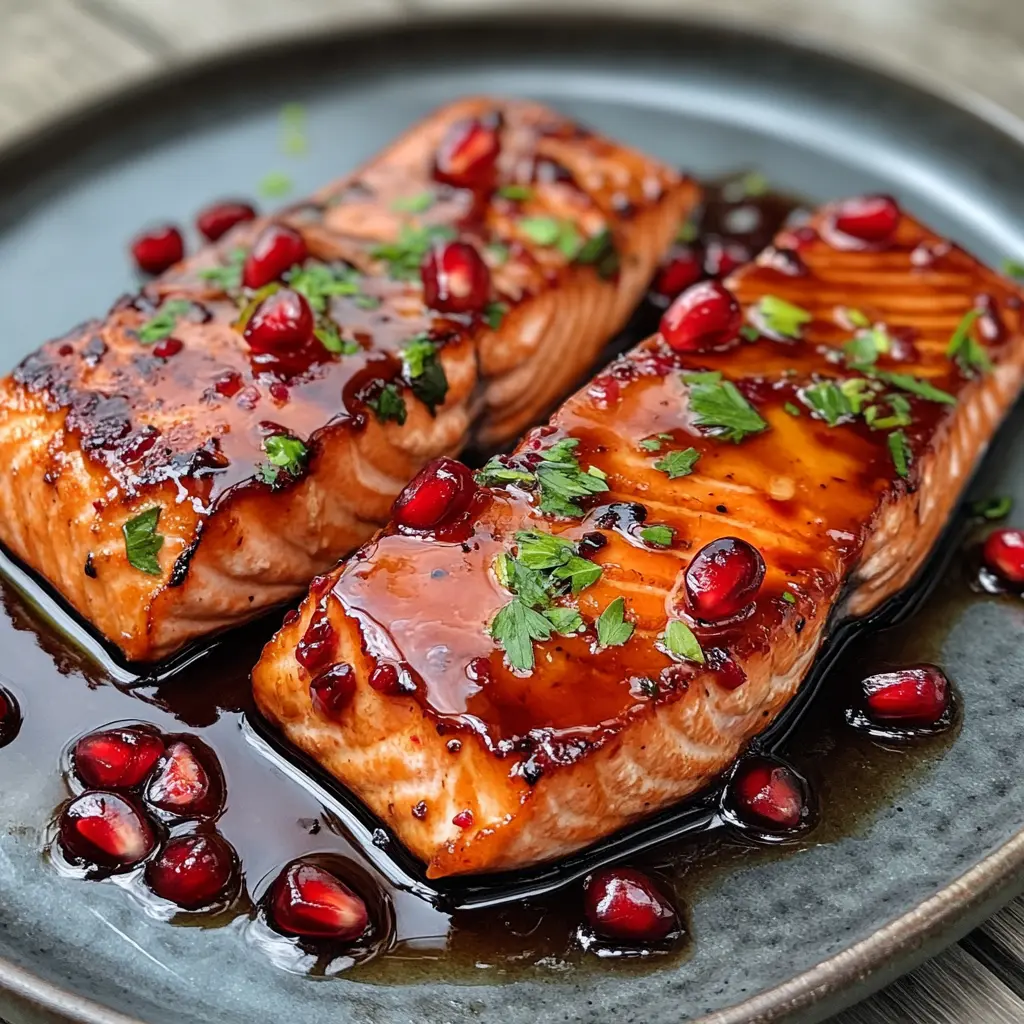
Pomegranate Sriracha Glazed Salmon: A Sweet, Spicy, and Healthy Dinner Delight
Pomegranate Sriracha Glazed Salmon combines the tangy sweetness of pomegranate with the fiery kick of sriracha to create an unforgettable meal. This restaurant-quality dish takes just 30 minutes to prepare and delivers bold flavors alongside impressive health benefits. Whether you’re cooking for a weeknight dinner or entertaining guests, this glazed salmon recipe will become your new favorite.
Why This Flavor Combination Works
The marriage of pomegranate and sriracha creates a perfectly balanced glaze that transforms ordinary salmon into something extraordinary. Pomegranate brings natural sweetness and tartness, while sriracha contributes garlic-forward heat with a tangy edge. These contrasting flavors complement salmon’s rich, buttery texture beautifully.
The glaze caramelizes during cooking, forming a glossy coating that seals in moisture. This technique prevents the salmon from drying out while adding visual appeal. Additionally, the natural sugars in pomegranate juice create an attractive lacquered finish that looks impressive on any plate.
Flavor Profile Breakdown
The pomegranate component offers sweet-tart notes that brighten the dish. Meanwhile, sriracha provides subtle heat without overwhelming the palate. Together, they create depth and complexity that elevates simple salmon fillets into gourmet territory.
Garlic notes from sriracha enhance the savory qualities of salmon. The vinegar base in sriracha cuts through the fish’s natural oils, preventing the dish from feeling heavy. This balance makes each bite refreshing yet satisfying.
Health Benefits of Pomegranate Sriracha Glazed Salmon
This dish packs serious nutritional value alongside its bold flavors. Salmon stands as one of the healthiest protein choices available, offering multiple benefits for your body.
Omega-3 Powerhouse
Salmon contains abundant omega-3 fatty acids, specifically EPA and DHA, which support heart health and brain function. A single 3.5-ounce portion provides approximately 2.3 grams of these essential fats. These nutrients reduce inflammation, lower blood pressure, and prevent blood clot formation.
Regular consumption of omega-3s supports cognitive function and may reduce the risk of Alzheimer’s disease. Furthermore, these fatty acids help maintain healthy joints and improve mood.
High-Quality Protein Source
Each serving delivers around 23 grams of protein, essential for muscle repair and tissue maintenance. Protein keeps you feeling full longer, making this dish excellent for weight management. Additionally, it supports healthy skin, hair, and nails.
Pomegranate’s Antioxidant Benefits
Pomegranates contain powerful antioxidants including punicalagins, ellagitannins, and anthocyanins that fight free radicals. These compounds reduce oxidative stress and chronic inflammation throughout the body. The antioxidant capacity of pomegranate juice exceeds that of many other beverages.
These antioxidants provide antiatherogenic and antihypertensive properties, supporting cardiovascular health. They also help prevent cell damage and support overall vitality.
Additional Nutritional Highlights
Salmon provides excellent amounts of selenium, vitamin D, and B vitamins. Selenium supports thyroid function and DNA synthesis. Vitamin D strengthens bones and boosts immune system function.
The anti-inflammatory properties of both salmon and pomegranate work synergistically. This combination may reduce the risk of chronic diseases including arthritis, diabetes, and certain cancers.
Essential Ingredients and Substitutions
Creating perfect Pomegranate Sriracha Glazed Salmon requires quality ingredients, but you can adapt the recipe based on what’s available.
Core Ingredients
Salmon fillets: Choose fresh, skin-on fillets weighing 5-6 ounces each. Wild-caught salmon offers higher omega-3 content, though farmed salmon works well too.
Pomegranate juice or molasses: Fresh pomegranate juice provides bright flavor, while pomegranate molasses offers concentrated sweetness and tang. Molasses creates a thicker glaze with deeper flavor.
Sriracha sauce: This garlic-forward hot sauce brings heat and complexity. Standard Huy Fong sriracha works perfectly for this recipe.
Soy sauce: Adds umami depth and saltiness that enhances the glaze.
Sweetener: Honey, maple syrup, or date syrup balances the heat and acidity.
Garlic and ginger: Fresh aromatics intensify the flavor profile.
Smart Substitutions
If pomegranate juice isn’t available, substitute with cranberry juice plus a splash of lime. For those avoiding soy, coconut aminos provide similar umami qualities. Substitute honey with agave nectar or maple syrup for different sweetness profiles.
When pomegranate molasses is unavailable, reduce pomegranate juice with a touch of sugar until syrupy. This creates similar consistency and concentrated flavor.
Step-by-Step Cooking Instructions
Follow these detailed instructions to create perfectly glazed salmon every time. This method ensures flaky, moist fish with a beautifully caramelized exterior.
Preparation Phase
Start by preheating your oven to 400°F (200°C). Line a baking sheet with parchment paper or aluminum foil for easy cleanup.
Pat salmon fillets completely dry with paper towels. This step is crucial because moisture prevents proper browning and glaze adhesion. Season both sides lightly with salt and pepper.
Creating the Glaze
In a small bowl, combine ½ cup pomegranate juice, 2 tablespoons sriracha, 2 tablespoons soy sauce, and 2 tablespoons honey. Add 1 minced garlic clove and 1 teaspoon grated fresh ginger for enhanced flavor.
Whisk everything together until well combined. The mixture should have a thin, pourable consistency at this stage.
Marinating (Optional)
For deeper flavor penetration, marinate the salmon in half the glaze for 15-30 minutes in the refrigerator. Place salmon in a sealed container or ziplock bag with the marinade.
However, you can skip marinating if time is limited. The glaze still creates delicious results when applied directly during cooking.
Baking Method
Place salmon skin-side down on the prepared baking sheet. Brush half of the glaze generously over each fillet.
Bake for 12-15 minutes, depending on fillet thickness. Halfway through, brush additional glaze over the salmon.
For a caramelized finish, switch to broil for the final 2-3 minutes. Watch carefully to prevent burning. The glaze should bubble and turn glossy.
Check for doneness by inserting a fork into the thickest part. The salmon should flake easily and reach an internal temperature of 145°F.
Pan-Searing Method
Heat olive oil in a large skillet over medium-high heat. When the oil shimmers, add salmon skin-side down.
Cook without moving for 4-5 minutes until the skin crisps. Flip carefully and cook another 3-4 minutes.
Add the glaze directly to the pan, spooning it over the fillets as it thickens. Reduce heat to medium-low, cover, and cook 4-6 minutes more until done.
The glaze will reduce and become syrupy, coating the salmon beautifully. Remove from heat and serve immediately.
Cooking Methods Compared
Different cooking techniques produce varying textures and flavors in your Pomegranate Sriracha Glazed Salmon.
Oven Baking
Baking provides consistent, even cooking with minimal hands-on time. This method works best when preparing multiple servings simultaneously. The gentle heat prevents overcooking while allowing the glaze to caramelize gradually.
Baking produces tender, flaky salmon with a slightly softer exterior. This technique is ideal for beginners because it requires less monitoring.
Pan-Searing
Searing creates a crispy skin and adds deep caramelization flavors. This method offers more control over the cooking process. You can adjust heat instantly and monitor glaze consistency closely.
The higher heat produces more pronounced browning on the glaze. However, this technique requires more attention to prevent burning or overcooking.
Air Fryer Option
Air frying combines the benefits of both methods. It creates crispy edges while maintaining moist interiors. Cook at 380°F for 8-10 minutes, then apply glaze and cook 2-3 minutes more.
This method is fastest and produces minimal cleanup. The circulating hot air ensures even cooking and beautiful caramelization.
Serving Suggestions and Pairings
Pomegranate Sriracha Glazed Salmon pairs wonderfully with various sides and garnishes that complement its bold flavors.
Grain-Based Sides
Serve over fluffy white rice or brown rice to absorb the extra glaze. Quinoa provides a protein-rich alternative with nutty undertones. Coconut rice adds subtle sweetness that balances the sriracha heat.
Asian-style rice pilaf with herbs creates an elegant presentation. The grains soak up the flavorful sauce, ensuring nothing goes to waste.
Vegetable Accompaniments
Roasted vegetables make excellent partners for this salmon. Try Brussels sprouts, asparagus, or carrots roasted until caramelized. Their natural sweetness complements the pomegranate glaze.
Sautéed bok choy offers a traditional Asian pairing with pleasant bitterness. Steamed broccoli or green beans provide simple, healthy options. A fresh green salad with citrus vinaigrette adds brightness and crunch.
Garnishes and Finishing Touches
Sprinkle fresh pomegranate arils over the finished salmon for textural contrast and visual appeal. Sliced green onions add color and mild onion flavor.
Toasted sesame seeds provide nutty crunch. Fresh cilantro or parsley brightens the rich flavors. Serve with lemon or lime wedges for those who enjoy extra acidity.
Expert Tips for Perfect Results
Mastering Pomegranate Sriracha Glazed Salmon becomes easier with these professional techniques.
Selecting Quality Salmon
Choose fillets with firm, moist flesh and bright color. Avoid salmon with brown spots or strong fishy odors. Skin-on fillets hold together better during cooking and provide crispy texture when seared.
Uniform thickness ensures even cooking. If your fillets vary significantly, adjust cooking times accordingly or fold thinner tail portions under.
Temperature Control
Remove salmon from the refrigerator 15 minutes before cooking. Room-temperature fish cooks more evenly and develops better texture.
Use an instant-read thermometer to check doneness. Pull salmon from heat at 140°F; carryover cooking will bring it to the safe 145°F.
Glaze Consistency
If your glaze seems too thin, reduce it separately in a small saucepan before applying. Simmer over medium-high heat for 3-5 minutes until syrupy.
Conversely, if the glaze becomes too thick, thin it with water or additional pomegranate juice. The ideal consistency coats the back of a spoon without running off immediately.
Preventing Sticking
Properly oil your baking sheet or skillet before adding salmon. When pan-searing, wait until the skin releases naturally before attempting to flip.
Parchment paper or aluminum foil makes cleanup effortless and prevents sticking.
Common Mistakes to Avoid
Sidestepping these pitfalls ensures success with your Pomegranate Sriracha Glazed Salmon every time.
Overcooking the Fish
Salmon continues cooking after removal from heat. Many home cooks leave it in the oven or pan too long, resulting in dry, chalky texture.
Pull salmon when it’s slightly undercooked in the center. The residual heat completes the cooking perfectly. Aim for salmon that’s opaque on the outside but still slightly translucent at the very center.
Applying Glaze Too Early
Adding sugary glaze at the beginning of cooking causes burning. Instead, apply glaze during the final minutes or in stages.
Build layers by brushing glaze multiple times throughout cooking. This technique creates depth without scorching.
Skipping the Skin Crisping
When pan-searing, many people flip too early. Let the skin crisp fully before turning. This creates textural contrast and prevents tearing.
Press down gently on the fillet for the first minute to ensure even contact with the pan.
Underseasoning
The glaze provides sweetness and heat, but the salmon itself needs seasoning. Always salt and pepper the fish before cooking.
Proper seasoning enhances the natural salmon flavor and prevents blandness.
Storage and Meal Prep Guidelines
Pomegranate Sriracha Glazed Salmon stores well, making it excellent for meal preparation.
Refrigeration
Store leftover salmon in an airtight container for up to 3 days. Let it cool completely before refrigerating to prevent condensation.
Keep the extra glaze separate from the fish to maintain optimal texture. This prevents the salmon from becoming soggy.
Reheating
Reheat gently to avoid overcooking further. Use the oven at 275°F for 10-15 minutes until warmed through. Cover with foil to retain moisture.
Alternatively, microwave on 50% power in 30-second intervals. Add a splash of water to create steam and prevent drying.
Freezing
While fresh salmon is best, you can freeze cooked glazed salmon for up to 2 months. Wrap tightly in plastic wrap, then aluminum foil.
Thaw overnight in the refrigerator before reheating. Note that texture may soften slightly after freezing.
Meal Prep Strategy
Prepare the glaze up to 5 days ahead and refrigerate. Portion raw salmon fillets and refrigerate for 1-2 days before cooking.
You can also cook salmon completely, then reheat throughout the week. Pair with freshly prepared sides for best results.
Frequently Asked Questions
What does Pomegranate Sriracha Glazed Salmon taste like?
This dish offers a complex flavor profile combining sweet, tart, spicy, and savory elements. The pomegranate provides fruity sweetness with tangy notes, while sriracha adds garlic-forward heat. The salmon’s rich, buttery texture balances these bold flavors beautifully.
Can I make this recipe less spicy?
Absolutely. Reduce the sriracha quantity by half or substitute with a milder hot sauce. You can also increase the sweetener to balance any remaining heat. The dish remains flavorful even with minimal spice.
How do I know when the salmon is perfectly cooked?
Insert a fork into the thickest part and twist gently. The salmon should flake easily and appear opaque. Alternatively, use a thermometer to check for 145°F internal temperature. The center may appear slightly translucent, which is acceptable and preferred by many.
What if I can’t find pomegranate juice?
Substitute with cranberry juice mixed with a splash of lime juice. Cherry juice also works, though it’s sweeter. For the closest match to pomegranate’s tartness, combine cranberry and orange juices in equal parts.
Is this recipe suitable for frozen salmon?
Yes, but thaw salmon completely in the refrigerator overnight first. Pat it very dry before cooking, as frozen salmon releases more moisture. The cooking time may increase slightly depending on thickness.
Can I use salmon without skin?
Skinless salmon works fine, especially when baking. However, you’ll miss the crispy texture that pan-searing skin-on fillets provides. Skinless fillets may also be more delicate and prone to breaking.
How can I make the glaze thicker?
Simmer the glaze separately in a small saucepan over medium-high heat until it reduces and thickens. This concentrates the flavors while creating syrup-like consistency. Alternatively, add a small amount of cornstarch slurry.
What’s the difference between pomegranate juice and molasses?
Pomegranate juice is fresh and tart with thin consistency. Pomegranate molasses is reduced juice that’s thick, sweet-tart, and concentrated. Molasses creates a more robust glaze, while juice offers brighter, fresher flavor.
Pomegranate Sriracha Glazed Salmon delivers restaurant-quality results in your home kitchen with minimal effort. This nutritious dish combines heart-healthy omega-3s from salmon with powerful antioxidants from pomegranate, creating a meal that’s as beneficial as it is delicious. The sweet-spicy glaze transforms simple fish fillets into an impressive entrée suitable for both weeknight dinners and special occasions. Master this recipe, and you’ll have a versatile dish that never fails to impress family and guests alike.