

Rutabaga & Carrot Stew with Beef: A Hearty Root Vegetable Comfort Meal
Introduction
Rutabaga & Carrot Stew with Beef is a comforting, nutrient-rich meal that brings warmth to any table. This hearty dish combines tender chunks of beef with earthy rutabagas and sweet carrots, creating a satisfying one-pot wonder. Moreover, this root vegetable stew offers an affordable way to feed your family while delivering exceptional flavor and nutrition.
Root vegetables shine in cold-weather cooking. They add natural sweetness and a robust texture that holds up beautifully during long, slow cooking. Additionally, this stew provides an excellent opportunity to explore underutilized vegetables like rutabaga, which many home cooks overlook despite its impressive health benefits.
Whether you’re planning Sunday dinner or seeking make-ahead meals, this beef and root vegetable stew delivers comfort food at its finest. The recipe is straightforward enough for beginners yet sophisticated enough to impress dinner guests. Furthermore, the flavors deepen overnight, making leftovers even more delicious.
What Makes This Stew Special
This rutabaga and carrot beef stew stands out from ordinary stews for several compelling reasons. First, the combination of root vegetables creates a naturally thick, hearty broth without requiring excessive thickeners. The vegetables break down slightly during cooking, releasing their starches and creating a silky texture.
Second, rutabagas bring a unique flavor profile. These golden root vegetables offer a subtle sweetness with peppery undertones that complement beef perfectly. Meanwhile, carrots add natural sugars that balance the savory elements.
The slow-cooking method transforms tough beef cuts into melt-in-your-mouth tender pieces. Consequently, budget-friendly cuts like chuck roast become incredibly luxurious. This technique also allows the flavors to meld together beautifully, creating depth that quick-cooking methods cannot achieve.
Nutritional Benefits of Root Vegetables
Rutabaga Nutrition
Rutabagas pack an impressive nutritional punch in every serving. A medium rutabaga contains approximately 143 calories, 4.17 grams of protein, and 8.8 grams of fiber. These root vegetables are exceptionally rich in vitamin C, providing 96.5 milligrams per serving, which supports immune function and skin health.
Additionally, rutabagas offer substantial amounts of potassium (1,180 milligrams), calcium (166 milligrams), and magnesium (77.2 milligrams). These minerals support heart health, bone strength, and proper muscle function. Furthermore, rutabagas contain powerful antioxidants and glucosinolates that may help prevent chronic diseases.
The fiber content in rutabagas promotes digestive health and helps maintain steady blood sugar levels. Therefore, they make an excellent choice for individuals managing diabetes or seeking weight management support.
Carrot Health Benefits
Carrots deserve their reputation as a nutritional powerhouse. One half-cup serving provides 73% of your daily vitamin A requirement, which is essential for eye health and vision. Carrots are particularly rich in beta-carotene, an antioxidant that gives them their vibrant orange color.
These root vegetables also deliver important amounts of vitamin K, potassium, fiber, and vitamin C. The fiber content helps control blood sugar levels and supports digestive health. Moreover, carrots contain only 25 calories per serving, making them ideal for weight management.
Research suggests that regular carrot consumption may lower cholesterol levels and reduce the risk of heart disease. The antioxidants in carrots also protect against cellular damage and may reduce the risk of certain chronic conditions.
Essential Ingredients
Main Components
Beef: Choose chuck roast or stew meat, approximately 2 pounds, cut into 1-inch cubes. These cuts contain connective tissue that breaks down during slow cooking, creating tender, flavorful meat.
Rutabaga: One large rutabaga (about 1 pound), peeled and cut into 1-inch pieces. Look for firm rutabagas without soft spots.
Carrots: Six to eight medium carrots (about 1 pound), peeled and cut into 1.5-inch pieces. Similarly sized pieces ensure even cooking.
Aromatics and Seasonings
-
1 large onion, chopped
-
4 cloves garlic, minced
-
3 celery stalks, chopped
-
2 bay leaves
-
1 tablespoon fresh thyme or 1 teaspoon dried
-
1 teaspoon dried rosemary
-
1 tablespoon dried parsley
-
Salt and black pepper to taste
Liquids and Thickeners
-
4 cups beef broth or stock
-
2 tablespoons tomato paste
-
1 tablespoon Worcestershire sauce
-
3 tablespoons all-purpose flour (for coating beef)
-
2 tablespoons olive oil
-
2 tablespoons butter
Step-by-Step Cooking Instructions
Preparing the Beef
Start by patting the beef cubes completely dry with paper towels. This step is crucial because dry meat browns properly, while wet meat steams. Season the beef generously with salt and pepper, then coat lightly with flour.
Heat 1 tablespoon of olive oil in a large, heavy-bottomed pot or Dutch oven over medium-high heat. Once the oil shimmers, add the beef in batches, ensuring not to overcrowd the pan. Sear each piece for 2-3 minutes per side until deeply browned. This browning creates the Maillard reaction, which develops rich, complex flavors throughout the stew.
Remove the browned beef to a plate and set aside. Repeat with remaining beef, adding more oil if needed. This process takes patience, but it significantly impacts the final flavor.
Building the Flavor Base
Reduce heat to medium and add butter to the pot. Consequently, add the chopped onion and sauté for 5-7 minutes until softened and translucent. The onions will pick up the flavorful brown bits left from searing the beef.
Next, add the celery and continue cooking for 3-4 minutes. Then, stir in the minced garlic and cook for 30 seconds until fragrant. Be careful not to burn the garlic, as it can turn bitter quickly.
Stir in the tomato paste and Worcestershire sauce, coating the vegetables thoroughly. Cook for 2 minutes, allowing the tomato paste to caramelize slightly, which deepens its flavor.
Adding Root Vegetables
Add the prepared rutabaga and carrot pieces to the pot. Sprinkle the dried herbs (thyme, rosemary, parsley) over the vegetables and stir well to coat everything evenly. Sauté the root vegetables for 3-4 minutes, allowing them to soften slightly around the edges.
Sprinkle any remaining flour over the vegetables and stir thoroughly. Cook for about 1 minute to remove the raw flour taste. This step helps thicken the stew naturally as it cooks.
Simmering to Perfection
Pour the beef broth into the pot, scraping the bottom well to release all the flavorful browned bits. This technique, called deglazing, adds tremendous depth to your stew. Return the seared beef to the pot along with any accumulated juices. Add the bay leaves and ensure all ingredients are submerged in liquid.
Bring the mixture to a boil, then immediately reduce the heat to maintain a gentle simmer. Cover the pot and cook for 90 minutes to 2 hours, checking occasionally. The stew should bubble gently rather than boil vigorously, as boiling toughens the beef and causes liquid to evaporate too quickly.
Test the beef for tenderness by inserting a fork. When properly cooked, the fork should slide in easily and the meat should practically fall apart. If the beef isn’t tender after 2 hours, continue simmering and add more broth if needed.
Tips for Tender Beef Every Time
Choosing the Right Cut
Select beef cuts with adequate marbling and connective tissue. Chuck roast, beef shoulder, and stew meat work exceptionally well because they contain collagen that breaks down during slow cooking. Avoid lean cuts like sirloin, which become dry and tough in stews.
Temperature Matters
Maintain a consistent, gentle simmer throughout cooking. The ideal temperature allows the collagen to dissolve slowly without toughening the muscle fibers. Therefore, avoid boiling, which dries out and toughens the meat.
Additionally, some cooks recommend a technique called “velveting,” which involves marinating the beef with a small amount of baking soda for 30 minutes before searing. This process helps break down proteins, resulting in exceptionally tender meat.
Don’t Rush the Process
Tender beef requires time. While it’s tempting to increase the heat to speed things up, patience yields far better results. The low, slow cooking method allows tough connective tissues to transform into gelatin, creating that luxurious, melt-in-your-mouth texture.
If you’re short on time, consider using a pressure cooker. Cook the stew at high pressure for 35-40 minutes, then release pressure naturally. This method produces tender beef in a fraction of the time.
Serving Suggestions
Perfect Pairings
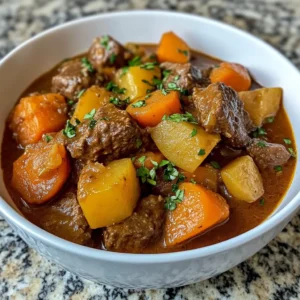
Serve this rutabaga and carrot beef stew over a bed of fluffy mashed potatoes, which soak up the delicious broth beautifully. Alternatively, buttered egg noodles or steamed rice make excellent bases for this hearty stew.
Crusty bread is essential for mopping up every last drop of the savory sauce. Toast slices of artisan bread and brush lightly with olive oil and a pinch of salt. The contrast between the crispy bread and tender stew creates a satisfying textural experience.
Garnishes and Additions
Fresh herbs brighten the rich flavors. Sprinkle chopped fresh parsley or thyme over each bowl before serving. Moreover, a dollop of horseradish cream adds a wonderful tangy element that cuts through the richness.
Consider adding other root vegetables for variety. Parsnips, turnips, and golden potatoes all work wonderfully in this stew. Simply cut them into similar-sized pieces and add them during the simmering stage.
Family-Friendly Presentation
For picky eaters, serve the stew components separately, allowing family members to customize their bowls. Some children prefer their vegetables on the side initially. However, the sweet carrots and mild rutabagas usually win over even hesitant eaters.
Storage and Meal Prep
Refrigeration Guidelines
Cool the stew completely before storing. Transfer to airtight containers and refrigerate for up to 4 days. Interestingly, the flavors continue developing in the refrigerator, making leftovers even more delicious than the original meal.
Reheat portions on the stovetop over medium heat, stirring occasionally. Add a splash of beef broth if the stew has thickened too much during storage. Alternatively, microwave individual portions in covered containers, stirring halfway through heating.
Freezing Instructions
This beef and root vegetable stew freezes exceptionally well. Allow the stew to cool completely, then portion it into freezer-safe containers or bags. Leave about an inch of headspace for expansion. Properly stored, the stew maintains quality for up to 3 months.
Thaw frozen stew overnight in the refrigerator for best results. Then, reheat gently on the stovetop, stirring occasionally. The root vegetables maintain their texture remarkably well after freezing, unlike some other vegetables.
Make-Ahead Strategies
Prepare this stew up to two days in advance. In fact, the flavors improve significantly after resting overnight. Simply cook the stew completely, cool, and refrigerate. Reheat thoroughly before serving, adding fresh herbs just before plating for maximum freshness.
You can also prep ingredients ahead. Cut beef and vegetables the night before, storing them separately in the refrigerator. This advance preparation makes weeknight cooking much more manageable.
Frequently Asked Questions
Can I make rutabaga and carrot stew with beef in a slow cooker?
Absolutely! Brown the beef and sauté the aromatics as directed, then transfer everything to your slow cooker. Cook on low for 6-8 hours or high for 4-5 hours until the beef is tender. This method requires minimal attention and produces excellent results.
What can I substitute for rutabaga?
Turnips make the closest substitution, offering a similar texture and slightly milder flavor. Parsnips also work well, adding sweetness. However, potatoes change the dish’s character significantly, creating a more traditional beef stew.
How do I prevent my beef from being tough?
Choose the right cut (chuck roast or stew meat), brown it properly, and simmer gently rather than boiling. Additionally, ensure adequate cooking time—tender beef cannot be rushed. Test doneness with a fork; the meat should fall apart easily.
Can I make this stew vegetarian?
Yes, omit the beef and use vegetable broth instead. Add protein-rich ingredients like lentils, chickpeas, or white beans for substance. Increase the variety of root vegetables to maintain heartiness.
Why is my stew too thin?
If your stew lacks thickness, simmer uncovered for the last 15-20 minutes to reduce the liquid. Alternatively, mix 2 tablespoons of cornstarch with cold water and stir into the stew. Cook for several minutes until thickened to your desired consistency.
What herbs work best in beef stew?
Thyme, rosemary, and bay leaves are classic choices that complement beef beautifully. Additionally, parsley adds freshness, while sage provides earthiness. Use dried herbs for long cooking times, adding fresh herbs during the last 15 minutes.
How do I know when rutabaga is cooked properly?
Properly cooked rutabaga should be fork-tender but not mushy. Test by inserting a fork into the largest pieces—it should slide in easily with slight resistance. Overcooking causes rutabaga to become waterlogged and lose its distinctive texture.
Can I add mushrooms to this stew?
Absolutely! Quartered button or cremini mushrooms add wonderful umami flavor and meaty texture. Add them when you sauté the onions and celery for best results.
Conclusion
Rutabaga & Carrot Stew with Beef delivers everything you want in comfort food: tender meat, nutritious vegetables, and deeply satisfying flavors. This one-pot meal brings warmth to your table while providing exceptional nutritional benefits from vitamin-rich root vegetables. The slow-cooking method transforms economical ingredients into an elegant dish that tastes like you spent hours in the kitchen.
Whether you’re feeding a hungry family or preparing make-ahead meals, this hearty stew checks all the boxes. The combination of sweet carrots and earthy rutabagas creates complexity that elevates simple beef stew to something truly special. Moreover, the recipe’s flexibility allows endless variations to suit your taste preferences and what’s available in your kitchen.
Print
Rutabaga & Carrot Stew with Beef
Description
Rutabaga & Carrot Stew with Beef
Ingredients
-
1½ lbs (700g) beef stew meat, cut into 1-inch cubes
-
2 medium rutabagas, peeled and diced
-
3 medium carrots, peeled and sliced
-
1 medium onion, chopped
-
2 cloves garlic, minced
-
4 cups beef broth
-
1 cup diced tomatoes (canned or fresh)
-
2 tbsp tomato paste
-
2 tbsp olive oil
-
1 tsp dried thyme
-
1 tsp dried rosemary
-
1 bay leaf
-
Salt & black pepper to taste
-
Optional garnish: fresh parsley or thyme
Instructions
-
Brown the beef:
Heat olive oil in a large pot over medium-high heat. Brown beef cubes on all sides, about 5–7 minutes. Remove and set aside. -
Sauté aromatics:
In the same pot, add onion and garlic. Cook 2–3 minutes until fragrant. -
Add vegetables & seasonings:
Stir in rutabaga, carrots, thyme, rosemary, bay leaf, salt, and pepper. Cook 2–3 minutes. -
Deglaze & simmer:
Add tomato paste and diced tomatoes, stirring to combine. Pour in beef broth and return beef to the pot. Bring to a boil, then reduce heat to low. -
Simmer:
Cover and simmer for 1–1.5 hours until beef is tender and vegetables are soft. Stir occasionally. -
Adjust seasoning & serve:
Remove bay leaf, taste, and adjust salt and pepper as needed. Garnish with fresh parsley or thyme. Serve hot with crusty bread or over mashed potatoes.
Cooking Time
-
Prep: 15 minutes
-
Cook: 75–90 minutes
-
Total: 90–105 minutes
Calories (Approx.)
350–400 calories per serving (serves 4–6)