
Introduction
What Is Seafood Stew and Noodles?
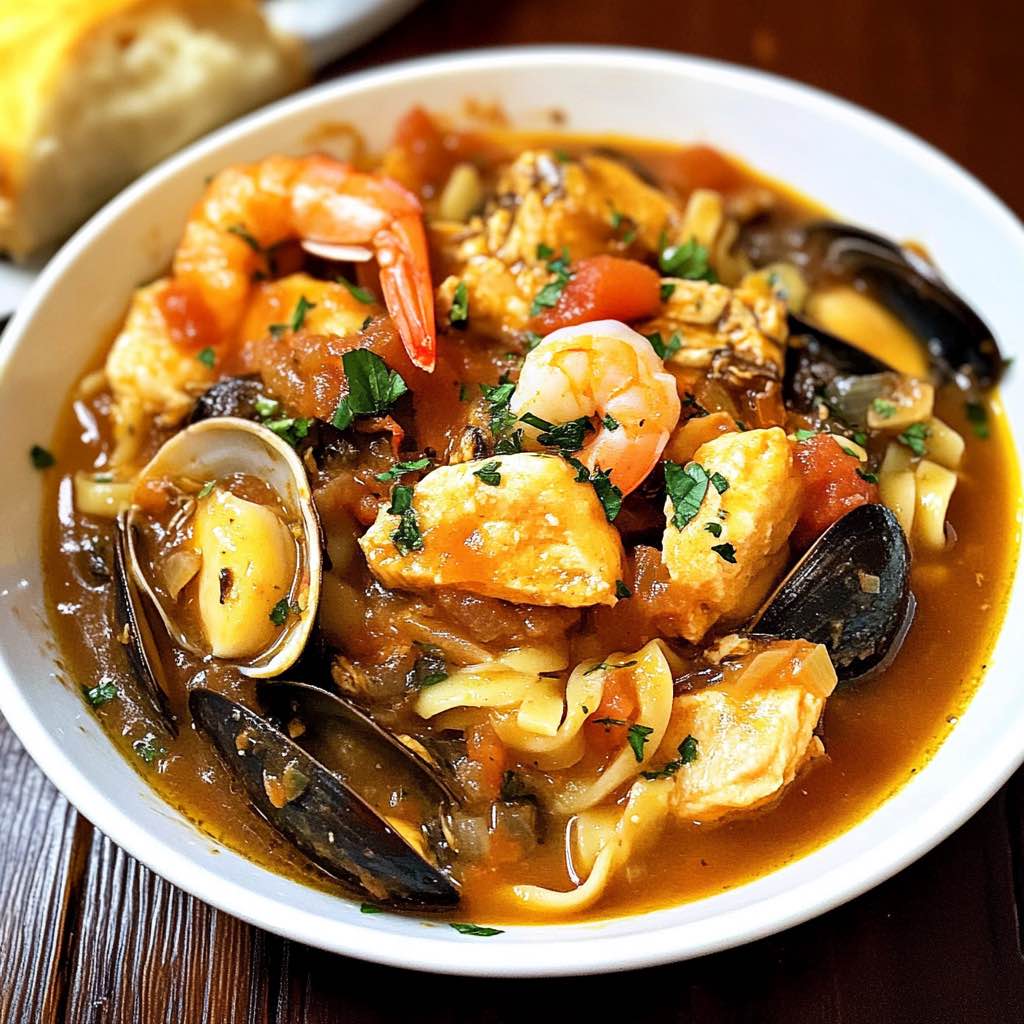
Think of seafood stew and noodles as the cozy crossroads of two worlds: a robust, aromatic stew base and tender noodles that soak up flavor like a sponge, while remaining springy and satisfying. From Korean-style spicy jjamppong with gochugaru heat to Southeast Asian coconut broths, and even Italian fish soup with fine pasta, the dish spans cultures yet keeps the same soulful core: deep umami, quick-cooking seafood, and noodles that bring body and comfort. Because the technique is modular—choose a base, pick noodles, add mixed seafood—home cooks get flexibility, speed, and a reliable weeknight blueprint without sacrificing flair or balance.
Why This Dish Is Trending
As global flavors keep booming, diners want bolder bowls that still feel wholesome, and seafood bowls and noodle trends are rising in 2025—hello, customizable, fast-casual formats and fusion comfort. Moreover, instant noodle innovation and better-for-you options make it easier to build a satisfying one-pot meal that’s light on time but big on flavor and texture. And since sustainable sourcing is front and center, seafood choices like farmed mussels and responsibly harvested fish help cooks feel good while serving a nourishing, crowd-pleasing bowl.
Further reading, for structure and style
-
For a trusted reference on Korean jjamppong—spicy seafood noodle soup that inspires one of this guide’s core variants—explore a detailed walkthrough with ingredients and broth-building steps.maangchi+1
-
For Italian fish soup with angel hair, review techniques that integrate thin pasta into seafood stock for a light yet deeply savory bowl.the-pasta-project
Core Building Blocks
Choosing the Right Seafood
A rock-solid bowl of seafood stew and noodles starts with a smart mix: quick-cooking shrimp or prawns for sweetness, tender squid or calamari for chew, flaky white fish for body, and shellfish like clams or mussels for briny depth. Because textures vary, layer denser seafood first and delicate pieces last, so everything finishes together—clams open, shrimp turn opaque, and fish just flakes. For weeknights, go versatile: a frozen mixed seafood medley plus a fresh white fish fillet gives balance without the fuss, yet still tastes restaurant-worthy.
Fresh vs Frozen Seafood
Fresh shines for delicate fish and shellfish, but frozen options are budget-friendly and reduce waste, especially when a steady supply isn’t guaranteed. Thaw gradually in the fridge and pat dry to avoid diluting the broth, then add near the end so proteins stay juicy and springy, not rubbery. When time’s tight, reach for a frozen seafood mix, which cooks fast and delivers balanced flavor in minutes—perfect for a quick seafood noodle soup night.
Noodle Types That Work Best
Match noodles to broth personality: chewy udon for hearty or spicy bases, rice noodles for lighter or coconut-lemongrass bowls, and thin pasta like angel hair for tomato-forward or Mediterranean-leaning stews. Because starch can cloud broths, cook noodles separately for the cleanest finish, rinse lightly, and add to bowls before ladling broth to keep textures spot on. For stir-fry style bowls or thicker sauces, toss noodles directly with the seafood and aromatics so they absorb every savory drip.
Cooking Noodles: In-Pot vs Separate
Cooking noodles in the pot boosts absorption and cohesion, but it can thicken broth and over-soften strands if timing slips, so stir and taste often. Conversely, cooking separately preserves clarity and lets each strand stay bouncy; then, assemble noodles in bowls and crown with steaming seafood stew. As a rule of thumb, pre-soak rice noodles, boil udon or egg noodles to just shy of done, and finish under broth for that perfect slurp. Broth and Flavor Foundations
Base Styles of Seafood Stew
Start with a style, then riff: clear umami broths for clean, ocean-forward notes; spicy chili broths for kick; creamy chowder-like bases for comfort; coconut-lemongrass bowls for fragrance; and tomato-saffron profiles for Mediterranean warmth. Because each base wants specific noodles and seafood, pair thoughtfully—udon with spicy or creamy, rice noodles with coconut or clear, thin pasta with tomato or light broths. Keep simmer gentle, season in layers, and finish with acid or herbs so the stew tastes bright, not flat.
Clear/Umami Broth
Build clarity with anchovy-kelp or seafood stock, then add aromatics like ginger and scallion to keep the profile crisp and savory. Because over-boiling muddies flavor, simmer low, skim foam, and salt late to respect the seafood’s sweetness. Finish with a squeeze of citrus or a splash of soy for balance without heaviness.bevcooks+4
Spicy Chili Broth
Toast chili flakes or gochugaru in oil with garlic and ginger, then flood with stock to unlock a deep, smoky-sweet backbone—hello, jjamppong vibes. Since heat can overwhelm, add cabbage or zucchini for sweetness, and let clams and mussels bring briny lift. Balance with soy or fish sauce and a final pepper crack to sharpen the edges
Creamy Seafood Stew Base
For creamy comfort, use a light dairy base or a silky slurry, but keep the heat moderate so the broth stays smooth, not split. Potatoes, corn, and leeks add body and sweetness, while shrimp and firm white fish bring clean, meaty bites. Serve over or with noodles that hold structure—udon or egg noodles shine here.
Coconut Lemongrass Base
Simmer coconut milk with lemongrass, ginger, and a splash of fish sauce, then finish with lime for brightness and depth. Because coconut is rich, pick rice noodles or glass noodles to keep the bowl buoyant and aromatic. Add herbs—basil or cilantro—right before serving for a fragrant lift.
Tomato-Saffron/Spanish Style
Start with a gentle sofrito vibe—onion, tomato, and paprika—then layer seafood stock and a pinch of saffron for sunny color and perfume. Since acidity can tighten seafood, simmer lightly and salt toward the end, then fold in thin pasta to tie it together. Finish with lemon and parsley for pop and freshness.snigskitchen.blogspot+3
Techniques for Perfect Texture
Layering Aromatics and Stocks
Sweat garlic, ginger, scallions, and chili in oil until fragrant, then deglaze with stock so flavor blooms without scorching. Because vegetables release moisture, add them in waves—sturdy ones first, delicate ones last—so everything lands at peak doneness. Finally, season in layers and taste often, since noodles and shellfish shift salinity and sweetness as they mingle.mykoreankitchen+5
Seafood Timing and Doneness
Drop shellfish first so they open right as shrimp turn pink and squid turns opaque—usually just a few minutes, so stand by with bowls ready. Because fish flakes fast, add it last and lift off the heat as soon as it barely resists a fork. Overcooked seafood turns tough or chalky; therefore, cook by cues, not by habit.wellreadtart+5
Noodle Timing and Starch Management
Boil noodles separately for clarity; then, rinse quickly to stop cooking and shed extra starch, which keeps broths bright and clean. If adding noodles to the pot, undercook slightly, stir gently, and serve promptly so strands stay springy. Oil-tossed noodles hold better if prepping ahead; however, don’t overdo it or the broth will slick.jeccachantilly+5
Regional Variations to Try
Korean Jjamppong-Inspired
Bring the heat with toasty gochugaru, garlic, ginger, and mixed seafood, layered over a robust stock and loaded with cabbage, mushrooms, and onion—bold, steamy, and slurpable. Because spice is front and center, choose chewy noodles—fresh wheat or udon—to stand up to the chili-rich broth. For deeper cultural context and technique, see this in-depth jjamppong guide for stock building and timing—link out within Parts 1–7 as recommended.maangchi+4
Southeast Asian Coconut Lemongrass
Aromatics like lemongrass and ginger ride in coconut milk, balanced with fish sauce and a squeeze of lime, while rice noodles keep the bowl buoyant and fragrant. Since shellfish bring brine and sweetness, fold them in late, then finish with herbs and chili for a bright, tropical flourish. Keep simmer gentle to avoid splitting and to protect tender seafood from overcooking.
Italian Fish Soup with Pasta
Think light seafood stock, tomatoes, and thin pasta, paired with firm white fish and prawns, then brightened with parsley and citrus. Because thin pasta cooks quickly, boil separately and finish in the broth for a silky, unified texture. Use a delicate hand with seasoning so the ocean notes sing, not shout.
Portuguese-Style Fish and Pasta Stew
A rustic, hearty approach with short pasta shapes in a tomato-forward fish stew, anchored by sweet peppers and garlic. Since starch thickens the base, cook pasta to al dente and serve promptly to keep the broth lively. Finish with fresh herbs for color and lift.
Spanish Seafood Stew with Noodles
Saffron, paprika, and a well-seasoned seafood stock make a warm, aromatic bowl; then, thread in thin noodles to add body without dulling spice. Because saffron is potent, start small, taste, and adjust with citrus and salt at the end. Keep seafood tender with a gentle simmer, never a rolling boil
Noodle Paella Inspiration
Channel fideuà energy with lightly toasted noodles cooked in seafood stock, then soften the approach for a stew-like finish instead of a crisp base. Since toasting adds nuttiness, balance it with bright herbs and a squeeze of lemon. Add clams and shrimp late so they shine in the final texture.
One-Pot and Weeknight Shortcuts
One-Pot Method Overview
Build aromatics, add stock, simmer vegetables, then stage seafood by density and finish with noodles—a streamlined flow that keeps dinner on time and on point. Because starch thickens quickly, stir and serve as soon as noodles hit perfect tenderness. Keep a kettle of hot water handy to loosen broth without diluting flavor too much.
Instant Noodles and Pantry Wins
When speed matters, instant noodles or pre-cooked udon are clutch; cook separately, rinse, and add to bowls before ladling broth for best bite. Pantry boosts—chili pastes, concentrated seafood stock, and fried shallots—deliver layered flavor without long simmering. Toss in quick veg like spinach or bok choy to round out color and nutrition, fast.
Make-Ahead Components
Pre-slice aromatics, blanch hardy veg, and par-cook noodles; stash them chilled and separate, then reheat broth and add seafood to cook fresh. Because seafood overcooks fast, keep it raw until the last few minutes, then assemble bowls to order. Store noodles lightly oiled to prevent clumping but avoid heavy coatings that slick the broth later.bevcooks+4
Step-by-Step Template Recipe
Master Method: Seafood Stew and Noodles
-
Prep aromatics: mince garlic and ginger, slice scallions, and prep chili; then, cut cabbage, zucchini, and mushrooms for staggered cooking.
-
Build base: warm oil, toast chili flakes with garlic and ginger, add vegetables to wilt, and pour in seafood stock or light broth; simmer gently
-
Stage seafood: add clams and mussels first; once they start to open, slip in shrimp and squid, then finally fish, watching for opaque, tender cues.
-
Cook noodles: separately boil udon, rice noodles, or thin pasta to just shy of done; rinse briefly to stop cooking and reduce starch.
-
Assemble and finish: portion noodles into bowls, ladle the steaming stew over top, splash in soy or fish sauce to taste, and finish with lime and herbs for lift.
Ingredient Swaps and Substitutions
Swap shrimp for prawns, cod for haddock, squid for cuttlefish, and mussels for clams—choose a trio for texture variety. For bases, go spicy with gochugaru, delicate with clear stock, creamy with light dairy, or aromatic with coconut, matching noodles accordingly. Gluten-free? Use rice noodles; dairy-free? Choose coconut; lower spice? Toast fewer chili flakes and balance with greens.
Tuning Flavor: Salinity, Heat, Acid
Salt smartly with soy or fish sauce, not just table salt, because they add umami that hugs noodles and seafood alike. Turn the heat dial with chili flakes or paste early for depth, then tweak at the end for brightness without bitterness. Finally, finish with citrus or a touch of vinegar so the broth tastes lively and clean, not heavy.
Garnish Matrix
Sliced scallions, cilantro, basil, or parsley add color and freshness, while fried shallots or toasted sesame seeds add crunch and aroma. Because each base wants its own accent, pair mint and lime with coconut bowls, parsley and lemon with tomato or clear broths, and chili oil with spicy jjamppong. Add greens like spinach or bok choy at the end so they stay tender and vibrant.
Pairings, Storage, and Food Safety
Side Pairings and Serving Tips
Serve with crusty bread, a simple salad, or quick pickled cucumbers for contrast and crunch that cut through richness. Because heat matters, pre-warm bowls or use clay or heavy ceramic to keep the stew steamy as you serve. Garnish at the table so herbs stay bright and aromatic to the last slurp.
Leftovers and Reheating
Store noodles and stew separately so textures don’t degrade; then, reheat broth gently and refresh with a splash of water if concentrated. Add seafood only until warmed through—don’t boil—or it’ll toughen and dry out. Finish with herbs and citrus to bring yesterday’s bowl back to life.
Food Safety and Shellfish Notes
Discard any unopened clams or mussels after cooking, as they likely weren’t viable and can harm the dish’s flavor and safety. Because seafood spoils quickly, chill leftovers fast and eat within a day or two, especially if shellfish are involved. Keep raw and cooked seafood separate during prep to avoid cross-contamination.
Frequently Asked Questions
What are the best noodles for seafood stew?
Chewy udon for spicy or creamy bases, rice noodles for coconut or clear broths, and thin pasta for tomato-leaning bowls—match texture to broth weight for balance.
Can instant noodles be used in seafood stew?
Absolutely—cook separately, rinse to control starch, and season the broth thoughtfully, since instant packets can tilt salt and spice quickly.
How do you prevent overcooking shrimp and squid?
Add them late, watch for visual cues (opaque shrimp, tender squid), and pull off heat once just done to preserve sweetness and snap
Can coconut milk curdle in seafood stew?
Yes, at a hard boil; therefore, simmer gently and add rich elements later in the cook so the texture stays lush and unified.
What seafood mix works best for weeknights?
A combo of shrimp, white fish, and squid, backed by a frozen mixed seafood bag for convenience, hits texture, flavor, and speed.
How do you make seafood stew spicier or milder?
Toast more chili early for deeper heat, or add a spoon at the end for a brighter kick; to cool it, use more greens and balance with acid.
Should noodles be cooked separately for seafood stew?
Often yes, to keep broth clear and texture bouncy; however, for thicker or saucier bowls, finishing noodles in the pot helps them drink up flavor.
What vegetables pair well with seafood noodle stew?
Napa cabbage, mushrooms, zucchini, carrots, spinach, and bok choy add sweetness, color, and crunch without overpowering the ocean notes.
Advanced Tips and Variations
Elevating Umami
Layer umami with dried shrimp, anchovy-kelp stock, or a touch of fish sauce, and consider a small splash of clam liquor for briny depth. Because these are potent, season gradually and taste after noodles join, since they can absorb and shift salt levels. Finish with a clean acid to keep the bowl lively and balanced
Creamy vs Coconut Decision Tree
Crave cozy and mellow? Go light-dairy creamy with udon or egg noodles; chasing fragrance and lift? Choose coconut with rice noodles and lots of herbs. Since coconut is richer, add lime or citrus at the end, while creamy bases prefer fresh herbs and gentle pepper for warmth. In both cases, simmer low and add seafood late to keep textures tender
Tomato-Based with Pasta Nuances
Control acidity with simmer time and a touch of sweetness from veg, then add saffron or paprika sparingly so seafood still leads. Because thin pasta cooks fast, boil to just shy of done and finish in broth for a seamless, silky texture. Brighten with parsley and lemon for a clean, Mediterranean finish
Conclusion
Bringing It All Together
Pick a base, choose noodles that play nice, and mix seafood for texture—then season in layers, simmer with care, and finish bright so every slurp of seafood stew and noodles sings. With a simple, repeatable flow—build broth, stage seafood, cook noodles right, and garnish boldly—weeknight bowls turn into craveable comfort, again and again.
Seafood Stew and Noodles
Description
Ingredients
-
8 oz dried noodles (udon, egg noodles, or rice noodles)
-
2 tablespoons neutral oil
-
1 small onion, thinly sliced
-
2 cloves garlic, minced
-
1-inch piece ginger, minced
-
1 small carrot, thin matchsticks
-
2 cups mushrooms, sliced (shiitake or cremini)
-
4 cups seafood or fish stock (or low-sodium chicken stock)
-
1 tablespoon soy sauce or fish sauce, to taste
-
12 oz mixed seafood: shrimp, mussels, clams, squid, or white fish, cleaned
-
1 small bok choy or handful spinach, chopped
-
1 lime, cut into wedges (optional)
-
Salt and black pepper, to taste
-
Optional aromatics: 1 stalk lemongrass, bruised; 2 kaffir lime leaves; 1 tablespoon chili paste
Instructions
-
Cook noodles
-
Boil noodles per package until just tender. Drain and rinse briefly in cold water to stop cooking; set aside.
-
Build the base
-
Heat oil in a large pot over medium heat. Sauté onion with a pinch of salt until translucent, 3 minutes. Add garlic and ginger; cook 30–60 seconds until fragrant.
-
Simmer broth
-
Add stock, soy or fish sauce, and optional lemongrass, kaffir leaves, or chili paste. Bring to a boil, then reduce to a gentle simmer for 10–15 minutes to infuse.
-
Add vegetables and seafood
-
Stir in carrot and mushrooms; simmer 5–6 minutes until just tender. Add seafood and bok choy/spinach; simmer 3–5 minutes until shellfish open and shrimp/fish turn opaque. Discard any unopened shells.
-
Finish and serve
-
Taste and adjust seasoning with salt, pepper, or more soy/fish sauce. Divide noodles into bowls and ladle hot stew over. Squeeze lime over each serving if desired.