
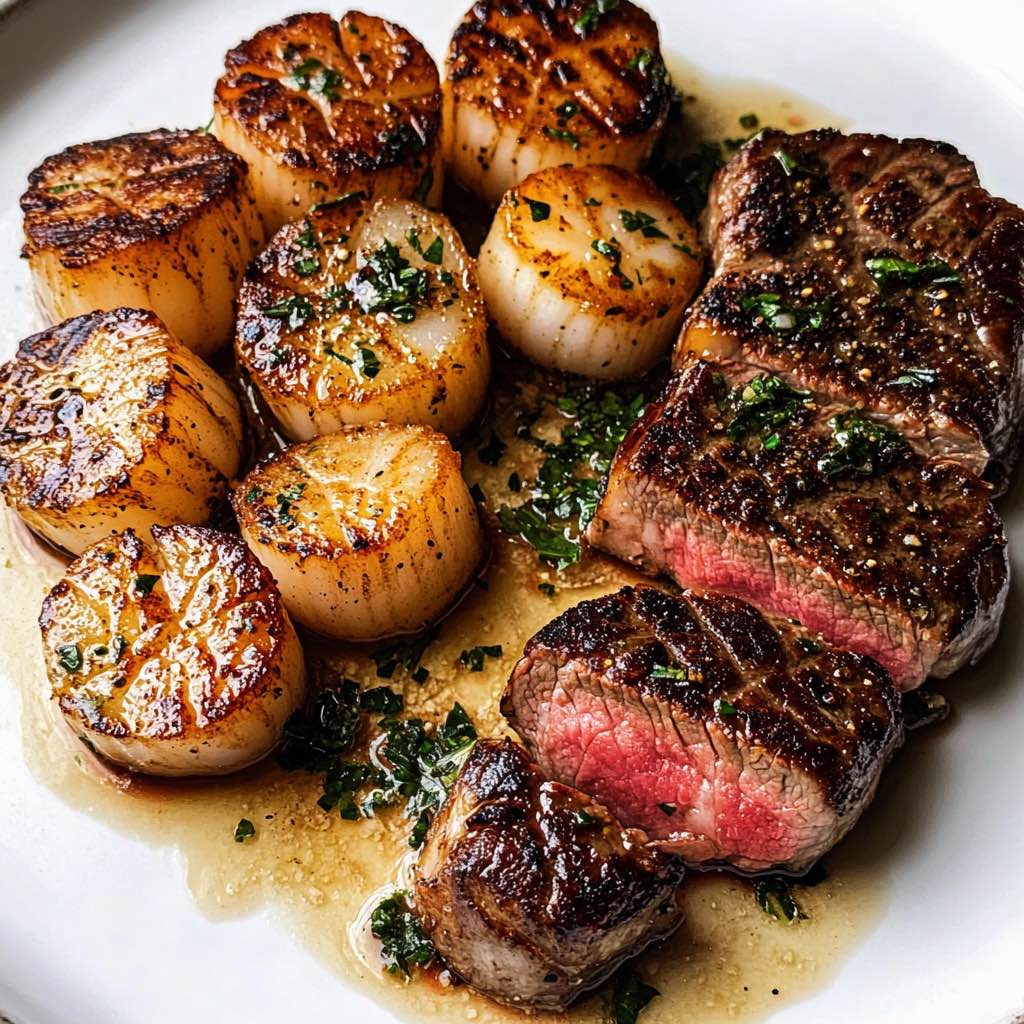
Seared Steak and Scallops: The Ultimate Guide to Restaurant-Quality Surf and Turf at Home
Introduction
Seared steak and scallops represent the pinnacle of surf and turf dining, combining tender beef with succulent seafood. This elegant dish delivers restaurant-quality results at home when proper techniques are applied. Moreover, this combination provides exceptional nutritional value while satisfying even the most discerning palates.
Creating perfectly seared steak and scallops requires understanding temperature control, timing, and ingredient selection. Fortunately, home cooks can master this impressive dish with the right guidance. Therefore, this comprehensive guide covers everything from selecting quality ingredients to achieving that coveted golden crust on both proteins.
The beauty of seared steak and scallops lies in their versatility and quick cooking time. Consequently, this makes them ideal for special occasions or weeknight dinners when time is precious. Additionally, both proteins complement each other beautifully, offering contrasting textures and flavors that create a memorable dining experience.
What Makes Seared Steak and Scallops Special
Seared steak and scallops combine two premium proteins into one luxurious meal. The contrast between hearty beef and delicate seafood creates a dynamic flavor profile. Furthermore, both proteins develop rich, caramelized crusts when properly seared, enhancing their natural flavors.
This surf and turf combination originated in American steakhouses during the 1960s. Since then, it has become a symbol of upscale dining and celebration. Indeed, the pairing showcases culinary expertise and attention to detail.
The dish offers remarkable versatility in preparation methods and seasonings. Chefs can customize flavors using herbs, spices, and various finishing touches. Thus, home cooks can adapt recipes to match their preferences and dietary needs.
Why This Combination Works
The rich, beefy flavor of steak balances perfectly with the sweet, briny taste of scallops. Meanwhile, the firm texture of beef contrasts beautifully with tender scallop meat. Additionally, both proteins cook quickly using similar high-heat methods, making meal preparation efficient.
Nutritionally, this pairing delivers complete protein with essential nutrients. Both steak and scallops provide iron, B vitamins, and minerals. Moreover, scallops contribute heart-healthy omega-3 fatty acids to the meal.
Nutritional Benefits of This Power Duo
Seared steak and scallops offer impressive nutritional profiles that support overall health. Scallops contain approximately 137 calories per 3.53-ounce serving with 24 grams of high-quality protein. Similarly, lean beef cuts provide substantial protein for muscle maintenance and growth.
Scallops: A Nutritional Powerhouse
Scallops deliver exceptional amounts of vitamin B12, exceeding daily recommended values in a single serving. This vitamin supports brain development, nerve cell function, and red blood cell production. Additionally, scallops provide selenium, zinc, and copper—trace minerals essential for immune function and thyroid health.
The omega-3 fatty acids in scallops promote heart health by balancing cholesterol levels. Studies demonstrate that adequate magnesium intake, also found in scallops, reduces heart disease risk. Furthermore, scallops contain only 6.33 grams of carbohydrates per serving, making them suitable for low-carb diets.
Scallops rank among the lowest-mercury seafood options available. The Environmental Protection Agency recommends scallops as a safe choice for regular consumption. Therefore, this makes them an excellent protein source for various dietary plans.
Steak’s Nutritional Contributions
Quality beef provides complete protein with all essential amino acids. It also delivers heme iron, which the body absorbs more efficiently than plant-based iron. Moreover, beef contains significant amounts of zinc, selenium, and B vitamins that support energy metabolism.
Choosing lean cuts like tenderloin or strip steak optimizes the nutritional profile. These cuts offer protein benefits while managing fat intake. Additionally, grass-fed beef options provide higher levels of omega-3 fatty acids.
Choosing the Right Ingredients
Selecting Quality Scallops
The distinction between dry and wet scallops significantly impacts cooking results. Dry scallops receive no chemical treatment and retain their natural sweetness. Conversely, wet scallops are soaked in sodium triphosphate, which adds water weight and creates off-flavors.
Dry scallops appear beige or ivory-colored with a slightly translucent quality. They feel firm to the touch and smell mildly of the ocean. Meanwhile, wet scallops look bright white and glossy, often releasing excess liquid.
Fresh scallops should never smell fishy or pungent. Instead, they emit a sweet, briny aroma reminiscent of clean sea air. Additionally, check for firm texture—avoid scallops that feel slimy or mushy.
Large sea scallops work best for searing, typically measuring 1.5 to 2 inches in diameter. These larger scallops develop beautiful golden crusts while maintaining tender interiors. Furthermore, their size makes them easier to cook without overcooking.
Choosing the Best Steak Cuts
Several beef cuts excel for seared steak and scallops preparations. Filet mignon offers exceptional tenderness with mild flavor. New York strip provides more robust beef taste with good marbling.
Ribeye steaks deliver rich flavor from intramuscular fat. However, their higher fat content may overwhelm delicate scallops. Therefore, leaner cuts often work better for this combination.
Look for steaks between 1 to 2 inches thick for optimal cooking results. This thickness allows proper crust development without overcooking the interior. Moreover, uniform thickness ensures even cooking throughout.
Quality beef displays bright red color with white or cream-colored fat. The meat should feel firm and spring back when touched. Additionally, proper marbling—thin white lines of fat throughout—indicates flavor and tenderness.
Additional Ingredient Considerations
High-quality butter enhances both proteins during cooking. Unsalted butter allows better control over seasoning levels. Furthermore, butter creates rich pan sauces that complement the meal.
Fresh garlic, shallots, and herbs elevate flavor profiles naturally. Consider rosemary, thyme, or parsley for aromatic additions. Meanwhile, fresh lemon juice brightens the finished dish without overpowering delicate flavors.
Neutral cooking oils with high smoke points prevent burning during searing. Canola, grapeseed, or avocado oil work excellently. Additionally, these oils withstand the high temperatures necessary for proper crust formation.
Essential Equipment for Perfect Searing
Cast Iron Skillet Advantages
Cast iron skillets retain heat exceptionally well, crucial for developing golden crusts. Their heavy construction prevents temperature drops when cold ingredients hit the pan. Moreover, cast iron distributes heat evenly across the cooking surface.
A 10 to 12-inch cast iron skillet provides adequate space for searing without crowding. Crowding lowers pan temperature and causes steaming instead of searing. Therefore, cook in batches if necessary to maintain proper spacing.
Pre-seasoned cast iron requires minimal maintenance while delivering excellent results. The natural non-stick surface develops over time with regular use. Additionally, cast iron can transition seamlessly from stovetop to oven if needed.
Alternative Pan Options
Stainless steel skillets also produce excellent searing results. They heat quickly and allow visual monitoring of crust development. However, proteins may stick more than with cast iron or non-stick surfaces.
Non-stick pans work for scallops but struggle with high-heat steak searing. The coating limits maximum safe temperatures. Therefore, use non-stick pans only for moderate-heat applications.
Additional Essential Tools
An instant-read meat thermometer ensures perfect steak doneness. Insert it horizontally into the thickest part for accurate readings. Meanwhile, this prevents guessing and reduces overcooking risk.
Metal tongs provide secure grip without piercing meat, which releases juices. Choose tongs with scalloped edges for better control. Additionally, have paper towels ready for patting proteins dry before cooking.
A timer helps track cooking stages precisely. Scallops require just 1-2 minutes per side, making timing critical. Furthermore, proper timing prevents the rubbery texture that results from overcooking.
Step-by-Step Cooking Guide
Preparing the Proteins
Remove steaks from refrigeration 30-40 minutes before cooking. This allows meat to reach room temperature for even cooking. Meanwhile, pat steaks thoroughly dry with paper towels to promote crust formation.
Season steaks generously with kosher salt on all sides. Salt enhances flavor and aids in creating crispy exteriors. Additionally, apply freshly cracked black pepper just before cooking to prevent burning.
Pat scallops completely dry using paper towels. Any surface moisture prevents proper searing and causes steaming instead. Therefore, place scallops on a paper towel-lined plate and refrigerate uncovered for 30 minutes before cooking.
Remove the small side muscle from scallops if still attached. This tough piece becomes chewy when cooked and should be discarded. Furthermore, season scallops with salt and pepper just before adding to the pan.
Searing the Steak
Heat oil in a cast iron skillet over medium-high heat until shimmering. The oil should move fluidly and show slight ripples. However, avoid allowing oil to smoke excessively, which indicates excessive temperature.
Place steaks in the hot pan without moving them for 5-6 minutes. This undisturbed cooking time allows crust development. Resist the urge to peek or adjust position during this critical phase.
Flip steaks when they release easily from the pan with golden-brown crusts. Cook the second side for another 5-6 minutes for medium-rare doneness. Meanwhile, add butter to the pan and baste steaks with melted butter.
Check internal temperature using a meat thermometer. Medium-rare steak reaches 130-135°F, while medium reaches 135-145°F. Therefore, remove steaks when they’re 5 degrees below target temperature, as they continue cooking while resting.
Transfer steaks to a plate and tent loosely with aluminum foil. Rest steaks for 10 minutes before slicing to allow juice redistribution. Additionally, this resting period brings steaks to perfect serving temperature.
Searing the Scallops
Carefully wipe out the skillet while leaving flavorful browned bits intact. These fond particles add depth to scallop flavor. However, remove any burnt pieces that could impart bitter tastes.
Heat butter in the skillet over medium-high heat until foamy. The butter should bubble vigorously but not brown. Meanwhile, pat scallops dry one final time immediately before cooking.
Place scallops in the pan with space between each one. Arrange them in a single layer without touching to ensure even heat exposure. Therefore, cook in batches rather than crowding the pan.
Sear scallops undisturbed for 1-2 minutes until golden-brown crusts form. Large scallops may require up to 3 minutes for proper crust development. Additionally, the sides should appear opaque about one-quarter inch up.
Flip scallops using tongs or a thin spatula. Cook the second side for another 1-2 minutes until just cooked through. Meanwhile, scallops should feel firm but still slightly springy, like gelatin.
Remove scallops immediately when cooked to prevent overcooking. The residual heat continues cooking even off the burner. Therefore, timing remains crucial for achieving perfect texture.
Creating a Simple Pan Sauce
Reduce heat to medium and add minced shallots to the remaining butter. Sauté for 2-3 minutes until softened and fragrant. Meanwhile, scrape up browned bits from the pan bottom with a wooden spoon.
Add minced garlic and cook for 30 seconds until aromatic. Garlic burns quickly, so watch carefully during this step. Furthermore, constant stirring prevents sticking and burning.
Pour in broth or stock and bring to a simmer. The liquid deglazes the pan while concentrating flavors. Additionally, simmer for 3-4 minutes to reduce slightly and intensify taste.
Finish the sauce by swirling in cold butter pieces. This process, called mounting, creates silky texture and rich flavor. Moreover, add fresh lemon juice and chopped herbs just before serving.
Common Mistakes to Avoid
Temperature Errors
Starting with a cold pan produces gray, steamed meat instead of caramelized crusts. Always preheat skillets until oil shimmers or butter foams. Conversely, excessive heat burns exteriors before interiors cook properly.
Cooking proteins straight from the refrigerator creates uneven results. Cold centers require longer cooking that overdoes exteriors. Therefore, allow adequate time for proteins to reach room temperature.
Moisture Problems
Failing to dry scallops thoroughly prevents browning and causes steaming. Surface moisture must evaporate before Maillard reactions occur. Additionally, wet scallops contain added preservatives that further inhibit proper searing.
Excess water in the pan lowers temperature dramatically. This creates steam instead of dry heat necessary for crust formation. Furthermore, wait for splattering to subside before adding additional ingredients.
Crowding and Movement
Placing too many pieces in the pan simultaneously drops cooking temperature. The proteins release moisture that can’t evaporate quickly enough. Therefore, maintain space between pieces and cook in batches when necessary.
Moving proteins prematurely disrupts crust formation. Steaks and scallops naturally release when properly seared. Meanwhile, forcing them to move tears developing crusts and creates sticking.
Overcooking Issues
Scallops become rubbery and tough when cooked too long. These delicate proteins require just 2-4 minutes total cooking time. Additionally, internal temperature should reach 115-120°F for optimal texture.
Continuing to cook after reaching target temperature results in dry, tough meat. Remove proteins slightly before desired doneness to account for carryover cooking. Furthermore, resting steaks remains essential for juice retention.
Best Side Dishes to Serve
Potato-Based Sides
Roasted baby potatoes offer crispy exteriors with fluffy interiors that complement rich proteins. Season them with herbs and olive oil for simple elegance. Moreover, their bite-sized portions match well with sliced steak and whole scallops.
Mashed potatoes provide creamy comfort that balances the dish’s richness. Consider adding roasted garlic or fresh herbs for additional flavor. Additionally, their smooth texture contrasts nicely with seared crusts.
Sweet potato preparations introduce subtle sweetness that pairs beautifully with seafood. Try roasting or baking sweet potatoes until caramelized. Furthermore, their nutritional benefits add valuable vitamins to the meal.
Vegetable Accompaniments
Roasted asparagus delivers elegant presentation with minimal preparation required. Toss spears with olive oil, salt, and pepper before roasting until tender-crisp. Meanwhile, their slight bitterness balances rich, buttery flavors.
Brussels sprouts provide earthy flavors that ground the meal. Roast them until caramelized edges develop for maximum flavor. Additionally, their substantial texture makes them satisfying alongside premium proteins.
Green beans offer crisp texture and bright color to the plate. Try sautéing with garlic butter or topping with toasted breadcrumbs. Furthermore, their slender shape creates visual appeal on the plate.
Fresh Salads
Arugula salad contributes peppery notes that cut through richness. Dress lightly with lemon vinaigrette and shaved Parmesan. Moreover, fresh greens add nutritional balance to protein-heavy meals.
Mixed green salads provide refreshing contrast to warm, rich entrées. Include varied textures with cucumbers, tomatoes, and radishes. Additionally, bright vinaigrettes cleanse the palate between bites.
Grain Options
Risotto creates luxurious, creamy foundations for plated presentations. Mushroom or Parmesan variations complement both beef and seafood. However, this option requires more preparation time and attention.
Couscous or quinoa offer lighter grain alternatives with faster cooking times. Season with herbs and lemon zest for brightness. Furthermore, these options absorb pan sauces beautifully.
Flavor Variations and Seasonings
Herb Butter Preparations
Garlic compound butter enhances both proteins with aromatic richness. Combine softened butter with minced garlic, fresh rosemary, and red pepper flakes. Meanwhile, chill the mixture and slice rounds to top finished dishes.
Fresh herb blends brighten flavors without overwhelming delicate scallops. Mix parsley, chives, thyme, and tarragon into softened butter. Additionally, lemon zest adds citrus notes that complement seafood.
Spice Rub Options
Simple salt and pepper allows natural flavors to shine through. Use coarse kosher salt and freshly cracked black pepper for best results. Moreover, this minimalist approach suits premium-quality ingredients.
Cajun seasoning introduces bold, spicy flavors to both proteins. Apply rubs sparingly to avoid overpowering scallops’ sweetness. Furthermore, adjust heat levels according to personal preference.
Finishing Touches
Lemon juice brightens rich, buttery flavors with acidic balance. Squeeze fresh lemon over plated dishes just before serving. Additionally, lemon zest provides aromatic citrus notes without excess liquid.
Fresh herbs add color, aroma, and flavor to finished plates. Chop parsley, chives, or basil and sprinkle over proteins. Meanwhile, whole herb sprigs create elegant garnishes.
International Inspirations
Asian-inspired preparations incorporate ginger, garlic, and sesame flavors. Try finishing with toasted sesame oil and green onions. However, balance strong flavors to avoid overwhelming subtle scallop taste.
Mediterranean variations feature olive oil, garlic, and fresh herbs. Consider adding sun-dried tomatoes or capers for briny complexity. Furthermore, these ingredients complement both land and sea proteins.
Storing and Reheating Tips
Proper Storage Methods
Cool cooked steak and scallops to room temperature before refrigerating. Place proteins in airtight containers within two hours of cooking. Meanwhile, store them separately to prevent flavor transfer.
Refrigerate cooked steak for up to 3-4 days in sealed containers. Slice leftover steak before storage for easier reheating. Additionally, keeping pieces together retains moisture better than individual slices.
Store cooked scallops for only 1-2 days due to their delicate nature. Seafood deteriorates faster than beef, even when properly refrigerated. Therefore, consume scallops quickly for best quality and food safety.
Reheating Recommendations
Reheat steak gently to prevent further cooking and drying. Use low oven temperatures around 250°F until just warmed through. Meanwhile, cover with foil to trap moisture during reheating.
Avoid microwaving scallops, which creates rubbery texture. Instead, reheat gently in a skillet with butter over low heat. Furthermore, brief reheating preserves tender texture better than aggressive methods.
Freezing Guidelines
Freeze raw steaks wrapped tightly in plastic wrap and aluminum foil. Properly wrapped beef maintains quality for 4-6 months in the freezer. However, thaw completely in the refrigerator before cooking.
Avoid freezing cooked scallops due to significant texture degradation. The delicate proteins become mushy and watery when frozen and thawed. Therefore, purchase only quantities needed for immediate consumption.
Professional Tips for Success
Restaurant-Quality Presentation
Slice steaks against the grain into half-inch thick pieces. This cutting technique shortens muscle fibers for maximum tenderness. Moreover, fanned slices create attractive plate presentations.
Arrange components thoughtfully on warm plates. Place sliced steak alongside whole scallops with sauce drizzled artfully. Additionally, garnish with fresh herbs for color and professional finish.
Timing Your Cooking
Cook steaks first since they require resting time. While steaks rest under foil, prepare scallops in the same skillet. Therefore, both proteins finish simultaneously for serving.
Prepare side dishes before starting proteins. Have vegetables roasted and starches ready to plate immediately. Furthermore, this prevents proteins from cooling while completing other elements.
Shopping and Preparation Advice
Purchase ingredients the day of cooking for maximum freshness. Scallops especially deteriorate quickly and taste best when very fresh. Meanwhile, reputable fishmongers provide quality guidance and proper storage.
Ask your fishmonger specifically for dry scallops. Many markets carry both types, but dry scallops require special requests. Additionally, verify freshness dates and storage conditions before purchasing.
Check out our guide on [selecting premium seafood] for more detailed shopping tips. Understanding quality indicators helps ensure excellent results. Moreover, building relationships with trusted vendors improves consistent access to premium ingredients.
Learn more about choosing quality beef cuts for optimal flavor and texture. Different preparations suit various beef grades and cuts. Furthermore, understanding marbling and aging processes enhances purchasing decisions.
Explore nutritional information about seafood to understand health benefits. Scallops provide impressive nutritional value alongside great taste. Additionally, informed choices support dietary goals while enjoying delicious meals.
FAQs About Seared Steak and Scallops
How do I know when scallops are perfectly cooked?
Perfectly cooked scallops feel firm yet slightly springy, similar to gelatin consistency. The sides appear opaque while centers remain slightly translucent. Additionally, they develop golden-brown crusts on both sides when properly seared.
What’s the best oil for searing steak and scallops?
High smoke-point oils like canola, grapeseed, or avocado oil work best for high-heat searing. These oils withstand temperatures necessary for crust formation without burning. Moreover, neutral flavors don’t compete with the proteins’ natural taste.
Can I cook frozen scallops for this recipe?
Thaw frozen scallops completely in the refrigerator before cooking. Never sear scallops directly from frozen, as excess moisture prevents proper browning. Furthermore, pat thawed scallops extremely dry before seasoning and cooking.
What internal temperature should steak reach?
Medium-rare steak reaches 130-135°F, while medium reaches 135-145°F internal temperature. Use an instant-read thermometer inserted horizontally for accuracy. Additionally, remove steaks 5 degrees before target temperature to account for carryover cooking.
Why did my scallops turn out rubbery?
Rubbery scallops result from overcooking beyond proper doneness. Scallops require only 2-4 minutes total cooking time at proper temperature. Therefore, monitor closely and remove immediately when centers feel slightly firm.
How can I tell if I’m using dry or wet scallops?
Dry scallops appear beige or ivory-colored with a natural sheen. Wet scallops look bright white, release excess liquid, and may smell slightly chemical. Additionally, dry scallops feel tacky while wet ones feel slippery.
What causes steak to stick to the pan?
Steak sticks when the pan isn’t hot enough or when moved prematurely. Properly seared steak releases naturally when crusts form completely. Meanwhile, adequate oil and proper preheating prevent most sticking issues.
Can I prepare seared steak and scallops ahead of time?
While possible, this dish tastes best served immediately after cooking. Reheating compromises texture and crust quality significantly. Therefore, time preparations so proteins finish just before serving.
Conclusion
Seared steak and scallops deliver restaurant-quality elegance with achievable home-cooking techniques. This classic surf and turf combination provides impressive presentations for special occasions and weeknight dinners alike. Moreover, understanding proper ingredient selection and cooking methods ensures consistent, delicious results.
The key to success lies in choosing quality proteins and maintaining proper temperatures. Dry scallops and well-marbled beef create foundations for exceptional flavor. Additionally, patience during searing allows gorgeous golden crusts to develop naturally.
This nutritionally balanced meal provides substantial protein, essential minerals, and healthy fats. Both components offer distinct health benefits while creating satisfying, complete dinners. Furthermore, endless flavor variations keep this classic preparation fresh and exciting.
Master these fundamental techniques to create memorable dining experiences at home. Practice builds confidence and develops intuition for perfect timing and temperature control. Therefore, start with quality ingredients and allow proper technique to showcase their natural excellence.
Print
Seared Steak and Scallops
Description
Seared Steak and Scallops
Ingredients:
For the Steak:
-
2 ribeye or filet mignon steaks (about 1 inch thick)
-
Salt and black pepper, to taste
-
1 tablespoon olive oil
-
2 tablespoons butter
-
2 garlic cloves, smashed
-
2 sprigs fresh thyme or rosemary
For the Scallops:
-
8 large sea scallops, patted dry
-
Salt and black pepper, to taste
-
1 tablespoon olive oil
-
1 tablespoon butter
-
1 garlic clove, minced
Optional Sauce:
-
2 tablespoons butter
-
1 teaspoon lemon juice
-
Chopped parsley, for garnish
Instructions:
-
Prepare the steaks:
-
Pat steaks dry and season generously with salt and pepper.
-
Heat olive oil in a skillet over medium-high heat.
-
Sear steaks 3–4 minutes per side for medium-rare (adjust for thickness).
-
Add butter, garlic, and thyme; baste steaks for extra flavor.
-
Remove from pan, tent with foil, and let rest 5–10 minutes.
-
-
Cook the scallops:
-
Season scallops with salt and pepper.
-
Heat olive oil in a separate skillet over high heat.
-
Sear scallops 1–2 minutes per side until golden brown and just cooked through.
-
Add butter and garlic at the end, spoon over scallops for flavor.
-
-
Make the sauce (optional):
-
In the steak pan, add chicken broth, scraping up browned bits.
-
Simmer 2–3 minutes, then stir in butter and lemon juice.
-
-
Serve:
-
Plate steak and top with scallops.
-
Drizzle with sauce and sprinkle with chopped parsley.
-
Serve with garlic mashed potatoes, roasted vegetables, or a fresh salad.
-