
Introduction
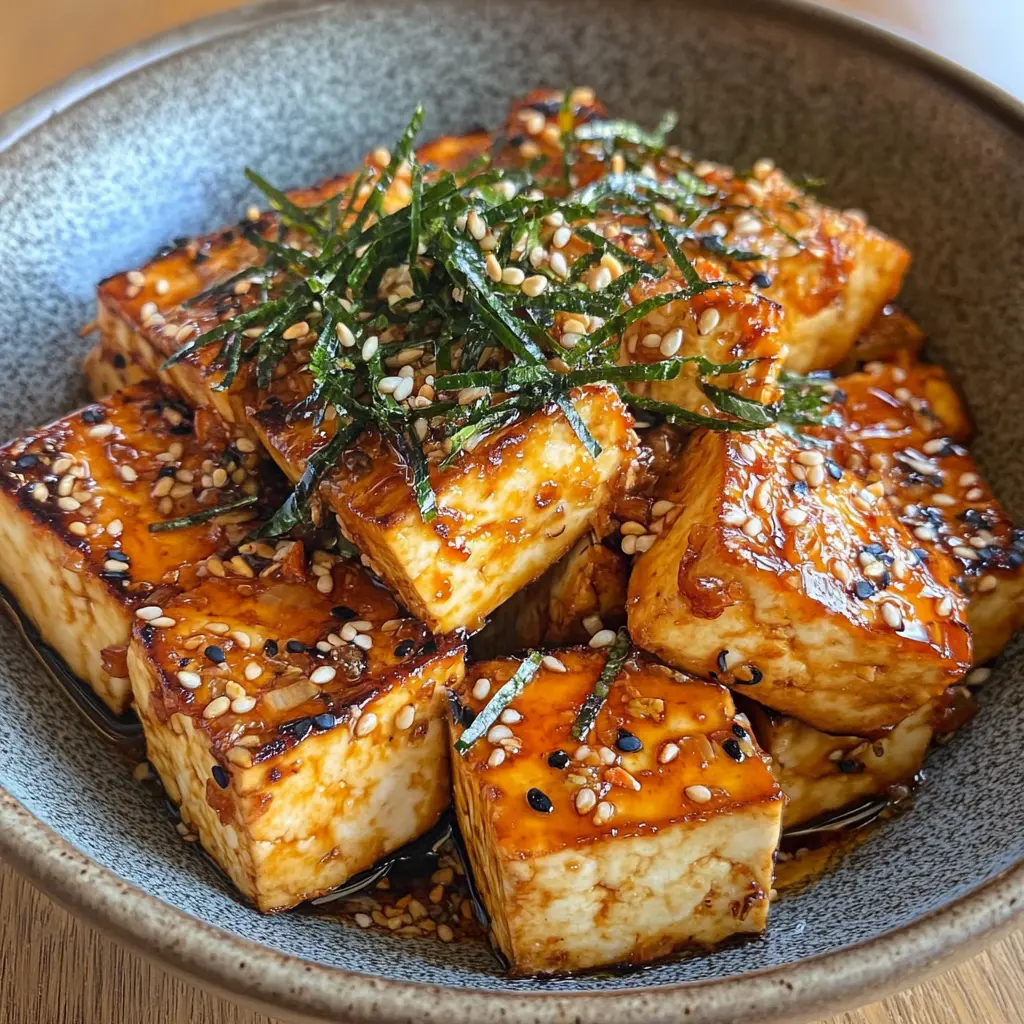
Seared tofu with kimchi butter and sesame represents the perfect fusion of Korean-inspired flavors and modern plant-based cooking. This weeknight-friendly recipe combines crispy golden tofu with tangy fermented kimchi and nutty sesame seeds, creating layers of umami-rich taste. Moreover, this dish delivers impressive nutritional benefits while remaining ready in just 30 minutes. The combination transforms simple ingredients into restaurant-quality results that satisfy both vegetarians and omnivores alike.
This flavorful recipe showcases how traditional Korean ingredients can elevate everyday tofu into something extraordinary. Additionally, the probiotic-rich kimchi butter adds depth and complexity that keeps you coming back for more.
What Makes Seared Tofu with Kimchi Butter and Sesame Special
Flavor Profile Excellence
Seared tofu with kimchi butter and sesame delivers a remarkable balance of tastes. The crispy exterior of properly seared tofu provides textural contrast against its silky interior. Furthermore, the kimchi butter contributes tangy, spicy, and savory notes that coat each piece perfectly. Toasted sesame seeds add a nutty crunch that completes the experience.
The fermentation process in kimchi creates complex umami flavors that traditional seasonings cannot replicate. These fermented notes pair beautifully with the mild, absorbent nature of tofu.
Nutritional Powerhouse
This dish combines three nutritional superstars into one meal. Tofu provides complete protein with all nine essential amino acids. Meanwhile, kimchi delivers beneficial probiotics that support digestive health. Sesame seeds contribute calcium, magnesium, and B vitamins essential for bone health and metabolism.
Each serving offers approximately 15-17 grams of plant-based protein from the tofu alone. Additionally, the fermented vegetables provide live cultures that promote gut wellness.
Understanding the Key Ingredients
Tofu Selection and Preparation
Firm or extra-firm tofu works best for seared tofu with kimchi butter and sesame. These varieties hold their shape during cooking and develop beautiful golden crusts. The tofu contains approximately 8.1 grams of protein per 100 grams, making it protein-dense.
Pressing the tofu removes excess moisture, allowing proper browning. This step takes 15-30 minutes but significantly improves texture. Consequently, well-pressed tofu absorbs marinades better and achieves crispier results.
Kimchi Characteristics
Quality kimchi forms the foundation of this dish’s flavor. Aged or well-fermented kimchi delivers stronger, more complex taste than fresh varieties. The fermentation creates lactic acid bacteria that offer probiotic benefits. These beneficial bacteria survive cooking when added toward the end.
Traditional napa cabbage kimchi works perfectly, though other vegetable kimchi varieties also succeed. The kimchi juice contains concentrated flavor that should never go to waste.
Sesame Components
Both sesame oil and sesame seeds play important roles. Sesame oil provides the cooking fat that creates the golden crust on tofu. Meanwhile, toasted sesame seeds add texture and visual appeal. Sesame seeds contain about 10% of daily calcium needs per ounce.
These tiny seeds pack impressive nutritional density with copper, iron, and multiple B vitamins. Furthermore, they contain anti-inflammatory compounds that support overall health.
Health Benefits of This Power-Packed Dish
Digestive System Support
Seared tofu with kimchi butter and sesame promotes healthy digestion through multiple mechanisms. The kimchi provides live probiotic cultures that balance gut microbiota. These beneficial bacteria help reduce symptoms of digestive disorders. Additionally, the fiber content supports regular bowel movements.
Research shows that kimchi’s lactic acid bacteria improve digestive health significantly. Studies indicate that about 70% of the immune system resides in the gut. Therefore, consuming probiotic-rich foods like this dish strengthens natural defenses.
Cardiovascular Health
This recipe supports heart health through several pathways. Probiotics in kimchi help reduce cholesterol levels and inflammation. The fiber and antioxidants further contribute to cardiovascular wellness. Meanwhile, tofu’s plant-based protein contains no cholesterol.
Sesame seeds provide heart-healthy fats and anti-inflammatory compounds. These components work together to support blood vessel function.
Bone Strength and Density
The calcium content makes seared tofu with kimchi butter and sesame beneficial for bones. Tofu delivers approximately 20% of daily calcium requirements per 100-gram serving. Sesame seeds contribute additional calcium, magnesium, and phosphorus. These minerals work synergistically to maintain bone density.
Furthermore, the vitamin K found in fermented foods supports calcium absorption. This combination makes the dish particularly valuable for bone health maintenance.
Immune System Enhancement
Multiple components boost immune function in this dish. Kimchi’s probiotics strengthen gut barriers that prevent pathogen entry. Studies show fermented foods increase immune cell activity by up to 70%. The antioxidants in kimchi reduce inflammation throughout the body.
Tofu provides iron and other minerals essential for immune responses. Together, these ingredients create a meal that actively supports health.
Mental Wellness Connection
The gut-brain axis benefits from probiotic-rich foods like kimchi. Research demonstrates that balanced gut microbiomes positively influence mood and cognitive function. The probiotics contribute to neurotransmitter production, including serotonin.
This connection means that seared tofu with kimchi butter and sesame may support mental clarity and emotional balance. The nutritional density provides stable energy without crashes.
How to Select the Best Ingredients
Choosing Quality Tofu
Look for tofu with minimal additives beyond soybeans and coagulant. Fresh tofu should smell clean without sour odors. Check expiration dates carefully, as tofu spoils quickly. Organic, non-GMO options offer additional quality assurance.
Water-packed tofu in sealed containers stays fresher longer than bulk varieties. The firmness level matters significantly for this recipe. Extra-firm creates the crispiest exterior.
Finding Great Kimchi
Quality kimchi should contain visible fermentation bubbles and tangy aroma. Avoid overly salty versions that overpower other flavors. Look for brands listing live cultures on labels. Refrigerated kimchi typically offers better quality than shelf-stable options.
Traditional kimchi includes napa cabbage, radish, garlic, ginger, and red pepper. Some commercial varieties contain unnecessary additives. Reading ingredient lists ensures authenticity. Well-fermented kimchi appears slightly translucent and tastes complex.
Selecting Sesame Products
Toasted sesame oil provides more flavor than untoasted varieties. Store sesame oil in cool, dark places to prevent rancidity. Check that bottles smell nutty and fresh, not bitter. Raw sesame seeds can be toasted at home for maximum freshness.
White and black sesame seeds both work well. Black varieties add visual contrast to the finished dish. Purchase seeds from sources with high turnover for optimal taste.
Step-by-Step Cooking Instructions
Preparing the Tofu
Begin by draining the 14-ounce block of firm tofu completely. Slice crosswise into eight equal pieces for even cooking. Place slices between clean kitchen towels or paper towels. Press gently to remove excess moisture without breaking the tofu.
Let the tofu rest for 15-30 minutes under light pressure. Meanwhile, prepare other ingredients and equipment. Pat the tofu dry again just before cooking for maximum crispiness.
Creating Kimchi Butter
Measure two tablespoons of softened butter into a small bowl. Finely chop one-third cup of well-fermented kimchi. Mix the kimchi into the butter thoroughly, creating a compound butter. Add one teaspoon of kimchi juice for extra tang.
For smoother consistency, blend the mixture in a food processor. Add a pinch of sesame oil if desired. The kimchi butter can be prepared ahead and refrigerated.
Searing the Tofu
Heat two tablespoons of sesame oil in a large 12-inch skillet over medium heat. Wait until the oil shimmers before adding tofu. Arrange tofu pieces in a single layer without crowding. Cook undisturbed for approximately four minutes until golden underneath.
Flip each piece carefully using a thin spatula. Cook the second side for three to four minutes until equally golden. Resist the urge to move pieces during cooking, as this prevents proper browning.
Combining Components
Once both sides achieve golden color, reduce heat slightly. Add chopped scallions to the pan for aromatic depth. Spoon the kimchi butter mixture over the seared tofu. Toss gently to coat all pieces evenly.
The residual heat melts the butter while warming the kimchi. Add one tablespoon of light soy sauce for savory enhancement. Sprinkle one teaspoon of sugar to balance acidity. Cook for two to three additional minutes, stirring occasionally.
Final Touches
Transfer the seared tofu with kimchi butter and sesame to serving plates. Garnish generously with toasted sesame seeds for nutty crunch. Add extra sliced scallions for color and freshness. Drizzle any remaining pan sauce over the top.
Serve immediately while the tofu remains crispy and hot. The contrast between crispy exterior and creamy interior provides optimal texture.
Pro Tips for Perfect Results
Achieving Maximum Crispiness
Temperature control determines crispiness success. Medium heat allows gradual browning without burning. Too-high heat creates dark exteriors with undercooked centers. Conversely, low heat steams rather than sears.
Using sufficient oil prevents sticking and promotes even browning. Don’t skimp on the sesame oil, as it carries flavor. Additionally, avoid overcrowding the pan, which traps moisture. Cook in batches if necessary to maintain proper spacing.
Flavor Enhancement Techniques
Marinating tofu briefly before searing deepens flavor penetration. A mixture of soy sauce, sesame oil, and ginger works beautifully. Even 20 minutes makes noticeable difference. However, drain and pat dry after marinating to preserve crispiness.
Adding gochugaru (Korean red pepper flakes) to kimchi butter increases heat levels. A small amount of gochujang (Korean red pepper paste) contributes umami depth. Taste and adjust seasonings before final plating.
Texture Optimization
Cutting tofu into uniform pieces ensures even cooking throughout. Thinner slices crisp faster but may break easily. Thicker slices take longer but offer better texture contrast. Half-inch thickness provides the ideal balance.
Letting seared tofu rest briefly before adding sauce preserves some crispiness. Alternatively, serve sauce on the side for maximum control. This approach works well when preparing seared tofu with kimchi butter and sesame ahead.
Serving Suggestions and Pairings
Traditional Accompaniments
Steamed white or brown rice makes the classic pairing. The neutral grain balances the bold flavors perfectly. Alternatively, cauliflower rice reduces carbohydrates while maintaining tradition. Each serving needs approximately one cup of cooked rice.
Additional kimchi on the side amplifies probiotic benefits. Simple cucumber salad provides refreshing contrast to spicy elements. Miso soup adds warming comfort to the meal.
Vegetable Additions
Steamed broccoli adds green vegetables and fiber. Bok choy or baby bok choy complement Korean flavors naturally. Sautéed mushrooms contribute additional umami richness. Stir-fried snow peas or snap peas provide sweet crunch.
Roasted sweet potatoes work exceptionally well with kimchi butter. The sweet-spicy combination creates memorable flavor harmony. Furthermore, both ingredients support gut health synergistically.
Complete Meal Ideas
Create grain bowls featuring seared tofu with kimchi butter and sesame as the protein. Add edamame for extra plant-based protein. Include shredded carrots and purple cabbage for crunch and color. Top with sliced avocado for healthy fats.
Alternatively, serve over soba noodles or rice noodles for different texture. The sauce coats noodles beautifully, creating satisfying slurp-worthy bites. Garnish with cilantro and lime wedges for brightness.
Variations and Customizations
Spice Level Adjustments
Reduce gochugaru or omit entirely for mild versions suitable for sensitive palates. The dish remains flavorful without extra heat. Conversely, adding fresh sliced jalapeños increases spiciness naturally. Korean chili paste intensifies both heat and umami.
For maximum fire, incorporate both gochugaru and fresh chilies. Remember that kimchi already contains spice, so adjust accordingly. Taste the kimchi before adding supplemental heat elements.
Ingredient Substitutions
Plant-based butter works perfectly for vegan versions of seared tofu with kimchi butter and sesame. The flavor remains virtually identical to dairy butter. Coconut oil provides another dairy-free alternative with subtle sweetness.
Liquid aminos or tamari replace soy sauce for gluten-free needs. Coconut sugar substitutes for white sugar with deeper caramel notes. However, avoid excessive sweetness that masks kimchi’s tang.
Protein Alternatives
While this recipe celebrates tofu, tempeh offers a nuttier alternative. Tempeh requires similar preparation and cooking methods. Its firmer texture produces even crispier results. Additionally, tempeh provides more protein per serving than tofu.
For omnivores, chicken thighs work with this preparation method. The kimchi butter complements poultry beautifully. However, adjust cooking times for meat safety. Firm white fish also pairs wonderfully with kimchi butter and sesame.
Creative Fusion Ideas
Transform leftovers into breakfast by serving over fried eggs. The runny yolk enriches the sauce magnificently. Stuff seared tofu with kimchi butter and sesame into tacos with crunchy slaw. Use as filling for lettuce wraps with fresh herbs.
Create pizza topping by crumbling seared tofu over flatbread with mozzarella. The fusion works surprisingly well despite unconventional combination. Toss with pasta for Korean-Italian fusion that satisfies comfort food cravings.
Storage and Meal Prep Guidelines
Refrigeration Best Practices
Store leftovers in airtight containers within two hours of cooking. Properly stored seared tofu with kimchi butter and sesame lasts three to four days refrigerated. Separate sauce from tofu if maintaining crispiness matters. The tofu softens when stored in sauce but remains delicious.
Keep kimchi butter separately for up to one week refrigerated. This compound butter also works beautifully on vegetables and grains. Label containers with preparation dates for food safety tracking.
Reheating Methods
Oven reheating restores crispiness better than microwaving. Spread tofu on a baking sheet and heat at 375°F for 8-10 minutes. Alternatively, re-sear in a hot skillet with minimal oil. Both methods revive the exterior texture effectively.
Microwave reheating works for quick meals despite softer texture. Use 50% power to prevent rubbery results. Add fresh kimchi and sesame seeds after reheating for textural contrast. Heat in 30-second intervals, checking between each.
Freezing Considerations
Cooked tofu changes texture when frozen, becoming spongier and chewier. Some people appreciate this transformation, while others dislike it. Freeze seared tofu separately from sauce for best results. Thaw overnight in the refrigerator before reheating.
Kimchi butter freezes excellently for up to three months. Shape into logs wrapped in parchment paper for easy slicing. Cut portions as needed for various recipes. Fresh sesame seeds maintain quality better than frozen cooked dishes.
Advance Preparation Strategies
Press and slice tofu up to one day ahead. Store prepared tofu in the refrigerator until cooking time. Make kimchi butter several days early for convenience. Toast sesame seeds in bulk and store in airtight containers.
Marinate tofu overnight for deeper flavor penetration. However, drain thoroughly and pat dry before searing. Prep all ingredients before heating the pan for smooth cooking flow. This mise en place approach prevents burning and mistakes.
Common Mistakes to Avoid
Insufficient Tofu Pressing
Skipping the pressing step leaves excess water that prevents browning. Wet tofu steams rather than sears, creating disappointing texture. Take time to press properly for dramatically better results. The effort pays off with golden, crispy exteriors.
Using too much pressure during pressing breaks delicate tofu. Apply gentle, even weight rather than heavy objects. Paper towels or kitchen towels absorb moisture effectively without special equipment.
Temperature Management Errors
Starting with cold pans produces sticking and uneven cooking. Always preheat skillets properly before adding oil. Conversely, excessive heat burns exteriors before interiors warm through. Medium heat provides the sweet spot for seared tofu with kimchi butter and sesame.
Adding tofu to insufficiently hot oil causes sticking problems. Wait until oil shimmers and moves freely across the pan surface. This visual cue indicates readiness for tofu addition.
Premature Flipping
Moving tofu pieces before proper crust formation tears the delicate surface. Resist the urge to peek underneath too early. The tofu releases naturally when ready to flip. Forced flipping creates broken, unattractive pieces.
Using inappropriate utensils also damages tofu. Thin metal spatulas work better than thick plastic ones. Slide the spatula completely under each piece before lifting. Confidence and patience yield intact, beautiful results.
Overcrowding Issues
Placing too many tofu pieces in one pan traps steam and prevents browning. Leave space between pieces for proper heat circulation. Cook in batches if necessary to maintain quality standards. The extra time produces superior outcomes worth the effort.
Similarly, adding excessive kimchi or sauce overwhelms the tofu. Start with less and add more as needed. Properly balanced seared tofu with kimchi butter and sesame showcases all components equally.
Frequently Asked Questions
Can I make seared tofu with kimchi butter and sesame ahead for meal prep?
Yes, this dish works well for meal preparation with some considerations. Cook the tofu and prepare components separately for best results. Store seared tofu and kimchi butter in separate containers. Combine just before serving or reheating for optimal texture. The dish maintains quality for three to four days refrigerated. Add fresh sesame seeds and scallions when serving for maximum appeal.
What type of tofu works best for this recipe?
Firm or extra-firm tofu produces the crispiest, most satisfying results. These varieties contain less water and hold their shape during cooking. Silken tofu breaks apart too easily for this preparation method. Medium tofu works in a pinch but requires extra pressing time. Always choose fresh tofu with recent production dates for best flavor and texture.
How do I know when my tofu is properly seared?
Properly seared tofu develops a golden-brown crust that releases easily from the pan. The edges appear slightly darker than the center portions. When you gently lift a corner, it should come up without sticking. The cooking process takes approximately four minutes per side over medium heat. Trust the timing and avoid premature checking, which disrupts crust formation.
Can I use store-bought kimchi for this recipe?
Store-bought kimchi works perfectly for seared tofu with kimchi butter and sesame. Look for brands containing live cultures for maximum probiotic benefits. Well-fermented or aged kimchi provides deeper, more complex flavors than fresh varieties. Check ingredient lists for authentic, minimal-additive options. Refrigerated kimchi typically offers better quality than shelf-stable versions.
Is this dish suitable for gluten-free diets?
This recipe easily adapts to gluten-free requirements with simple substitutions. Replace regular soy sauce with tamari or coconut aminos. Check kimchi labels, as some brands contain gluten-containing ingredients. Pure sesame oil and seeds are naturally gluten-free. When modified appropriately, seared tofu with kimchi butter and sesame fits gluten-free meal plans perfectly.
How can I make this recipe spicier?
Increase heat levels by adding gochugaru (Korean red pepper flakes) to the kimchi butter. Fresh sliced chilies provide additional kick without overwhelming other flavors. Gochujang (Korean red pepper paste) contributes both heat and umami depth. Start with small amounts and taste before adding more. Remember that kimchi itself already contains spice, so adjust accordingly.
What makes kimchi butter different from regular butter?
Kimchi butter combines softened butter with chopped fermented kimchi, creating compound butter. This mixture delivers tangy, spicy, umami-rich flavor that regular butter cannot match. The fermentation byproducts add complexity and depth. Additionally, kimchi butter provides probiotic benefits alongside rich, creamy texture. It transforms simple ingredients into restaurant-quality dishes effortlessly.
Can I bake the tofu instead of pan-searing?
Baking produces different but still delicious results. Arrange pressed, seasoned tofu on parchment-lined baking sheets. Bake at 400-425°F for 25-35 minutes, flipping halfway through. The texture becomes firmer and drier than pan-seared versions. For seared tofu with kimchi butter and sesame, pan methods create superior crust and flavor. However, baking works well for meal prep efficiency.
Conclusion
Seared tofu with kimchi butter and sesame delivers remarkable flavor, impressive nutrition, and surprising simplicity. This plant-based dish combines protein-rich tofu, probiotic-packed kimchi, and nutrient-dense sesame into one satisfying meal. Furthermore, the recipe comes together in just 30 minutes, making it perfect for busy weeknights.
The golden-crusted tofu provides textural satisfaction while the kimchi butter adds layers of tangy, spicy complexity. Meanwhile, toasted sesame seeds contribute nutty crunch that completes each bite. Beyond delicious taste, this dish supports digestive health, immune function, and cardiovascular wellness.
Whether you’re exploring plant-based cooking or simply seeking new flavors, seared tofu with kimchi butter and sesame deserves a place in your regular rotation. The versatile recipe adapts easily to personal preferences and dietary needs. Try this fusion masterpiece tonight and discover why it’s becoming a modern favorite for health-conscious food lovers everywhere.
Print
Seared Tofu with Kimchi Butter and Sesame
- Total Time: 25 minutes
- Yield: 3 1x
Ingredients
For the Tofu
14 oz (400 g) firm tofu, pressed and cut into cubes
1 tablespoon vegetable oil
Salt and pepper, to taste
Kimchi Butter
2 tablespoons unsalted butter
1/3 cup kimchi, finely chopped
1 teaspoon gochujang (Korean chili paste)
1 teaspoon soy sauce
1 teaspoon sesame oil
Garnish
1 teaspoon toasted sesame seeds
1 green onion, thinly sliced
Instructions
1. Prepare the Tofu
-
Pat tofu dry to remove excess moisture.
-
Season lightly with salt and pepper.
-
Heat vegetable oil in a skillet over medium-high heat.
-
Sear tofu cubes 3–4 minutes per side, until golden and crispy. Remove from skillet.
2. Make Kimchi Butter
-
In the same skillet, melt butter over medium heat.
-
Add chopped kimchi, gochujang, soy sauce, and sesame oil.
-
Sauté 2–3 minutes until fragrant and slightly caramelized.
3. Combine Tofu and Sauce
-
Return tofu to skillet. Toss gently to coat with kimchi butter.
-
Cook 1–2 more minutes to meld flavors.
4. Serve
-
Plate tofu and sprinkle with sesame seeds and green onions.
-
Serve with steamed rice or noodles for a complete meal.
Notes
Press tofu well for maximum crispiness.
Adjust gochujang for desired heat level.
Butter can be substituted with vegan butter for plant-based option.
Can also broil tofu for extra crisp texture before adding kimchi butter.
- Prep Time: 10
- Cook Time: 15
Nutrition
- Calories: 320