
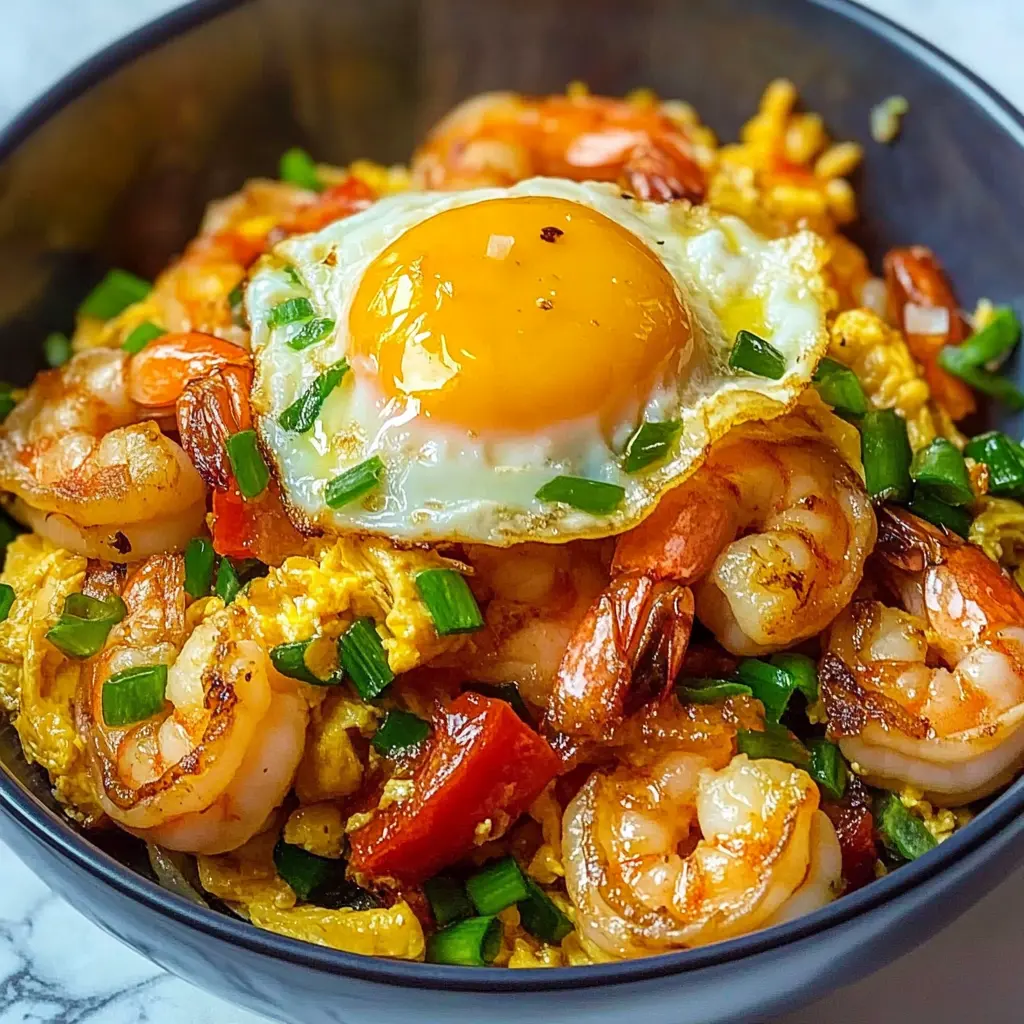
Shrimp and Egg Stir-Fry: A Quick and Delicious Weeknight Dinner
Introduction
Shrimp and egg stir-fry is a beloved Asian-inspired dish that delivers restaurant-quality flavor in just 15 minutes. This versatile recipe combines tender shrimp with fluffy scrambled eggs, creating a protein-rich meal that’s perfect for busy weeknights. Whether you’re a cooking novice or an experienced home chef, this stir-fry offers simplicity without sacrificing taste.
Moreover, this dish provides incredible nutritional value. Each serving delivers lean protein, essential omega-3 fatty acids, and important vitamins. The best part? You likely have most ingredients already in your kitchen. Therefore, this recipe becomes an excellent solution when you need a quick, healthy dinner option.
Furthermore, the preparation requires minimal effort. The entire cooking process takes less time than ordering takeout. As a result, families across the globe have made this their go-to weeknight meal.
What Makes Shrimp and Egg Stir-Fry Special
A Perfect Protein Combination
The marriage of shrimp and eggs creates a complete protein powerhouse. Shrimp provides lean, high-quality protein with minimal calories. Meanwhile, eggs contribute healthy fats and additional protein. Consequently, this combination keeps you satisfied for hours.
Additionally, the texture contrast makes every bite interesting. The tender shrimp pairs beautifully with soft scrambled eggs. This textural variety elevates the dish beyond ordinary stir-fries.
Quick Cooking Time
Time-conscious cooks appreciate this recipe’s efficiency. The total cooking time rarely exceeds 15 minutes. In fact, preparing ingredients takes longer than actual cooking. Therefore, busy professionals and parents rely on this recipe regularly.
Budget-Friendly Option
Compared to dining out, homemade shrimp and egg stir-fry saves money. A single batch costs a fraction of restaurant prices. Furthermore, the ingredients remain affordable year-round. This makes it accessible for families watching their grocery budget.
Customizable Base Recipe
This versatile dish adapts to various preferences easily. You can add vegetables, adjust seasonings, or modify spice levels. Similarly, different sauces transform the flavor profile completely. As a result, you’ll never get bored with this recipe.
Essential Ingredients
Primary Ingredients
Shrimp:
-
1 pound large shrimp, peeled and deveined
-
Fresh or frozen options work equally well
-
Choose wild-caught for optimal flavor
-
Thawed completely before cooking
Eggs:
-
4-5 large eggs, beaten
-
Room temperature eggs cook more evenly
-
Free-range eggs offer richer flavor
-
Whisked until well combined
Aromatics and Seasonings
Garlic and Ginger:
-
3 cloves garlic, minced
-
1 tablespoon fresh ginger, grated
-
These aromatics provide authentic Asian flavor
-
Fresh ingredients taste significantly better than dried
Green Onions:
-
4-5 stalks, chopped
-
Use both white and green parts
-
Adds mild onion flavor and color
-
Reserve some for garnish
Sauce Components
Soy Sauce:
-
3 tablespoons low-sodium soy sauce
-
Controls saltiness while maintaining flavor
-
Tamari works for gluten-free diets
-
According to The Nutrition Source at Harvard, soy products offer numerous health benefits
Oyster Sauce:
-
2 tablespoons oyster sauce
-
Provides umami depth
-
Vegetarian versions available
-
Creates glossy coating on ingredients
Sesame Oil:
-
1 teaspoon toasted sesame oil
-
Adds nutty aroma
-
Use sparingly as flavor concentrates
-
Drizzle at the end for maximum impact
Additional Components
Vegetable Oil:
-
3 tablespoons for cooking
-
Neutral oils like canola work best
-
High smoke point prevents burning
-
Divided for different cooking stages
White Pepper:
-
1/2 teaspoon white pepper
-
Traditional in Asian cooking
-
Milder than black pepper
-
Distributes evenly in light-colored dishes
Cornstarch Slurry (Optional):
-
1 teaspoon cornstarch
-
2 tablespoons water
-
Thickens sauce if desired
-
Mix thoroughly before adding
Kitchen Tools You’ll Need
Essential Equipment
Wok or Large Skillet:
A wok provides ideal heat distribution for stir-frying. However, a large non-stick skillet works perfectly too. Choose one at least 12 inches in diameter. This size prevents overcrowding during cooking.
Sharp Knife:
Proper knife skills make preparation faster. Use a sharp chef’s knife for vegetables. Additionally, kitchen shears simplify cutting green onions.
Cutting Board:
Designate separate boards for raw seafood. This prevents cross-contamination. Plastic boards clean more easily than wooden ones.
Mixing Bowls:
Keep several sizes handy for ingredients. Medium bowls work well for beaten eggs. Small bowls organize pre-measured seasonings efficiently.
Spatula or Wooden Spoon:
Heat-resistant utensils protect non-stick surfaces. Wooden spoons provide excellent control. Silicone spatulas work wonderfully for scrambling eggs.
Helpful Tools
Garlic Press:
This tool saves prep time significantly. Pressed garlic releases more flavor. Moreover, cleanup becomes much easier.
Measuring Spoons and Cups:
Accurate measurements ensure consistent results. Standard measuring tools prevent over-seasoning. This precision helps replicate success every time.
Microplane or Grater:
Fresh ginger grates quickly with proper tools. A microplane creates fine, even pieces. This ensures ginger distributes throughout the dish.
Step-by-Step Cooking Instructions
Preparation Phase
Prepare the Shrimp:
Start by patting shrimp completely dry with paper towels. Moisture prevents proper searing. Next, season lightly with salt and white pepper. Set aside while preparing other ingredients.
Beat the Eggs:
Crack eggs into a medium bowl. Add a pinch of salt. Whisk vigorously until no streaks remain. Uniform mixing creates fluffy scrambled eggs. Set aside near the cooking area.
Organize Ingredients:
Arrange all components within reach. This step prevents scrambling during cooking. Stir-frying happens quickly, so preparation matters. Place garlic, ginger, and green onions together. Mix the sauce ingredients in advance.
Cooking Process
Cook the Eggs:
First, heat 1 tablespoon oil over medium-high heat. The pan should be hot but not smoking. Pour beaten eggs into the center. Let them sit undisturbed for 30 seconds.
Next, gently push eggs from edges toward center. This creates large, fluffy curds. Continue until eggs are just set but still glossy. Immediately transfer to a clean plate. Slightly undercooked eggs finish cooking from residual heat.
Sear the Shrimp:
Add 1 tablespoon oil to the same pan. Increase heat to high. Wait until oil shimmers. Arrange shrimp in a single layer. Avoid overcrowding the pan.
Cook undisturbed for 90 seconds per side. Shrimp should turn pink and slightly caramelized. Perfect shrimp form a “C” shape. Overcooked shrimp curl into tight circles. Remove cooked shrimp to the egg plate.
Build the Aromatics:
Reduce heat to medium. Add remaining tablespoon of oil. Toss in minced garlic and grated ginger. Stir constantly for 30 seconds. These aromatics burn easily.
Add white parts of green onions. Cook for another 30 seconds. The kitchen should smell amazing now. This aromatic base creates authentic stir-fry flavor.
Combine and Sauce:
Return shrimp and eggs to the pan. Pour in soy sauce and oyster sauce mixture. Toss everything together gently. The sauce should coat ingredients evenly.
Add green parts of green onions. Stir for 30-60 seconds. Everything should be heated through. If sauce seems thin, add cornstarch slurry now. Stir until slightly thickened.
Final Touch:
Remove pan from heat. Drizzle toasted sesame oil over everything. Toss once more to distribute. This final addition amplifies aroma significantly.
Taste and adjust seasonings if needed. Some prefer extra soy sauce. Others like more white pepper. Customize to your preference.
Tips for Perfect Stir-Fry Every Time
Heat Management
Use High Heat Properly:
Stir-frying requires intense heat. High temperatures create that characteristic “wok hei” flavor. However, learn your stove’s capabilities. Gas stoves deliver better heat control than electric.
Preheat Your Pan:
A properly heated pan prevents sticking. Test by adding a water droplet. It should evaporate immediately. This indicates the pan is ready.
Work in Batches:
Overcrowding lowers pan temperature dramatically. This causes ingredients to steam instead of sear. Cook shrimp in batches if necessary. Quality beats speed every time.
Ingredient Preparation
Dry Your Shrimp:
Moisture is the enemy of searing. Pat shrimp thoroughly with paper towels. Dry shrimp develop better caramelization. This step significantly improves texture and flavor.
Uniform Sizing:
Cut ingredients to similar sizes. This ensures even cooking throughout. Large pieces remain raw while small ones overcook. Consistency matters greatly in stir-frying.
Room Temperature Ingredients:
Cold ingredients lower pan temperature quickly. Remove shrimp from refrigerator 15 minutes early. Similarly, use room temperature eggs. This small step makes noticeable differences.
Technique Refinements
Constant Motion:
Keep ingredients moving in the pan. This prevents burning and ensures even cooking. However, avoid excessive stirring during searing. Find the right balance.
Sauce Timing:
Add sauces near the end of cooking. Early addition causes burning and sticking. Moreover, last-minute saucing creates glossier results. The sauce should coat rather than pool.
Taste as You Go:
Sample throughout the cooking process. This helps you adjust seasonings appropriately. Remember that flavors concentrate as liquids evaporate. Start conservatively with salt.
Common Adjustments
For Spicier Versions:
Add red pepper flakes with aromatics. Alternatively, include fresh chili peppers. Sriracha sauce works well too. Start with small amounts. You can always add more heat.
For Extra Vegetables:
Include bell peppers, snap peas, or broccoli. Cook vegetables before shrimp. Most vegetables need longer cooking times. This prevents raw vegetables in finished dishes.
For Thicker Sauce:
Double the cornstarch slurry amount. Add gradually while stirring. Stop when desired consistency is reached. Remember that sauce thickens further as it cools.
Nutritional Benefits
Protein Content
Shrimp and egg stir-fry delivers exceptional protein per serving. Each portion contains approximately 35-40 grams of complete protein. This macronutrient supports muscle maintenance and growth. Additionally, protein promotes satiety between meals.
According to the USDA FoodData Central, shrimp ranks among the leanest protein sources available. Furthermore, eggs provide all nine essential amino acids. Together, they create an optimal protein combination.
Essential Nutrients
Omega-3 Fatty Acids:
Shrimp contains beneficial omega-3s. These fats support heart and brain health. Moreover, they reduce inflammation throughout the body. Regular seafood consumption offers numerous health advantages.
Vitamin B12:
Both shrimp and eggs provide abundant B12. This vitamin supports nerve function and energy production. Many people struggle to get adequate B12. This dish addresses that nutritional gap effectively.
Selenium:
Shrimp offers exceptional selenium content. This mineral acts as a powerful antioxidant. Additionally, selenium supports thyroid function. Just one serving meets daily requirements easily.
Choline:
Eggs rank as the best dietary choline source. This nutrient supports brain development and function. Pregnant women particularly benefit from adequate choline. One serving provides significant amounts.
Health Considerations
Low in Calories:
Despite high protein content, this dish remains relatively low-calorie. A typical serving contains 250-300 calories. This makes it perfect for weight management. The satiety factor helps prevent overeating.
Low Carbohydrate:
Naturally low in carbs, this recipe suits many diets. Keto and low-carb followers appreciate this option. Blood sugar remains stable after eating. This prevents energy crashes later.
Cholesterol Concerns:
While eggs contain dietary cholesterol, research has evolved. Recent studies show dietary cholesterol minimally affects blood cholesterol. The American Heart Association now acknowledges this. Moderate egg consumption fits healthy diets.
Popular Variations
Regional Adaptations
Cantonese Style:
This version emphasizes simplicity and ingredient quality. Light seasoning lets natural flavors shine. Often includes minimal vegetables. Some cooks add preserved vegetables for umami depth.
Thai-Inspired Version:
Fish sauce replaces some soy sauce. Fresh basil adds aromatic complexity. A squeeze of lime brightens flavors. This variation offers a different flavor profile entirely.
Chinese-American Style:
More heavily sauced than traditional versions. Often includes vegetables like peas and carrots. Garlic powder sometimes replaces fresh garlic. This style appeals to Western palates.
Dietary Modifications
Keto-Friendly Version:
Already naturally low-carb, this adapts easily. Simply skip any cornstarch thickener. Serve over cauliflower rice instead of regular rice. This maintains the satisfying nature while eliminating carbs.
Paleo Version:
Use coconut aminos instead of soy sauce. Replace oyster sauce with coconut aminos too. Everything else remains paleo-compliant. This modification preserves authentic flavors.
Gluten-Free Option:
Substitute tamari for regular soy sauce. Ensure oyster sauce is gluten-free. Most brands now offer gluten-free versions. This simple swap accommodates celiac disease.
Vegetable Additions
Bell Peppers:
Add colorful bell peppers for sweetness and crunch. Cut into thin strips. Cook before adding shrimp. Red and yellow peppers work particularly well.
Snow Peas:
These add pleasant crunch and color. Trim ends before cooking. Add during the aromatics stage. They need only 1-2 minutes of cooking.
Baby Corn:
Canned baby corn works perfectly. Drain and pat dry before adding. These add textural interest. Include them with the aromatics.
Mushrooms:
Sliced shiitake or button mushrooms enhance umami. Cook mushrooms first until browned. They release moisture initially. Patient cooking develops deep flavor.
Serving Suggestions
Rice Options
Steamed White Rice:
Classic pairing for shrimp and egg stir-fry. Jasmine rice offers the most authentic flavor. The fragrant grains complement Asian seasonings perfectly. Cook rice before starting stir-fry preparation.
Brown Rice:
Healthier whole-grain option adds fiber and nutrients. However, brown rice requires longer cooking time. Start rice well in advance. The nutty flavor pairs nicely with shrimp.
Fried Rice:
Transform leftovers into complete meals. Day-old rice works best for fried rice. [Check out our guide on [insert link]] for perfect fried rice techniques. This creates an all-in-one dinner solution.
Cauliflower Rice:
Low-carb alternative maintains the concept. Season cauliflower rice with sesame oil. This keeps meals light yet satisfying. Many grocery stores now sell pre-riced cauliflower.
Noodle Alternatives
Rice Noodles:
Thin rice noodles absorb sauce beautifully. Soak in hot water before serving. Toss with a bit of sauce. These create a complete one-bowl meal.
Lo Mein Noodles:
Soft wheat noodles add heartiness. Cook according to package directions. Toss with stir-fry for comfort food appeal. This version satisfies pasta cravings.
Zucchini Noodles:
Spiralized zucchini offers another low-carb option. These “zoodles” cook in minutes. Lightly sauté before topping with stir-fry. This keeps the meal fresh and light.
Side Dishes
Asian Cucumber Salad:
Cool, crisp cucumbers balance rich stir-fry. Dress with rice vinegar and sesame oil. This refreshing side cuts through richness. Prepare while stir-fry cooks.
Steamed Edamame:
Simple preparation with just salt. Provides additional protein and fiber. Kids particularly enjoy this side dish. Plus, edamame offers fun interactive eating.
Spring Rolls:
Fresh or fried varieties complement stir-fry nicely. Purchase ready-made for convenience. Alternatively, make them ahead for meal prep. Dipping sauces add variety to the meal.
Storage and Meal Prep
Refrigeration Guidelines
Proper Storage:
Transfer cooled stir-fry to airtight containers immediately. Glass containers work better than plastic. They don’t absorb odors or stains. Properly stored, leftovers last 3-4 days safely.
Cooling Process:
Never refrigerate food while still hot. This raises refrigerator temperature dangerously. Spread stir-fry on a baking sheet to cool. Transfer to containers once room temperature.
Portion Control:
Divide into single-serving containers for lunches. This simplifies grab-and-go meals significantly. Pre-portioned meals help with calorie control too. Label containers with preparation dates.
Reheating Methods
Stovetop Reheating:
This method preserves texture best. Heat a skillet over medium heat. Add a splash of water or broth. Stir frequently until heated through. This prevents drying out completely.
Microwave Method:
Quick but can overcook shrimp easily. Use 50% power for gentler heating. Heat in 30-second intervals. Stir between heating cycles. Add a damp paper towel over the container.
Avoid Overheating:
Overcooked shrimp becomes rubbery and tough. Heat just until warm throughout. Better slightly cool than overcooked. Shrimp continues cooking from residual heat.
Meal Prep Strategies
Ingredient Prep:
Pre-chop vegetables and aromatics on weekends. Store in separate containers. Keep fresh for up to 5 days. This dramatically reduces weeknight cooking time.
Batch Cooking:
Double or triple the recipe for multiple meals. Cook in batches to maintain quality. Freeze portions in meal-sized containers. Frozen stir-fry keeps well for 2-3 months.
Sauce Preparation:
Mix sauce components in advance. Store in small jars in the refrigerator. This lasts up to 2 weeks. Simply shake before using. Pre-made sauce saves precious minutes.
Common Mistakes to Avoid
Temperature Errors
Using Insufficient Heat:
Low heat produces steamed rather than stir-fried food. This results in soggy, bland ingredients. Moreover, proteins release excessive moisture. Always use medium-high to high heat appropriately.
Not Preheating the Pan:
Adding ingredients to cold pans causes sticking. Food releases moisture before searing occurs. Consequently, browning never develops properly. Wait until the pan is properly heated.
Ingredient Issues
Overcooking Shrimp:
This common mistake ruins texture completely. Shrimp cook incredibly fast, requiring only 2-3 minutes total. Watch for the color change carefully. Remove shrimp as soon as they turn pink.
Adding Wet Ingredients:
Excess moisture prevents proper searing. Pat shrimp and vegetables thoroughly dry. This step seems tedious but matters enormously. Dry surfaces develop better caramelization.
Overbeating Eggs:
Excessive whisking incorporates too much air. This creates tough, rubbery eggs. Beat just until yolks and whites combine. Gentle mixing produces tender scrambled eggs.
Technique Problems
Stirring Too Frequently:
Constant stirring prevents proper browning. Let ingredients sit undisturbed initially. This develops the characteristic sear and flavor. Only stir when necessary for even cooking.
Adding Sauce Too Early:
Early sauce addition causes burning and sticking. Sugar in sauces caramelizes and scorches quickly. Wait until the final minute of cooking. This ensures glossy, properly seasoned results.
Overcrowding the Pan:
Too many ingredients lower temperature dramatically. This causes steaming instead of searing. Work in batches when necessary. Proper technique beats convenience always.
Seasoning Mistakes
Over-Salting Initially:
Remember that soy sauce adds significant sodium. Start conservatively with additional salt. Taste before serving and adjust carefully. You can always add more but cannot remove it.
Forgetting to Taste:
Many cooks skip tasting before serving. This misses opportunities for adjustment. Sample throughout the cooking process. Seasoning should develop gradually.
Skipping Sesame Oil:
Some cooks omit this finishing oil. However, it adds authentic Asian flavor significantly. Just a drizzle transforms the entire dish. This ingredient is worth keeping stocked.
Frequently Asked Questions
Can I use frozen shrimp for this stir-fry?
Yes, frozen shrimp work perfectly well for stir-fry recipes. However, complete thawing is essential before cooking. Place frozen shrimp in the refrigerator overnight for best results. Alternatively, run cold water over them for 15-20 minutes. Never use hot water as this partially cooks the shrimp. After thawing, pat completely dry with paper towels. Excess moisture prevents proper searing and creates a steamed texture instead.
How do I know when shrimp are perfectly cooked?
Properly cooked shrimp display several visual cues. First, they turn from gray to pink-white in color. Second, they form a loose “C” shape when done correctly. Overcooked shrimp curl into tight “O” shapes and become rubbery. The texture should feel firm yet slightly springy to touch. Cooking time typically ranges from 2-3 minutes total. Internal temperature should reach 120°F when measured with a thermometer.
Can I make this dish ahead of time?
You can prepare components ahead for easier assembly. Chop vegetables and aromatics up to 24 hours in advance. Mix the sauce and refrigerate in a sealed container. However, cook the actual stir-fry just before serving. Freshly cooked shrimp and egg stir-fry tastes significantly better than reheated versions. The texture degrades noticeably upon reheating, especially for the shrimp.
What’s the best way to prevent eggs from getting rubbery?
Several techniques ensure fluffy, tender scrambled eggs. First, avoid overbeating the raw eggs. Second, cook over medium rather than high heat. Third, remove eggs from heat while still slightly wet. Residual heat completes cooking off the stove. Finally, don’t overcook eggs during the final combining step. Gentle folding rather than aggressive stirring helps maintain texture.
Can I substitute another protein for shrimp?
Absolutely, this recipe adapts well to various proteins. Chicken works wonderfully when cut into small pieces. Pork tenderloin creates a different but delicious variation. Firm tofu offers an excellent vegetarian option. Even canned tuna makes an interesting substitute. Adjust cooking times based on your chosen protein. Always ensure proper internal temperatures for food safety.
How can I make this dish spicier?
Several ingredients add heat effectively to shrimp and egg stir-fry. Red pepper flakes mixed with aromatics provide baseline heat. Fresh Thai chilies or jalapeños offer more complex spice. Sriracha or chili garlic sauce works well too. Add gradually and taste as you go. Remember that heat intensifies as the dish sits. Start conservatively and adjust to preference.
Is this recipe suitable for meal prep?
Yes, with some modifications this works for meal prep. Cook the stir-fry as directed and cool completely. Store in individual portions in airtight containers. Refrigerate for up to 4 days maximum. However, expect slight texture changes upon reheating. Shrimp becomes slightly firmer and eggs less fluffy. Despite these changes, the dish remains tasty and satisfying.
What vegetables work best in this stir-fry?
Quick-cooking vegetables suit stir-frying best. Bell peppers add sweetness and vibrant color. Snow peas or snap peas provide pleasant crunch. Baby corn brings textural interest. Broccoli florets work if blanched first. Mushrooms enhance umami flavors significantly. Avoid watery vegetables like zucchini or tomatoes. These release too much moisture during cooking.
Can I use egg substitute instead of real eggs?
Liquid egg substitutes work reasonably well in this recipe. However, texture differs noticeably from real eggs. Commercial egg substitutes often contain additives that affect cooking. Follow package directions for equivalent measurements. Scramble egg substitute exactly like regular eggs. Be aware that flavor and texture won’t be identical. Real eggs produce superior results overall.
How do I prevent garlic from burning?
Garlic burns easily due to low moisture content. Several strategies help prevent burning issues. First, add garlic after reducing heat slightly. Second, stir constantly during the aromatics stage. Third, add ginger simultaneously as it protects garlic somewhat. Finally, have remaining ingredients ready to add immediately. Quick transitions from aromatics to other ingredients prevent burning.
Conclusion
Shrimp and egg stir-fry represents the perfect weeknight dinner solution. This quick, nutritious meal delivers restaurant-quality results in just 15 minutes. Moreover, the simple ingredient list and straightforward technique make it accessible for cooks of all skill levels.
The combination of tender shrimp and fluffy scrambled eggs creates a protein-packed dish that satisfies completely. Furthermore, the versatility allows endless customization to suit personal preferences. Add your favorite vegetables, adjust seasonings, or experiment with different serving options. Each variation brings new flavors while maintaining the core concept.
Remember that success depends on proper heat management and timing. High heat creates that characteristic stir-fry texture and flavor. Additionally, having all ingredients prepared before cooking ensures smooth execution. These small details transform a simple recipe into something truly special.
Whether you’re feeding a family on a busy Tuesday or impressing dinner guests, this dish delivers consistently. The nutritional benefits make it a smart choice for health-conscious eaters. Meanwhile, the incredible flavor ensures everyone asks for seconds.
Ready to create this delicious stir-fry tonight? Gather your ingredients and heat up that wok. In less time than it takes to order takeout, you’ll serve a homemade meal that’s healthier, tastier, and more satisfying. Start cooking this incredible shrimp and egg stir-fry now and discover why it’s becoming a weeknight staple in kitchens everywhere.
Shrimp and Egg Stir-Fry
Description
Shrimp and Egg Stir-Fry
Ingredients
• 1 lb shrimp, peeled and deveined
• 6 large eggs
• 2 tbsp oil (divided)
• 2 green onions, sliced
• 1 clove garlic, minced
• 1 tsp soy sauce
• 1 tsp sesame oil
• Salt and pepper to taste
• Optional garnish: extra green onions
Instructions
-
Beat the eggs in a bowl with a tiny pinch of salt and pepper until smooth.
-
Heat 1 tbsp oil in a skillet or wok over medium heat. Pour in the eggs and scramble them softly until just set, still glossy. Remove and set aside.
-
Add the remaining oil to the same pan. Toss in the garlic and let it sizzle a few seconds.
-
Add shrimp, season lightly with salt and pepper, and stir-fry until they turn pink.
-
Splash in soy sauce and sesame oil. Stir everything together, then gently fold the eggs back in.
-
Add green onions and cook just a few more seconds to keep everything fluffy and tender.