Shrimp and Grits with Cajun Butter: The Ultimate Southern Comfort Food Experience
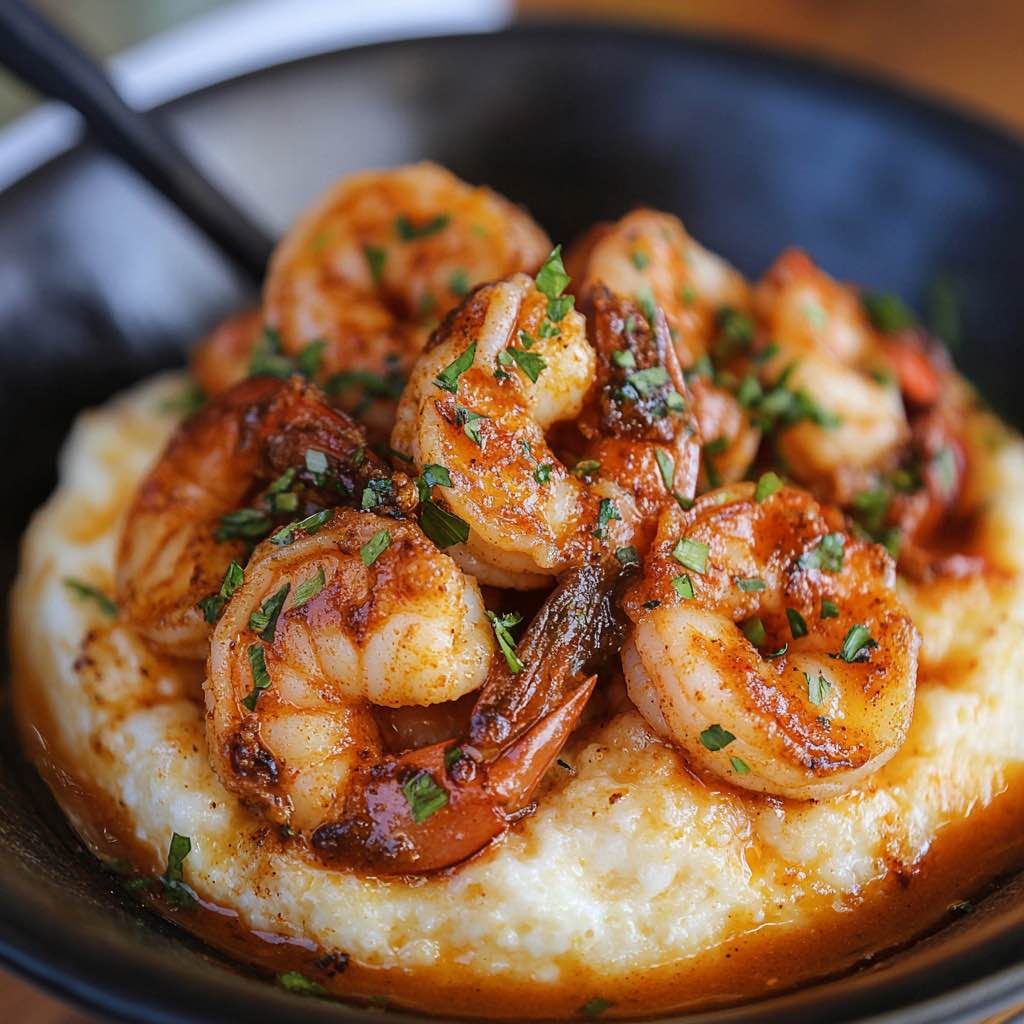
Shrimp and Grits with Cajun Butter represents the pinnacle of Southern comfort cuisine. This iconic dish combines creamy, stone-ground grits with perfectly seasoned shrimp in a rich, spicy Cajun butter sauce. Moreover, this traditional recipe has evolved from humble beginnings to become a restaurant favorite across the United States.
The beauty of shrimp and grits lies in its simplicity and bold flavors. Furthermore, the contrast between the smooth, comforting grits and the zesty, buttery shrimp creates an unforgettable dining experience. Whether you’re preparing this dish for a special occasion or a weeknight dinner, mastering the art of Cajun butter shrimp and grits will elevate your culinary repertoire.
Table of Contents
The Rich History of Shrimp and Grits
Origins in the Lowcountry
Shrimp and grits originated in the coastal regions of South Carolina and Georgia. Initially, this dish served as a hearty breakfast for fishermen and shrimpers. The combination made practical sense because both ingredients were readily available in the Lowcountry.
Native Americans first introduced corn grits to European settlers. Subsequently, African influences shaped the cooking techniques and seasonings. The fusion of these culinary traditions created the foundation for modern shrimp and grits.
Evolution to Fine Dining
During the 1980s, renowned chefs began elevating this humble dish. Restaurants started featuring gourmet versions with Cajun butter and sophisticated presentations. Consequently, shrimp and grits transitioned from a simple fisherman’s meal to an upscale dining experience.
Today, this dish appears on menus from casual diners to five-star restaurants. The versatility of shrimp and grits with Cajun butter allows chefs to showcase their creativity while honoring traditional flavors.
Essential Ingredients for Perfect Shrimp and Grits
For the Grits
Creating exceptional shrimp and grits starts with selecting quality ingredients. Stone-ground grits provide the best texture and authentic flavor. Additionally, whole milk and heavy cream ensure the perfect creamy consistency.
Key ingredients for the grits include:
-
1 cup stone-ground white grits
-
4 cups whole milk
-
1 cup heavy cream
-
4 tablespoons unsalted butter
-
1 cup sharp cheddar cheese, grated
-
Salt and white pepper to taste
For the Cajun Butter Shrimp
The shrimp component requires fresh, high-quality seafood and aromatic spices. Large shrimp work best because they maintain their texture during cooking. Furthermore, the Cajun seasoning blend creates the signature flavor profile.
Essential shrimp ingredients:
-
2 pounds large shrimp, peeled and deveined
-
6 tablespoons unsalted butter
-
2 tablespoons Cajun seasoning
-
1 large onion, diced
-
1 bell pepper, diced
-
3 celery stalks, diced
-
4 garlic cloves, minced
-
2 tablespoons fresh lemon juice
-
2 green onions, chopped
-
Fresh parsley for garnish
Homemade Cajun Seasoning Blend
Creating your own Cajun seasoning ensures optimal flavor control. This blend combines multiple spices for complex, balanced heat. Moreover, homemade seasoning contains no artificial preservatives or excessive sodium.
Cajun seasoning components:
-
2 tablespoons paprika
-
1 tablespoon garlic powder
-
1 tablespoon onion powder
-
1 tablespoon dried oregano
-
1 tablespoon dried thyme
-
1 teaspoon cayenne pepper
-
1 teaspoon black pepper
-
1 teaspoon white pepper
-
1 teaspoon salt
Choosing the Right Grits
Stone-Ground vs. Instant Grits
Stone-ground grits deliver superior flavor and texture compared to instant varieties. The traditional grinding process preserves the corn’s natural oils and nutrients. Additionally, stone-ground grits require longer cooking time but produce creamier results.
Instant grits undergo heavy processing that removes much of the corn’s inherent flavor. While convenient, they lack the authentic texture essential for quality shrimp and grits with Cajun butter. Therefore, investing in stone-ground grits significantly improves the final dish.
White vs. Yellow Grits
White grits offer a milder, more delicate corn flavor. They provide the traditional base for Lowcountry shrimp and grits. Conversely, yellow grits have a more pronounced corn taste and slightly coarser texture.
Both varieties work well for this recipe. However, white grits allow the Cajun butter shrimp flavors to take center stage. The choice ultimately depends on personal preference and regional traditions.
Where to Purchase Quality Grits
Many grocery stores now carry stone-ground grits in their specialty or Southern food sections. Furthermore, online retailers offer various artisanal grits from heritage mills. Local farmers’ markets often feature freshly ground grits from regional producers.
Quality indicators include:
-
Coarse, uneven texture
-
Natural corn aroma
-
Minimal processing
-
Clear expiration dates
-
Proper packaging
Selecting Fresh Shrimp
Size and Count Considerations
Large shrimp work best for this dish because they provide substantial bites and elegant presentation. Look for 21-25 count shrimp, which means 21-25 pieces per pound. These shrimp maintain their texture during sautéing and pair perfectly with creamy grits.
Jumbo shrimp (16-20 count) also work well but may overwhelm the grits’ delicate flavor. Medium shrimp tend to cook too quickly and can become rubbery. Therefore, large shrimp offer the ideal balance for shrimp and grits with Cajun butter.
Fresh vs. Frozen Shrimp
Fresh shrimp provide the best flavor and texture when available. However, high-quality frozen shrimp can produce excellent results. Most “fresh” shrimp in inland areas were previously frozen anyway. The key is proper thawing and handling.
When purchasing frozen shrimp:
-
Choose individually quick-frozen varieties
-
Avoid packages with ice crystals
-
Check for fishy odors
-
Select wild-caught when possible
-
Thaw slowly in refrigerator
Preparation Techniques
Proper shrimp preparation ensures optimal texture and flavor absorption. Remove shells and devein completely for the best eating experience. Additionally, patting shrimp dry before seasoning helps spices adhere better.
Pre-cooking preparation steps:
-
Rinse shrimp under cold water
-
Pat completely dry with paper towels
-
Remove any remaining shell pieces
-
Season lightly with salt
-
Allow to come to room temperature
Creating the Perfect Cajun Butter
Building Flavor Layers
The Cajun butter component elevates simple shrimp and grits into an extraordinary dish. This flavorful sauce combines aromatic vegetables, spices, and butter for complex taste. Moreover, the butter carries the Cajun seasonings throughout every bite.
Start by sautéing the “holy trinity” of Cajun cooking: onions, bell peppers, and celery. These vegetables provide the aromatic foundation for the sauce. Furthermore, proper cooking technique ensures optimal flavor development without overcooking.
Spice Balance and Heat Level
Achieving the right spice balance requires careful seasoning and tasting. The Cajun seasoning should provide warmth without overwhelming the dish’s other flavors. Additionally, the heat level can be adjusted to accommodate different preferences.
Heat adjustment techniques:
-
Start with less cayenne pepper
-
Add hot sauce gradually
-
Include sweet paprika for color
-
Balance with butter and cream
-
Taste frequently during cooking
Butter Integration Methods
Proper butter integration creates a smooth, velvety sauce that coats the shrimp beautifully. Cold butter added gradually helps create an emulsion. Furthermore, this technique prevents the sauce from breaking or becoming greasy.
The key is maintaining moderate heat while whisking constantly. Too much heat will cause the butter to separate. Conversely, insufficient heat won’t allow proper emulsification. Therefore, temperature control is crucial for perfect Cajun butter.
Step-by-Step Cooking Instructions
Preparing the Grits
Step 1: Heating the Liquid
Begin by combining milk and cream in a heavy-bottomed saucepan. Heat the mixture over medium heat until small bubbles appear around the edges. Avoid boiling, which can cause the dairy to curdle. Additionally, stirring occasionally prevents scorching.
Step 2: Adding the Grits
Gradually whisk in the grits to prevent lumping. Add them slowly while stirring constantly. This technique ensures smooth incorporation without clumps. Furthermore, continuous stirring prevents the grits from sticking to the bottom.
Step 3: Cooking Process
Reduce heat to low and continue cooking for 45-60 minutes. Stir frequently to prevent sticking and ensure even cooking. The grits are done when they’re creamy and tender with no grittiness. Additionally, proper cooking develops the corn’s natural sweetness.
Step 4: Finishing Touches
Remove from heat and stir in butter and cheese until melted. Season with salt and white pepper to taste. The finished grits should be creamy but not runny. Furthermore, they should hold their shape when plated.
Cooking the Cajun Butter Shrimp
Step 1: Preparing the Base
Heat a large skillet over medium-high heat. Add a small amount of oil to prevent sticking. Sauté the onions, bell peppers, and celery until softened, about 5-7 minutes. This creates the flavor foundation for the dish.
Step 2: Adding Aromatics
Add minced garlic and cook for another minute until fragrant. Be careful not to burn the garlic, which creates bitter flavors. Additionally, this step releases essential oils that enhance the overall taste.
Step 3: Seasoning the Shrimp
In a separate bowl, toss shrimp with Cajun seasoning until evenly coated. Allow the seasoning to adhere for a few minutes. This step ensures every shrimp piece carries the signature flavors.
Step 4: Cooking the Shrimp
Add seasoned shrimp to the skillet with vegetables. Cook for 2-3 minutes per side until pink and cooked through. Avoid overcooking, which makes shrimp rubbery. Furthermore, proper timing ensures tender, juicy results.
Step 5: Creating the Butter Sauce
Reduce heat to medium-low and add cold butter pieces gradually. Whisk constantly to create a smooth emulsion. Add lemon juice and adjust seasoning as needed. The sauce should coat the shrimp glossily.
Assembly and Presentation
Plating Technique
Spoon warm grits into shallow bowls, creating a well in the center. Arrange the Cajun butter shrimp over the grits attractively. Additionally, drizzle extra sauce around the plate for visual appeal.
Garnishing
Top with chopped green onions and fresh parsley for color and freshness. These herbs also provide a bright contrast to the rich flavors. Furthermore, a wedge of lemon adds visual interest and optional acidity.
Professional Tips and Techniques
Temperature Control
Maintaining proper temperatures throughout cooking ensures optimal results. Use medium heat for most steps to prevent burning. Additionally, a thermometer can help monitor temperatures accurately for consistent results.
Key temperature guidelines:
-
Grits cooking liquid: 180-190°F
-
Shrimp internal temperature: 145°F
-
Butter sauce temperature: 160-170°F
-
Serving temperature: 140°F minimum
Timing Coordination
Successful shrimp and grits with Cajun butter requires careful timing coordination. Start the grits first since they require the longest cooking time. Meanwhile, prepare other ingredients while the grits cook slowly.
Timing sequence:
-
Start grits (45-60 minutes)
-
Prepare vegetables (10 minutes)
-
Season shrimp (5 minutes)
-
Cook shrimp and sauce (8-10 minutes)
-
Final assembly (2 minutes)
Flavor Enhancement Techniques
Several techniques can enhance the dish’s overall flavor profile. Toasting the grits briefly before adding liquid deepens their corn flavor. Additionally, using homemade stock instead of water adds richness.
Advanced flavor techniques:
-
Toast grits in dry pan briefly
-
Use seafood or chicken stock
-
Add smoked paprika for depth
-
Include a splash of hot sauce
-
Finish with fresh herbs
Texture Optimization
Achieving perfect textures requires attention to detail throughout the cooking process. Properly cooked grits should be creamy without being gluey. Similarly, shrimp should be tender and juicy, not rubbery.
Texture troubleshooting:
-
Lumpy grits: Strain through fine mesh
-
Thin grits: Cook longer uncovered
-
Thick grits: Add warm liquid gradually
-
Tough shrimp: Reduce cooking time
-
Broken sauce: Remove from heat, whisk cold butter
Nutritional Benefits
Protein Content
Shrimp provides exceptional protein content with minimal calories and fat. A typical serving contains approximately 25 grams of high-quality protein. Furthermore, shrimp protein includes all essential amino acids necessary for optimal health.
This complete protein supports muscle maintenance and growth. Additionally, the protein helps maintain satiety, making this dish satisfying despite reasonable portion sizes. For active individuals, the protein content supports recovery and energy needs.
Essential Minerals
Both shrimp and grits contribute important minerals to the diet. Shrimp contains selenium, iodine, and zinc in significant amounts. Moreover, these minerals support immune function and thyroid health.
Corn grits provide iron, magnesium, and phosphorus. These minerals support bone health and energy metabolism. Additionally, the combination creates a nutritionally balanced meal when paired with vegetables.
Healthy Fats
The butter in this recipe provides fat-soluble vitamins and essential fatty acids. While high in calories, these fats enhance nutrient absorption from other ingredients. Furthermore, the moderate amount used adds richness without excessive calories.
The overall fat content helps maintain satiety and flavor satisfaction. Additionally, the creamy texture created by dairy fats makes the dish more enjoyable and satisfying.
Carbohydrate Energy
Corn grits provide complex carbohydrates that offer sustained energy release. Unlike simple sugars, these carbohydrates maintain stable blood sugar levels. Furthermore, the fiber content supports digestive health and satiety.
The carbohydrate content makes this dish ideal for active individuals needing sustained energy. Additionally, the complex carbohydrates pair well with the protein for balanced nutrition.
Serving Suggestions and Pairings
Complementary Side Dishes
While shrimp and grits with Cajun butter stands alone as a complete meal, certain sides enhance the experience. Light, acidic accompaniments balance the rich, creamy flavors beautifully. Furthermore, these additions provide textural contrast and nutritional variety.
Ideal side dish options:
-
Fresh mixed greens salad with vinaigrette
-
Steamed asparagus with lemon
-
Roasted Brussels sprouts
-
Coleslaw with tangy dressing
-
Cornbread or biscuits
-
Collard greens with smoked turkey
Beverage Pairings
Selecting appropriate beverages enhances the dining experience significantly. The rich, spicy flavors require drinks that complement rather than compete. Additionally, the right beverage can cleanse the palate between bites.
Excellent beverage choices include:
-
Sweet tea with fresh mint
-
Sparkling water with lemon
-
Fresh lemonade
-
Iced coffee or cold brew
-
Fruit-infused water
-
Light, crisp sodas
Portion Guidelines
Proper portion sizes ensure satisfaction without overwhelming guests. A typical serving includes 3/4 cup cooked grits and 6-8 large shrimp per person. Additionally, these portions provide balanced nutrition and reasonable calorie content.
For larger appetites or special occasions, increase portions proportionally. However, the rich nature of this dish means smaller portions often prove more satisfying than expected. Furthermore, the protein and fat content promotes natural satiety.
Presentation Ideas
Creative presentation elevates this comfort food dish to restaurant quality. Use shallow bowls or large plates to showcase the components attractively. Additionally, strategic garnishing adds color and visual interest.
Professional presentation techniques:
-
Create a well in the grits for shrimp
-
Drizzle sauce artistically around the plate
-
Garnish with fresh herbs and lemon wedges
-
Use white plates to highlight colors
-
Add microgreens for elegant touches
-
Serve in cast iron skillets for rustic appeal
Storage and Reheating Guidelines
Proper Storage Methods
Leftover shrimp and grits require careful storage to maintain quality and safety. Store components separately when possible for optimal results. Additionally, proper storage techniques extend the dish’s shelf life significantly.
Storage guidelines:
-
Refrigerate within two hours of cooking
-
Store in airtight containers
-
Keep grits and shrimp separate
-
Label containers with dates
-
Use within 3-4 days maximum
-
Freeze for up to three months
Reheating Techniques
Successful reheating maintains the dish’s original texture and flavor. Grits require gentle reheating with additional liquid to restore creaminess. Furthermore, shrimp should be reheated carefully to prevent overcooking.
Effective reheating methods:
-
Microwave grits with milk or cream
-
Reheat shrimp separately in skillet
-
Add liquid gradually to thin grits
-
Heat only until warmed through
-
Stir frequently during reheating
-
Adjust seasoning after reheating
Quality Indicators
Properly stored and reheated shrimp and grits should maintain most of their original quality. However, certain signs indicate the food should be discarded. Additionally, trust your senses when evaluating leftover food safety.
Quality assessment factors:
-
Pleasant aroma without off odors
-
Proper texture after reheating
-
No signs of spoilage or mold
-
Appropriate temperature throughout
-
Normal appearance and color
-
Fresh taste without sourness
Common Mistakes to Avoid
Grits Preparation Errors
Many home cooks struggle with achieving perfect grits texture. The most common mistake involves using insufficient liquid or cooking time. Additionally, inadequate stirring creates lumps that are difficult to remove.
Common grits mistakes:
-
Using instant grits instead of stone-ground
-
Adding grits too quickly to liquid
-
Insufficient cooking time
-
Not stirring frequently enough
-
Using water instead of milk or cream
-
Seasoning too early in cooking process
Shrimp Cooking Problems
Overcooked shrimp represents the most frequent error in this dish. High heat and extended cooking times create tough, rubbery textures. Furthermore, improper thawing can affect cooking results significantly.
Shrimp cooking mistakes:
-
Cooking at too high temperature
-
Overcooking beyond pink color
-
Not patting shrimp dry before seasoning
-
Using previously cooked shrimp
-
Inadequate seasoning time
-
Crowding the pan during cooking
Sauce Consistency Issues
Creating smooth, emulsified Cajun butter requires proper technique and temperature control. Many home cooks struggle with broken or greasy sauces. Additionally, incorrect butter addition methods cause separation problems.
Sauce preparation errors:
-
Adding butter too quickly
-
Cooking at excessive temperatures
-
Not whisking continuously
-
Using salted instead of unsalted butter
-
Inadequate seasoning balance
-
Poor temperature control throughout process
Timing and Coordination Problems
Successfully preparing shrimp and grits with Cajun butter requires careful timing coordination. Starting components in the wrong order creates stress and quality issues. Furthermore, poor planning results in overcooking or cold food.
Timing mistakes:
-
Starting shrimp before grits are ready
-
Not having all ingredients prepared
-
Rushing the cooking process
-
Poor temperature management
-
Inadequate planning and preparation
-
Attempting to cook everything simultaneously
Frequently Asked Questions
Can I make shrimp and grits with Cajun butter ahead of time?
Yes, you can prepare components separately in advance. Cook the grits and store them refrigerated for up to three days. However, prepare the Cajun butter shrimp fresh for optimal texture and flavor. Additionally, reheat grits gently with extra liquid before serving.
What’s the best substitute for stone-ground grits?
While stone-ground grits provide the best results, polenta makes an acceptable substitute. Use the same cooking method and liquid ratios. Furthermore, quick-cooking grits work in emergencies but lack the authentic texture and flavor depth.
How spicy is this Cajun butter shrimp and grits recipe?
The spice level is moderate, suitable for most palates. The Cajun seasoning provides warmth without overwhelming heat. Additionally, you can adjust the cayenne pepper amount to increase or decrease spiciness according to preference.
Can I use different types of cheese in the grits?
Sharp cheddar cheese provides the traditional flavor, but other varieties work well. Gouda, Parmesan, or cream cheese create different flavor profiles. Furthermore, combining multiple cheeses adds complexity to the final dish.
What size shrimp works best for this recipe?
Large shrimp (21-25 count per pound) provide the ideal size for this dish. They maintain good texture during cooking and pair well with the grits. Additionally, this size offers substantial bites without overwhelming the other components.
How do I prevent my grits from becoming lumpy?
Add grits slowly while whisking constantly to prevent lumps. Use a fine-mesh strainer if lumps develop during cooking. Furthermore, maintaining consistent stirring throughout the cooking process prevents most texture issues.
Can I make this dish dairy-free?
Yes, substitute plant-based milk and butter alternatives for the dairy components. Coconut milk creates rich, creamy grits, while olive oil can replace butter in the sauce. Additionally, nutritional yeast adds umami flavor without dairy.
How long do leftovers stay fresh?
Properly stored leftovers remain safe for 3-4 days refrigerated. Store grits and shrimp separately when possible for better reheating results. Furthermore, freeze portions for up to three months for longer storage.
What vegetables can I add to this dish?
Bell peppers, onions, and celery form the traditional base, but other vegetables work well. Try adding okra, tomatoes, or mushrooms for variety. Additionally, leafy greens like spinach wilt beautifully into the finished dish.
Is this recipe gluten-free?
Yes, shrimp and grits with Cajun butter is naturally gluten-free when using corn grits. Check your Cajun seasoning blend for any gluten-containing ingredients. Furthermore, ensure all other components are certified gluten-free if sensitivity is a concern.
This comprehensive guide to shrimp and grits with Cajun butter provides everything needed to master this iconic Southern dish. The combination of creamy grits and spicy, buttery shrimp creates an unforgettable meal that satisfies both casual dinners and special occasions. Remember to use quality ingredients, maintain proper cooking temperatures, and coordinate timing for optimal results.
Shrimp and Grits with Cajun Butter
Description
Ingredients
For the Creamy Grits:
-
2½ cups water
-
2 cups half-and-half or whole milk
-
1½ teaspoons salt
-
1 teaspoon garlic powder
-
1 cup stone-ground corn grits
-
8 ounces smoked gouda or sharp cheddar cheese, grated
-
4 tablespoons unsalted butter
-
Freshly ground black pepper to taste
For the Cajun Shrimp and Butter:
-
1 pound large shrimp, peeled and deveined
-
2 tablespoons Cajun seasoning
-
8 tablespoons unsalted butter, divided
-
2 tablespoons olive oil
-
½ red bell pepper, chopped
-
½ green bell pepper, chopped
-
1 small onion, chopped
-
3-4 cloves garlic, minced
-
1½ cups chicken stock
-
½ cup heavy cream
-
2 tablespoons Worcestershire sauce
-
1 tablespoon fresh lemon juice
-
Salt and pepper to taste
-
Fresh parsley and green onions for garnish
Instructions
Prepare the Grits:
-
In a heavy-bottomed saucepan, combine water, half-and-half, salt, and garlic powder. Bring to a boil over medium-high heat.
-
Slowly whisk in grits, stirring constantly to prevent lumps. Reduce heat to medium-low, cover, and simmer for 15-20 minutes, stirring every 3-4 minutes until creamy and tender.
-
Remove from heat and stir in cheese and butter until melted and smooth. Season with pepper and keep warm on lowest heat setting.
Make the Cajun Shrimp:
-
Pat shrimp dry and season with Cajun seasoning, tossing to coat evenly. Let marinate while preparing other ingredients.
-
Heat 2 tablespoons butter and olive oil in a large skillet over medium-high heat. Add bell peppers and onion, cooking for 4-5 minutes until softened.
-
Add garlic and cook for 1 minute until fragrant. Add seasoned shrimp in a single layer and cook 2-3 minutes per side until pink and cooked through.
-
Remove shrimp to a plate and add remaining 6 tablespoons butter to create the Cajun butter sauce. Add chicken stock, heavy cream, and Worcestershire sauce, simmering until slightly thickened, about 3-5 minutes.
-
Return shrimp to the skillet and toss with lemon juice. Season with salt and pepper to taste.