
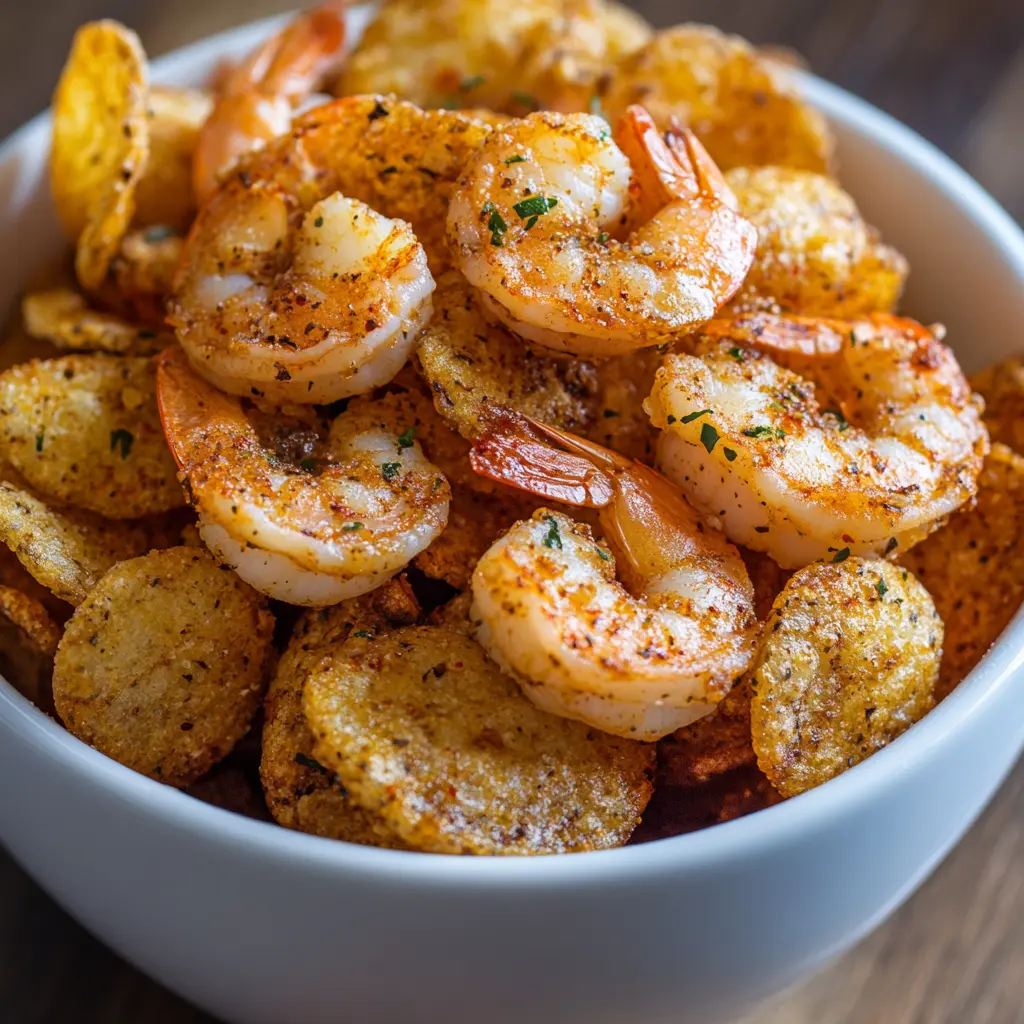
Shrimp Chips: A Comprehensive Guide
Known for their crispy texture and bold flavor, prawn crackers hold a special place in culinary traditions across the globe. These savory snacks are a staple in Southeast Asia and are quickly gaining popularity worldwide. Whether you enjoy them as a light bite or pair them with a hearty dish, they never fail to impress. Join us on an engaging journey through the history, preparation, cultural significance, and endless possibilities of this delightful treat.
What Are Shrimp Chips?
Shrimp chips are more than just a crunchy snack—they’re a cultural icon. These crispy delights combine ground shrimp or prawn, tapioca starch, and seasonings. Once cooked, they puff up into airy, crunchy morsels that are hard to resist.
Definition and Basic Description
To make shrimp chips, manufacturers mix shrimp paste with tapioca flour to create a dough. They then shape, dry, and deep-fry the dough until it turns golden and crisp. The result is a lightweight cracker with a mild seafood flavor, perfect for munching.
Also Known As: Alternative Names
In different parts of the world, people know shrimp chips by various names. In Southeast Asia, they’re widely recognized as krupuk udang in Indonesia, keropok in Malaysia, and kropek in the Philippines. Meanwhile, in Japan and Korea, people embrace them as Kappa Ebisen and Saeukkang.
History and Origin
Shrimp chips have an intriguing backstory that spans centuries and cultures. Their origins are deeply rooted in Southeast Asia, where they served not only as snacks but also as symbols of resourcefulness and community spirit. Over time, they’ve gained global popularity, adapting to new tastes while preserving their traditional essence.
Historical Background
Shrimp chips first emerged in Southeast Asia, where the abundant shrimp in coastal regions inspired their creation. The concept was simple yet ingenious: blend shrimp with tapioca starch, a local staple, to make a snack that was both delicious and long-lasting. Early recipes relied on sun-drying to preserve the chips before frying, ensuring they could be stored for months.
The cultural significance of shrimp chips is profound. In Indonesia, for example, krupuk udang is a must-have during festive gatherings, symbolizing prosperity and togetherness. Similarly, in Malaysia, families often enjoy keropok during tea time or as a side dish.
Global Popularity
As trade routes expanded, prawn crackers began to travel far beyond their place of origin. By the mid-20th century, they reached Europe and the Americas, introduced by Asian immigrants and embraced by adventurous food lovers. Western palates quickly adapted, and commercial production made shrimp chips a pantry staple worldwide.
In contemporary times, chefs have found a niche for shrimp chips in fusion cuisine. They experiment with flavors, adding spices, herbs, or even modern twists like truffle oil to appeal to diverse audiences. Despite these innovations, the classic recipe remains a testament to its timeless appeal.
Ingredients and Preparation
Shrimp chips owe their irresistible crunch and subtle seafood flavor to a handful of carefully selected ingredients and time-honored preparation methods. Understanding what goes into making these snacks is key to appreciating their charm. Let’s take a closer look!
Core Ingredients
- Shrimp or Prawn Paste: The star of the show, shrimp paste provides the distinct seafood flavor that defines these chips. Some variations use dried shrimp powder as a substitute.
- Tapioca Starch: This ingredient gives shrimp chips their signature puffiness. Derived from cassava roots, tapioca starch ensures a light and airy texture.
- Seasonings: Garlic, salt, and sugar often enhance the flavor, while some recipes include spices like white pepper for a subtle kick.
These ingredients combine to create a harmonious balance of flavors, making the chips both savory and slightly sweet.
Traditional Preparation Methods
The process of making shrimp chips blends culinary art and science. Traditionally, the steps include:
- Mixing the Dough: Manufacturers blend shrimp paste with tapioca starch and seasonings to form a pliable dough. They knead the mixture until smooth, ensuring even consistency.
- Shaping and Steaming: They roll the dough into logs and steam it until firm. This step is crucial for setting the structure of the chips.
- Slicing and Drying: Once cooled, they slice the steamed logs thinly and leave them to dry in the sun. Sun-drying not only preserves the chips but also enhances their flavor.
- Deep-Frying: They fry the dried slices in hot oil, where the chips puff up dramatically, transforming into the crispy, golden treats we all love.
Modern Production
Today, commercial production has streamlined these steps. Factories use machines to mix, shape, and fry the chips, ensuring uniformity and efficiency. Some brands even offer baked options, catering to health-conscious consumers.
Despite modern innovations, many households and small businesses still stick to traditional methods, valuing the authentic taste and texture that come with hand-crafted chips.
Variations Across Cultures
Shrimp chips have evolved over time, with each culture adding its unique twist. From traditional Southeast Asian recipes to modern adaptations in Western kitchens, these crispy snacks reflect a world of culinary creativity.
Southeast Asian Variations
The heartland of shrimp chips is undoubtedly Southeast Asia, where they are deeply embedded in culinary traditions.
- Indonesia – Krupuk Udang: In Indonesia, krupuk udang is a beloved staple. People often serve these chips as a side dish with meals or as a standalone snack. The shrimp flavor in Indonesian varieties tends to be bold and aromatic, thanks to the generous use of shrimp paste.
- Malaysia – Keropok: Malaysia’s version, known as keropok, often includes additional ingredients like fish or squid. Thinly sliced and sun-dried, keropok is a common feature at family gatherings and roadside stalls.
- Philippines – Kropek: Filipinos enjoy kropek, a lighter variation with a subtle sweetness. They often pair it with vinegar-based dips, enhancing its flavor with a tangy kick.
East Asian Variations
- Japan – Kappa Ebisen: Japanese shrimp chips, known as Kappa Ebisen, are thinner and crunchier than their Southeast Asian counterparts. They are typically seasoned with mild spices, making them a hit among both kids and adults.
- Korea – Saeukkang: In Korea, Saeukkang offers a slightly spicier take on shrimp chips. People often enjoy these snacks during celebrations or as part of traditional meals.
Western Adaptations
When shrimp chips made their way to the West, chefs and food enthusiasts quickly embraced and reimagined them.
- Fusion Recipes: Western adaptations often incorporate herbs like parsley or dill, creating a blend of East and West.
- Gourmet Twists: Some recipes introduce luxury ingredients like truffle or smoked paprika to elevate the humble shrimp chip into a gourmet treat.
Despite these variations, the essence of shrimp chips—a crispy, flavorful snack—remains consistent, making them a universal favorite.
Nutritional Information
Shrimp chips are undeniably delicious, but what do they bring to the table in terms of nutrition? While they can be a satisfying snack, it’s essential to understand their health aspects to enjoy them mindfully.
Caloric Content
Shrimp chips are relatively light, but their caloric content can vary depending on the method of preparation. A standard serving of about 1 ounce (28 grams) typically contains around 150-160 calories. Most of these calories come from the carbohydrates in tapioca starch and the fats used during frying.
Macronutrients
Here’s a typical breakdown of the macronutrients in shrimp chips:
- Carbohydrates: Tapioca starch forms the base, contributing to a high carb content.
- Fats: The deep-frying process adds a significant amount of fat, making these chips energy-dense.
- Protein: While shrimp chips do contain some protein from the shrimp, the amount is relatively low compared to other snacks.
Health Considerations
While shrimp chips are a delightful treat, there are some points to keep in mind:
- Additives: Many commercially produced shrimp chips include artificial flavorings, preservatives, and food coloring, which might not be ideal for everyone.
- Sodium Levels: Like many savory snacks, shrimp chips can be high in sodium. Overconsumption may contribute to issues like water retention or high blood pressure.
- Homemade vs. Store-Bought: Homemade shrimp chips, crafted with fresh ingredients and less oil, are generally a healthier alternative to store-bought versions.
For those looking for a lighter option, some brands now offer baked chips. These versions retain much of the flavor while significantly reducing fat content.
Culinary Uses and Pairings
Shrimp chips are versatile snacks that you can enjoy in countless ways. Whether as a standalone treat, a side dish, or a creative ingredient in recipes, their light and crispy texture adds a delightful crunch to any culinary experience.
As a Snack
Shrimp chips shine as a quick and satisfying snack. Their crispy texture and mild seafood flavor make them perfect for munching straight out of the bag. To elevate the experience, pair them with dipping sauces such as:
- Sweet Chili Sauce: Adds a tangy and slightly spicy twist.
- Garlic Aioli: Provides a creamy and savory complement.
- Soy-Vinegar Mix: Offers a tangy, umami-packed pairing.
These dips enhance the flavor profile of shrimp chips, turning a simple snack into a gourmet experience.
As an Accompaniment
Shrimp chips often accompany main dishes in Southeast Asian cuisine. People commonly serve them alongside:
- Nasi Goreng (Fried Rice): In Indonesia, shrimp chips are a classic side dish for fried rice, adding a crunchy texture to the meal.
- Curry Dishes: Their neutral flavor balances the richness of spicy curries, providing a delightful contrast.
- Soups and Stews: Crushed shrimp chips can be sprinkled over soups for added texture and flavor.
In Recipes
Shrimp chips aren’t just for snacking—they’re also a versatile ingredient in creative dishes. Here are a few ideas:
- Toppings for Salads: Crumble shrimp chips over salads for a unique crunch.
- Crust for Proteins: Crush them into crumbs and use as a coating for fish or chicken, creating a crispy, flavorful crust.
- Fusion Desserts: Believe it or not, you can pair shrimp chips with sweet elements like caramel or chocolate for a surprising fusion dessert.