
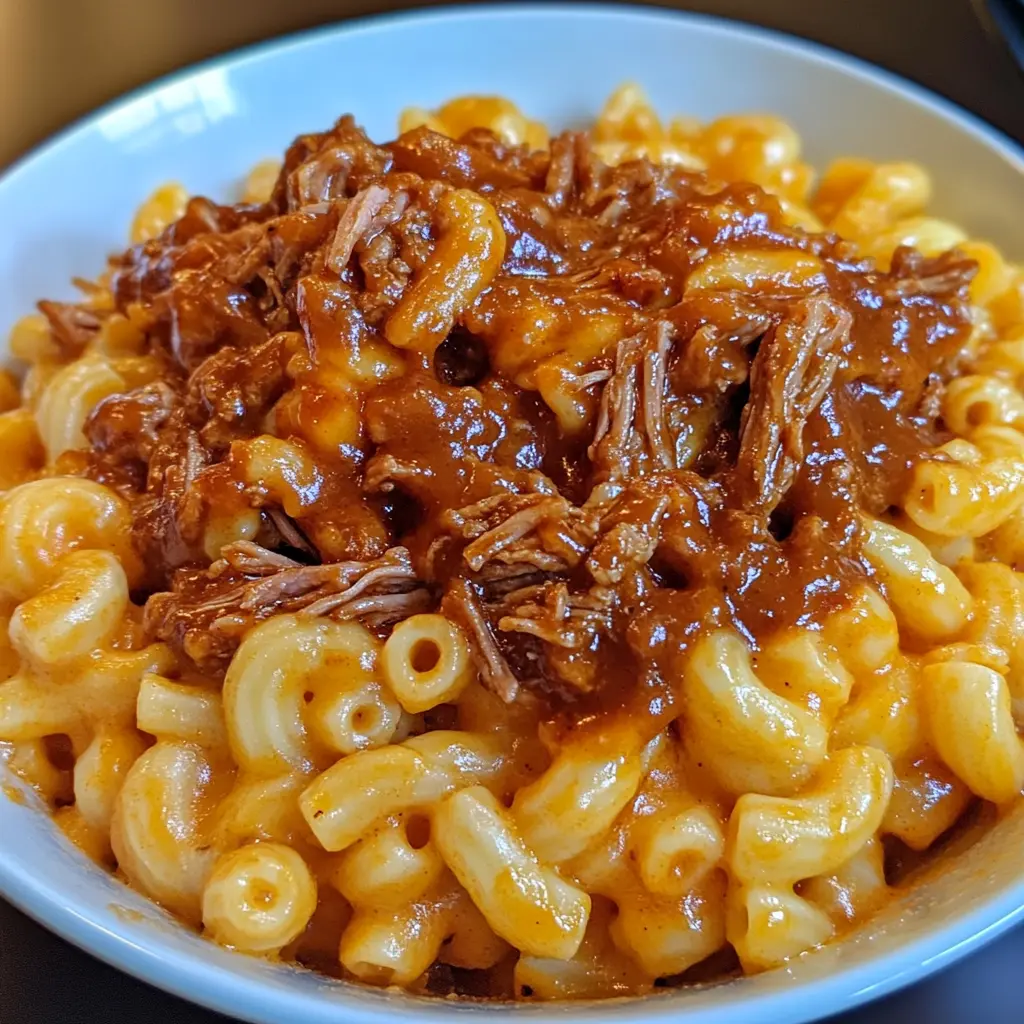
Slow Cooker BBQ Pulled Pork Mac & Cheese: The Ultimate Comfort Food Fusion
Slow Cooker BBQ Pulled Pork Mac & Cheese combines two beloved comfort foods into one hearty, crowd-pleasing dish that delivers smoky, creamy, and savory flavors in every bite. This fusion recipe transforms tender slow-cooked pork shoulder with tangy barbecue sauce and rich, cheesy macaroni into a meal that satisfies both adults and children alike. Whether you’re feeding a hungry family on a weeknight or preparing a dish for a potluck gathering, this recipe offers convenience, flavor, and comfort all in one casserole.
Why You’ll Love This Recipe
This Slow Cooker BBQ Pulled Pork Mac & Cheese recipe stands out because it combines minimal hands-on effort with maximum flavor impact. The slow cooker does most of the work, transforming tough pork shoulder into melt-in-your-mouth tender strands over several hours. Meanwhile, you can prepare the cheese sauce and pasta with ease.
The dish offers incredible versatility for various occasions. It works beautifully as a main course for casual family dinners. Additionally, it shines at potlucks, game day gatherings, and backyard barbecues. The recipe also provides an excellent way to use leftover pulled pork if you’ve made extra from previous cooking sessions.
Furthermore, this comfort food fusion delivers satisfying heartiness that keeps everyone coming back for seconds. The combination of smoky barbecue flavors with creamy cheese creates a taste sensation that appeals to diverse palates.
Understanding the Flavor Profile
The magic of BBQ pulled pork mac and cheese lies in its harmonious balance of contrasting yet complementary flavors. The tangy barbecue sauce brings sweetness and acidity that cuts through the richness. Meanwhile, the cheese sauce provides creamy, savory notes that envelop the pasta.
Smoked cheddar cheese adds depth and a subtle smoky undertone that amplifies the barbecue character. Some recipes incorporate smoked gouda or mozzarella for enhanced creaminess and additional flavor layers. The pork itself contributes savory, meaty richness after slow cooking in barbecue sauce.
Seasonings like garlic powder, onion powder, paprika, and black pepper add aromatic complexity. A touch of cayenne pepper or red pepper flakes brings gentle heat that balances the sweetness. This intricate flavor profile creates a dish that tastes both familiar and excitingly new.
Essential Ingredients
For the Pulled Pork
The foundation starts with quality pork shoulder, typically weighing three pounds. This cut contains enough marbling to remain moist during long cooking times. You’ll need approximately two cups of barbecue sauce for cooking the pork.
Additional barbecue sauce serves for mixing with the shredded pork and drizzling before serving. Brown sugar, if added to your spice rub, creates a beautiful caramelized exterior. Seasonings such as garlic powder, onion powder, chili powder, and smoked paprika enhance the meat’s flavor.
For the Mac and Cheese
Sixteen ounces of elbow macaroni or small shell pasta forms the base. Butter serves as the foundation for your cheese sauce roux. All-purpose flour thickens the sauce to achieve perfect consistency.
Whole milk or half-and-half provides the liquid component for a rich, creamy sauce. Sharp cheddar cheese delivers classic mac and cheese flavor. Additional cheese varieties like smoked cheddar, gouda, or mozzarella add complexity.
Cream cheese creates extra creaminess and helps the sauce cling to pasta. Seasonings including salt, black pepper, garlic powder, mustard powder, and nutmeg round out the flavor profile.
Kitchen Equipment You’ll Need
A six-quart slow cooker accommodates the pork shoulder comfortably. This essential appliance allows for hands-off cooking over eight to ten hours. You’ll also need a large pot for boiling pasta according to package directions.
A medium saucepan proves necessary for preparing the cheese sauce. Two forks or meat claws help shred the cooked pork efficiently. A whisk ensures smooth, lump-free cheese sauce.
A two-quart or three-quart casserole dish works well if you’re finishing the dish in the oven. Measuring cups and spoons ensure accurate ingredient proportions. A sharp knife assists with dicing onions and mincing garlic.
Step-by-Step Cooking Instructions
Preparing the Pulled Pork
First, remove any packaging and netting from the pork shoulder. Trim excess fat if desired, though some marbling enhances moisture. Season the pork generously with your chosen spice blend or herb seasoning.
Place the seasoned pork into your slow cooker. Pour one and a half cups of barbecue sauce over the meat. Add any additional liquid such as chicken broth or apple cider vinegar if your recipe calls for it.
Cover the slow cooker and set it to low heat for eight to ten hours. Alternatively, cook on high heat for four to five hours. The pork reaches perfection when it shreds easily with a fork and achieves an internal temperature of 205 degrees Fahrenheit.
Shredding and Saucing the Pork
Remove the cooked pork from the slow cooker using tongs or a slotted spoon. Transfer it to a cutting board and discard any large pieces of fat or bone. Use two forks or meat claws to pull the pork into shreds.
Return the shredded pork to the slow cooker with about one-quarter to one-half cup of the cooking juices. Discard the remaining liquid to prevent the mixture from becoming too watery. Stir in additional barbecue sauce to taste, typically one cup.
Keep the pork warm in the slow cooker on the warm setting while you prepare the mac and cheese components. This allows the flavors to meld beautifully.
Making the Pasta
Bring a large pot of water to a rolling boil. Add a generous handful of kosher salt to season the water properly. Pour in sixteen ounces of elbow macaroni or your preferred pasta shape.
Cook the pasta until al dente according to package directions, typically eight to ten minutes. Drain the pasta thoroughly in a colander. Do not rinse the pasta, as the starch helps the cheese sauce adhere better.
Set the drained pasta aside while you prepare the cheese sauce. The pasta will continue to absorb flavors when combined with the sauce.
Creating the Cheese Sauce
Melt four tablespoons of butter in a medium saucepan over medium heat. Add diced onion if using and sauté until softened and translucent. Stir in minced garlic and cook for thirty seconds until fragrant.
Sprinkle four tablespoons of all-purpose flour over the melted butter. Whisk continuously for one to two minutes to create a roux. This step cooks out the raw flour taste and creates the base for your sauce.
Gradually pour in three cups of whole milk while whisking constantly to prevent lumps. Bring the mixture to a gentle simmer, stirring frequently. The sauce will thicken as it heats and the flour activates.
Finishing the Cheese Sauce
Add your seasonings including two teaspoons of garlic powder, one teaspoon of onion powder, half a teaspoon of mustard powder, and salt and pepper to taste. Stir in a pinch of nutmeg and cayenne pepper for depth and subtle warmth. Include smoked paprika for enhanced barbecue character.
Remove the saucepan from heat once the sauce reaches your desired thickness. Add cheese gradually in small handfuls, stirring each addition until fully melted before adding more. This technique ensures smooth, creamy sauce without graininess.
Incorporate eight ounces each of sharp cheddar, smoked gouda, and mozzarella for a three-cheese blend. Alternatively, use all cheddar or your preferred combination. Stir in four ounces of softened cream cheese for extra richness.
Combining All Components
Add the cheese sauce to the drained pasta and toss until every piece is well-coated. Mix in two cups of the prepared pulled pork directly into the mac and cheese if you prefer an integrated approach. Alternatively, keep the pork separate to layer on top.
Transfer the mac and cheese to a two-quart casserole dish if you plan to bake it. Top with the remaining pulled pork, spreading it evenly across the surface. Sprinkle bread crumbs over the top for added texture if desired.
Drizzle melted butter over the bread crumb topping. Bake at 350 degrees Fahrenheit for approximately twenty minutes until the top turns golden and lightly browned. Remove from the oven and drizzle with additional barbecue sauce before serving.
Pro Tips for Perfect Results
Choosing the Right Pork Cut
Pork shoulder, also called pork butt or Boston butt, provides the ideal meat for pulled pork preparations. This cut contains sufficient fat marbling to remain moist during extended cooking times. Avoid leaner cuts like pork loin, which tend to dry out in the slow cooker.
Cut larger pork shoulders into three or four pieces to promote even cooking. This also allows more surface area for the barbecue sauce to penetrate. Season all sides of the meat generously for maximum flavor development.
Preventing Dry Pork
Monitor your slow cooker’s cooking time carefully, as overcooking can result in dry meat. Most three-pound pork shoulders need eight to ten hours on low heat or four to five hours on high. Use a meat thermometer to confirm the internal temperature reaches 205 degrees Fahrenheit.
Reserve some of the cooking liquid to moisten the shredded pork. This step prevents dryness and infuses extra flavor. Discard excess liquid to avoid making the final dish watery.
Achieving Smooth Cheese Sauce
Always bring milk to room temperature before adding it to your roux. Cold milk can cause the butter to seize and create lumps. Whisk continuously while adding liquid to ensure even incorporation.
Add cheese off the heat in small portions, stirring each handful until completely melted. This gradual approach prevents the cheese from breaking and becoming grainy. Use freshly shredded cheese rather than pre-shredded varieties, which contain anti-caking agents that affect texture.
Pasta Cooking Tips
Cook pasta one to two minutes less than package directions indicate for al dente texture. The pasta will continue cooking when mixed with hot cheese sauce and during any baking time. This prevents mushy, overcooked noodles in the final dish.
Salt your pasta water generously, using about one tablespoon of kosher salt per four quarts of water. This seasons the pasta from within. Never add oil to the pasta water, as it prevents the sauce from adhering properly.
Layering vs. Mixing
You can either mix the pulled pork throughout the mac and cheese or layer it on top. Mixing creates an integrated dish where every bite contains both elements. Layering provides visual appeal and allows guests to control their pork-to-pasta ratio.
For potlucks and buffets, layering works better because it showcases both components attractively. For family meals, mixing ensures easier serving and more consistent flavor distribution.
Nutritional Benefits
Protein Content
This dish delivers substantial protein from multiple sources. The pulled pork provides approximately twenty-five grams of protein per serving. Cheese contributes additional protein, with typical mac and cheese containing ten to twelve grams per serving.
Combined, one serving of BBQ pulled pork mac and cheese offers between thirty and forty grams of protein. This macronutrient supports muscle growth and repair, making the dish surprisingly beneficial for active individuals. According to nutrition experts, protein also promotes satiety and helps maintain stable blood sugar levels.
Calcium and Bone Health
The cheese component provides excellent calcium content for supporting strong bones and teeth. A typical serving delivers approximately 190 to 280 milligrams of calcium. This represents roughly fourteen to twenty-one percent of the recommended daily value.
Calcium works to aid in bone health and prevent osteoporosis, particularly important as we age. The vitamin D present in cheese and dairy products enhances calcium absorption. Multiple cheese varieties in the recipe increase the overall calcium contribution.
Energy and Carbohydrates
The pasta provides sustained energy from complex carbohydrates. One serving typically contains forty-three to sixty-six grams of carbohydrates. These carbs fuel both body and brain function throughout the day.
While this makes the dish calorie-dense at 450 to 570 calories per serving, it offers substantial energy for physically active days. The fiber content, though modest at two to three grams per serving, supports digestive health.
Considerations for Balanced Nutrition
This comfort food contains notable amounts of saturated fat and sodium. One serving provides approximately eleven to twenty-three grams of total fat and 570 to 1,130 milligrams of sodium. Health professionals recommend consuming dishes like this in moderation as part of a balanced diet.
You can improve the nutritional profile by adding vegetables such as broccoli or cauliflower to increase fiber and nutrients while reducing calories per serving. Using high-fiber pasta increases the fiber content significantly. Following package directions for prepared mac and cheese, which typically require less butter and milk, also reduces calories.
Serving Suggestions
Complementary Side Dishes
Balance the richness of BBQ pulled pork mac and cheese with fresh, crisp side dishes. A simple green salad with vinaigrette dressing cuts through the creaminess beautifully. Coleslaw provides tangy crunch that complements the smoky barbecue flavors perfectly.
Roasted or grilled vegetables like asparagus, green beans, or Brussels sprouts add nutritious balance. Cornbread offers a traditional Southern accompaniment that pairs naturally with barbecue elements. Fresh fruit salad provides a refreshing contrast to the savory, hearty main dish.
Garnishing for Visual Appeal
Elevate presentation with thoughtful garnishes that add both flavor and visual interest. Sliced green onions or scallions sprinkled over the top provide color and mild onion flavor. Fresh parsley, finely chopped, adds a pop of green and herbaceous notes.
Additional barbecue sauce drizzled over individual servings intensifies the smoky flavor. Crumbled breadcrumbs or panko topping creates appealing texture contrast. A sprinkle of extra shredded cheese over the hot dish creates attractive cheese pulls when serving.
Portion Control and Serving Size
Given the richness and calorie density of this dish, serve moderate portions as the main course. A standard serving size typically measures one to one and a half cups. This provides sufficient satisfaction without overwhelming guests.
For potlucks and buffets, set out smaller serving spoons to encourage appropriate portions. Pair with lighter side dishes to create a balanced plate. Consider serving the dish in individual ramekins for built-in portion control and attractive presentation.
Storage and Reheating
Refrigerator Storage
Allow leftover BBQ pulled pork mac and cheese to cool to room temperature before storing. Transfer to airtight containers within two hours of cooking to ensure food safety. Properly stored, the dish keeps well in the refrigerator for three to four days.
Separate any unused pulled pork from the mac and cheese if you made extra. This allows more flexibility for using the components in different meals. Store barbecue sauce separately as well to maintain optimal texture.
Freezer Storage
This dish freezes reasonably well for longer-term storage. Portion the cooled mac and cheese into freezer-safe containers, leaving half an inch of headspace for expansion. Label containers with the date and contents for easy identification.
Frozen BBQ pulled pork mac and cheese maintains quality for up to two months. However, the texture may become slightly grainy after freezing due to the cheese sauce. Adding a splash of milk when reheating helps restore creaminess.
Reheating Methods
Reheat refrigerated portions in the microwave, stirring every thirty seconds until heated through. Add a tablespoon of milk or cream to restore moisture and prevent drying. Cover the container loosely to trap steam while allowing some evaporation.
For oven reheating, transfer the mac and cheese to an oven-safe dish. Cover with foil and bake at 350 degrees Fahrenheit for twenty to twenty-five minutes. Remove the foil for the last five minutes to crisp the top if desired.
Thaw frozen portions overnight in the refrigerator before reheating. Use the oven method for best results with previously frozen portions. Stir in fresh cheese or cream to revive the sauce texture.
Recipe Variations
Different Protein Options
While pulled pork creates the classic version, you can substitute other proteins successfully. Shredded BBQ chicken offers a leaner alternative with similar flavor profiles. Leftover rotisserie chicken mixed with barbecue sauce provides an even quicker option.
Ground beef seasoned with taco spices and mixed with barbecue sauce creates a unique twist. Smoked brisket, if available, delivers incredible depth and tenderness. For vegetarian versions, substitute pulled jackfruit or beans seasoned with barbecue sauce.
Cheese Combinations
Experiment with different cheese blends to customize the flavor profile. Sharp white cheddar provides tangy richness without the orange color. Gruyere adds nutty sophistication to the sauce.
Pepper jack cheese introduces spicy kick that complements barbecue flavors. Fontina melts beautifully and contributes mild, buttery notes. Cream cheese or mascarpone increases richness and creates ultra-creamy texture.
Pasta Shape Alternatives
While elbow macaroni remains traditional, other pasta shapes work wonderfully. Small shell pasta cups the sauce and pork pieces nicely. Cavatappi’s spiral shape holds sauce in its ridges and curves.
Penne or rigatoni tubes fill with cheese sauce and pork for satisfying bites. Rotini’s twisted shape captures maximum sauce coverage. For gluten-free diets, substitute chickpea or rice-based pasta varieties.
Spice Level Adjustments
Control the heat level by adjusting or omitting cayenne pepper and red pepper flakes. Add diced jalapeños to the cheese sauce for fresh pepper flavor and moderate heat. Use spicy barbecue sauce instead of mild or sweet varieties for increased kick.
Incorporate hot sauce directly into the cheese sauce for customizable spiciness. Sprinkle crushed red pepper flakes over individual servings for those who prefer extra heat. Balance spicy elements with a dollop of sour cream when serving.
Vegetable Additions
Boost nutritional value by incorporating vegetables throughout the dish. Diced bell peppers sautéed with the onions add sweetness and color. Corn kernels mixed into the mac and cheese provide bursts of sweetness.
Steamed broccoli florets increase fiber and add green color to the dish. Roasted cauliflower blends seamlessly while reducing overall calories. Diced tomatoes bring acidity that cuts through the richness.
Frequently Asked Questions
Can I make this Slow Cooker BBQ Pulled Pork Mac & Cheese ahead of time?
Yes, you can prepare components in advance for easier assembly. Cook the pulled pork up to three days ahead and refrigerate in an airtight container. Prepare the mac and cheese separately and store refrigerated.
Combine the components several hours before serving and keep refrigerated. Bake the assembled dish when ready to serve, adding ten to fifteen minutes to the cooking time if starting from cold. This approach works perfectly for entertaining and potluck contributions.
What barbecue sauce works best for this recipe?
Choose a barbecue sauce that matches your regional preference and taste. Kansas City-style sauce offers thick, sweet, and tangy characteristics. Carolina-style provides vinegar-based tanginess with less sweetness.
Memphis-style sauce delivers tomato-based flavor with molasses undertones. Texas-style brings spicier, less sweet profiles. Experiment with different brands and styles to find your favorite combination.
How can I make this dish in the oven instead of the slow cooker?
You can absolutely prepare the pulled pork in the oven instead of using a slow cooker. Season the pork shoulder and place it in a Dutch oven or roasting pan with barbecue sauce. Cover tightly with foil or a lid.
Roast at 300 degrees Fahrenheit for four to five hours until fork-tender. Check periodically and add liquid if needed to prevent drying. Shred the pork and proceed with the mac and cheese preparation as directed.
Can I use leftover pulled pork for this recipe?
Leftover pulled pork works excellently and significantly reduces preparation time. You’ll need approximately two cups of shredded pork for this recipe. Mix the leftover pork with barbecue sauce to moisten and flavor it.
Heat the pork gently in a saucepan or microwave before combining with mac and cheese. This approach transforms yesterday’s barbecue into an entirely new meal. The convenience makes weeknight dinners substantially easier.
How do I prevent the cheese sauce from becoming grainy?
Several techniques ensure smooth, creamy cheese sauce every time. Always remove the sauce from heat before adding cheese. Add cheese gradually in small portions, stirring each addition until fully melted.
Use freshly shredded cheese rather than pre-shredded products, which contain anti-caking agents. Maintain gentle heat and avoid boiling once cheese is added, as high temperatures cause separation. Adding cream cheese or a splash of heavy cream helps stabilize the sauce.
What makes this different from regular mac and cheese?
The addition of slow-cooked, tender pulled pork transforms classic mac and cheese into a complete, protein-rich meal. The barbecue sauce introduces smoky, tangy flavors that create exciting taste complexity. This fusion combines two beloved comfort foods into one satisfying dish.
The result offers more substantial heartiness than traditional mac and cheese alone. The contrasting textures of tender pork against creamy pasta create interesting mouthfeel. This combination elevates simple mac and cheese to special-occasion status.
Conclusion
Slow Cooker BBQ Pulled Pork Mac & Cheese represents the ultimate comfort food fusion that brings together smoky pulled pork and creamy cheese sauce in perfect harmony. This recipe delivers convenience through slow cooker preparation while creating a dish impressive enough for gatherings and special occasions. The combination of tender, barbecue-infused pork with rich, multi-cheese macaroni satisfies even the heartiest appetites.
Whether you’re preparing this for busy weeknight dinners or weekend entertaining, the recipe offers flexibility through make-ahead options and customization possibilities. The nutritional benefits of protein and calcium balance the indulgent nature of this comfort classic. With proper storage techniques, you can enjoy leftovers throughout the week.
Ready to create this crowd-pleasing fusion dish? Gather your ingredients, set up your slow cooker, and prepare to serve the ultimate comfort food that combines the best of barbecue and mac and cheese traditions. Your family and friends will request this recipe again and again.
Print
Slow Cooker BBQ Pulled Pork Mac & Cheese
Description
Slow Cooker BBQ Pulled Pork Mac & Cheese
Servings: 6–8
Prep Time: 10 minutes
Cook Time: 4–5 hours (slow cooker)
Total Time: 4 hrs 10 mins – 5 hrs 10 mins
Calories: ~680 per serving
Ingredients
For the Pulled Pork
-
2 lbs pork shoulder or butt
-
1 cup BBQ sauce (plus extra for topping)
-
1 tsp smoked paprika
-
1 tsp garlic powder
-
1 tsp onion powder
-
Salt & pepper to taste
-
½ cup chicken broth
For the Mac & Cheese
-
3 cups uncooked elbow macaroni
-
2 cups shredded cheddar cheese
-
1 cup shredded Monterey Jack cheese
-
1 cup heavy cream
-
½ cup cream cheese, softened
-
1 tsp Dijon mustard
-
½ tsp smoked paprika
-
Salt & pepper to taste
Optional Topping
-
½ cup shredded cheddar
-
2 tbsp crispy fried onions
Instructions
1. Prepare the Pulled Pork
-
Place pork shoulder in the slow cooker.
-
Sprinkle with smoked paprika, garlic powder, onion powder, salt, and pepper.
-
Pour in chicken broth and BBQ sauce.
-
Cover and cook on LOW 6–8 hours or HIGH 4 hours, until pork is tender and easily shredded.
-
Remove pork, shred with two forks, and return to the slow cooker.
2. Make the Mac & Cheese
-
Stir in uncooked elbow macaroni, heavy cream, cream cheese, cheddar, Monterey Jack, Dijon, smoked paprika, salt, and pepper.
-
Mix thoroughly so the pasta is coated.
-
Cover and cook on LOW 1–1.5 hours, stirring occasionally, until pasta is tender and cheese is melted.
3. Optional Topping
-
Sprinkle extra cheddar and crispy fried onions on top.
-
Cover for 5–10 minutes to melt cheese and warm topping.
4. Serve
Scoop into bowls and drizzle with additional BBQ sauce if desired. Perfect comfort food for parties or family dinners.