
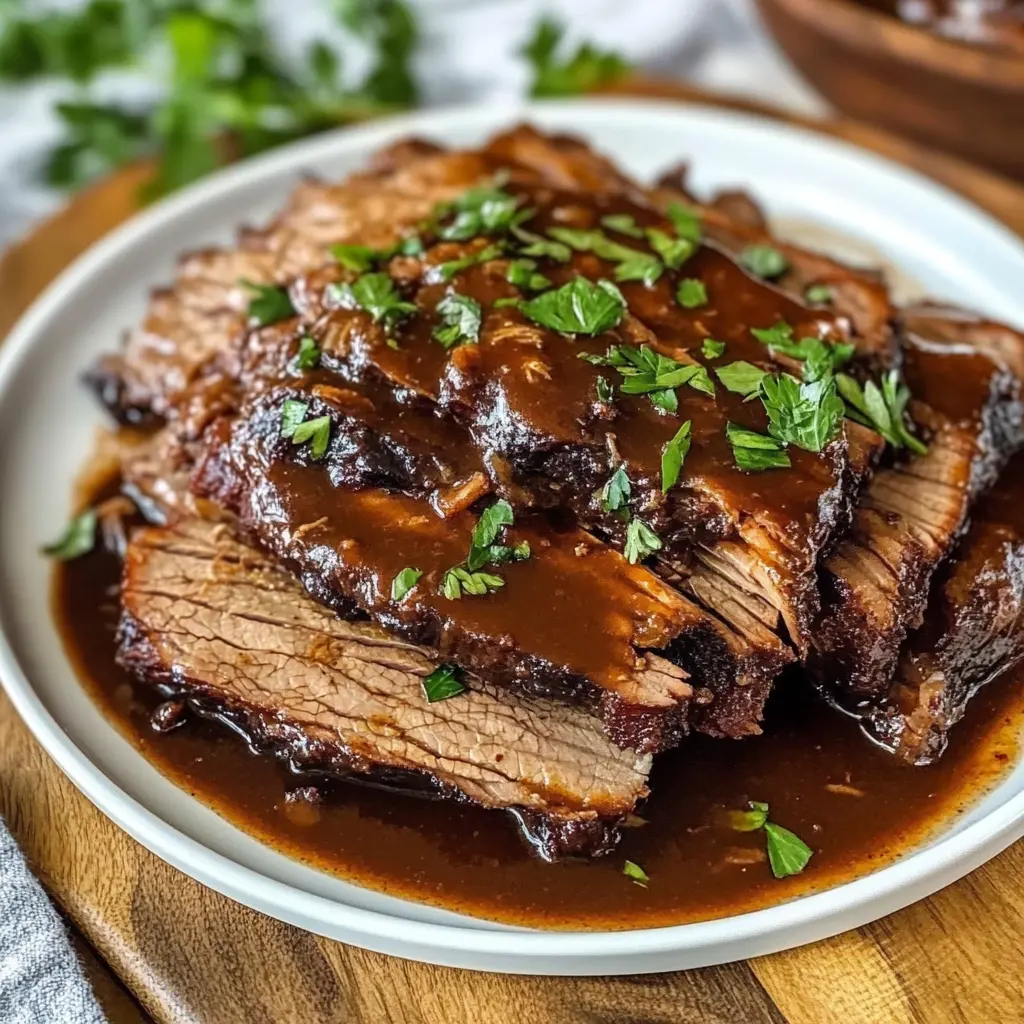
The Ultimate Guide to Slow Cooker Beef Brisket
Imagine this: you spend just 20 minutes in the morning tossing a few ingredients into your trusty slow cooker. Then, you go about your day while the most incredible aroma fills your home. Fast forward to dinnertime, and you’re rewarded with a masterpiece—meltingly tender, deeply flavorful beef brisket that falls apart at the touch of a fork. Sounds like magic, right? Well, it’s not. It’s the pure, simple power of low and slow cooking.
This ultimate guide is your one-stop resource for creating the most unforgettable slow cooker beef brisket you’ve ever tasted. We’re going to walk through everything, from picking the perfect cut of meat at the store to serving up a meal that will have everyone begging for seconds. So, let’s dive in and unlock the secrets to this effortless culinary triumph.
Introduction and Understanding Brisket
Slow Cooker Beef Brisket: Your Secret to Effortless, Mouthwatering Meals
Let’s be honest, the thought of making a classic beef brisket can be downright intimidating. Traditionally, it’s a marathon event involving giant smokers, constant temperature checks, and a whole lot of crossed fingers. But what if I told you that you could achieve similarly spectacular, fall-apart tender results with almost zero effort? Believe it or not, your humble slow cooker is the secret weapon you never knew you needed.
This guide is designed to demystify the entire process, transforming you from a brisket beginner into a certified pitmaster of the countertop appliance. We’ll cover the crucial first step of selecting the right cut, unveil a master recipe that never fails, and reveal pro tips for that perfect texture. Furthermore, we’ll explore delicious variations, answer all your burning questions, and ultimately, guarantee your brisket is nothing short of phenomenal. Get ready to become a hero at your next family dinner or weekend gathering.
Why Make Beef Brisket in a Slow Cooker?
Honestly, why wouldn’t you? The slow cooker is practically a miracle worker for a tough, flavorful cut like brisket. Firstly, it’s the ultimate set-it-and-forget-it cooking method. You simply do the quick prep work, then let the appliance work its low-heat magic for the next several hours while you’re free to live your life. Consequently, this long, gentle cooking process is the key to perfection; it slowly breaks down the tough collagen and connective tissues in the meat, transforming them into rich, unctuous gelatin. This, in turn, results in meat that is incredibly tender and juicy.
Moreover, unlike your oven, the Crock-Pot won’t heat up your entire kitchen—a major bonus during the warmer months. It also expertly locks in moisture and concentrates flavors, creating a deeply satisfying and aromatic dish. Ultimately, whether you’re a busy parent, a weekend entertainer, or just someone who loves a good meal, the slow cooker method is a foolproof path to a stunning beef brisket.
Understanding Your Beef Brisket: Flat Cut vs. Point Cut
Before you even think about recipes or rubs, you need to know what you’re buying. A whole beef brisketis actually made up of two distinct muscles that overlap, and they are often separated for sale. Understanding the difference is your first step to success.
The Flat Cut (First Cut)
The flat cut is the leaner, more uniform part of the brisket. It’s typically rectangular in shape and has a noticeable fat cap on one side. Because of its leaner nature and consistent thickness, it’s a fantastic choice if you prefer neat, even slices. However, this leanness means it has slightly less intrinsic fat to render down, so it requires careful cooking to avoid drying out. Don’t worry, though—our slow cookermethod is perfect for keeping it moist.
The Point Cut (Second Cut)
On the other hand, the point cut is the thicker, fattier, and more marbled half of the brisket. It’s kind of the untamed, flavor-packed cousin of the flat. This cut is irregularly shaped and boasts incredible intramuscular fat (marbling) that melts during cooking, naturally basting the meat from the inside out. Therefore, many pitmasters consider it the more flavorful and forgiving cut. It’s ideal for shredding and is less likely to dry out. For a first-timer, the point cut can be a wonderfully forgiving choice.
So, which one should you choose? Well, either cut will work beautifully in the slow cooker. If you want tidy slices, go for the flat cut. If you prioritize ultimate juiciness and don’t mind shredding or chopping, the point cut is your winner.
Preparation, Ingredients, and The Master Recipe
Alright, you’re sold on the idea and you know your cuts. Now, let’s get down to the nitty-gritty: actually making this legendary meal. Trust me, it’s far easier than you think. The magic truly lies in the preparation and choosing the right ingredients to build layers of flavor that will have your taste buds singing. So, grab your apron, and let’s transform that beautiful hunk of meat into a masterpiece.
How to Choose the Perfect Brisket for Slow Cooking
Walking up to the meat counter can feel a bit daunting, but fear not! Knowing what to look for is half the battle. First and foremost, think about size. For a standard 6 to 7-quart slow cooker, a 3 to 5-pound cut is your sweet spot. It’ll fit comfortably and cook evenly without overcrowding the pot.
Now, let’s talk quality. You don’t need to break the bank, but you should be picky. Here’s your quick checklist:
-
Marbling: This is non-negotiable! Look for thin, white streaks of fat running through the meat—that’s marbling. As it cooks, this fat will slowly render, basting your brisket from the inside and guaranteeing that incredible, melt-in-your-mouth texture. Lean meat is for other dishes; here, fat is your flavor best friend.
-
Color: A fresh packer brisket or flat should have a bright, cherry-red color. Avoid any meat that looks brownish or dull.
-
Fat Cap: One side will have a thicker layer of white fat. You want this! Just make sure it’s about a quarter-inch thick. You can always trim it down if it’s too much, but you can’t add it back if it’s not there. This cap acts like a built-in baster, protecting the meat during the long cooking process.
Essential Equipment You’ll Need
The beauty of this recipe is its simplicity. You likely already have everything you need right in your kitchen:
-
A 6-7 Quart Slow Cooker: The workhorse. Size matters here—too small, and it won’t fit; too large, and your braising liquid might evaporate too quickly.
-
A Large Skillet: While optional, I highly recommend searing your meat first. A good, heavy-bottomed skillet is perfect for creating a gorgeous crust.
-
Sharp Knife and Cutting Board: Essential for trimming the brisket and prepping your aromatics.
-
Tongs: For safely turning the heavy brisket in the skillet.
-
Measuring Spoons and Cups: For your rub and liquids. Accuracy here builds flavor.
-
Aluminum Foil: Absolutely crucial for resting the meat after cooking. Don’t skip this!
The Ultimate Slow Cooker Beef Brisket Recipe
This is it—the master recipe that never fails. It’s a classic flavor profile that serves as a perfect blank canvas, yet it’s delicious enough to stand entirely on its own.
Ingredients for the Rub and Braising Liquid
For the Dry Rub:
-
2 tablespoons dark brown sugar (adds a subtle sweetness and helps with the bark)
-
1 tablespoon smoked paprika (for that classic color and smoky essence)
-
2 teaspoons garlic powder
-
2 teaspoons onion powder
-
1 teaspoon kosher salt (or ¾ teaspoon table salt)
-
1 teaspoon freshly ground black pepper
-
1 teaspoon ground cumin
-
Optional Pro Tip: Add 1 teaspoon of instant espresso powder for an incredible depth of flavor that mimics Texas-style pits.
For the Braising Liquid:
-
1 large yellow onion, sliced
-
4 cloves garlic, minced
-
1 cup beef broth (use a good quality low-sodium version)
-
¼ cup Worcestershire sauce (a flavor powerhouse)
-
1 tablespoon liquid smoke (The SECRET WEAPON! This single ingredient is the cheat code for that outdoor smokiness.)
Step-by-Step Instructions
Step 1: Preparing the Brisket (Trimming)
Place your brisket on a clean cutting board, fat-side up. Now, using your sharp knife, carefully trim that fat cap down to about ¼-inch thickness. Why? Well, you want enough fat to baste the meat, but not so much that it creates a greasy, unappetizing layer. Conversely, don’t go crazy; a little fat is a very good thing. Finally, pat the entire brisket completely dry with paper towels. This is a critical step for getting that perfect sear.
Step 2: Creating the Flavor Foundation (The Rub)
In a small bowl, whisk together all of your dry rub ingredients. Then, take this mixture and massage it vigorously into every single surface of the brisket—top, bottom, and sides. Don’t be shy! You want a nice, even coating that will form a delicious “bark” or crust. At this point, you can cook it immediately, but for an even deeper flavor, wrap it and let it hang out in the fridge for anywhere from one hour to overnight.
Step 3: The Secret to Depth of Flavor (Searing)
Alright, here’s the step that separates good brisket from great brisket. Searing is 100% worth the extra pan to wash. Heat a tablespoon of oil (avocado or canola work well) in your large skillet over medium-high heat until it’s shimmering. Carefully place the seasoned brisket in the hot skillet, fat-side down if possible. You should hear a satisfying sizzle. Let it cook, undisturbed, for 3-4 minutes per side until a beautiful, dark brown crust forms. This process, called the Maillard reaction, creates complex, savory flavors that will infuse the entire dish. It’s the absolute key to a rich, deep taste.
Step 4: The Slow Cook
Now, for the easy part! Scatter the sliced onions and minced garlic in the bottom of your slow cookerinsert. This creates a natural rack and perfumes the meat from below. Gently place the seared brisket on top of the onion bed, fat-side up. This allows the rendering fat to drip down over the meat as it cooks. Next, carefully pour the beef broth, Worcestershire sauce, and liquid smoke around the sides of the brisket. Please, do not pour it over the top! You’ve worked hard for that crust and rub; let it stay intact.
Once everything is in, place the lid on securely. Set your cooker to LOW and walk away for 8 to 10 hours. I know it’s tempting, but resist the urge to lift the lid! Each peek adds significant cooking time. Let the appliance do its thing.
Step 5: The Rest is Mandatory
When the time is up, your home will smell like heaven. The brisket should be tender enough to shred with a fork. Using tongs and maybe a spatula for support, carefully transfer the beautifully cooked brisket to a clean cutting board or platter. Immediately tent it loosely with aluminum foil and walk away again. Let it rest for at least 20-30 minutes. This allows the muscle fibers to relax and reabsorb all those incredible juices. If you skip this and cut right in, all the juices will run out, leaving you with a drier result. Patience is a virtue, especially here.
The wait is over! That incredible aroma has been teasing you all day, and now it’s finally time to enjoy the fruits of your—well, mostly your slow cooker’s—labor. But hold on just a second! The final steps are what separate a good home cook from a true kitchen maestro. How you handle, slice, and serve your brisket is just as important as how you cooked it. So, let’s turn that perfectly tender masterpiece into a picture-perfect plate.
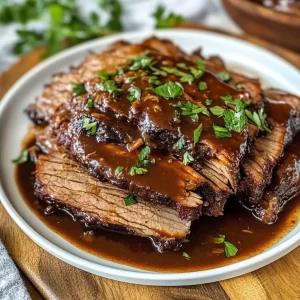
Slicing and Serving Your Masterpiece
You’ve patiently let the brisket rest; now comes the moment of truth. Cutting into it wrong is, unfortunately, the easiest way to undo all your hard work. But don’t worry, it’s a simple trick to master.
H2: How to Slice Brisket Against the Grain
This is the single most important rule for tender brisket. Think of the meat’s muscle fibers like a bundle of straws. If you cut them the long way (with the grain), you’re serving long, tough strands that your teeth have to fight through. However, if you cut across those straws (against the grain), you’re creating short, easy-to-chew pieces.
Here’s how to do it:
-
Locate the Direction: Look closely at your cooked brisket. You’ll see lines or grooves running in one direction—this is the “grain.”
-
Position Your Knife: Take a sharp slicing or chef’s knife and position it perpendicular (at a 90-degree angle) to those lines.
-
Slice with Confidence: Make smooth, thin slices (about pencil-width) across the grain. You’ll immediately feel the difference—the knife should glide through with little resistance.
For a flat cut, the grain usually runs the length of the cut. For a thicker point cut, the grain can change direction, so stay alert and adjust your slicing angle as needed. The result will be unbelievably tender slices that practically melt in your mouth.
Making a Gravy from the Cooking Juices
Don’t you dare pour that liquid gold left in the slow cooker down the drain! It’s packed with concentrated flavor and is the base for an incredible, simple gravy.
-
Strain and Defat: Carefully pour the juices from the crock into a glass measuring cup or a fat separator. Let it sit for a minute so the fat rises to the top. Skim off as much of the clear fat as you can with a spoon. Alternatively, you can strain the juices through a fine-mesh sieve into a saucepan to remove the onions and garlic bits.
-
Thicken: Place the defatted juices in a saucepan over medium heat on the stove. In a small bowl, make a “slurry” by whisking together two tablespoons of cornstarch with two tablespoons of cold water until it’s completely smooth.
-
Combine: While whisking the simmering juices constantly, slowly drizzle in the cornstarch slurry. Almost immediately, the liquid will begin to thicken. Let it simmer for just a minute or two until it reaches your desired gravy consistency. Season with a pinch of salt and pepper if needed.
You now have a rich, savory gravy that is the perfect finishing touch for your slow cooker brisket and whatever you serve alongside it.
What to Serve with Slow Cooker Beef Brisket
This versatile dish plays well with so many sides! Here are some classic and creative ideas to build your ultimate comfort food plate:
-
The Classic Comfort Plate: Creamy mashed potatoes are a non-negotiable for many, perfect for soaking up that glorious gravy. Add some simply roasted carrots or glazed carrots and a crisp green vegetable like garlicky green beans or roasted broccoli.
-
The Tex-Mex Fiesta: Shred the brisket and serve it with warm cornbread, a tangy vinegar-based coleslaw, and a side of cowboy beans (pinto beans baked in a sweet and smoky sauce).
-
The Ultimate Sandwich: Pile thin slices or shredded meat onto soft brioche buns or Kaiser rolls. Top with a dollop of tangy BBQ sauce, a spoonful of that homemade coleslaw, and a couple of pickle chips for an epic sandwich experience.
-
Simple & Fresh: Balance the rich meat with lighter sides. A classic coleslaw or a fresh herb salad with a vinaigrette cuts through the richness beautifully. Buttered egg noodles or a simple rice pilaf also make fantastic, easy bases.
Pro Tips for the Best Slow Cooker Brisket
You’ve got the recipe down, but these little extra touches are what the pros swear by.
-
Don’t Peek!: I know, I’ve said it before, but it’s that important. Lifting the lid lets out a massive amount of heat and steam, drastically increasing the cooking time. Trust the process!
-
Low and Slow is the Only Way to Go: Cooking on HIGH will cause the muscle fibers to contract and squeeze out moisture, resulting in a tough, chewy brisket. The LOW setting is mandatory for that tender, shreddable texture.
-
The Liquid Smoke Advantage: Don’t be skeptical about this ingredient! A small amount mimics the flavor of a wood-fired smoker incredibly well, adding an authentic barbecue depth that you simply can’t get from spices alone.
-
How to Tell When the Brisket is Done: It’s not about internal temperature with this method; it’s about feel. The brisket is done when it’s “probe-tender.” Poke it with a fork, a skewer, or the tip of a paring knife. If it slides in and out with little to no resistance, as if you’re poking a stick into a jar of soft butter, it’s perfect. If you feel any toughness or tightness, give it another 30-60 minutes.
You’ve mastered the classic! But the true beauty of this slow cooker beef brisket is its incredible versatility. It’s a blank canvas waiting for your culinary creativity. Furthermore, knowing how to handle leftovers properly means your efforts can delight you for days to come. And finally, let’s tackle those common questions that might be popping up in your head right about now.
Delicious Recipe Variations
Once you’re comfortable with the basic method, feel free to take a delicious detour and explore these popular flavor profiles. Simply swap out the rub and braising liquid ingredients to travel the world from your kitchen counter.
Texas-Style Brisket
True to its roots, this version is all about the pure, unadulterated flavor of beef and smoke. The rub is beautifully simple, letting the quality of the meat shine.
-
The Rub: Ditch the complex spice blend. Instead, use a generous coating of roughly equal parts coarse kosher salt and freshly cracked black pepper. That’s it! This classic combo is legendary for a reason.
-
The Braising Liquid: Replace the beef broth with strong black coffee or beef consommé for an incredibly rich, deep base. The coffee doesn’t make it taste like coffee; instead, it enhances the smoky, earthy notes perfectly. Keep the Worcestershire sauce and liquid smoke.
BBQ Brisket
For those who love a sweet, tangy, and sticky sauce, this is the variation for you. It’s a crowd-pleaser every single time.
-
The Rub: You can use the master recipe rub or a simpler paprika-based blend.
-
The Braising Liquid: Use a full cup of a good, store-bought BBQ sauce thinned with ½ cup of beef broth instead of the Worcestershire-beef broth mix. Alternatively, you can cook it with just broth and then, during the last 30 minutes of cooking, carefully remove the lid, pour your favorite sauce over the top, and let it cook uncovered to thicken and caramelize slightly.
Jewish-Style Braised Brisket
This traditional preparation is hearty, sweet, and savory, often served during holidays. It’s a timeless classic that feels like a warm hug.
-
The Rub: A simple rub of salt, pepper, and garlic powder works well here.
-
The Braising Liquid: This is where the magic happens. Instead of the ingredients in the master recipe, use a mixture of one can of condensed cream of mushroom soup, a packet of dry onion soup mix, and about a cup of beef broth. The result is a fantastically rich and savory gravy. Another classic method involves using liberal amounts of sliced onions, a cup of tomato sauce, and a tablespoon of brown sugar for a sweet-and-sour profile.
Storing, Freezing, and Reheating Leftovers
If you’re lucky enough to have leftovers, they might be even better the next day! Here’s how to keep them tasting fantastic.
-
Storage: First, let the cooked brisket cool down to room temperature. Then, store it in an airtight container, making sure to include some of the cooking juices to keep it moist. It will stay good in the refrigerator for up to 4 days.
-
Freezing: This is a fantastic make-ahead meal. Brisket freezes exceptionally well. Slice or shred the cooled meat, place it in a freezer-safe bag or container, and cover it with the defatted gravy or cooking juices. This prevents freezer burn. It can be frozen for up to 3 months. Remember to label it with the date!
-
Reheating: The key is gentle, even reheating. Do not microwave it, as this can make the meat tough and rubbery. For the best results, thaw frozen brisket overnight in the fridge. Then, place the meat and juices in a covered oven-safe dish. Reheat it in a preheated 300°F (150°C) oven for 20-30 minutes, or until it’s warmed through. You can also reheat it gently in a covered saucepan on the stovetop over low heat, adding a splash of broth or water if it seems dry.
Frequently Asked Questions (FAQs)
Let’s clear up some of the most common confusions and concerns to ensure your brisket is always a success.
Should I put the brisket in fat side up or down?
A: Fat side up, always! This is the golden rule for slow cooker and oven braising. As the dish slowly cooks, the fat cap gradually renders and melts, continuously basting the meat directly below it. This natural process keeps the top of the brisket incredibly moist and flavorful throughout the long cooking time.
Do I need to add water to the slow cooker for brisket?
A: Absolutely not. In fact, adding too much water is a common mistake. You are braising, not boiling. The combination of the beef broth, Worcestershire sauce, and the copious amount of juices and fat that the brisket itself releases creates more than enough liquid to create a steamy environment and prevent burning. Submerging the brisket would cause it to stew and boil, leading to a tough, stringy texture.
Why is my slow cooker brisket tough?
A: Ninety-nine times out of a hundred, a tough brisket means it is undercooked. Remember, brisket is a notoriously tough cut full of collagen. This collagen needs sufficient time at a low temperature to break down into soft, luxurious gelatin. If it’s tough, it simply hasn’t cooked long enough. The fantastic fix is easy: just place it back in the pot, add a bit more liquid if needed, and continue cooking on LOW for another 1-2 hours until it becomes probe-tender.
Can I cook a frozen brisket in the slow cooker?
A: This is strongly not recommended for critical food safety reasons. According to the official food safety guidelines for using a slow cooker, a large, frozen piece of meat like a brisket may stay in the “danger zone” (between 40°F and 140°F) for too long as it thaws, allowing harmful bacteria to grow. Always thaw your brisket completely in the refrigerator for 24-48 hours before cooking.
Conclusion and Your Brisket Journey
Well, there you have it! You’ve journeyed from a brisket novice to a bona fide slow cooker expert, armed with all the knowledge you need to create a truly spectacular meal. We’ve covered the crucial initial step of selecting the right cut, unlocked the secrets of a flawless sear and a potent dry rub, and emphasized the non-negotiable importance of patience during the cooking and resting phases. Moreover, you now possess a toolkit of delicious variations and the know-how to handle leftovers like a pro.
The true beauty of this slow cooker beef brisket method is its incredible accessibility. You don’t need a expensive smoker or years of pitmaster experience. In fact, all you need is a few simple ingredients, a reliable appliance, and the confidence to trust the process. This dish is perfect for a cozy Sunday family dinner, a stress-free holiday centerpiece, or a surefire way to wow guests at a potluck.
So, what are you waiting for? Grab that beautiful cut of meat, channel your inner chef, and get ready for some of the most tender, flavorful, and rewarding cooking you’ll ever do. Your slow cooker is about to become your most valued kitchen ally.
Happy cooking!
Slow Cooker Beef Brisket
Description
🥘 Slow Cooker Beef Brisket
Ingredients
-
3–4 lb beef brisket (flat cut works best)
-
2 tbsp olive oil
-
1 large onion, sliced
-
4 garlic cloves, minced
-
1 cup beef broth
-
1 cup barbecue sauce (or tomato sauce if you prefer less sweet)
-
2 tbsp Worcestershire sauce
-
2 tbsp soy sauce
-
2 tbsp brown sugar or honey (optional, for a touch of sweetness)
-
2 tsp smoked paprika
-
1 tsp chili powder
-
1 tsp ground cumin
-
1 tsp salt
-
½ tsp black pepper
-
Fresh parsley, chopped (for garnish)
Instructions
1. Sear the Brisket (Optional but Recommended)
-
Heat olive oil in a skillet over medium-high heat.
-
Season brisket with salt, pepper, smoked paprika, chili powder, and cumin.
-
Sear on all sides until browned (about 4–5 minutes per side).
2. Slow Cook
-
Place sliced onions and garlic in the bottom of the slow cooker.
-
Lay brisket on top.
-
Mix beef broth, barbecue sauce, Worcestershire, soy sauce, and brown sugar in a bowl. Pour over the brisket.
-
Cover and cook on Low for 8–10 hours or High for 5–6 hours, until fork-tender.
3. Finish & Serve
-
Remove brisket and let rest for 10 minutes before slicing against the grain.
-
Optional: Simmer the cooking liquid in a saucepan for 10–15 minutes to reduce into a thicker gravy.
-
Serve brisket slices topped with sauce and fresh parsley.
Serving Ideas
-
With mashed potatoes and roasted vegetables
-
On toasted buns as brisket sandwiches with coleslaw
-
Over buttered noodles or rice for a hearty meal