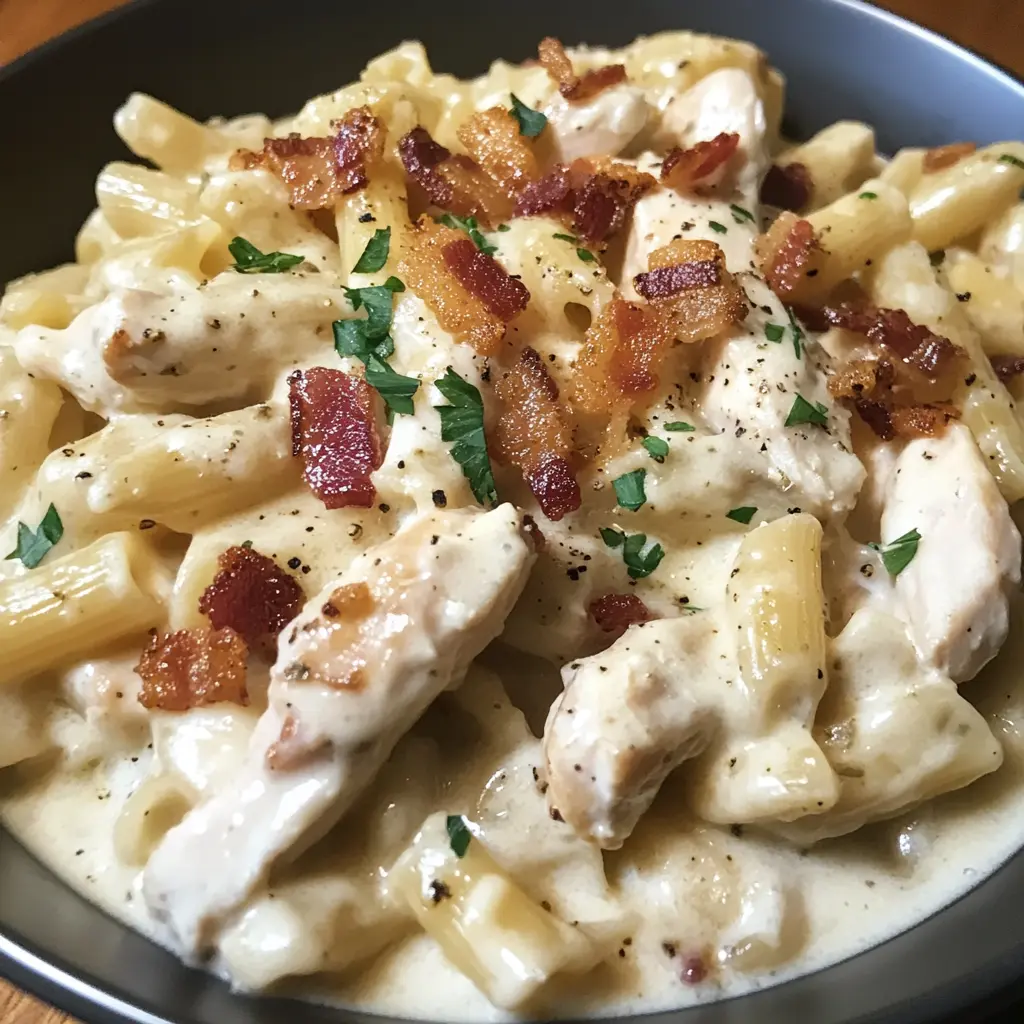
Slow Cooker Chicken Bacon Ranch Pasta
Introduction
Slow Cooker Chicken Bacon Ranch Pasta transforms simple ingredients into an extraordinary comfort food experience. Furthermore, this creamy, flavor-packed dish combines tender chicken, crispy bacon, and zesty ranch seasoning with perfectly cooked pasta. Additionally, the slow cooker does all the heavy lifting while you enjoy your day. This hands-off approach makes it perfect for busy weeknights when you want a homemade meal without spending hours in the kitchen. Moreover, the combination of protein-rich chicken and satisfying pasta creates a complete meal that pleases the whole family.
What Makes This Dish Special
This recipe stands out because it delivers restaurant-quality flavor with minimal effort. The slow cooking process allows the chicken to become incredibly tender while absorbing all the savory ranch seasonings. Meanwhile, the bacon adds a smoky, salty component that perfectly complements the creamy sauce. The ranch seasoning, typically made from dried parsley, dill, chives, garlic, and onion, creates a complex flavor profile without requiring numerous individual ingredients.
Additionally, this dish offers exceptional versatility for different dietary preferences and schedules. You can easily adjust cooking times based on whether you’re home all day or need a faster meal. The recipe also accommodates various pasta shapes and allows for customization with additional vegetables like spinach or bell peppers.
Key Ingredients
Chicken Breasts
Boneless, skinless chicken breasts serve as the protein foundation of this dish. Generally, you’ll need 1.5 to 2 pounds for a family-sized meal. The lean protein in chicken provides approximately 32 grams per 3.5-ounce serving, making it an excellent choice for muscle building and weight management. Moreover, chicken breast contains essential vitamins including B6, B12, niacin, and selenium, which support metabolism and immune function.
Bacon
Crispy bacon pieces add smoky flavor and satisfying texture to the dish. Typically, 6 to 8 strips work well for this recipe. Cook the bacon beforehand until crispy, then crumble it into bite-sized pieces. Alternatively, turkey bacon offers a leaner option while maintaining that signature bacon taste.
Ranch Seasoning
Ranch seasoning packets or homemade blends form the flavor backbone of this recipe. A standard 1-ounce packet contains dried herbs like parsley, dill, and chives combined with garlic and onion powder. These ingredients create that distinctive ranch taste everyone loves without added complexity.
Creamy Components
The sauce requires several dairy ingredients to achieve its signature richness. Cream cheese, typically 8 ounces cubed, provides body and tanginess. Heavy cream adds luxurious smoothness, while shredded cheddar cheese contributes sharp, savory notes. Additionally, sour cream can enhance the tangy profile in some variations.
Pasta Selection
Choose sturdy pasta shapes that hold up well to creamy sauces. Rotini, penne, or spaghetti work excellently for this dish. Plan for approximately one pound of dried pasta to serve 4-6 people. Importantly, cook pasta separately to al dente before combining it with the sauce to prevent mushiness.
Supporting Ingredients
Chicken broth keeps the chicken moist during cooking, with half a cup to one cup being typical. Fresh or frozen spinach adds nutritional value and color, while garlic provides aromatic depth. Black pepper seasons the chicken without overwhelming other flavors.
Nutritional Benefits
Protein Powerhouse
This dish delivers substantial protein from multiple sources. Chicken breast offers all essential amino acids needed for muscle repair and growth. A single serving provides roughly 25-37 grams of protein depending on portion size. This high protein content helps maintain satiety and supports healthy weight management goals.
Vitamin and Mineral Content
Chicken contributes significant amounts of niacin, vitamin B6, phosphorus, selenium, and zinc to the meal. These nutrients support various bodily functions including metabolism, immune response, and bone health. For instance, 100 grams of chicken breast provides about 13.7 mg of niacin. Additionally, the dairy components add calcium for bone strength.
Caloric Considerations
A typical serving contains approximately 377-400 calories, making it a substantial but reasonable meal option. The macronutrient breakdown includes about 42-45 grams of carbohydrates from pasta, 14-15 grams of fat from dairy and bacon, and 23-25 grams of protein. This balanced profile provides sustained energy throughout the day.
Customization for Health Goals
You can easily modify this recipe to align with specific nutritional objectives. Substituting whole grain pasta increases fiber content significantly. Using reduced-fat dairy products lowers overall fat and calorie counts while maintaining the creamy texture. Furthermore, adding vegetables like spinach, tomatoes, or bell peppers boosts vitamin and mineral content.
Equipment Needed
Slow Cooker Specifications
A 6-quart or 8-quart slow cooker works best for this recipe. The larger capacity ensures adequate space for ingredients without overcrowding. According to food safety guidelines, slow cookers should be filled between half full and two-thirds full for optimal heat distribution. Most slow cookers heat between 170°F and 280°F, with low settings around 170°F and high settings reaching 280°F.
Additional Tools
You’ll need a large pot for cooking pasta separately according to package directions. Two forks help shred the cooked chicken easily within the slow cooker. A sharp knife and cutting board prepare bacon and vegetables. Additionally, measuring cups and spoons ensure accurate ingredient proportions.
Step-by-Step Instructions
Initial Preparation
First, season the chicken breasts with black pepper on all sides. Place them in the bottom of your slow cooker. Pour chicken broth around the chicken pieces rather than directly on top to maintain even moisture distribution. This technique prevents the chicken from becoming waterlogged while keeping it tender.
Adding Flavor Components
Next, sprinkle the entire packet of ranch seasoning mix evenly across the chicken breasts. Cube the cream cheese into 8 equal pieces and distribute them over the chicken. This arrangement allows the cream cheese to melt gradually and incorporate into the cooking liquid as the dish progresses.
Cooking Timeline
Cover the slow cooker with its lid and set your desired cooking time. For low heat, cook for 6-8 hours. Alternatively, high heat requires only 3-4 hours. The chicken reaches safe consumption at 165°F internal temperature, though slow cooking typically brings it higher for enhanced tenderness. Resist opening the lid during cooking, as each peek adds approximately 20 minutes to total cooking time.
Creating the Sauce
Once the chicken finishes cooking, carefully remove it from the slow cooker and set aside on a cutting board. Add shredded cheddar cheese to the cooking liquid remaining in the slow cooker, stirring until fully melted and incorporated. Pour in the heavy cream while continuing to stir. Fold in chopped spinach and crumbled bacon pieces, mixing thoroughly.
Final Assembly
Shred or chop the cooked chicken into bite-sized pieces using two forks or a knife. Return the chicken to the slow cooker and stir to combine with the creamy sauce. Cover and cook for an additional 30 minutes on low heat to allow flavors to meld. During this final cooking period, prepare your pasta in a separate pot according to package directions, draining it at the al dente stage.
Serving
Combine the cooked pasta with the chicken bacon ranch mixture directly in the slow cooker. Alternatively, plate individual servings of pasta and top with the creamy chicken mixture. Serve immediately while hot for the best texture and flavor experience.
Expert Tips for Success
Pasta Cooking Technique
Always cook pasta separately rather than adding dried pasta to the slow cooker. Adding uncooked pasta directly results in mushy, overcooked noodles that absorb too much liquid. The best approach involves cooking pasta to al dente in boiling water just before serving, then tossing it with the prepared sauce. This method ensures optimal texture and prevents the pasta from continuing to soften in the residual heat.
Temperature Management
Start your slow cooker on high for the first hour, then reduce to low for all-day cooking. This technique brings food through the temperature danger zone more quickly, reducing bacterial risk. The USDA recommends that slow cookers reach 125°F within three hours and 140°F within four hours for food safety. Maintaining temperature at 158°F for at least one hour kills all bacteria.
Ingredient Preparation
Thaw frozen chicken completely before placing it in the slow cooker. Frozen meat takes too long to reach safe temperatures, potentially allowing bacterial growth. Cut any vegetables into small pieces to promote rapid, even heating. Additionally, consider searing chicken breasts in a hot pan before slow cooking to add extra flavor depth through caramelization.
Avoid Overcrowding
Never fill your slow cooker beyond two-thirds capacity. Overcrowding prevents proper heat circulation and extends cooking time unpredictably. If doubling the recipe, use two slow cookers rather than cramming everything into one vessel. Proper spacing ensures even cooking and food safety compliance.
Bacon Preparation
Pre-cook bacon until crispy before adding it to the slow cooker. Raw bacon renders too much fat during slow cooking, creating a greasy sauce. Cooked, crumbled bacon maintains its texture better and distributes evenly throughout the dish. Drain bacon on paper towels after cooking to remove excess grease.
Cheese Selection
Use freshly shredded cheese rather than pre-shredded varieties. Pre-shredded cheese contains anti-caking agents that can create grainy textures when melted. Freshly shredded cheddar melts smoothly and incorporates seamlessly into the sauce. Sharp cheddar provides more pronounced flavor than mild varieties.
Serving Suggestions
Side Dishes
Pair Slow Cooker Chicken Bacon Ranch Pasta with complementary sides that balance the rich, creamy main dish. A crisp green salad with light vinaigrette provides refreshing contrast. Garlic bread or crusty rolls help soak up extra sauce. Steamed or roasted vegetables like broccoli, green beans, or asparagus add nutritional value and color to the plate.
Garnish Options
Enhance visual appeal and flavor with thoughtful garnishes. Freshly chopped parsley or chives echo the herbs in ranch seasoning. Additional crispy bacon crumbles on top add textural interest. A light dusting of grated Parmesan cheese contributes salty, umami notes. Cracked black pepper provides a subtle kick.
Portion Sizes
This recipe typically serves 4-6 people depending on appetite and accompanying sides. A standard serving size contains approximately 250 grams of the pasta mixture. Plan for larger portions if serving as the sole main course without substantial sides. Conversely, smaller portions work well when offering multiple dishes buffet-style.
Storage and Meal Prep
Refrigeration Guidelines
Store leftover Slow Cooker Chicken Bacon Ranch Pasta in airtight containers within two hours of cooking. The dish keeps safely in the refrigerator for 3-4 days. Never leave cooked food to cool in the slow cooker, as it stays in the temperature danger zone too long. Instead, transfer to shallow containers for rapid cooling.
Freezing Instructions
This recipe freezes reasonably well for up to 2-3 months, though the texture of pasta and dairy may change slightly. Cool the dish completely before portioning into freezer-safe containers. Leave some headspace for expansion during freezing. Label containers with the date and contents.
Reheating Methods
Reheat refrigerated leftovers in the microwave, stirring every minute until heated through. Alternatively, warm on the stovetop over medium-low heat, adding a splash of chicken broth or cream to restore creamy consistency. Never reheat leftovers in the slow cooker, as it takes too long to reach safe temperatures. Ensure reheated food reaches 165°F throughout before serving.
Make-Ahead Strategies
Prep ingredients the night before for easy morning assembly. Cut chicken into smaller pieces for faster cooking. Pre-measure seasonings and keep them in small containers. Cook and crumble bacon in advance, storing it in the refrigerator. These steps reduce morning preparation time significantly while maintaining recipe quality.
Common Mistakes to Avoid
Overcooking Pasta
The biggest error involves adding uncooked pasta directly to the slow cooker with the sauce. This technique produces mushy, unappetizing noodles that absorb too much liquid. Always cook pasta separately in boiling water until al dente, then combine it with sauce just before serving.
Opening the Lid Frequently
Each time you lift the slow cooker lid, heat escapes and extends cooking time by about 20 minutes. Resist the urge to check progress constantly. Trust the process and only open the lid when the recipe specifically calls for adding ingredients or checking doneness.
Using Frozen Chicken
Placing frozen chicken breasts in the slow cooker creates food safety risks. The meat spends too long in the temperature danger zone between 40°F and 140°F, allowing potential bacterial growth. Always thaw chicken completely in the refrigerator before beginning slow cooker recipes.
Skipping the Resting Period
After adding cream, cheese, and vegetables, the mixture needs 30 minutes to meld flavors and reach proper consistency. Rushing this step results in a separated, watery sauce that doesn’t coat pasta properly. Be patient and allow the extra cooking time for best results.
Wrong Slow Cooker Size
Using a slow cooker that’s too small causes overcrowding and uneven cooking. Conversely, an oversized slow cooker prevents proper heat concentration. Match your equipment to your recipe size, keeping the cooker between half and two-thirds full for optimal performance.
Recipe Variations
Vegetable Additions
Boost nutritional value by incorporating additional vegetables. Diced bell peppers add color and sweetness. Cherry tomatoes provide acidic brightness that cuts through richness. Mushrooms contribute earthy, umami flavors. Broccoli florets increase fiber content. Add heartier vegetables at the beginning of cooking, while delicate greens like spinach go in during the final 30 minutes.
Protein Alternatives
Substitute chicken thighs for breasts if you prefer darker, fattier meat. Turkey bacon replaces regular bacon for a leaner option. Diced ham offers similar salty, smoky notes with different flavor nuances. For variety, try combining multiple proteins like chicken and shrimp.
Spice Level Adjustments
Add red pepper flakes or cayenne pepper to the ranch seasoning for heat. Diced jalapeños or poblano peppers introduce fresh spiciness. Conversely, reduce pepper entirely for kid-friendly versions. The ranch base accommodates various spice levels without compromising core flavors.
Dairy Modifications
Use Greek yogurt in place of sour cream for tanginess with added protein. Swap heavy cream for half-and-half to reduce fat content while maintaining creaminess. Different cheese varieties like Monterey Jack, mozzarella, or Colby create unique flavor profiles. Dairy-free versions can incorporate cashew cream and nutritional yeast.
Pasta Shape Variations
While rotini and penne work wonderfully, other shapes suit this sauce equally well. Bowtie pasta catches sauce in its folds. Rigatoni’s large tubes hold chunky ingredients. Spaghetti creates a more traditional presentation. Whole grain or legume-based pasta increases nutritional density.
Frequently Asked Questions
Can I use fresh ranch dressing instead of seasoning mix?
No, fresh ranch dressing contains too much liquid for this recipe. The dry seasoning mix provides concentrated flavor without adding excess moisture that would thin the sauce. If you only have fresh dressing, reduce other liquid ingredients significantly to compensate.
How do I know when the chicken is fully cooked?
Insert an instant-read thermometer into the thickest part of the chicken breast. It should register at least 165°F for safe consumption. Additionally, properly cooked chicken appears white throughout with no pink color and produces clear juices when pierced.
Can I make Slow Cooker Chicken Bacon Ranch Pasta ahead of time?
Yes, you can prepare components in advance. Cook the chicken mixture in the slow cooker, then refrigerate it separately from pasta. When ready to serve, reheat the sauce on the stovetop while cooking fresh pasta. This approach maintains better texture than reheating everything together.
What’s the best way to shred chicken in the slow cooker?
Use two forks to pull the chicken apart while it’s still in the slow cooker. Hold one fork steady while using the other to tear the meat along its natural grain. Alternatively, remove chicken to a cutting board and chop it with a knife for chunkier pieces.
How can I thicken the sauce if it’s too watery?
Mix one tablespoon of cornstarch with two tablespoons of cold water to create a slurry. Stir this into the sauce during the final 30 minutes of cooking. Alternatively, reduce the amount of chicken broth in the original recipe or add extra cream cheese for a thicker consistency.
Is it safe to leave my slow cooker on all day while I’m at work?
Yes, slow cookers are designed for extended, unattended cooking. Ensure your slow cooker is in good working condition and placed on a heat-safe surface away from curtains or other flammable materials. Follow manufacturer guidelines regarding cooking times and temperature settings for maximum safety.
Conclusion
Slow Cooker Chicken Bacon Ranch Pasta delivers outstanding flavor with minimal hands-on effort, making it perfect for busy households. The combination of tender chicken, crispy bacon, and creamy ranch sauce creates a satisfying meal that appeals to all ages. By following proper slow cooking techniques and food safety guidelines, you’ll consistently produce restaurant-quality results in your own kitchen.
This versatile recipe accommodates various dietary preferences and schedule constraints. Whether cooking on low for 6-8 hours or high for 3-4 hours, the slow cooker does the heavy lifting while you focus on other priorities. Moreover, the nutritional benefits of lean chicken protein combined with customizable vegetable additions make this dish both delicious and nourishing.
Print