
A Taste of the Bayou in Your Kitchen
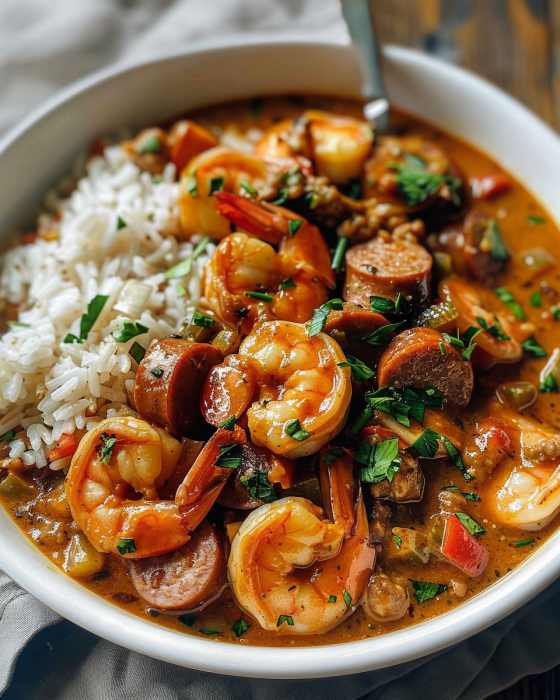
Picture this: the enticing, savory aroma of smoked sausage and the holy trinity of vegetables sizzling in a dark, nutty roux slowly fills your home. A pot of something incredible is simmering away, promising a depth of flavor that only comes from patience and care. This isn’t just dinner; it’s a weekend project, a culinary adventure, and a direct ticket to the heart of Louisiana. We’re talking about a classic Spicy Weekend Gumbo with Shrimp and Sausage—a hearty, soul-warming stew that is absolutely worth the time. This guide will be your trusted companion, walking you through each step to create an authentic Louisiana gumbo that’s bursting with flavor and tradition. So, roll up your sleeves; we’re about to make something unforgettable.
Spicy Weekend Gumbo with Shrimp and Sausage: A Culinary Journey to the Heart of Louisiana
Alright, let’s get down to it! Firstly, what makes a simple pot of stew transform into a legendary Cajun gumbo recipe? Well, it’s all about the journey. Indeed, this dish is the official state cuisine of Louisiana for a reason; it’s a magnificent melting pot of history and flavor. Consequently, every spoonful tells a story of West African, French, Spanish, and Native American influences. Traditionally, this shrimp and sausage stew was a Saturday staple, simmering for hours to feed a crowd after a long week. Thankfully, you don’t have to be a Cajun chef to master it!
Furthermore, this particular guide is designed for a relaxed weekend. Why? Because the best things in life—and in cooking—can’t be rushed. Ultimately, we’re aiming for a rich, spicy seafood gumbo with layers of complex taste. From the deep, copper-colored dark roux to the holy trinity of vegetables and the kick of andouille sausage, each element plays a crucial role. Moreover, we’ll explore the secrets to achieving that perfect consistency and flavor balance. So, get ready to embrace the process; the result is a comforting, one-pot meal that’s perfect for sharing and sure to impress.
The Foundation: Ingredients & Equipment
Gathering Your Ingredients: A Checklist for Authentic Flavor
Before we fire up the stove, let’s talk ingredients. Using the right components is non-negotiable for authentic flavor. Think of it as gathering your cast for a blockbuster movie—every player has a pivotal role!
The Holy Trinity: The Aromatic Heart
This isn’t just chopped veggies; it’s the soulful base of so much Southern cooking. You’ll need one large onion, one green bell pepper, and three to four celery ribs, all finely diced. They will sweeten, soften, and create an incredible foundation as they melt into the roux.
The Protein Stars: Shrimp and Sausage
For the seafood, aim for a pound of large, wild-caught shrimp (size 26/30 is perfect). Peeled and deveined saves time, but hold onto those shells! We’ll use them to make a quick, potent stock that adds an unbelievable depth of flavor.
Now, for the sausage: this is key. You absolutely want andouille sausage. This smoky, coarse-ground pork sausage packs a serious, spicy punch that defines the dish. If you absolutely can’t find it, a other smoked sausage will work in a pinch, but the flavor profile will shift.
The Flavor Builders: Roux, Stock, and Spices
-
Fat & Flour: A neutral oil like vegetable or canola is best for the dark roux. You’ll need equal parts (by volume) of oil and all-purpose flour.
-
Stock: Homemade is king here. If you saved your shrimp shells, simmer them in water for 20 minutes to create a quick seafood stock. Alternatively, a good-quality, low-sodium chicken broth works wonderfully.
-
Spices: Gather paprika (smoked paprika is a game-changer!), cayenne pepper, dried thyme, dried oregano, bay leaves, and plenty of fresh garlic.
The “Optional but Traditional” Elements
-
Okra: Using okra gumbo is a classic approach, as it acts as a natural thickener. You can use a cup of frozen sliced okra, thawed.
-
Filé Powder: This sassafras powder is another classic thickener and is always added off the heat, right before serving.
Essential Kitchen Tools
You don’t need anything fancy, but a few key items are crucial. Firstly, a heavy-bottomed Dutch oven is your MVP. It distributes heat evenly, which is vital for preventing your roux from burning. Secondly, a sturdy wooden spoon is your best friend for the long roux-stirring process. Finally, have a sharp chef’s knife, a cutting board, and your measuring tools ready. Getting all your ingredients pre-prepped (this is called mise en place) makes the entire process smooth and enjoyable.
The Step-by-Step Cooking Process
Crafting Your Spicy Weekend Gumbo: A Step-by-Step Guide
Okay, the prep is done—now for the main event! This process is a labor of love, but don’t be intimidated. Just follow these steps, take your time, and you’ll be rewarded.
Step 1: Prep Your Ingredients (Mise en Place)
Before any heat is applied, make sure everything is within arm’s reach. Chop your holy trinity, slice the andouille into half-inch coins, and peel and devein your shrimp. Measure out your spices and have your stock warming in a separate pot. This preparation prevents any frantic, last-minute searches that could lead to a burned roux!
Step 2: Mastering the Dark Roux – The Soul of the Gumbo
This is the step that separates a good gumbo from a great one. The roux provides both color and a deep, toasty flavor that is the absolute foundation of the dish.
-
In your heavy Dutch oven, combine equal parts oil and flour over medium heat. Stir continuously with your wooden spoon. It will look bubbly and blonde at first.
-
Now, the waiting game begins. Keep stirring! It will gradually darken through peanut butter brown and then milk chocolate brown. This can take 20-30 minutes; patience is everything.
-
You are aiming for a color reminiscent of dark chocolate or an old penny. The aroma will be rich and nutty, not burnt. Heads up: If you see black specks or it smells acrid, it’s burned. Unfortunately, you must discard it and start over. There’s no saving a burned roux.
For a fantastic visual guide on this process, check out this resource on how to make a perfect roux.
Step 3: Sautéing the Holy Trinity and Sausage
The moment your roux hits that perfect dark mahogany color, immediately add the chopped holy trinity. Be careful, as it will splutter and sizzle! This addition stops the roux from cooking further. Stir constantly for about 5-7 minutes until the vegetables soften and wilt.
Next, add your sliced andouille sausage. Continue to cook for another 5 minutes, letting the sausage brown slightly and release its smoky, spicy oils into the mixture. Your kitchen should smell absolutely incredible by now.
Step 4: Building the Broth and Simmering to Perfection
Now, it’s time to bring it all together.
-
Slowly, and I mean slowly, whisk in your warm stock. Adding it gradually prevents the roux from seizing up and creating lumps.
-
Once all the stock is incorporated, add your spices: paprika, cayenne, thyme, oregano, bay leaves, and garlic. Give it a good stir.
-
Bring the whole pot to a gentle boil. Then, immediately reduce the heat to the lowest possible setting. Cover it partially and let it simmer gently for at least one hour, though two is even better. This long, slow simmer is where the magic happens—the flavors meld, deepen, and become something truly special.
Step 5: Incorporating the Shrimp and Final Tweaks
After your gumbo has simmered to perfection, it’s time for the final act. Discard the bay leaves. Add the raw shrimp and okra (if using) into the pot. They will cook incredibly quickly—in just 5 to 10 minutes. The shrimp are done when they turn pink and opaque. Be careful not to overcook them, or they’ll become tough and rubbery.
Now, taste your masterpiece. This is the time to adjust the seasoning. Does it need more salt? A bigger kick? Add more cayenne pepper or a dash of hot sauce until the spicy level is just right for you.
Step 6: The Final Touch: To Serve
Ladle the deep, dark, steaming gumbo over a mound of fluffy white rice in a bowl. Garnish with a sprinkle of freshly chopped parsley or green onions for a pop of color and freshness. If you’re using filé powder, offer it at the table for guests to stir into their own bowls—it thickens the gumbo further and adds a unique, earthy flavor.
Pro Tips, Serving, and FAQs
Chef’s Secrets: Elevating Your Gumbo from Good to Legendary
Want to take your gumbo to the next level? Here are some pro tips straight from the bayou:
-
The Stock Secret: The single biggest flavor upgrade? Homemade stock. Simmering those shrimp shells with a bit of onion and celery for 20 minutes creates a liquid gold that infuses your gumbo with an unparalleled seafood essence.
-
Brown for Flavor: Don’t just warm the sausage; give it a proper sear in the pot before setting it aside and adding it back later. Those browned bits stuck to the pot (the fond) are packed with flavor that will deglaze into your stew.
-
The Rest is Best: Honestly, gumbo almost always tastes better the next day. The flavors have more time to get to know each other. Making it a day ahead is a brilliant strategy for a stress-free meal.
-
Spice Control: You are the boss of the heat! Control the spicy level by choosing a milder sausage or carefully adjusting the amount of cayenne pepper. You can always add more heat, but you can’t take it out.
How to Serve and Store Your Gumbo
This comfort food is traditionally served in a large bowl over a scoop of plain white long-grain rice. A hunk of crusty French bread on the side is mandatory for sopping up every last drop of that incredible sauce.
To store, let the gumbo cool completely before transferring it to airtight containers. It will keep in the refrigerator for up to 4 days. It also freezes beautifully for up to 3 months—just thaw it overnight in the fridge and reheat it gently on the stovetop.
Frequently Asked Questions (FAQs)
What is the difference between Cajun and Creole gumbo?
This is a classic question! Generally, Cajun gumbo is associated with rural Louisiana, is darker from a longer-cooked roux, and typically does not include tomatoes. Creole gumbo, from the New Orleans area, often has a slightly lighter roux and can sometimes include tomatoes. For a deeper dive into its roots, you can explore the rich history of gumbo. Our recipe is more Cajun-style.
Can I make gumbo less spicy?
Absolutely! You have full control. Firstly, use a smoked sausage that is labeled “mild” instead of andouille. Secondly, simply omit the cayenne pepper from the recipe. You’ll still get all the incredible, smoky, and savory flavors without the intense heat. The dish will remain deeply flavorful.
My gumbo is too thin. How can I thicken it?
No worries, this is a common fix! You have a few options:
-
Simmer Uncovered: The easiest method is to let the gumbo simmer without a lid for an additional 20-30 minutes, allowing some of the liquid to evaporate.
-
Okra: Stir in a handful of sliced okra and simmer for 10-15 minutes. Its natural mucilage acts as a thickener.
-
Cornstarch Slurry: In a pinch, make a slurry by mixing a tablespoon of cornstarch with two tablespoons of cold water until smooth. Whisk this into the simmering gumbo and let it cook for a few minutes until thickened.
Can I use chicken instead of shrimp?
You sure can! Chicken and sausage gumbo is a beloved classic. Use about a pound of boneless, skinless chicken thighs (they stay juicier than breasts), cut into bite-sized pieces. Brown them in the pot after you cook the sausage, then remove and set aside. Add them back into the pot when you would add the shrimp to warm through.
Conclusion
Your Weekend Masterpiece Awaits
And there you have it! From mastering the mysterious dark roux to patiently letting the pot simmer, you’ve embarked on a true culinary adventure. You’ve created more than just a meal; you’ve crafted a taste of tradition, a pot full of history and soul. This Spicy Weekend Gumbo with Shrimp and Sausage is your reward for embracing the process. So, gather your friends and family around the table, ladle out the steaming bowls of your hard work, and enjoy the incredible, complex flavors you brought to life. You’ve earned it. Now, who’s hungry?
Print
Spicy Weekend Gumbo with Shrimp and Sausage
Description
Spicy Weekend Gumbo with Shrimp and Sausage
Ingredients
-
½ cup vegetable oil
-
½ cup all-purpose flour (for the roux)
-
1 large onion, diced
-
1 green bell pepper, diced
-
2 celery stalks, diced
-
4 cloves garlic, minced
-
1 lb smoked sausage (andouille preferred), sliced into rounds
-
1 can (14 oz) diced tomatoes (optional, for Creole style)
-
6 cups chicken stock (or seafood stock)
-
2 bay leaves
-
2 tsp smoked paprika
-
2 tsp Cajun seasoning (plus more to taste)
-
1 tsp dried thyme
-
½ tsp cayenne pepper (adjust for heat)
-
Salt & black pepper, to taste
-
1 lb large shrimp, peeled and deveined
-
2 tbsp Worcestershire sauce
-
2 tbsp hot sauce (Crystal or Louisiana-style recommended)
-
½ cup chopped parsley
-
4 green onions, sliced
-
Cooked white rice, for serving
Instructions
-
Make the roux:
In a large heavy pot or Dutch oven, heat oil over medium heat. Slowly whisk in flour and cook, stirring constantly, until the mixture turns a deep chocolate-brown color (about 20–25 minutes). Be careful not to burn it. -
Add the “holy trinity”:
Stir in onion, bell pepper, celery, and garlic. Cook until softened, about 5–6 minutes. -
Build the flavor:
Stir in sausage and cook a few minutes until browned. If using tomatoes, add them now. -
Add stock & spices:
Slowly whisk in chicken stock. Add bay leaves, paprika, Cajun seasoning, thyme, cayenne, Worcestershire, and hot sauce. Bring to a simmer. -
Simmer low & slow:
Reduce heat and let simmer uncovered for 45–60 minutes, stirring occasionally, until the gumbo is rich and slightly thickened. -
Add shrimp:
In the last 5 minutes, stir in shrimp and cook until pink and just cooked through. Discard bay leaves. Adjust seasoning with salt, pepper, or more hot sauce. -
Finish & serve:
Stir in parsley and half the green onions. Serve gumbo hot over a scoop of white rice, garnished with the remaining green onions.