
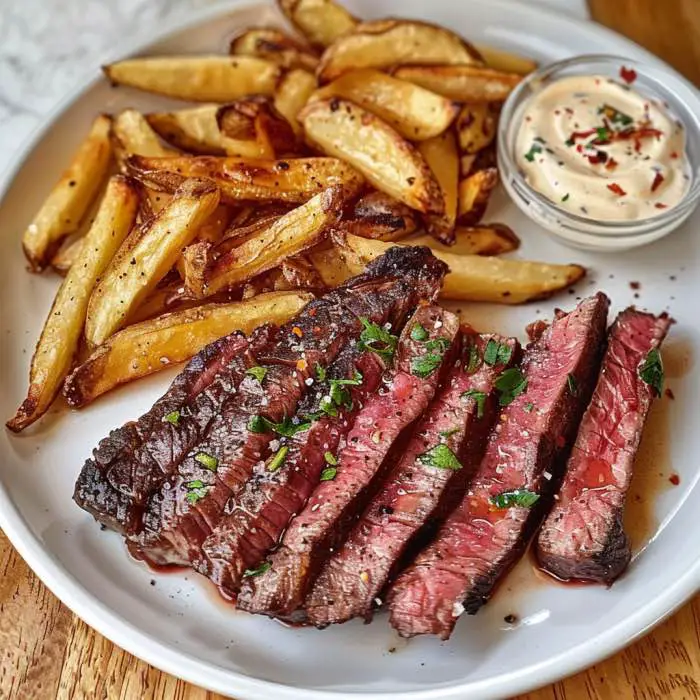
Steak Frites: The Ultimate Guide to France’s Most Beloved Bistro Classic
Introduction to Steak Frites
Steak Frites represents the heart and soul of French bistro cooking. This iconic dish combines perfectly grilled steak with golden, crispy French fries. Moreover, it offers a satisfying meal that has captivated food lovers for nearly two centuries.
The beauty of Steak Frites lies in its simplicity. Furthermore, this classic pairing showcases quality ingredients prepared with care. Consequently, home cooks can easily recreate this restaurant favorite in their own kitchens.
Today, Steak Frites appears on menus worldwide. However, understanding traditional techniques ensures authentic results every time. Therefore, this comprehensive guide covers everything needed to master this beloved French dish.
The Fascinating History of Steak Frites
Origins in 19th Century Paris
Steak Frites first emerged in early 19th-century Paris bistros. These casual French eateries became known for quick service and friendly atmospheres. Additionally, the dish quickly gained popularity for its satisfying balance of flavors.
The Industrial Revolution significantly influenced Steak Frites development. New technologies like gas stoves made preparation faster and easier. Furthermore, improved transportation brought quality beef to major cities.
The France vs Belgium Debate
Both France and Belgium claim to have invented Steak Frites. Historical evidence suggests Belgium created fried potatoes first. However, French chefs perfected the complete dish combination.
According to legend, Belgian fishermen began frying potato slices in the 17th century. They shaped potatoes to resemble fish during frozen winter months. Subsequently, this technique spread to France and evolved further.
A Dish for the Middle Class
Steak Frites became the perfect meal for the rising middle class. The dish offered quality, affordability, and satisfaction in one plate. Consequently, small bistros across Paris made it their signature offering.
French artists and writers frequented these bistros regularly. They enjoyed Steak Frites while writing, reading, and socializing. Therefore, the dish became intertwined with French urban culture.
Why Steak Frites Remains Popular Today
Timeless Appeal
Steak Frites continues to dominate menus worldwide because of its universal appeal. The combination of savory steak and crispy fries satisfies diverse palates. Moreover, the dish adapts easily to various culinary preferences.
The recipe’s straightforward nature makes it accessible to home cooks. Additionally, quality ingredients shine without complex preparations. Thus, both beginners and experienced chefs achieve excellent results.
Versatility and Customization
Modern interpretations allow endless customization options. Diners can choose preferred steak cuts and sauce styles. Furthermore, cooking methods adapt to personal preferences and dietary needs.
The dish pairs beautifully with numerous side dishes and accompaniments. Consequently, Steak Frites fits both casual dinners and special occasions. Therefore, its flexibility ensures continued popularity across generations.
Essential Ingredients for Perfect Steak Frites
For the Steak
High-quality beef forms the foundation of exceptional Steak Frites. Choose fresh, well-marbled cuts for optimal flavor and tenderness. Additionally, proper seasoning enhances the natural beef taste.
Essential steak ingredients include:
-
Premium beef steak (12-16 ounces per serving)
-
Coarse sea salt
-
Freshly ground black pepper
-
High-heat cooking oil (avocado or olive)
-
Fresh garlic cloves
-
Fresh herb sprigs (thyme or rosemary)
For the Frites
Selecting the right potato variety ensures crispy, fluffy fries. Starchy potatoes like Russets or Yukon Golds work best. Furthermore, proper preparation techniques guarantee restaurant-quality results.
Essential fry ingredients include:
-
Russet or Yukon Gold potatoes
-
Neutral frying oil with high smoke point
-
Coarse salt for seasoning
-
Optional: garlic powder or herbs
Choosing the Best Steak Cut
Skirt Steak: The Traditional Choice
Skirt steak remains the most popular choice for authentic Steak Frites. This cut offers rich flavor and attractive marbling at reasonable prices. Additionally, its thin profile cooks quickly and evenly.
Chef Guillaume Thivet from Grand Brasserie prefers skirt steak specifically. He appreciates its rich flavor, especially when grilled properly. Moreover, the right fat balance creates perfect tenderness.
Skirt steak typically costs between $8-$20 per pound. This makes it significantly more affordable than premium cuts. However, it delivers equally satisfying results when prepared correctly.
Other Excellent Options
Several alternative cuts work beautifully for Steak Frites. Each offers unique characteristics and flavor profiles. Therefore, personal preference ultimately determines the best choice.
Popular alternatives include:
-
Strip Steak: Classic choice with excellent marbling and tenderness
-
Ribeye: Rich, buttery flavor with generous marbling throughout
-
Hanger Steak: Traditional French cut with intense beef flavor
-
Filet Mignon: Extremely tender with mild, delicate taste
-
Flank Steak: Lean option with robust flavor when sliced properly
Selecting Quality Beef
Look for bright red color with white or cream-colored fat. Avoid gray or brown meat with yellow fat. Additionally, proper marbling indicates better flavor and juiciness.
Choose steaks at least one inch thick for optimal cooking. Thinner cuts cook too quickly and dry out easily. Furthermore, room-temperature meat cooks more evenly than cold steaks.
How to Make Crispy French Fries at Home
Understanding the Science
Perfect French fries require understanding potato starch behavior. Excess surface starch prevents proper crisping during cooking. Therefore, removing this starch becomes essential for success.
Double frying creates the ideal texture combination. The first fry cooks potatoes through completely. Subsequently, the second fry creates golden, crispy exteriors.
Step-by-Step Fry Preparation
Step 1: Cut the Potatoes
Select large, uniform Russet potatoes for consistent results. Peel potatoes or leave skins on based on preference. Additionally, using a serrated knife creates rougher surfaces that crisp better.
Cut potatoes into 6mm (¼-inch) thick batons. Stack 2-3 slices together, then slice into uniform strips. Furthermore, consistent sizing ensures even cooking throughout.
Step 2: Remove Excess Starch
Place cut fries immediately in cold water to prevent browning. Swirl them around to release surface starch. Moreover, this crucial step prevents soggy results.
Drain and rinse potatoes thoroughly under cold water. Pat completely dry with clean kitchen towels. Consequently, removing excess moisture prevents dangerous oil splattering.
Step 3: First Fry (Blanching)
Heat frying oil to 300°F (150°C) for the initial fry. Lower potatoes carefully into hot oil in small batches. Additionally, avoid overcrowding to maintain consistent temperature.
Fry for 3-5 minutes until potatoes soften but don’t brown. Remove and drain on paper towels or parchment paper. Furthermore, blanched fries can rest for several hours.
Step 4: Second Fry (Crisping)
Increase oil temperature to 350-375°F (175-190°C) for final frying. Add blanched fries in batches again for even cooking. Moreover, watch carefully as they brown quickly.
Fry for 3-5 minutes until deep golden brown and crispy. Drain immediately and season generously with salt while hot. Therefore, timing this step perfectly ensures optimal texture.
Alternative Cooking Methods
Some cooks prefer baking fries for healthier results. Toss cut potatoes with oil and seasonings, then spread on baking sheets. However, baked fries typically lack the same crispiness.
Air fryers offer another popular option for reduced oil usage. These appliances circulate hot air around food efficiently. Consequently, they produce acceptably crispy results with minimal oil.
Cooking the Perfect Steak
Preparation Steps
Remove steak from refrigeration 30-45 minutes before cooking. Room temperature meat cooks more evenly throughout. Additionally, pat steaks completely dry with paper towels.
Season generously with coarse salt and freshly ground pepper. Press seasonings into meat surface for better adhesion. Moreover, simple seasoning allows natural beef flavor to shine.
Pan-Searing Method
Heat a heavy skillet or cast-iron pan over high heat. Add high-smoke-point oil when pan is very hot. Furthermore, the pan must be smoking before adding steak.
Place steak in pan and press down firmly for 15-20 seconds. This creates excellent contact for proper searing. Subsequently, let cook undisturbed for 2-3 minutes per side.
Add butter, fresh herbs, and smashed garlic during final minutes. Baste steak constantly with melted butter mixture using a spoon. Therefore, this technique adds incredible flavor and richness.
Checking for Doneness
Use an instant-read thermometer for accurate temperature readings. Insert into the thickest part without touching bone. Additionally, remember temperatures rise during resting.
Target temperatures for doneness:
-
Rare: 120-125°F (49-52°C)
-
Medium-rare: 130-135°F (54-57°C)
-
Medium: 140-145°F (60-63°C)
-
Medium-well: 150-155°F (66-68°C)
-
Well-done: 160°F+ (71°C+)
Resting the Steak
Transfer cooked steak to a cutting board immediately. Tent loosely with aluminum foil for 3-5 minutes. Moreover, resting allows juices to redistribute throughout the meat.
Never skip this crucial step, as it dramatically improves texture. Cutting immediately causes valuable juices to run out. Therefore, patience yields significantly better results.
Classic Sauces for Steak Frites
Herb Butter (Compound Butter)
Herb butter represents the most traditional accompaniment for Steak Frites. This simple preparation enhances rather than masks beef flavor. Additionally, it melts beautifully over hot steak.
Basic herb butter ingredients:
-
Softened unsalted butter (½ cup)
-
Fresh parsley, minced (2 tablespoons)
-
Fresh thyme, minced (1 tablespoon)
-
Fresh rosemary, minced (1 teaspoon)
-
Minced garlic (2 cloves)
-
Lemon zest and juice (1 lemon)
-
Salt and pepper to taste
Mix all ingredients thoroughly until well combined. Roll into a log using plastic wrap, then refrigerate. Furthermore, slice and place on hot steak just before serving.
Béarnaise Sauce
Béarnaise offers a classic French sauce perfect for Steak Frites. This emulsified butter sauce features tarragon and shallots prominently. Moreover, its rich, tangy flavor complements beef beautifully.
Béarnaise requires careful preparation to prevent breaking. Maintain moderate heat throughout the process for smooth results. Additionally, patience ensures proper emulsification and texture.
Garlic Butter Sauce
Simple garlic butter sauce provides quick, delicious results. Melt butter with minced garlic and fresh herbs in a pan. Furthermore, add lemon juice for brightness and balance.
This versatile sauce takes only minutes to prepare. Drizzle generously over sliced steak before serving. Consequently, it adds wonderful flavor without overwhelming the meat.
Peppercorn Sauce (No Spirits Version)
Traditional peppercorn sauce typically contains brandy, but delicious alternatives exist. Substitute high-quality beef stock for depth and richness. Additionally, crushed peppercorns provide signature flavor.
Sauté shallots and crushed peppercorns in butter first. Add beef stock and reduce by half for concentration. Finally, stir in cream and simmer until thickened.
Step-by-Step Steak Frites Recipe
Complete Ingredient List
For the Herb Butter:
-
4 tablespoons softened butter
-
1 tablespoon minced shallot
-
1 teaspoon fresh parsley, minced
-
1 teaspoon fresh chives, minced
-
1 teaspoon fresh tarragon, minced
-
Salt and pepper to taste
For the Fries:
-
4 large Russet potatoes
-
Neutral oil for frying
-
Coarse salt to taste
For the Steak:
-
2 strip steaks (12-16 ounces each)
-
2 tablespoons olive or avocado oil
-
8-10 fresh thyme sprigs
-
8-10 garlic cloves, smashed
-
4 tablespoons unsalted butter
-
Coarse salt and pepper
Detailed Instructions
Prepare the Herb Butter
Combine softened butter with all herbs and shallots. Mix thoroughly until evenly distributed throughout butter. Additionally, season with salt and pepper to taste.
Shape mixture into a log using plastic wrap. Refrigerate for at least 30 minutes before serving. Moreover, this can be prepared several days in advance.
Make the French Fries
Cut potatoes into uniform ¼-inch batons as described earlier. Soak in cold water for 30 minutes minimum. Furthermore, drain and pat completely dry before frying.
Heat oil to 300°F for first fry. Cook potato batches for 3-5 minutes until tender. Subsequently, remove and let rest on paper towels.
Increase oil temperature to 375°F for second fry. Cook batches again for 3-5 minutes until golden and crispy. Finally, drain and season immediately with coarse salt.
Cook the Steaks
Remove steaks from refrigeration 30 minutes before cooking. Pat dry thoroughly and season generously with salt and pepper. Additionally, ensure pan is extremely hot before starting.
Add oil to hot pan and place steaks carefully. Press down firmly for initial contact and sear. Moreover, avoid moving steaks for first 2-3 minutes.
Flip steaks and add butter, herbs, and garlic immediately. Baste constantly with melted butter for remaining cooking time. Therefore, this technique ensures flavorful, juicy results.
Check internal temperature with instant-read thermometer for desired doneness. Remove from heat when 5 degrees below target temperature. Furthermore, remember meat continues cooking during rest.
Rest and Serve
Transfer steaks to cutting board and tent with foil. Let rest for 5 minutes while finishing fries. Additionally, prepare plates and gather accompaniments.
Slice steak against the grain into ½-inch strips. Arrange on warmed plates with hot French fries alongside. Finally, top with herb butter slices and serve immediately.
Expert Tips for Restaurant-Quality Results
Temperature Control
Maintain consistent oil temperature throughout frying process. Use a thermometer rather than guessing for accuracy. Additionally, avoid overcrowding which drops temperature dramatically.
Allow oil to return to proper temperature between batches. Rushing this step results in greasy, soggy fries. Therefore, patience produces superior results consistently.
Steak Selection and Storage
Purchase steaks from reputable butchers for best quality. Look for proper marbling and bright red color throughout. Moreover, avoid pre-packaged steaks with excessive liquid.
Store raw steak in the coldest part of refrigerator. Use within 3-5 days of purchase for optimal freshness. Furthermore, freeze for longer storage wrapped tightly in plastic.
Timing Coordination
Start fries’ first blanching before cooking steaks. Complete first fry, then begin steak preparation. Additionally, final fry occurs while steaks rest perfectly.
This timing ensures everything finishes hot and ready simultaneously. Consequently, diners enjoy both components at peak quality. Therefore, plan preparation sequence carefully before starting.
Serving Suggestions
Always serve Steak Frites on warmed plates for best experience. Cold plates cool food too quickly and diminish enjoyment. Moreover, gather all accompaniments before plating begins.
Provide extra sauce or butter on the side. Some diners prefer more generous portions of accompaniments. Additionally, offer coarse salt and pepper for individual seasoning preferences.
Common Mistakes to Avoid
Overcrowding the Pan
Adding too many fries or multiple steaks crowds cooking surfaces. This causes temperature drops and uneven cooking. Furthermore, moisture cannot escape properly from crowded pans.
Always work in manageable batches for consistent results. Allow adequate space between pieces for proper heat circulation. Consequently, this ensures even browning and crisping.
Insufficient Seasoning
Under-seasoning remains one of the most common mistakes. Both steak and fries require generous salting for proper flavor. Additionally, season at multiple stages rather than just once.
Salt steak before cooking and fries immediately after frying. Hot surfaces absorb seasoning better than cold ones. Therefore, timing seasoning correctly enhances overall taste dramatically.
Skipping the Rest Period
Cutting steak immediately after cooking releases valuable juices. These juices carry flavor and moisture throughout the meat. Moreover, rushing this step significantly diminishes final quality.
Always rest steak for 5 minutes minimum after cooking. Tent loosely with foil to maintain temperature while resting. Consequently, this simple step improves texture and juiciness considerably.
Wrong Potato Variety
Using waxy potatoes instead of starchy varieties causes problems. Waxy potatoes contain less starch and more moisture internally. Furthermore, they won’t achieve the same crispy exterior.
Choose Russet, Idaho, Yukon Gold, or Maris Piper potatoes specifically. These high-starch varieties crisp beautifully while staying fluffy inside. Therefore, potato selection significantly impacts final results.
Delicious Side Dishes and Variations
Classic Accompaniments
Traditional Steak Frites needs minimal accompaniment beyond quality sauce. However, simple additions can enhance the overall dining experience. Moreover, lighter options balance the rich main components.
Popular traditional sides include:
-
Simple green salad with vinaigrette
-
Grilled or roasted tomatoes
-
Sautéed green beans
-
Fresh watercress salad
-
Caramelized shallots
Modern Variations
Contemporary interpretations add creative twists while respecting traditional foundations. These variations offer exciting flavor combinations for adventurous diners. Additionally, they accommodate various dietary preferences and restrictions.
Interesting modern options:
-
Truffle Fries: Toss finished fries with truffle oil and parmesan
-
Sweet Potato Fries: Substitute regular potatoes for sweeter alternative
-
Cajun Spiced: Add Cajun seasoning blend to fries and steak
-
Mediterranean Style: Serve with tzatziki and lemon-herb potatoes
-
Asian Fusion: Use sesame oil and scallions for unique twist
Vegetable Sides
Adding roasted or grilled vegetables increases nutritional value and color. Choose vegetables that complement rather than compete with main flavors. Furthermore, seasonal selections ensure peak freshness and taste.
Excellent vegetable choices:
-
Roasted asparagus with lemon
-
Grilled zucchini and bell peppers
-
Sautéed mushrooms with garlic
-
Caramelized Brussels sprouts
-
Charred broccolini
Salad Options
Fresh salads provide welcome contrast to rich steak and fries. Choose options with bold dressings and interesting textures. Additionally, include vegetables and herbs for brightness.
Perfect salad pairings:
-
Classic wedge salad with blue cheese
-
Spinach salad with apples and almonds
-
Arugula with shaved parmesan
-
Mixed greens with dijon vinaigrette
-
Tomato and cucumber salad
Frequently Asked Questions
What is the best cut of steak for Steak Frites?
Skirt steak is the most traditional and popular choice for authentic Steak Frites. It offers excellent flavor, proper marbling, and affordable pricing. However, strip steak, hanger steak, and ribeye work beautifully too.
How do I make fries crispy at home?
Double frying creates the crispiest French fries at home. First, blanch at 300°F for 3-5 minutes to cook through. Then fry again at 375°F until golden and crispy.
Can I prepare components ahead of time?
Yes, several components can be prepared in advance successfully. Make herb butter days ahead and refrigerate until needed. Additionally, complete the first fry for potatoes hours before final crisping.
What makes Steak Frites different from regular steak and fries?
Steak Frites represents a specific French bistro tradition with particular preparations. The dish emphasizes quality ingredients, proper technique, and classic sauces. Moreover, it reflects French culinary culture and history specifically.
Do I need special equipment to make Steak Frites?
Basic kitchen equipment works perfectly for homemade Steak Frites. You need a heavy skillet for steak and deep pot for frying. Additionally, an instant-read thermometer ensures proper cooking temperatures.
How can I tell when my steak is done?
An instant-read thermometer provides the most accurate doneness measurement. Insert into the thickest part without touching bone or fat. Target 130-135°F for medium-rare, the most popular preparation.
What potatoes work best for French fries?
High-starch potatoes like Russets, Idaho, or Yukon Gold produce the crispiest fries. These varieties have lower moisture content and higher starch levels. Consequently, they achieve better texture than waxy potato varieties.
Can I make Steak Frites without deep frying?
While traditional preparation uses deep frying, alternatives exist for health-conscious cooks. Bake potato wedges at high temperature with oil coating. However, results won’t match traditionally fried versions exactly.
How long should steak rest after cooking?
Rest steak for 5 minutes minimum after removing from heat. This allows juices to redistribute throughout the meat evenly. Moreover, resting prevents juice loss when cutting into steak.
What sauces pair best with Steak Frites?
Classic herb butter, béarnaise sauce, and garlic butter work beautifully. Peppercorn sauce without spirits offers rich, creamy option. Additionally, simple compound butters enhance rather than overpower beef flavor.
Conclusion
Steak Frites represents timeless French bistro cooking at its finest. This beloved dish combines quality beef with crispy golden fries perfectly. Moreover, mastering essential techniques ensures restaurant-quality results at home every time.
Success comes from selecting proper ingredients and following traditional methods carefully. Choose high-quality beef cuts with good marbling for optimal flavor. Additionally, double-fry potatoes for that signature crispy exterior and fluffy interior.
The beauty of Steak Frites lies in its elegant simplicity and satisfying nature. Whether preparing casual weeknight dinner or special celebration meal, this classic delivers. Furthermore, endless customization options accommodate various tastes and preferences.
Ready to Create Your Own Steak Frites Masterpiece?
Start with quality ingredients from your local butcher and produce market. Follow the techniques outlined throughout this comprehensive guide carefully. Consequently, you’ll serve impressive French bistro fare in your own kitchen.
Print
Steak Frites
Description
Steak Frites
Ingredients:
For the Steak:
-
2 ribeye, sirloin, or New York strip steaks (about 1 inch thick)
-
Salt and freshly ground black pepper
-
2 tablespoons olive oil
-
2 tablespoons unsalted butter
-
3 garlic cloves, smashed
-
2 sprigs fresh thyme or rosemary
For the Fries:
-
4 large russet potatoes, peeled and cut into thin fries
-
Vegetable oil, for frying
-
Salt, to taste
Optional Sauce (Garlic Butter or Peppercorn Sauce):
-
3 tablespoons butter
-
2 garlic cloves, minced
-
½ teaspoon crushed peppercorns (optional)
-
¼ cup heavy cream (optional for creamy version)
Instructions:
-
Prepare the fries:
-
Soak cut potatoes in cold water for at least 30 minutes (removes starch for crispiness).
-
Drain and pat completely dry.
-
-
First fry:
-
Heat oil in a deep fryer or heavy pot to 325°F (160°C).
-
Fry potatoes for about 5 minutes, until soft but not browned. Remove and drain on paper towels.
-
-
Cook the steak:
-
Pat steaks dry and season generously with salt and pepper.
-
Heat olive oil in a skillet (cast iron preferred) over medium-high heat.
-
Add steaks and sear 3–4 minutes per side for medium-rare (adjust for thickness).
-
Add butter, garlic, and herbs; baste the steaks with melted butter for rich flavor.
-
Rest steaks for 5 minutes before slicing.
-
-
Second fry:
-
Increase oil temperature to 375°F (190°C).
-
Fry the potatoes again for 2–3 minutes, until golden and crispy.
-
Drain and season with salt immediately.
-
-
Make optional sauce:
-
In a small pan, melt butter and garlic; stir in pepper and cream if desired.
-
Drizzle over steak or serve on the side.
-