
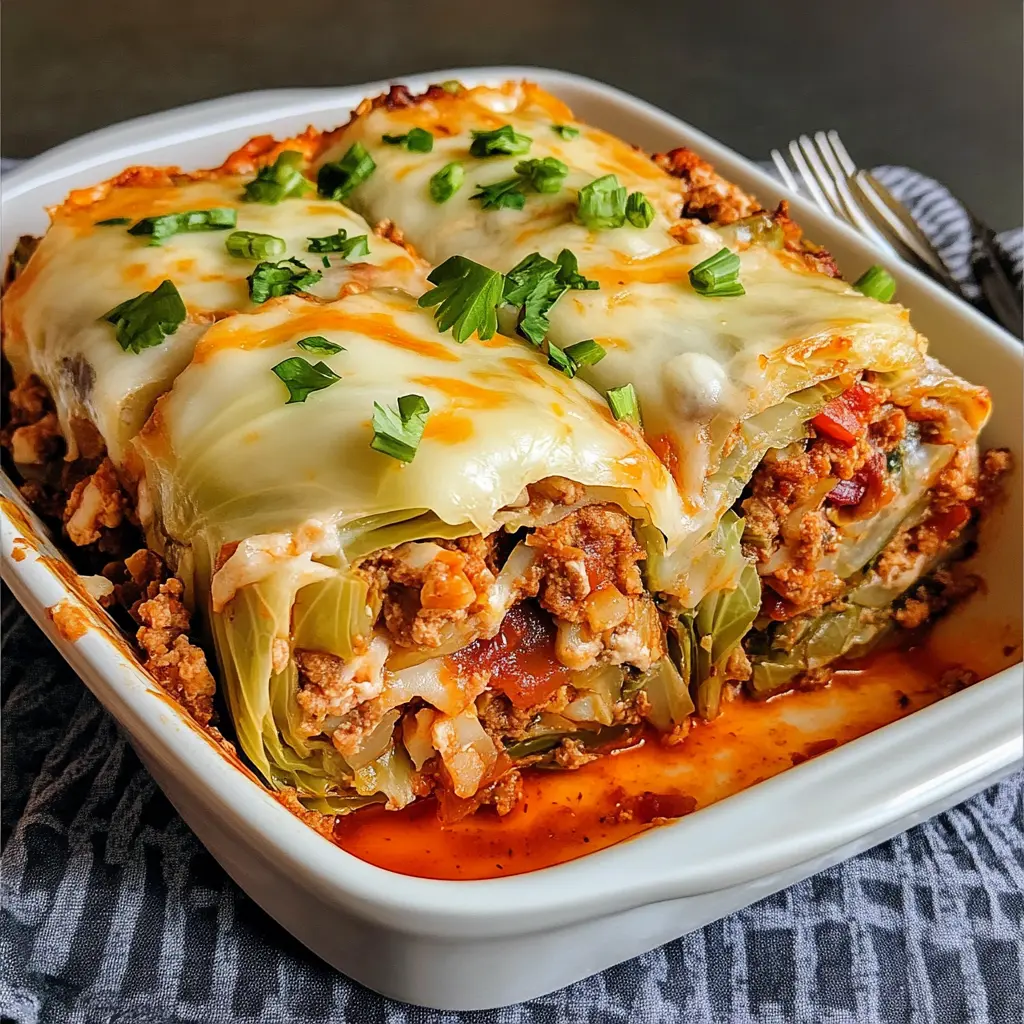
Stuffed Cabbage Roll Casserole: The Easy Way to Enjoy a Classic Comfort Dish
Stuffed cabbage roll casserole transforms the beloved Eastern European tradition into a simple, family-friendly one-pan meal. Instead of meticulously rolling individual cabbage leaves, this deconstructed version layers all the same flavors—tender cabbage, seasoned ground beef, rice, and tangy tomato sauce—into a hearty casserole that delivers authentic taste with half the effort.
What Is Stuffed Cabbage Roll Casserole?
Stuffed cabbage roll casserole is a deconstructed version of traditional stuffed cabbage rolls. The dish contains the same core ingredients—ground meat, rice, cabbage, and tomato-based sauce—but arranges them in layers rather than individual rolls. This cooking method originated as a time-saving adaptation for busy home cooks who wanted authentic flavors without extensive preparation.
The casserole maintains the essence of the original dish. Each bite delivers the tender cabbage, savory meat, and slightly sweet tomato sauce that makes stuffed cabbage rolls so satisfying. However, the layered approach reduces active cooking time from 90 minutes to about 30 minutes of hands-on work.
This comfort food appears in various cuisines worldwide. Polish golabki, Hungarian töltött káposzta, and Russian golubtsy all inspired modern casserole versions. The adaptation preserves cultural flavors while accommodating contemporary schedules.
Why This Casserole Beats Traditional Cabbage Rolls
Time Efficiency
Traditional stuffed cabbage rolls demand significant preparation. You must blanch whole cabbage leaves, cool them, trim thick ribs, fill each leaf, roll tightly, and arrange carefully in a pot. The stuffed cabbage roll casserole eliminates these steps. Simply chop the cabbage, layer ingredients, and bake.
Easier Assembly
Rolling cabbage leaves requires practice and patience. Leaves tear easily. Filling often spills out during rolling. The casserole format removes this frustration entirely. Even novice cooks achieve consistent results.
Better Texture Distribution
Layering ensures every portion contains balanced amounts of meat, rice, cabbage, and sauce. Traditional rolls sometimes result in uneven filling distribution. The casserole guarantees uniform flavor in each serving.
Feeds Crowds Easily
Scaling up traditional cabbage rolls means rolling dozens of individual portions. A casserole simply requires a larger baking dish. This makes the recipe ideal for potlucks, family gatherings, or meal prep.
Essential Ingredients for Perfect Results
The Cabbage Foundation
Choose green cabbage for its sturdy texture and mild flavor. One medium head (approximately 2 pounds) provides enough for a standard 9×13-inch casserole. Savoy cabbage works as an alternative, offering a more delicate texture and slightly sweeter taste.
Chop cabbage into 1-inch pieces. Consistent sizing ensures even cooking. Remove and discard the tough core before chopping.
Protein Options
Ground beef (80/20 blend) delivers classic flavor and moisture. The fat content keeps the casserole from drying out during baking. Substitute with ground turkey, chicken, or plant-based alternatives if preferred.
Plan for 1.5 to 2 pounds of ground meat for a family-sized casserole. This ratio balances protein with other ingredients.
Rice Selection
White rice works best because it absorbs sauce effectively and cooks completely during baking. Use uncooked long-grain white rice. The rice will steam and soften as the casserole bakes, absorbing flavors from the meat and tomatoes.
Avoid instant rice, which becomes mushy. Brown rice requires longer cooking times and may remain undercooked.
Tomato Components
Combine crushed tomatoes with tomato sauce for ideal consistency. Crushed tomatoes provide texture and body. Tomato sauce adds smoothness and helps distribute flavors evenly.
For a standard casserole, use one 28-ounce can of crushed tomatoes and one 15-ounce can of tomato sauce. Add tomato paste for deeper color and concentrated flavor.
Aromatics and Seasonings
Yellow onions form the flavor base. Dice one large onion finely. Garlic adds aromatic depth—use 3 to 4 cloves, minced.
Season with paprika, which provides mild sweetness and vibrant color. Add salt, black pepper, and a touch of sugar to balance the tomatoes’ acidity. Fresh or dried thyme complements cabbage beautifully.
Binding and Finishing
One beaten egg helps bind the meat mixture. This prevents crumbling and maintains structure. Top the finished casserole with shredded mozzarella or cheddar cheese for added richness (optional).
Step-by-Step Cooking Instructions
Preparation Phase
Preheat your oven to 350°F (175°C). This moderate temperature allows all ingredients to cook through without burning the top layer.
Grease a 9×13-inch baking dish with cooking spray or butter. This prevents sticking and simplifies cleanup.
Building the Meat Mixture
Heat a large skillet over medium-high heat. Add ground beef and cook until browned, breaking it into small crumbles with a wooden spoon. This takes approximately 8 to 10 minutes.
Once browned, drain excess fat, leaving about one tablespoon in the pan. Add diced onions and cook until translucent, about 5 minutes. Stir in minced garlic and cook for one additional minute until fragrant.
Remove from heat. Mix in uncooked rice, beaten egg, paprika, salt, and black pepper. The egg acts as a binder, holding the mixture together during baking.
Preparing the Sauce
In a large bowl, combine crushed tomatoes, tomato sauce, and tomato paste. Add sugar to counteract acidity—start with one tablespoon and adjust to taste. Season with thyme, additional paprika, salt, and pepper.
Stir thoroughly until all ingredients blend smoothly. The sauce should coat the back of a spoon without being overly thick.
Layering Technique
Spread one-third of the chopped cabbage evenly across the bottom of your prepared baking dish. This creates a cushioning base that prevents the meat from sticking.
Add half of the meat and rice mixture over the cabbage layer. Distribute evenly using a spatula or spoon.
Pour one-third of the tomato sauce over the meat layer. Use the back of a spoon to spread it to the edges.
Repeat these layers: another third of cabbage, remaining meat mixture, another third of sauce, final third of cabbage, and remaining sauce on top.
Baking Process
Cover the casserole tightly with aluminum foil. This traps steam, which cooks the rice and softens the cabbage.
Bake for 75 to 90 minutes. The casserole is done when the rice is tender and the cabbage has softened completely. Test by inserting a knife into the center—it should slide through easily.
Remove foil during the last 15 minutes if you want a slightly caramelized top. Add shredded cheese at this point if desired.
Resting Period
Let the casserole rest for 10 minutes after removing from the oven. This allows the sauce to thicken slightly and makes serving cleaner.
Pro Tips for Maximum Flavor
Enhance the Tomato Sauce
Simmer your tomato mixture for 5 minutes before layering. This develops deeper flavor and reduces excess liquid. Add a pinch of red pepper flakes for subtle heat.
Pre-Salt the Cabbage
Toss chopped cabbage with salt and let it sit for 15 minutes. This draws out moisture, preventing a watery casserole. Rinse briefly before layering.
Use Beef Broth
Replace half the tomato sauce with beef broth for richer flavor. The broth adds savory depth without overwhelming the dish. According to research from the USDA Food Composition Database, beef-based dishes benefit from proper seasoning balance.
Add Vegetables
Incorporate diced bell peppers or carrots into the meat mixture for extra nutrition and color. These vegetables complement cabbage’s mild flavor.
Season Between Layers
Don’t rely solely on the meat mixture for seasoning. Lightly salt and pepper each cabbage layer as you build the casserole.
Choose the Right Dish Depth
A 9×13-inch dish with at least 2.5-inch sides works best. Shallow dishes cause overflow. Deeper dishes may require longer cooking times.
Monitor Moisture Levels
If the casserole appears dry during baking, add a quarter cup of water or broth. Pour it along the edges rather than directly on top.
Let Flavors Meld
This dish tastes even better the next day. The flavors continue developing as it sits. Make it ahead for maximum taste.
Variations to Customize Your Casserole
Mediterranean Style
Replace beef with ground lamb. Add oregano, mint, and a squeeze of lemon juice to the tomato sauce. Top with crumbled feta cheese instead of mozzarella.
Mexican-Inspired Version
Season the meat with cumin, chili powder, and coriander. Use Mexican rice blend. Top with pepper jack cheese and serve with sour cream.
Vegetarian Adaptation
Substitute meat with a mixture of cooked lentils and mushrooms. Increase rice to 1.5 cups for heartiness. Add extra vegetables like zucchini and eggplant.
Asian Fusion
Use ground pork instead of beef. Add ginger, soy sauce, and sesame oil to the meat mixture. Replace tomato sauce with a combination of vegetable broth and tomato paste.
Keto-Friendly Option
Eliminate rice entirely. Replace with riced cauliflower mixed into the meat layer. Increase cheese topping for added fat content.
Spicy Version
Add diced jalapeños to the meat mixture. Include cayenne pepper in the tomato sauce. Top with pepper jack cheese.
Nutritional Benefits of Cabbage-Based Dishes
Vitamin C Powerhouse
Cabbage provides exceptional vitamin C content. One cup of raw cabbage delivers approximately 54% of the daily recommended intake. Vitamin C supports immune function and skin health.
Fiber for Digestive Health
This vegetable offers substantial dietary fiber. The National Institutes of Health notes that adequate fiber intake promotes regular digestion and may reduce certain disease risks.
Low-Calorie Nutrient Density
Cabbage contains only 22 calories per cup while providing vitamins K, B6, and folate. This makes stuffed cabbage roll casserole a relatively light comfort food option.
Antioxidant Properties
Red and green cabbage both contain antioxidants called anthocyanins and polyphenols. These compounds may help reduce inflammation throughout the body.
Mineral Content
The dish provides iron from ground beef, potassium from tomatoes, and calcium if cheese is added. This combination supports various bodily functions.
Storage and Reheating Guidelines
Refrigeration Methods
Allow the casserole to cool completely before storing. Cover tightly with plastic wrap or transfer to an airtight container. Properly stored casserole keeps for 3 to 4 days in the refrigerator.
Freezing Instructions
This dish freezes exceptionally well. Cut into individual portions before freezing for easier reheating. Wrap portions in plastic wrap, then aluminum foil. Label with the date. Frozen casserole maintains quality for up to 3 months.
Reheating in the Oven
For best results, reheat in a 350°F oven. Cover with foil to prevent drying. Heat for 20 to 25 minutes for refrigerated portions, or 45 to 60 minutes for frozen portions. Add a splash of broth if the casserole seems dry.
Microwave Reheating
Place a single portion on a microwave-safe plate. Cover with a damp paper towel to maintain moisture. Heat on medium power in 90-second intervals, stirring between each interval.
Maintaining Quality
Add a thin layer of tomato sauce or broth before reheating to restore moisture. Avoid reheating multiple times, as this degrades texture and flavor.
Common Mistakes to Avoid
Using Cooked Rice
Never use pre-cooked rice in this casserole. The rice needs to absorb liquid during baking. Pre-cooked rice becomes mushy and paste-like.
Insufficient Liquid
The casserole requires adequate sauce for the rice to cook properly. If your mixture seems dry, add extra tomato sauce or broth. A good rule: the liquid should reach halfway up the casserole when first assembled.
Skipping the Foil
Baking uncovered causes the top to dry out and burn before the center cooks through. Always use foil for the majority of baking time.
Overcrowding the Pan
Don’t pack ingredients too tightly. Leave some space for steam circulation. Overpacking results in uneven cooking.
Using the Wrong Cabbage Cut
Chopping cabbage too finely makes it disintegrate. Pieces that are too large won’t soften properly. Aim for 1-inch pieces for ideal texture.
Neglecting to Season Layers
Seasoning only the meat mixture leaves bland pockets throughout the dish. Season each layer lightly for consistent flavor.
Rushing the Resting Time
Cutting into the casserole immediately causes it to fall apart. The 10-minute rest allows everything to set properly.
Frequently Asked Questions
Can I make stuffed cabbage roll casserole ahead of time?
Yes, this dish is perfect for advance preparation. Assemble the entire casserole up to 24 hours before baking. Cover tightly and refrigerate. When ready to cook, add 10 to 15 minutes to the baking time since it starts cold.
What can I substitute for rice in this recipe?
Quinoa works well as a rice substitute. Use the same quantity and follow identical instructions. Cauliflower rice offers a low-carb option but requires pre-cooking and reduces liquid by one-third. Orzo pasta is another alternative, though it changes the dish’s traditional character.
How do I prevent my casserole from being watery?
Pre-salt the cabbage to draw out excess moisture. Use crushed tomatoes rather than diced for thicker consistency. Avoid adding extra liquid beyond what the recipe specifies. Let the casserole rest after baking so liquids can be reabsorbed.
Can I use ground turkey instead of beef?
Absolutely. Ground turkey creates a lighter version. Choose ground turkey with some fat content (85/15 blend) to prevent dryness. Add an extra tablespoon of olive oil to the meat mixture for moisture. The flavor will be milder, so consider increasing seasonings slightly.
Why is my cabbage still crunchy after baking?
This indicates insufficient cooking time or inadequate liquid. Ensure the casserole is covered tightly with foil to trap steam. Check that your tomato sauce fully covers all cabbage layers. Some ovens run cool, so verify your temperature with an oven thermometer. If needed, add 15 to 20 minutes to the baking time.
How do I make this casserole spicier?
Add red pepper flakes to the tomato sauce (start with half a teaspoon). Mix diced jalapeños into the meat layer. Use hot paprika instead of sweet paprika. Top with pepper jack cheese for extra heat.
Can I prepare stuffed cabbage roll casserole in a slow cooker?
Yes, with modifications. Layer ingredients in a 6-quart slow cooker following the same order. Reduce liquid by one-quarter since slow cookers don’t allow evaporation. Cook on low for 6 to 7 hours or high for 3 to 4 hours. The cabbage will be softer than the oven version.
What sides pair well with this dish?
Serve with crusty bread for soaking up sauce. A simple green salad with vinaigrette provides refreshing contrast. Roasted root vegetables complement the hearty casserole. Sour cream or Greek yogurt makes an excellent topping.
Final Thoughts
Stuffed cabbage roll casserole delivers everything you love about traditional cabbage rolls with significantly less effort. The layered approach preserves authentic flavors while cutting preparation time dramatically. This makes it ideal for weeknight dinners, meal prep, or feeding large groups.
The recipe’s versatility allows endless customization. Adjust proteins, seasonings, and vegetables to match your preferences or dietary needs. The dish’s make-ahead friendly nature means you can enjoy homemade comfort food even on your busiest days.
Beyond convenience, this casserole provides substantial nutritional benefits. Cabbage offers vitamins, fiber, and antioxidants. Combined with protein and whole grains, it creates a balanced, satisfying meal.
Whether you’re new to this dish or adapting a family tradition, stuffed cabbage roll casserole proves that classic comfort food can be both simple and delicious. The layered method honors the original while embracing modern cooking realities.
Ready to bring this comforting dish to your table? Gather your ingredients and discover why generations have cherished cabbage rolls—now made easier than ever. Your family will appreciate the hearty flavors, and you’ll love the streamlined preparation. Make this stuffed cabbage roll casserole tonight and experience tradition with a time-saving twist.
Print
Stuffed Cabbage Roll Casserole
Description
Stuffed Cabbage Roll Casserole
Ingredients:
-
1 lb ground beef (or a mix of beef and pork)
-
1 small onion, diced
-
3 cloves garlic, minced
-
1 small head of cabbage, chopped (about 6 cups)
-
1 can (15 oz) tomato sauce
-
1 can (14.5 oz) diced tomatoes
-
1 cup uncooked rice
-
2 cups beef broth
-
1 tsp paprika
-
1 tsp dried oregano
-
½ tsp salt
-
½ tsp black pepper
-
1 cup shredded mozzarella or cheddar cheese (optional for topping)
Instructions:
-
Preheat oven: Set to 375°F (190°C). Grease a 9×13-inch baking dish.
-
Cook the beef: In a large skillet, brown the ground beef over medium heat until no longer pink. Add onion and garlic; cook until softened. Drain any excess fat.
-
Add flavor: Stir in tomato sauce, diced tomatoes, paprika, oregano, salt, and pepper. Simmer for 5 minutes.
-
Assemble the casserole: In the baking dish, layer half of the chopped cabbage, then half of the meat mixture, and half of the uncooked rice. Repeat layers once more. Pour beef broth evenly over the top.
-
Bake: Cover tightly with foil and bake for 1 hour. Remove foil, stir gently, and check if the rice is tender. If needed, bake an additional 10–15 minutes.
-
Add cheese (optional): Sprinkle cheese on top and bake uncovered for 5–10 minutes, until melted and bubbly.
-
Serve: Let rest for 10 minutes before serving. Garnish with fresh parsley if desired.