
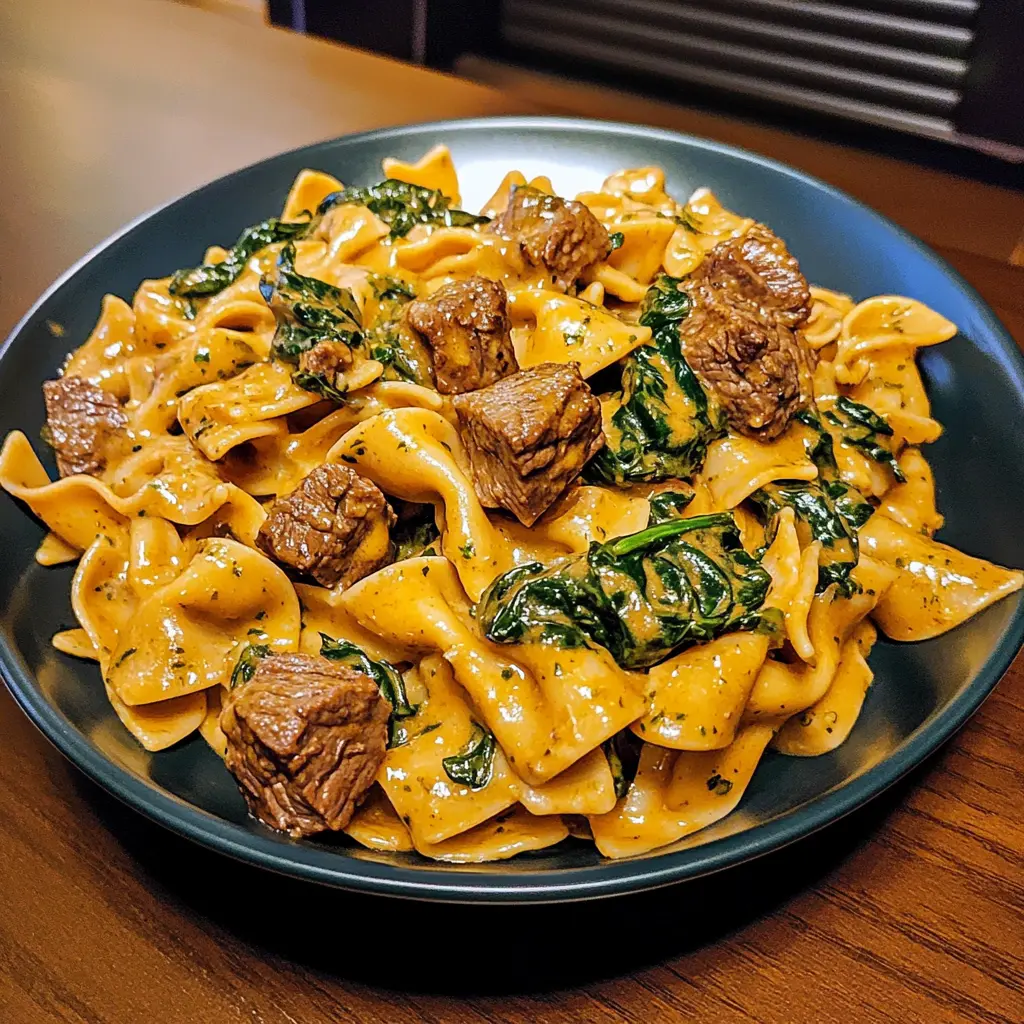
Tuscan Beef and Spinach Pasta: A Rich and Flavorful Italian-Inspired Comfort Dish
Imagine walking into a cozy Tuscan kitchen where the aroma of garlic, herbs, and tender beef fills the air. That’s exactly what you’ll experience when making this incredible Tuscan Beef and Spinach Pasta. This hearty Italian-inspired dish combines succulent beef, vibrant spinach, and aromatic herbs to create a restaurant-quality meal right in your own home.
Furthermore, this recipe brings together the rustic charm of Tuscan cooking with the comfort of a satisfying pasta dish. Additionally, it’s perfect for busy weeknight dinners or special weekend gatherings. Most importantly, every bite delivers rich flavors that transport you straight to the rolling hills of Tuscany.
What Makes Tuscan Beef and Spinach Pasta Special
Authentic Tuscan Flavors
Traditional Tuscan cuisine emphasizes simple, high-quality ingredients that shine when combined thoughtfully. Consequently, this Tuscan beef and spinach pasta recipe honors that philosophy by using fresh herbs, quality beef, and seasonal vegetables.
The magic happens when tender beef meets earthy spinach in a creamy, herb-infused sauce. Moreover, the combination creates layers of flavor that develop beautifully during cooking. As a result, each forkful delivers a perfect balance of protein, vegetables, and satisfying pasta.
Comfort Food with Italian Sophistication
This dish strikes the perfect balance between comfort food appeal and Italian sophistication. Therefore, it satisfies both casual family dinners and more elegant entertaining occasions. Furthermore, the creamy sauce coats every strand of pasta while the beef adds substantial heartiness.
Unlike heavy cream sauces that can feel overwhelming, this recipe creates a lighter yet still indulgent sauce. Subsequently, diners feel satisfied without being weighed down. Additionally, the fresh spinach adds color, nutrition, and a pleasant contrast to the rich beef.
Versatile and Adaptable
One of the best aspects of Tuscan beef and spinach pasta is its incredible versatility. For instance, you can easily adjust ingredients based on dietary preferences or what’s available in your pantry. Similarly, the cooking method adapts well to different skill levels and time constraints.
Whether you’re cooking for picky eaters or adventurous food lovers, this recipe delivers crowd-pleasing results. Moreover, it scales beautifully for both intimate dinners and larger gatherings.
Essential Ingredients for Perfect Results
High-Quality Beef Selection
The foundation of exceptional Tuscan beef and spinach pasta starts with selecting the right cut of beef. Therefore, choose tender cuts that cook quickly and remain juicy throughout the process.
Best beef cuts for this recipe:
-
Sirloin steak, cut into strips
-
Tenderloin pieces
-
Ribeye, trimmed and sliced
-
Top round, thinly sliced
Additionally, aim for beef that’s well-marbled but not overly fatty. Furthermore, cutting the beef against the grain ensures maximum tenderness in every bite.
Fresh Spinach vs. Frozen Options
Fresh spinach provides the best texture and flavor for this Tuscan beef spinach pasta recipe. However, frozen spinach works as a convenient alternative when fresh isn’t available.
Fresh spinach benefits:
-
Brighter color retention
-
Better texture after cooking
-
More vibrant flavor
-
No excess moisture issues
Frozen spinach considerations:
-
Must be thoroughly thawed and drained
-
Requires squeezing out excess water
-
More economical option
-
Longer shelf life
Pasta Shape Selection
Choosing the right pasta shape enhances the overall dining experience. Therefore, select shapes that hold the sauce well and complement the beef and spinach components.
Recommended pasta shapes:
-
Pappardelle (wide ribbon pasta)
-
Fettuccine (classic choice)
-
Penne (tube shape holds sauce)
-
Rigatoni (ridged tubes)
-
Farfalle (bow ties)
Moreover, these shapes provide excellent surface area for the creamy sauce to cling to. Consequently, every bite delivers the perfect ratio of pasta, sauce, beef, and spinach.
Aromatic Herbs and Seasonings
Authentic Tuscan flavors come from carefully selected herbs and seasonings. Furthermore, using fresh herbs whenever possible elevates the dish significantly.
Essential seasonings:
-
Fresh garlic (minced)
-
Fresh basil leaves
-
Italian seasoning blend
-
Black pepper (freshly ground)
-
Sea salt
-
Red pepper flakes (optional)
Additionally, quality olive oil forms the cooking base and adds authentic Mediterranean flavor. Similarly, freshly grated Parmesan cheese provides richness and depth to the finished dish.
Step-by-Step Recipe Instructions
Preparation Phase
Before cooking begins, proper preparation ensures smooth execution and better results. Therefore, gather all ingredients and complete prep work first.
Ingredient prep checklist:
-
Cut beef into bite-sized strips
-
Wash and chop fresh spinach
-
Mince garlic cloves
-
Grate Parmesan cheese
-
Measure all seasonings
-
Fill large pot with salted water for pasta
Furthermore, having everything ready prevents overcooking and ensures perfect timing throughout the process.
Cooking the Pasta Base
Start by bringing a large pot of salted water to a rolling boil. Subsequently, add your chosen pasta and cook according to package directions until al dente.
Pasta cooking tips:
-
Use plenty of water (at least 4 quarts per pound)
-
Salt the water generously
-
Stir occasionally to prevent sticking
-
Test for doneness 1-2 minutes before package time
-
Reserve 1 cup pasta water before draining
Moreover, properly cooked pasta provides the ideal foundation for this Tuscan beef and spinach pasta recipe. Additionally, the starchy pasta water helps create a silky sauce consistency.
Preparing the Beef Component
While pasta cooks, focus on preparing the beef component of your Tuscan beef spinach pasta. Therefore, heat a large skillet or heavy-bottomed pan over medium-high heat.
Beef cooking process:
-
Add olive oil to heated pan
-
Season beef strips with salt and pepper
-
Cook beef in single layer (work in batches if needed)
-
Sear for 2-3 minutes per side
-
Remove beef when golden brown but still slightly pink inside
Furthermore, avoid overcrowding the pan, as this causes steaming rather than proper searing. Consequently, working in batches produces better results than rushing the process.
Building the Sauce Foundation
After removing the beef, use the same pan to build your flavorful sauce base. Therefore, the beef drippings add incredible depth to the overall dish.
Sauce development steps:
-
Reduce heat to medium
-
Add minced garlic to the same pan
-
Sauté garlic for 30 seconds until fragrant
-
Add heavy cream gradually
-
Whisk constantly to prevent curdling
-
Season with Italian herbs and black pepper
Additionally, the cream sauce should coat the back of a spoon when properly thickened. Moreover, taste and adjust seasonings as needed during this process.
Incorporating Spinach and Final Assembly
Fresh spinach wilts quickly, so add it during the final stages of cooking. Subsequently, this preserves its vibrant color and prevents overcooking.
Final assembly process:
-
Add fresh spinach to cream sauce
-
Stir gently until spinach wilts
-
Return cooked beef to the pan
-
Add drained pasta to the skillet
-
Toss everything together with pasta water as needed
-
Remove from heat and add Parmesan cheese
Furthermore, the pasta water helps bind all components together beautifully. Therefore, add it gradually until the sauce reaches perfect consistency.
Pro Cooking Tips and Techniques
Temperature Control Mastery
Success with Tuscan beef and spinach pasta depends heavily on proper temperature control throughout cooking. Therefore, understanding when to adjust heat levels prevents common mistakes.
Heat management guidelines:
-
High heat for searing beef initially
-
Medium heat for garlic and sauce building
-
Low heat for final assembly
-
Remove from heat when adding cheese
Moreover, letting the pan get too hot can burn garlic and create bitter flavors. Conversely, insufficient heat prevents proper beef searing and flavor development.
Timing Coordination Strategies
Coordinating multiple components requires strategic timing for optimal results. Furthermore, having a clear sequence prevents any element from overcooking.
Optimal timing sequence:
-
Start pasta water first
-
Prep all ingredients while water heats
-
Begin beef cooking when pasta goes in water
-
Build sauce while pasta finishes
-
Combine everything during final 2 minutes
Additionally, this sequence ensures hot pasta meets hot sauce for the best possible texture. Subsequently, every component reaches the table at peak quality.
Sauce Consistency Techniques
Achieving the perfect sauce consistency elevates this Tuscan beef and spinach pasta from good to exceptional. Therefore, understanding how to adjust thickness makes a significant difference.
Consistency adjustment methods:
-
Too thick: Add pasta water gradually
-
Too thin: Simmer to reduce slightly
-
Broken sauce: Remove from heat and whisk vigorously
-
Grainy texture: Strain and reheat gently
Furthermore, pasta water contains starch that helps bind the sauce naturally. Consequently, it’s always the first choice for thinning rather than adding plain water or more cream.
Ingredient Quality Maximization
Every ingredient in this recipe contributes to the final flavor profile. Therefore, maximizing quality at each step creates dramatic improvements in the finished dish.
Quality enhancement tips:
-
Toast garlic briefly before adding cream
-
Use block Parmesan instead of pre-grated
-
Add fresh herbs at the very end
-
Taste and adjust seasoning constantly
-
Let beef rest briefly after searing
Moreover, these small details separate restaurant-quality results from ordinary home cooking. Additionally, developing these habits improves all your pasta dishes significantly.
Nutritional Benefits and Health Value
Protein Powerhouse Benefits
Tuscan beef and spinach pasta delivers substantial protein content that supports muscle health and satiety. Furthermore, the high-quality beef provides complete amino acids essential for optimal body function.
Protein benefits include:
-
Muscle maintenance and growth
-
Increased satiety and appetite control
-
Improved metabolism support
-
Essential amino acid profile
-
Energy stability throughout the day
Additionally, combining beef with pasta creates a more balanced macronutrient profile. Subsequently, this combination provides sustained energy rather than quick spikes and crashes.
Spinach Nutritional Contributions
Fresh spinach adds impressive nutritional value to this Tuscan beef spinach pasta recipe. Moreover, it provides essential vitamins and minerals while adding minimal calories.
Key spinach nutrients:
-
Iron for healthy blood formation
-
Folate supporting cellular function
-
Vitamin K for bone health
-
Antioxidants protecting against cellular damage
-
Fiber supporting digestive health
Furthermore, cooking spinach slightly increases the bioavailability of certain nutrients. Therefore, this recipe maximizes the nutritional benefits of this leafy green superfood.
Balanced Macronutrient Profile
This recipe provides a well-balanced combination of carbohydrates, proteins, and fats. Consequently, it supports stable blood sugar levels and sustained energy.
Macronutrient breakdown:
-
Carbohydrates from pasta (energy fuel)
-
Protein from beef (muscle support)
-
Healthy fats from olive oil and cream (satiety)
-
Fiber from spinach (digestive health)
Moreover, this balance makes the dish satisfying without causing energy crashes later. Additionally, the combination supports both immediate energy needs and longer-term nutritional goals.
Portion Control Considerations
While Tuscan beef and spinach pasta offers excellent nutrition, mindful portion sizes optimize health benefits. Therefore, understanding appropriate serving sizes helps maintain nutritional balance.
Serving size guidelines:
-
4-6 oz cooked pasta per person
-
3-4 oz beef per serving
-
2-3 cups fresh spinach per serving
-
Moderate cream sauce portions
Furthermore, pairing this rich dish with a simple green salad adds fiber and helps with portion control. Subsequently, the meal becomes more nutritionally complete and satisfying.
Creative Recipe Variations
Vegetable Enhancement Options
Adding complementary vegetables transforms this Tuscan beef and spinach pasta into an even more nutritious and colorful dish. Furthermore, seasonal vegetables keep the recipe interesting throughout the year.
Excellent vegetable additions:
-
Sun-dried tomatoes (Mediterranean flavor)
-
Roasted bell peppers (sweet and smoky)
-
Sautéed mushrooms (earthy depth)
-
Cherry tomatoes (fresh acidity)
-
Artichoke hearts (tangy complexity)
Moreover, these additions should complement rather than compete with the beef and spinach. Therefore, choose vegetables that enhance the existing flavor profile.
Cheese Variation Possibilities
While Parmesan cheese provides classic appeal, other cheese options create interesting flavor variations. Additionally, different cheeses change the sauce texture and richness level.
Alternative cheese options:
-
Romano (sharper flavor profile)
-
Asiago (nutty and aged taste)
-
Gorgonzola (blue cheese complexity)
-
Fresh mozzarella (mild and creamy)
-
Pecorino (salty and robust)
Furthermore, combining two different cheeses often creates more complex and interesting flavors. However, maintain balance to avoid overwhelming the beef and spinach components.
Herb and Seasoning Modifications
Experimenting with different herb combinations keeps this Tuscan beef and spinach pasta recipe fresh and exciting. Moreover, seasonal herbs add variety throughout the year.
Creative herb combinations:
-
Fresh thyme and rosemary (woody aromatics)
-
Oregano and marjoram (Mediterranean classic)
-
Fresh sage and parsley (earthy freshness)
-
Tarragon and chives (French influence)
-
Basil and mint (unexpected freshness)
Additionally, dried herbs work well when fresh options aren’t available. However, use them more sparingly since their flavors concentrate during the drying process.
Pasta Shape Experiments
Different pasta shapes create varying eating experiences with the same core recipe. Therefore, experimenting with shapes keeps the dish interesting and accommodates different preferences.
Unique pasta shape ideas:
-
Orecchiette (little ears hold sauce well)
-
Gemelli (twisted spirals catch ingredients)
-
Cavatappi (corkscrews with ridges)
-
Shells (perfect sauce pockets)
-
Rotini (spirals for texture variety)
Moreover, each shape interacts differently with the sauce and ingredients. Consequently, the same recipe can feel completely different simply by changing the pasta.
Perfect Serving Suggestions
Complementary Side Dishes
Selecting appropriate side dishes enhances the Tuscan beef and spinach pasta experience without competing with its rich flavors. Therefore, choose lighter options that provide textural and flavor contrast.
Ideal side dish options:
-
Simple arugula salad with lemon vinaigrette
-
Roasted vegetables with herbs
-
Garlic breadsticks or crusty Italian bread
-
Steamed broccoli with lemon
-
Mixed greens with balsamic reduction
Furthermore, these sides add freshness and help balance the richness of the cream sauce. Additionally, they provide extra nutrients and fiber to complete the meal.
Presentation and Plating Tips
Beautiful presentation elevates this Tuscan beef spinach pasta from everyday dinner to special occasion fare. Moreover, thoughtful plating shows respect for the cooking effort invested.
Professional plating techniques:
-
Warm serving bowls before plating
-
Twirl pasta using a large spoon and fork
-
Arrange beef pieces artfully on top
-
Garnish with fresh herbs and cheese
-
Add a light drizzle of quality olive oil
Additionally, using white or neutral plates allows the colors to shine through beautifully. Subsequently, the visual appeal enhances the overall dining experience significantly.
Portion Size and Serving Guidelines
Proper portion sizes ensure everyone leaves satisfied without feeling overly full. Furthermore, appropriate serving sizes allow the rich flavors to be enjoyed without overwhelming the palate.
Recommended serving portions:
-
6-8 oz total dish per person as main course
-
4-5 oz as appetizer portion
-
Serve immediately while hot
-
Provide extra Parmesan at the table
-
Offer additional black pepper
Moreover, serving this dish family-style encourages sharing and creates a more convivial dining atmosphere. Therefore, consider presenting it in a large, attractive serving bowl.
Beverage Pairing Recommendations
The right beverages complement and enhance the flavors in Tuscan beef and spinach pasta. Additionally, thoughtful pairings create a more complete and satisfying meal experience.
Excellent beverage options:
-
Sparkling water with lemon (cleanses palate)
-
Italian sodas (San Pellegrino varieties)
-
Fresh herb-infused water
-
Iced tea with lemon and mint
-
Coffee or espresso (after the meal)
Furthermore, these beverages provide refreshing contrast without competing with the dish’s complex flavors.
Storage and Reheating Guidelines
Proper Storage Techniques
Storing Tuscan beef and spinach pasta correctly maintains food safety while preserving flavor and texture quality. Therefore, following proper storage protocols ensures delicious leftovers.
Storage best practices:
-
Cool completely before refrigerating
-
Store in airtight containers
-
Refrigerate within 2 hours of cooking
-
Use within 3-4 days for best quality
-
Label containers with date
Additionally, dividing large batches into smaller containers promotes faster cooling. Subsequently, this prevents bacterial growth and maintains food safety standards.
Reheating Methods for Best Results
Different reheating methods produce varying results with cream-based pasta dishes. Moreover, choosing the right technique preserves texture and prevents sauce separation.
Effective reheating approaches:
Stovetop method (recommended):
-
Add splash of cream or pasta water
-
Heat gently over low-medium heat
-
Stir frequently to prevent sticking
-
Heat until steaming throughout
Microwave method:
-
Use microwave-safe container
-
Add small amount of liquid
-
Heat in 30-second intervals
-
Stir between heating sessions
Furthermore, avoid high heat during reheating as it can cause the cream sauce to break or curdle. Therefore, patience during reheating produces much better results.
Freezing Considerations
While freezing is possible, cream-based sauces don’t always freeze well. However, proper techniques can extend storage life significantly.
Freezing guidelines:
-
Cool completely before freezing
-
Use freezer-safe containers
-
Leave space for expansion
-
Consume within 2-3 months
-
Thaw in refrigerator overnight
Moreover, expect some texture changes after freezing and thawing. Additionally, adding fresh ingredients during reheating can help restore original quality.
Make-Ahead Preparation Strategies
Planning ahead allows you to enjoy Tuscan beef and spinach pasta with less day-of cooking stress. Therefore, understanding which components prep well in advance saves time and effort.
Make-ahead components:
-
Cut beef up to 24 hours ahead
-
Prep vegetables day before
-
Make sauce base (without spinach) ahead
-
Cook pasta slightly underdone for reheating
Furthermore, assembling everything just before serving ensures optimal texture and temperature. Subsequently, advance preparation reduces active cooking time significantly.
Frequently Asked Questions
Can I substitute the beef with other proteins?
Yes, several protein alternatives work excellently in this Tuscan beef and spinach pasta recipe. Moreover, different proteins create interesting flavor variations while maintaining the dish’s hearty character.
Protein substitution options:
-
Chicken breast or thighs (cook thoroughly)
-
Italian sausage (remove from casings)
-
Turkey tenderloin (slice thinly)
-
Pork tenderloin (quick-cooking cuts)
-
Shrimp (add during final minutes)
Additionally, cooking times may vary depending on the protein choice. Therefore, adjust cooking methods accordingly to ensure food safety and optimal texture.
What if I don’t have heavy cream available?
Several alternatives can replace heavy cream while maintaining the rich, creamy texture. Furthermore, some substitutions provide different nutritional profiles for dietary preferences.
Heavy cream alternatives:
-
Half-and-half (thinner but still creamy)
-
Greek yogurt (add off heat to prevent curdling)
-
Cream cheese (thin with pasta water)
-
Cashew cream (dairy-free option)
-
Evaporated milk (more economical choice)
Moreover, each substitute creates slightly different flavor profiles and textures. Subsequently, experiment to find your preferred combination.
How can I make this dish lighter or healthier?
This Tuscan beef and spinach pasta recipe adapts well to healthier modifications without sacrificing flavor significantly. Therefore, several adjustments reduce calories and increase nutritional density.
Healthy modification strategies:
-
Use whole wheat or legume-based pasta
-
Reduce cream amount and add more pasta water
-
Increase spinach and vegetable content
-
Choose leaner beef cuts
-
Add more herbs for flavor without calories
Furthermore, these changes maintain the dish’s satisfying character while improving nutritional value. Additionally, the modifications often increase fiber and micronutrient content.
Can I make this recipe dairy-free?
Creating a dairy-free version requires substituting both the cream and cheese components. Moreover, plant-based alternatives can produce surprisingly delicious results.
Dairy-free substitutions:
-
Coconut cream for heavy cream
-
Cashew cream for richness
-
Nutritional yeast for cheesy flavor
-
Vegan parmesan alternatives
-
Olive oil for additional richness
Additionally, taste and adjust seasonings since dairy-free versions may need extra flavor enhancement. Subsequently, herbs and spices become even more important for depth.
How do I prevent the spinach from becoming soggy?
Fresh spinach requires careful handling to maintain optimal texture in Tuscan beef spinach pasta. Therefore, proper timing and technique prevent overcooking issues.
Spinach texture preservation tips:
-
Add spinach during final cooking stages
-
Remove stems from mature spinach leaves
-
Don’t overcook after wilting occurs
-
Squeeze excess water from frozen spinach
-
Use baby spinach for tender results
Furthermore, spinach continues cooking from residual heat even after removing from burner. Consequently, slight undercooking during active cooking prevents sogginess in the final dish.
Final Thoughts
Tuscan Beef and Spinach Pasta represents the perfect marriage of hearty comfort food and sophisticated Italian flavors. This remarkable dish brings restaurant-quality dining to your home kitchen while remaining approachable for cooks of all skill levels. Moreover, the combination of tender beef, vibrant spinach, and creamy herb-infused sauce creates an unforgettable culinary experience.
The beauty of this recipe lies in its versatility and adaptability to different preferences and dietary needs. Furthermore, whether you’re cooking for a romantic dinner, family gathering, or meal prep session, this Tuscan beef and spinach pasta delivers consistent, crowd-pleasing results. Additionally, the techniques you’ll master while preparing this dish translate to countless other pasta creations.
Remember that great cooking comes from understanding your ingredients and respecting the cooking process. Therefore, take time to properly sear the beef, build the sauce gradually, and combine everything with care. Subsequently, these attention-to-detail moments create the difference between good and exceptional results.
Ready to create your own Tuscan Beef and Spinach Pasta masterpiece? Start by gathering high-quality ingredients and following these detailed instructions. Your family and guests will be amazed by the restaurant-quality flavors you’ve created right in your own kitchen.
Tuscan Beef and Spinach Pasta
Description
Tuscan Beef and Spinach Pasta
Ingredients
Pasta & Protein:
-
12 oz campanelle or penne pasta
-
1 lb ground beef (80/20)
Vegetables:
-
1 medium onion, diced
-
6 garlic cloves, minced
-
2 cups fresh spinach, packed
-
1/3 cup sun-dried tomatoes, roughly chopped
Base & Sauce:
-
2 tablespoons tomato paste
-
1 tablespoon oil from sun-dried tomatoes
-
2 tablespoons butter
-
2 cups whole milk
-
2 cups beef broth
-
1 cup Parmesan cheese, freshly grated
Seasonings:
-
2 teaspoons garlic powder
-
2 teaspoons onion powder
-
2 teaspoons Italian seasoning
-
1 teaspoon paprika
-
1/2 teaspoon black pepper
-
2 teaspoons salt
Instructions
Cook the Beef:
-
In a large, deep skillet or pot, add ground beef with 1 teaspoon each of garlic powder, onion powder, paprika, and 1/2 teaspoon each of salt and black pepper
-
Cook beef for 5 minutes on medium-high heat, breaking it into small pieces with a spatula
Build the Base:
3. Add diced onion, minced garlic, butter, sun-dried tomatoes, sun-dried tomato oil, and tomato paste to the beef
4. Sauté everything together for 5 minutes
Add Pasta and Liquids:
5. Add the uncooked pasta, beef broth, milk, and remaining seasonings (1 teaspoon garlic powder, 1 teaspoon onion powder, 1 teaspoon Italian seasoning, and 1½ teaspoons salt)
6. Mix everything together and spread pasta evenly in the pot
Cook the Pasta:
7. Bring mixture to a simmer on the stovetop
8. Cover with lid and cook for 10-12 minutes on medium-low heat
9. At 10 minutes, remove lid, stir, and check if pasta is done
Finish the Dish:
10. Remove from heat and add the fresh spinach, stirring until it wilts into the pasta
11. Sprinkle Parmesan cheese over the pasta and give it a final mix
12. Serve immediately while hot