
Introduction & Core Foundations
Imagine the sizzle that makes your mouth water before the dish even hits the table. Picture tender, caramelized cubes of beef, dancing in a hot pan alongside sharp notes of garlic and pepper. This isn’t just a meal; it’s a performance. Welcome to the world of Vietnamese Shaking Beef, or Bò Lúc Lắc, a dish that truly lives up to its evocative name. This iconic staple of Vietnamese cuisine is a stunning harmony of textures and flavors—savory, sweet, peppery, and fresh, all in a single, unforgettable bite. But what’s the story behind this shaking sensation? And more importantly, how can you possibly recreate this authentic recipe at home? Buckle up; we’re diving deep into the art and soul of this classic, from its fascinating history to the pro tips that guarantee perfection on your first try. Get ready to bring the vibrant energy of a Vietnamese kitchen right into your own.
The Ultimate Guide to Vietnamese Shaking Beef (Bò Lúc Lắc): A Symphony of Flavor and Texture
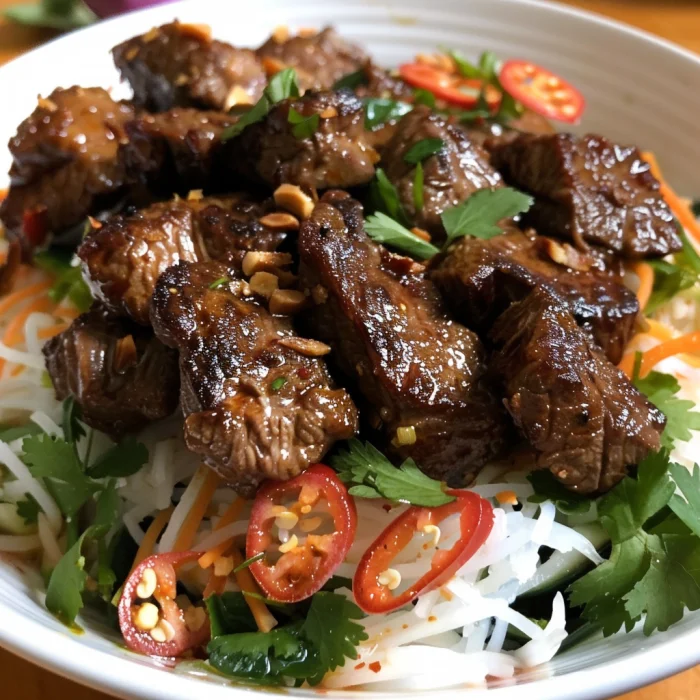
Close your eyes and listen for that iconic sizzle. Seriously, the sound is half the experience! Furthermore, the aroma hits you next—an irresistible blend of searing beef, pungent garlic, and sweet, salty marinade that promises something extraordinary. Consequently, when the platter arrives, it’s a vibrant work of art: juicy, dark brown beef cubes nestled on a bed of crisp, green watercress, punctuated by sharp red onion rings. This, right here, is the magic of Bò Lúc Lắc. Without a doubt, this dish is a cornerstone of authentic Vietnamese dining, celebrated for its elegant simplicity and explosive flavor. However, its brilliance lies in its balance; it’s rich yet refreshing, deeply savory yet brightened by a zesty lime dip. Ultimately, this guide will be your masterclass, unraveling the history, the technique, and the secrets behind creating a restaurant-style masterpiece in your own kitchen.
The Meaning Behind “Shaking Beef”
So, why on earth is it called “Shaking Beef”? Well, the name is actually the best cooking demo you’ll ever get! Literally translated, “Bò” means beef, and “Lúc Lắc” means “to shake.” Picture this: a cook, armed with a blazing-hot wok, tosses in the marinated steak cubes. Then, instead of stirring, they use a confident, swift shaking motion to toss the meat back and forth. This ingenious technique ensures every single cube gets a perfect, uniform sear on all sides without overcooking the delicate interior. Essentially, the pan does the work, and the cook just guides the dance. It’s a fun, dynamic process that results in incredibly tender beef with a fantastically caramelized crust.
A Dish Forged from Cultural Exchange
Now, let’s rewind the clock a bit. While shaking beef is undeniably Vietnamese, its origins hint at a beautiful cultural exchange. Many food historians believe Bò Lúc Lắc emerged during the French colonial period in Vietnam. The French introduced their love for beef—specifically, cuts like tenderloin (filet mignon)—and their classic “steak frites” concept. Ingeniously, Vietnamese cooks adopted this idea but then made it uniquely their own. They swapped the fries for rice, the heavy sauces for a light, tangy dipping sauce, and added fresh, crunchy lettuce. Moreover, they introduced the quick, high-heat shaking technique and a potent marinade built on soy sauce and fish sauce. The result? A brand-new dish that perfectly encapsulates the Vietnamese talent for adapting and refining outside influences into something extraordinary. For a deeper dive into this period, you can read about the French influence on Vietnamese cuisine.
Deconstructing the Dish: Ingredients & Cultural Significance
Alright, let’s get down to the nitty-gritty: what actually goes into this phenomenal dish? Understanding each component is your first step to mastery. After all, Bò Lúc Lắc is a symphony, and each ingredient is a crucial instrument. From the star of the show—the beef—to the humble garlic clove, every element has a role to play. Forget complicated, hard-to-find items; the magic lies in how these simple, powerful ingredients work together. So, let’s break it all down and explore why this meal is so much more than just dinner on a plate.
Best Cuts for Bò Lúc Lắc
First things first: you gotta choose your player. Not all beef cuts are created equal for this fast-paced cooking method. You need something that’s naturally tender and will cook quickly to a juicy medium-rare. Here are the top contenders:
-
Filet Mignon/Tenderloin: This is the undisputed champion, the most traditional and luxurious choice. It’s incredibly lean and melt-in-your-mouth tender, making for an exquisite shaking beef experience. Honestly, it’s hard to beat.
-
Sirloin (Top Sirloin): The best all-rounder! Sirloin offers a fantastic balance of robust beef flavor, tenderness, and value. It’s a popular choice for home cooks and delivers incredible results without breaking the bank.
-
Ribeye: If you’re all about that rich, buttery flavor, ribeye is your guy. It has more marbling (fat running through it), which translates into supremely juicy and flavorful cubes. Just be aware that this fat can cause more splattering in the pan.
Ultimately, avoid tougher cuts like chuck or round; they require slow, moist cooking to become tender and would turn into little leathery cubes in this recipe.
Building Layers of Flavor: The Marinade
Here’s where the real transformation happens! The marinade isn’t just a soak; it’s the soul of the dish, infusing the meat with its signature salty-sweet-umami depth.
-
Soy Sauces: A combination of light soy sauce (for saltiness) and dark soy sauce (for color and a hint of molasses-like sweetness) is classic. Alternatively, you can use all light soy sauce.
-
Fish Sauce (Nước Mắm): This is the secret weapon, the ultimate umami bomb. Don’t worry; it won’t make the dish taste fishy. Instead, it adds an incredible savory complexity that is unmistakably Southeast Asian.
-
Oyster Sauce: This thick, syrupy sauce contributes a deep, savory-sweetness and helps create that gorgeous, glazy coating on the beef.
-
Aromatics: Freshly ground black pepper and a generous amount of crushed garlic are non-negotiable. They provide the aromatic punch that defines the dish.
-
Sweetener: A bit of sugar is essential. It balances the salty elements and is key for achieving that beautiful caramelization during searing.
The Essential Accompaniments
Believe it or not, the beef is only half the story. The traditional sides are what complete the experience, cutting through the richness and adding refreshing contrast.
-
The Bed of Greens: A plate lined with crisp watercress or butter lettuce is standard. The cool, slightly peppery greens provide a wonderful textural and temperature contrast to the hot, savory beef.
-
The Dipping Sauce (Muối Tiêu Chanh): This simple sauce of lime juice, freshly cracked black pepper, and salt is a revelation. Its sharp, citrusy kick cuts through the fat and resets your palate between bites.
-
The Onions: Thinly sliced red onions, often quickly pickled or served raw, add a sharp, pungent crunch.
-
The Carb: A big, fluffy pile of steamed jasmine rice is mandatory for soaking up every last drop of the incredible juices.
A Dish for Celebration and Comfort
While you can find it in many restaurants, Bò Lúc Lắc often holds a special place in home cooking. It’s considered a bit of a special occasion dish due to the use of a premium beef cut. However, it’s also the kind of comforting, flavor-packed meal that families gather around for a memorable Sunday dinner. It’s both a celebration and a comfort, all on one sizzling platter.
The Master Recipe: Step-by-Step Instructions
Enough talk—let’s cook! This is where we turn theory into reality. Don’t be intimidated; the process is straightforward once you understand the key principles. The most important thing? Preparation. Have all your ingredients measured, chopped, and within arm’s reach. This dish cooks in a flash, so there’s no time to run to the pantry once you start. Get your pan screaming hot, and let’s create some magic.
Classic Bò Lúc Lắc Recipe
Prep Time: 20 minutes (+ 30 mins – 2 hours marinating)
Cook Time: 10 minutes
Total Time: 1 hour
Servings: 4
Ingredients List (Detailed)
For the Beef & Marinade:
-
1.5 lbs (700 g) beef tenderloin or sirloin, cut into 1-inch cubes
-
3 cloves garlic, minced
-
2 tablespoons light soy sauce
-
1 tablespoon oyster sauce
-
1 tablespoon fish sauce
-
1 teaspoon dark soy sauce (optional, for color)
-
2 teaspoons granulated sugar
-
1 teaspoon freshly ground black pepper
-
1 tablespoon neutral oil (avocado, grapeseed)
For the Dipping Sauce (Muối Tiêu Chanh):
-
2 tablespoons lime juice (from about 1 lime)
-
1 teaspoon coarse sea salt
-
1 teaspoon freshly cracked black pepper
For Serving:
-
1 large bunch watercress or butter lettuce, washed
-
1 small red onion, thinly sliced
-
Steamed jasmine rice
Step-by-Step Cooking Instructions
Step 1: Marinating the Beef
Pat the beef cubes completely dry with paper towels—this is critical for a good sear! In a medium bowl, whisk together the minced garlic, light soy sauce, oyster sauce, fish sauce, dark soy sauce (if using), sugar, and black pepper. Add the dried beef cubes and toss to coat thoroughly. Cover and let it marinate at room temperature for 30 minutes or, for deeper flavor, in the refrigerator for up to 2 hours.
Step 2: Preparing the Sides and Sauce
While the beef marinates, prepare your plates. Arrange a generous bed of watercress or lettuce on a large serving platter or individual plates. Scatter the sliced red onions over the top. In a small bowl, stir together the lime juice, coarse salt, and cracked pepper for the dipping sauce. Set everything aside.
Step 3: The Art of the Sear – “Shaking” the Beef
This is it—the main event! Place your largest skillet or wok over the highest heat possible and let it get screaming hot. Add the neutral oil and swirl to coat. Now, here’s the pro tip: work in batches! Overcrowding the pan is the enemy of a good sear; it will steam the meat instead of browning it.
Using tongs, carefully add about half of the beef cubes in a single layer. Resist the urge to move them for a full 60-90 seconds! Let them develop a dark, caramelized crust. Then, channel your inner chef and shake the pan vigorously back and forth. Alternatively, use your tongs to flip each cube to sear another side. Cook for another 2-3 minutes total for medium-rare. Transfer this first batch to a clean plate. Repeat with the remaining beef.
Step 4: Sautéing the Aromatics
Once all the beef is out of the pan, you might have some delicious browned bits left behind. That’s flavor gold! If the pan is dry, add a tiny splash of oil. Toss in any remaining marinated red onions you might have and sauté for just 30 seconds until they just begin to soften.
Step 5: Plating and Presentation
Return all the cooked beef and any accumulated juices back to the hot pan. Give everything one final, vigorous shake to coat the beef in the pan sauces and warm it through. This should take no more than 30 seconds. Immediately pour the entire contents of the pan over your waiting bed of greens and onions. The watercress will wilt slightly from the heat, which is exactly what you want. Serve immediately while sizzling hot, with the lime dipping sauce and steamed rice on the side.
Chef’s Notes: Pro Tips for Success
-
Dry Your Beef: I can’t stress this enough. Moisture is the enemy of browning. Patting the cubes dry is the single most important step for that restaurant-style crust.
-
Pan Choice Matters: A heavy-bottomed cast-iron skillet or carbon steel wok is ideal because it retains and distributes heat incredibly well, ensuring a perfect sear.
-
Don’t Skip the Batches: It feels like extra work, but it’s the difference between steamed grey beef and beautifully browned, juicy cubes. Trust the process!
-
Resting is Briefly Best: Letting the beef rest on the plate for just a minute after the first batch allows the juices to redistribute, ensuring every bite is succulent.
Understanding the role of each ingredient in the marinade can transform your cooking. For those interested in the food science behind it, you can learn about the science of how marinades work.
Variations, Dietary Adaptations, and Serving Suggestions
So you’ve mastered the classic—fantastic! But the fun doesn’t stop there. The beautiful thing about Bò Lúc Lắc is its adaptability. Whether you’re catering to different dietary needs, cooking for a crowd with varying tastes, or just looking to mix things up, this framework is wonderfully flexible. Let’s explore how you can put your own spin on this iconic dish without losing its essential spirit.
Shaking Chicken (Gà Lúc Lắc) and Shaking Tofu (Đậu Hũ Lúc Lắc)
The “shaking” technique isn’t just for beef! The same addictive marinade and cooking method work wonders on other proteins.
-
For Shaking Chicken: Use boneless, skinless chicken thighs, cut into 1.5-inch chunks. Thighs are more forgiving and stay juicier than breast meat. Marinate for the same amount of time, but ensure you cook it through completely, shaking until the chicken is golden brown and registers 165°F (74°C) internally.
-
For Shaking Tofu: Press a block of extra-firm tofu for at least 30 minutes to remove excess water. Cut into 1-inch cubes. Toss the cubes with a tablespoon of cornstarch before adding the marinade—this helps create a crispy exterior. Be a bit more gentle when shaking to avoid breaking the tofu, and cook until golden and crisp on all sides.
Gluten-Free and Low-Sodium Options
Dietary restrictions shouldn’t keep anyone from enjoying this dish.
-
Gluten-Free: This is an easy fix! Simply replace the soy sauce with an equal amount of tamari (which is a gluten-free Japanese soy sauce) or coconut aminos. Most major brands of oyster sauce contain wheat, so seek out a certified gluten-free oyster sauce or substitute with additional tamari and a pinch of sugar.
-
Low-Sodium: To reduce sodium, use low-sodium soy sauce or tamari. You can also slightly reduce the amount of fish sauce and oyster sauce, balancing the flavor with a touch more lime juice or a pinch of sugar.
Creating the Perfect Vietnamese Meal
What you serve alongside your masterpiece can elevate it from a great dish to an unforgettable meal.
-
Rice Varieties: While jasmine rice is classic, consider serving it with Vietnamese tomato rice (cơm đỏ) for a sweet and tangy twist, or broken rice (cơm tấm) for an authentic Saigon-style experience.
-
The Vegetable Side Show: Add a side of quick-pickled vegetables (đồ chua – carrots and daikon radish) for a crunchy, sweet, and sour element that cuts through the richness perfectly.
-
The Wrap Option: For a fun, interactive meal, provide leaves of butter lettuce or crisp romaine hearts. Guests can wrap a piece of beef, some onion, and a drizzle of sauce into a refreshing, handheld package.
Speaking of beef’s role in a balanced diet, it’s helpful to understand the nutritional profile of beef tenderloin as a lean protein source.
FAQs and Conclusion
Even with a detailed guide, a few questions always pop up. Let’s tackle the most common ones head-on to ensure you have all the confidence you need to create the perfect Bò Lúc Lắc. After that, we’ll bring it all home with a final word on why this dish continues to capture hearts and palates around the world.
Frequently Asked Questions (FAQs)
What does “Bò Lúc Lắc” mean?
It directly translates to “shaking beef.” The name comes from the distinctive cooking technique where the chef shakes the pan back and forth to toss and sear the marinated beef cubes evenly on all sides.
What is the best cut of beef to use for Bò Lúc Lắc?
The most tender and traditional cut is filet mignon (beef tenderloin). However, sirloin (top sirloin) is an excellent and more economical alternative that offers great flavor and tenderness. Ribeye is also a fantastic choice for a richer, more marbled result.
What is shaking beef typically served with?
It is traditionally served on a bed of crisp watercress or lettuce with raw red onion rings. It’s always accompanied by a side of steamed jasmine rice and a simple, peppery lime dipping sauce called muối tiêu chanh.
How do you pronounce “Bò Lúc Lắc”?
A simple phonetic guide is: “Baw” (like ‘saw’) “Look” (like ‘book’) “Lock” (
Print
Vietnamese Shaking Beef (Bo Luc Lac)
Description
Vietnamese Shaking Beef (Bo Luc Lac)
Ingredients
-
1 lb beef tenderloin or sirloin, cut into 1-inch cubes
-
2 tbsp soy sauce
-
1 tbsp oyster sauce
-
1 tbsp fish sauce
-
1 tsp sugar
-
½ tsp freshly ground black pepper
-
2 cloves garlic, minced
-
2 tbsp vegetable oil (for searing)
-
1 small red onion, sliced into wedges
-
1 bell pepper, sliced (optional)
-
Fresh lettuce leaves, for serving
-
Lime wedges, for garnish
Optional side salad (for serving):
-
1 cucumber, thinly sliced
-
1 small tomato, chopped
-
1 shallot, thinly sliced
-
1–2 tbsp lime juice
-
1 tsp sugar
-
Salt & pepper, to taste
Instructions
-
Marinate the beef:
In a bowl, combine soy sauce, oyster sauce, fish sauce, sugar, black pepper, and garlic. Toss beef cubes in the marinade and let sit 15–30 minutes at room temperature. -
Prepare the optional salad:
Mix cucumber, tomato, shallot, lime juice, sugar, salt, and pepper in a small bowl. Set aside. -
Cook the beef:
Heat vegetable oil in a large skillet or wok over high heat. Sear beef cubes in batches for 1–2 minutes per side, until browned but still medium-rare inside. Remove and set aside. -
Sauté vegetables:
In the same skillet, quickly stir-fry onions (and bell peppers if using) until just tender, about 2–3 minutes. -
Combine:
Return beef to the skillet, toss briefly with onions and any remaining marinade, and remove from heat. -
Serve:
Arrange fresh lettuce on a plate, top with beef and vegetables. Serve with lime wedges on the side and the cucumber-tomato salad if desired.