
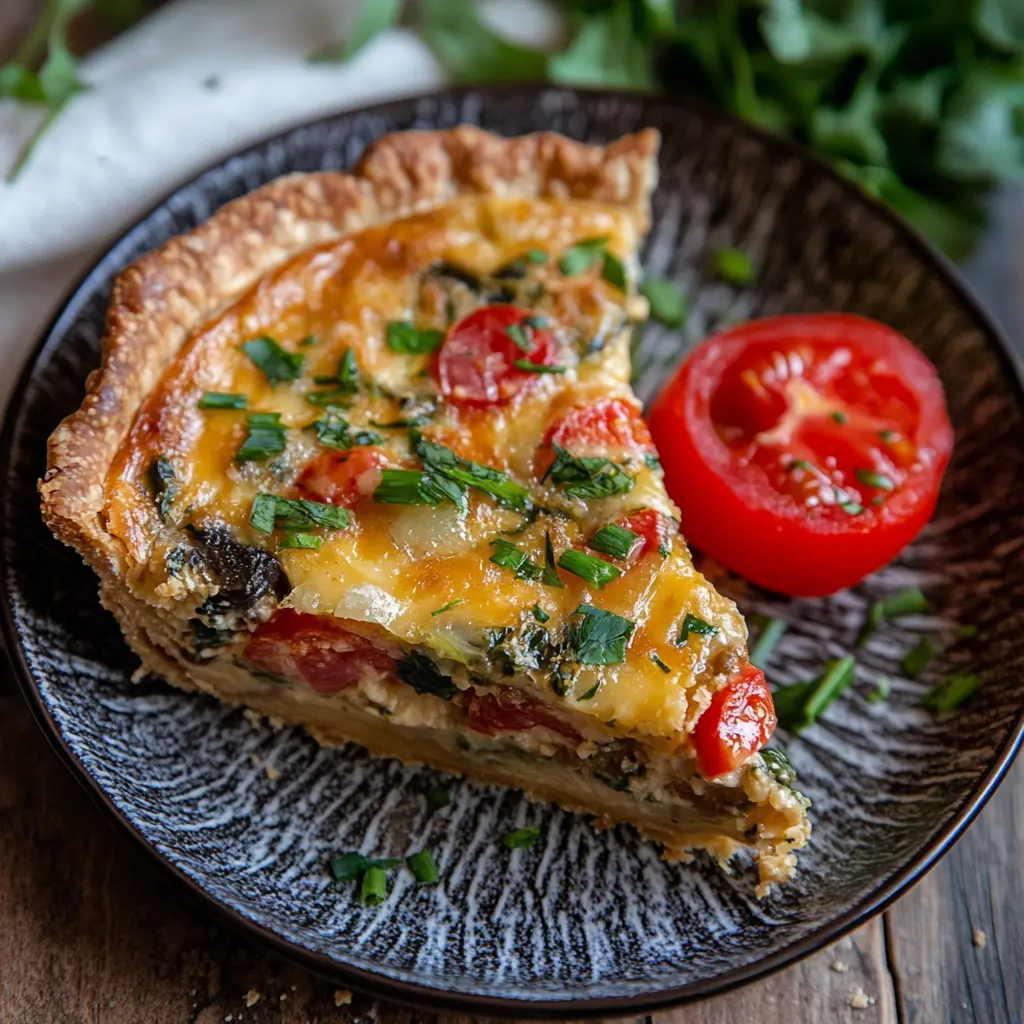
What Makes a Quiche Firm?
Quiche is a classic dish that’s as versatile as it is delicious. Whether you’re whipping up a Quiche Lorraine for brunch or experimenting with a vegetarian version, one thing’s for sure—firmness is key. A perfectly firm quiche holds its shape when sliced, offers a satisfying texture, and makes for an impressive presentation. But achieving that ideal consistency isn’t always easy. From the right egg-to-dairy ratio to mastering blind baking, there’s a lot that goes into making a quiche that’s neither too runny nor too dry.
In this article, we’ll dive deep into the secrets of creating a firm quiche. We’ll explore the role of ingredients, baking techniques, and common mistakes to avoid. By the end, you’ll have all the tools you need to make a quiche that’s as firm as it is flavorful. Let’s get started!
Introduction to Quiche and the Importance of Firmness
1.1 What is a Quiche?
Ah, quiche—the savory tart that’s stolen the hearts of food lovers worldwide. Originating from France, this dish typically consists of a flaky crust filled with a creamy custard made from eggs and dairy, along with a variety of fillings like cheese, vegetables, and meats. From the classic Quiche Lorraine to modern twists like spinach and feta, quiche is a blank canvas for culinary creativity.
But here’s the thing: no matter how delicious your fillings are, a quiche that’s soggy or runny can ruin the experience. That’s why firmness is so important. A firm quiche not only looks appetizing but also ensures every bite is a harmonious blend of flavors and textures.
1.2 Why is Firmness Important in a Quiche?
Let’s face it—no one wants to serve a quiche that falls apart the moment you slice into it. Firmness is crucial for several reasons. First, it ensures your quiche holds its shape, making it easier to serve and eat. Second, a firm texture enhances the overall mouthfeel, balancing the creaminess of the custard with the flakiness of the crust.
On the flip side, a soggy or runny quiche can be a real letdown. It’s often the result of too much moisture, underbaking, or skipping essential steps like blind baking. But don’t worry—we’ll cover all these pitfalls and more in the sections to come.
So, whether you’re a seasoned chef or a beginner in the kitchen, understanding what makes a quiche firm will take your culinary skills to the next level. Stick around as we break down the science and art of creating the perfect quiche!
Key Factors That Make a Quiche Firm
Creating a firm quiche isn’t just about luck—it’s about understanding the science behind the dish. From the ingredients you choose to the techniques you use, every step plays a role in achieving that perfect texture. Let’s dive into the key factors that make a quiche firm and delicious.
2.1 The Role of Ingredients
When it comes to quiche, the ingredients are the building blocks of firmness. Each component has a specific role, and getting the balance right is crucial.
Eggs: The Binding Agent
Eggs are the backbone of any quiche. They act as a binding agent, holding everything together while providing structure. For a firm quiche, you’ll want to use enough eggs to create a stable custard. A good rule of thumb is to use one egg for every half cup of dairy. Too few eggs, and your quiche will be runny; too many, and it might turn rubbery.
Cream and Milk: The Custard Base
The combination of cream and milk creates the creamy custard that defines a quiche. However, the ratio matters. Using heavy cream or a mix of cream and whole milk ensures a rich, firm texture. Skim milk, on the other hand, can make the custard too thin. Aim for a ratio of 2 parts dairy to 1 part eggs for the perfect consistency.
Cheese: The Flavor Booster
Cheese isn’t just for flavor—it also contributes to firmness. Varieties like Gruyère, cheddar, and Parmesan melt beautifully and help set the custard. Avoid overly soft cheeses like mozzarella, as they can release too much moisture during baking.
Fillings: The Moisture Factor
Fillings like vegetables and meats add flavor and texture, but they can also introduce excess moisture. For example, spinach and mushrooms release water when cooked. To prevent a soggy quiche, always pre-cook and drain these ingredients before adding them to the custard.
2.2 The Perfect Crust
A firm quiche starts with a sturdy crust. After all, no one wants a filling that leaks through a soggy bottom!
Blind Baking: The Secret Weapon
Blind baking—pre-baking the crust before adding the filling—is a game-changer. It ensures the crust is crisp and fully cooked, preventing it from becoming soggy when the custard is added. To blind bake, line your crust with parchment paper, fill it with pie weights or dried beans, and bake at 375°F (190°C) for 15-20 minutes.
Crust Thickness: Finding the Sweet Spot
The thickness of your crust also matters. Too thin, and it might not hold up to the filling; too thick, and it could overpower the dish. Aim for a crust that’s about 1/8 to 1/4 inch thick.
Choosing the Right Pastry
Not all pastries are created equal. For quiche, shortcrust pastry is the gold standard. It’s sturdy, buttery, and holds up well to the custard. Puff pastry, while delicious, can be too delicate for a firm quiche.
2.3 Baking Techniques
Even with the best ingredients and crust, your quiche won’t be firm if it’s not baked properly.
Oven Temperature and Baking Time
Baking your quiche at the right temperature is crucial. Too low, and the custard won’t set; too high, and it might curdle. A temperature of 350°F (175°C) is ideal for most quiches. Bake until the edges are set but the center still jiggles slightly—this usually takes about 30-40 minutes.
Letting It Rest
Patience is key! Once your quiche is out of the oven, let it rest for at least 10-15 minutes. This allows the custard to finish setting and makes slicing easier.
2.4 Moisture Control
Moisture is the enemy of a firm quiche. Here’s how to keep it in check:
Pre-Cooking Wet Ingredients
Vegetables like spinach, zucchini, and mushrooms release water when cooked. To avoid a soggy quiche, sauté them first and squeeze out any excess liquid.
Draining Fillings
If you’re using ingredients like canned artichokes or roasted peppers, make sure to drain them thoroughly. A little extra effort goes a long way in ensuring a firm texture.
Straining the Custard
For an extra-smooth custard, strain the egg and dairy mixture before pouring it into the crust. This removes any lumps and ensures even baking.
Common Mistakes and How to Avoid Them
Even the most experienced cooks can run into issues when making quiche. A runny or soggy quiche is often the result of small oversights that can easily be avoided. Let’s explore some of the most common mistakes and how to steer clear of them.
3.1 Overloading the Quiche with Fillings
It’s tempting to pack your quiche with all your favorite ingredients, but too many fillings can spell disaster. Overloading the quiche not only makes it harder to slice but also introduces excess moisture, leading to a soggy texture.
The Fix: Stick to the Right Ratio
Aim for a balanced ratio of custard to fillings. A good rule of thumb is to use about 1 to 1.5 cups of fillings for a standard 9-inch quiche. This ensures the custard can set properly while still allowing the flavors of the fillings to shine.
3.2 Skipping the Blind Baking Step
Blind baking might seem like an extra step, but it’s absolutely essential for a firm quiche. Skipping this step often results in a soggy crust that can ruin the entire dish.
The Fix: Always Blind Bake
Take the time to blind bake your crust. Line it with parchment paper, fill it with pie weights or dried beans, and bake at 375°F (190°C) for 15-20 minutes. This pre-cooks the crust, creating a barrier that prevents the custard from making it soggy.
3.3 Using the Wrong Egg-to-Dairy Ratio
The custard is the heart of a quiche, and getting the egg-to-dairy ratio right is crucial. Too much dairy, and your quiche will be runny; too many eggs, and it might turn rubbery.
The Fix: Follow the Golden Ratio
For a firm yet creamy custard, use one egg for every half cup of dairy. This ratio ensures the custard sets properly without becoming too dense. If you’re using heavy cream, you can adjust the ratio slightly to one egg for every 2/3 cup of cream for a richer texture.
3.4 Not Pre-Cooking Wet Ingredients
Vegetables like spinach, mushrooms, and zucchini release a lot of water when cooked. If you add them raw to your quiche, that moisture will seep into the custard, making it soggy.
The Fix: Pre-Cook and Drain
Always sauté or steam your vegetables before adding them to the quiche. After cooking, place them in a colander and press out any excess liquid. For extra insurance, you can even pat them dry with a paper towel.
3.5 Overbaking or Underbaking
Baking is a delicate balancing act. Underbake your quiche, and the custard won’t set; overbake it, and the texture can become rubbery or dry.
The Fix: Watch for Visual Cues
Bake your quiche at 350°F (175°C) until the edges are set but the center still has a slight jiggle. This usually takes about 30-40 minutes. Remember, the quiche will continue to set as it cools, so don’t wait for the center to firm up completely in the oven.
3.6 Using the Wrong Baking Dish
The type of dish you use can also affect the firmness of your quiche. A thin metal pan might heat up too quickly, while a deep dish could make it harder for the custard to set evenly.
The Fix: Choose the Right Dish
Opt for a ceramic or glass pie dish for even heat distribution. These materials also help prevent the crust from overbrowning. If you’re using a metal pan, consider reducing the oven temperature by 25°F (15°C) to avoid overcooking.
3.7 Not Letting the Quiche Rest
It’s tempting to slice into your quiche right out of the oven, but doing so can lead to a messy, runny result.
The Fix: Be Patient
Let your quiche rest for at least 10-15 minutes after baking. This allows the custard to finish setting and makes it easier to slice cleanly.
Advanced Tips for a Firm Quiche
Now that we’ve covered the basics and common pitfalls, let’s take your quiche game to the next level with some advanced tips. These tricks will help you achieve a firm, sliceable quiche every time, even if you’re experimenting with unique ingredients or dietary preferences.
4.1 Using Cornstarch or Flour as a Thickener
If you’re worried about your quiche being too runny, adding a thickener can be a game-changer. Cornstarch or flour helps stabilize the custard, ensuring it sets firmly without becoming rubbery.
How to Use Thickeners
- Mix 1-2 teaspoons of cornstarch or flour with your dry ingredients (like salt and pepper) before adding them to the egg and dairy mixture.
- Whisk thoroughly to avoid lumps.
- Keep in mind that thickeners can slightly alter the texture, so use them sparingly.
4.2 Choosing the Right Baking Dish
The type of dish you use can make a big difference in how your quiche bakes. Different materials conduct heat differently, which affects the texture of your crust and custard.
Ceramic vs. Metal vs. Glass
- Ceramic: Retains heat well and provides even baking, making it ideal for quiche.
- Metal: Heats up quickly but can cause the crust to overbrown. Reduce the oven temperature by 25°F (15°C) if using a metal pan.
- Glass: Offers even heat distribution and allows you to see the browning of the crust.
Dish Size Matters
Using the right size dish ensures the custard sets evenly. A 9-inch pie dish is standard for most quiche recipes. If your dish is too large, the custard layer will be too thin, resulting in a dry quiche.
4.3 Experimenting with Gluten-Free or Low-Carb Options
For those with dietary restrictions, making a firm quiche without a traditional crust might seem challenging. However, with a few tweaks, you can create a delicious and firm quiche that fits your needs.
Gluten-Free Crust Alternatives
- Use a gluten-free flour blend for the crust. Many store-bought options work well, or you can make your own.
- Consider a crustless quiche by greasing your baking dish and pouring the custard directly into it.
Low-Carb Options
- Replace the crust with a layer of sliced vegetables, such as zucchini or cauliflower. Pre-cook the vegetables to remove excess moisture.
- Use almond flour or coconut flour for a low-carb crust. These flours add a nutty flavor and help bind the crust.
4.4 Adding Protein for Structure
Incorporating protein-rich ingredients like bacon, ham, or tofu can help your quiche hold its shape. These ingredients not only add flavor but also contribute to the overall firmness of the dish.
Tips for Using Protein
- Cook and drain fatty meats like bacon to prevent excess grease from making the quiche soggy.
- For vegetarian options, use firm tofu as a filling. It absorbs flavors well and adds structure to the quiche.
4.5 Chilling the Custard Before Baking
Here’s a pro tip: chilling your custard mixture before baking can help it set more evenly. This step allows the ingredients to meld together and reduces the risk of overmixing, which can introduce air bubbles.
How to Chill the Custard
- Prepare your custard mixture and let it rest in the refrigerator for 15-30 minutes.
- Pour the chilled custard into the pre-baked crust and bake as usual.
4.6 Using a Water Bath for Even Baking
A water bath (or bain-marie) can help your quiche bake evenly and prevent cracking. This technique is especially useful for delicate custards.
How to Use a Water Bath
- Place your quiche dish inside a larger baking pan.
- Fill the larger pan with hot water until it reaches halfway up the sides of the quiche dish.
- Bake as usual, ensuring the water doesn’t boil.
FAQs Section
When it comes to making a firm quiche, questions abound. Whether you’re a beginner or a seasoned cook, there’s always something new to learn. In this section, we’ll tackle the most common questions people have about achieving the perfect quiche texture. These FAQs are based on the “People Also Ask” section for the keyword “what makes a quiche firm?” and are designed to address your burning queries.
5.1 What is the Best Egg-to-Dairy Ratio for a Firm Quiche?
The egg-to-dairy ratio is the backbone of your quiche’s texture. Too much dairy, and your quiche will be runny; too many eggs, and it might turn rubbery.
The Golden Ratio
For a firm yet creamy custard, use one egg for every half cup of dairy. If you’re using heavy cream, you can adjust the ratio slightly to one egg for every 2/3 cup of cream for a richer texture.
5.2 Can I Make a Firm Quiche Without Blind Baking the Crust?
While it’s possible to skip blind baking, doing so often results in a soggy crust. Blind baking creates a barrier that prevents the custard from seeping into the crust and making it wet.
The Verdict
Blind baking is highly recommended for a firm quiche. If you’re short on time, you can partially blind bake the crust for 10-12 minutes instead of the full 15-20 minutes.
5.3 How Do I Prevent My Quiche from Becoming Soggy?
A soggy quiche is often the result of excess moisture. Here are some tips to keep your quiche firm:
- Pre-cook and drain wet ingredients like spinach and mushrooms.
- Use the right egg-to-dairy ratio.
- Blind bake the crust to create a moisture barrier.
- Let the quiche rest for 10-15 minutes after baking to allow the custard to set fully.
5.4 What Are the Best Cheeses for a Firm Quiche?
Cheese not only adds flavor but also contributes to the firmness of your quiche. Some cheeses melt better and provide a more stable texture.
Top Picks
- Gruyère: Melts beautifully and adds a nutty flavor.
- Cheddar: Provides a sharp taste and firm texture.
- Parmesan: Adds a savory note and helps set the custard.
Avoid overly soft cheeses like mozzarella, as they can release too much moisture during baking.
5.5 Can I Freeze a Quiche and Maintain Its Firmness?
Yes, you can freeze a quiche, but there are a few things to keep in mind to preserve its texture.
Freezing Tips
- Let the quiche cool completely before wrapping it tightly in plastic wrap and aluminum foil.
- Freeze for up to 2-3 months.
- To reheat, thaw the quiche in the refrigerator overnight and bake at 350°F (175°C) for 15-20 minutes, or until heated through.
5.6 Why Does My Quiche Crack While Baking?
Cracking is often caused by overbaking or baking at too high a temperature. The custard expands as it bakes and contracts as it cools, leading to cracks if it’s overdone.
How to Prevent Cracking
- Bake at 350°F (175°C) and check for doneness when the edges are set but the center still jiggles slightly.
- Use a water bath to ensure even baking and prevent overheating.
5.7 Can I Make a Firm Quiche Without a Crust?
Absolutely! A crustless quiche is a great option for those looking to cut carbs or simplify the process.
Tips for Crustless Quiche
- Grease your baking dish well to prevent sticking.
- Increase the number of eggs slightly to help the custard set firmly.
- Add protein-rich fillings like bacon or tofu for extra structure.
5.8 How Do I Know When My Quiche Is Done Baking?
Determining the perfect baking time can be tricky, but there are a few visual and tactile cues to look for.
Signs Your Quiche Is Done
- The edges are set, but the center still has a slight jiggle.
- A knife inserted into the custard comes out clean or with a few moist crumbs.
- The top is golden brown and slightly puffed.
Conclusion and Final Thoughts
Creating a firm quiche is both an art and a science. From selecting the right ingredients to mastering baking techniques, every step plays a crucial role in achieving that perfect texture. Whether you’re a novice or a seasoned cook, the tips and tricks we’ve covered in this article will help you make a quiche that’s as firm as it is flavorful.
6.1 Recap of Key Tips for a Firm Quiche
Let’s quickly revisit the most important points to keep in mind:
- Ingredients Matter: Use the right egg-to-dairy ratio (one egg for every half cup of dairy) and choose firm, moisture-resistant fillings.
- Blind Bake the Crust: This step is non-negotiable for preventing a soggy bottom.
- Control Moisture: Pre-cook and drain wet ingredients, and consider using a thickener like cornstarch if needed.
- Bake Smartly: Bake at 350°F (175°C) until the edges are set but the center still jiggles slightly.
- Let It Rest: Allow the quiche to cool for 10-15 minutes before slicing to ensure the custard sets fully.
6.2 Encouragement to Experiment
While these guidelines are a great starting point, don’t be afraid to experiment! Quiche is a versatile dish that welcomes creativity. Try different combinations of cheeses, vegetables, and proteins to find your signature recipe. If you’re feeling adventurous, explore gluten-free or low-carb options to cater to dietary preferences.
Remember, cooking is as much about the journey as it is about the destination. Even if your quiche doesn’t turn out perfectly the first time, each attempt brings you closer to mastering the art.
6.3 Final Thoughts
A firm quiche is more than just a dish—it’s a testament to your skills in the kitchen. With the right techniques and a little patience, you can create a quiche that’s not only delicious but also visually stunning. So, roll up your sleeves, preheat that oven, and get ready to impress your family and friends with a quiche that’s perfectly firm and utterly irresistible.
This concludes our comprehensive guide on what makes a quiche firm. We hope you found these tips helpful and feel inspired to try them out in your kitchen. Happy cooking!