
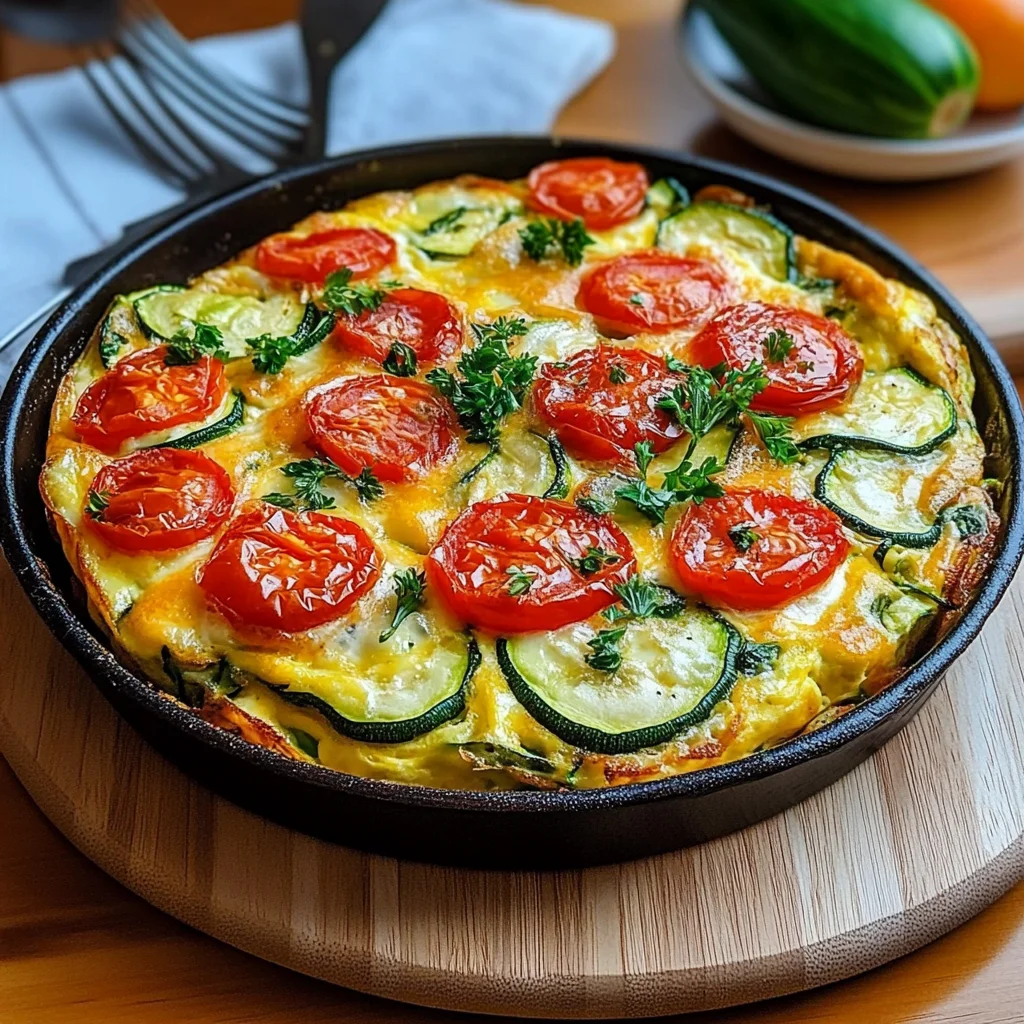
The Ultimate Guide to Making a Perfect Zucchini and Tomato Frittata
Creating a delicious zucchini and tomato frittata transforms simple garden vegetables into an elegant, protein-rich meal. This Mediterranean-inspired dish combines the natural sweetness of fresh tomatoes with tender zucchini in a fluffy egg base. Moreover, this versatile recipe works perfectly for breakfast, lunch, or dinner.
The beauty of a vegetable frittata lies in its simplicity. Furthermore, you can easily customize this dish with seasonal produce from your garden. Additionally, this cooking method requires minimal preparation time while delivering maximum flavor.
What Makes a Perfect Zucchini and Tomato Frittata
A perfect zucchini and tomato frittata balances texture, flavor, and visual appeal. First, the eggs should be creamy and set without being rubbery. Second, the vegetables must retain their distinct flavors while complementing each other beautifully.
The ideal frittata showcases bright, colorful vegetables distributed evenly throughout. Additionally, fresh herbs elevate the dish from simple to sophisticated. Therefore, using quality ingredients makes a significant difference in the final result.
Understanding the Italian Tradition
Italian cooks have perfected the frittata over centuries. Traditionally, this dish uses whatever vegetables are in season. Similarly, the cooking technique combines stovetop and oven methods for optimal results.
The word “frittata” comes from the Italian verb “friggere,” meaning “to fry.” However, unlike scrambled eggs, frittatas cook slowly and gently. Consequently, this method creates a tender, custardy texture that’s simply irresistible.
Key Characteristics of Excellence
A superior vegetable frittata displays several important qualities. First, the bottom should be golden brown and slightly crispy. Second, the center must be completely set but still moist. Third, the top should have an attractive, lightly browned surface.
Furthermore, the vegetables should maintain their individual textures. Zucchini should be tender but not mushy. Meanwhile, tomatoes should be soft yet still hold their shape. This balance requires careful timing during the cooking process.
Essential Ingredients for Success
Creating an exceptional zucchini and tomato frittata starts with selecting the right ingredients. Quality matters significantly in this simple dish. Therefore, choose the freshest vegetables and highest-quality eggs available.
Primary Ingredients
Fresh Eggs (8 large): Form the base of your frittata. Choose free-range or organic eggs for the best flavor and color. Additionally, room-temperature eggs incorporate more easily into the mixture.
Medium Zucchini (2 pieces): Select firm zucchini with bright green skin. Avoid large, seedy zucchini as they contain more water. Furthermore, smaller zucchini have better texture and sweeter flavor.
Ripe Tomatoes (3 medium): Use vine-ripened tomatoes for optimal taste. Cherry tomatoes work excellently as an alternative. Moreover, slightly underripe tomatoes hold their shape better during cooking.
Fresh Herbs: Basil, oregano, and thyme enhance the Mediterranean flavors. Use fresh herbs whenever possible for maximum impact. Alternatively, dried herbs work well but use half the quantity.
Supporting Ingredients
Extra Virgin Olive Oil (3 tablespoons): Provides healthy fats and rich flavor. Choose cold-pressed olive oil for the best taste. Additionally, olive oil helps prevent sticking in your cooking pan.
Yellow Onion (1 medium): Adds sweetness and depth to the dish. Dice the onion finely for even distribution. Furthermore, cooking the onion until translucent develops better flavor.
Garlic (3 cloves): Enhances the overall taste profile. Mince garlic finely to avoid overwhelming bites. Similarly, fresh garlic provides more intense flavor than pre-minced varieties.
Cheese Options: Parmesan, feta, or goat cheese complement the vegetables beautifully. Use about ½ cup of grated or crumbled cheese. However, cheese is optional for those following dairy-free diets.
Seasoning Elements
Sea Salt and Black Pepper: Season generously to enhance all flavors. Taste the egg mixture before cooking to adjust seasoning. Additionally, freshly ground pepper provides better flavor than pre-ground varieties.
Red Pepper Flakes (optional): Add gentle heat to balance the mild vegetables. Start with a pinch and adjust to taste preferences. Furthermore, red pepper flakes contribute visual appeal with colorful specks.
Step-by-Step Cooking Instructions
Follow these detailed instructions to create a perfect zucchini and tomato frittata. Each step builds upon the previous one for optimal results. Therefore, read through all instructions before beginning the cooking process.
Preparation Phase (15 minutes)
Begin by preheating your oven to 375°F (190°C). This temperature ensures even cooking without burning the bottom. Meanwhile, gather all ingredients and equipment to streamline the process.
Wash and dry all vegetables thoroughly. Subsequently, slice zucchini into ¼-inch rounds or half-moons. Cut tomatoes into wedges, removing excess seeds if desired. Additionally, dice the onion finely and mince the garlic.
Crack eggs into a large mixing bowl. Whisk vigorously until completely combined and slightly frothy. Season with salt, pepper, and herbs according to taste preferences. Furthermore, this step incorporates air for a lighter texture.
Vegetable Cooking Process (10 minutes)
Heat 2 tablespoons olive oil in a 10-inch oven-safe skillet over medium heat. Add diced onion and cook for 3-4 minutes until translucent. Next, add minced garlic and cook for another minute until fragrant.
Add zucchini slices to the pan in a single layer. Cook for 2-3 minutes per side until lightly golden. Avoid overcrowding the pan, which creates steam instead of browning. Therefore, work in batches if necessary.
Add tomato wedges to the skillet last. Cook for 1-2 minutes just to warm through. Tomatoes release moisture quickly, so minimal cooking prevents a watery frittata. Additionally, gentle handling preserves their shape and texture.
Assembly and Cooking (20 minutes)
Distribute vegetables evenly across the bottom of the skillet. Pour the seasoned egg mixture slowly over the vegetables. Gently shake the pan to ensure eggs settle around all ingredients evenly.
Cook on the stovetop for 3-4 minutes until edges begin to set. The bottom should be lightly golden but the top remains liquid. Moreover, this initial cooking creates a stable base for oven finishing.
Sprinkle cheese over the surface if using. Transfer the entire skillet to the preheated oven. Bake for 12-15 minutes until the center is completely set and the top is golden brown.
Final Steps and Resting
Remove the frittata from the oven carefully using oven mitts. The handle will be extremely hot, so exercise caution. Allow the dish to rest for 5 minutes before slicing.
Run a thin spatula around the edges to loosen the frittata. This prevents sticking and ensures clean slices. Cut into wedges like a pie for attractive presentation.
Garnish with fresh herbs and serve immediately while warm. Alternatively, this vegetable frittata tastes excellent at room temperature. Therefore, it’s perfect for picnics or make-ahead meals.
Nutritional Benefits of This Vegetable Dish
A zucchini and tomato frittata provides exceptional nutritional value in every serving. This protein-rich dish supports various health goals while satisfying hunger effectively. Furthermore, the combination of vegetables and eggs creates a complete nutritional profile.
Protein Powerhouse
Eggs supply all nine essential amino acids your body needs. Each large egg contains approximately 6 grams of high-quality protein. Therefore, this frittata provides about 48 grams of complete protein per recipe.
Protein supports muscle maintenance, tissue repair, and satiety. Additionally, eating adequate protein helps regulate blood sugar levels throughout the day. This makes the Mediterranean frittata an excellent breakfast choice for sustained energy.
Vegetable Nutrition
Zucchini contributes significant amounts of vitamin C, potassium, and antioxidants. Moreover, this summer squash contains virtually no calories while adding substantial volume and fiber. The high water content also supports hydration goals.
Tomatoes provide lycopene, a powerful antioxidant linked to heart health. Furthermore, cooking tomatoes increases lycopene availability for absorption. Vitamin K, folate, and vitamin C round out the impressive nutritional profile.
Healthy Fats and More
Olive oil contributes heart-healthy monounsaturated fats that support cardiovascular health. These fats also enhance the absorption of fat-soluble vitamins from the vegetables. Additionally, olive oil provides anti-inflammatory compounds called polyphenols.
Fresh herbs contribute additional antioxidants and phytonutrients. Basil contains compounds that may help reduce inflammation. Similarly, oregano provides antimicrobial properties and adds minimal calories while maximizing flavor.
Caloric Information
One serving of this vegetable frittata contains approximately 220-280 calories, depending on cheese additions. The macronutrient breakdown includes roughly 15 grams protein, 18 grams fat, and 6 grams carbohydrates. Therefore, it fits well into various dietary approaches.
Low in carbohydrates and rich in protein, this dish supports weight management goals. The high protein and fat content promotes satiety, reducing snacking between meals. Furthermore, the vegetable content adds fiber for digestive health.
Variations and Creative Additions
Customize your zucchini and tomato frittata with countless delicious variations. Seasonal vegetables work particularly well in this versatile base recipe. Moreover, different herbs and spices transform the flavor profile completely.
Seasonal Vegetable Combinations
Spring Variations: Add asparagus spears, fresh peas, and spring onions for a light, fresh taste. Baby spinach leaves wilt beautifully into the egg mixture. Additionally, fresh chives provide a mild onion flavor perfect for spring entertaining.
Summer Abundance: Incorporate bell peppers, eggplant, and fresh corn kernels alongside the standard vegetables. Yellow squash can partially replace zucchini for color variety. Furthermore, fresh basil and oregano reach peak flavor during summer months.
Fall Harvest: Try adding roasted butternut squash cubes, sautéed mushrooms, and caramelized onions. These heartier vegetables create a more substantial, warming dish. Additionally, sage and thyme complement fall flavors beautifully.
Winter Comfort: Include roasted root vegetables like carrots, parsnips, and sweet potatoes. Leafy greens such as kale or Swiss chard add nutrition and color. Moreover, rosemary and thyme provide warming, aromatic qualities.
Cheese Variations
Mediterranean Style: Use crumbled feta cheese, sun-dried tomatoes, and Kalamata olives. Fresh dill and oregano enhance the Greek-inspired flavors. Additionally, a drizzle of olive oil before serving adds richness.
Italian Inspiration: Incorporate fresh mozzarella, roasted red peppers, and Italian herbs. Parmigiano-Reggiano provides sharp, nutty notes that complement the vegetables. Furthermore, fresh basil leaves make an attractive garnish.
French Influence: Add goat cheese, fresh herbs, and caramelized shallots for sophisticated flavor. Herbes de Provence seasoning blend works particularly well. Similarly, a touch of Dijon mustard in the egg mixture adds complexity.
Protein Additions
While the base recipe is vegetarian, you can add cooked proteins for heartier meals. Crumbled turkey sausage, diced ham, or cooked bacon work excellently. However, ensure any added proteins are fully cooked before incorporating.
Leftover roasted chicken or turkey transforms the frittata into a complete meal. Flake the meat into bite-sized pieces and fold into the egg mixture gently. Additionally, seafood like cooked shrimp or crab creates elegant brunch dishes.
Serving Suggestions and Pairings
A zucchini and tomato frittata pairs beautifully with various sides and accompaniments. The dish’s versatility allows for creative presentation and complementary flavors. Furthermore, different serving styles suit various occasions and meal times.
Breakfast and Brunch Presentations
Serve warm wedges with toasted artisan bread and fresh fruit. Mixed berry salads provide natural sweetness that balances the savory frittata. Additionally, Greek yogurt with honey offers protein and probiotics.
Create an elegant brunch spread with roasted potatoes, fresh avocado slices, and mixed greens. A simple vinaigrette made with olive oil and lemon juice complements the Mediterranean flavors. Moreover, fresh-squeezed orange juice pairs perfectly with egg dishes.
Lunch and Dinner Options
Room-temperature frittata makes excellent picnic food when paired with crusty bread and olives. Pack cherry tomatoes, cucumber slices, and hummus for a complete Mediterranean meal. Furthermore, this combination travels well for outdoor dining.
For dinner service, accompany with a robust salad featuring arugula, roasted vegetables, and balsamic vinaigrette. Garlic bread or focaccia completes the Italian-inspired meal beautifully. Additionally, roasted asparagus or green beans provide complementary vegetable sides.
Free Beverage Pairings
Fresh iced tea with lemon perfectly complements the herb flavors in the frittata. Similarly, sparkling water with cucumber or mint provides refreshing contrast. Fruit-infused waters offer natural sweetness without added sugars.
Hot beverages like herbal tea or coffee work well for breakfast service. Chamomile or mint tea provides soothing qualities after a rich meal. Furthermore, freshly squeezed vegetable juices add nutrition and vibrant colors to the plate.
International Serving Styles
Spanish Tortilla Style: Serve with crusty bread, Marcona almonds, and roasted red peppers. This presentation emphasizes the dish’s Mediterranean roots. Additionally, pickled vegetables provide acidic contrast to rich eggs.
French Café Approach: Present with mixed greens dressed in Dijon vinaigrette and crusty baguette slices. Fresh herbs and edible flowers create an attractive, restaurant-style presentation. Moreover, this approach works well for special occasions.
Storage and Reheating Tips {#storage-tips}
Proper storage ensures your zucchini and tomato frittata maintains quality and safety for several days. This make-ahead friendly dish improves meal planning and reduces daily cooking time. Furthermore, understanding storage methods prevents food waste and saves money.
Refrigeration Guidelines
Cool the frittata completely before refrigerating to prevent condensation and sogginess. Cover tightly with plastic wrap or store in an airtight container. Properly stored frittata remains fresh for up to 4 days in the refrigerator.
Cut into individual portions before storing for convenient grab-and-go meals. Separate portions with parchment paper to prevent sticking together. Additionally, label containers with preparation dates for food safety tracking.
Freezing Instructions
Freeze cooked frittata for up to 2 months while maintaining acceptable quality. Wrap individual portions in aluminum foil, then place in freezer bags. Remove as much air as possible to prevent freezer burn and maintain texture.
Alternatively, freeze the entire frittata in the original cooking pan. Cover tightly with plastic wrap, then aluminum foil for double protection. Moreover, this method works well when planning to serve the whole dish later.
Reheating Methods
Oven Method: Reheat at 325°F (165°C) for 10-15 minutes until warmed through. This method maintains the best texture and prevents overcooking. Cover with foil to prevent excessive browning of the surface.
Microwave Method: Heat individual portions for 30-60 seconds on medium power. This quick method works well for single servings but may create slightly rubbery texture. Therefore, use lower power settings for better results.
Stovetop Method: Warm slices in a covered skillet over low heat for 2-3 minutes per side. Add a tablespoon of water to create steam if the frittata seems dry. Furthermore, this method allows for better temperature control.
Food Safety Considerations
Always reheat frittata to an internal temperature of 165°F (74°C) for food safety. Use a food thermometer to verify proper heating, especially when reheating from frozen. Additionally, never leave cooked frittata at room temperature for more than 2 hours.
Discard any frittata that develops off odors, unusual colors, or slimy textures. When in doubt, throw it out to prevent foodborne illness. Moreover, proper storage and reheating practices ensure both safety and quality.
Common Mistakes to Avoid
Creating the perfect zucchini and tomato frittata requires avoiding several common pitfalls. Understanding these mistakes helps ensure consistent success with every batch. Furthermore, learning proper techniques prevents frustration and wasted ingredients.
Overcrowding Vegetables
Adding too many vegetables creates a watery, dense frittata that doesn’t set properly. Stick to the recommended vegetable quantities for best results. Moreover, excess moisture from vegetables prevents proper egg coagulation.
Pre-cook vegetables to remove excess moisture before adding eggs. This step is particularly important for high-water vegetables like zucchini and tomatoes. Additionally, proper drainage ensures the final texture remains light and fluffy.
Temperature Control Issues
Cooking over high heat creates rubbery, tough eggs with burnt bottoms. Use medium to medium-low heat throughout the cooking process. Therefore, patience during cooking yields significantly better results.
Conversely, too-low heat prevents proper browning and extends cooking time unnecessarily. Find the sweet spot where eggs set gently while the bottom develops golden color. Furthermore, consistent heat prevents hot spots that cause uneven cooking.
Seasoning Problems
Under-seasoning creates bland, uninspiring results despite quality ingredients. Taste the egg mixture before cooking and adjust accordingly. Remember that vegetables will dilute the seasoning somewhat during cooking.
Over-salting causes the opposite problem and cannot be corrected after cooking. Start with less salt and add more gradually. Additionally, remember that cheese adds sodium, so adjust salt accordingly.
Pan Selection Errors
Using non-oven-safe pans prevents proper finishing in the oven. Choose cast iron, carbon steel, or oven-safe stainless steel skillets only. Furthermore, the right pan size ensures proper thickness and even cooking.
Too-large pans create thin frittatas that cook too quickly and may burn. Conversely, too-small pans result in thick frittatas that don’t cook evenly. A 10-inch skillet works perfectly for the standard recipe proportions.
Timing Mistakes
Rushing the vegetable cooking phase prevents proper flavor development and moisture removal. Allow adequate time for each cooking step. Similarly, insufficient oven time results in runny centers that never fully set.
Over-baking creates dry, rubbery textures that are unappetizing. Watch carefully during oven cooking and remove when just set. Moreover, carryover cooking continues after removal from the oven.
Frequently Asked Questions
Can I make a zucchini and tomato frittata ahead of time?
Yes, this vegetable frittata works excellently as a make-ahead dish. Prepare the entire recipe up to 2 days in advance and store in the refrigerator. Serve cold, at room temperature, or reheat gently before serving.
What’s the best pan size for frittata recipes?
A 10-inch oven-safe skillet works perfectly for standard frittata recipes serving 6-8 people. Smaller 8-inch pans create thicker frittatas that require longer cooking times. Conversely, larger pans produce thin frittatas that may overcook.
How do I know when my frittata is fully cooked?
A properly cooked frittata feels firm in the center when gently shaken. Additionally, a knife inserted in the center should come out clean. The surface should be golden brown with no liquid egg visible.
Can I substitute egg whites for whole eggs?
Yes, you can use egg whites for a lower-fat version, though the texture will be less rich. Use 12-16 egg whites to replace 8 whole eggs. However, the final result will be less creamy and may seem slightly rubbery.
What vegetables work best in frittatas?
Most vegetables work well in frittatas when properly prepared. Pre-cook high-moisture vegetables like zucchini, tomatoes, and mushrooms to prevent watery results. Root vegetables should be pre-roasted until tender before adding to eggs.
Why did my frittata turn out watery?
Watery frittatas usually result from vegetables releasing excess moisture during cooking. Always pre-cook vegetables to remove moisture, and avoid overcrowding the pan. Additionally, use fresh eggs rather than older ones that may be watery.
Can I freeze leftover frittata?
Absolutely! Frozen frittata maintains good quality for up to 2 months. Wrap portions individually in foil, then place in freezer bags. Thaw overnight in the refrigerator before reheating for best results.
What herbs complement zucchini and tomato flavors?
Mediterranean herbs like basil, oregano, and thyme work beautifully with these vegetables. Fresh parsley adds brightness, while rosemary provides earthy depth. Moreover, herb combinations create more complex flavor profiles than single herbs.
Conclusion
Mastering the zucchini and tomato frittata opens doors to endless culinary possibilities with fresh, seasonal vegetables. This versatile dish adapts to any meal occasion while providing exceptional nutrition and satisfying flavors. Moreover, the simple technique ensures consistent success even for beginning cooks.
The combination of tender zucchini, sweet tomatoes, and fluffy eggs creates a harmonious blend of textures and tastes. Furthermore, this Mediterranean-inspired dish brings healthy, colorful nutrition to your table without complicated preparation methods.
Whether serving for breakfast, lunch, or dinner, this vegetable frittata impresses guests while nourishing your family. The make-ahead friendly nature supports busy lifestyles and meal planning goals. Additionally, countless variations prevent boredom and showcase seasonal produce beautifully.
Start your frittata journey today with this foundational recipe, then experiment with your favorite vegetables and herbs.
Ready to create your perfect frittata? Gather your freshest vegetables and eggs, then follow these detailed instructions for restaurant-quality results in your own kitchen!

Zucchini and tomato frittata
Description
Zucchini and Tomato Frittata
Ingredients
-
8 large eggs
-
¼ cup whole milk or half-and-half
-
1 tablespoon olive oil
-
1 medium zucchini, sliced into thin rounds
-
2 medium tomatoes, sliced
-
1 cup cherry tomatoes, halved
-
2-3 cloves garlic, minced
-
¼ cup freshly grated Parmesan cheese
-
½ cup crumbled feta cheese (optional)
-
¼ cup fresh basil, chopped
-
1 tablespoon fresh parsley, minced
-
¾ teaspoon salt
-
¼ teaspoon freshly ground black pepper
-
Pinch of nutmeg (optional)
Instructions
-
Preheat oven to 375°F (190°C)
-
In a large bowl, whisk together eggs, milk, salt, pepper, and nutmeg until well combined
-
Heat olive oil in a 9-inch oven-safe skillet (preferably cast iron) over medium heat
-
Add zucchini slices to the skillet and season with a pinch of salt. Sauté for 3-5 minutes until zucchini starts to soften and lightly brown
-
Add minced garlic and cook for 30 seconds until fragrant
-
Add cherry tomatoes and cook for 1-2 minutes until they begin to blister slightly
-
Stir in fresh basil and half of the Parmesan cheese
-
Slowly pour the egg mixture into the skillet, ensuring it distributes evenly
-
Arrange tomato slices on top of the frittata and sprinkle with remaining Parmesan cheese and feta if using
-
Cook on the stovetop for 5-6 minutes until the edges are set and the bottom is golden
-
Transfer the skillet to the preheated oven and bake for 15-20 minutes, or until the center is set and the top is lightly golden
-
Remove from oven and let cool for 5 minutes before slicing
-
Garnish with fresh parsley and additional herbs if desired
Serve warm or at room temperature. This frittata serves 4-6 people and makes an excellent breakfast, brunch, or light dinner option.