Loaded Broccoli Cheddar Potato Casserole: The Ultimate Comfort Food Recipe
Introduction
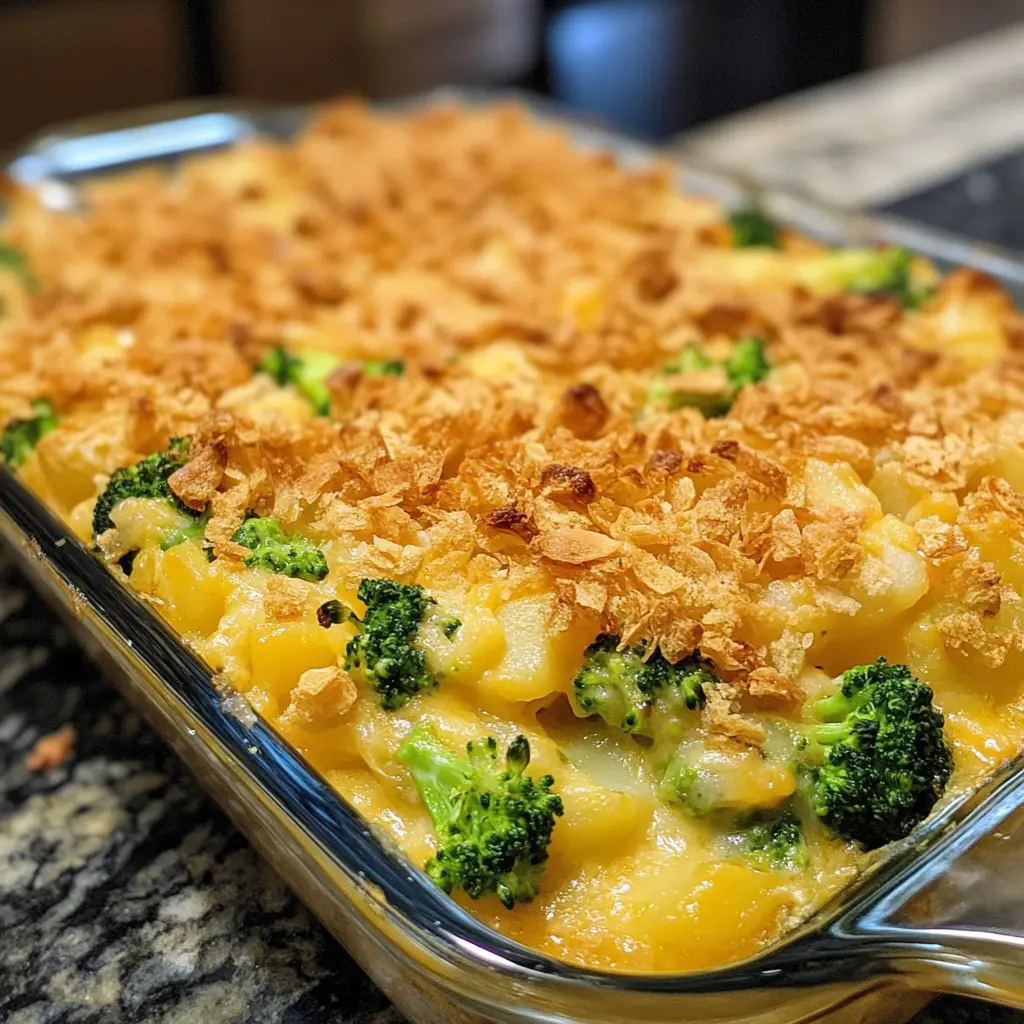
Loaded Broccoli Cheddar Potato Casserole transforms simple ingredients into a creamy, indulgent side dish that satisfies every palate. This comforting casserole combines tender potatoes, nutritious broccoli florets, and rich cheddar cheese sauce into one spectacular dish. Moreover, it serves perfectly for holiday gatherings, weeknight dinners, or potluck contributions. Whether you’re feeding a hungry family or impressing dinner guests, this recipe delivers exceptional flavor with minimal effort.
The beauty of this loaded casserole lies in its versatility and crowd-pleasing nature. Additionally, it packs vegetables into every bite while maintaining the comfort food appeal everyone craves. Therefore, even picky eaters happily devour their greens when smothered in creamy cheese sauce and topped with crispy bacon bits.
What is Loaded Broccoli Cheddar Potato Casserole?
Loaded Broccoli Cheddar Potato Casserole represents the ultimate fusion of baked potato bar toppings and classic casserole comfort. Essentially, it features tender potato chunks or slices layered with vibrant broccoli florets. Then, everything gets smothered in a velvety cheddar cheese sauce. Furthermore, traditional loaded baked potato toppings like bacon, sour cream, and green onions complete the dish.
This casserole evolved from the popular “loaded baked potato” concept. However, it transforms individual potatoes into a shareable family-style dish. Consequently, it provides easier serving and more consistent flavor distribution. The casserole format also allows for better make-ahead preparation, which busy cooks truly appreciate.
The Perfect Comfort Food
This dish embodies everything people love about comfort food. First, it delivers creamy, cheesy richness in every spoonful. Second, it combines multiple textures from crispy toppings to tender vegetables. Third, it offers familiar flavors that evoke nostalgic memories. Therefore, it consistently ranks among favorite side dishes for family gatherings.
Why This Casserole is a Family Favorite
Several factors contribute to this casserole’s widespread popularity across American kitchens. First and foremost, it combines universally loved ingredients into one cohesive dish. Additionally, it sneaks healthy vegetables into a format that even vegetable-averse family members enjoy.
Versatility for Any Occasion
This loaded potato casserole adapts beautifully to various dining situations. For instance, it shines as a Thanksgiving side dish alongside turkey and stuffing. Similarly, it works wonderfully for casual weeknight meals. Moreover, it travels well to potlucks and church suppers. Consequently, home cooks keep this recipe in regular rotation year-round.
Budget-Friendly Ingredients
Another appealing aspect involves the affordable ingredient list. Potatoes, broccoli, and cheddar cheese remain reasonably priced year-round. Therefore, you can feed a large group without breaking your grocery budget. Furthermore, these ingredients typically stay fresh in your refrigerator for several days.
Customizable to Dietary Needs
The basic recipe framework allows for numerous modifications. For example, you can adjust cheese varieties based on preferences. Additionally, vegetarian versions omit bacon while maintaining incredible flavor. Thus, the recipe accommodates various dietary requirements without sacrificing taste or satisfaction.
Key Ingredients and Their Benefits
Understanding each component helps you appreciate this casserole’s nutritional profile and flavor complexity.
Russet Potatoes
Russet potatoes form the hearty foundation of this casserole. Their starchy texture creates the perfect creamy consistency when baked. Additionally, potatoes provide essential nutrients including potassium, vitamin B6, and vitamin C. They also offer satisfying energy through complex carbohydrates that keep you feeling full longer.
Fresh Broccoli Florets
Broccoli adds vibrant color and impressive nutritional value to the dish. This cruciferous vegetable contains high amounts of vitamin C, with one cup providing 148 percent of the daily value. Moreover, broccoli supplies 5.1 grams of fiber per cooked cup, which promotes digestive health. It also contains vitamin K, folate, and powerful antioxidants that protect cells from damage.
Sharp Cheddar Cheese
Sharp cheddar delivers bold, tangy flavor that defines this casserole. Furthermore, cheese contributes protein and calcium for bone health. Using freshly shredded cheese from a block ensures better melting and creamier texture. Pre-shredded varieties contain anti-caking agents that prevent smooth sauce formation.
Sour Cream
Sour cream adds tanginess and extra creaminess to the casserole filling. Additionally, it helps bind ingredients together while contributing moisture. The slight acidity balances the rich cheese sauce perfectly.
Bacon Pieces
Crispy bacon provides savory, smoky depth throughout the casserole. Moreover, it adds textural contrast against soft potatoes and tender broccoli. While optional, bacon elevates the dish from simple to spectacular.
Green Onions and Chives
Fresh green onions or chives contribute bright, mild onion flavor. They also add visual appeal with pops of green color. Furthermore, they provide vitamin K and antioxidants with minimal calories.
Butter and Seasonings
Butter enriches the overall flavor while helping create the velvety cheese sauce. Meanwhile, garlic powder, salt, and black pepper enhance every component. These simple seasonings allow the main ingredients to shine.
Essential Equipment You’ll Need
Gathering proper equipment before starting ensures smooth preparation and optimal results.
Large Baking Dish
A 9×13-inch casserole dish works perfectly for family-sized portions. Alternatively, use a similar-sized oval baking dish. Glass or ceramic dishes distribute heat evenly for consistent baking.
Large Mixing Bowl
You’ll need a spacious bowl for combining potatoes, broccoli, and other ingredients. This prevents spills and allows thorough mixing without crushing tender components.
Medium Saucepan
A quality saucepan proves essential for preparing the cheddar cheese sauce. Choose one with a heavy bottom to prevent scorching. Additionally, ensure it provides enough space for whisking without splashing.
Sharp Knife and Cutting Board
Proper knife skills ensure uniform potato pieces that cook evenly. Additionally, you’ll need these tools for chopping broccoli, bacon, and green onions.
Whisk
A sturdy whisk creates smooth, lump-free cheese sauce. Wire whisks work better than silicone versions for breaking up flour clumps.
Potato Masher (Optional)
Some variations use partially mashed potatoes for creamier texture. A potato masher accomplishes this quickly without requiring electric equipment.
Step-by-Step Recipe Instructions
Follow these detailed instructions for foolproof results every time.
Preparing the Potatoes
-
Start by washing 3-4 pounds of russet potatoes thoroughly under cold water.
-
Next, peel the potatoes or leave skins on based on preference.
-
Then, dice potatoes into uniform 1-inch cubes for even cooking.
-
Place diced potatoes in a large pot and cover with cold water.
-
Add 1 tablespoon of salt to the water.
-
Bring to a boil over high heat.
-
Reduce heat and simmer for 12-15 minutes until fork-tender.
-
Drain potatoes thoroughly in a colander.
-
Return potatoes to the pot and let steam dry for 2 minutes.
Cooking the Broccoli
-
While potatoes cook, prepare 4 cups of fresh broccoli florets.
-
Cut florets into bite-sized pieces for even distribution.
-
Steam broccoli for 3-4 minutes until bright green but still crisp.
-
Alternatively, blanch broccoli in boiling water for 3 minutes.
-
Immediately transfer to ice water to stop cooking.
-
Drain broccoli completely and pat dry with paper towels.
-
This process preserves the vibrant color and prevents mushiness.
Making the Cheddar Cheese Sauce
-
Melt 4 tablespoons of butter in a medium saucepan over medium heat.
-
Add 4 tablespoons of all-purpose flour to create a roux.
-
Whisk constantly for 1-2 minutes until the mixture forms a paste.
-
Gradually pour in 2 cups of warm milk while whisking continuously.
-
Continue whisking for 4-6 minutes until the sauce thickens noticeably.
-
Remove from heat once the sauce coats the back of a spoon.
-
Add 3 cups of freshly shredded sharp cheddar cheese.
-
Whisk vigorously until cheese melts completely and sauce becomes smooth.
-
Season with 1/2 teaspoon garlic powder, salt, and black pepper to taste.
-
For extra-smooth sauce, strain through a fine-mesh sieve if desired.
Assembling the Casserole
-
Preheat your oven to 350°F (175°C).
-
Spray a 9×13-inch baking dish with cooking spray.
-
Place cooked potatoes in a large mixing bowl.
-
Add steamed broccoli florets to the bowl.
-
Pour cheese sauce over the potato-broccoli mixture.
-
Add 1/2 cup of sour cream for extra creaminess.
-
Fold in 6 slices of cooked, crumbled bacon.
-
Stir in 1/4 cup of sliced green onions or chives.
-
Gently mix everything together until evenly combined.
-
Avoid over-mixing to prevent breaking up the vegetables.
-
Transfer the mixture to the prepared baking dish.
-
Spread evenly in the dish for uniform baking.
-
Top with an additional 1 cup of shredded cheddar cheese.
-
Sprinkle remaining bacon pieces on top for garnish.
Baking to Perfection
-
Cover the casserole dish with aluminum foil.
-
Place in the preheated oven on the center rack.
-
Bake covered for 25 minutes to heat through.
-
Remove the foil during the last 10 minutes of baking.
-
This allows the cheese topping to melt and turn golden.
-
Total baking time should reach approximately 35 minutes.
-
The casserole should bubble around the edges when done.
-
Let rest for 5 minutes before serving to set properly.
Pro Tips for Perfect Results
These expert techniques elevate your casserole from good to extraordinary.
Choose the Right Potatoes
Russet potatoes work best due to their high starch content. However, Yukon Gold potatoes create a creamier, butterier result. Conversely, avoid waxy red potatoes, which don’t absorb flavors as well. Therefore, stick with starchy or all-purpose varieties for optimal texture.
Don’t Overcook the Broccoli
Overcooked broccoli turns mushy and loses its vibrant color. Instead, aim for bright green florets with slight crispness remaining. Remember that broccoli continues cooking in the oven. Consequently, slightly undercook during the initial steaming phase.
Use Freshly Shredded Cheese
Pre-shredded cheese contains cellulose to prevent clumping. Unfortunately, this coating prevents smooth melting and creates grainy sauce. Therefore, always shred cheese from a block for superior results. Although it requires extra effort, the improved texture justifies the time investment.
Layer Flavors Strategically
Reserve some bacon and green onions for topping the casserole. This creates visual appeal and ensures every serving gets these flavorful components. Additionally, consider adding a layer of cheese in the middle for extra indulgence.
Let It Rest Before Serving
Allowing the casserole to rest for 5-10 minutes after baking prevents it from falling apart. During this time, the sauce thickens slightly and components settle. Consequently, you achieve cleaner, more attractive servings.
Adjust Consistency as Needed
If your casserole seems too dry, add extra milk or sour cream before baking. Conversely, if it appears too wet, reduce the liquid slightly or add more cheese. Therefore, assess consistency during assembly and adjust accordingly.
Nutritional Benefits of This Dish
Despite its indulgent reputation, this casserole offers significant nutritional value.
Rich in Vitamins and Minerals
Broccoli provides exceptional amounts of vitamin C, delivering 148 percent of the daily value per cup. This vitamin supports immune function and promotes healthy skin. Additionally, broccoli contains 115 percent of the daily value for vitamin K. This nutrient plays crucial roles in blood clotting and bone health.
Furthermore, potatoes contribute vitamin B6, potassium, and additional vitamin C. Meanwhile, cheddar cheese supplies calcium and protein for strong bones and muscles. Together, these ingredients create a nutrient-dense side dish.
Excellent Source of Dietary Fiber
This casserole provides substantial fiber content primarily from broccoli. One cup of cooked broccoli contains 5.1 grams of fiber. Dietary fiber promotes healthy digestion and helps maintain stable blood sugar levels. Moreover, fiber increases satiety, helping you feel satisfied longer after meals.
Provides Sustained Energy
The complex carbohydrates in potatoes offer steady, lasting energy throughout the day. Unlike simple sugars that cause blood sugar spikes, potatoes release energy gradually. Therefore, this casserole makes an excellent choice for active families needing sustained fuel.
Contains Powerful Antioxidants
Broccoli ranks among the most antioxidant-rich vegetables available. These compounds protect cells from damage caused by harmful free radicals. Specifically, broccoli contains vitamins C and E, beta-carotene, and various flavonoids. Consequently, regular broccoli consumption may reduce the risk of chronic diseases.
Supports Digestive Health
The fiber in broccoli promotes beneficial gut bacteria and supports regular digestion. Additionally, fiber helps reduce inflammation throughout the digestive system. Therefore, this casserole contributes positively to overall gut health when consumed as part of a balanced diet.
Creative Variations to Try
Customize this versatile recipe to match your preferences and dietary needs.
Vegetarian Version
Simply omit the bacon for a completely vegetarian casserole. Instead, add extra cheese or incorporate mushrooms for umami depth. Additionally, crispy fried onions provide satisfying crunch without meat. Therefore, vegetarians can enjoy this comfort food fully.
Loaded Cauliflower Variation
Replace half the potatoes with cauliflower florets for lower carbohydrate content. This modification reduces calories while maintaining creamy texture. Moreover, cauliflower absorbs the cheese sauce beautifully. Consequently, even cauliflower skeptics appreciate this version.
Three-Cheese Blend
Combine sharp cheddar with Monterey Jack and Gruyere for complex flavor. This cheese trio creates incredible depth and sophisticated taste. Furthermore, Gruyere adds nutty notes that complement the vegetables perfectly.
Spicy Southwestern Style
Add diced jalapeños, cumin, and chili powder for Southwestern flair. Additionally, use pepper jack cheese instead of cheddar. Top with crushed tortilla chips for extra crunch. Therefore, spice lovers can enjoy a zesty variation.
Loaded Breakfast Casserole
Transform this into a breakfast dish by adding scrambled eggs. Layer eggs between the potato-broccoli mixture and cheese sauce. Additionally, serve it alongside toast for a hearty morning meal.
Italian-Inspired Version
Replace cheddar with mozzarella and Parmesan cheese. Add Italian herbs like basil, oregano, and garlic. Furthermore, incorporate sun-dried tomatoes for Mediterranean character. This variation pairs beautifully with grilled chicken or fish.
Make-Ahead and Storage Instructions
Plan ahead for stress-free meal preparation with these storage tips.
Preparing in Advance
Assemble the entire casserole up to 24 hours before baking. Cover tightly with plastic wrap and refrigerate until ready to cook. When ready to bake, remove from refrigerator and let sit for 30 minutes. Then, bake as directed, adding 10-15 extra minutes to ensure thorough heating.
Alternatively, prepare components separately for quicker assembly. Cook and dice potatoes, steam broccoli, and make cheese sauce ahead. Store each component in separate airtight containers in the refrigerator. Then, combine everything just before baking for freshest results.
Proper Storage Methods
Store leftover casserole in an airtight container in the refrigerator. Properly stored, it maintains quality for up to 5 days. Ensure the container seals completely to prevent the casserole from drying out.
For longer storage, freeze the casserole for up to 3 months. Wrap it tightly in a double layer of plastic wrap first. Then, add a layer of aluminum foil for extra protection against freezer burn. Label the package with the date and contents for easy identification.
Reheating Instructions
Reheat individual portions in the microwave for quick serving. Place a serving in a microwave-safe dish and heat in 30-second intervals. Stir between intervals until heated through completely. This method works perfectly for lunches or quick dinners.
For reheating larger portions, use the oven for best results. Preheat oven to 325°F and place the covered casserole inside. Heat for 20-30 minutes until warmed through and bubbling. The oven method better preserves texture than microwave reheating.
When reheating from frozen, thaw overnight in the refrigerator first. Then, follow the standard reheating instructions above. Alternatively, bake frozen casserole at 350°F for 45-60 minutes covered. Remove cover for the last 15 minutes to crisp the top.
Serving Suggestions and Pairings
Maximize enjoyment by pairing this casserole with complementary dishes.
Perfect Protein Pairings
This loaded casserole complements virtually any main protein beautifully. Serve alongside roasted chicken for a classic comfort food meal. Alternatively, pair with grilled steak for special occasion dinners. Additionally, baked salmon creates an elegant combination with nutritional balance.
For holiday meals, this casserole shines next to roasted turkey or ham. The creamy, cheesy flavors complement traditional holiday proteins perfectly. Furthermore, it provides familiar comfort that guests always appreciate.
Additional Side Dishes
Although substantial on its own, this casserole pairs well with lighter sides. Fresh green salad with vinaigrette balances the rich, creamy casserole. Additionally, roasted green beans or asparagus add color and freshness. Moreover, crusty dinner rolls help soak up any extra cheese sauce.
Garnishing for Presentation
Elevate presentation with thoughtful garnishes before serving. Sprinkle fresh chopped parsley or chives over the top for color. Additionally, add a dollop of sour cream to individual servings. Furthermore, extra crispy bacon crumbles add visual appeal and textural interest.
Portion Control Tips
This rich casserole satisfies with smaller portions than typical sides. Serve approximately 1 cup per person as a side dish. However, it can function as a main course with 1.5-2 cup servings. Therefore, adjust portion sizes based on the overall meal composition.
Troubleshooting Common Issues
Solve potential problems before they affect your final results.
Watery Casserole
Excess moisture creates a soupy, unappealing casserole texture. This typically results from not draining vegetables thoroughly. Therefore, always pat broccoli completely dry after steaming. Additionally, ensure potatoes steam-dry after draining to remove surface moisture.
If the cheese sauce seems too thin, cook it longer before adding cheese. The sauce should coat the back of a spoon before removing from heat. Furthermore, using pre-shredded cheese can contribute excess moisture due to anti-caking agents.
Dry, Crumbly Texture
Insufficient liquid creates dry casserole that doesn’t hold together well. To prevent this, ensure adequate cheese sauce for your vegetable quantity. Additionally, don’t overbake, which evaporates moisture and toughens ingredients.
If your casserole appears dry before baking, add extra milk or sour cream. Start with 1/4 cup additions until achieving desired consistency. Remember that some moisture evaporates during baking, so slightly loose mixture works better.
Grainy Cheese Sauce
Lumpy, grainy cheese sauce ruins an otherwise perfect casserole. This problem usually stems from adding cheese to excessively hot sauce. Therefore, always remove the sauce from heat before incorporating cheese.
Additionally, using low-quality or pre-shredded cheese creates grainy texture. Always choose freshly shredded cheese from quality blocks. Furthermore, whisk vigorously and continuously while adding cheese for smooth integration.
Overcooked Broccoli
Mushy, olive-green broccoli lacks appeal and nutritional value. Remember that broccoli continues cooking during baking. Consequently, undercook it slightly during initial preparation. Aim for bright green color with slight resistance when pierced.
If broccoli consistently overcooks, reduce steaming time by 1-2 minutes. Alternatively, use blanching method with immediate ice bath. This stops cooking instantly and preserves vibrant color perfectly.
Burnt Top Layer
Excessive browning on top indicates oven temperature too high. Additionally, placing the casserole too close to heating elements causes burning. Therefore, always use the center oven rack for even heat distribution.
If the top browns too quickly, tent loosely with aluminum foil. This deflects direct heat while allowing the casserole to continue cooking through. Remove foil for the last 5 minutes to achieve golden color without burning.
Frequently Asked Questions
Can I use frozen broccoli instead of fresh?
Yes, frozen broccoli works perfectly in this Loaded Broccoli Cheddar Potato Casserole recipe. However, thaw it completely and drain thoroughly before using. Excess water from frozen broccoli can make the casserole watery. Additionally, frozen broccoli requires no additional cooking since it’s pre-blanched. Therefore, simply thaw, drain, pat dry, and add to the casserole mixture.
How do I prevent potatoes from turning brown during preparation?
Place cut potatoes immediately in cold water to prevent oxidation. The water barrier prevents exposure to air, which causes browning. Alternatively, cook potatoes right after cutting without extended waiting periods. This browning doesn’t affect flavor but can impact visual appeal.
Can I make this casserole dairy-free?
Traditional versions rely heavily on dairy for flavor and texture. However, you can substitute dairy-free alternatives with reasonable success. Use dairy-free butter, non-dairy milk, and vegan cheese alternatives. Additionally, replace sour cream with cashew cream or coconut yogurt. Results will differ from traditional versions but can still taste delicious.
What’s the best way to reheat without drying it out?
Cover the casserole tightly with foil when reheating in the oven. This traps moisture and prevents surface drying. Additionally, add a splash of milk before reheating to restore creaminess. For microwave reheating, cover with a damp paper towel to maintain moisture. Heat in shorter intervals to prevent overcooking and drying.
Can I substitute other vegetables for broccoli?
Absolutely! Cauliflower makes an excellent broccoli substitute with similar texture. Additionally, try asparagus, Brussels sprouts, or green beans for variety. Spinach or kale also work well when wilted and drained thoroughly. Therefore, customize vegetables based on seasonal availability and personal preferences.
How do I know when the casserole is fully cooked?
The casserole is done when bubbling around the edges and heated through center. Insert a knife into the middle and feel the blade temperature. If hot throughout, the casserole has cooked completely. Additionally, the cheese topping should melt completely and turn golden brown.
Can I use sweet potatoes instead of regular potatoes?
Sweet potatoes create an interesting variation with different flavor profile. However, they add sweetness that may not complement the savory cheese sauce ideally. If trying this substitution, reduce any added salt slightly. Additionally, sweet potatoes cook faster than russets, so adjust cooking times accordingly.
Why does my cheese sauce separate?
Cheese sauce separates when overheated or cooked at temperatures too high. Always use medium heat and remove from burner before adding cheese. Additionally, using low-fat cheese increases separation risk due to insufficient fat content. Therefore, stick with full-fat cheese for stable, smooth sauce.
How many people does this casserole serve?
A standard 9×13-inch casserole serves 8-10 people as a side dish. For main course servings, expect to feed 6-8 people generously. Actual servings depend on portion sizes and accompanying dishes. Therefore, adjust recipe quantities based on your specific needs.
Can I prepare this in a slow cooker instead?
Yes, slow cooker preparation works well for this casserole. Layer ingredients in the slow cooker as directed. Cook on low for 4-6 hours until potatoes are tender and cheese melts completely. However, you won’t achieve the crispy top that oven baking provides. Therefore, oven method generally produces superior texture.
Conclusion
Loaded Broccoli Cheddar Potato Casserole delivers unbeatable comfort food satisfaction while sneaking in nutritious vegetables. This crowd-pleasing dish combines creamy potatoes, tender broccoli, and rich cheese sauce into one spectacular side. Moreover, it adapts easily to various dietary preferences and occasions. The straightforward preparation and make-ahead convenience make this casserole perfect for busy cooks everywhere.
Whether serving this loaded casserole for holiday celebrations or casual weeknight dinners, it consistently impresses with incredible flavor. Furthermore, the combination of textures and tastes satisfies even the pickiest eaters in your family. Therefore, add this recipe to your regular rotation for guaranteed success.
Print
Loaded Broccoli Cheddar Potato Casserole
Description
Loaded Broccoli Cheddar Potato Casserole
Servings: 6 people
Calories: ~540 per serving
Prep Time: 20 minutes
Cook Time: 30 minutes
Custom Time: 5 minutes (cooling)
Total Time: 55 minutes
Ingredients:
-
6 medium russet potatoes, peeled and diced
-
2 cups broccoli florets (fresh or frozen)
-
4 tbsp butter
-
½ cup sour cream
-
½ cup milk (or heavy cream for richer flavor)
-
2 cups shredded cheddar cheese (divided)
-
4 slices cooked bacon, crumbled
-
½ tsp garlic powder
-
½ tsp onion powder
-
Salt and black pepper, to taste
-
2 green onions, chopped (for garnish)
Instructions:
-
Cook the Potatoes:
Boil diced potatoes in salted water until fork-tender (about 10–12 minutes). Drain well. -
Steam the Broccoli:
Steam or microwave broccoli until just tender, then roughly chop. -
Mash and Mix:
In a large bowl, mash potatoes with butter, sour cream, milk, garlic powder, onion powder, salt, and pepper until creamy.
Stir in broccoli, 1 ½ cups of shredded cheddar, and half the crumbled bacon. -
Assemble the Casserole:
Spoon the mixture into a greased 9×13-inch baking dish.
Top with remaining cheddar cheese and bacon. -
Bake:
Bake at 375°F (190°C) for 20–25 minutes, or until cheese is melted and bubbly. -
Serve:
Let cool slightly, then garnish with chopped green onions before serving.