
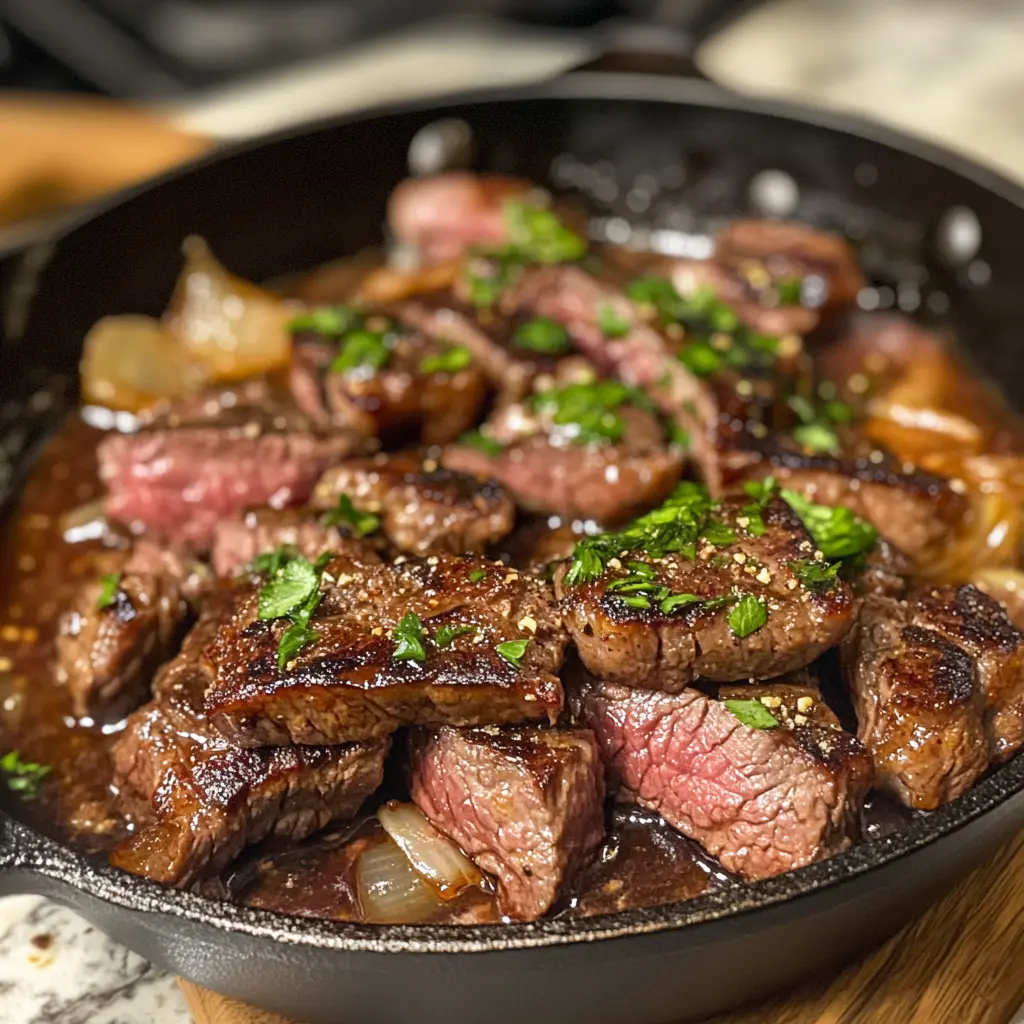
Smoky Ranch Steak Skillet: The Ultimate Guide to a Flavorful One-Pan Meal
Introduction
Craving a restaurant-quality meal without the fuss? The Smoky Ranch Steak Skillet delivers bold, savory flavors in just one pan. This recipe combines tender, juicy steak with aromatic ranch seasonings and a hint of smokiness that transforms an ordinary dinner into something extraordinary. Moreover, this dish comes together in under 30 minutes, making it perfect for busy weeknights or special occasions. Whether you’re a seasoned home cook or just starting out, this comprehensive guide will walk you through every step to create the perfect Smoky Ranch Steak Skillet.
The beauty of this recipe lies in its simplicity. Furthermore, the combination of smoky paprika, ranch seasoning, and perfectly seared steak creates layers of flavor that satisfy even the most discerning palates. In addition, cooking everything in one skillet means minimal cleanup, which makes this dish as practical as it is delicious.
What is Smoky Ranch Steak Skillet?
Smoky Ranch Steak Skillet is a one-pan dish that features seared steak seasoned with ranch spices and smoky paprika. Additionally, this cooking method creates a beautiful crust on the outside while keeping the meat tender and juicy inside. The dish typically includes ribeye or sirloin steak, cooked in a cast iron skillet with butter, garlic, and fresh herbs.
The “ranch” component comes from a blend of dried herbs and spices. These include garlic powder, onion powder, dried dill, parsley, and chives. Meanwhile, the smoky element is achieved through smoked paprika or a brief smoking process before the final sear. This combination creates a unique flavor profile that’s both comforting and sophisticated.
Why You’ll Love This Recipe
This Smoky Ranch Steak Skillet stands out for several compelling reasons. First, it’s incredibly quick to prepare, requiring only about 10 minutes of active cooking time. Second, the recipe uses simple, accessible ingredients that you likely already have in your pantry.
The one-pan method means less mess and fewer dishes to clean afterward. Furthermore, the combination of smoky and ranch flavors creates a taste that’s both familiar and exciting. The dish is also highly customizable, allowing you to adjust seasonings to your preference. Finally, this recipe works equally well for intimate dinners or when feeding a crowd.
Quick Benefits at a Glance
-
Ready in under 30 minutes
-
Minimal cleanup required
-
Budget-friendly ingredients
-
Restaurant-quality results at home
-
Customizable to dietary preferences
Essential Ingredients
Creating the perfect Smoky Ranch Steak Skillet requires quality ingredients. Therefore, selecting the right cut of meat and fresh seasonings makes all the difference.
The Steak
Choose ribeye or New York strip steaks that are at least one inch thick. Alternatively, sirloin or ranch steak works beautifully for this recipe. Look for steaks with good marbling, as the fat creates flavor and tenderness. For best results, you’ll need approximately two pounds of steak for four servings.
Ranch Seasoning Blend
The ranch seasoning creates the signature flavor profile. Consequently, you can use store-bought ranch seasoning or make your own. A homemade blend includes buttermilk powder, garlic powder, onion powder, dried dill, dried parsley, dried chives, salt, black pepper, and smoked paprika. This combination delivers authentic ranch flavor with a smoky twist.
Smoky Elements
Smoked paprika is essential for achieving that distinctive smoky taste. Additionally, some recipes incorporate a brief smoking process at 250°F before the final sear. However, smoked paprika alone provides excellent results without special equipment.
Additional Ingredients
You’ll also need high-quality cooking oil with a high smoke point, such as canola, avocado, or peanut oil. Unsalted butter adds richness and helps create a beautiful crust. Fresh garlic cloves and herbs like rosemary or thyme enhance the overall flavor. Finally, sea salt and freshly ground black pepper are essential for proper seasoning.
Kitchen Tools You Need
Having the right equipment ensures success when making Smoky Ranch Steak Skillet. Most importantly, a heavy-duty cast iron skillet is crucial for achieving the perfect sear.
Essential Equipment
A 12-inch cast iron skillet distributes heat evenly and retains high temperatures. Additionally, a reliable meat thermometer takes the guesswork out of cooking. You’ll also need tongs for flipping the steak safely. Paper towels help pat the meat dry before cooking.
Optional But Helpful Tools
A large spoon or basting brush allows you to baste the steak with butter. Furthermore, a cutting board designated for cooked meats prevents cross-contamination. Finally, aluminum foil helps keep the steak warm while it rests.
How to Make Smoky Ranch Steak Skillet
Follow these detailed steps to create the perfect Smoky Ranch Steak Skillet. Additionally, timing and technique are key to achieving restaurant-quality results.
Step 1: Prepare the Steak
Remove the steaks from refrigeration 30 minutes before cooking to bring them to room temperature. This ensures even cooking throughout. Next, pat the steaks completely dry with paper towels. Moisture on the surface prevents proper browning, so this step is crucial.
Step 2: Season Generously
Combine your ranch seasoning ingredients with smoked paprika in a small bowl. Subsequently, sprinkle the seasoning blend liberally on both sides of each steak. Don’t forget to add a generous pinch of sea salt and black pepper. The seasoning should coat the meat evenly for maximum flavor.
Step 3: Preheat the Skillet
Place your cast iron skillet over medium-high heat for 3 to 4 minutes. The pan must be smoking hot before adding the steak. This high temperature creates the coveted crust that locks in juices. Meanwhile, you should see slight wisps of smoke coming from the empty pan.
Step 4: Add Oil and Butter
Once the skillet is properly heated, add two tablespoons of high-smoke-point oil. Immediately follow with two tablespoons of butter. The oil prevents the butter from burning while adding rich flavor. Swirl the pan to coat the bottom evenly.
Step 5: Sear the Steaks
Carefully place the seasoned steaks in the hot skillet. Resist the urge to move them around; let them sear undisturbed for 3 to 5 minutes. This allows a beautiful brown crust to develop. Additionally, you’ll hear a satisfying sizzle when the meat hits the pan.
Step 6: Add Aromatics
After the first side has seared, add whole garlic cloves and fresh herb sprigs to the pan. These aromatics infuse the butter with incredible flavor. Furthermore, they create an amazing aroma that fills your kitchen.
Step 7: Flip and Baste
Using tongs, flip the steaks to sear the second side. Then, continuously spoon the herb-infused butter over the steaks. This basting technique adds moisture and intensifies the flavor. Continue cooking for another 3 to 5 minutes, depending on desired doneness.
Step 8: Check Temperature
Insert a meat thermometer into the thickest part of the steak. For rare, aim for 120°F; medium-rare requires 130°F; medium needs 135°F; medium-well should reach 145°F; and well-done requires 165°F. Remember, the temperature will rise slightly during resting.
Step 9: Rest the Meat
Remove the steaks from the skillet and transfer them to a clean cutting board. Cover loosely with aluminum foil and let rest for 5 to 10 minutes. This crucial step allows the juices to redistribute throughout the meat. Consequently, skipping this step results in dry, less flavorful steak.
Step 10: Slice and Serve
After resting, slice the steak against the grain into finger-sized pieces. Arrange the slices on a serving platter and drizzle with any remaining pan juices. Finally, garnish with fresh chopped parsley for a pop of color.
Expert Tips for Perfect Results
Mastering the Smoky Ranch Steak Skillet requires attention to detail. Therefore, these professional tips will elevate your cooking.
Temperature Matters
Always bring steaks to room temperature before cooking. Cold meat cooks unevenly and toughens the exterior before the interior reaches the desired temperature. Additionally, investing in a quality meat thermometer eliminates guesswork.
Don’t Overcrowd the Pan
Cook steaks in batches if necessary to avoid overcrowding. Overcrowding drops the pan temperature, causing steaks to steam rather than sear. Furthermore, each steak needs adequate space for proper browning.
Pat Steaks Dry
Moisture is the enemy of a good crust. Therefore, thoroughly drying the meat with paper towels is non-negotiable. This simple step makes a dramatic difference in the final result.
Use High Heat
Your cast iron skillet should be smoking hot before adding the steak. This high temperature creates the Maillard reaction, which develops complex flavors and a beautiful crust. However, be prepared for some smoke in your kitchen.
Don’t Skip the Resting Period
Resting allows muscle fibers to relax and reabsorb juices. Cutting into steak immediately causes all those delicious juices to run out onto the cutting board. Therefore, patience during this step pays off significantly.
Make Your Own Ranch Seasoning
Homemade ranch seasoning tastes fresher and allows you to control sodium levels. Additionally, you can adjust the spice blend to your personal preferences. Store extra seasoning in an airtight container for future use.
Nutritional Benefits
Steak provides numerous nutritional advantages when consumed as part of a balanced diet. Consequently, understanding these benefits helps you make informed dietary choices.
Protein Powerhouse
Beef steak is exceptionally high in protein, which is essential for muscle growth and repair. A four-ounce serving provides approximately 25 to 30 grams of protein. Furthermore, this complete protein contains all nine essential amino acids your body needs.
Rich in Iron
Steak contains abundant heme iron, which your body absorbs more efficiently than plant-based iron. This mineral is critical for blood’s ability to carry oxygen throughout your body. Additionally, adequate iron consumption boosts energy levels and prevents anemia.
Essential Vitamins and Minerals
Beef steak is loaded with B vitamins, particularly B12, which is crucial for red blood cell formation and nerve function. Moreover, it provides zinc for immune support, selenium for antioxidant protection, and phosphorus for bone health. These micronutrients support various bodily functions.
Supports Overall Health
When choosing lean cuts and practicing portion control, steak contributes to muscle health and brain function. The nutrients in beef support energy metabolism and cognitive performance. Furthermore, combining steak with vegetables creates a balanced, nutritious meal.
Best Side Dishes to Serve
Pairing your Smoky Ranch Steak Skillet with complementary sides creates a complete, satisfying meal. Therefore, consider these delicious options.
Roasted Vegetables
Roasted Brussels sprouts with garlic offer a slightly sweet, caramelized flavor. Additionally, roasted asparagus seasoned with Parmesan provides an elegant touch. Garlic roasted carrots add natural sweetness and vibrant color. These vegetables require minimal preparation and cook alongside your steak.
Sautéed Greens
Garlic sautéed spinach cooks in just minutes and adds nutritional value. Similarly, green beans with mushrooms create a hearty, flavorful side. These stovetop options complement the steak without requiring oven space.
Potato Options
Roasted baby potatoes with herbs offer satisfying substance. Alternatively, mashed potatoes provide creamy comfort. These classic pairings never disappoint.
Fresh Salads
A crisp garden salad with ranch dressing ties the flavors together beautifully. Furthermore, Caesar salad adds a tangy, savory element. Fresh greens balance the richness of the steak.
Grilled Vegetables
Grilled zucchini, bell peppers, and onions add smoky char notes. Additionally, vegetable kabobs cook quickly alongside your steak. These options work perfectly for outdoor cooking.
Variations and Customizations
The Smoky Ranch Steak Skillet adapts easily to different preferences and dietary needs. Consequently, you can personalize this recipe in numerous ways.
Different Cuts of Meat
While ribeye offers rich marbling, sirloin provides a leaner option. Additionally, New York strip delivers excellent flavor and tenderness. Flank steak works well when sliced thin against the grain. Each cut brings unique characteristics to the dish.
Spice Level Adjustments
Increase smoked paprika for more pronounced smokiness. Furthermore, adding cayenne pepper or red pepper flakes brings heat. Conversely, reducing these spices creates a milder version.
Herb Variations
While rosemary and thyme are classic choices, oregano and sage offer interesting alternatives. Additionally, fresh cilantro or parsley add brightness as garnish. Experiment with different herb combinations to find your favorite.
Vegetable Additions
Transform this into a complete one-pan meal by adding vegetables directly to the skillet. Bell peppers, mushrooms, and onions cook beautifully in the steak drippings. Furthermore, potatoes and Brussels sprouts create a hearty, filling dish.
Sauce Options
Drizzle the finished steak with cowboy butter for extra richness. Alternatively, homemade ranch dressing ties the flavors together. These finishing touches add another layer of deliciousness.
Storage and Reheating Guide
Proper storage ensures your Smoky Ranch Steak Skillet remains delicious for future meals. Therefore, following these guidelines maintains quality and safety.
Refrigeration
Allow leftover steak to cool to room temperature, but don’t leave it out for more than two hours. Then, transfer sliced steak to an airtight container and refrigerate. Properly stored steak stays fresh for 3 to 4 days.
Freezing
For longer storage, wrap individual portions tightly in plastic wrap, then place in freezer bags. Remove as much air as possible to prevent freezer burn. Frozen steak maintains quality for up to three months.
Reheating Methods
The gentlest reheating method involves placing sliced steak in a covered skillet with a splash of broth over low heat. This prevents the meat from drying out. Alternatively, reheat in a 250°F oven until warmed through. Avoid microwaving when possible, as it can toughen the meat.
Best Practices
Add fresh herbs or a pat of butter when reheating to refresh the flavors. Furthermore, slightly undercook steak if you plan to have leftovers, as reheating continues the cooking process. These simple tricks keep your leftovers tasting nearly as good as fresh.
Common Mistakes to Avoid
Understanding what not to do helps ensure success with Smoky Ranch Steak Skillet. Therefore, avoid these frequent errors.
Starting with Cold Meat
Cooking steak straight from the refrigerator results in uneven cooking. The exterior overcooks before the interior reaches the desired temperature. Always allow meat to come to room temperature first.
Moving the Steak Too Soon
Constantly flipping or moving the steak prevents proper crust formation. Let the meat sear undisturbed for several minutes on each side. Patience yields better results.
Skipping the Meat Thermometer
Guessing doneness leads to overcooked or undercooked steak. A reliable meat thermometer removes all uncertainty. This inexpensive tool makes a significant difference.
Cutting Immediately After Cooking
Slicing steak without resting causes juice loss. Those precious juices end up on your cutting board instead of in the meat. Always rest steak for 5 to 10 minutes.
Using Low Heat
Insufficient heat prevents the Maillard reaction that creates flavor and crust. Your pan should be smoking hot before adding the steak. Don’t be afraid of high temperatures.
Overseasoning or Underseasoning
Finding the right balance takes practice. Be generous with seasoning, but taste as you go. Remember that you can always add more, but you can’t take it away.
Frequently Asked Questions
What cut of steak works best for Smoky Ranch Steak Skillet?
Ribeye and New York strip steaks deliver excellent results due to their marbling and tenderness. Additionally, sirloin and ranch steak offer leaner alternatives that still taste delicious. Choose steaks at least one inch thick for best results.
Can I make my own ranch seasoning?
Yes, homemade ranch seasoning tastes fresher and allows customization. Mix buttermilk powder, garlic powder, onion powder, dried dill, dried parsley, dried chives, salt, black pepper, and smoked paprika. Store extra seasoning in an airtight container for future use.
How do I know when the steak is done?
Use a meat thermometer to check internal temperature. For medium-rare, aim for 130°F; for medium, target 135°F. Remember that temperature continues rising during the resting period.
Why is my cast iron skillet important for this recipe?
Cast iron skillets retain and distribute heat evenly, creating the perfect sear. Additionally, they withstand high temperatures without damage. This creates the crust that makes steak exceptional.
Can I add vegetables to make it a complete meal?
Absolutely, adding vegetables creates a satisfying one-pan dinner. Bell peppers, mushrooms, onions, and potatoes work beautifully. Cook vegetables in the steak drippings after removing the meat.
How long should I rest the steak after cooking?
Rest steak for 5 to 10 minutes after cooking. This allows juices to redistribute throughout the meat, resulting in a more tender, flavorful steak. Tent loosely with foil to keep warm.
What’s the best way to reheat leftover steak?
Reheat sliced steak gently in a covered skillet with a splash of broth over low heat. Alternatively, warm in a 250°F oven until heated through. These methods prevent the meat from drying out or toughening.
Do I need to marinate the steak?
Marinating is optional for this recipe. The ranch seasoning and smoked paprika provide plenty of flavor on their own. However, marinating for a few hours adds extra depth if desired.
Conclusion
The Smoky Ranch Steak Skillet delivers restaurant-quality results in the comfort of your home. This simple yet impressive recipe combines bold ranch flavors with smoky accents for a truly memorable meal. With minimal ingredients, one pan, and about 30 minutes of your time, you can create a dish that satisfies everyone at your table.
Remember that success comes from proper technique, including bringing steak to room temperature, using high heat, and allowing adequate resting time. Furthermore, investing in quality ingredients and a reliable meat thermometer makes a noticeable difference. The versatility of this Smoky Ranch Steak Skillet means you can customize it endlessly to suit your preferences and dietary needs.
Whether you’re preparing a weeknight dinner or hosting a special gathering, this recipe impresses without stress. The combination of tender, perfectly seared steak with aromatic seasonings creates flavors that rival your favorite steakhouse. So fire up your cast iron skillet, gather your ingredients, and get ready to enjoy one of the most satisfying meals you’ll ever make at home.
Print
Smoky Ranch Steak Skillet
Description
Smoky Ranch Steak Skillet
Servings: 4
Prep Time: 10 minutes
Cook Time: 15 minutes
Calories: ~620 per serving (varies by steak cut)
Ingredients
-
1 ½ lbs sirloin or flank steak, cut into thin strips
-
2 tbsp olive oil
-
2 tbsp butter
-
1 packet ranch seasoning mix
-
1 tsp smoked paprika
-
1 tsp garlic powder
-
½ tsp onion powder
-
½ tsp black pepper
-
½ tsp chili powder (optional)
-
1 cup sliced bell peppers
-
1 small onion, sliced
-
2 tbsp chopped parsley
-
Lemon or lime wedges (optional)
Instructions
-
Season the steak:
Toss steak strips with ranch seasoning, smoked paprika, garlic powder, onion powder, pepper, and chili powder. -
Sear the steak:
Heat olive oil in a hot skillet. Add steak and cook 3–4 minutes per side until browned. Remove and set aside. -
Cook the veggies:
Add butter, onions, and peppers to the skillet. Sauté until tender and slightly charred. -
Combine:
Return steak to the skillet and toss everything in the butter-ranch sauce until coated. -
Serve:
Garnish with parsley and a squeeze of lemon or lime.