
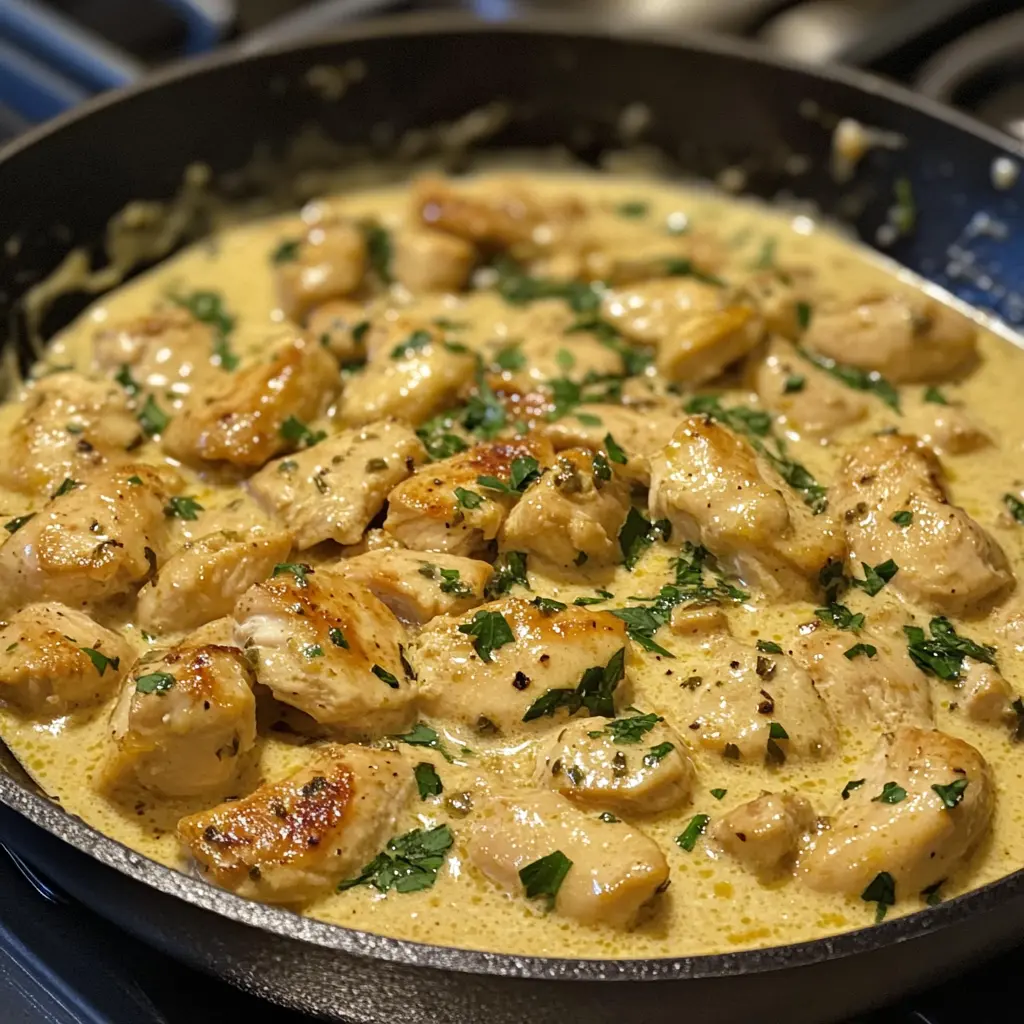
Creamy Garlic Chicken Skillet: The Ultimate One-Pan Dinner Recipe
Imagine coming home after a long day and creating a restaurant-quality dinner in just 30 minutes. The Creamy Garlic Chicken Skillet delivers exactly that experience with tender chicken breasts smothered in a luscious, garlic-infused cream sauce that will leave your family asking for seconds. This one-pan wonder combines simple ingredients with impressive results, making it perfect for busy weeknights or special occasions alike.
Why This Recipe Works
This dish stands out because it delivers maximum flavor with minimal effort. The technique involves pan-searing chicken to create a golden-brown crust that locks in moisture, then building a rich sauce right in the same pan. Using a single skillet means fewer dishes and allows the sauce to absorb all those delicious browned bits from the chicken.
The secret lies in the cooking method itself. Pan-searing at the right temperature triggers the Maillard reaction, which creates complex flavors and that irresistible golden exterior. Meanwhile, the garlic infuses both the meat and the sauce with its distinctive aroma and taste.
This recipe also offers incredible versatility. You can easily customize it with different herbs, vegetables, or seasonings to match your preferences. Whether you’re cooking for picky eaters or adventurous foodies, this base recipe adapts beautifully.
Ingredients You’ll Need
For the Chicken
The foundation of any great chicken dish starts with quality poultry. You’ll need four boneless, skinless chicken breasts, preferably around six ounces each. Consider filleting them horizontally to create thinner cutlets that cook more evenly and quickly.
Season your chicken with one teaspoon of Italian seasoning, one-half teaspoon of salt, and one-quarter teaspoon of black pepper. Lightly coat each piece with two tablespoons of all-purpose flour to create a barrier that helps seal in juices and gives the sauce something to cling to.
For the Sauce
The star of this Creamy Garlic Chicken Skillet is undeniably the sauce. You’ll need six to eight cloves of minced garlic for that bold, aromatic flavor profile. Fresh garlic works best because it releases more allicin, the compound responsible for garlic’s health benefits.
Combine one cup of heavy cream with one-half cup of chicken broth to create the perfect consistency. The broth adds depth while the cream provides richness and body. Add one-half cup of freshly grated Parmesan cheese for a savory, umami boost.
Round out the sauce with two tablespoons of butter, one tablespoon of olive oil, and one teaspoon of Dijon mustard for tang and complexity. These fat components help emulsify the sauce and carry flavors beautifully.
Step-by-Step Instructions
Preparing the Chicken
Start by preparing your chicken breasts properly. If they’re thick, use a sharp knife to carefully fillet each breast horizontally into two thinner cutlets. This technique ensures even cooking and reduces the risk of dry meat on the outside while raw in the center.
Pat the chicken dry with paper towels before seasoning. Moisture on the surface prevents proper browning. Season both sides generously with Italian seasoning, salt, and pepper, then dust lightly with flour, rubbing it in until evenly distributed.
Searing the Chicken
Heat a large skillet over medium-high heat and add one tablespoon of olive oil plus one tablespoon of butter. Wait until the oil shimmers and the butter foams before adding the chicken. This preheating step is crucial for achieving that golden-brown exterior.
Place the chicken in the hot skillet without crowding. Cook for four to five minutes per side until golden brown and the internal temperature reaches 165°F. Avoid moving the chicken around too much, as this prevents proper caramelization.
Remove the cooked chicken to a clean plate and cover with foil to keep warm. Don’t worry if the chicken isn’t completely cooked through yet, as it will finish cooking in the sauce.
Building the Sauce
In the same skillet with all those flavorful browned bits, add your minced garlic. Sauté for about two minutes until fragrant but not burned. Burned garlic turns bitter, so watch carefully.
If your recipe includes vegetables like spinach, cherry tomatoes, or onions, add them now and cook until tender. Spinach wilts quickly in about two to three minutes.
Pour in the chicken broth and use a wooden spoon to scrape up those caramelized bits from the bottom of the pan. This deglazing step adds incredible depth to your sauce.
Finishing the Dish
Add the heavy cream and Dijon mustard to the skillet, whisking until smooth. Bring the mixture to a gentle simmer, then reduce the heat to medium-low. Never let a cream sauce boil vigorously, as high heat can cause the dairy to separate.
Stir in the Parmesan cheese and allow it to melt completely into the sauce. At this point, taste the sauce and adjust the seasoning with additional salt and pepper if needed.
Nestle the chicken breasts back into the sauce and spoon some over the top. Simmer for eight to ten minutes to allow the flavors to meld and the sauce to thicken slightly. The sauce should coat the back of a spoon when ready.
Garnish with fresh parsley and additional Parmesan cheese before serving. The bright herbs add a fresh contrast to the rich, creamy sauce.
Pro Tips for Perfect Results
Achieving Juicy Chicken
The number one complaint about chicken breasts is that they turn out dry. Several techniques can help you avoid this common pitfall. First, use a meat thermometer and remove chicken from heat at 160°F to 165°F.
The chicken continues cooking after you remove it from heat due to carryover cooking. Letting it rest for three to five minutes allows the juices to redistribute throughout the meat instead of running out when you cut into it.
Consider pounding thicker portions of the breast to an even thickness before cooking. This ensures all parts cook at the same rate. You can also brine your chicken in a saltwater solution for 30 minutes before cooking to help it retain moisture.
Creating the Perfect Sauce Consistency
Getting your sauce to the right thickness requires attention and technique. The easiest method is simply reducing it on the stovetop by simmering until enough liquid evaporates. This concentrates flavors while thickening the sauce naturally.
If your sauce seems too thin, continue simmering for a few more minutes. If it’s too thick, add chicken broth one tablespoon at a time until you reach the desired consistency. The sauce should be thick enough to coat the chicken but still flow easily.
Avoid boiling the cream sauce vigorously, as this can cause the dairy to separate and create a grainy texture. Keep the heat at a gentle simmer and stir occasionally.
Getting the Best Garlic Flavor
Fresh garlic makes all the difference in this Creamy Garlic Chicken Skillet recipe. Pre-minced garlic from a jar lacks the pungent, bold flavor of freshly crushed cloves. When you chop or crush garlic, it releases allicin, the compound responsible for its distinctive taste and health benefits.
Add garlic to the pan after removing the chicken so it doesn’t burn during the searing process. Burned garlic tastes bitter and can ruin your sauce. Cook it just until fragrant, which takes about two minutes.
For even more garlic flavor, you can roast whole cloves alongside the chicken or add roasted garlic paste to the finished sauce. Roasting mellows garlic’s sharpness while intensifying its sweet, nutty notes.
Nutritional Benefits
Protein Powerhouse
Chicken breast is one of the leanest sources of high-quality protein available. A single serving of garlic chicken provides approximately 53 grams of protein, which represents 95% of your daily value. This makes it an excellent choice for muscle repair and general health maintenance.
Protein also helps keep you feeling satisfied longer, which can support weight management goals. The chicken in this recipe delivers this protein with relatively moderate fat content.
Additionally, chicken is rich in B vitamins, particularly vitamin B6, providing 150% of your daily needs per serving. B vitamins play crucial roles in energy metabolism and nervous system function.
Garlic’s Health Properties
Garlic isn’t just a flavor enhancer—it’s a nutritional superstar. This humble bulb contains powerful natural compounds that support overall health. The antimicrobial and antiviral properties of garlic can help your body fight off infections like colds and flu.
Research shows that eating garlic regularly may reduce how often you get sick and can make symptoms less severe. A 2021 review found garlic was as effective as several vaccines at preventing or reducing influenza severity.
Garlic also contains antioxidants that protect your cells from damage caused by free radicals. These compounds can help reduce inflammation and may lower the risk of conditions like Alzheimer’s disease. The vitamin C, vitamin B6, manganese, and selenium in garlic all contribute to keeping your body strong and healthy.
Important Minerals and Vitamins
Beyond protein and garlic’s benefits, this Creamy Garlic Chicken Skillet provides several essential nutrients. One serving delivers 17% of your daily potassium needs, which supports heart health and proper muscle function.
The dish also supplies significant amounts of selenium (99% daily value) and phosphorus (73% daily value). Selenium acts as an antioxidant, while phosphorus is essential for strong bones and teeth.
Iron content reaches 13% of your daily requirement, supporting healthy red blood cells. Meanwhile, niacin provides a whopping 142% of your daily needs, supporting skin health and proper nervous system function.
Recipe Variations to Try
Adding Vegetables
Transform this simple chicken dish into a complete one-pan meal by incorporating vegetables. Baby spinach leaves wilt beautifully into the cream sauce, adding color and nutrients. Add two to three cups of fresh spinach during the last few minutes of cooking.
Cherry tomatoes provide bursts of acidity that balance the rich sauce. Halve one cup of cherry tomatoes and add them with the garlic so they have time to blister and release their juices. Sun-dried tomatoes offer an even more concentrated tomato flavor.
Sautéed mushrooms add an earthy, umami quality that complements the garlic beautifully. Slice eight ounces of mushrooms and cook them before adding the chicken, then return them to the pan with the sauce.
Herb and Spice Variations
While Italian seasoning works wonderfully, you can customize the flavor profile with different herb combinations. Try fresh thyme and rosemary for a more rustic, Mediterranean feel. Add one tablespoon of chopped fresh herbs or one teaspoon of dried.
For a French-inspired version, use herbes de Provence and add a teaspoon of lemon zest. The citrus brightens the rich cream sauce. Smoked paprika adds depth and a subtle smoky note without overwhelming the garlic.
Red pepper flakes bring pleasant heat for those who enjoy spice. Start with one-quarter teaspoon and adjust to taste. Fresh basil added at the end provides a sweet, aromatic finish.
Protein Substitutions
Though this recipe focuses on chicken breasts, you can adapt it for other proteins. Chicken thighs work beautifully and stay even more moist due to their higher fat content. Adjust cooking time slightly as thighs take a bit longer to reach 165°F.
Pork chops or medallions cook similarly to chicken and pair wonderfully with creamy garlic sauce. Thin pork cutlets need only three to four minutes per side.
For a seafood variation, use large shrimp or scallops, which cook very quickly. Add them during the last three to four minutes of simmering so they don’t become rubbery.
Best Side Dishes
Starch Options
This Creamy Garlic Chicken Skillet pairs perfectly with sides that soak up the delicious sauce. Creamy mashed potatoes are a classic choice that never disappoints. The smooth texture complements the tender chicken beautifully.
Pasta is another excellent option, particularly fettuccine, penne, or rigatoni. Cook the pasta according to package directions and toss it with a bit of the cream sauce. The ridges and tubes capture every bit of that garlicky goodness.
For a healthier option, try cauliflower rice or mashed cauliflower. These low-carb alternatives absorb the sauce well while keeping the meal lighter. You could also serve this over polenta or risotto for an elegant presentation.
Vegetable Sides
Fresh green beans make a crisp, colorful accompaniment. Steam or sauté them with a touch of butter and garlic to complement the main dish. Roasted broccoli or Brussels sprouts add a nice textural contrast.
A simple green salad with a light vinaigrette provides freshness that cuts through the rich sauce. Include mixed greens, cucumber, cherry tomatoes, and a lemon-based dressing.
Roasted asparagus or glazed carrots add elegance to the plate. Their natural sweetness balances the savory garlic flavors. Roast vegetables at 425°F for 15 to 20 minutes until tender and caramelized.
Bread Options
Crusty bread or garlic bread seems almost mandatory with this recipe. Use it to mop up every last drop of that incredible cream sauce. Warm the bread slightly before serving for the best experience.
Dinner rolls or biscuits offer a softer option that’s equally delicious. Their fluffy texture soaks up sauce beautifully. For a special touch, brush them with garlic butter before serving.
Storage and Reheating
Proper Storage
Store leftover Creamy Garlic Chicken Skillet in an airtight container in the refrigerator for up to three to four days. Allow the dish to cool to room temperature before refrigerating, but don’t leave it out for more than two hours.
Keep the chicken and sauce together so the meat stays moist. The sauce acts as a protective barrier that prevents the chicken from drying out.
For longer storage, this dish freezes reasonably well for up to two months. However, cream sauces can sometimes separate slightly when frozen and thawed. Whisk vigorously when reheating to re-emulsify the sauce.
Reheating Instructions
The best way to reheat this dish is gently on the stovetop. Place the chicken and sauce in a skillet over medium-low heat. Add a splash of chicken broth or cream if the sauce has thickened too much.
Heat slowly, stirring occasionally, until the chicken reaches 165°F internally. This usually takes about eight to ten minutes. Avoid high heat, which can make the chicken tough and cause the sauce to separate.
You can also reheat individual portions in the microwave. Use 50% power and heat in 30-second intervals, stirring between each. This prevents hot spots and ensures even heating.
Common Mistakes to Avoid
Overcooking the Chicken
The most frequent mistake is cooking chicken breasts past 165°F. Even a few degrees over can make the difference between juicy and dry meat. Invest in an instant-read thermometer for consistent results.
Remember that chicken continues cooking after removal from heat. Pull it from the pan at 160°F to 162°F if you plan to let it rest. The internal temperature will climb to 165°F during the resting period.
Avoid cutting into the chicken to check doneness, as this releases precious juices. Always use a thermometer inserted into the thickest part of the breast.
Burning the Garlic
Garlic burns quickly and turns bitter when overcooked. Always add it after removing the chicken from the pan so it doesn’t sit in hot oil too long. Cook garlic only until fragrant, which takes about two minutes.
If you notice the garlic starting to brown too quickly, reduce the heat immediately. You can also add a small splash of chicken broth to cool down the pan.
Minced garlic burns faster than sliced or whole cloves. If you’re nervous about burning, use larger pieces that you can remove before serving.
Sauce Problems
Cream sauces can be temperamental if not handled correctly. Never let the sauce boil vigorously after adding cream, as this causes the dairy to separate into an unappealing grainy texture. Keep the heat at a gentle simmer.
If your sauce breaks (separates), remove it from heat immediately and whisk in a tablespoon of cold cream. This often brings it back together. You can also blend a small portion with an immersion blender and whisk it back into the pan.
Too-thin sauce usually results from not simmering long enough. Continue cooking until the sauce coats the back of a spoon. Too-thick sauce can be remedied by whisking in chicken broth one tablespoon at a time.
Frequently Asked Questions
Can I use chicken thighs instead of breasts?
Absolutely! Chicken thighs work wonderfully in this recipe. They contain more fat than breasts, which makes them incredibly forgiving and hard to overcook. Adjust the cooking time slightly, as thighs may need an extra minute or two per side to reach 165°F.
What can I substitute for heavy cream?
Half-and-half creates a lighter sauce, though it won’t be quite as rich. You can also use full-fat coconut milk for a dairy-free version. Avoid skim milk, as it lacks the fat needed to create a creamy sauce and may curdle.
How do I make this Creamy Garlic Chicken Skillet ahead of time?
You can prep the chicken by seasoning and flouring it up to 24 hours in advance. Store it covered in the refrigerator. Cook the dish as directed, then cool and refrigerate for up to two days. Reheat gently on the stovetop with a splash of broth.
Can I double this recipe?
Yes, but you’ll need to work in batches unless you have a very large skillet. Overcrowding the pan prevents proper browning. Cook the chicken in two batches, then proceed with the sauce recipe as written.
What’s the best way to make the sauce thicker?
The easiest method is simply simmering longer to reduce the liquid. For a quicker fix, make a slurry by whisking together one tablespoon of cornstarch with two tablespoons of cold water. Whisk this into the simmering sauce and cook for one to two minutes until thickened.
Conclusion
The Creamy Garlic Chicken Skillet represents everything a weeknight dinner should be—quick, delicious, and satisfying. With tender chicken breasts bathed in a luxurious garlic cream sauce, this one-pan meal delivers restaurant-quality results in your own kitchen. The simple ingredients come together to create complex flavors that will have everyone at your table asking for the recipe.
Whether you’re feeding hungry family members or impressing dinner guests, this versatile dish adapts to your needs. Add vegetables for a complete meal, pair it with your favorite sides, or customize the seasonings to match your taste preferences. The garlic provides not only incredible flavor but also valuable health benefits that support your immune system.
Print
Creamy Garlic Chicken Skillet
Description
Creamy Garlic Chicken Skillet
Servings: 4
Prep Time: 10 minutes
Cook Time: 20 minutes
Total Time: 30 minutes
Ingredients
-
4 chicken breasts (or thighs), seasoned with salt & pepper
-
2 tbsp olive oil
-
3 tbsp butter
-
6–8 garlic cloves, minced
-
1 tbsp fresh thyme or 1 tsp dried
-
1 tbsp fresh parsley, chopped
-
1 cup chicken broth
-
1 cup heavy cream
-
½ cup grated Parmesan cheese
-
1 tsp garlic powder
-
½ tsp paprika
-
Salt & pepper, to taste
-
Optional: 1–2 tbsp lemon juice for brightness
Instructions
1. Sear the Chicken
Heat olive oil and 1 tbsp butter in a skillet over medium-high heat.
Add the seasoned chicken and cook 5–6 minutes per side, until golden and cooked through.
Remove chicken and set aside.
2. Make the Garlic Butter Base
Reduce heat to medium.
Add remaining butter, minced garlic, and thyme.
Sauté until fragrant—about 1 minute.
3. Build the Cream Sauce
Pour in chicken broth, scraping browned bits from the pan.
Stir in heavy cream, Parmesan, garlic powder, paprika, salt, and pepper.
Simmer 3–4 minutes until slightly thickened.
4. Combine
Return chicken to the skillet and spoon the creamy garlic sauce on top.
Simmer 2–3 minutes until everything is coated and velvety.