
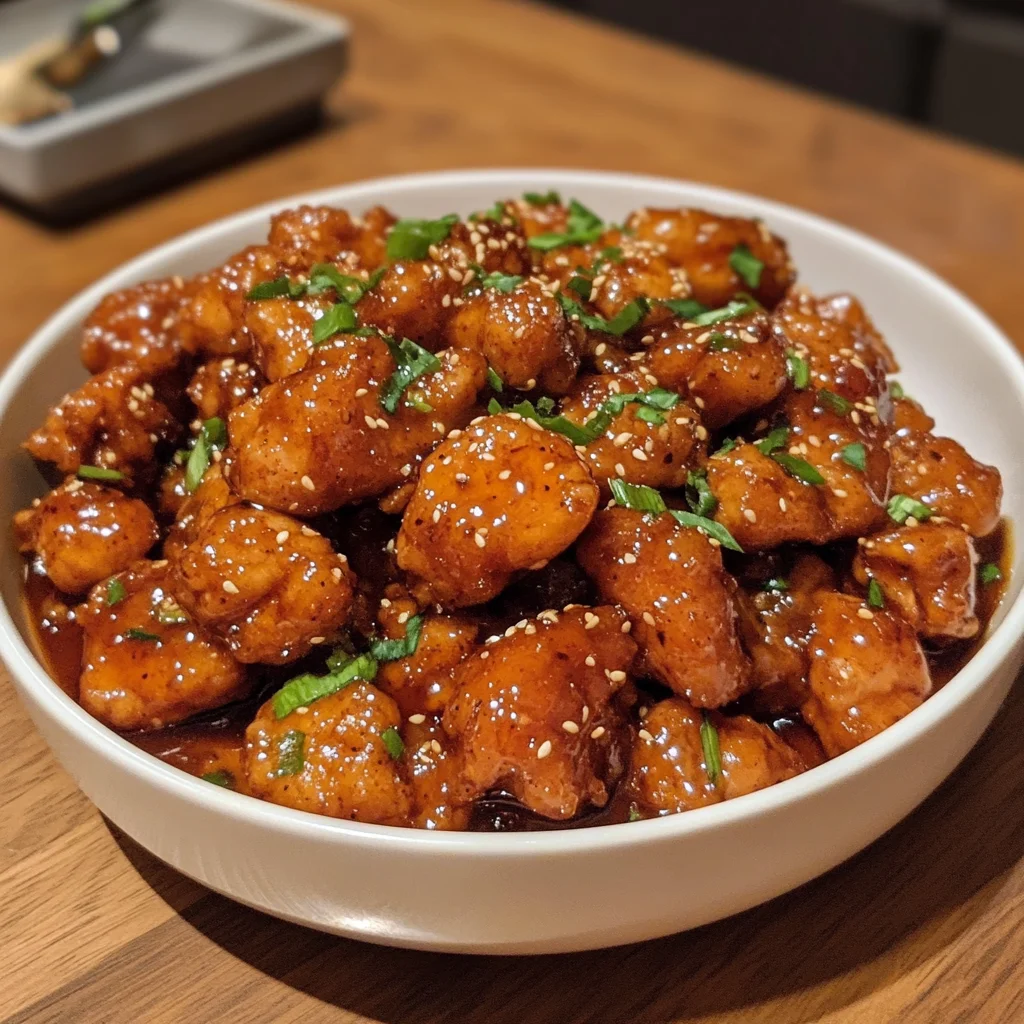
Sticky Honey Soy Chicken: The Ultimate Sweet and Savory Dish
Sticky Honey Soy Chicken brings together the perfect balance of sweet and savory flavors in one irresistible dish. This popular Asian-inspired recipe features tender chicken pieces coated in a glossy, thick sauce made from honey and soy sauce, creating a meal that delights taste buds and satisfies cravings. Whether you’re preparing a quick weeknight dinner or meal prepping for the week ahead, this versatile dish delivers restaurant-quality results right in your own kitchen.
The beauty of this recipe lies in its simplicity and flexibility. Additionally, the sticky glaze caramelizes beautifully during cooking, resulting in chicken that’s crispy on the outside yet juicy inside. Moreover, this dish works wonderfully with various chicken cuts and cooking methods, making it accessible for home cooks of all skill levels.
What Makes Sticky Honey Soy Chicken So Special
The Perfect Sauce Balance
The magic happens when honey’s natural sweetness meets the umami-rich depth of soy sauce. This combination creates a complex flavor profile that’s neither too sweet nor too salty. Furthermore, the honey acts as a natural thickening agent, helping the sauce develop that signature sticky consistency that clings to every piece of chicken.
The sauce typically includes additional flavor enhancers such as garlic, ginger, and sesame oil. These ingredients add aromatic layers that elevate the dish beyond basic sweet-and-sour flavors. Consequently, each bite delivers a multi-dimensional taste experience that keeps you coming back for more.
Versatility for Any Occasion
This dish shines in multiple settings. It’s ideal for busy weeknight dinners because it comes together quickly, often in under 30 minutes. Meanwhile, it’s impressive enough to serve at dinner parties or family gatherings. The recipe also works exceptionally well for meal prep, as the marinade keeps the chicken tender even after storage.
Essential Ingredients for Perfect Results
Main Components
The foundation of Sticky Honey Soy Chicken requires just a handful of quality ingredients. For the chicken, you can use bone-in thighs, boneless breasts, or drumsticks depending on your preference. Each cut offers different textures and cooking times, but all work beautifully with the sticky glaze.
The sauce base typically includes:
-
High-quality soy sauce (regular or low-sodium)
-
Pure honey for sweetness and stickiness
-
Fresh garlic cloves, minced or grated
-
Rice vinegar or apple cider vinegar for acidity
-
Sesame oil for nutty depth
-
Fresh ginger for aromatic warmth
-
Black pepper for subtle heat
Optional Flavor Enhancers
To customize your Sticky Honey Soy Chicken, consider adding brown sugar for extra caramelization. Similarly, sriracha or red pepper flakes provide a spicy kick that balances the sweetness. Some recipes incorporate maple syrup alongside honey for a more complex sweetness. Additionally, scallions and sesame seeds make excellent garnishes that add both flavor and visual appeal.
Coating Ingredients for Crispiness
For extra crispy chicken, you’ll need cornstarch or cornflour as a coating agent. This light dusting creates a barrier that becomes wonderfully crunchy when cooked. Some recipes also use flour combined with seasonings like garlic powder and paprika for additional flavor in the crust.
Step-by-Step Cooking Instructions
Preparation Phase
Start by patting the chicken dry with paper towels, which is crucial for achieving crispy skin and helping coatings adhere properly. Next, cut boneless chicken into bite-sized pieces for faster cooking and better sauce coverage. Season the chicken with salt and black pepper, being mindful not to over-salt since soy sauce adds significant sodium.
For the marinade method, whisk together soy sauce, honey, rice vinegar, garlic, ginger, and sesame oil in a medium bowl. Place the chicken in a dish or ziplock bag, pour the marinade over it, and refrigerate for at least one hour or up to overnight. This marinating step allows flavors to penetrate deeply into the meat.
Coating and Cooking Process
If making crispy Sticky Honey Soy Chicken, toss the marinated chicken pieces in cornstarch until evenly coated. Shake off any excess to prevent clumping. For pan-frying, heat vegetable oil in a large skillet over medium-high heat. Cook the chicken in batches to avoid overcrowding, which ensures even browning.
Brown each side for approximately 3-5 minutes until golden and crispy. If using bone-in pieces, start with the skin side down to develop color and flavor on the underside. Transfer cooked chicken to a wire rack or paper towel-lined plate to drain excess oil.
Creating the Glaze
In the same pan (or a clean one), combine the sauce ingredients over low to medium heat. Bring the mixture to a gentle simmer, allowing it to reduce and thicken. This process typically takes 3-5 minutes. The sauce is ready when it coats the back of a spoon and has a syrupy consistency.
Return the cooked chicken to the pan and toss it in the sticky sauce. Stir continuously for 1-2 minutes until each piece is evenly coated and glossy. Serve immediately while the chicken is hot and the glaze is at its stickiest.
Cooking Methods Compared
Oven-Baked Method
Baking offers a hands-off approach that’s perfect for larger batches. Preheat your oven to 200°C (390°F) or 180°C for fan ovens. Line a baking pan with both foil and parchment paper to prevent the sticky glaze from causing difficult cleanup. Spread sliced onions on the bottom, then place chicken skin-side down.
Pour the sauce over the chicken and bake for 25 minutes. Then flip the pieces, baste with pan juices, and continue baking for another 25-35 minutes until nicely browned. If the sauce remains too thin, remove the chicken and return the pan to the oven briefly to reduce the liquid. This method produces tender, fall-off-the-bone results with minimal effort.
Pan-Frying Technique
Pan-frying delivers the crispiest exterior texture. Heat oil over medium-high heat in a heavy-bottomed skillet. Cook chicken pieces for 6 minutes per side until golden brown and cooked through. This direct heat method creates excellent caramelization and a satisfying crunch.
The key advantage is speed and control. You can monitor browning in real-time and adjust heat as needed. However, this method requires more attention and works best with smaller portions.
Air Fryer Option
Air frying combines the crispiness of deep-frying with the convenience of oven cooking. Spray cornstarch-coated chicken pieces generously with oil, then arrange them in the air fryer basket. Cook at around 190°C for 8-10 minutes, shaking the basket halfway through. Continue cooking in 1-2 minute intervals if additional crispness is desired.
This method uses significantly less oil while still achieving crispy results. It’s also faster than oven-baking and requires less monitoring than pan-frying.
Tips for Extra Crispy Chicken
Moisture Management
The secret to crispy Sticky Honey Soy Chicken starts with removing excess moisture. Always pat chicken completely dry before seasoning or coating. Moisture is the enemy of crispiness, so this step cannot be skipped. If marinating, remove chicken from the liquid and pat dry again before applying the cornstarch coating.
Proper Coating Technique
Use a generous amount of cornstarch, ensuring complete coverage of each piece. The cornstarch creates a barrier that becomes crispy when exposed to high heat. For even better results, let coated chicken rest for 5 minutes before cooking, which helps the coating adhere.
Some recipes enhance the coating by mixing cornstarch with flour, garlic powder, paprika, and salt. This combination adds flavor while improving texture. Additionally, tossing chicken with beaten eggs before the cornstarch creates an extra-thick crust.
Cooking Temperature and Spacing
Maintain medium-high heat for pan-frying to ensure rapid crisping without burning. Never overcrowd the pan; cook in batches if necessary. Overcrowding causes steam buildup, which prevents browning and results in soggy chicken.
For oven-baking, ensure adequate space between pieces on the baking sheet. Spray chicken thoroughly with cooking oil before and during baking to promote crispiness. This mimics the effects of deep-frying without the excess oil.
Flavor Variations to Try
Spicy Honey Soy
Transform your Sticky Honey Soy Chicken into a fiery delight by adding sriracha sauce, red pepper flakes, or diced fresh chili. Start with 1 tablespoon of sriracha and adjust according to heat preference. Fresh red chilies, deseeded and diced, provide a more complex heat profile than dried flakes.
For a Korean-inspired twist, incorporate gochujang (Korean chili paste) into the sauce base. This adds both heat and fermented umami depth that complements the honey beautifully.
Citrus-Infused Version
Brighten the flavors by adding lime or lemon juice to the marinade. The acidity cuts through the sweetness and adds a refreshing dimension. Use 2-3 tablespoons of fresh citrus juice alongside the vinegar. Furthermore, zest can be added for concentrated citrus aroma without extra acidity.
Orange juice and zest create a sweet-tart variation reminiscent of orange chicken. This modification works particularly well with the honey’s natural sweetness, creating a more dessert-like flavor profile.
Herb and Aromatic Additions
Fresh cilantro stirred into the marinade provides a bright, herbaceous note that balances the rich sauce. Alternatively, add finely sliced scallions both during cooking and as a garnish. Scallions contribute a mild onion flavor that doesn’t overpower the other ingredients.
For an earthier profile, increase the fresh ginger or add lemongrass paste. These aromatics enhance the Asian-inspired character of the dish while keeping flavors balanced and fresh.
What to Serve with Sticky Honey Soy Chicken
Rice and Grain Options
Steamed white rice is the classic accompaniment, providing a neutral base that soaks up the delicious sticky sauce. The fluffy texture contrasts beautifully with the glazed chicken. For added nutrition, substitute brown rice or quinoa. These whole grains offer more fiber and nutrients while still pairing wonderfully with the sweet-savory flavors.
Fried rice makes an excellent side when you want a more substantial meal. Cook it with vegetables and eggs for a complete one-plate dinner. Similarly, noodles work beautifully, especially if you toss them lightly in the remaining sauce.
Vegetable Pairings
Broccoli florets are the most popular vegetable pairing for Sticky Honey Soy Chicken. Steam or roast them until tender-crisp, then toss with the chicken or serve alongside. Sautéed green beans with garlic offer another excellent option, providing a crisp texture and fresh flavor.
Roasted vegetables such as bell peppers, carrots, and snap peas add color and nutrition to the plate. The caramelization from roasting complements the sticky glaze perfectly. Additionally, Asian-style coleslaw with a light vinegar dressing provides refreshing crunch that cuts through the richness.
Complete Meal Ideas
For meal prep, combine Sticky Honey Soy Chicken with rice and steamed vegetables in airtight containers. This balanced combination includes protein, carbohydrates, and fiber in one convenient package. The meal stays fresh for 4-5 days when properly refrigerated.
Serve the chicken over a grain bowl with edamame, cucumber, and avocado for a modern twist. Alternatively, shred leftover chicken and use it in wraps, on pizza, or over salads. These versatile applications ensure you never tire of the flavors.
Storage and Reheating Guide
Refrigerator Storage
Store leftover Sticky Honey Soy Chicken in an airtight container in the refrigerator for up to 3-5 days. The marinade helps keep the chicken tender even after storage, making it ideal for meal prep. Always ensure the chicken has cooled to room temperature before refrigerating to prevent condensation buildup.
Keep the sauce separate if possible, or store it together with the chicken to maintain moisture. When storing with rice and vegetables, use compartmentalized containers to prevent textures from becoming soggy.
Freezing Guidelines
Cooked Sticky Honey Soy Chicken freezes well for 2-3 months when stored properly. Use airtight containers slightly larger than the chicken portion to minimize air exposure. Alternatively, vacuum-seal bags or reusable ziplock bags work excellently.
For best results, freeze the chicken with its sauce in individual portions. This allows you to thaw only what you need without waste. Label containers with the date to track freshness.
Reheating Methods
Thaw frozen chicken overnight in the refrigerator or use your microwave’s defrost setting. Once thawed, reheat in a skillet over medium heat until piping hot throughout. This method helps restore some of the exterior crispiness lost during storage.
For microwave reheating, use medium power in 1-minute intervals, stirring between each session. Add a splash of water or broth if the sauce has thickened too much during storage. Ensure the internal temperature reaches 75°C (165°F) for food safety.
Nutritional Benefits
Protein Content
Sticky Honey Soy Chicken provides an excellent source of high-quality protein, with one serving delivering approximately 35 grams. This represents about 63% of the daily recommended value, making it ideal for muscle maintenance and growth. Protein also promotes satiety, helping you feel fuller for longer periods.
The chicken offers a complete amino acid profile necessary for various bodily functions. Whether you choose breast meat or thighs, you’ll receive substantial protein to support your nutritional needs.
Vitamins and Minerals
This dish is particularly rich in vitamin B6, providing up to 99% of your daily value per serving. Vitamin B6 supports brain health, immune function, and red blood cell formation. Additionally, the chicken contributes significant amounts of niacin (94% DV) and pantothenic acid (47% DV), which support energy metabolism.
Mineral content includes potassium (12% DV), which helps regulate blood pressure and muscle function. The dish also provides selenium (63% DV), an important antioxidant mineral. Furthermore, phosphorus (49% DV) supports bone health and cellular energy production.
Balanced Macronutrients
A typical serving contains approximately 267 calories with a macronutrient breakdown of 54% protein, 30% fat, and 16% carbohydrates. This balanced ratio makes it suitable for various dietary approaches. The moderate carbohydrate content comes primarily from honey, providing quick energy without excessive sugar.
Sesame oil and chicken fat contribute healthy fats that support brain health and skin vitality. These fats also aid in the absorption of fat-soluble vitamins present in accompanying vegetables. The fiber from added vegetables further enhances the nutritional profile.
Common Mistakes to Avoid
Sauce Consistency Issues
One frequent problem is sauce that remains too thin and watery rather than achieving that signature sticky texture. This usually happens when the sauce isn’t simmered long enough. Always allow adequate reduction time, typically 3-5 minutes, until the mixture coats the back of a spoon.
If your sauce refuses to thicken, mix 1 teaspoon of cornstarch with cold water and stir it into the simmering sauce. This creates an almost instant thickening effect. Conversely, over-reduced sauce becomes candy-like and difficult to distribute evenly, so monitor carefully.
Overcooking the Chicken
Dry, tough chicken results from cooking at too high a temperature or for too long. Use a meat thermometer to ensure breast meat reaches 75°C (165°F) and thigh meat reaches 80°C (175°F). These temperatures guarantee safety while maintaining juiciness.
Starting with chicken at room temperature promotes even cooking and prevents the outside from overcooking while the inside remains raw. Remove chicken from the refrigerator 15-20 minutes before cooking for best results.
Marinade Mistakes
Using the raw chicken marinade as your finishing sauce poses a food safety risk. Always discard the raw marinade or boil it vigorously for several minutes to kill bacteria. Better yet, reserve a portion of fresh marinade before adding raw chicken to use as your sauce base.
Insufficient marinating time yields bland chicken with surface-level flavor only. For maximum taste penetration, marinate for at least one hour, though overnight produces superior results. Conversely, marinating for more than 24 hours can break down the chicken texture due to the acidic vinegar content.
Coating Problems
Coating chicken while still wet results in a gummy, clumpy crust rather than crispy perfection. Always pat chicken completely dry before applying cornstarch. Additionally, using too little coating leaves bare spots that don’t crisp properly.
Not allowing the coating to set before cooking can cause it to fall off during the cooking process. Let coated chicken rest for 5 minutes at room temperature so the coating adheres properly.
Frequently Asked Questions
Can I make Sticky Honey Soy Chicken ahead of time?
Yes, this dish is excellent for meal prep and advance preparation. Marinate the chicken up to 24 hours ahead, which actually enhances flavor development. You can also fully cook the chicken and store it in the refrigerator for 3-5 days. The sauce keeps the meat tender even after storage. When ready to serve, simply reheat and enjoy.
What’s the best chicken cut for this recipe?
All chicken cuts work wonderfully, but each offers different benefits. Boneless, skinless chicken breasts cook quickly and absorb sauce readily. Chicken thighs provide more flavor and stay juicier due to higher fat content. Drumsticks offer fun presentation and are budget-friendly. For maximum crispiness, bone-in, skin-on thighs deliver superior results.
How can I make this recipe healthier?
Several modifications reduce calories and fat without sacrificing flavor. Use skinless chicken to eliminate much of the fat content. Reduce honey by one-third and the dish remains sweet. Choose low-sodium soy sauce to decrease salt levels significantly. Air frying or baking instead of pan-frying reduces oil consumption. Finally, serve with extra vegetables and brown rice for added fiber and nutrients.
Can I use chicken tenders or nuggets?
Absolutely! Chicken tenders and nuggets work perfectly with this sticky sauce. Cut tenders into bite-sized pieces for even cooking and better sauce coverage. The smaller size means faster cooking times, usually 6-8 minutes total. This makes the recipe even more kid-friendly and great for quick weeknight meals.
What can I substitute for honey?
Maple syrup provides similar sweetness and sticky consistency. Brown sugar dissolved in a little water also works, though it lacks honey’s subtle floral notes. Agave nectar offers another alternative with a milder flavor profile. For lower-sugar options, consider using a combination of reduced sugar and additional vinegar for balance.
Why isn’t my chicken crispy?
Several factors affect crispiness in Sticky Honey Soy Chicken. Insufficient drying before coating is the most common culprit. Overcrowding the pan creates steam that prevents proper browning. Using too low a cooking temperature also results in soggy chicken rather than crispy exterior. Finally, adding sauce too early can soften the coating, so always crisp the chicken first, then toss in sauce just before serving.
Can I make this recipe gluten-free?
Yes, simply substitute regular soy sauce with tamari or certified gluten-free soy sauce. Ensure your cornstarch is certified gluten-free, though most brands are naturally gluten-free. All other ingredients in the basic recipe contain no gluten. This simple swap makes the dish completely suitable for gluten-sensitive individuals.
Conclusion
Sticky Honey Soy Chicken delivers an unbeatable combination of sweet and savory flavors that satisfies cravings and impresses diners every time. This versatile recipe adapts to various cooking methods, chicken cuts, and flavor preferences while maintaining its signature glossy, caramelized appeal. With simple ingredients and straightforward techniques, anyone can create restaurant-quality results at home.
The dish’s nutritional benefits, including high protein content and essential vitamins, make it a smart choice for regular meal rotation. Furthermore, its excellent storage capabilities and reheating properties support busy lifestyles and meal prep routines. Whether you prefer crispy pan-fried pieces, tender oven-baked portions, or convenient air-fried bites, this recipe accommodates your needs.
Print
Sticky Honey Soy Chicken
Description
Sticky Honey Soy Chicken
Servings: 4
Prep Time: 10 minutes
Cook Time: 20 minutes
Total Time: 30 minutes
Ingredients
-
1 ½ lbs chicken thighs or breasts, cut into bite-sized pieces
-
2 tbsp olive oil
-
Salt and pepper, to taste
-
¼ cup soy sauce
-
¼ cup honey
-
2 tbsp rice vinegar or apple cider vinegar
-
2 garlic cloves, minced
-
1 tsp grated ginger (optional, for extra flavor)
-
1 tsp sesame oil
-
1 tsp cornstarch mixed with 2 tbsp water (for thickening)
-
Sesame seeds and chopped green onions for garnish
Instructions
1. Season and Sear the Chicken
Season chicken pieces with salt and pepper.
Heat olive oil in a skillet over medium-high heat.
Cook chicken 5–6 minutes, turning occasionally, until golden brown. Remove and set aside.
2. Make the Sticky Sauce
In the same skillet, combine soy sauce, honey, vinegar, garlic, ginger, and sesame oil.
Simmer 2–3 minutes until slightly thickened.
3. Thicken the Sauce
Stir in the cornstarch slurry and simmer 1–2 minutes until sauce is glossy and sticky.
4. Coat the Chicken
Return chicken to the skillet and toss until fully coated in the sticky honey-soy glaze.