
Parsnip and Carrot Ribbon Pasta: A Complete Guide to This Nutritious Comfort Dish
What is Parsnip and Carrot Ribbon Pasta?
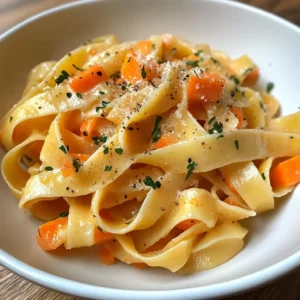
Parsnip and carrot ribbon pasta is a vibrant, nutrient-dense dish that combines traditional pasta with ribbons of root vegetables. This creative recipe transforms humble parsnips and carrots into elegant, colorful strips that cook alongside pasta noodles. The vegetable ribbons are created using a vegetable peeler or spiralizer to make lengthwise strips that resemble pasta. This approach adds substantial volume, nutrition, and visual appeal to your meal without overwhelming complexity.
The dish gained popularity as home cooks sought ways to incorporate more vegetables into familiar comfort foods. Additionally, the natural sweetness of roasted root vegetables complements pasta beautifully. This combination creates a satisfying meal that works equally well for busy weeknights or special occasions.
Why This Dish is Perfect for Winter
Root vegetables like parsnips and carrots thrive during colder months, making them ideal winter ingredients. These vegetables develop enhanced sweetness after exposure to frost, which naturally improves their flavor profile. Furthermore, they store exceptionally well throughout winter, ensuring consistent availability and affordability.
Winter comfort food typically centers on hearty, warming dishes that provide both nourishment and satisfaction. This pasta perfectly fits that description. The combination of tender pasta and caramelized vegetable ribbons delivers comforting textures. Meanwhile, the dish offers substantial nutrition during a season when fresh produce variety decreases.
Budget-Friendly and Accessible
Parsnips and carrots remain among the most economical vegetables year-round. They require minimal preparation and waste. A single large parsnip and carrot can yield generous portions of vegetable ribbons. This makes the recipe ideal for families seeking nutritious, budget-conscious meals.
Nutritional Benefits
Parsnip Nutrition Powerhouse
Parsnips provide exceptional nutritional value with relatively few calories. One cup of raw parsnips contains approximately 23 milligrams of vitamin C, delivering about 26% of your daily recommended intake. These root vegetables are particularly rich in fiber, vitamin K, and folate. Additionally, they contain important minerals including potassium, which supports heart function and helps balance blood pressure.
The fiber content in parsnips promotes healthy digestion and helps diversify gut microbiome. Moreover, parsnips contain inulin, a prebiotic that supports gut health. They also have a low glycemic index, helping maintain steady blood sugar levels and providing longer-lasting energy.
Carrot Health Benefits
Carrots bring their own impressive nutritional profile to this dish. They’re renowned for beta-carotene content, which converts to vitamin A in the body and supports immune system function. Carrots also provide fiber for digestive health, vitamin K1 for bone and blood health, and potassium. The antioxidants in carrots contribute to overall wellness and eye health.
When incorporated into pasta, carrots significantly enhance the dish’s vitamin and mineral content. Studies show that carrot powder incorporation increases calcium, iron, potassium, and sodium levels substantially. At 25% carrot incorporation, pasta can meet the recommended dietary allowance of beta-carotene for infants.
Combined Nutritional Impact
Together, parsnip and carrot ribbon pasta creates a meal rich in antioxidants and anti-inflammatory compounds. The combination supports cardiovascular health, immune defense, and digestive wellness. The high fiber content aids weight management while the vitamins protect against various health conditions. This makes the dish both delicious and functionally beneficial for your wellbeing.
Essential Tools and Equipment
Basic Kitchen Tools
Creating vegetable ribbons requires minimal specialized equipment. A standard vegetable peeler works perfectly for making carrot and parsnip ribbons. This simple tool creates elegant, thin strips similar to pappardelle pasta. Alternatively, a julienne peeler produces thinner matchstick-style ribbons.
For those who frequently prepare vegetable-based dishes, a spiralizer offers additional versatility. This tool transforms root vegetables into ribbons, curls, or noodle-like shapes. Spiralizers are reasonably priced and compatible with various vegetables including sweet potatoes, squash, and rutabagas.
Cooking Equipment
You’ll need a large pot for boiling pasta and a spacious skillet for sautéing. A colander is essential for draining. Additionally, keep measuring cups, a sharp knife, and cutting board accessible. Having tongs or a pasta fork helps manage the ribbons and pasta during cooking.
Ingredient Selection Guide
Choosing Perfect Parsnips
Select firm parsnips that are at least 2 inches in diameter for easier ribbon creation. Look for smooth, unblemished skin without soft spots. Medium-sized parsnips typically offer the best balance of flavor and texture. Avoid extremely large parsnips, which can develop woody cores.
Fresh parsnips should feel heavy for their size. The color should be creamy white to pale yellow. Always scrub parsnips thoroughly and peel before creating ribbons.
Selecting Quality Carrots
Choose large carrots with at least 2-inch diameter to facilitate ribbon-making. Look for vibrant orange color and firm texture. Avoid carrots with cracks, soft spots, or excessive dirt buildup in crevices. Fresh carrots snap cleanly when bent.
Organic carrots often provide superior flavor, though conventional carrots work well when thoroughly washed and peeled. Both regular orange carrots and rainbow varieties function beautifully in this recipe.
Pasta Selection
Any ribbon-style pasta complements vegetable ribbons wonderfully. Fettuccine, linguine, and pappardelle are excellent choices. Their wide, flat shape mirrors the vegetable ribbons’ appearance. Quinoa pasta or whole grain varieties add extra nutrition and fiber.
For gluten-free diets, rice-based or chickpea pasta work exceptionally well. The key is choosing pasta that cooks in a similar timeframe to your vegetable ribbons.
Step-by-Step Preparation
Preparing the Vegetables
Begin by thoroughly washing and peeling your parsnips and carrots. Remove both ends of each vegetable. Using a vegetable peeler, create long ribbons by running the peeler lengthwise down each vegetable. Apply steady, even pressure for consistent thickness. Continue peeling until you reach the core. Discard the woody center portions or save them for vegetable stock.
Place completed ribbons in a bowl of cold water to prevent browning. This step maintains crispness until you’re ready to cook.
Cooking the Pasta and Ribbons
Fill a large pot with salted water and bring to a rolling boil. Add your chosen pasta and cook according to package directions. During the last 3-5 minutes of pasta cooking time, add the parsnip and carrot ribbons directly to the pasta water. If using thin ribbons from a julienne peeler, add them during the final 2-3 minutes.
The vegetables will soften and become tender while maintaining slight texture. This method ensures both pasta and vegetables finish simultaneously. It also allows flavors to meld naturally.
Finishing the Dish
Before draining, reserve approximately 1/2 cup of the starchy pasta cooking water. This liquid helps create cohesive sauce later. Drain the pasta and vegetable ribbons together in a colander.
Return the mixture to the cooking pot or transfer to a large serving bowl. Add your prepared sauce, seasonings, or other ingredients. Toss everything gently to combine. If the mixture seems dry, add reserved pasta water gradually until desired consistency is achieved.
Cooking Methods and Techniques
Boiling Method
The simplest approach involves boiling pasta and adding vegetable ribbons near the end of cooking. This one-pot method minimizes cleanup while ensuring tender results. The pasta water seasons the vegetables naturally. Furthermore, the starch released from pasta helps bind ingredients together.
Sautéing Method
For enhanced flavor, sauté the vegetable ribbons separately before combining with pasta. Heat olive oil in a large skillet over medium-low heat. Add carrot and parsnip ribbons, seasoning with salt and pepper. Cook for 6-8 minutes, stirring frequently, until softened but not mushy.
This technique caramelizes the vegetables’ natural sugars, creating deeper flavor. You can add aromatics like garlic, herbs, or spices during sautéing. Once vegetables are tender, toss with cooked pasta and additional ingredients.
Roasting Option
Roasting vegetable ribbons creates concentrated sweetness and appealing texture contrast. Toss ribbons with a small amount of oil and spread on a parchment-lined baking sheet. Roast at 400-425°F for 15-20 minutes, flipping halfway through. The edges will develop slight crispness while centers stay tender. Combine roasted ribbons with freshly cooked pasta for dynamic textural elements.
Flavor Variations and Customizations
Classic Italian-Inspired
Create a simple yet elegant version with olive oil, minced garlic, fresh thyme, and red pepper flakes. Add a tablespoon of butter and fresh lemon juice for brightness. Finish with grated Parmesan cheese and dried parsley. This combination highlights the vegetables’ natural sweetness while providing savory depth.
Creamy Comfort Style
Incorporate ricotta cheese for luxurious creaminess. Add ground cinnamon and fresh rosemary sprigs for warming aromatic notes. Top with roasted hazelnuts for satisfying crunch. This variation works beautifully for cold winter evenings.
Garden Fresh Approach
Combine your parsnip and carrot ribbons with other seasonal vegetables. Add torn kale leaves, raisins, and pesto for complex flavor layers. Include roasted butternut squash cubes or sweet potato. Cherry tomatoes roasted with garlic bring acidity and brightness. Fresh parsley adds herbaceous freshness.
Plant-Based Version
Create a completely vegan dish using nutritional yeast for cheesy flavor. Prepare a creamy sauce from almond yogurt, tahini, nutritional yeast, grated garlic, and mustard powder. This provides richness without dairy while adding protein and beneficial nutrients.
Serving Suggestions
Presentation Tips
Plate the pasta in wide, shallow bowls to showcase the colorful vegetable ribbons. Use tongs to create height and visual interest. Garnish with fresh herbs, cracked black pepper, or additional grated cheese. A drizzle of high-quality olive oil adds professional polish.
Portion Sizes
This dish serves as a complete meal when portioned generously. Plan for approximately 2 ounces of dry pasta per person when combined with vegetables. The vegetable ribbons add substantial volume, creating satisfying portions without excessive calories.
Accompaniments
Serve alongside a simple green salad with lemon vinaigrette to balance the pasta’s richness. Crusty whole grain bread complements the dish nicely. For added protein, consider grilled chicken, white beans, or chickpeas.
Storage and Meal Prep Tips
Make-Ahead Strategies
Prepare vegetable ribbons up to two days in advance. Store them in an airtight container with a damp paper towel to maintain freshness. Cook pasta and vegetables separately if meal prepping, then combine when reheating.
You can also pre-measure and organize all ingredients before cooking. This streamlines the actual cooking process significantly.
Storing Leftovers
Refrigerate leftover parsnip and carrot ribbon pasta in sealed containers for up to three days. The flavors often improve overnight as seasonings meld. Store separately from any cheese toppings to prevent sogginess.
Reheating Methods
Reheat gently in a skillet with a splash of water or broth to restore moisture. Alternatively, microwave in 30-second intervals, stirring between heating cycles. Avoid overheating, which can make vegetables mushy. Add fresh herbs or a squeeze of lemon juice to brighten reheated portions.
Common Mistakes to Avoid
Ribbon Thickness Issues
Creating ribbons that are too thick results in undercooked, crunchy vegetables. Conversely, paper-thin ribbons may become mushy. Aim for consistent thickness similar to fettuccine pasta. Apply steady, even pressure when using your vegetable peeler.
Overcooking Vegetables
Adding vegetable ribbons too early during pasta cooking leads to mushy, unappetizing results. Always add ribbons during the final few minutes only. Monitor closely and taste-test to ensure ideal texture.
Insufficient Seasoning
Root vegetables require adequate seasoning to highlight their subtle flavors. Don’t forget to salt your pasta water generously. Additionally, season the finished dish to taste before serving. The vegetables can absorb significant amounts of salt without becoming overseasoned.
Skipping Reserved Pasta Water
Many home cooks drain pasta completely without reserving cooking water. This starchy liquid is invaluable for creating smooth, cohesive sauce that clings to pasta and vegetables. Always set aside at least half a cup before draining.
Frequently Asked Questions
Can I make parsnip and carrot ribbon pasta ahead of time?
Yes, you can prepare components in advance. Make vegetable ribbons up to two days early and store them properly refrigerated. However, cook pasta fresh when possible for best texture. If necessary, slightly undercook pasta initially, then finish cooking when reheating.
What’s the best way to create uniform vegetable ribbons?
A sharp vegetable peeler is key to creating consistent ribbons. Maintain steady pressure and use long, smooth strokes. Rotate the vegetable as you peel to ensure even thickness. For more uniform results, a mandoline slicer with julienne attachment works excellently.
How do I prevent the ribbons from sticking together?
After creating ribbons, place them in cold water until ready to cook. This prevents sticking and maintains crispness. Pat dry before adding to boiling water. When cooking, stir gently but frequently during the first minute to prevent clumping.
Can I substitute other vegetables in this recipe?
Absolutely. Zucchini, yellow squash, sweet potatoes, and beets all work wonderfully as ribbon vegetables. Adjust cooking times based on vegetable density. Harder vegetables like sweet potatoes need slightly longer cooking than zucchini.
Is parsnip and carrot ribbon pasta suitable for meal prep?
This dish works well for meal preparation with proper storage techniques. Cook and portion into individual containers. Add a small amount of olive oil to prevent drying. Reheat gently with added moisture. The flavors develop nicely over 2-3 days.
How can I add more protein to this dish?
Incorporate grilled chicken, shrimp, or white fish for animal protein. For plant-based options, add chickpeas, white beans, or lentils. Tofu cubes or tempeh also complement the vegetables beautifully. Nuts like hazelnuts or walnuts provide protein and satisfying crunch.
What herbs pair best with parsnips and carrots?
Rosemary and thyme are classic choices that enhance root vegetables’ earthy flavors. Fresh parsley adds brightness. Sage works wonderfully for autumn-inspired versions. Cinnamon in small amounts provides unexpected warmth.
Final Thoughts
Parsnip and carrot ribbon pasta offers an accessible, nutritious approach to elevating everyday meals. This dish successfully balances comfort food appeal with substantial health benefits. The colorful vegetable ribbons transform simple ingredients into visually stunning presentations. Meanwhile, the combination of root vegetables and pasta provides satisfying textures and flavors.
Whether you’re seeking budget-friendly weeknight dinners or impressive dishes for guests, this recipe delivers. The preparation techniques are straightforward enough for beginners yet offer flexibility for experienced cooks to customize. Most importantly, this parsnip and carrot ribbon pasta demonstrates how creative vegetable preparation can make nutritious eating genuinely enjoyable.
Print
Parsnip and Carrot Ribbon Pasta
Description
Parsnip and Carrot Ribbon Pasta
Servings: 4
Prep Time: 15 minutes
Cook Time: 15–20 minutes
Calories: ~350 kcal per serving
Ingredients:
-
250g pasta (spaghetti, fettuccine, or your choice)
-
2 medium parsnips, peeled
-
2 medium carrots, peeled
-
2 tablespoons olive oil
-
2 cloves garlic, minced
-
100ml cream or plant-based cream
-
50g grated Parmesan or vegan alternative
-
Salt and black pepper, to taste
-
Juice of ½ lemon
-
Fresh parsley or basil, chopped, for garnish
-
Optional: toasted pine nuts for topping
Instructions:
-
Prepare the vegetable ribbons:
Using a vegetable peeler or mandoline, slice the parsnips and carrots into long, thin ribbons. -
Cook the pasta:
Bring a large pot of salted water to a boil. Cook the pasta according to package instructions until al dente. Reserve ½ cup of pasta water before draining. -
Sauté the vegetables:
In a large skillet, heat olive oil over medium heat. Add garlic and sauté for 1–2 minutes until fragrant. Add the parsnip and carrot ribbons and cook gently for 3–5 minutes until slightly softened but still with a bit of bite. -
Combine with cream:
Reduce heat to low. Add the cream, grated Parmesan, salt, and pepper. Stir gently to coat the ribbons. Add a splash of reserved pasta water if needed to loosen the sauce. -
Mix with pasta:
Toss the cooked pasta with the ribboned vegetables until well combined. Finish with lemon juice and adjust seasoning. -
Serve:
Garnish with chopped parsley or basil and optional toasted pine nuts. Serve hot as a light and elegant main course.