
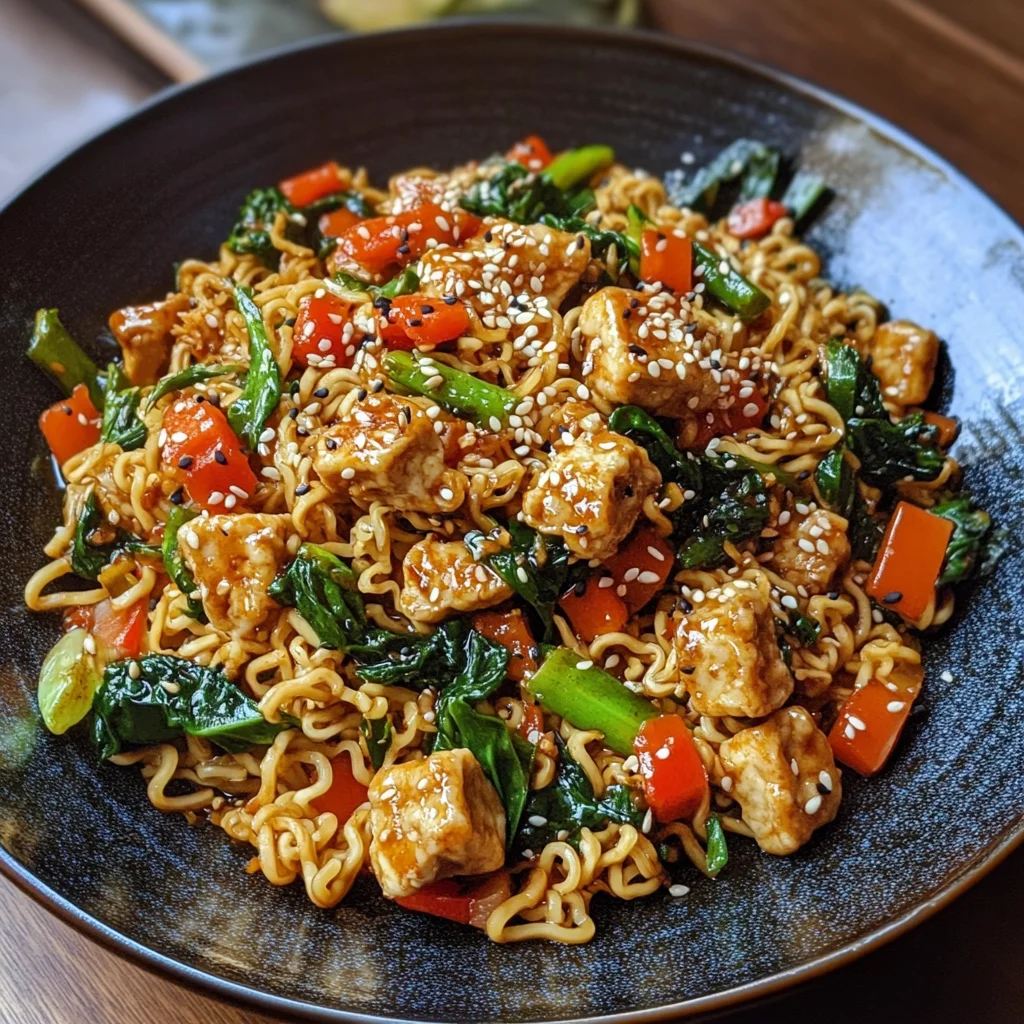
Sheet-Pan Crispy Sesame Ramen Stir-Fry: The Ultimate Easy Weeknight Dinner
Introduction
Sheet-Pan Crispy Sesame Ramen Stir-Fry has taken the culinary world by storm as the ultimate solution for busy weeknights. This innovative dish combines the convenience of instant ramen noodles with the healthy addition of fresh vegetables and a flavor-packed sesame sauce. Moreover, everything cooks on a single pan, making cleanup remarkably simple. The result is a restaurant-quality meal that requires minimal effort yet delivers maximum flavor and satisfaction.
What sets this recipe apart is its brilliant use of the broiler to create irresistibly crispy noodles. Instead of the typical soft, soupy ramen, you get golden, crunchy edges that contrast beautifully with tender vegetables. Additionally, the sesame-based sauce infuses every ingredient with umami-rich flavor. This technique transforms humble instant noodles into a gourmet experience that rivals takeout at a fraction of the cost.
What Makes Sheet-Pan Crispy Sesame Ramen Stir-Fry Special
The Sheet Pan Advantage
Sheet pan cooking revolutionizes meal preparation by consolidating everything onto one surface. This method saves significant time since all ingredients cook together simultaneously. Furthermore, cleanup becomes effortless with only one pan to wash. The high heat of the oven, particularly when using the broiler function, creates exceptional caramelization on vegetables and crispiness on noodles that’s difficult to achieve with stovetop cooking.
Crispy Texture Magic
The defining characteristic of Sheet-Pan Crispy Sesame Ramen Stir-Fry is its textural contrast. Traditional ramen noodles are soft and pliable. However, this recipe transforms them into golden, crispy strands with delightful crunch. The broiler’s intense heat creates this magical transformation in just 5 to 7 minutes. Therefore, you enjoy both crispy edges and tender centers in every bite.
Umami-Packed Sesame Sauce
The sesame sauce brings everything together with its complex flavor profile. Toasted sesame oil provides nutty richness and aromatic depth. Combined with soy sauce, the mixture delivers satisfying umami that enhances every ingredient. Additionally, the sauce contains heart-healthy omega-3 and omega-6 fatty acids from sesame oil.
Essential Ingredients for the Perfect Ramen Stir-Fry
The Noodle Foundation
Instant Ramen Noodles (2-3 packages): Use plain instant ramen and discard the seasoning packets. These noodles cook quickly and crisp beautifully under the broiler. They provide carbohydrates for energy and contain some B vitamins including folate, niacin, and riboflavin.
Fresh Vegetables
Broccoli Florets (1½ cups): Broccoli adds nutritional value with vitamins C and K. Cut into bite-sized pieces for even cooking. The high heat brings out natural sweetness while maintaining crisp-tender texture.
Bell Peppers (1 cup, sliced): Red, yellow, or orange bell peppers contribute vibrant color and vitamin C. They roast beautifully, developing slight char and concentrated sweetness.
Carrots (1 cup, julienned or sliced): Carrots provide beta-carotene and add natural sweetness. Slice thinly to ensure they soften properly during the brief cooking time.
Green Onions: Sliced scallions offer mild onion flavor and bright color for garnish. They add freshness to the finished dish.
The Signature Sesame Sauce
Soy Sauce (3 tablespoons): Low-sodium soy sauce provides salty umami depth. This ingredient ties all flavors together while reducing overall sodium content.
Toasted Sesame Oil (3 tablespoons): This aromatic oil is essential for authentic sesame flavor. Sesame oil contains beneficial monounsaturated and polyunsaturated fats that support heart health.
Oyster Sauce (2 tablespoons): Oyster sauce adds thick, savory richness and subtle sweetness. It enhances the umami profile significantly.
Maple Syrup (1 tablespoon): Natural sweetness balances the salty and spicy elements. Maple syrup provides a clean, pure sweetness without artificial flavors.
Sriracha (1 tablespoon): This chili sauce brings adjustable heat. Start with less if you prefer milder dishes; add more for extra kick.
Garlic and Ginger: Fresh minced garlic (2-3 cloves) and grated ginger (1 tablespoon) provide aromatic depth. These ingredients are fundamental to Asian-inspired cuisine.
Finishing Touches
Sesame Seeds: Toasted white or black sesame seeds add visual appeal and nutty crunch. They reinforce the sesame theme throughout the dish.
Neutral Cooking Oil: Vegetable, canola, or avocado oil helps vegetables and noodles crisp properly. A light coating ensures even browning.
Step-by-Step Cooking Instructions
Preparation Phase
Step 1: Preheat Your Oven
Set your oven to broil with the rack positioned in the upper third. This placement ensures intense heat reaches your ingredients quickly. Allow the oven to preheat fully for best results.
Step 2: Prepare the Sauce
In a small bowl, whisk together soy sauce, toasted sesame oil, oyster sauce, maple syrup, and sriracha. Add minced garlic and grated ginger to the mixture. Stir thoroughly until all ingredients combine smoothly. Set aside half of the sauce for later use.
Step 3: Line Your Sheet Pan
Use parchment paper or a light coating of oil on your sheet pan. This prevents sticking and makes cleanup even easier. Choose a large sheet pan that provides ample space for ingredients to spread in a single layer.
Vegetable Preparation
Step 4: Prepare and Season Vegetables
Wash and cut broccoli into uniform florets. Slice bell peppers into strips. Julienne or thinly slice carrots. Place vegetables on one half of the prepared sheet pan. Drizzle with neutral oil and a few tablespoons of the prepared sauce. Toss gently to coat evenly.
Step 5: Initial Roasting
Place the sheet pan in the preheated oven. Roast vegetables for 8-10 minutes until they begin to soften and develop some color. This head start ensures vegetables reach perfect tenderness when noodles finish cooking.
Noodle Cooking
Step 6: Cook the Ramen Noodles
While vegetables roast, bring a large pot of water to boil. Cook ramen noodles according to package directions, typically 3-4 minutes. Drain thoroughly and rinse with cold water immediately. This stops the cooking process and prevents noodles from sticking together.
Step 7: Combine Noodles and Vegetables
Remove the sheet pan from the oven. Add drained noodles to the pan with the partially roasted vegetables. Pour the remaining sauce over everything. Using tongs, toss thoroughly to coat all noodles and vegetables evenly. Spread mixture into an even, relatively thin layer across the pan.
Achieving Perfect Crispiness
Step 8: The Crispy Transformation
Return the sheet pan to the broiler. Watch closely as noodles crisp, approximately 5-7 minutes. The edges will turn golden brown and become crunchy. For extra crispiness, toss noodles once more and spread again into an even layer. Broil for an additional 3-5 minutes.
Step 9: Final Touches
Remove the pan when noodles reach your desired crispiness level. The broccoli should be crisp-tender with slightly charred edges. Garnish immediately with sliced green onions and toasted sesame seeds. Add extra sriracha if desired.
Tips for Achieving Maximum Crispiness
Don’t Overcrowd the Pan
Spreading ingredients in a thin, even layer is crucial for crispiness. Overcrowded pans create steam, resulting in soggy noodles. Use two sheet pans if necessary to maintain proper spacing.
Drain Noodles Thoroughly
Excess water prevents crisping and dilutes the sauce. Shake the colander vigorously after draining. Consider patting noodles gently with paper towels for maximum dryness.
Watch the Broiler Carefully
Broilers vary significantly in intensity. Check your pan every 2-3 minutes to prevent burning. The line between perfectly crispy and burnt is thin under such high heat.
Toss and Spread Again
For ultimate crispiness, toss noodles midway through broiling. This exposes different sections to direct heat. Spread them again into a thin layer for even crisping.
Use Parchment Paper Wisely
While parchment helps with cleanup, it can prevent direct contact with the hot pan. For maximum crispiness, consider broiling directly on a greased pan instead.
Nutritional Benefits of This Dish
Balanced Macronutrients
A typical serving of ramen noodle stir-fry provides approximately 708 calories with balanced macronutrients. The breakdown includes 60% carbohydrates for energy, 25% fat for satiety, and 15% protein for muscle maintenance. This balance makes Sheet-Pan Crispy Sesame Ramen Stir-Fry satisfying and energizing.
Vitamin and Mineral Content
The vegetable additions significantly boost nutritional value. Broccoli contributes substantial vitamin C (356% DV) and vitamin K (285% DV). Bell peppers add more vitamin C and vitamin A. Moreover, the dish provides decent amounts of folate (68% DV), vitamin E (23% DV), and vitamin B6 (37% DV).
Heart-Healthy Fats
Sesame oil contains beneficial omega-3 and omega-6 fatty acids. These essential fatty acids support heart health and reduce disease risk. The balanced ratio of monounsaturated and polyunsaturated fats promotes cardiovascular wellness.
Iron and B Vitamins
Ramen noodles themselves provide iron (9% DV), folate (13% DV), and manganese (10% DV). While instant noodles alone lack comprehensive nutrition, adding fresh vegetables creates a more complete meal.
Fiber From Vegetables
The vegetable additions contribute valuable dietary fiber (52% DV). Fiber supports digestive health, promotes satiety, and helps regulate blood sugar levels. This addition compensates for the low fiber content in plain ramen noodles.
Customization and Variation Ideas
Protein Additions
Chicken: Dice chicken breast into bite-sized pieces and toss with some sauce. Add to the sheet pan with vegetables for simultaneous cooking.
Tofu: Press extra-firm tofu to remove moisture, then cube and marinate in sauce. Add cubed tofu to the pan alongside vegetables for a vegetarian protein boost.
Shrimp: Quick-cooking shrimp works perfectly for this recipe. Add shrimp during the last 5 minutes of cooking to prevent overcooking.
Edamame: Frozen shelled edamame provides plant-based protein. Thaw and add during the final tossing stage.
Vegetable Variations
Snap Peas or Snow Peas: These add sweet crunch and cook quickly. Toss them in during the last few minutes.
Mushrooms: Sliced shiitake, cremini, or button mushrooms develop rich, meaty flavor when roasted. Add them with other vegetables at the beginning.
Baby Corn: Canned or fresh baby corn adds interesting texture and mild sweetness.
Bok Choy: Separate leaves from stems and add for authentic Asian vegetable variety.
Sauce Modifications
Spicier Version: Double the sriracha or add chili garlic sauce for intense heat. Include red pepper flakes for extra kick.
Sweeter Profile: Increase maple syrup to 2 tablespoons or add honey for pronounced sweetness.
Peanut-Sesame Fusion: Mix in 2 tablespoons of peanut butter for creamy, nutty depth. This creates a Thai-inspired flavor profile.
Ginger-Forward: Triple the fresh ginger for a zingy, aromatic variation that aids digestion.
Noodle Alternatives
Rice Noodles: Flat rice noodles crisp differently but work well. Adjust cooking time accordingly.
Udon Noodles: Thick udon noodles provide chewier texture. They require slightly longer cooking time.
Soba Noodles: Buckwheat soba noodles add nutty flavor and more protein than regular ramen.
Common Mistakes to Avoid
Using Too Much Sauce Initially
Adding all the sauce before broiling can make noodles soggy rather than crispy. Reserve at least half the sauce for later application. This ensures proper crisping occurs.
Skipping the Cold Water Rinse
Failing to rinse cooked noodles leads to sticky clumps. The cold water stops cooking and removes excess starch. This step is essential for separated, crispy noodles.
Not Preheating the Broiler
Starting with a cold broiler extends cooking time unnecessarily. Proper preheating ensures immediate intense heat for optimal crisping.
Choosing the Wrong Pan
Thin, flimsy sheet pans may warp under high broiler heat. Use heavy-duty, commercial-quality sheet pans for best results. Dark-colored pans promote better browning than shiny ones.
Forgetting to Watch Closely
Broilers can burn food in seconds. Never walk away during the final crisping stage. Stay nearby to monitor progress continuously.
Overcooking the Vegetables
Vegetables should be crisp-tender, not mushy. Giving them a head start helps, but watch timing carefully. Overcooked vegetables lose nutrients and appealing texture.
Storage and Meal Prep Guidelines
Storing Leftovers
Transfer cooled Sheet-Pan Crispy Sesame Ramen Stir-Fry to an airtight container. Refrigerate for up to 3 days. Note that noodles will lose their crispiness during storage but still taste delicious.
Reheating Methods
Oven Method: Spread leftovers on a sheet pan and reheat at 400°F for 8-10 minutes. This method restores some crispiness to the noodles.
Stovetop Method: Heat a large skillet over medium-high heat. Add leftovers and stir-fry for 3-4 minutes until heated through. This method maintains better texture than microwaving.
Air Fryer: Reheat in an air fryer at 350°F for 5-6 minutes for the crispiest results.
Meal Prep Strategy
Prep Vegetables Ahead: Wash, chop, and store vegetables in airtight containers for up to 3 days. This cuts cooking time significantly on busy evenings.
Make Sauce in Advance: Whisk sauce ingredients together and refrigerate for up to 1 week. Bring to room temperature before using.
Batch Cooking: Double the recipe and use two sheet pans. Prepare multiple servings for quick reheating throughout the week.
Freezing Considerations
Freezing is not recommended for this dish. The texture of cooked noodles and vegetables deteriorates significantly when frozen. Fresh preparation always yields superior results.
Frequently Asked Questions
Can I make Sheet-Pan Crispy Sesame Ramen Stir-Fry gluten-free?
Yes, substitute regular ramen with gluten-free rice noodles or certified gluten-free ramen. Use tamari instead of soy sauce and verify that your oyster sauce is gluten-free. The cooking method remains identical.
What if I don’t have a broiler?
Set your oven to the highest temperature, typically 450-500°F. Roast for 15-20 minutes, tossing halfway through. While results differ slightly from broiling, you’ll still achieve crispy noodles with this method.
How do I prevent the noodles from sticking together?
Rinse cooked noodles immediately with cold water. Toss them with a small amount of neutral oil after draining. This creates a light coating that prevents clumping.
Can I use fresh ramen instead of instant?
Absolutely! Fresh ramen noodles work wonderfully. Cook according to package directions, which typically takes 2-3 minutes. The texture will be slightly different but equally delicious.
Is this recipe suitable for meal prep?
Yes, though the noodles lose crispiness after storage. The flavors remain excellent when reheated. Consider preparing components separately and assembling fresh for best results.
How can I make this dish lower in sodium?
Use low-sodium soy sauce and reduce the amount by half. Skip the oyster sauce or use a low-sodium version. Discard the instant ramen seasoning packets, which contain high sodium levels.
What proteins work best with this recipe?
Chicken, shrimp, tofu, and edamame all work excellently. Choose pre-cooked proteins for quickest preparation. Raw proteins need sufficient cooking time, so add them early in the process.
Can I make this completely vegetarian or vegan?
Yes, replace oyster sauce with mushroom-based vegetarian oyster sauce or hoisin sauce. Ensure your ramen noodles don’t contain eggs. Use your favorite plant-based protein or extra vegetables.
Conclusion
Sheet-Pan Crispy Sesame Ramen Stir-Fry represents the perfect intersection of convenience, nutrition, and exceptional flavor. This innovative recipe transforms basic instant noodles into a restaurant-quality meal that satisfies both weeknight time constraints and gourmet expectations. The combination of crispy noodles, tender-crisp vegetables, and umami-rich sesame sauce creates an irresistible dish that appeals to all ages.
The sheet pan method revolutionizes home cooking by simplifying both preparation and cleanup. With just one pan and minimal hands-on time, you can create a complete, balanced meal that rivals expensive takeout. Furthermore, the recipe’s flexibility allows endless customization to suit dietary preferences, available ingredients, and personal taste profiles.
Whether you’re feeding a busy family on a weeknight or seeking an impressive yet simple dinner party option, Sheet-Pan Crispy Sesame Ramen Stir-Fry delivers consistently delicious results. The nutritional benefits from abundant vegetables, heart-healthy sesame oil, and balanced macronutrients make this dish both satisfying and wholesome. Try this recipe tonight and discover why sheet-pan cooking has become a beloved technique for home cooks everywhere. Your taste buds and your schedule will thank you!
Print
Sheet-Pan Crispy Sesame Ramen Stir-Fry
Description
Sheet-Pan Crispy Sesame Ramen Stir-Fry
Prep Time: 10 minutes
Cook Time: 20 minutes
Total Time: 30 minutes
Calories: ~520 per serving (4 servings)
Ingredients
For the Stir-Fry
-
2 packs dry ramen noodles (discard seasoning packets)
-
3 cups broccoli florets
-
1 red bell pepper, sliced
-
1 cup snap peas or green beans
-
1 medium carrot, thinly sliced
-
1 small red onion, sliced
-
2 tbsp olive oil
-
Salt & pepper, to taste
Sesame Stir-Fry Sauce
-
¼ cup soy sauce
-
2 tbsp honey or maple syrup
-
1 tbsp sesame oil
-
1 tbsp rice vinegar or lime juice
-
1 tbsp sriracha (optional)
-
1 tsp garlic powder
-
1 tsp ginger powder
Crispy Topping
-
2 tbsp sesame seeds
-
2 tbsp chopped green onions
-
Optional: crushed peanuts or cashews
Instructions
1. Prepare the Ramen
-
Break ramen noodles into chunks (do NOT boil).
-
Place on a large sheet pan.
2. Add the Veggies
-
Add broccoli, peppers, onion, snap peas, and carrots to the sheet pan.
-
Drizzle with olive oil and season with salt & pepper.
-
Toss everything to coat evenly around and under the dry ramen pieces.
3. Mix the Sauce
-
In a small bowl, whisk together soy sauce, honey, sesame oil, vinegar, sriracha, garlic powder, and ginger powder.
-
Pour the sauce evenly over the noodles and vegetables.
-
Add ½ cup water around the pan to help the ramen soften and crisp at the same time.
4. Bake
-
Bake at 425°F (220°C) for 15–20 minutes.
-
Halfway through, gently toss the veggies and flip ramen pieces so they crisp on all sides.
-
Bake until noodles are golden-crispy and vegetables are tender.
5. Finish & Serve
-
Sprinkle sesame seeds and green onions over the hot skillet.
-
Add peanuts or cashews for crunch if desired.
-
Serve alone or top with:
-
Rotisserie chicken
-
Crispy tofu
-
Shrimp
-
Fried egg
-