
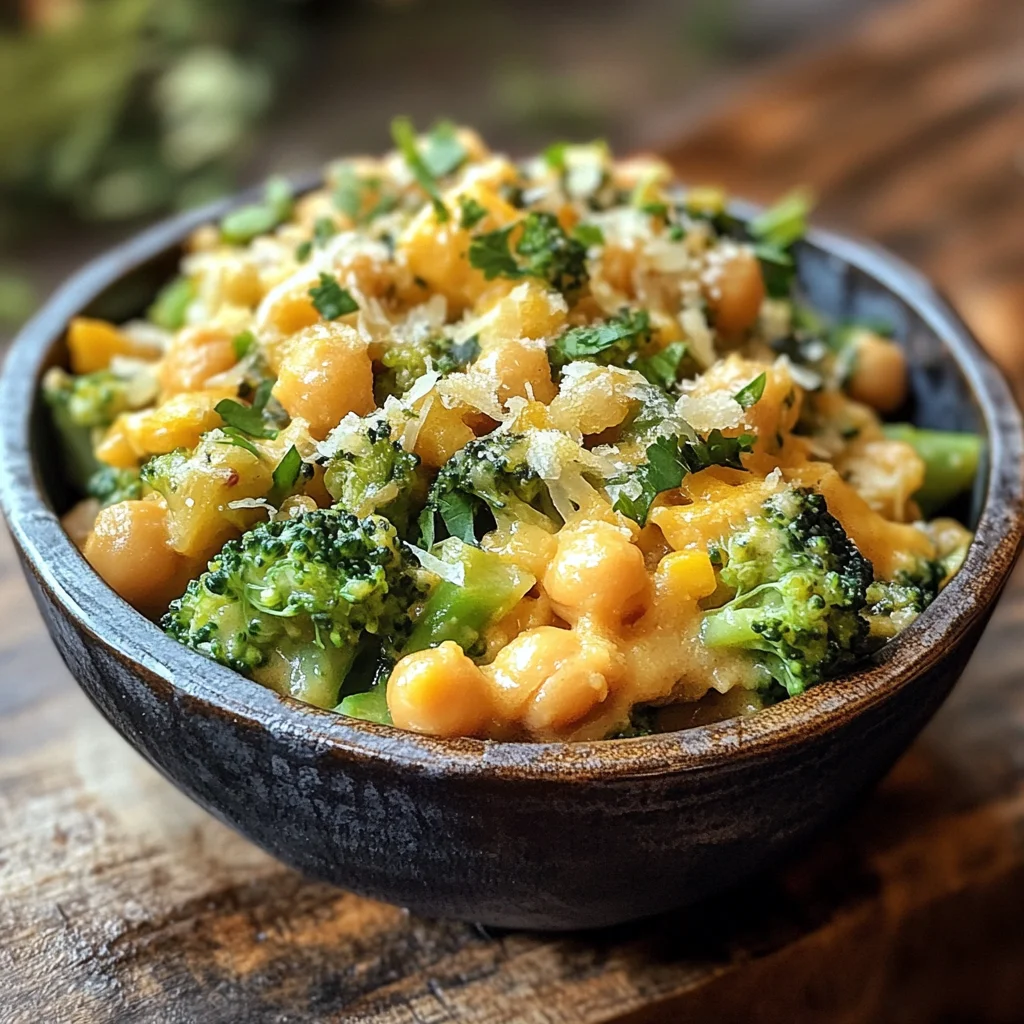
Cheesy Broccoli Cheddar Chickpea Skillet: A Healthy One-Pan Comfort Meal
Looking for a nutritious weeknight dinner that’s packed with protein, flavor, and cheesy goodness? This Cheesy Broccoli Cheddar Chickpea Skillet is your answer. In just 30 minutes, you’ll have a satisfying one-pan meal that combines tender broccoli, crispy chickpeas, and melted cheddar cheese into a dish that even picky eaters will love. Whether you’re cooking for your family or meal-prepping for the week, this vegetarian powerhouse delivers on taste and nutrition.
Why You’ll Love This Cheesy Broccoli Cheddar Chickpea Skillet
This recipe checks all the boxes for modern home cooking. It’s quick, healthy, budget-friendly, and requires minimal cleanup. The combination of chickpeas and cheese creates a complete protein source, while broccoli adds fiber and essential vitamins.
The beauty of this dish lies in its versatility. You can serve it as a standalone meal, pair it with grains, or use it as a filling for wraps and tacos. The crispy chickpeas provide a satisfying crunch that contrasts beautifully with the melted cheddar and tender broccoli.
What makes this recipe special:
-
Ready in 30 minutes or less
-
One-pan cooking means easy cleanup
-
Vegetarian and adaptable to vegan diets
-
Budget-friendly ingredients
-
High in protein and fiber
-
Kid-friendly and crowd-pleasing
-
Perfect for meal prep
Key Ingredients and Their Benefits
Chickpeas: The Protein Powerhouse
Chickpeas form the foundation of this broccoli cheddar chickpea skillet. These legumes are nutritional champions, offering plant-based protein, complex carbohydrates, and essential minerals like iron and magnesium.
When you cook chickpeas in a skillet, they develop a delightful crispy exterior while remaining creamy inside. This texture contrast elevates the entire dish. One 15-ounce can of chickpeas provides about 12 grams of protein and 10 grams of fiber.
Broccoli: The Nutrient-Dense Vegetable
Fresh broccoli brings color, texture, and nutrition to your skillet. This cruciferous vegetable is loaded with vitamin C, vitamin K, and cancer-fighting compounds. The florets absorb the cheesy sauce while maintaining a slight crunch when cooked properly.
For best results, cut your broccoli into bite-sized florets. This ensures even cooking and makes the dish easier to eat. You can use fresh or frozen broccoli, though fresh provides better texture.
Cheddar Cheese: The Flavor Star
Sharp cheddar cheese creates that irresistible gooey factor. The stronger the cheddar, the more pronounced the flavor in your finished dish. Aged cheddar brings a tangy, complex taste that balances the mild chickpeas perfectly.
Shredding your own cheese from a block ensures better melting and avoids the anti-caking agents found in pre-shredded varieties. For this recipe, you’ll need about 1.5 to 2 cups of shredded cheddar.
Supporting Ingredients
Additional ingredients enhance the overall flavor profile:
-
Garlic adds aromatic depth
-
Onions provide sweetness and texture
-
Vegetable broth creates a flavorful base
-
Olive oil helps achieve crispy chickpeas
-
Spices like paprika and cumin add warmth
Essential Kitchen Tools
Having the right equipment makes preparing this cheesy broccoli cheddar chickpea skillet effortless. You don’t need specialized tools, just basic kitchen essentials.
Required items:
-
Large skillet with lid (12-inch cast iron or non-stick)
-
Wooden spoon or spatula
-
Sharp knife and cutting board
-
Can opener
-
Measuring cups and spoons
-
Cheese grater (if using block cheese)
A cast iron skillet works exceptionally well for this recipe because it distributes heat evenly and develops beautiful crispy chickpeas. However, any large skillet with a lid will work perfectly fine.
Step-by-Step Cooking Instructions
Preparation Phase
Start by gathering and preparing all your ingredients. This mise en place approach streamlines the cooking process and prevents burning or overcooking.
Prep work includes:
-
Drain and rinse chickpeas, then pat them completely dry
-
Cut broccoli into uniform florets
-
Dice one medium onion
-
Mince 3-4 garlic cloves
-
Shred cheddar cheese
-
Measure out your spices and liquids
Building the Base
Heat two tablespoons of olive oil in your skillet over medium-high heat. Once the oil shimmers, add the dried chickpeas in a single layer. Let them cook undisturbed for 3-4 minutes to develop a golden crust.
Stir the chickpeas and continue cooking for another 3-4 minutes. The goal is achieving a crispy exterior while keeping the interior creamy. This step is crucial for texture in your final dish.
Adding Aromatics and Vegetables
Reduce heat to medium and add diced onions to the skillet. Cook for 2-3 minutes until they soften and become translucent. The onions will pick up the flavorful bits left from the chickpeas.
Add minced garlic and cook for 30 seconds until fragrant. Be careful not to burn the garlic, as it can turn bitter quickly. Immediately add your broccoli florets and toss everything together.
Creating the Cheesy Sauce
Pour in one cup of vegetable broth and season with salt, pepper, paprika, and cumin. Cover the skillet and let the broccoli steam for 5-6 minutes. The broccoli should be tender but still have a slight bite.
Remove the lid and let excess liquid evaporate for 1-2 minutes. You want just enough moisture to help the cheese melt without making the dish watery. Turn off the heat.
The Grand Finale
Sprinkle shredded cheddar cheese evenly over the entire skillet. Place the lid back on and let the residual heat melt the cheese for 2-3 minutes. The result is a beautifully melted, gooey cheese layer that binds everything together.
Give everything a gentle stir to distribute the melted cheese throughout. Your cheesy broccoli cheddar chickpea skillet is now ready to serve.
Flavor Variations and Customizations
Spice Level Adjustments
Transform your skillet into a spicy delight by adding red pepper flakes, jalapeños, or hot sauce. Start with small amounts and adjust to your preference. Smoked paprika adds depth without heat.
For a milder version perfect for kids, omit black pepper and stick with basic seasonings like garlic powder and onion powder. The cheese provides plenty of flavor on its own.
Cheese Alternatives
While cheddar is classic, other cheeses work wonderfully:
-
Gruyere for a nutty, sophisticated flavor
-
Monterey Jack for extra creaminess
-
Pepper Jack for built-in heat
-
Smoked Gouda for depth
-
A blend of mozzarella and cheddar for stretchy goodness
Vegetable Additions
Boost nutrition and color by incorporating additional vegetables:
-
Bell peppers add sweetness and crunch
-
Cherry tomatoes provide bursts of acidity
-
Spinach or kale increases iron content
-
Cauliflower florets complement the broccoli
-
Mushrooms add umami depth
Grain and Protein Boost
Make this cheesy broccoli cheddar chickpea skillet even heartier by serving it over:
-
Quinoa for complete protein
-
Brown rice for whole grain goodness
-
Cauliflower rice for a low-carb option
-
Pasta for a fusion comfort meal
Add extra protein with a fried egg on top or serve alongside grilled chicken for non-vegetarians.
Nutritional Benefits
Macronutrient Breakdown
One generous serving of this cheesy broccoli cheddar chickpea skillet provides approximately:
-
Calories: 320-380
-
Protein: 18-22 grams
-
Carbohydrates: 28-32 grams
-
Fat: 16-20 grams
-
Fiber: 8-10 grams
This balanced macronutrient profile keeps you satisfied for hours. The combination of protein, healthy fats, and fiber stabilizes blood sugar and prevents energy crashes.
Vitamin and Mineral Content
This dish is a nutritional powerhouse packed with essential micronutrients:
Vitamin highlights:
-
Vitamin C from broccoli supports immune function
-
Vitamin K promotes bone health
-
B vitamins from chickpeas aid energy metabolism
-
Vitamin A from cheddar supports vision
Mineral benefits:
-
Calcium from cheese strengthens bones
-
Iron from chickpeas prevents anemia
-
Magnesium supports muscle function
-
Zinc boosts immune health
Health Benefits
Regular consumption of this type of meal supports overall wellness. The fiber from chickpeas and broccoli promotes digestive health and feeds beneficial gut bacteria. Plant-based protein helps build and repair tissues without the saturated fat found in some animal proteins.
The antioxidants in broccoli, particularly sulforaphane, have been studied for their potential cancer-fighting properties. Meanwhile, the protein and fat combination from chickpeas and cheese promotes satiety and can support healthy weight management.
Serving Suggestions and Pairings
As a Main Dish
This cheesy broccoli cheddar chickpea skillet stands perfectly well on its own as a complete meal. Serve it straight from the skillet for a casual family dinner. The presentation is rustic and inviting.
Top with fresh herbs like parsley or cilantro for color and freshness. A squeeze of lemon juice brightens the flavors and cuts through the richness of the cheese.
Side Dish Options
Complement your skillet with these simple sides:
-
Crusty whole grain bread for dipping
-
Mixed green salad with vinaigrette
-
Roasted sweet potato wedges
-
Garlic bread made with olive oil
-
Fresh fruit salad for contrast
Complete Meal Ideas
Family dinner setup:
-
Start with a simple soup
-
Serve the skillet as the main course
-
Finish with fresh berries and yogurt
Meal prep strategy:
-
Divide into individual portions
-
Pair with different grains throughout the week
-
Store components separately for maximum freshness
Creative Uses
Think beyond the traditional serving bowl:
-
Stuff into bell peppers and bake
-
Use as a filling for quesadillas
-
Top baked potatoes
-
Fill whole wheat wraps
-
Layer into a grain bowl with avocado
Storage and Meal Prep Tips
Proper Storage Methods
Store leftover cheesy broccoli cheddar chickpea skillet in an airtight container in the refrigerator for up to four days. The cheese may firm up when cold, but the flavors actually improve overnight as they meld together.
For best results, let the skillet cool completely before transferring to storage containers. This prevents condensation, which can make the chickpeas soggy.
Freezing Guidelines
This dish freezes reasonably well, though the texture of the broccoli and cheese will change slightly. Freeze in portion-sized containers for up to two months.
To freeze properly:
-
Cool completely
-
Portion into freezer-safe containers
-
Leave headspace for expansion
-
Label with date and contents
-
Freeze flat for easier storage
Reheating Instructions
The key to reheating is restoring moisture without making the dish mushy. Add a splash of vegetable broth or water when reheating to prevent drying out.
Stovetop method: Heat in a skillet over medium-low heat, stirring occasionally, for 5-7 minutes. Add liquid as needed.
Microwave method: Heat in 60-second intervals, stirring between each, until warmed through. Cover with a damp paper towel to retain moisture.
Oven method: Transfer to an oven-safe dish, cover with foil, and bake at 350°F for 15-20 minutes.
Meal Prep Strategy
Prepare components in advance for quick weeknight assembly:
-
Cook chickpeas and refrigerate
-
Chop broccoli and store in water
-
Shred cheese and keep refrigerated
-
Prep aromatics and store separately
When ready to cook, simply combine ingredients and follow the recipe. This approach cuts cooking time in half while maintaining freshness.
Common Mistakes to Avoid
Wet Chickpeas
The number one mistake is not drying chickpeas thoroughly. Moisture prevents crisping and results in mushy chickpeas. After draining and rinsing, spread chickpeas on a clean kitchen towel and pat them completely dry. Some people even let them air dry for 15-20 minutes.
Overcooking Broccoli
Mushy broccoli ruins the texture of your cheesy broccoli cheddar chickpea skillet. Watch the cooking time carefully and test for doneness. The broccoli should be tender-crisp, not soft and falling apart.
If using frozen broccoli, reduce cooking time by 2-3 minutes since it’s already partially cooked during the blanching process.
Adding Cheese Too Early
Melting cheese over high heat causes it to separate and become greasy. Always turn off the heat before adding cheese and use residual warmth to melt it gently. This creates a smooth, creamy texture.
Crowding the Pan
Using a skillet that’s too small prevents proper browning. Chickpeas need space to crisp up, and overcrowding creates steam instead. Use a 12-inch skillet for standard recipe quantities.
Skipping the Seasoning
Underseasoned food is disappointing. Taste as you cook and adjust seasonings accordingly. Remember that cheese adds saltiness, so season conservatively at first and add more at the end if needed.
Frequently Asked Questions
Can I make this cheesy broccoli cheddar chickpea skillet vegan?
Yes, simply substitute the cheddar cheese with vegan cheese alternatives. Nutritional yeast also adds a cheesy flavor while keeping the dish plant-based. Use cashew cream for extra richness.
What can I use instead of chickpeas?
White beans, black beans, or pinto beans work well as substitutes. Lentils also provide protein and fiber, though they’ll create a different texture. For a non-vegetarian version, diced chicken or turkey can replace chickpeas.
How do I prevent the cheese from getting greasy?
Use freshly shredded cheese rather than pre-shredded, which contains anti-caking agents that affect melting. Turn off the heat before adding cheese and let it melt gently from residual warmth.
Can I use frozen broccoli?
Frozen broccoli works perfectly well. Thaw it first and squeeze out excess water to prevent a watery dish. Reduce the cooking time by a few minutes since frozen broccoli is pre-blanched.
Is this recipe gluten-free?
Yes, the basic cheesy broccoli cheddar chickpea skillet is naturally gluten-free. Just verify that your vegetable broth and any seasonings don’t contain hidden gluten. Check cheese labels as well, though most natural cheddar is gluten-free.
How can I make this dish lower in calories?
Reduce the amount of cheese or use a sharp cheddar so you can use less while maintaining flavor. Replace some chickpeas with additional vegetables. Use cooking spray instead of olive oil for crisping.
What’s the best way to get crispy chickpeas?
Thoroughly dry the chickpeas, use enough oil, and avoid moving them too frequently. Let them sit in the hot skillet to develop a crust. Higher heat helps, but watch carefully to prevent burning.
Final Thoughts
This cheesy broccoli cheddar chickpea skillet represents the perfect intersection of nutrition, convenience, and comfort food satisfaction. Whether you’re new to cooking or an experienced home chef, this recipe delivers consistent results with minimal effort.
The combination of protein-rich chickpeas, nutrient-dense broccoli, and melty cheddar cheese creates a meal that satisfies both your taste buds and nutritional needs. It’s proof that healthy eating doesn’t require sacrifice or complicated techniques.
Make this dish your own by experimenting with different cheese varieties, vegetables, and seasonings. The basic formula is incredibly forgiving and adapts well to whatever ingredients you have on hand.
Ready to transform your weeknight dinners? Grab your skillet and whip up this delicious one-pan meal tonight. Your family will thank you, and your future self will appreciate having a reliable go-to recipe that’s both nutritious and delicious.
Print
Cheesy Broccoli Cheddar Chickpea Skillet
Description
Cheesy Broccoli Cheddar Chickpea Skillet
Prep Time: 10 minutes
Cook Time: 15 minutes
Total Time: 25 minutes
Calories: ~480 per serving (4 servings)
Ingredients
Base
-
1 tbsp olive oil
-
1 small onion, diced
-
3 garlic cloves, minced
-
1 can (15 oz / 425 g) chickpeas, drained & rinsed
-
3 cups fresh broccoli florets (or frozen)
-
1 cup vegetable broth
-
1 tsp paprika
-
1 tsp onion powder
-
½ tsp turmeric (optional for color)
-
Salt & pepper, to taste
Cheese Sauce
-
1 cup milk (whole or 2%)
-
1 cup shredded cheddar cheese
-
¼ cup grated Parmesan
-
1 tbsp flour (or cornstarch for gluten-free)
-
1 tbsp butter
Optional Add-Ins
-
Red pepper flakes
-
Cooked rice or quinoa
-
Cooked pasta
-
Extra cheddar for topping
Instructions
1. Sauté the Base
-
Heat olive oil in a large skillet over medium.
-
Add onion and cook 3 minutes until softened.
-
Stir in garlic and cook 30 seconds until fragrant.
-
Add chickpeas, broccoli, paprika, onion powder, turmeric, salt, and pepper.
-
Pour in broth, cover, and cook 5–7 minutes until broccoli softens.
2. Make the Cheddar Cheese Sauce
-
In the same skillet (push veggies to the sides or remove if needed), melt butter.
-
Add flour and whisk to form a paste.
-
Slowly pour in milk, whisking until smooth.
-
Stir in cheddar and Parmesan until melted and creamy.
-
Combine everything together in the skillet.
3. Simmer & Melt
-
Let the mixture simmer 2–3 minutes until thick, cheesy, and bubbly.
-
Add extra cheddar on top and cover for 1 minute to melt if desired.