
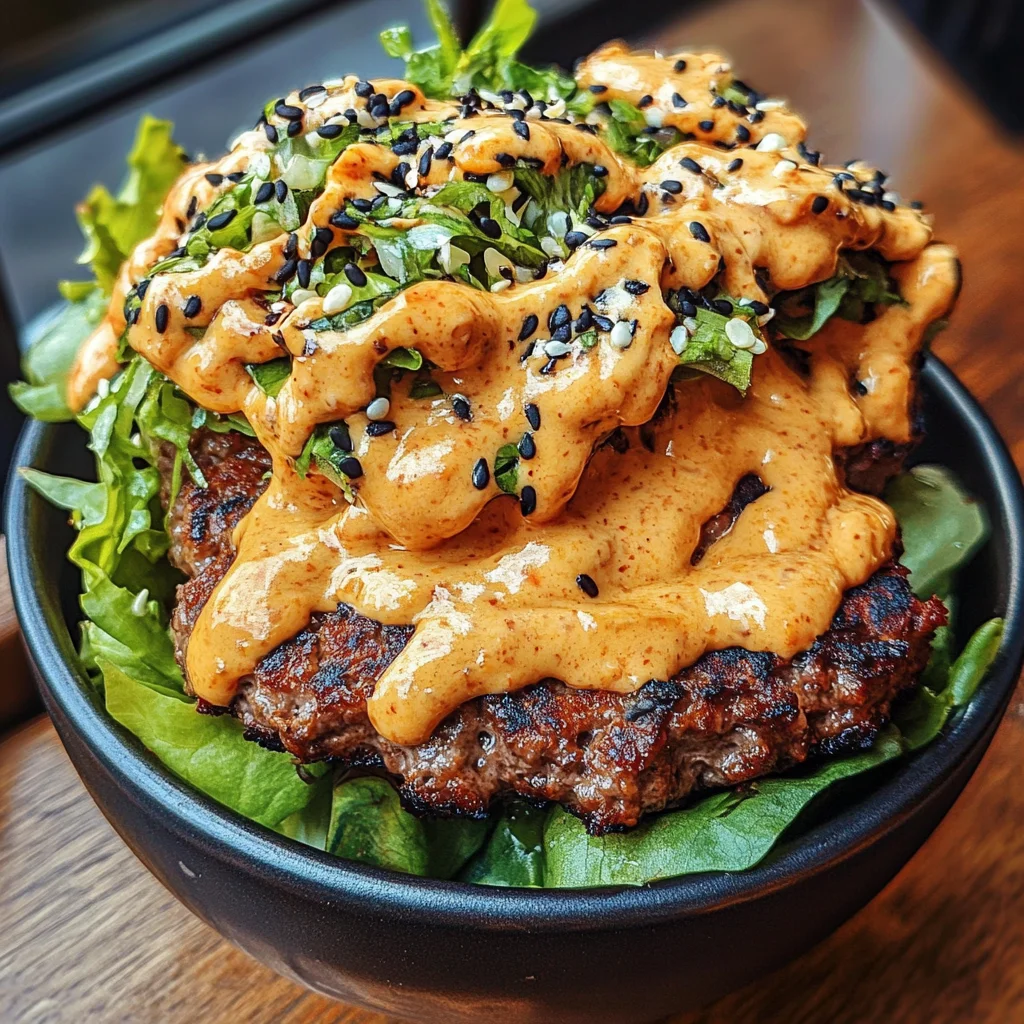
Low-Carb Burger Bowls with Special Sauce: The Ultimate Healthy Comfort Food
Introduction
Craving a juicy burger but want to skip the carbs? Low-carb burger bowls with special sauce deliver all the satisfaction of your favorite comfort food without derailing your health goals. These deconstructed burgers pack maximum flavor into a nutrient-dense bowl that’s perfect for keto, paleo, or anyone watching their carbohydrate intake.
Moreover, burger bowls offer incredible versatility. You can customize every component to match your taste preferences and dietary needs. Furthermore, they’re incredibly simple to prepare, making them ideal for busy weeknights or weekend meal prep sessions.
This guide will walk you through everything you need to create restaurant-quality low-carb burger bowls at home. Additionally, you’ll discover the perfect special sauce recipe that ties everything together with irresistible tangy creaminess.
What Are Low-Carb Burger Bowls
Low-carb burger bowls are essentially deconstructed cheeseburgers served in a bowl instead of a bun. They typically include seasoned ground beef, fresh vegetables, cheese, and flavorful toppings arranged over a bed of lettuce or greens.
The concept originated from the keto and low-carb movement. People wanted burger satisfaction without the 30-50 grams of carbohydrates found in traditional buns. Consequently, creative home cooks started building burger experiences in bowls.
These bowls maintain all the classic burger flavors you love. However, they swap high-carb bread for nutrient-rich vegetables. The result is a meal that’s both filling and aligned with low-carb eating patterns.
Key Components
-
Protein base (usually seasoned ground beef)
-
Fresh vegetable foundation (lettuce, mixed greens)
-
Classic burger toppings (cheese, pickles, tomatoes, onions)
-
Special sauce that brings everything together
-
Optional low-carb additions (avocado, bacon, mushrooms)
Why Choose Burger Bowls Over Traditional Burgers
Switching from traditional burgers to burger bowls offers numerous advantages beyond carbohydrate reduction. Understanding these benefits helps you appreciate why this meal has become so popular.
Health Benefits
Traditional burger buns contain 30-50 grams of carbohydrates. In contrast, a lettuce-based bowl typically contains only 5-8 grams. This dramatic reduction helps maintain stable blood sugar levels throughout the day.
Additionally, burger bowls provide more nutrients per serving. The vegetable base delivers vitamins, minerals, and fiber that bread simply cannot match. Therefore, you’re nourishing your body while satisfying cravings.
Practical Advantages
Burger bowls are remarkably mess-free compared to traditional burgers. No more dealing with buns falling apart or sauce dripping everywhere. Furthermore, they’re easier to eat with a fork, making them perfect for meal prep containers.
Preparation is often faster too. You don’t need to worry about toasting buns or assembling sandwiches. Instead, simply arrange components in a bowl and you’re ready to eat.
Dietary Flexibility
These bowls accommodate multiple dietary approaches simultaneously. They work perfectly for keto, paleo, Whole30, gluten-free, and general low-carb eating patterns. Consequently, they’re ideal for families with different nutritional preferences.
Essential Ingredients for the Perfect Bowl
Creating outstanding low-carb burger bowls starts with selecting quality ingredients. Each component plays an important role in building flavor and texture.
The Protein Foundation
Ground beef remains the classic choice for burger bowls. Look for 80/20 ground beef for optimal flavor and moisture. The fat content keeps the meat juicy and satisfying.
However, you have flexibility here. Ground turkey, chicken, or lamb work wonderfully too. For plant-based options, consider seasoned ground tempeh or crumbled firm tofu.
Vegetable Base Options
-
Romaine lettuce (crunchy and sturdy)
-
Mixed spring greens (tender and mild)
-
Shredded cabbage (adds crunch and volume)
-
Baby spinach (nutrient-dense and soft)
-
Arugula (peppery and sophisticated)
Choose based on texture preference. Romaine provides the most traditional lettuce-wrap experience. Meanwhile, mixed greens offer a more salad-like foundation.
Classic Toppings
Traditional burger toppings translate perfectly to bowls. Include diced tomatoes, sliced red onions, dill pickles, and shredded cheddar cheese. These familiar flavors create authentic burger taste.
Don’t forget the extras that elevate your bowl. Crispy bacon adds smokiness. Sliced avocado contributes creaminess. Sautéed mushrooms provide umami depth.
Seasoning the Beef
Simple seasoning makes all the difference. Combine salt, black pepper, garlic powder, and onion powder for classic flavor. Some people add smoked paprika for extra depth.
Season generously but don’t overdo it. Approximately one teaspoon of seasoning per pound of meat works well. Mix thoroughly before cooking for even distribution.
The Secret Special Sauce Recipe
The special sauce transforms good burger bowls into extraordinary ones. This tangy, creamy condiment ties all components together with irresistible flavor.
Classic Special Sauce
This version mimics famous burger chain sauces. It combines mayonnaise, sugar-free ketchup, mustard, and pickles for that nostalgic taste.
Ingredients:
-
1/2 cup mayonnaise
-
2 tablespoons sugar-free ketchup
-
1 tablespoon yellow mustard
-
2 tablespoons finely diced dill pickles
-
1 teaspoon pickle juice
-
1/2 teaspoon garlic powder
-
1/4 teaspoon onion powder
-
Pinch of salt and pepper
Instructions:
Combine all ingredients in a small bowl. Whisk until smooth and well-blended. Taste and adjust seasoning as needed. Refrigerate for at least 30 minutes before serving.
The resting time allows flavors to meld together. Moreover, the sauce thickens slightly, making it perfect for drizzling.
Spicy Chipotle Variation
For those who prefer heat, this smoky variation delivers bold flavor. It features chipotle peppers and smoked paprika for complexity.
Replace the yellow mustard with Dijon. Add 1-2 teaspoons of finely minced chipotle peppers in adobo sauce. Include 1/2 teaspoon smoked paprika. This creates a southwestern-inspired sauce with lingering warmth.
Thousand Island Style
This variation leans sweeter and tangier. Add an extra tablespoon of sugar-free ketchup and one teaspoon of white vinegar. Include a pinch of sweet paprika for color and mild flavor.
Ranch-Based Alternative
Some people prefer ranch-based sauces. Start with 1/2 cup ranch dressing instead of mayonnaise. Add the pickles, pickle juice, and a tablespoon of sugar-free ketchup. This creates a creamy, herbaceous sauce that’s equally delicious.
Step-by-Step Preparation Guide
Following a systematic approach ensures perfectly cooked components and beautiful presentation. This method works whether you’re making one bowl or preparing multiple servings.
Preparing the Beef
Start by bringing your ground beef to room temperature. This ensures even cooking throughout. Meanwhile, mix your seasoning blend in a small bowl.
Add the seasoning to the meat and mix gently with your hands. Avoid overworking the meat, which can make it tough. Form into loose patties or simply break into chunks for crumbling.
Heat a large skillet over medium-high heat. Add the beef and cook for 6-8 minutes, breaking it into bite-sized pieces with a wooden spoon. Cook until browned and no pink remains.
Drain excess fat if desired, though some fat adds flavor and moisture. Set the cooked beef aside while you prepare other components.
Assembling Your Bowl
Start with your chosen greens as the foundation. Use approximately 2 cups per serving. This provides volume without adding significant carbohydrates.
Add the warm seasoned beef as the next layer. Approximately 4-6 ounces per bowl creates a satisfying portion. The warmth slightly wilts the greens underneath, creating pleasant texture contrast.
Topping Arrangement
Arrange toppings in sections around the bowl. This creates visual appeal and allows customization with each bite. Place diced tomatoes in one section, followed by onions, pickles, and cheese.
Add your special sauce generously over everything. Drizzle it across the top or serve it on the side for dipping. Either approach works wonderfully.
Finishing Touches
Consider adding sesame seeds for visual appeal and subtle nutty flavor. Fresh herbs like chopped parsley or cilantro brighten the dish. A squeeze of fresh lemon juice adds brightness.
Customization Ideas and Variations
The beauty of low-carb burger bowls lies in endless customization possibilities. These variations keep the meal exciting and prevent flavor fatigue.
International Flavor Profiles
Transform your basic burger bowl with global seasonings. For Greek-inspired bowls, use ground lamb seasoned with oregano and cumin. Top with feta cheese, cucumber, red onion, and tzatziki sauce.
Asian fusion bowls work wonderfully too. Season beef with ginger and garlic. Add shredded cabbage, sliced scallions, and sesame seeds. Drizzle with a sauce made from mayonnaise, rice vinegar, and sriracha.
Mexican-style bowls feature taco seasoning in the beef. Top with pepper jack cheese, diced jalapeños, cilantro, and avocado. Replace special sauce with salsa or guacamole.
Breakfast Burger Bowls
Who says burger bowls are only for lunch and dinner? Breakfast versions start with seasoned breakfast sausage instead of beef. Top with scrambled eggs, shredded cheese, and diced avocado.
Add sliced cherry tomatoes and chopped chives for freshness. Drizzle with hot sauce or a creamy chipotle sauce. This creates a satisfying, protein-rich breakfast.
Premium Upgrades
Elevate your burger bowls with gourmet additions. Caramelized onions add natural sweetness without carbs. Sautéed mushrooms contribute earthy umami flavor.
Blue cheese crumbles create sophisticated sharpness. Roasted red peppers provide sweet smokiness. Crispy fried onions (made with almond flour) add textural contrast.
Vegetarian Alternatives
Plant-based burger bowls work beautifully. Replace beef with seasoned black soybeans or crumbled tempeh. Portobello mushrooms make excellent meat substitutes when marinated and grilled.
For vegan versions, use cashew-based special sauce instead of mayonnaise. Nutritional yeast provides cheesy flavor without dairy. The vegetable components remain identical.
Nutritional Benefits and Macro Breakdown
Understanding the nutritional profile helps you appreciate why low-carb burger bowls support health goals. These meals deliver excellent macronutrient balance.
Typical Macronutrient Profile
A standard low-carb burger bowl contains approximately:
-
Calories: 450-550
-
Protein: 35-40 grams
-
Fat: 30-35 grams
-
Net Carbohydrates: 6-10 grams
-
Fiber: 3-4 grams
These numbers vary based on portion sizes and specific ingredients. However, the ratio remains consistently favorable for low-carb eating.
Protein Benefits
The high protein content supports muscle maintenance and satiety. Protein takes longer to digest than carbohydrates. Consequently, you feel fuller longer after eating.
Additionally, protein has a higher thermic effect. Your body burns more calories digesting protein compared to other macronutrients. This supports metabolic health.
Healthy Fats
The fat content comes primarily from beef, cheese, avocado, and sauce. These are predominantly monounsaturated and saturated fats. They provide sustained energy without blood sugar spikes.
Moreover, fat enhances absorption of fat-soluble vitamins. The vegetables in your bowl contain vitamins A, E, and K. Eating them with fat maximizes nutritional benefits.
Micronutrient Density
Burger bowls deliver impressive micronutrients. Lettuce and vegetables provide vitamin C, folate, and potassium. Beef contributes iron, zinc, and B vitamins.
Cheese adds calcium and vitamin D. Tomatoes supply lycopene, a powerful antioxidant. The combination creates a nutritionally complete meal.
Comparison to Traditional Burgers
Traditional burgers with buns contain 650-800 calories and 45-60 grams of carbohydrates. The bun provides minimal nutritional value beyond calories.
Burger bowls reduce calories by 20-30% while doubling vegetable intake. Furthermore, they eliminate blood sugar spikes associated with refined bread. This makes them superior for sustained energy and metabolic health.
Meal Prep and Storage Tips
Preparing low-carb burger bowls in advance saves time and ensures healthy options throughout the week. Proper storage maintains freshness and flavor.
Batch Cooking Strategy
Cook a large batch of seasoned beef at once. Three pounds of ground beef yields approximately 8-10 servings. Cool completely before portioning into containers.
Store cooked beef separately from vegetables and toppings. This prevents soggy lettuce and maintains optimal texture. Properly stored beef lasts 4-5 days refrigerated.
Component Separation
Keep components separate until ready to eat. Store lettuce washed and dried in containers lined with paper towels. This absorbs excess moisture and maintains crispness.
Dice tomatoes and onions just before eating when possible. However, they can be prepped 2-3 days ahead if stored in airtight containers. Pat tomatoes dry before storing to prevent excess moisture.
Special Sauce Storage
Prepare special sauce in larger batches for convenience. It stays fresh refrigerated for up to one week. Store in a jar or squeeze bottle for easy dispensing.
Allow the sauce to come to room temperature before serving. This improves pourability and flavor distribution. Alternatively, warm it slightly in the microwave for 10-15 seconds.
Assembly Instructions
When ready to eat, start with fresh greens in your bowl. Reheat beef in the microwave for 1-2 minutes until steaming. Add to the bowl with cold toppings.
This temperature contrast creates pleasant eating experience. The warm beef slightly wilts lettuce while cold toppings provide refreshing crunch.
Freezing Guidelines
Cooked seasoned beef freezes excellently for up to three months. Portion into individual servings before freezing. This allows you to thaw only what you need.
Never freeze assembled bowls or fresh vegetables. They become waterlogged and unappetizing. Freeze only the beef component.
Common Mistakes to Avoid
Even simple recipes have potential pitfalls. Avoiding these common errors ensures consistently delicious low-carb burger bowls.
Overseasoning the Beef
Many people add too much seasoning, overwhelming natural beef flavor. Start with less than you think necessary. You can always add more at the table.
Taste the cooked beef before adding to bowls. Adjust seasoning at this stage if needed. Remember that salty toppings like pickles and cheese add flavor too.
Neglecting to Drain Fat
While some fat adds flavor, excessive grease makes bowls unpleasant. Drain most fat after cooking, leaving just enough to coat the meat.
Pour excess fat into a heat-safe container, never down the drain. Let it solidify and dispose in the trash. This prevents plumbing issues.
Using Wilted Lettuce
Fresh, crisp lettuce is essential for enjoyable texture. Wilted or brown lettuce ruins the eating experience. Always use the freshest greens possible.
Store lettuce properly between uses. Wash and thoroughly dry before refrigerating. Replace lettuce that shows any signs of decay.
Skipping the Sauce Rest Time
Special sauce tastes significantly better after resting. The flavors need time to blend and develop. Making sauce at least one hour ahead dramatically improves results.
Overnight resting yields even better flavor. The pickle juice permeates throughout, creating cohesive taste. Plan accordingly for best results.
Improper Beef Temperature
Adding cold beef directly from the refrigerator creates temperature shock. Let beef sit at room temperature for 15-20 minutes before cooking.
Similarly, serve beef warm or at least room temperature in bowls. Cold beef congeals fat, creating unpleasant mouthfeel. Always reheat properly.
Frequently Asked Questions
Can I make low-carb burger bowls ahead of time?
Yes, but store components separately. Cook and portion beef in advance, then refrigerate for up to five days. Keep vegetables and lettuce separate to maintain freshness. Assemble individual bowls just before eating for optimal texture and flavor.
What’s the best cheese for burger bowls?
Cheddar remains the classic choice for authentic burger flavor. However, American cheese melts beautifully over warm beef. Swiss adds nutty complexity, while pepper jack provides spicy kick. Choose based on personal preference and desired flavor profile.
How do I keep lettuce crispy?
Wash lettuce thoroughly and dry completely using a salad spinner. Store in containers lined with paper towels to absorb moisture. Keep lettuce separate from warm beef until serving. These steps maintain maximum crispness.
Are burger bowls keto-friendly?
Absolutely! Low-carb burger bowls fit perfectly within ketogenic macronutrient ratios. They provide high fat, moderate protein, and minimal carbohydrates. Ensure your special sauce uses sugar-free ketchup and avoid high-carb toppings.
Can I use ground turkey instead of beef?
Ground turkey works wonderfully in burger bowls. Choose 85/15 ground turkey for adequate fat content. Season slightly more aggressively since turkey has milder flavor. Cook to 165°F internal temperature for food safety.
How many carbs are in a typical bowl?
A standard low-carb burger bowl contains 6-10 grams of net carbohydrates. This includes lettuce, tomatoes, onions, pickles, and sauce. Exact numbers vary based on portion sizes and specific ingredients used.
What makes the special sauce low-carb?
Traditional special sauces contain regular ketchup with added sugar. Using sugar-free ketchup eliminates most carbohydrates. Mayonnaise, mustard, and pickles are naturally low in carbs. The result is a flavorful sauce with minimal impact on blood sugar.
Can I meal prep these bowls?
Yes, with proper technique. Cook beef in advance and store separately from vegetables. Prep toppings but keep them in individual containers. Assemble bowls immediately before eating to maintain optimal quality and freshness.
Conclusion
Low-carb burger bowls with special sauce deliver everything you crave about traditional burgers without the carbohydrate overload. These versatile meals satisfy comfort food cravings while supporting your health goals perfectly.
The beauty of burger bowls lies in their simplicity and adaptability. Start with quality ground beef, fresh vegetables, and flavorful special sauce. From there, customize endlessly based on preferences and dietary needs.
Whether you’re following keto, paleo, or simply reducing carbohydrate intake, these bowls provide delicious satisfaction. They’re quick enough for weeknight dinners yet impressive enough for meal prep success.
Ready to transform your burger experience? Start with the classic recipe provided here. Master the special sauce that elevates every bite. Then experiment with international flavors and premium toppings to keep things exciting.
Your journey to healthier comfort food begins with one perfectly assembled low-carb burger bowl. Gather your ingredients, fire up the stove, and discover why this dish has become a staple for health-conscious food lovers everywhere.
Print
Low-Carb Burger Bowls with Special Sauce
- Total Time: 22 minutes
Ingredients
For the Burger Bowls
-
1 lb (450 g) ground beef
-
1 tbsp olive oil
-
1 tsp garlic powder
-
1 tsp onion powder
-
1 tsp smoked paprika
-
½ tsp black pepper
-
½ tsp salt
-
1–2 tbsp Worcestershire sauce
-
4 cups shredded lettuce (romaine or iceberg)
-
1 cup cherry tomatoes, halved
-
1 cup shredded cheddar cheese
-
½ red onion, thinly sliced
-
1 large dill pickle, chopped
-
Optional: cooked bacon pieces, avocado, jalapeños
For the Special Sauce
-
½ cup mayonnaise
-
2 tbsp ketchup (or sugar-free ketchup)
-
1 tbsp mustard
-
1 tbsp relish or finely diced pickles
-
1 tsp apple cider vinegar
-
½ tsp paprika
-
½ tsp garlic powder
-
Pinch of salt & pepper
Instructions
1. Cook the Beef
-
Heat olive oil in a skillet over medium-high heat.
-
Add ground beef and break it apart with a spatula.
-
Season with garlic powder, onion powder, smoked paprika, salt, pepper, and Worcestershire.
-
Cook 7–8 minutes until browned.
-
Drain excess grease if needed.
2. Make the Special Sauce
-
Whisk together mayo, ketchup, mustard, relish, vinegar, paprika, garlic powder, salt, and pepper.
-
Refrigerate until ready to use (it gets better as it chills!).
3. Build the Burger Bowls
-
Add shredded lettuce to each bowl.
-
Top with cooked beef.
-
Add tomatoes, red onion, pickles, cheddar, and any optional toppings.
-
Drizzle generously with Special Sauce.
Notes
-
Great for keto, low-carb, and high-protein meal plans.
-
Swap beef for turkey or chicken.
-
Make it spicy with jalapeño slices, chipotle mayo, or sriracha in the sauce.
-
Meal prep friendly — store components separately for 3–4 days.
- Prep Time: 10
- Cook Time: 12
Nutrition
- Serving Size: 4
- Calories: 540