
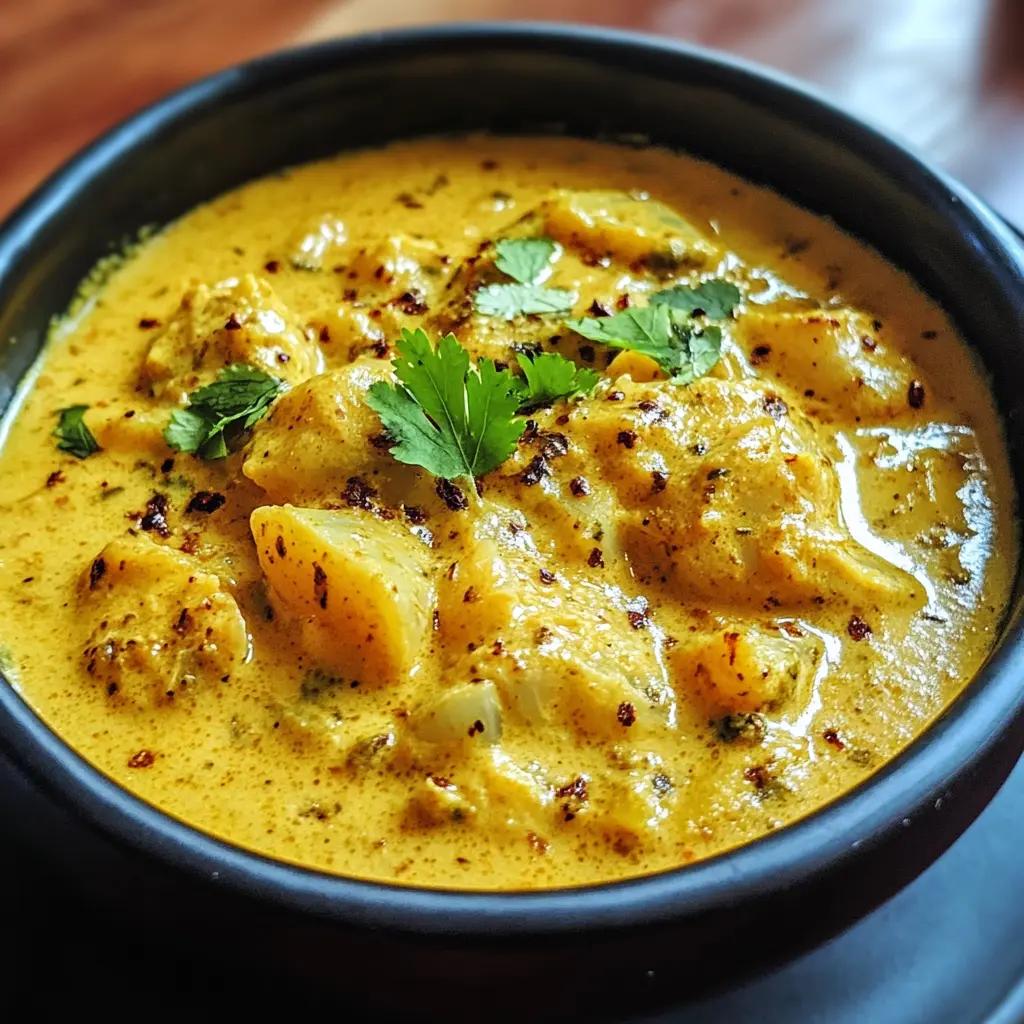
Creamy cabbage curry with coconut milk transforms this humble vegetable into an irresistible comfort dish. This budget-friendly recipe combines tender cabbage ribbons with aromatic spices and rich coconut milk. The result is a velvety, satisfying meal that comes together in just 30 minutes.
Moreover, this dish proves that simple ingredients can create extraordinary flavors. The natural sweetness of cabbage pairs beautifully with warming curry spices. Meanwhile, coconut milk adds a luxurious creaminess that elevates the entire experience.
What Makes Creamy Cabbage Curry with Coconut Milk Special
A Budget-Friendly Superfood Dish
Cabbage remains one of the most affordable vegetables available year-round. Nevertheless, it packs an impressive nutritional punch. A single head of cabbage costs just a few dollars yet feeds multiple people.
Additionally, this curry stretches your grocery budget without sacrificing flavor. The combination of inexpensive cabbage and pantry staples creates a restaurant-quality meal. Therefore, families seeking nutritious yet economical dinners will appreciate this recipe.
Quick Weeknight Dinner Solution
This cabbage curry recipe requires minimal preparation time. First, you’ll slice the vegetables while heating your pan. Then, the cooking process takes only 25-30 minutes from start to finish.
Furthermore, the one-pot cooking method means less cleanup afterward. You’ll use just one pan or pot for the entire recipe. Consequently, this dish becomes ideal for busy weeknights when time is limited.
Essential Ingredients for the Perfect Cabbage Curry
The Main Components
Cabbage: One medium head of green cabbage forms the foundation. Choose a firm, heavy head with tightly packed leaves. Slice it into thin strips for faster cooking and better texture.
Coconut Milk: Full-fat coconut milk creates the signature creamy texture. The fatty top layer contains the richest flavor. Therefore, use canned coconut milk rather than the carton variety for best results.
Aromatics: Onions, garlic, and fresh ginger provide essential flavor depth. These ingredients create the aromatic base that supports the curry spices. Slice them thinly for even distribution throughout the dish.
The Spice Blend
The spice combination defines your curry’s character. Here’s what you’ll need:
-
Curry powder (2-4 teaspoons) for the foundation flavor
-
Turmeric powder (½ teaspoon) adds golden color and earthy notes
-
Ground cumin (1 teaspoon) brings warmth and depth
-
Ground coriander (1 teaspoon) offers citrusy undertones
-
Garam masala (1-2 teaspoons) provides complex aromatic finish
-
Red chili powder (½ teaspoon) delivers gentle heat
Additionally, fenugreek seeds add authentic flavor. These small seeds contribute a slightly sweet, nutty taste. However, they’re optional if you can’t find them locally.
Supporting Ingredients
Curry Leaves: These aromatic leaves are traditional in South Asian cooking. They add a distinctive citrusy, slightly bitter flavor. If unavailable, substitute with a bay leaf.
Vegetables: Carrots and bell peppers add color and texture variety. Slice them thinly so they cook at the same rate as the cabbage. Moreover, these additions boost the nutritional content significantly.
Liquid: Vegetable broth or water thins the coconut milk to proper consistency. Start with ½ cup and adjust as needed. The liquid helps the cabbage soften while preventing burning.
Step-by-Step Instructions
Preparation Phase
Begin by preparing all your vegetables before cooking starts. Core and thinly slice the cabbage into ribbons. Next, slice the onions, garlic, and any additional vegetables you’re using.
Measure out your spices into a small bowl. This practice, called mise en place, ensures smooth cooking. Furthermore, it prevents burning spices while you search for ingredients.
Building the Flavor Base
Heat 2 tablespoons of coconut oil in a large pan over medium heat. Once shimmering, add fenugreek seeds and let them sizzle for 30 seconds. This step releases their aromatic oils into the cooking fat.
Add sliced onions and cook until they turn translucent and golden. This process takes about 5-7 minutes. Then, stir in the garlic and ginger. Cook for another minute until fragrant.
Incorporating the Spices
Reduce heat to medium-low before adding your spice blend. Stir constantly for 30-60 seconds to toast the spices. This technique intensifies their flavors without burning them.
The mixture should become very aromatic. However, watch carefully during this step. Burned spices create bitter flavors that ruin the dish.
Adding the Cabbage
Increase heat back to medium and add the sliced cabbage. Toss everything together to coat the cabbage in the spiced oil. Initially, the pan will seem very full. Nevertheless, the cabbage will reduce significantly as it cooks.
Add carrots and bell peppers if using them. Stir well to combine all ingredients. Season with salt and pepper at this stage.
Creating the Creamy Sauce
Pour in the coconut milk and mix thoroughly. Add ½ cup of water or vegetable broth to achieve the desired consistency. Bring the mixture to a gentle boil.
Once boiling, reduce heat to maintain a steady simmer. Cover the pan partially to retain moisture. Cook for 15-20 minutes until the cabbage becomes tender.
Final Touches
Taste the curry and adjust seasonings as needed. Add more salt, chili powder, or curry powder according to your preference. The sauce should have thickened considerably by now.
Stir in fresh curry leaves during the final few minutes of cooking. Their flavor intensifies when heated briefly. Finally, remove from heat and let the curry rest for 5 minutes before serving.
The Science Behind Coconut Milk in Curry
Understanding Coconut Cream Separation
Coconut milk naturally separates into two distinct layers. The thick top layer, called “hua gati,” contains the highest fat content. Meanwhile, the thinner bottom layer, “hang gati,” provides liquid for the sauce.
Traditional Thai curry preparation involves “cracking” the coconut cream. This process separates the oil from the solids through heating. The oil then becomes the cooking medium for the curry paste.
Why Full-Fat Matters
Full-fat coconut milk creates superior texture in curry dishes. The fat content provides richness and helps carry fat-soluble flavors. Moreover, it creates that signature glossy finish on finished curries.
Light coconut milk produces watery, less satisfying results. Therefore, always choose full-fat versions for best outcomes. Check ingredient labels to ensure the product contains only coconut and water.
Preventing Coconut Milk Separation
Sometimes coconut milk appears grainy or separated in the finished dish. This happens when the curry boils too vigorously. Instead, maintain a gentle simmer throughout cooking.
Additionally, stir the curry occasionally while it cooks. This movement prevents the coconut solids from clumping. Consequently, you’ll achieve smooth, creamy consistency throughout.
Nutritional Benefits and Health Advantages
Cabbage Nutritional Profile
Cabbage qualifies as a genuine superfood despite its humble reputation. One cup of raw cabbage contains only 22 calories yet delivers impressive nutrients. Here’s what you’ll gain from this cruciferous vegetable:
Vitamin C Content: Cabbage provides 36-54% of your daily vitamin C needs per cup. This antioxidant supports immune function and collagen production. Furthermore, it helps your body absorb iron from plant-based foods.
Vitamin K Powerhouse: A single serving delivers 56% of your daily vitamin K requirement. This nutrient plays crucial roles in blood clotting and bone health. Therefore, regular cabbage consumption supports skeletal strength.
B Vitamin Complex: Cabbage contains folate, vitamin B6, and thiamin. These vitamins support energy metabolism and nervous system function. Pregnant women particularly benefit from the folate content.
Fiber and Digestive Health
Cabbage contains both soluble and insoluble fiber. These fibers support digestive health in multiple ways. First, they promote regular bowel movements and prevent constipation.
Moreover, fiber feeds beneficial gut bacteria. This process supports immune function and nutrient production. Consequently, eating cabbage curry regularly may improve overall gut health.
Anti-Inflammatory Compounds
Cruciferous vegetables like cabbage contain powerful phytochemicals. Sulforaphane, one key compound, exhibits anti-inflammatory properties. Additionally, these compounds may support cancer prevention.
The antioxidants in cabbage also combat oxidative stress. This protection extends to multiple body systems. Therefore, including cabbage in your diet contributes to long-term health.
Coconut Milk Benefits
While coconut milk adds calories, it also provides beneficial nutrients. The medium-chain triglycerides (MCTs) in coconut fat metabolize differently than other fats. Some research suggests MCTs may support energy and metabolism.
However, coconut milk is calorie-dense. Therefore, portion control remains important. Nevertheless, the satisfaction it provides helps prevent overeating.
Blood Sugar Management
This cabbage curry has a low glycemic index. The high fiber content slows glucose absorption. Consequently, it won’t cause rapid blood sugar spikes.
Additionally, the dish contains only moderate carbohydrates. This makes it suitable for those managing diabetes or PCOS. The fiber and protein combination promotes steady energy levels.
Spice Variations and Flavor Profiles
Jamaican-Style Curry
Jamaican curry powder creates a distinctly different flavor profile. This blend typically includes allspice and Scotch bonnet pepper influences. Add fresh thyme leaves and extra garlic for authentic Jamaican character.
Furthermore, Jamaican versions often include more vegetables. Carrots, bell peppers, and sometimes potatoes bulk up the dish. This variation creates a heartier, more substantial meal.
South Indian Approach
South Indian cabbage curry emphasizes tempering techniques. Start by popping mustard seeds in hot oil. Then add curry leaves, dried red chilies, and split urad dal.
This method creates nutty, complex flavors. Additionally, South Indian versions may include fresh coconut. Grate it directly into the curry for extra texture and richness.
Thai-Inspired Version
Thai coconut curries use prepared curry pastes instead of powder. Red, green, or yellow curry paste each create different results. Fry the paste in cracked coconut cream before adding vegetables.
Moreover, Thai versions benefit from fish sauce and lime juice. However, since we’re avoiding certain ingredients, substitute soy sauce for umami depth. Fresh lime juice still provides essential brightness.
Mild Family-Friendly Option
For those sensitive to spice, reduce chili powder significantly. Focus instead on aromatic spices like coriander and cumin. Add a touch of sweetness with a small amount of maple syrup or coconut sugar.
Additionally, increase the coconut milk slightly for extra creaminess. This creates a gentle, comforting curry that children often enjoy. The mild flavor allows the natural cabbage sweetness to shine through.
Serving Suggestions and Pairings
Rice Varieties
Steamed white or brown rice provides the classic pairing. The neutral rice absorbs the flavorful curry sauce perfectly. Moreover, rice adds filling carbohydrates to complete the meal.
Basmati rice offers fragrant, long grains that don’t clump. Jasmine rice brings subtle floral notes. Meanwhile, brown rice contributes additional fiber and nutrients.
Bread Options
Indian flatbreads complement curry beautifully. Warm naan bread works wonderfully for scooping up the creamy sauce. Roti or chapati provide lighter alternatives.
Additionally, consider parotas or paratha for extra richness. These flaky breads add textural contrast. However, any flatbread variety will enhance your curry experience.
Additional Protein Sources
While delicious alone, adding protein increases satiety. Chickpeas blend seamlessly into this curry. Add one can of drained, rinsed chickpeas during the last 10 minutes of cooking.
Crispy tofu cubes provide plant-based protein with appealing texture. Pan-fry cubed tofu separately until golden. Then, add it to the finished curry just before serving.
Lentils create another excellent addition. Red lentils cook quickly and add creaminess. Brown or green lentils maintain firmer texture throughout cooking.
Fresh Garnishes
Fresh cilantro brightens the finished dish considerably. Chop it roughly and sprinkle over individual servings. The herb’s citrusy notes balance the rich coconut milk.
Sliced scallions add color and mild onion flavor. They provide pleasant crunch when added at serving time. Additionally, their green color creates visual appeal.
A squeeze of fresh lime juice adds brightness. The acidity cuts through the coconut richness. Therefore, serve lime wedges alongside your curry for individual customization.
Complete Meal Ideas
Create a complete Indian-inspired meal with complementary sides. Cucumber raita provides cooling contrast to spiced curry. Mix yogurt with grated cucumber, mint, and cumin.
Mango chutney offers sweet-tart balance. Its fruity flavor pairs wonderfully with savory curry. Additionally, pickled vegetables add tangy, crunchy elements.
A simple tomato and onion salad refreshes the palate. Dress it with lemon juice and chat masala. This light side cuts through the curry’s richness effectively.
Storage and Meal Prep Tips
Proper Cooling Techniques
Never store curry while it’s still hot. Doing so raises your refrigerator’s temperature and endangers other foods. Instead, cool the curry strategically before refrigeration.
Divide large batches into smaller, shallow containers. This increases surface area and speeds cooling. Alternatively, place containers in an ice bath to cool them quickly.
Stir occasionally during cooling to distribute heat evenly. Once the curry reaches room temperature, transfer containers to the refrigerator. This process should take no more than two hours.
Refrigerator Storage
Store cabbage curry in airtight containers to prevent odor transfer. Glass containers work exceptionally well because they don’t stain or retain smells. Moreover, you can reheat curry directly in glass containers.
Properly stored curry lasts 3-4 days in the refrigerator. Label containers with the preparation date for easy tracking. Check for signs of spoilage before consuming older batches.
Freezer Storage Guidelines
This curry freezes beautifully for longer storage. Use freezer-safe containers or heavy-duty freezer bags. Freezer bags save space when laid flat.
Leave one inch of headspace in rigid containers. The curry expands during freezing, and this prevents lid popping. Squeeze excess air from freezer bags before sealing.
Label everything clearly with content and date. Frozen curry maintains quality for up to 3 months. Beyond that, flavors may deteriorate though the curry remains safe.
Reheating Methods
Thaw frozen curry overnight in the refrigerator when possible. This gradual thawing preserves texture better than microwave defrosting. However, you can reheat from frozen if needed.
Stovetop reheating produces the best results. Place curry in a pan over medium-low heat. Stir frequently to prevent sticking and ensure even heating.
Add a splash of water or coconut milk if the curry thickened during storage. This restores the original consistency. Heat until the curry reaches 165°F (74°C) throughout.
Microwave reheating works for individual portions. Use microwave-safe containers and heat in 1-minute intervals. Stir between intervals for even temperature distribution.
Meal Prep Strategy
Prepare a double batch on weekends for easy weeknight meals. Portion the curry into individual containers with rice. This creates grab-and-go lunches or quick dinners.
Keep rice and curry separate for best texture. Rice can become mushy when stored in sauce. Pack them in separate containers and combine when reheating.
Chop vegetables in advance to streamline cooking. Store prepped ingredients in airtight containers. However, don’t slice cabbage more than a day ahead as it oxidizes.
Common Mistakes to Avoid
Overcooking the Cabbage
Mushy cabbage ruins this curry’s appeal. The vegetable should be tender yet retain some texture. Therefore, monitor cooking time carefully during the simmering phase.
Test the cabbage after 15 minutes of cooking. It should pierce easily with a fork but not fall apart. Remove from heat promptly when it reaches this stage.
Using Low-Quality Coconut Milk
Coconut milk quality varies dramatically between brands. Some contain stabilizers and emulsifiers that affect texture. Others separate poorly or taste metallic.
Read ingredient labels carefully before purchasing. The best coconut milk contains only coconut and water. Brands packed in cans typically perform better than carton versions.
Burning the Spices
Toasting spices enhances their flavor but requires careful attention. Burned spices taste bitter and acrid. This mistake cannot be corrected once it happens.
Watch spices closely during the toasting phase. Keep the heat at medium-low during this step. Remove the pan from heat immediately if you smell burning.
Skipping the Resting Period
Curry flavors meld and improve during resting time. Serving immediately after cooking produces less developed taste. Instead, let the curry sit for 5-10 minutes off heat.
This resting period also allows the sauce to thicken slightly. The cabbage absorbs more flavor during this time. Consequently, your patience results in better-tasting curry.
Adding Salt Too Early
Salt draws moisture from vegetables through osmosis. Adding it too early produces watery curry. Therefore, season the dish during the final stages of cooking.
Taste the curry about 5 minutes before it finishes. Add salt gradually, tasting between additions. Remember that you can always add more but cannot remove excess salt.
Frequently Asked Questions
Can I make creamy cabbage curry with coconut milk ahead of time?
Yes, this curry actually improves when made ahead. The flavors continue developing as the dish rests. Prepare it up to 2 days before serving for best results. Store it in the refrigerator in an airtight container. Reheat gently on the stovetop before serving.
What type of cabbage works best for this curry?
Green cabbage provides the classic choice and most reliable results. However, red cabbage also works beautifully. It creates stunning purple-hued curry with similar flavor. Savoy cabbage offers tender texture and delicate taste. Napa cabbage cooks more quickly due to its softer leaves.
How can I make this cabbage curry spicier?
Increase the red chili powder or add fresh chilies. Green chilies provide bright, sharp heat. Red chilies contribute deeper, smokier spice. Additionally, cayenne pepper intensifies heat without changing flavor significantly. Add hot sauce at the table for individual customization.
Is cabbage curry with coconut milk suitable for meal prep?
Absolutely, this curry excels as a meal prep option. It stores well and reheats beautifully without texture loss. Portion it into individual containers with your preferred grain. The curry actually tastes better after flavors meld overnight.
Can I use coconut cream instead of coconut milk?
Coconut cream creates an even richer curry. However, you’ll need to thin it with water or broth. Use a 1:1 ratio of coconut cream to liquid. This produces similar consistency to regular coconut milk. The result will be slightly more indulgent.
What vegetables can I add to cabbage curry?
Many vegetables complement this curry beautifully. Carrots and bell peppers add color and sweetness. Potatoes make the dish heartier and more filling. Green beans contribute pleasant crunch. Cauliflower creates textural variety. Add hardy vegetables at the beginning and tender ones near the end.
How do I prevent my curry from being too watery?
Several factors affect curry consistency. First, don’t add too much liquid initially. You can always thin curry later but thickening requires more cooking. Additionally, simmer uncovered during the final minutes. This evaporates excess moisture and concentrates flavors.
Can I make this recipe without curry powder?
Yes, create your own spice blend instead. Combine turmeric, cumin, coriander, and garam masala. Add fenugreek, cardamom, and black pepper for complexity. This approach allows complete control over flavor. Moreover, freshly mixed spices often taste more vibrant.
Conclusion
Creamy cabbage curry with coconut milk demonstrates how simple ingredients create extraordinary meals. This affordable dish combines tender cabbage with aromatic spices and luxurious coconut milk. The 30-minute preparation time makes it perfect for busy weeknights.
Furthermore, the impressive nutritional profile supports overall health and wellness. You’ll enjoy abundant vitamin C, vitamin K, and beneficial fiber in every serving. The anti-inflammatory compounds provide additional long-term health benefits.
This versatile curry adapts easily to your preferences and available ingredients. Adjust spice levels, add proteins, or incorporate extra vegetables according to your needs. Moreover, it stores beautifully for convenient meal prep throughout the week.
Print
Creamy Cabbage Curry with Coconut Milk
- Total Time: 30
- Yield: 4 1x
Ingredients
-
1 medium head of cabbage, chopped
-
1 can (14 oz) coconut milk
-
1 medium onion, finely chopped
-
2 cloves garlic, minced
-
1 tbsp fresh ginger, grated
-
2 tbsp vegetable oil
-
1 tsp cumin seeds
-
1 tsp turmeric powder
-
1 tsp coriander powder
-
1/2 tsp chili powder (optional, adjust to taste)
-
1/2 tsp garam masala
-
Salt to taste
-
1/4 cup chopped fresh cilantro for garnish
-
Optional: 1–2 green chilies, sliced
Instructions
-
Heat oil in a large skillet or saucepan over medium heat. Add cumin seeds and toast for 30 seconds until fragrant.
-
Add onion, garlic, and ginger. Sauté for 3–4 minutes until onions are soft and translucent.
-
Stir in turmeric, coriander, and chili powder. Cook for 1 minute to release the spices’ aroma.
-
Add chopped cabbage and mix well, coating it with the spices. Cook for 5 minutes, stirring occasionally.
-
Pour in coconut milk and stir to combine. Reduce heat to low, cover, and simmer for 10–12 minutes until cabbage is tender.
-
Stir in garam masala and salt to taste. Cook for an additional 2 minutes.
-
Garnish with chopped cilantro and serve hot with steamed rice, naan, or flatbread.
Notes
-
For added protein, toss in chickpeas or tofu.
-
Adjust the spiciness by adding more or fewer green chilies.
-
Leftovers can be stored in the fridge for up to 3 days and taste even better after the flavors meld.
- Prep Time: 10
- Cook Time: 20
Nutrition
- Calories: 220