Philly Cheese-steak Meatloaf: The Ultimate Comfort Food Mashup
Ah, the Philly cheesesteak. It’s a legend, a messy, glorious masterpiece of thinly sliced ribeye, fried onions, and a cascade of gooey cheese, all hugged by a soft hoagie roll. Then, there’s its humble cousin, meatloaf—the undisputed champion of comfort food, a hearty and reliable dinner that feels like a warm embrace. But what if we told you that you don’t have to choose between these two iconic dishes? What if you could experience that famous Philly flavor in a new, spectacularly satisfying form?
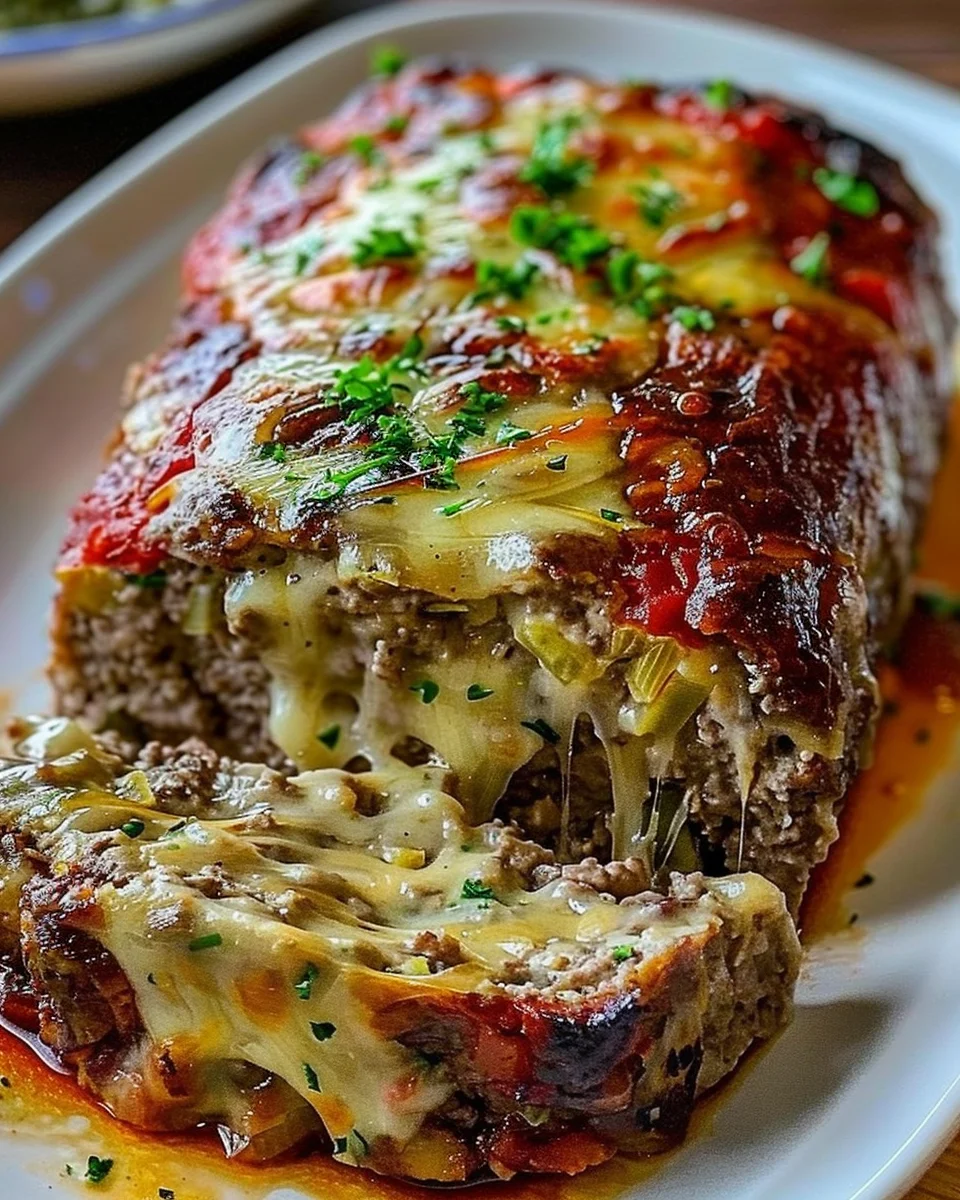
Welcome to the genius of Philly Cheese-steak Meatloaf, the ultimate comfort food mashup that’s about to become the star of your dinner table. This isn’t just another meatloaf recipe; oh no, it’s a culinary adventure. We’re talking about a incredibly juicy and flavorful ground beef base, packed with the holy trinity of sautéed onions, green peppers, and mushrooms, all smothered in a blanket of melted provolone cheese. It’s a family-style feast that captures the soul of a cheesesteak while delivering the hearty, home-cooked goodness we all crave.
So, roll up your sleeves and preheat your oven. We’re about to deconstruct a classic sandwich and rebuild it into something truly extraordinary. Get ready for a deep dive into the history, the ingredients, and the step-by-step process that will guarantee your Philly Cheese-steak Meatloaf is nothing short of perfect.
A Love Story Between Two Classics
Let’s be honest, few culinary concepts are as universally adored as the Philly cheesesteak. It’s a sandwich that inspires cross-country pilgrimages and fierce, friendly debates about cheese choices (Whiz or provolone, anyone?). Its magic lies in a perfect storm of textures and flavors: the savory, thinly shaved steak, the sweet, soft caramelized onions, the sharp bite of peppers, and that unmistakably rich, creamy cheese sauce melting into every nook and cranny. It’s not just a meal; it’s an experience.
On the other side of the ring, we have the beloved meatloaf. Now, don’t underestimate this humble hero. For generations, it has been the cornerstone of family dinners, a symbol of nourishment and home. Its beauty is in its simplicity and its incredible versatility. A good meatloaf is tender, moist, and deeply savory, often evoking a powerful sense of nostalgia. It’s the food that says, “Everything is going to be okay.”
Now, imagine these two titans of taste joining forces. Seriously, just think about it for a second. What do you get? You get the best of both worlds! This fusion dish takes the iconic, bold flavors of the cheesesteak and transforms them into a shareable, bakeable, show-stopping centerpiece. Consequently, you won’t be dealing with a slippery sandwich; instead, you’ll be serving up generous, neat slices that reveal a perfectly cooked interior studded with delicious veggies and dripping with cheese.
Ultimately, this Philly Cheese-steak Meatloaf is more than just a recipe—it’s a brilliant solution. Are you craving that cheesesteak flavor but need to feed a hungry family without slaving over a griddle? Problem solved. Looking for a way to jazz up your traditional meatloaf routine and impress your guests? Look no further. This dish is, without a doubt, the ultimate comfort food upgrade, promising an unforgettable dinner that’s both exciting and deeply familiar.
Deconstructing the Icon: The Anatomy of a Philly Cheesesteak
Before we can brilliantly rebuild something, we have to understand what makes it tick. You can’t just throw some beef and cheese in a pan and call it a day—oh no, creating an authentic experience requires a little know-how. So, let’s take a quick trip to the streets of Philadelphia without ever leaving our kitchens to break down the core components of this legendary sandwich.
What Makes a Philly Cheesesteak Authentic?
Firstly, the heart and soul of any great cheesesteak is, unsurprisingly, the steak. Purists will tell you that there’s simply no substitute for thinly sliced ribeye. Why ribeye? Well, this specific cut boasts the perfect marbling of fat, which translates directly into immense flavor and a tender, almost buttery texture when cooked hot and fast on a griddle. Traditionally, the steak is frozen slightly to make paper-thin slicing a breeze, ensuring every strand cooks in seconds and soaks up all the deliciousness around it.
Next up, we arrive at the most hotly contested topic in all of Philly cuisine: the cheese. This is where lines are drawn in the proverbial sand. On one side, you have Team Cheez Whiz. Now, hear me out! While it might seem like an unnatural choice to some, its uniquely smooth, creamy, and intensely salty character clings to the meat in a way that many argue is the only authentic experience. Conversely, the other camp fiercely champions provolone for its superb meltability and its milder, more sophisticated, nutty flavor. American cheese is also a fantastic, incredibly popular option, prized for its uniquely gooey and velvety melt.
Finally, we have the supporting cast: the toppings. While the steak and cheese are non-negotiable, the veggies can be a point of contention. Fried onions are a universal constant, their sweetness caramelizing and becoming a foundational layer of flavor. Green bell peppers, however, are a bit more divisive; some staunchly insist they don’t belong, while others can’t imagine a cheesesteak without them. For the purposes of our magnificent meatloaf mashup, we’re firmly on Team Pepper—their flavor is absolutely essential to the profile we’re building.
Translating Sandwich Magic into a Meatloaf
So, how on earth do we transform these elements—designed for a quick sizzle on a flat-top grill—into a cohesive, bakeable loaf? Honestly, it’s a fantastic culinary puzzle.
The primary challenge is the meat. Obviously, we can’t use thinly sliced ribeye in a loaf; it simply wouldn’t bind together. Therefore, the logical and delicious solution is to use ground beef. To mimic the richness of ribeye, we’ll opt for an 80/20 blend—the fat content is absolutely crucial for a juicy and flavorful result, preventing a dry, disappointing meatloaf.
Furthermore, those iconic onions and peppers can’t be added raw. If we did that, they’d release all their water during baking, creating a soggy, steamy mess inside our loaf and potentially causing it to fall apart. Instead, the key is to sauté them first until they are soft, sweet, and deeply caramelized. This not only concentrates their flavor but also removes excess moisture, making them a powerful asset to our dish rather than a liability.
As for the cheese, we get to have our cake and eat it too! We’ll incorporate the cheesy goodness in two ways: first, we can create a cheesy surprise in the middle or simply let the flavor permeate the entire loaf, and second, we’ll smother the top in a glorious, melted blanket of our chosen cheese during the final moments of baking. This double delivery ensures every single bite is packed with that iconic, cheesy goodness we’re after.
Crafting Your Philly Cheese-steak Meatloaf Masterpiece
Alright, enough talk—it’s time to get our hands dirty and build this masterpiece! This isn’t just about mixing ingredients; it’s about layering flavors and textures with care. Trust me, the little extra effort here pays off in spades, resulting in a meatloaf that is anything but ordinary. So, grab your favorite mixing bowl and let’s get started on this culinary adventure.
Gathering Your Ingredients: A Shopping List for Success
First things first, let’s make sure you have everything you need. Gathering your mise en place (that’s just a fancy way of saying “everything in its place”) is the first secret to a stress-free cooking experience. Here’s your roadmap to flavor town:
For the Meatloaf Base:
-
2 pounds ground chuck (80/20 blend): This is non-negotiable for a juicy result. Leaner blends will leave you high and dry.
-
1 cup breadcrumbs or crushed saltine crackers: The essential binder that gives the loaf its perfect structure.
-
½ cup whole milk or beef broth: This hydrates the breadcrumbs, ensuring a tender texture.
-
2 large eggs: The glue that holds our magnificent creation together.
-
1 tablespoon Worcestershire sauce: For that deep, umami, savory backbone.
-
1 teaspoon garlic powder, 1 teaspoon kosher salt, ½ teaspoon black pepper: The simple yet crucial seasoning trio.
For the Philly Filling:
-
1 large yellow onion, finely diced: The sweet, caramelized foundation.
-
1 large green bell pepper, finely diced: For that authentic, sharp flavor.
-
8 oz mushrooms, finely chopped (optional but highly recommended): They add a wonderful, earthy, meaty depth.
-
1 tablespoon olive oil or butter: For sautéing our veggies to perfection.
For the Cheesy Topping:
-
8-10 slices provolone cheese or 1 cup of Cheez Whiz, warmed: The glorious, melty crown.
-
(Optional garnish) Additional sautéed onions and peppers: For a gorgeous presentation and extra flavor.
Essential Kitchen Tools
You don’t need anything fancy, just the basics:
-
A large mixing bowl for combining your meat mixture.
-
A medium skillet for sautéing those all-important vegetables.
-
A standard 9×5 inch loaf pan or a rimmed baking sheet if you prefer a free-form loaf with more crust.
-
A meat thermometer. This is your best friend here—it’s the only way to guarantee perfect doneness without overbaking.
Step 1: Sautéing the Vegetables (The Flavor Foundation)
This, right here, is the step you absolutely cannot skip. Do not, I repeat, do not be tempted to add raw onions and peppers to your mix.
-
Why? Raw vegetables are mostly water. During the long baking time, they will release all that moisture directly into your meatloaf, creating a soggy, steamy environment that can make the loaf fall apart and become watery. Conversely, by sautéing them first, we drive off that excess water and concentrate their natural sugars. This process, called caramelization, transforms them from sharp and pungent to incredibly sweet, soft, and deeply flavorful. They become the flavor foundation of the entire dish, not a watery liability.
-
How? Simply heat the oil or butter in your skillet over medium heat. Add the diced onions, peppers, and mushrooms (if using) and cook them for 8-10 minutes, stirring occasionally, until they are beautifully softened, fragrant, and have taken on a little color. Then, you must let this mixture cool completely before adding it to the meat. Adding hot veggies would start cooking the eggs prematurely—a big no-no!
Step 2: Creating the Meat Mixture
Now for the fun, hands-on part. However, there’s a crucial technique here: gentleness.
-
In your large bowl, combine the milk and breadcrumbs. Let them sit for a minute to allow the breadcrumbs to absorb the liquid and become a paste (this is called a panade). This is your primary weapon against a dry meatloaf!
-
Next, add the ground beef, the cooled vegetable mixture, eggs, Worcestershire sauce, and all your seasonings.
-
Here’s the golden rule: use your hands to mix everything together, but just until the ingredients are evenly distributed. Do not overmix! Overworking the meat activates the proteins too much, which will result in a dense, tough, hockey-puck-like loaf. A light touch equals a tender, perfect texture.
The Grand Finale and Pro Tips
You’ve done the prep work and built your flavor base; now comes the moment of truth—transforming that mixture into a golden, cheesy masterpiece. This final stage is where patience truly becomes a virtue. Rushing it is, unfortunately, the easiest way to undo all your hard work. But don’t you worry; we’ll guide you through it.
Step 3: Forming and Baking the Loaf
Alright, your mixture is perfectly combined—now what? You have a choice to make: the classic loaf pan or the free-form bake.
-
The Loaf Pan Method: Gently press the meat mixture into your greased 9×5 inch loaf pan. This method is fantastic for beginners because it guarantees a perfect, tidy loaf shape. The sides will be steamed and incredibly moist as the meat cooks in its own rendered fats and juices. It’s a reliably juicy result.
-
The Free-Form Method: Alternatively, on a parchment-lined, rimmed baking sheet, shape the mixture into a loaf about 9 inches long and 5 inches wide. This technique, often called a “loaf on a sheet,” is the secret to getting more of that desirable, caramelized crust on all sides. Since the heat can circulate freely, the exterior develops a richer flavor and a slightly firmer texture that many people adore.
Whichever method you choose, pop it into a preheated 375°F (190°C) oven. Now, the waiting begins!
Step 4: The Grand Finale: Adding the Cheese
Here is a critical pro tip: do not add the cheese at the beginning! If you do, it will inevitably burn long before the inside of the meatloaf is cooked, leaving you with a bitter, blackened top—a true culinary tragedy.
Instead, you need to play the waiting game. Bake the meatloaf for about 45-50 minutes first. Then, the most important tool in your kitchen comes into play: your meat thermometer. Insert it into the thickest part of the loaf. You’re aiming for an internal temperature of 155°F (68°C). Why not 160°F? Because carryover cooking will happen.
Now, pull the loaf out and immediately drape those beautiful slices of provolone cheese over the top, covering it completely. If you’re using Cheez Whiz, gently warm it in a saucepan until it’s pourable. As a result, the residual heat from the meatloaf will melt the provolone into a gorgeous, bubbly blanket, or the warm Whiz will spread on effortlessly.
Return the cheesed-topped loaf to the oven for just 5-7 more minutes. This is just enough time to melt the cheese perfectly, bond it to the surface, and let the internal temperature climb that last little bit to the USDA recommended safe internal temperature for ground beef of 160°F (71°C).
Step 5: The Resting Period (Crucial for Juiciness)
This is, without a doubt, the hardest step for most cooks. You’ve just pulled a cheesy, fragrant, incredible-smelling Philly Cheese-steak Meatloaf from the oven. Naturally, you want to slice into it immediately. Resist that urge with every fiber of your being!
You must let it rest for a solid 10-15 minutes after pulling it from the oven. Transfer it carefully to a cutting board and just… walk away. Why is this so important? During baking, the heat forces all the juices toward the center of the loaf. If you cut into it right away, those precious juices will simply flood out onto your cutting board, leaving behind a drier interior.
Conversely, during the resting period, the muscle fibers relax and reabsorb all those flavorful juices, redistributing them throughout the entire loaf. This waiting period is the final, non-negotiable secret to ensuring every single slice is magnificently moist and holds together perfectly when you finally serve it.
Philly Cheese-steak Meatloaf
Description
🥩 Philly Cheese-steak Meatloaf
Ingredients (6 servings)
For the Meatloaf:
-
2 lbs ground beef (80/20 works best)
-
1 medium onion, finely diced
-
1 green bell pepper, finely diced
-
8 oz mushrooms, finely chopped (optional but delicious)
-
2 cloves garlic, minced
-
1 tbsp olive oil
-
2 large eggs, beaten
-
1 cup breadcrumbs (plain or Italian)
-
½ cup milk
-
2 tbsp Worcestershire sauce
-
1 tsp salt
-
½ tsp black pepper
-
1 tsp Italian seasoning
-
6–8 slices provolone cheese
For the Topping:
-
½ cup ketchup (or a mix of ketchup & steak sauce)
-
1 tbsp brown sugar (optional, for sweetness)
Instructions
-
Prepare the Veggies:
-
In a skillet, heat olive oil over medium heat.
-
Sauté onion, bell pepper, mushrooms, and garlic until softened (about 5 minutes). Let cool slightly.
-
-
Mix the Meatloaf:
-
In a large bowl, combine ground beef, sautéed veggies, eggs, breadcrumbs, milk, Worcestershire, salt, pepper, and Italian seasoning. Mix until just combined (don’t overwork).
-
-
Layer with Cheese:
-
On a parchment-lined baking sheet, shape half of the meat mixture into a loaf.
-
Layer slices of provolone cheese down the center.
-
Top with remaining meat mixture, sealing edges around the cheese.
-
-
Add Topping & Bake:
-
Spread ketchup (or ketchup/steak sauce mix) over the top. Sprinkle with brown sugar if using.
-
Bake at 375°F (190°C) for 45–55 minutes, until fully cooked (internal temp 160°F / 71°C).
-
-
Rest & Serve:
-
Let rest 10 minutes before slicing.
-
Serve with mashed potatoes, roasted veggies, or even on a sandwich bun for the ultimate Philly twist.
-