
Singapore Noodle Soup: Unraveling the Secrets of Curry Laksa
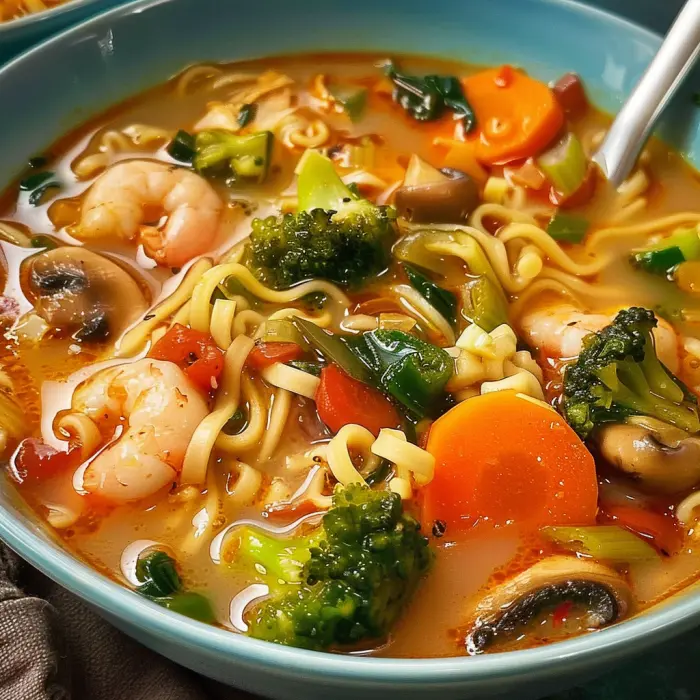
Picture this: a steaming, aromatic bowl arrives at your table. A creamy, orange-hued broth swims with silky rice noodles, plump shrimp, and golden tofu puffs. A fragrant steam rises, carrying whispers of rich coconut milk, fiery chilies, and earthy spices. This, my friends, is the magnificent experience of Singapore Noodle Soup, a dish far more legendary than its simple name suggests. While many might know “Singapore Noodles” as a dry stir-fry, the true soul food of the island nation is found in a spoonable, slurpable masterpiece known to connoisseurs as Curry Laksa. Buckle up, because we’re about to dive spoon-first into the ultimate guide to this iconic hawker centre food.
Introduction & Understanding the Dish
Singapore Noodle Soup: Unraveling the Secrets of Curry Laksa
Alright, let’s get straight to the point. If you’ve landed here searching for a simple recipe, you’re in for a treat—but also a fascinating history lesson! Frankly, the term “Singapore Noodle Soup” is a bit of a humble alias for one of the most complex and beloved dishes in all of Southeast Asia. This article is your all-access pass to understanding and creating this culinary wonder at home. We’ll explore its roots, break down its components, and yes, provide a knockout authentic recipe. So, get ready to embark on a flavour journey to the heart of Singapore’s vibrant food culture without ever leaving your kitchen.
What Exactly is Singapore Noodle Soup?
Now, don’t get your noodles in a twist! Firstly, it’s crucial to clear up a common mix-up. Internationally, the name “Singapore Noodles” often points to a dry stir-fried dish featuring thin rice vermicelli,
curry powder, and various veggies. However—and this is a big however—when people crave a warming, brothy version, they are almost certainly dreaming of Curry Laksa.
Essentially, this Singaporean cuisine classic is a rich and slightly spicy soup. Its foundation is a luxuriously creamy broth made from a blend of coconut milk and a deeply aromatic spice paste called rempah. Furthermore, it’s typically loaded with rice noodles and an array of toppings like shrimp, fish cakes, and tofu puffs. Often, you’ll find it garnished with bean sprouts, a hard-boiled egg, and a crucial herb called daun kesum (laksa leaf). Ultimately, for this deep dive, we are focusing entirely on this spectacular soup, the true hero of Singapore’s famed hawker centres.
A Journey Through History and Culture
The Rich History and Cultural Significance of Laksa
So, where did this bowl of wonder come from? Well, the story of Laksa is a beautiful tale of cultural fusion. It’s widely considered a hallmark of Peranakan culture, also known as Straits Chinese. This community emerged from intermarriage between Chinese immigrants and local Malays centuries ago. Consequently, their cuisine is an incredible blend of Chinese ingredients and Malay spices—and Laksa is its crowning achievement.
Moreover, this dish isn’t just food; it’s a national icon. Walk into any bustling hawker centre in Singapore, and you’ll feel its presence. The air itself is thick with its scent! It’s the ultimate comfort food, a dish enjoyed for breakfast, lunch, or a late-night supper. It represents the very soul of Singapore’s food story: diverse, bold, and utterly delicious.
Regional Variations: From Singapore to the World
Believe it or not, not all Laksa is created equal! While our focus is on the Singaporean version, it’s fascinating to see how this dish changes across the region. Here’s a quick tour:
-
Katong Laksa: This is arguably the most famous Singaporean style. Interestingly, the noodles are precut into short lengths, meaning you can eat the entire bowl with just a spoon—no chopsticks or slurping required!
-
Malaysian Laksa: Very similar to its Singaporean cousin, though often with a slightly different balance of spices in the rempah.
-
Assam Laksa: Now, this is a completely different beast! Hailing from Penang, this version tosses out the coconut milk. Instead, it features a tangy, fish-based broth soured with asam (tamarind). It’s a sour and spicy sensation.
-
Sarawak Laksa: From the Malaysian part of Borneo, this variant has a more complex, earthy flavour profile, often featuring a paste made with dozens of spices.
Deconstructing the Bowl: Key Components
Anatomy of the Perfect Bowl: Key Components
Creating an authentic Curry Laksa is like building a house; you need a solid foundation, strong walls, and a beautiful finish. Let’s break down the three pillars that hold up this incredible Asian noodle soup.
The Soul: The Aromatic Broth
Without a doubt, the broth is the heart and soul of the operation. This isn’t just any simple stock. Firstly, it starts with a rempah—a traditional spice paste that forms its flavour base. This paste is a labour of love, typically blending fresh chilies, shallots, garlic, lemongrass, galangal, turmeric, and dried shrimp. Importantly, this paste must be fried until it’s deeply fragrant and the oil separates; this step is non-negotiable for depth of flavour.
Then, comes the magic combination: rich coconut milk and a good-quality chicken or prawn stock. Simmered together gently, they create that unmistakably creamy, spicy, and savoury broth that makes Singapore Noodle Soup so irresistible.
The Heart: The Noodles and Proteins
What’s a noodle soup without, well, the noodles? The star here is thin rice vermicelli (bee hoon), which provides a wonderfully soft yet resilient texture that soaks up the broth perfectly.
Meanwhile, swimming alongside those noodles you’ll find a party of proteins. Think plump, juicy shrimp, thinly sliced chicken, and springy slices of fried fish cake. And let’s not forget the tofu puffs! These little golden sponges are absolute game-changers, as they eagerly soak up the delicious broth, bursting with flavour in every bite.
The Finishing Touches: Garnishes and Condiments
Finally, we arrive at the details that elevate the dish from great to extraordinary. A handful of fresh, crunchy bean sprouts adds a welcome textural contrast. A half of a hard-boiled egg contributes richness. Then, there’s the herb: a few sprigs of daun kesum (Vietnamese cilantro or laksa leaf) impart a unique, minty-zingy flavour that is utterly essential.
However, the real control is in your hands: a hearty spoonful of sambal belacan on the side. This condiment, a fiery mix of chilies and shrimp paste, allows you to dial the heat up to your own preferred level.
The Ultimate Authentic Singapore Noodle Soup (Laksa) Recipe
How to Make Authentic Singapore Curry Laksa at Home
Ready to roll up your sleeves? Don’t be intimidated! While the ingredient list is long, the process is a rewarding journey. This recipe will guide you through creating a truly authentic pot of magic.
Gathering Your Ingredients
For the Laksa Paste:
-
5-10 dried red chilies (soaked in hot water), adjust for heat
-
4-6 fresh red chilies
-
6 shallots, peeled
-
4 cloves garlic
-
1 thumb-sized piece galangal, sliced
-
2 lemongrass stalks, white part only, bruised
-
1 tsp turmeric powder or 1-inch fresh turmeric
-
2 tbsp dried shrimp, soaked
-
1 tsp shrimp paste (belacan)
-
1 tbsp coriander powder
For the Broth:
-
4 cups chicken or prawn stock
-
1 can (400ml) good-quality coconut milk
-
1 tsp sugar, or to taste
-
Salt, to taste
For the Bowls:
-
200g dried rice vermicelli
-
200g shrimp, peeled and deveined
-
2 fish cakes, sliced
-
8-10 tofu puffs, halved
-
1 cup bean sprouts
-
2 hard-boiled eggs, halved
Garnishes:
-
1 bunch daun kesum (laksa leaves)
-
1 lime, cut into wedges
-
Sambal belacan (store-bought or homemade)
Step-by-Step Cooking Instructions
-
Prep Work: Firstly, place your dried rice vermicelli in a bowl and cover with boiling water. Let them soak for 5-8 minutes until soft, then drain and set aside. Secondly, prepare your proteins and garnishes: slice the fish cakes, halve the eggs and tofu puffs, and peel the shrimp.
-
Blend the Paste: Now, for the main event! Drain the soaked dried chilies and dried shrimp. Furthermore, add them to a blender along with all the other paste ingredients: fresh chilies, shallots, garlic, galangal, lemongrass, turmeric, shrimp paste, and coriander powder. Blend, adding a little water if needed, until you achieve a completely smooth, fine paste.
-
Fry the Rempah: Afterwards, heat 3 tablespoons of oil in a large pot over medium heat. Add the blended paste and fry it, stirring constantly. This is crucial! You need to cook it for 8-10 minutes until it darkens in colour and becomes incredibly fragrant. You’ll know it’s ready when the oil starts to separate from the paste.
-
Build the Broth: Once your paste is fried, slowly pour in the chicken stock and the coconut milk. Stir well to combine. Bring the broth to a very gentle simmer—do not let it boil vigorously or the coconut milk might split. Let it simmer gently for 15-20 minutes to let the flavours meld together beautifully. Season with salt and a pinch of sugar to balance the flavours.
-
Cook the Proteins: Carefully add the shrimp, fish cakes, and tofu puffs to the simmering broth. Let them cook for 3-4 minutes until the shrimp are pink and cooked through.
-
Assemble the Bowls: Finally, it’s time to build your bowls! Place a handful of the softened rice vermicelli into each deep bowl. Ladle over the hot broth, making sure to get a good mix of shrimp, tofu puffs, and fish cakes. Top with bean sprouts, a half egg, and a sprig of laksa leaves. Serve immediately with lime wedges and a big dollop of sambal belacan on the side.
Recipe Notes: Tips for Success
-
Patience with the Paste: Seriously, don’t rush step 3! Frying the paste properly is the single most important step for unlocking that deep, authentic flavour.
-
Blender Power: A high-powered blender will give you the smoothest paste, which makes for a more refined broth.
-
Freeze for Later: This laksa paste freezes brilliantly! Make a double batch and freeze it in portions for a quick and easy meal later on.
Expert Tips, Variations, and Dietary Info
Pro Tips for the Best Homemade Laksa
Want to take your dish from great to mind-blowing? Here are some insider secrets. For an even deeper flavour, try toasting the dried shrimp and the block of belacan in a dry pan for a few minutes before blending. This unlocks a whole new level of nutty, savoury aroma. Also, if you can find it, using fresh turmeric root instead of powder will give the broth a brighter, more vibrant colour and flavour.
Shortcuts and Modern Variations
Short on time? No problem! While homemade paste is best, a good-quality store-bought laksa pastecan be a fantastic shortcut. Simply fry it off as described in the recipe and continue from there.
Feel like experimenting? This recipe is wonderfully adaptable. For a seafood extravaganza, add mussels, squid, or scallops in the last few minutes of cooking. You could even swap the protein for shredded rotisserie chicken for a super-fast version.
Dietary Information: Gluten-Free and Dairy-Free
Good news for those with dietary restrictions! This Singapore Noodle Soup is naturally gluten-free and dairy-free. The rice vermicelli, spices, and coconut milk are all safe for a gluten-free diet. Similarly, it contains no dairy products. However, always double-check the labels on store-bought fish cakes and shrimp paste, as some brands may contain hidden gluten or additives.
FAQs Based on “People Also Ask”
Frequently Asked Questions About Singapore Noodle Soup
What is Singapore noodle soup made of?
Authentic Singapore Noodle Soup, or Curry Laksa, is made from a rich, creamy broth of coconut milk and a complex spice paste (rempah). It’s filled with rice vermicelli noodles and topped with shrimp, fish cakes, tofu puffs, bean sprouts, a hard-boiled egg, and laksa leaves.
What is the difference between laksa and Singapore noodles?
This is the key difference! Laksa is a soup-based dish with a coconut curry broth. Singapore noodlestypically refer to a dry stir-fried dish made with curry powder, thin rice vermicelli, vegetables, and sometimes meat or shrimp.
What are the two types of laksa?
The two most broad categories are Curry Laksa (which includes our Singaporean version with a coconut milk base) and Asam Laksa (which has a tangy, tamarind-based broth and is typically fish-based).
What is Singapore’s famous noodle dish?
Singapore has several famous noodle dishes! The dry Singapore Mei Fun (stir-fried curry noodles) is internationally well-known. However, within Singapore itself, Laksa is arguably just as famous and is considered a definitive hawker centre staple and a national treasure. You can explore more about its significance in this official guide to Laksa on VisitSingapore.com.
Conclusion and Beyond the Recipe
Bringing the Singapore Hawker Experience Home
And there you have it—everything you could possibly need to conquer the glorious dish that is Singapore Noodle Soup. It’s more than just following a recipe; it’s about embracing the vibrant, noisy, and incredibly delicious spirit of a Singaporean hawker centre. Sure, tracking down ingredients like galangal and daun kesum might take a little effort, but the final result is worth every second. That first spoonful of rich, aromatic, and deeply satisfying broth will instantly transport you. So go on, give it a try. Gather your ingredients, blast some music, and create your own culinary masterpiece. Who knows, you might just discover your new favourite comfort food.
Print
Singapore Noodle Soup
Description
🍜 Singapore Noodle Soup
Ingredients (Serves 4)
-
2 tbsp vegetable oil
-
1 medium onion, thinly sliced
-
3 garlic cloves, minced
-
1 tbsp fresh ginger, grated
-
1 red chili, sliced (optional, for heat)
-
1 red bell pepper, thinly sliced
-
1 medium carrot, julienned
-
1 cup snow peas (or green beans)
-
6 cups chicken or vegetable broth
-
2 tbsp soy sauce
-
1 tbsp curry powder (Madras style works best)
-
1 tsp turmeric
-
1 tbsp fish sauce (optional, for depth)
-
200 g (7 oz) rice vermicelli noodles
-
2 eggs, lightly beaten (optional, for ribbons of egg)
-
200 g (7 oz) shrimp, chicken, or tofu (choose your protein)
-
Fresh cilantro, for garnish
-
Lime wedges, for serving
Instructions
-
Prepare the noodles:
-
Soak the rice vermicelli in hot water for 5–6 minutes until tender. Drain and set aside.
-
-
Cook the aromatics:
-
In a large pot, heat the vegetable oil. Add the onion, garlic, ginger, and chili. Sauté until fragrant, about 2–3 minutes.
-
-
Build the flavor base:
-
Stir in curry powder and turmeric, cooking for 30 seconds to release their aroma.
-
-
Add the broth and seasonings:
-
Pour in the chicken or vegetable broth, soy sauce, and fish sauce. Bring to a simmer.
-
-
Cook the protein & veggies:
-
Add your shrimp, chicken, or tofu along with bell pepper, carrot, and snow peas. Simmer until the protein is cooked through (about 5 minutes for shrimp, 8–10 for chicken).
-
-
Optional egg ribbons:
-
Slowly drizzle the beaten eggs into the simmering soup, stirring gently to create silky egg ribbons.
-
-
Finish with noodles:
-
Add the softened vermicelli noodles and stir gently to combine. Simmer 2–3 minutes so the noodles absorb the flavors.
-
-
Serve:
-
Ladle into bowls, garnish with fresh cilantro, and serve with lime wedges for brightness.
-