
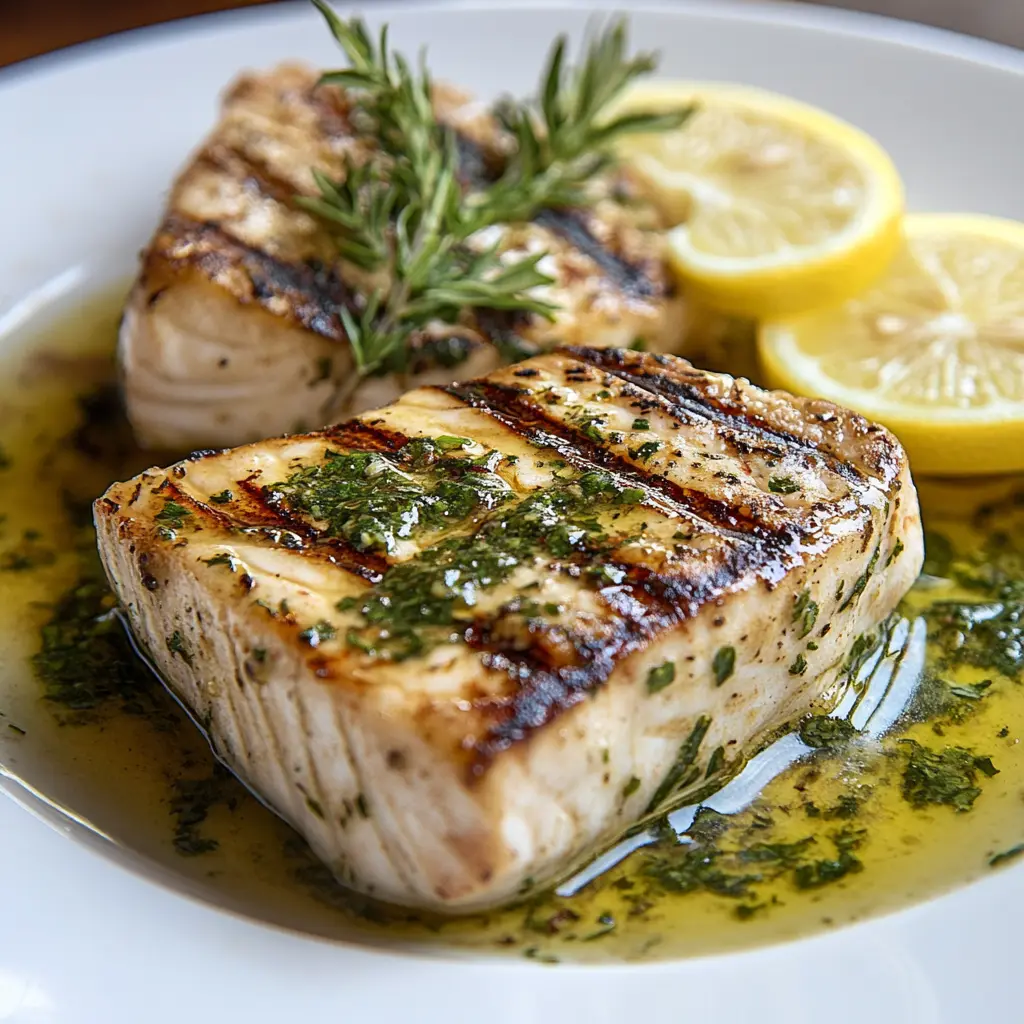
The Ultimate Guide to Grilled Swordfish with Lemon Herb Butter
Ah, the sizzle of the grill. The aroma of fresh herbs mingling with citrus. The promise of a meal that’s both impressively elegant and wonderfully simple. Sound good? Well, you’re in the right place. This comprehensive guide is your passport to mastering a true culinary classic: Grilled Swordfish with Lemon Herb Butter. We’re not just tossing a recipe at you; oh no, we’re diving deep into the art and science of it all. From hand-picking the perfect swordfish steak at the market to crafting a compound butter that sings with flavor, and finally, achieving those perfect grill marks without a hint of dryness. Get ready to transform your next dinner into a five-star experience that’s surprisingly easy to pull off. Let’s fire it up!
The Star of the Show and Your Secret Weapon
Why Swordfish is a Grilling Superstar
Let’s be honest, not every fish can handle the heat. Delicate fillets often flake right through the grates, turning a well-intentioned barbecue into a frustrating mess. This, however, is where the magnificent swordfish truly shines. Often hailed as the “steak of the sea,” this robust fish boasts a firm, meaty texture that stands up to fierce grill flames without falling apart. Consequently, it’s an absolute dream for both novice grillers and seasoned pros.
Moreover, its flavor profile is a perfect canvas for creativity. Unlike overly fishy varieties, swordfishoffers a mild, slightly sweet taste that eagerly absorbs the flavors you pair with it—making it the ideal partner for our zesty, herbaceous butter. Essentially, it delivers a satisfying, protein-packed experience that feels indulgent yet remains incredibly healthy. In other words, you get that “wow” factor without any of the fuss.
Crafting the Lemon Herb Butter: Your Flavor Catalyst
Now, onto the magic maker: the lemon herb butter. This isn’t just any butter; it’s a compound butter, which is simply a fancy term for butter that’s been lovingly mixed with other delicious ingredients. Honestly, this little log of gold is the secret weapon in your culinary arsenal. It melts luxuriously over the hot grilled fish, creating an instant, glossy sauce that bastes every single bite with brightness and depth.
Firstly, and this is non-negotiable, you must use unsalted butter. Why? Because it gives you complete control over the seasoning—trust me, it makes all the difference. Secondly, fresh is best! We’re talking about vibrantly green, fragrant herbs like parsley, dill, and chives. Along with that, you’ll need the sunny zest and juice of a real lemon and a clove of garlic for a gentle kick. Combined thoughtfully, these elements create a burst of freshness that elevates the simple swordfish steak into something truly extraordinary. Ultimately, this butter isn’t just a topping; it’s the heart and soul of the dish.
Selection and Preparation – Setting the Stage for Success
Selecting the Perfect Swordfish Steak
Walking up to the seafood counter can feel intimidating, but fear not! Knowing what to look for is half the battle. You’re aiming for a steak that promises oceanic freshness, not a fishy disappointment.
Fresh vs. Frozen: What to Look For
Generally, fresh swordfish is your best bet for the ultimate flavor and texture. So, how can you spot a winner? Use your senses! The flesh should appear moist, glossy, and have a firm, springy texture—it should bounce back when you gently press it. Importantly, the color should be a creamy white or a faint pinkish hue, not dull or brownish around the edges. Now, give it a sniff. It should smell clean and briny, like a fresh sea breeze, not aggressively “fishy.” If your fishmonger allows it, don’t hesitate to ask for a quick smell; it’s the ultimate test.
However, don’t completely write off frozen swordfish! High-quality frozen steaks, often flash-frozen at sea, lock in freshness incredibly well. The key is a slow, proper thaw in the refrigerator overnight. For more guidance on making an eco-friendly choice, you can review these sustainable swordfish sourcing guidelines.
Understanding Steak Thickness and Cut
When it comes to grilling, size genuinely matters. For the best results, aim for steaks that are between 1 inch and 1.5 inches thick. Why is this so important? Well, a steak that’s too thin will cook in a flash, making it nearly impossible to achieve a beautiful sear without overcooking the interior. On the other hand, a perfectly thick cut allows for a gorgeous, caramelized crust to form while the center reaches that tender, just-opaque perfection. Additionally, if given a choice, a center-cut steak will typically be more uniform in thickness, leading to more even cooking than a tapered end-cut.
Pre-Game Preparation: Pat Dry and Bring to Temp
This step is the unsung hero of a perfectly cooked piece of fish—do not skip it! Firstly, right before cooking, take your steaks out of the fridge. Let them sit on the counter for about 15 to 20 minutes to take the chill off. Cooking a cold steak straight from the refrigerator forces you to leave it on the grill longer to heat the center, often resulting in an overcooked exterior.
Meanwhile, grab a few paper towels. Thoroughly pat the entire surface of each steak completely dry. I mean, bone-dry. This is absolutely critical for getting those iconic, restaurant-quality grill marks and a delicious sear. Otherwise, you’ll be steaming the fish instead of grilling it. Finally, now is the time to brush both sides lightly with a neutral, high-heat oil like avocado or grapeseed oil, and season generously with salt and pepper.
Mastering the Fire – The Grilling Process
The Art of the Sear: Heat and Grill Grates
Alright, it’s go-time. First things first, you need a screaming hot grill. Fire up your gas grill or prepare your charcoal to high heat, aiming for a temperature between 450°F and 500°F (230°C to 260°C). While it’s heating up, this is your moment to meticulously clean your grill grates. Use a sturdy brush to scrub off any old debris. Immediately afterward, carefully oil the grates to create a non-stick surface. Simply fold a paper towel, dip it in oil, hold it with tongs, and rub it over the grates. This prevents your beautiful, dry swordfish steak from sticking and tearing.
Grilling Timeline and The Power of a Thermometer
Place your steaks on the grill at a 45-degree angle to the grates for those picture-perfect diamond marks. Now, here is the most important piece of advice you’ll get today: resist the urge to constantly flip and poke! Let the grill work its magic. Close the lid and cook for approximately 5 to 7 minutes.
After that, use a thin, metal spatula to confidently flip the steak. If it sticks, it likely needs another minute to release naturally. Grill for another 5 to 7 minutes on the second side. Now, these times are just a guide. The only way to know for sure if your fish is done is by checking its internal temperature. Insert an instant-read thermometer into the thickest part of the steak. The USDA recommends 145°F (63°C) for safety, but many chefs prefer to pull it at 135°F (57°C) as the residual heat will carry it over to a perfectly moist, flaky finish. You can confirm this with the official USDA safe internal temperature guidelines.
The Crucial Resting Period
You’ve made it! But wait—don’t cut into it yet! As soon as the fish comes off the grill, transfer it to a clean plate or cutting board and let it rest for about 5 minutes. This allows the muscle fibers to relax and reabsorb all those incredible juices. If you slice it immediately, all those flavorful juices will simply run out onto the plate. While it rests, it’s the perfect time to top it with a slice of that cold lemon herb butterand watch it melt into a glorious, simple sauce.
Serving, Pairing, and Making It Your Own
Plating Your Masterpiece
Presentation is the final flourish! Place the rested grilled swordfish on a warm plate. As that pat of herb butter melts over the top, creating a pool of savory sauce, garnish with a fresh sprig of dill or parsley and a vibrant lemon wedge on the side. The result? A dish that looks like it came from a seaside bistro.
The Perfect Side Dishes to Complement Your Meal
What you serve alongside can turn this great dish into an unforgettable meal. The goal is to choose sides that complement without overpowering the main event.
Light and Refreshing Salads
A simple, crisp salad cuts through the richness of the butter beautifully. Think of a peppery arugula salad with shaved Parmesan and a lemon vinaigrette, or a classic Greek salad with cucumbers, tomatoes, and olives.
Grilled and Roasted Vegetables
Why not cook your sides on the grill too? Asparagus, zucchini, and bell peppers take on a wonderful smoky sweetness when grilled. Alternatively, a tray of roasted cherry tomatoes or rosemary-infused potatoes is always a crowd-pleaser.
Starches to Soak Up the Juices
You’ll want something to soak up every last drop of that lemon herb butter sauce. A bed of fluffy quinoa, herbed orzo pasta, or even a simple slice of crusty, grilled bread is absolutely perfect.
Delicious Variations on the Classic Recipe
Feel like mixing it up? This recipe is wonderfully adaptable!
-
Mediterranean Twist: Add chopped Kalamata olives and a pinch of oregano to your compound butter.
-
Spicy Kick: Mix in a finely minced jalapeño or a dash of cayenne pepper to the butter blend.
-
Herb Swap: No dill? Try using fresh basil or tarragon for a completely different, yet equally fantastic, flavor profile.
Your Grilled Swordfish Questions, Answered
Frequently Asked Questions (FAQs)
What does swordfish taste like?
Swordfish is known for its meaty texture and mild, slightly sweet flavor. It’s not oily or strongly “fishy,” which makes it a great option for people who are usually hesitant about seafood. Its firmness is often compared to tuna or mahi-mahi.
How do I know when grilled swordfish is done?
The most accurate method is to use an instant-read thermometer. Insert it into the thickest part of the steak; a reading of 145°F (63°C) is considered safe, but for a juicier result, many chefs pull it at 135°F (57°C). Without a thermometer, the flesh should be opaque and flake easily with a fork.
Can I use dried herbs instead of fresh for the butter?
It’s not recommended. Dried herbs have a different, more concentrated flavor and a slightly gritty texture that won’t meld as seamlessly into the butter. The bright, fresh flavor of this dish relies on using fresh herbs.
Is swordfish healthy to eat?
Yes, it is an excellent source of protein, selenium, vitamin D, and omega-3 fatty acids. However, due to its position in the food chain, it can contain higher levels of mercury than smaller fish. Therefore, it should be enjoyed in moderation as part of a balanced diet. For more details, you can read about the health benefits and consumption recommendations for omega-3 rich fish.
Can I cook this in a grill pan or oven?
Absolutely! A grill pan on the stovetop over medium-high heat will work beautifully to create sear marks. For the oven, broil the seasoned steaks on a lined baking sheet for about 6-8 minutes per side, depending on thickness, until they reach the desired internal temperature.
Conclusion
And there you have it—everything you need to know to confidently conquer Grilled Swordfish with Lemon Herb Butter. It’s a dish that proves how a few quality ingredients, treated with respect and a little know-how, can create something truly spectacular. So, the next time you’re dreaming of a gourmet meal without the fuss, remember this guide. Grab a great steak, whip up that butter, and get grilling. Your taste buds will thank you.
Print
Grilled Swordfish with Lemon Herb Butter
Description
🐟 Grilled Swordfish with Lemon Herb Butter
Ingredients:
For the Swordfish:
-
4 swordfish steaks (about 1-inch thick)
-
2 tbsp olive oil
-
1 tsp sea salt
-
½ tsp freshly ground black pepper
-
½ tsp garlic powder
For the Lemon Herb Butter:
-
½ cup unsalted butter, softened
-
2 tbsp fresh lemon juice
-
1 tsp lemon zest
-
2 tbsp fresh parsley, finely chopped
-
1 tbsp fresh chives, finely chopped
-
1 tsp fresh thyme leaves (or ½ tsp dried)
-
Salt & black pepper, to taste
Instructions:
-
Make the Lemon Herb Butter:
-
In a small bowl, mix softened butter with lemon juice, zest, parsley, chives, thyme, salt, and pepper.
-
Form into a log using plastic wrap and refrigerate until firm (about 30 minutes).
-
-
Prepare the Swordfish:
-
Brush swordfish steaks with olive oil and season with salt, pepper, and garlic powder.
-
Preheat grill to medium-high heat.
-
-
Grill the Swordfish:
-
Place steaks on the grill and cook for 4–5 minutes per side, until the fish is opaque and easily flakes (internal temp: 145°F / 63°C).
-
-
Finish & Serve:
-
Top hot swordfish with slices of lemon herb butter so it melts over the fish.
-
Serve with lemon wedges and extra herbs for garnish.
-
🍽️ Serving Ideas
-
Pairs beautifully with roasted potatoes, grilled asparagus, or a fresh arugula salad.
-
A crisp white wine (like Pinot Grigio or Sauvignon Blanc) complements it perfectly.
-
For a heartier meal, serve over herbed couscous or wild rice.