Introduction and The Foundation
Shrimp and Crab Gumbo with Okra: A Taste of Louisiana Tradition
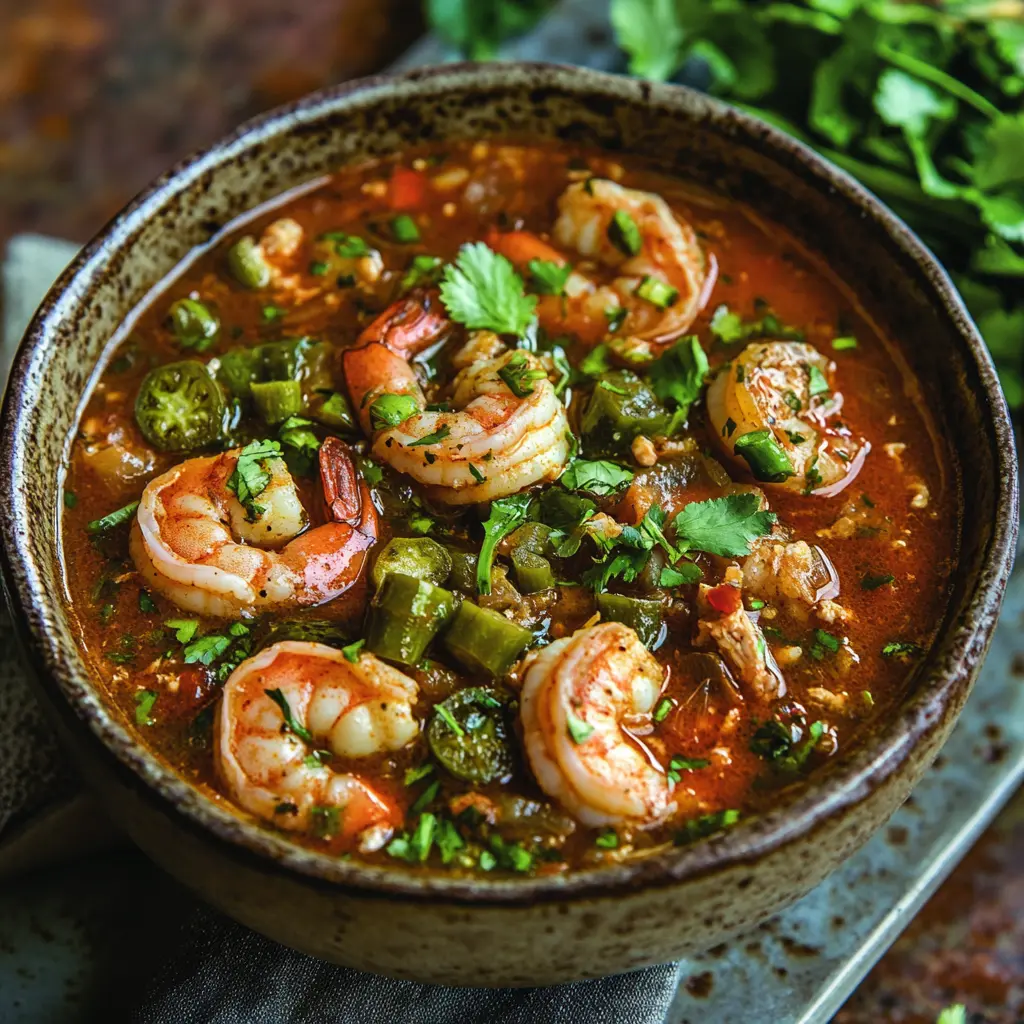
Picture this: a steam rising from a deep, wide bowl, carrying with it an aroma that tells a story centuries in the making. It’s a scent that is at once earthy, smoky, and briny—a promise of profound comfort. At the heart of this bowl lies a rich, dark stew, teeming with plump shrimp, sweet lumps of crab, and tender slices of okra, all ladled generously over a mound of fluffy white rice. This isn’t just soup; this is gumbo. And more specifically, this is the king of them all: a hearty Shrimp and Crab Gumbo with Okra. For many, mastering this dish is the holy grail of home cooking—a seemingly daunting task that, believe it or not, is absolutely within your reach. This guide won’t just give you a recipe; it will walk you through the soul, the science, and the stories behind every single step, transforming you from a novice into a gumbo guru.
What Makes a True Gumbo?
So, what exactly sets gumbo apart from every other stew on the planet? Well, for starters, it’s a magnificent melting pot of history and technique, simmering in a single pot. Fundamentally, a true gumbo is a hearty stew originating from Louisiana, renowned for its complex flavor base and its use of one or more unique thickeners. Interestingly, the name itself offers the first clue to its heritage, giving you a peek into its very soul.
The Cultural Melting Pot in a Bowl
Honestly, to understand gumbo, you have to appreciate the history stirred into its very core. The name “gumbo” is actually derived from the West African word for okra, “ki ngombo,” highlighting the foundational role this vegetable played thanks to the culinary traditions of enslaved Africans. Then came the French influence, introducing the technique of making a roux—a cooked mixture of fat and flour that provides an incredible depth of color and a nutty flavor base. Furthermore, Native American tribes, namely the Choctaw, contributed filé powder, made from dried and ground sassafras leaves, which also acts as a thickener and adds a distinct, earthy flavor. Finally, the Spanish, who ruled Louisiana for a time, are often credited with popularizing the addition of tomatoes in some versions. This incredible fusion of cultures is what makes this dish so special and so deeply symbolic of Southern history. For a deeper dive into this rich history, you can explore the fascinating history of gumbo documented by the Southern Foodwide Alliance.
Okra’s Crucial Role: Thickener and Icon
Now, let’s talk about the star of our show: the okra. While some gumbos use only roux or filé for thickening, a true Shrimp and Crab Gumbo with Okra proudly celebrates this vibrant green pod. When sliced and cooked, okra releases a mucilaginous substance that naturally thickens the stew to a wonderful, almost silky consistency. Beyond its practical purpose, it provides a distinct, slightly grassy flavor that is absolutely essential to the authentic character of this specific dish. It’s not just an ingredient; it’s an icon.
The Core Components and Preparation
Deconstructing the Perfect Shrimp and Crab Gumbo
Alright, let’s roll up our sleeves and break this masterpiece down into its core components. Think of building a house; you need a solid foundation, strong walls, and a beautiful finish. Similarly, creating an unforgettable gumbo relies on a few non-negotiable elements working in perfect harmony: the dark roux, the aromatic “Holy Trinity,” quality seafood, and of course, our friend okra.
The Soul of the Dish: Crafting the Perfect Dark Roux
Without a doubt, the roux is the heart and soul of any respectable gumbo. This isn’t the pale, quick-cooking kind you might use for a gravy; oh no, a gumbo roux is a patient, meditative process that forms the deep, complex foundation of the entire dish.
-
Fat and Flour: The Essential Duo: Firstly, you need to choose your fat. While many purists swear by vegetable oil for its high smoke point, others champion bacon drippings or even butter for extra flavor. The ratio is always a 1:1 by weight (or a rough 1:1 by volume for simplicity).
-
The Stages of Color: From Blond to Chocolate Brown: As you cook the mixture over steady heat, you’ll witness a magical transformation. It moves from a pale “blond” to a peanut butter hue, then to a reddish “brick” color, and finally to the desired dark “chocolate” brown. This entire process is where the flavor develops; that nutty, almost coffee-like aroma is what defines an authentic seafood gumbo.
-
A Labor of Love: Constant Stirring is Non-Negotiable: Here’s the kicker: you cannot walk away. Not for a second! Consequently, you must stir constantly with a wooden spoon for 20 to 45 minutes, depending on your heat level. Letting it sit means it will burn in a flash, and sadly, a burned roux is a bitter roux that must be thrown out. It’s a labor of love, but trust me, it’s worth every second.
The Holy Trinity and Aromatics
Once your roux achieves that perfect mahogany color, you immediately add the “Holy Trinity” of Cajun and Creole cooking: finely diced onion, celery, and green bell pepper. This combination is the undisputed flavor base of Louisiana cuisine. Throwing these vegetables into the searing hot roux does two crucial things: it instantly stops the roux from cooking further, and it releases all their amazing juices and aromas, which sizzle and caramelize in the fat. After a few minutes, you add the honorary fourth member: minced garlic. Cooking it just until fragrant, about 30 seconds, is all you need to unlock its potent magic.
Selecting Your Seafood: Shrimp and Crab Best Practices
For a stellar Shrimp and Crab Gumbo, the quality of your seafood is paramount. You simply can’t hide subpar ingredients in a dish this honest.
-
Shrimp: Always opt for raw, shell-on shrimp. Why? Because those shells are flavor gold! We’ll use them to make a quick, impromptu stock that will blow any store-bought version out of the water. As for size, large or jumbo shrimp work best as they hold up well to the simmering process without becoming tough.
-
Crab: Now, you have choices here. For a luxurious touch, use fresh lump crab meat; it’s sweet, delicate, and looks beautiful in the finished stew. Alternatively, claw meat is more affordable and packs a bigger flavor punch. For the ultimate authentic experience, some folks add whole, cleaned blue crabs to the pot while it simmers. Whichever you choose, handle that crab with care, folding it in gently at the very end to avoid breaking it up.
The Okra Question: Fresh, Frozen, or Pre-Treated?
Ah, the million-dollar question! Let’s demystify okra.
-
Fresh Okra: If it’s in season, go for it! Look for small, firm, brightly green pods without any blemishes or bruises.
-
Frozen Okra: Honestly, this is a fantastic and convenient year-round option. It’s typically flash-frozen at peak freshness and almost always comes pre-sliced, saving you a step.
-
The Sliminess Factor: Let’s address the elephant in the room: the slime. That mucilage is what thickens the gumbo, but if you want to control it, a simple pre-cook is the answer. Sautéing or even roasting your sliced okra in a hot skillet for 10-15 minutes before adding it to the pot works wonders. This step significantly reduces the slippery texture while concentrating its lovely flavor.
Building Flavor: Stocks and Seasonings
Finally, we have the supporting cast that brings everything together.
-
Stock: Using the shells from your shrimp to make a quick homemade stock is the single biggest upgrade you can make to your gumbo. Simply simmer the shells in water or a store-bought chicken broth for 20 minutes, then strain. The result? An incredibly flavorful liquid that forms the backbone of your stew.
-
Seasonings: Layer your flavors! Bay leaves, dried thyme, a pinch of oregano, cayenne pepper for heat, and freshly ground black pepper are all essential. Moreover, a good Cajun or Creole seasoning blend is your best friend here—it’s a pre-mixed powerhouse of salt, garlic, paprika, and other spices that delivers consistent, authentic flavor.
The Recipe and Cooking Process
Step-by-Step Recipe: Shrimp and Crab Gumbo with Okra
Alright, enough talk—it’s time to cook! This authentic gumbo recipe will guide you through each step, ensuring your journey to gumbo greatness is a smooth one.
Equipment You’ll Need
-
A large, heavy-bottomed Dutch oven (crucial for even heat distribution)
-
A sharp chef’s knife
-
A sturdy wooden spoon or whisk
-
A cutting board
-
A skillet (for pre-cooking the okra)
Ingredient List
For the Roux:
-
1 cup all-purpose flour
-
1 cup vegetable oil or bacon drippings
For the Holy Trinity & Aromatics:
-
1 large yellow onion, finely diced
-
1 green bell pepper, finely diced
-
2 celery stalks, finely diced
-
4-5 cloves garlic, minced
For the Gumbo:
-
8 cups shrimp stock (made from shells, see below) or low-sodium chicken stock
-
1 (14.5 oz) can diced tomatoes, undrained (optional, for a Creole touch)
-
2 bay leaves
-
1 teaspoon dried thyme
-
1 teaspoon dried oregano
-
2-3 teaspoons Cajun seasoning blend (like Tony Chachere’s), plus more to taste
-
1/4 teaspoon cayenne pepper (or to taste)
-
Salt and black pepper to taste
Seafood and Okra:
-
1 ½ pounds large raw shrimp, shell-on (peeled and deveined, shells saved)
-
1 pound fresh lump crab meat, carefully picked over for shells
-
1 pound fresh or frozen okra, sliced into ½-inch pieces
-
2 tablespoons vegetable oil (for cooking okra)
For Serving:
-
Cooked white long-grain rice
-
Chopped fresh parsley or green onions
-
Filé powder (optional, for serving)
Step-by-Step Instructions
-
Prepare the Seafood Stock: First, place the shrimp shells in a medium pot. Cover them with 8 cups of water or store-bought broth. Bring it to a boil, then reduce the heat and let it simmer for 20 minutes. After that, strain the stock through a fine-mesh sieve, discarding the shells. You should have a lovely, pink-tinged stock ready to go.
-
Make the Dark Roux: Now, combine the 1 cup of flour and 1 cup of oil in your heavy Dutch oven over medium heat. Stir continuously with a wooden spoon. It will clump, then smooth out. You must keep stirring without stopping for 20 to 45 minutes as it slowly darkens through all the stages. Be patient! Wait until it reaches the color of milk chocolate. It will smell incredibly nutty.
-
Sauté the Holy Trinity: As soon as the roux is the right color, immediately add the diced onion, bell pepper, and celery. Please be careful, as it may splutter. Stir constantly and cook until the vegetables soften and begin to wilt, about 5-7 minutes. Then, add the minced garlic and cook for just one more minute until fragrant.
-
Incorporate Liquids and Simmer: Gradually whisk in the prepared seafood stock. If you’re using diced tomatoes, add them now. Then, add the bay leaves, thyme, and oregano. Bring the whole pot to a boil, then immediately reduce the heat to the lowest possible setting. Let it simmer uncovered for at least 30 minutes, or up to an hour, to let the flavors meld beautifully.
-
Prepare and Add the Okra: While the gumbo is simmering, heat 2 tablespoons of oil in a separate skillet over medium-high heat. Add the sliced okra and sauté, stirring occasionally, for about 10-15 minutes. You’ll notice the “slime” significantly reduces. Add the cooked okra to the simmering gumbo pot.
-
Season and Integrate Seafood: After the simmering time, season the gumbo base with Cajun seasoning, cayenne, salt, and black pepper. Taste and adjust! Now, gently fold in the lump crab meat and the raw shrimp.
-
Final Cook: Let the gumbo simmer for just 5-7 more minutes. You are simply cooking until the shrimp turn pink and opaque. Do not overcook them, or they will become rubbery.
-
Serve Immediately: Discard the bay leaves. Ladle the hot gumbo over fluffy white rice in deep bowls. Garnish with chopped parsley or green onions. Offer filé powder at the table for individuals to sprinkle into their own bowls, as it can become stringy if cooked too long.
Serving, FAQs, and Conclusion
Serving and Presentation: The Final Touches
Presentation is key! To serve your masterpiece correctly, place a generous scoop of steaming white rice right in the center of a wide, shallow bowl. Then, carefully ladle the gumbo around the rice, allowing the rice to stand like a delicious island in a sea of dark, savory broth. Finally, a sprinkle of vibrant green parsley or green onions on top adds a fresh color contrast and a burst of flavor. It’s a feast for the eyes before it even hits the taste buds.
The Perfect Pairings: What to Serve with Gumbo
While gumbo is a complete meal in a bowl, a few simple sides can turn it into a spectacular feast.
-
Rice: This is non-negotiable. Long-grain white rice is the classic, neutral canvas that soaks up the incredible sauce.
-
Cornbread: A slice of sweet, buttery cornbread or a thick piece of crusty French bread is essential for sopping up every last drop from the bowl.
-
Side Salad: A simple, crisp green salad with a light vinaigrette provides a refreshing, acidic contrast to the rich, hearty stew.
-
Drinks: Iced tea, either sweetened or unsweetened, is the traditional and perfect beverage companion.
Frequently Asked Questions (FAQs)
Q: Can I make gumbo without okra?
A: Technically, yes. You can rely solely on the roux for thickening, and some versions use filé powder. However, omitting okra makes it a different type of gumbo. For this authentic Gumbo with Okra, it is a defining ingredient that provides essential flavor and texture.
Q: How can I make my gumbo less slimy?
A: The slimy texture (mucilage) from okra can be mitigated by cooking it thoroughly before adding it to the stew. Sautéing, roasting, or even pickling the okra first helps break down the compounds that cause the sliminess, resulting in a smoother, more palatable texture in the final dish.
Q: What’s the difference between Cajun and Creole gumbo?
A: This is a classic debate! Generally, Cajun gumbo is often darker, spicier, and more rustic, typically made without tomatoes and found in rural areas. Creole gumbo (or “city gumbo”) is more influenced by European techniques and often includes tomatoes. For a deeper explanation, check out this definitive guide to the differences between Cajun and Creole cuisine. This recipe is a hybrid that leans into Creole tradition with the holy trinity and optional tomatoes, but the deep, dark roux is a Cajun hallmark.
Q: Can I freeze shrimp and crab gumbo?
A: You can freeze the gumbo base (the stew with okra) very successfully for up to 3 months. However, for best results, add the seafood after thawing and reheating. Frozen and reheated seafood can become tough and rubbery. Always ensure you are using high-quality, sustainable seafood; you can check sustainable shrimp recommendations from the Monterey Bay Aquarium Seafood Watch.
Conclusion: Your Gateway to Louisiana Cooking
Congratulations! You’ve embarked on a culinary journey that stretches far beyond simple cooking. You’ve created a dish steeped in history, patience, and passion. Making a from-scratch Shrimp and Crab Gumbo with Okra is one of the most rewarding experiences a home cook can have. So gather your friends and family around the table, ladle up this taste of Louisiana tradition, and take pride in every single bite. You’ve not just made dinner; you’ve crafted a memory.
Print
Shrimp and Crab Gumbo with Okra
Description
Shrimp and Crab Gumbo with Okra
Ingredients:
-
½ cup vegetable oil
-
½ cup all-purpose flour (for roux)
-
1 large onion, finely chopped
-
1 green bell pepper, diced
-
2 celery stalks, diced
-
4 cloves garlic, minced
-
1 lb okra, sliced into rounds
-
6 cups seafood stock (or chicken stock)
-
1 (14.5 oz) can diced tomatoes
-
2 bay leaves
-
1 tsp smoked paprika
-
1 tsp dried thyme
-
1 ½ tsp Cajun seasoning
-
½ tsp cayenne pepper (optional, for heat)
-
Salt and black pepper, to taste
-
1 lb medium shrimp, peeled and deveined
-
1 lb lump crab meat
-
2 tbsp Worcestershire sauce
-
2 tbsp fresh parsley, chopped
-
3 green onions, sliced
For serving:
-
Cooked white rice
-
Hot sauce, for garnish
Instructions:
-
Make the Roux:
-
In a large heavy-bottomed pot, heat the oil over medium heat. Gradually whisk in the flour until smooth.
-
Stir constantly for 20–25 minutes until the roux turns a deep chocolate-brown color (be patient and don’t let it burn).
-
-
Build the Flavor Base:
-
Add onion, bell pepper, and celery (the Cajun “holy trinity”) to the roux. Cook for 5 minutes until softened.
-
Stir in garlic and cook another minute until fragrant.
-
-
Add Okra & Spices:
-
Stir in the okra and cook for 8–10 minutes until it softens and reduces its sliminess.
-
Season with paprika, thyme, Cajun seasoning, cayenne, salt, and pepper.
-
-
Simmer the Gumbo:
-
Stir in stock, diced tomatoes, bay leaves, and Worcestershire sauce.
-
Bring to a boil, then reduce heat and let simmer uncovered for 40 minutes, stirring occasionally.
-
-
Add the Seafood:
-
Stir in shrimp and crab meat. Simmer for 5–7 minutes, until shrimp turn pink and are cooked through.
-
Remove bay leaves, then stir in parsley and green onions.
-
-
Serve:
-
Spoon gumbo over a bed of white rice.
-
Garnish with extra parsley or hot sauce if desired.
-