
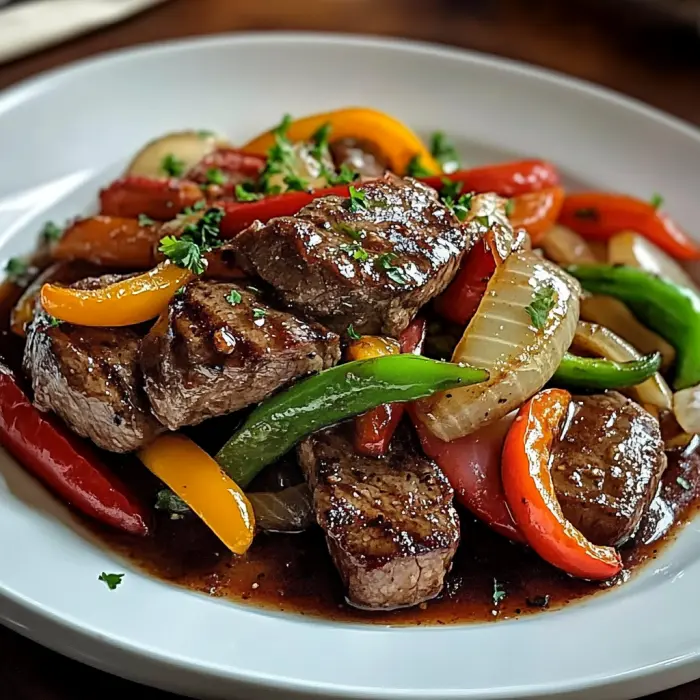
The Ultimate Guide to Black Pepper Steak with Peppers and Onions: A Classic Comfort Food, Perfected
Craving a meal that’s both incredibly satisfying and surprisingly simple to master? Look no further than the sizzling, aromatic wonder that is Black Pepper Steak. This dish is a glorious symphony of tender, juicy beef, crisp, colorful vegetables, and a sauce that packs a powerfully savory and peppery punch. Forget soggy takeout containers; we’re about to embark on a culinary journey to create a version so good, it’ll become a permanent star in your weekly dinner rotation. This guide will unveil everything, from selecting the perfect cut of beef to unlocking the secret behind that iconic, mouthwatering sauce. So, grab your wok or your trustiest skillet—it’s time to turn up the heat and transform simple ingredients into an extraordinary feast.
Introduction & The Foundation of Flavor
Introduction: More Than Just a Stir-Fry
Ah, the unmistakable sizzle that hits the pan. Seriously, is there any sound more promising at dinnertime? That’s the sound of Black Pepper Steak with Peppers and Onions coming to life—a dish that has comfortably nestled itself into the hearts of home cooks and restaurant-goers alike. But what’s the big deal about this particular combination? Well, it’s a masterclass in balance and texture. Imagine: succulent strips of beef, seared to perfection, dancing in a wok with sweet, crisp bell peppers and pungent onions. Then, everything gets cloaked in a dark, glossy sauce that’s bold, peppery, and deeply umami. Ultimately, this isn’t just another stir-fry; it’s a reliable comfort food that delivers massive flavor without requiring a chef’s diploma. This guide promises to hand you the keys to that kingdom, ensuring your version is nothing short of spectacular.
The Allure of the Sizzle: Why This Dish is a Universal Favorite
Honestly, the popularity of this stir fry masterpiece isn’t rocket science. First of all, it’s incredibly versatile, fitting in just as well on a busy Tuesday night as it does at a casual weekend gathering. Furthermore, it checks all the boxes: it’s protein-packed, loaded with veggies, and comes together faster than you can decide what to stream next. The aroma alone, a heady mix of fresh black pepperand garlic, is enough to gather the whole family in the kitchen. Moreover, it’s a fantastic gateway to cooking with high heat, a fundamental skill that will upgrade your culinary game across the board. In essence, it’s the complete package—a meal that feels both indulgent and wholly achievable.
The Holy Trinity: Deconstructing Black Pepper Steak
Before we fire up the stove, let’s break down this beautiful dish into its three core components. Understanding each element is, without a doubt, the first crucial step toward mastery.
The Star: Choosing the Right Cut of Beef
Obviously, the beef is the headliner of this show. Consequently, you can’t just use any old piece of meat from the back of the fridge. For a truly tender and memorable result, you need a cut that’s both flavorful and suited to quick, high-heat cooking. Think thin slices that sear quickly, staying juicy on the inside while getting a gorgeous caramelized crust on the outside. We’ll dive into the specific best options—like flank steak and sirloin—in the next section, so don’t you worry!
The Supporting Cast: Peppers and Onions
Meanwhile, the vegetables play a critical supporting role, providing sweetness, color, and a satisfying crunch that contrasts beautifully with the tender beef. Typically, classic green bell peppers and yellow onions are used, but hey, this is your kitchen! Feel free to get creative with a rainbow of red, orange, and yellow bell peppers for a sweeter flavor profile. Occasionally, some folks even throw in mushrooms or broccoli for an extra health kick, proving this dish is wonderfully adaptable.
The Soul: The Black Pepper Sauce
Now, for the real magic—the sauce. This is the soul of the dish, the element that separates the bland from the breathtaking. A truly great black pepper sauce is a complex balance of salty, savory, sweet, and spicy notes. It relies on a powerhouse base of soy sauce for saltiness, beef broth for depth, and a seriously generous amount of freshly cracked black pepper for that signature kick. Often, a touch of sweetness from brown sugar and the rich umami from oyster sauce round it out, creating a symphony in your mouth. Finally, a little cornstarch works behind the scenes to thicken it all into a glorious glaze that sticks to every single ingredient.
Selecting Your Steak: A Guide to the Best Cuts
Alright, let’s get down to the meat of the matter—literally. Choosing your beef is the most important decision you’ll make, and thankfully, you’ve got some fantastic options.
Top Tier Choices for Maximum Tenderness
Flank Steak: The Flavorful Favorite
For many cooks, flank steak is the undisputed champion for stir fry. It’s lean, boasts a robust, beefy flavor, and is typically more affordable than other premium cuts. However, it has a very distinct, long muscle grain. The absolute key to tenderness is slicing it thinly against the grain after cooking; this cuts through those long muscle fibers, guaranteeing you won’t be chewing forever.
Sirloin (Strip Steak): The Balanced Choice
Another phenomenal option, sirloin steak (or strip steak) offers a fantastic balance of tenderness and flavor. It often has a bit more marbling than flank steak, which translates to incredible juiciness. Similarly, it should be sliced against the grain for the most tender bite. It’s a reliably excellent choice that’s widely available.
Skirt Steak & Hanger Steak: The Chef’s Secrets
If you can find them, skirt and hanger steaks are beloved by chefs for their intensely beefy flavor. They are exceptionally flavorful but can be a tad chewier if not treated correctly. Therefore, they demand careful slicing against the grain and shouldn’t be overcooked even for a second. They’re a bit more of a project, but oh boy, the payoff is immense.
Budget-Friendly and Other Options
Chuck Eye Steak: The “Poor Man’s Ribeye”
On a budget? No problem! A chuck eye steak is a great, well-marbled option that’s full of flavor. While it’s often used for slow cooking, if you slice it very thinly against the grain while it’s partially frozen, it can work beautifully in a quick-cooking stir fry.
Pre-cut “Stir-Fry Beef” from the Store: Pros and Cons
Let’s be honest, the convenience of pre-cut beef from the grocery store is tempting. However, proceed with caution. Often, these packages contain mystery cuts that can be tough and chewy. If you’re pinched for time, it’s an option, but for guaranteed results, buying a whole cut and slicing it yourself is always the better path.
How to Slice Beef for Stir-Fry for Perfect Results
This isn’t just a suggestion; it’s the law of the land for tender stir-fry. Here’s the secret: pop your chosen cut of beef into the freezer for about 30-45 minutes before you plan to slice it. This firms it up immensely, making it a breeze to slice into paper-thin strips. Then, identify the direction of the muscle grain (those long lines running through the meat) and slice perpendicularly across them, not parallel. This simple step is the ultimate game-changer.
Preparation, Cooking, and The Recipe
The Art of the Marinade: Tenderizing and Infusing Flavor
Alright, you’ve got your beautifully sliced beef. Now what? Now, we marinate! This isn’t just about adding flavor; it’s a crucial scientific process called velveting that ensures your steak stays unbelievably tender.
Why Marinate? The Science of Tenderness
Basically, a good marinade is a multi-tool. The soy sauce (salt) begins to break down the muscle proteins, allowing the meat to retain more moisture. Meanwhile, the cornstarch coats each strip, creating a protective barrier that seals in juices during the intense heat of stir-frying. Finally, the oil helps everything cling together and prevents the meat from sticking to the pan. It’s a quick, 20-minute soak that makes a world of difference.
Our Ultimate Black Pepper Steak Marinade Recipe
Grab a medium bowl and whisk these simple ingredients together. Then, toss in your sliced beef and let the magic happen.
-
2 tablespoons soy sauce
-
1 tablespoon cornstarch (the tenderizing hero)
-
1 teaspoon sesame oil (for nutty aroma)
-
1 tablespoon water
Mix it well, ensuring every piece of beef is coated in that slinky, cornstarchy mixture. Let it sit for at least 15 minutes while you prep everything else. Trust me on this!
Mise en Place: Preparing Your Ingredients
Here’s a little French phrase that’s the golden rule of stir-fry: Mise en Place (pronounced meez ahn plahs). It simply means “everything in its place.” Stir-frying is a lightning-fast cooking method; there’s simply no time to chop a pepper or mince garlic once the action starts.
The Key to Successful Stir-Frying
Therefore, before you even think about turning on the burner, have all of this ready to go:
-
Your marinated beef: Check.
-
Vegetables: Bell peppers and onions sliced into uniform strips.
-
Aromatics: Garlic and ginger minced finely.
-
The Sauce: This is the big one—whisk ALL the sauce ingredients together in a separate bowl. Having it pre-mixed guarantees a smooth, lump-free sauce that thickens evenly.
Having your station set up like a TV chef isn’t just for show; it’s the absolute secret to a smooth, stress-free, and successful stir fry.
Crafting the Signature Black Pepper Sauce
This is where the dish finds its voice. The sauce is bold, peppery, and deeply savory. Whisk these ingredients together in that bowl we talked about:
-
½ cup beef broth (for a rich, savory base)
-
3 tablespoons soy sauce (for salty umami)
-
1 tablespoon oyster sauce (for deep, savory sweetness)
-
2 teaspoons freshly ground black pepper (THE star of the show—don’t be shy!)
-
1 teaspoon brown sugar (to balance the salt and pepper)
-
2 teaspoons cornstarch (to thicken it into a glaze)
Taste it! It should be powerfully peppery and salty. Remember, this flavor will mellow slightly and coat a whole pan of ingredients, so it needs to be strong on its own.
Step-by-Step Cooking Instructions: Mastering the Wok
Game time. Follow these steps in order, and you simply cannot fail.
Step 1: Velveting the Beef (The Restaurant Secret)
Place your wok or a large, heavy-bottomed skillet over high heat. Let it get screaming hot—you should see a wisp of smoke. Next, add a high-smoke-point oil like avocado or vegetable oil. Working in two batches, add the marinated beef in a single layer. Do not crowd the pan! Let it sear undisturbed for about 1 minute to get a good crust, then flip and cook for another 30-60 seconds until just cooked through. It will finish cooking later. Transfer this first batch to a clean plate and repeat with the remaining beef.
Step 2: Sautéing the Aromatics and Vegetables
To the same now-empty wok (no need to wipe it out, all those browned bits are flavor!), add a touch more oil. Toss in your minced garlic and ginger. They’ll sizzle and become fragrant in about 30 seconds—don’t let them burn! Immediately add your harder vegetables (the onions) first. Stir-fry for about 1-2 minutes until they just start to soften. Then, add the bell peppers and continue to cook for another 2 minutes. You want them crisp-tender, not mushy.
Step 3: Bringing It All Together
Now, return the beef and any accumulated juices back to the wok, tossing it with the vegetables. Give your pre-mixed sauce another quick whisk (the cornstarch may have settled) and pour it over everything. Almost instantly, it will begin to bubble and thicken. Stir constantly for about 1-2 minutes, until the sauce transforms into a thick, glossy glaze that completely coats the beef and vegetables.
Step 4: The Final Touch
Turn off the heat. For an extra layer of aroma, drizzle a tiny bit of sesame oil over the top and give it one final toss. Serve immediately over a bed of fluffy rice. Good grief, it’s perfect.
Mastery, Variations, and Serving
Pro Tips for the Best Black Pepper Steak Ever
You’ve got the basics down, but these next-level tips will elevate your dish from great to “why is this better than my favorite restaurant?!”
Heat is Everything: Getting Your Pan Smoking Hot
This is non-negotiable. High heat is what creates the Maillard reaction—that complex chemical process responsible for the deeply savory, browned flavor we all love. If your pan isn’t hot enough, the beef will steam and leak its juices, resulting in a tough, boiled mess. Patience is key; let your cooking vessel pre-heat properly.
Don’t Crowd the Pan: Cook in Batches
We mentioned it, but it’s worth repeating because it’s the most common mistake. Overloading the pan drastically drops its temperature. Suddenly, you’re not searing; you’re stewing. Cooking the beef in two batches ensures each piece gets direct contact with the scorching surface, creating that perfect sear and keeping the meat tender.
Freshly Cracked Pepper vs. Pre-Ground: A World of Difference
Please, I beg of you, use a pepper mill. Pre-ground black pepper has likely been sitting in a tin for months, losing its volatile oils and vibrant aroma. Freshly cracked peppercorns provide a bright, spicy, and incredibly fragrant kick that defines this dish. It’s the single easiest way to massively upgrade your black pepper steak.
The Cornstarch Slurry: How to Adjust Sauce Thickness
Did your sauce not thicken enough? No worries! Simply make a quick slurry by mixing equal parts cold water and cornstarch (e.g., 1 teaspoon each). While the dish is simmering, drizzle in a little of the slurry, stirring constantly. It will thicken up almost immediately. Remember, you can always add more, but you can’t take it out!
Customizations and Delicious Variations
The basic framework is a fantastic launchpad for your own creativity. Here’s how to make it your own.
Spice It Up: Adding Chili Garlic Paste or Red Pepper Flakes
Love heat? Along with the black pepper, add a teaspoon of chili garlic paste (like sambal oelek) or a half teaspoon of crushed red pepper flakes when you cook the garlic. It’ll add a different dimension of heat that plays wonderfully with the black pepper.
Vegetable Swaps: Using Mushrooms, Broccoli, or Snow Peas
While peppers and onions are classic, feel free to mix it up! Sliced cremini mushrooms add an earthy, meaty depth. Broccoli florets or snap peas introduce a wonderful green crunch. Just remember to add harder vegetables (like broccoli) a minute or two earlier to ensure they cook through.
The Deglaze Trick: Using a Splash of Stock
After searing the beef, if you have particularly delicious browned bits stuck to the pan, don’t let them go to waste! Before adding more oil for the veggies, pour in a couple tablespoons of beef broth and use a wooden spoon to scrape all those bits up. This process, called deglazing, adds an incredible depth of flavor to your entire dish.
Serving Suggestions: How to Build the Meal
Your masterpiece is ready. Now, what do you put it on?
The Classic Bed: Fluffy White or Brown Rice
You can’t go wrong with a big pile of steamed jasmine or basmati rice. The fluffy grains are the perfect neutral canvas to soak up every last drop of that incredible sauce. Brown rice is a fantastic whole-grain alternative that adds a nutty flavor and extra fiber.
For a Lower-Carb Option: Cauliflower Rice or Quinoa
For a lighter meal, serve your pepper steak over freshly steamed cauliflower rice. It provides a similar texture and sauce-soaking ability without the carbs. Similarly, quinoa is a protein-packed seed that makes a hearty and healthy base.
The Perfect Sidekick: Simple Steamed or Roasted Vegetables
If you want to double down on the veggies, a simple side of steamed broccoli or roasted asparagus is a perfect complement. It keeps the meal fresh and balanced.
Soaking Up the Sauce: Noodles or Fried Rice
Feeling decadent? Toss your beef and pepper stir-fry with cooked lo mein noodles instead. Alternatively, spoon it over a plate of homemade fried rice for the ultimate better than takeoutexperience.
Storing and Reheating Your Leftovers
Got leftovers? Lucky you! Let the dish cool completely before storing it in an airtight container in the refrigerator. It will keep beautifully for 3-4 days.
The best way to reheat it is in a skillet over medium heat with a tiny splash of water or broth. This will gently warm it without overcooking the beef and will loosen the sauce back to its glossy perfection. The microwave also works in a pinch—just cover it and heat in short bursts, stirring in between.
FAQs & Conclusion
Frequently Asked Questions (FAQs)
What is the best cut of beef for black pepper steak?
Without a doubt, flank steak and sirloin (strip steak) are the top choices for their excellent balance of flavor, tenderness, and value. Skirt steak or hanger steak are also fantastic if you can find them, as they offer an intensely beefy flavor.
Can I make black pepper steak without soy sauce (gluten-free)?
Absolutely! You can easily make this dish gluten-free by substituting the soy sauce with an equal amount of tamari or certified gluten-free coconut aminos. Both options provide that essential salty, umami flavor without the gluten.
Why is my beef tough and chewy?
Tough beef is usually caused by one of three things: 1) Using the wrong cut (like a stewing meat that requires slow cooking), 2) Not slicing the meat against the grain, or 3) Overcooking the beef in the pan. The velveting marinade and quick sear are designed specifically to prevent this.
How can I thicken the sauce for my black pepper steak?
The sauce should thicken with the cornstarch already in the recipe. If it’s too thin, create a cornstarch slurry by mixing equal parts cold water and additional cornstarch (start with 1 tsp each). drizzle this into the simmering stir-fry while stirring constantly; it will thicken immediately.
Conclusion: Your New Go-To Weeknight Feast
And there you have it—the complete journey to creating an unforgettable Black Pepper Steak with Peppers and Onions. From selecting the perfect cut of beef and mastering the velveting marinade to whipping up that signature peppery sauce and executing a flawless stir-fry, you now possess all the knowledge. This dish is more than just a recipe; it’s a technique that will build your confidence in the kitchen and deliver a crowd-pleasing meal every single time. So, go forth, crank up the heat, and embrace the sizzle. Your new favorite dinner is waiting.
Print
Black Pepper Steak with Peppers and Onions
Description
🥢 Black Pepper Steak with Peppers and Onions
Ingredients:
-
1 ½ lbs flank steak or sirloin, thinly sliced against the grain
-
2 tbsp soy sauce
-
1 tbsp oyster sauce
-
1 tbsp cornstarch
-
2 tbsp vegetable oil (divided)
-
1 large onion, sliced
-
1 green bell pepper, sliced
-
1 red bell pepper, sliced
-
3 cloves garlic, minced
-
1 tbsp fresh ginger, minced
For the black pepper sauce:
-
¼ cup low-sodium soy sauce
-
2 tbsp oyster sauce
-
1 tbsp hoisin sauce
-
1 tbsp rice vinegar (or apple cider vinegar)
-
1 tbsp brown sugar
-
2 tsp freshly ground black pepper (adjust to taste)
-
1 tsp cornstarch + 2 tbsp water (slurry)
Instructions:
-
Marinate the beef:
-
In a bowl, toss sliced steak with soy sauce, oyster sauce, and cornstarch. Let rest 15–20 minutes.
-
-
Make the sauce:
-
In a small bowl, whisk together soy sauce, oyster sauce, hoisin, vinegar, brown sugar, and black pepper. Set aside.
-
-
Cook the beef:
-
Heat 1 tbsp oil in a large skillet or wok over high heat.
-
Sear beef in batches, about 2–3 minutes, until browned but not fully cooked through. Remove and set aside.
-
-
Stir-fry vegetables:
-
Add remaining oil to skillet. Sauté onion, peppers, garlic, and ginger until slightly softened but still crisp (3–4 minutes).
-
-
Combine everything:
-
Return beef to skillet. Pour in sauce and stir well.
-
Add cornstarch slurry to thicken sauce; cook another 2–3 minutes until beef is tender and coated.
-
-
Serve:
-
Sprinkle with extra black pepper.
-
Serve hot over steamed rice or noodles.
-