
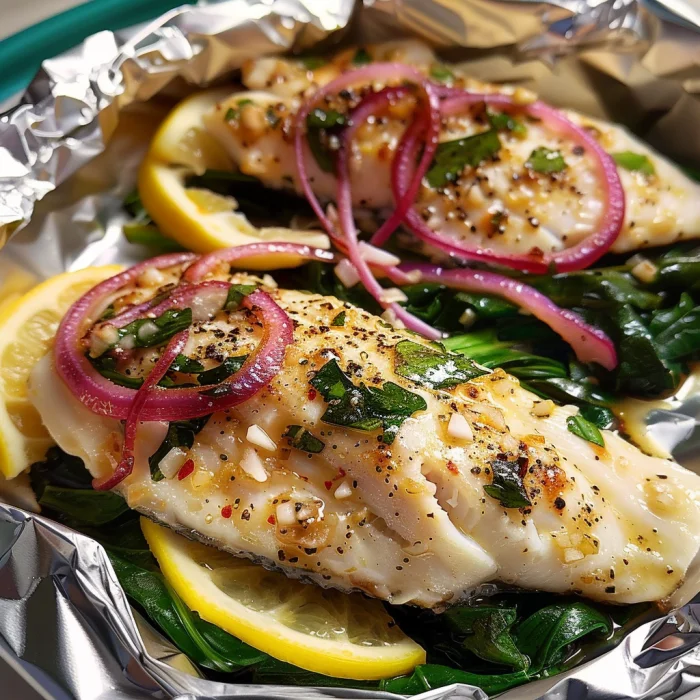
Tilapia Florentine Foil Packets: Your Ultimate Guide to a Foolproof, Flavorful Meal
Introduction and The “Why” Behind the Recipe
Tilapia Florentine Foil Packets: The Easiest, Most Delicious Meal You’ll Make This Week
Picture this: you’re after a healthy dinner that feels gourmet but doesn’t demand a mountain of dirty dishes. Well, stop the search! Tilapia Florentine foil packets are your new kitchen superhero, arriving just in time to save your weeknight. Imagine perfectly flaky, mild tilapia fillets nestled on a bed of vibrant spinach, all swimming in a luxuriously creamy lemon-garlic sauce. The best part? This entire restaurant-quality feast steams to perfection inside a humble piece of aluminum foil. Consequently, you get a meal that’s not only bursting with flavor but also miraculously simple to clean up. Honestly, it’s a game-changer.
Why You’ll Fall in Love with Foil Packet Cooking
So, why jump on the foil packet bandwagon? For starters, this method is an absolute revelation for anyone who dreads the post-dinner scrubbing session. Essentially, you’re creating your own personal little oven-steamed meal, and the cleanup is as easy as tossing the foil—no stubborn, stuck-on grease in sight! Furthermore, this sealed-pouch technique is a master at locking in moisture and flavor. Unlike traditional baking, where moisture can escape, the steam circulates relentlessly inside the packet, gently cooking the fish and wilting the spinach until everything is mind-blowingly tender and infused with the herbaceous sauce.
Moreover, let’s talk about portion control and convenience. Each packet is a complete, single-serving meal, making it a dream for meal prep or for pleasing picky eaters with custom ingredients. Ultimately, this versatility is the secret weapon; whether you’re baking, grilling, or even cooking over a campfire, the foil packet method delivers a foolproof, delicious, and incredibly satisfying result every single time.
Deconstructing Tilapia Florentine: Ingredients Deep Dive
Gathering Your Ingredients: A Guide to Quality and Flavor
Listen, a spectacular meal hinges on its components; therefore, thinking about your ingredients is the first step to victory. This isn’t about buying the most expensive items, but rather about choosing fresh, vibrant elements that will work in harmony inside that foil pouch. Seriously, a little attention here pays off tenfold in flavor. Let’s break down the dream team that makes this easy foil packet recipe sing.
The Star of the Show: Choosing the Best Tilapia
Obviously, the fish is the headline act. Now, tilapia is a fantastic choice because of its mild flavor and firm-yet-flaky texture—perfect for absorbing that glorious sauce. You can typically find it either fresh or frozen. If you go the frozen route (often a more budget-friendly and convenient option), just please, please ensure it’s fully thawed in the refrigerator overnight first. Cooking it frozen will lead to a soggy, uneven mess. Also, no matter what, take two seconds to pat those fillets completely dry with a paper towel. This crucial step ensures a better sear (if you choose to) and prevents a watery sauce, making all the difference in your final dish.
The Florentine Foundation: Fresh Spinach and Aromatics
“Florentine” simply means “in the style of Florence,” and in culinary terms, it famously denotes dishes featuring spinach. So, of course, we need plenty of it! You’ll get the best texture and flavor from fresh, leafy spinach. However, if you’ve only got frozen spinach in the freezer, don’t panic! You can make it work, but you must thaw it completely and then wring it out in a clean kitchen towel or cheesecloth until it’s bone-dry. Otherwise, you’ll unleash a flood of water into your packet. Alongside the spinach, fresh garlic and shallots (or a small onion) form the aromatic base, providing a sweet, pungent depth that forms the soul of the sauce.
The Creamy, Zesty Sauce: Bringing It All Together
Ah, the sauce—where the magic really happens! This is what transforms simple ingredients into a decadent experience. We’re talking about a rich combination of olive oil, a pat of butter for silkiness, fresh lemon juice for that essential bright zing, and a creamy element like heavy cream or cream cheese. Grated Parmesan cheese melts into the sauce, adding a salty, umami kick and helping it thicken beautifully. Finally, a simple blend of seasonings—salt, pepper, maybe a pinch of paprika or some Italian herbs—ties everything together in perfect harmony.
The Step-by-Step Cooking Guide
How to Make Tilapia Florentine Foil Packets: A Step-by-Step Visual Guide
Alright, enough talk—let’s get down to business! I promise, this process is far simpler than the fancy result would have you believe. In fact, you’ll be a foil packet pro in no time. Just follow these steps, and you’re golden. First things first, preheat your oven to a nice, hot 400°F (200°C). This high heat is key to creating plenty of steam quickly, which cooks everything fast and keeps it tender.
Step 1: Prep Your Station and Preheat
Before you even touch your ingredients, tear off four large sheets of heavy-duty aluminum foil (each about 12×18 inches). Seriously, use the heavy-duty stuff; it’s less likely to tear and spill your delicious dinner into the oven. Lay them out flat on your countertop. Meanwhile, as your oven comes to temperature, you can get all your ingredients prepped and ready to go—this is called mise en place, and it makes the assembly process a smooth, enjoyable breeze.
Step 2: Build Your Flavor Base
Now, for the foundation! On the center of each foil piece, create a small bed with a generous handful of fresh spinach. If you’re feeling fancy, you can quickly sauté your minced garlic and shallots in a tiny bit of olive oil for 30 seconds just to take the raw edge off and deepen their flavor. However, you can absolutely just scatter them raw over the spinach—the steam from the packet will cook them perfectly. This is one of the great easy dinner shortcuts!
Step 3: Season and Assemble the Packets
Next, place one of your thoroughly dried tilapia fillets right on top of the spinach bed on each foil square. Now, season it like you mean it! Sprinkle both sides generously with salt, black pepper, and any other dry seasonings you love. Afterwards, in a small bowl, whisk together your sauce ingredients: the cream, lemon juice, Parmesan, and those sautéed aromatics. Then, spoon this heavenly mixture liberally over each fillet. Finally, top each one with a couple of thin lemon slices. They’re not just for looks; they’ll perfume the entire packet with citrusy goodness as it cooks.
Step 4: The Fold: Sealing the Packet for Success
This is the only slightly technical part, but you’ve got this! To seal each packet, bring the long sides of the foil together over the food. Then, fold them down twice, crimping as you go to create a tight seal. Now, take the two short ends and fold them upwards towards the center, crimping them tightly as well. You’re aiming for a semi-tight pouch—think of it like a flat envelope. Importantly, leave a little air space inside; this room allows the hot air to circulate and steam the contents to perfection. Voilà! Your culinary time capsules are ready for the heat.
Cooking Methods, Doneness, and Serving
Cooking to Perfection: Oven, Grill, and Campfire Methods
The beauty of this method is its incredible flexibility. You are not tied to the oven! Depending on the day, the weather, or your mood, you can choose your own adventure.
Baking in the Oven: The Standard Method
This is the most common and foolproof approach. Simply place your assembled packets on a baking sheet (this catches any potential leaks and makes them easier to move). Then, slide them into your preheated 400°F (200°C) oven. They’ll need to bake for about 15 to 20 minutes. The baking sheet also helps ensure the bottom doesn’t cook too aggressively.
Grilling Over Medium-High Heat: For Smoky Flavor
Want to keep the heat out of the kitchen? No problem! Fire up the grill to medium-high heat. Once hot, place the foil packets directly on the grill grates. Close the lid and let the grill work its magic for that same 15-20 minute timeframe. This method imparts a subtle, smoky flavor that is absolutely irresistible. It’s a fantastic grilled fish option for summer evenings.
Campfire Cooking: The Ultimate Outdoor Experience
Cooking these over a crackling campfire is a true delight. First, let your fire burn down to hot coals. Using long tongs, place the foil packets directly onto the coals or onto a grill grate set over them. Cook for about 10-15 minutes, carefully flipping once halfway through. The result is an incredibly fun and flavorful campfire recipe that feels like a real adventure.
How to Tell When Your Tilapia Packet is Perfectly Cooked
So, how do you know it’s done? Well, you can’t see inside, right? The best method is to carefully open one packet (watch out for that burst of steam—it’s hot!). The fish should be completely opaque throughout and flake easily when nudged with a fork. The spinach will be beautifully wilted, and the sauce should be bubbly and aromatic. Remember, the fish will continue to cook a little from residual heat after you take it out (a process called carryover cooking), so it’s better to pull it out a minute early than a minute late. Overcooked tilapia can become rubbery, and we definitely don’t want that!
Serving Your Gourmet Foil Packet Meal
Presentation is a cinch! You have two fabulous options. You can carefully transfer the entire contents of each packet onto a plate, pouring every last drop of that delicious sauce over the top. Alternatively, for a fun and casual vibe, simply serve them right in the foil on a plate—just warn everyone that the packet is hot! A final garnish of fresh chopped parsley, a sprinkle of Parmesan, or an extra squeeze of lemon adds a fresh finish. As for sides, this healthy dinner pairs wonderfully with rice pilaf, quinoa, crusty bread for soaking up the sauce, or some simple roasted asparagus.
Pro Tips, Variations, and Dietary Adaptations
Chef’s Secrets: Tips for the Absolute Best Tilapia Florentine
Want to take your packet from great to legendary? Here are some insider tips that make a world of difference. First, as mentioned, always use heavy-duty foil. It’s sturdier and prevents tragic rips and spills. Secondly, don’t you dare skip patting the fish dry; this is the number one rule for preventing a watery sauce. Thirdly, once the packets are out of the oven, let them rest for 2-3 minutes before opening. This allows the furious bubbling to settle and the flavors to meld even further. And for a pro-level move, add a small, cold pat of butter on top of the fish before you seal the packet. As it melts, it creates an unbelievably rich and glossy sauce.
Endless Variations: Customize Your Foil Packet Creation
Bored of the same old thing? This formula is your playground! The versatility of this cooking method means you can endlessly adapt it to your cravings.
-
Protein Swap: Not a tilapia fan? Try this with cod, salmon, halibut, or even shrimp. For a non-seafood option, thinly sliced chicken breast works wonderfully (just add 5-10 minutes to the cook time).
-
Veggie Swap: Add other vegetables like halved cherry tomatoes, sliced zucchini, mushrooms, or asparagus spears. Just place them under the fish so they steam properly.
-
Sauce Swap: Change the flavor profile entirely! Use a pesto cream sauce, a sun-dried tomato and herb mixture, or a simple Cajun spice butter for a kick.
Making It Your Own: Dietary Adaptations
Need to accommodate specific diets? This recipe is wonderfully adaptable.
-
Gluten-Free: You’re in luck! This recipe is naturally gluten-free. Just double-check that any pre-shredded cheese or seasonings don’t contain gluten-based anti-caking agents.
-
Keto/Low-Carb: This is an excellent low carb fish dinner. Just ensure your cream and cheese are full-fat and serve it over zucchini noodles or cauliflower rice instead of pasta or regular rice.
-
Dairy-Free: You can still enjoy this! Use vegan butter, omit the Parmesan, and substitute the heavy cream with full-fat canned coconut milk. The result will be slightly different but still deliciously creamy.
Storage, Reheating, and FAQs
Storage and Reheating: Enjoying Your Meal Later
Did you make too many? No such thing! These packets are great for leftovers.
-
Storing: Let any unused, cooked packets cool completely to room temperature. Then, without opening them, place the entire sealed packets in an airtight container in the refrigerator. They’ll keep well for up to 2 days.
-
Reheating: For the best results, reheat them in the foil! Place the cold, sealed packet on a baking sheet and warm it in a 350°F (175°C) oven for 15-20 minutes, or until heated through. Do not microwave the foil packet. You can also remove the contents and reheat them in a microwave-safe dish.
Frequently Asked Questions (FAQs)
Can I use frozen spinach instead of fresh?
Absolutely, you can! However, it is absolutely critical that you fully thaw the frozen spinach first and then squeeze out every single drop of excess water using a cheesecloth or a clean kitchen towel. If you don’t, your packet will be swimming in water, and the sauce will be thin and diluted.
Can I prepare these foil packets ahead of time?
Yes, this is a fantastic meal prep strategy! You can assemble the packets completely up to 24 hours in advance. Keep them tightly sealed on a baking sheet in the refrigerator until you’re ready to cook. Because they’ll be cold from the fridge, you may need to add 1-2 minutes to the cooking time.
My sauce was watery. How can I prevent that?
A watery sauce is almost always due to excess moisture. The main culprits are frozen spinach that wasn’t squeezed enough or tilapia fillets that weren’t patted dry before seasoning. Using thicker creamy elements like cream cheese or heavy cream (instead of milk) also helps create a more stable, luxurious sauce that’s less likely to break.
What can I use instead of tilapia?
This recipe works with any mild white fish! Excellent substitutes include cod, swai, basa, halibut, or even catfish. If you use a thicker fillet like salmon, you might need to add a few minutes to the cook time. The key is to adjust based on the thickness of the fillet, not just the type of fish. For more information on making responsible seafood choices,
Conclusion
And there you have it—your complete guide to mastering Tilapia Florentine Foil Packets! This isn’t just a recipe; it’s a blueprint for an easier, more delicious way to get a healthy dinner on the table any night of the week. It’s forgiving, fun, and sure to impress. So, grab some foil, your favorite ingredients, and get creative.
Print
Tilapia Florentine Foil Packets
Description
Tilapia Florentine Foil Packets
Ingredients (4 servings)
-
4 tilapia fillets (about 5–6 oz each)
-
2 tbsp olive oil (or melted butter)
-
3 cloves garlic, minced
-
4 cups fresh spinach (or baby spinach)
-
½ cup cherry tomatoes, halved (optional, for color & flavor)
-
½ cup heavy cream (or half-and-half for lighter)
-
¼ cup grated Parmesan cheese
-
½ tsp Italian seasoning
-
Salt and black pepper, to taste
-
Lemon wedges, for serving
Instructions
-
Prep oven & foil:
Preheat oven to 400°F (200°C). Cut 4 large sheets of foil (about 12–14 inches each). -
Make Florentine base:
In a skillet, heat olive oil over medium heat. Add garlic, sauté 30 seconds. Stir in spinach until wilted (about 1–2 minutes). Remove from heat and stir in cream, Parmesan, Italian seasoning, salt, and pepper. -
Assemble packets:
Place a tilapia fillet in the center of each foil sheet. Season lightly with salt and pepper. Spoon spinach mixture evenly over fish. Add a few cherry tomatoes if using. -
Seal packets:
Fold sides of foil over fish and seal tightly into packets. -
Bake:
Place packets on a baking sheet. Bake for 15–18 minutes, until fish flakes easily with a fork. -
Serve:
Carefully open packets (watch steam!) and squeeze fresh lemon over fish before serving.