
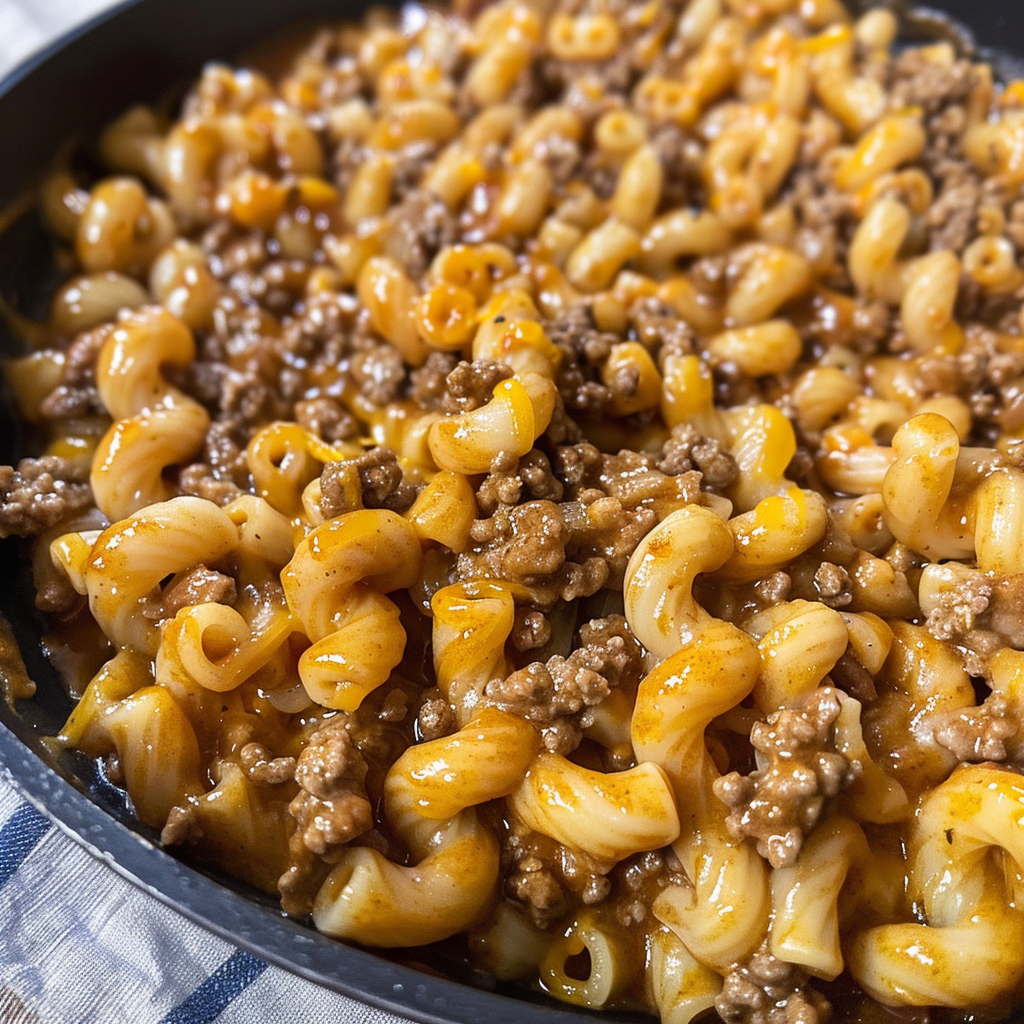
Introduction & The “Why” Behind Homemade
The Ultimate Guide to Homemade Hamburger Helper: Ditch the Box for Good!
Ah, Hamburger Helper—the iconic blue box that has saved countless weeknights since the 1970s. It’s a taste that whispers of nostalgia, a simple solution for busy families, and a reliable, cheesy, beefy comfort food that everyone devours. But what if you could capture that same beloved flavor, that same one-pan ease, while knowing exactly what’s going into your dinner? Believe it or not, you can create something far superior in your own kitchen, and it’s almost as effortless!
This guide is your passport to a new world of homemade hamburger helper. We’re talking about ditching the mysterious powder packets and preservatives for real, wholesome ingredients you can pronounce. Ultimately, we’ll craft a dish that’s not only tastier and healthier but also endlessly customizable to fit your family’s cravings. So, let’s dive in and discover why making the switch from the boxed version to your own homemade hamburger helper recipe is a total game-changer for dinnertime.
Remembering an American Pantry Staple
For decades, that familiar box has been a pantry superhero. Its promise was undeniable: a quick, affordable, and satisfying meal with minimal fuss. You brown some meat, add water, milk, the pasta, and that enigmatic seasoning packet, and—voilà—dinner is served. It’s a concept that nailed convenience on the head, providing a warm, hearty meal that kids would actually eat without a fight. That specific flavor profile of seasoned beef and creamy cheese sauce is etched into the memory of millions; however, as our understanding of nutrition and ingredients has evolved, many of us have started peeking at the side of that box with a slightly critical eye.
Why Make Hamburger Helper from Scratch?
You might be wondering, “If it ain’t broke, don’t fix it,” right? Well, making your own healthy hamburger helper isn’t about fixing a broken system; it’s about upgrading it to something spectacular. Think of it like trading a reliable old sedan for a sleek new car with all the latest features—it still gets you where you need to go, but the ride is smoother, the experience is more enjoyable, and you have much more control under the hood.
The Power of Control: Health & Ingredients
First and foremost, crafting this one pot hamburger meal yourself puts you firmly in the driver’s seat. Instead of a pre-mixed blend, you control the sodium levels. Shockingly, a single serving of the boxed stuff can contain nearly half the recommended daily sodium intake! By using your own spices, you slash that number dramatically. Furthermore, you eliminate any concerns about preservatives, artificial flavors, or colors. You get to choose lean, quality ground beef (or even a different protein altogether), a robust whole wheat pasta if you prefer, and real, freshly shredded cheese that melts into a silky sauce rather than a chalky, oily mess. It’s a conscious choice for a better homemade hamburger helper.
Unleashing Your Inner Chef: Endless Customization
Secondly, the creative possibilities are utterly limitless. That box will always taste like, well, the box. Your homemade version, on the other hand, is a blank canvas. Craving a little heat? Add a dash of cayenne or some diced green chiles. Want to sneak in some veggies? Toss in a handful of spinach or some sautéed mushrooms. Feel like traveling the world from your kitchen? Transform your skillet into an Italian-style helper with basil and oregano or a taco version with cumin and chili powder. This ability to adapt makes it a quick family dinner you’ll never get bored of.
The Surprising Cost and Time Effectiveness
Finally, let’s bust the myth that from-scratch cooking is always more expensive and time-consuming. When you break down the cost of a box plus the ground beef, making your own copycat hamburger helper with pantry staples is often cheaper per serving. As for time? We’re not talking about a four-hour simmer. This entire *30-minute meal* comes together in one pan in right about the same time it takes to make the boxed version, but the payoff in flavor and health is immeasurable. It’s the ultimate budget-friendly meal that doesn’t sacrifice a thing.
The Core Recipe & Deep Dive
Your New Go-To Homemade Hamburger Helper Recipe
Alright, let’s get down to the good stuff: creating the ultimate homemade cheeseburger macaroni. This recipe is your new foundation, the classic version that will become a weeknight hero. It’s incredibly straightforward, but a few key steps ensure maximum flavor.
What You’ll Need: Equipment & Ingredients
Gathering your tools is the first step to one-pot success! You’ll need a large, deep skillet or a Dutch oven with a tight-fitting lid. A wooden spoon for stirring and your basic measuring cups and spoons round out the gear.
Now, for the cast of characters that creates the magic:
-
1 lb lean ground beef (85/15 or 90/10 is ideal)
-
1 medium yellow onion, finely diced
-
2 cloves garlic, minced
-
2 cups low-sodium beef broth
-
1 ½ cups milk (2% or whole works best)
-
2 cups elbow macaroni (or other small pasta)
-
2 cups shredded sharp cheddar cheese
-
1 tbsp tomato paste
-
2 tsp paprika
-
1 tsp onion powder
-
1 tsp garlic powder
-
½ tsp dried oregano
-
Salt and black pepper to taste
Step-by-Step Cooking Instructions
Step 1: Browning the Beef to Perfection
Place your skillet over medium-high heat and add the ground beef. Using your wooden spoon, break it up into small crumbles as it cooks. Don’t just gray the meat—you want to achieve a nice, deep brown sear on those pieces for a foundation of rich flavor. Once fully cooked, carefully drain off any excess grease, leaving about a tablespoon behind for the next step.
Step 2: Building the Flavor Foundation
Reduce the heat to medium. Now, add the diced onion to the beef and cook until it becomes soft and translucent, which should take about 4-5 minutes. Next, stir in the garlic and cook for just one more minute until it’s wonderfully fragrant. This is your chance to bloom the spices! Add the paprika, onion powder, garlic powder, and oregano, stirring constantly for about 30 seconds. You’ll smell the spices waking up! Finally, mix in the tomato paste until everything is well-coated.
Step 3: The Simmering Secret: Cooking the Pasta
Here’s the genius of the one pot hamburger meal. Pour in the beef broth and milk, and give everything a good scrape to get any browned bits off the bottom of the pan. Those bits are flavor gold! Then, increase the heat and bring the liquid to a steady boil. Once boiling, stir in the dry elbow macaroni. Now, reduce the heat to low, cover the skillet with its lid, and let it simmer for about 10-12 minutes. Remember to stir it once or halfway through to prevent the pasta from sticking. The pasta will cook directly in the flavorful liquid, absorbing all that goodness.
Step 4: The Grand Finale: The Cheese Sauce
Once the pasta is al dente and most of the liquid has been absorbed, take the skillet completely off the heat. This part is crucial! Gradually sprinkle in the shredded cheddar cheese while stirring constantly. Adding the cheese off the heat prevents it from becoming grainy or oily. Stir until the cheese is fully melted and has created a luxuriously creamy, cohesive sauce that clings to every piece of pasta and beef. Season with salt and pepper to your liking.
The Homemade Hamburger Helper Seasoning Blend Explained
So, what’s the secret behind that iconic taste? It’s not magic—it’s just a smart blend of pantry staples. Paprika provides a subtle sweetness and that signature color, while garlic and onion powder deliver a potent, savory base note that doesn’t burn like fresh alliums can. A hint of oregano adds a tiny, earthy complexity that rounds everything out. By mixing this yourself, you avoid the anti-caking agents and MSG often found in pre-mixed packets, and you can adjust each element to perfectly suit your palate. It’s the soul of your homemade hamburger helper seasoning.
Mastering the Method: Pro Tips & Customization
Pro Tips for the Best Homemade Hamburger Helper
You’ve got the basic recipe down, but these pro tips will elevate your easy hamburger helper from great to absolutely legendary. They’re simple tweaks that make a world of difference.
Choosing the Right Ground Beef
The fat content of your beef matters. An 80/20 blend will give you more flavor, but you’ll need to drain the excess grease thoroughly after browning. Conversely, a leaner 90/10 or 93/7 blend produces less grease, making it a healthier option, though you might want to add a tiny splash of oil to the pan before browning to prevent sticking. The choice is yours, but remember to always cook ground beef to a safe internal temperature of 160°F (71°C), as per the USDA guidelines for safe ground beef internal temperature.
The Pasta Primer
While elbow macaroni is the classic choice, don’t feel boxed in! Any small pasta shape with a similar cooking time works beautifully. Small shells, cavatappi, rotini, or even penne are fantastic alternatives. Just be mindful that cooking times can vary by a minute or two, so always check the package instructions and taste-test for doneness. Using whole wheat pasta is a brilliant way to add fiber and nutrients; fortunately, it performs excellently in this recipe and boasts numerous health benefits of using whole wheat pasta.
The Art of the Creamy Sauce
The sauce can make or break your dish. For the creamiest, smoothest results, always shred your own cheese from a block. Pre-shredded bags contain starches and anti-caking agents that prevent clumping in the bag but also prevent it from melting smoothly into a sauce. Furthermore, always take the skillet off the heat before adding your cheese. Adding dairy to a raging-hot pan is a one-way ticket to a curdled, broken sauce. Stir gradually, and you’ll be rewarded with velvety perfection.
Beyond the Basic: Endless Variations & Flavor Twists
This is where the real fun begins. Your homemade hamburger helper recipe is now a platform for culinary creativity. Here are some wildly popular variations to try.
Global Inspirations: Taco & Italian Styles
-
Taco Helper: Replace the seasoning blend with 2 tbsp of your favorite taco seasoning. Along with the beef broth, add a 10-oz can of diced tomatoes with green chiles (like Rotel). Stir in a cup of frozen corn and a can of black beans (rinsed) when you add the pasta. Top with fresh cilantro and a dollop of sour cream after cooking.
-
Italian-Style Helper: Swap the paprika and oregano for 2 tsp of Italian seasoning. Add a ½ cup of grated Parmesan cheese along with the cheddar. Stir in a cup of fresh spinach during the last 2 minutes of cooking, letting it wilt into the sauce.
Boosting Nutrition: The Veggie Power-Up
Sneaking vegetables into this kid-friendly dinner is surprisingly easy. Try adding finely chopped mushrooms or bell peppers when you sauté the onion. Alternatively, stir in a cup of frozen peas or chopped fresh spinach right at the end of the cooking process. The residual heat will cook them perfectly without making them mushy.
Protein Swaps: Beyond Ground Beef
Ground beef is classic, but it’s not your only option. Ground turkey or chicken are fantastic lean alternatives; just note they are leaner, so you may need a touch of oil for browning. For a plant-based twist, use your favorite brand of plant-based ground crumble. Since they are typically pre-cooked, you would simply add them when you would add the cheese to heat through.
Dietary Adaptations: Gluten-Free & Dairy-Free
This dish is wonderfully adaptable.
-
Gluten-Free: Use your favorite gluten-free elbow macaroni or small shell pasta. Ensure your beef broth and spices are certified gluten-free.
-
Dairy-Free: For the cheese sauce, use a unsweetened, unflavored plant-based milk (like oat or almond) and a brand of dairy-free cheddar shreds that melts well. Nutritional yeast can also be added for a cheesy flavor boost.
Serving, Storing, and FAQs
Serving, Storing, and Making It Ahead
What to Serve with Hamburger Helper
While this ground beef pasta skillet is a complete meal all on its own, a simple side can round it out perfectly. A crisp, green salad with a tangy vinaigrette cuts through the richness beautifully. Likewise, some steamed green beans, roasted broccoli, or a simple fruit salad are all excellent choices. And let’s be honest—no one would say no to a warm, buttery piece of garlic bread on the side!
Storing and Reheating Like a Pro
-
Storing: Let your homemade helper cool completely before transferring it to an airtight container. It will keep in the refrigerator for 3-4 days.
-
Freezing: This dish freezes remarkably well! Portion it into freezer-safe containers or bags for up to 3 months. Thaw overnight in the fridge before reheating.
-
Reheating: The best way to reheat is on the stovetop over low heat. Add a small splash of milk or beef broth to loosen the sauce up again as it reheats. You can also use the microwave, stirring every 60 seconds and adding liquid as needed.
Homemade Hamburger Helper FAQs
What’s the difference between Homemade Hamburger Helper and the boxed version?
The difference is night and day! The homemade version gives you complete control over ingredients, resulting in a fresher, more robust flavor and a far healthier nutritional profile. You use real spices, control the sodium, avoid preservatives and artificial ingredients, and enjoy pasta that’s cooked to a perfect al dente texture instead of being overcooked and mushy.
Can I make Homemade Hamburger Helper ahead of time?
Absolutely! It’s a fantastic make-ahead meal. Simply follow the instructions to cook it, let it cool completely, and store it in the fridge. When you’re ready to eat, reheat it on the stove with a little extra liquid. The flavors often meld and become even more delicious the next day.
My sauce is too thin. How can I thicken it?
No problem! If your sauce is runny, you have a couple of easy fixes. First, let it sit off the heat with the lid off for 5-10 minutes; the pasta will continue to absorb liquid. If it’s still too thin, create a quick slurry by mixing one tablespoon of cornstarch with two tablespoons of cold water. Stir this into the skillet and simmer for 1-2 minutes until thickened.
Can I use a different type of pasta?
You sure can! Any short pasta with a similar cooking time (around 10 minutes) will work great. Small shells, rotini, cavatappi, or even farfalle are all fun choices. Just be sure to check the package’s recommended cooking time and adjust your simmering time accordingly.
Is Homemade Hamburger Helper healthier?
Without a doubt, yes. By making it yourself, you significantly reduce the sodium, eliminate processed ingredients and MSG, and can incorporate leaner proteins, whole grains, and vegetables. It’s a wholesome, balanced, and healthy hamburger helper you can feel good about serving.
Conclusion
Conclusion: Your New Family Favorite Awaits
Well, there you have it—your comprehensive guide to ditching the box for good and embracing the delicious, empowering world of homemade hamburger helper. This isn’t just a recipe; it’s a new way to think about weeknight cooking. It proves that with a few simple ingredients and one pan, you can create a meal that is simultaneously comforting, healthy, customizable, and incredibly satisfying.
You’ve learned the core technique, unlocked the secrets to the perfect creamy sauce, and discovered a world of flavor variations. You’re equipped to tackle dietary needs, stretch your grocery budget, and put a wholesome, delicious dinner on the table in under 30 minutes. So, what are you waiting for? Grab your skillet, round up those simple ingredients, and get ready to create a new classic that your family will request again and again. Your journey to a better homemade hamburger helper starts tonight
Print
Homemade Hamburger Helper
Description
🍲 Homemade Hamburger Helper
Ingredients (4 servings):
-
1 lb ground beef (or ground turkey/chicken)
-
1 small onion, finely chopped
-
2 cloves garlic, minced
-
2 cups beef broth
-
1 cup milk
-
1 (14.5 oz) can diced tomatoes (or 1 ½ cups tomato sauce for smoother texture)
-
2 cups uncooked elbow macaroni (or any short pasta)
-
1 tsp smoked paprika
-
1 tsp chili powder
-
1 tsp Italian seasoning
-
½ tsp garlic powder
-
½ tsp onion powder
-
Salt and black pepper, to taste
-
2 cups shredded cheddar cheese (or cheddar-jack blend)
-
Optional garnish: chopped parsley or green onions
Instructions:
-
In a large skillet or Dutch oven, cook ground beef and onion over medium heat until browned. Drain excess fat if needed.
-
Stir in garlic and cook for 1 minute until fragrant.
-
Add paprika, chili powder, Italian seasoning, garlic powder, onion powder, salt, and pepper. Stir to coat the beef.
-
Pour in beef broth, milk, and diced tomatoes (or tomato sauce). Stir well.
-
Add the uncooked pasta, bring mixture to a boil, then reduce to a simmer. Cover and cook 12–15 minutes, stirring occasionally, until pasta is tender.
-
Remove from heat and stir in shredded cheese until melted and creamy.
-
Garnish with parsley or green onions, and serve warm.