
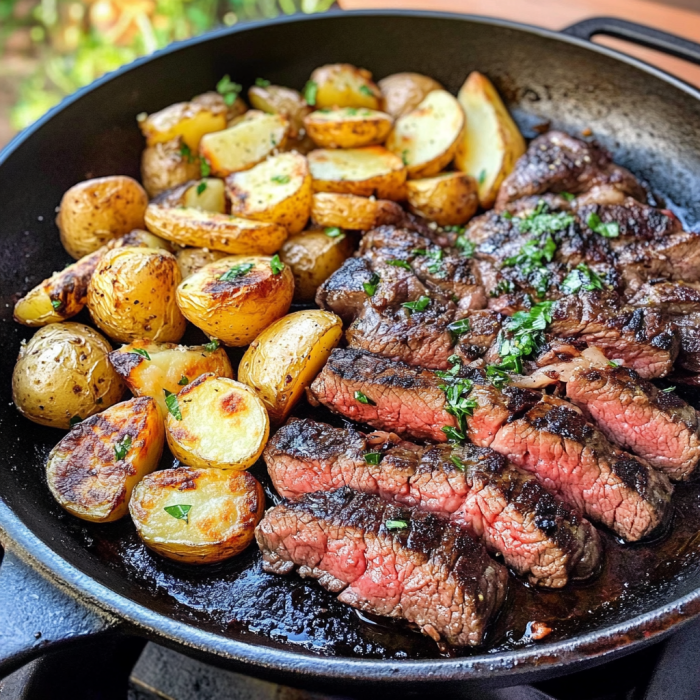
The Ultimate Grilled Steak with Skillet Potatoes Recipe: A Complete Guide to Perfect Steak and Potato Perfection
Grilled steak with skillet potatoes represents the pinnacle of comfort food excellence, combining perfectly seasoned, flame-kissed beef with golden, crispy potatoes cooked to perfection. This comprehensive guide will teach you everything you need to know about creating this restaurant-quality meal in your own backyard, ensuring every bite delivers maximum flavor and satisfaction.
Why Grilled Steak with Skillet Potatoes is the Ultimate Comfort Food
The combination of grilled steak and skillet potatoes has earned its place as a beloved classic for compelling reasons. This hearty meal offers the perfect balance of protein and carbohydrates, while the contrasting textures—tender, juicy steak alongside crispy, golden potatoes—create a dining experience that satisfies on every level.
The beauty of this dish lies in its versatility and accessibility. Whether you’re cooking for a special occasion or preparing a weeknight dinner, grilled steak with skillet potatoes can be adapted to suit any skill level or budget. The recipe works equally well with premium cuts like ribeye or more affordable options like hanger steak, making it an excellent choice for any home cook.
The Perfect Marriage of Flavors
When properly executed, this dish creates a harmonious blend of flavors that complement each other beautifully. The smoky char from grilling adds depth to the steak, while the skillet potatoes develop a golden crust that provides textural contrast. Fresh herbs like rosemary and thyme tie everything together, creating an aromatic experience that begins before the first bite.
Essential Ingredients for Grilled Steak with Skillet Potatoes
For the Steak
The foundation of any great steak dish begins with selecting the right cut. Hanger steak works exceptionally well for this recipe due to its robust flavor and relatively affordable price point. However, you can successfully substitute with:
-
New York strip steaks for a more premium option
-
Ribeye steaks for maximum marbling and tenderness
-
Flank steak for a leaner choice that works well when sliced against the grain
Essential steak seasonings include:
-
1 tablespoon kosher salt
-
1 tablespoon freshly ground black pepper
-
1 tablespoon garlic powder
-
Canola oil for coating
For the Skillet Potatoes
The key to perfect skillet potatoes lies in choosing the right variety and preparing them properly. Yukon Gold potatoesare ideal due to their creamy texture and ability to develop a beautiful golden crust. For a 2-pound serving, you’ll need:
-
2 pounds Yukon Gold or baby potatoes, cut into uniform pieces
-
1 cup diced white onions
-
3 tablespoons unsalted butter
-
2 tablespoons minced fresh garlic
-
1 tablespoon chopped fresh rosemary
-
1/2 tablespoon kosher salt
-
1 teaspoon black pepper
-
1 teaspoon garlic powder
-
Canola oil for cooking
Flavor Enhancers and Finishing Touches
To elevate your grilled steak with skillet potatoes, consider incorporating these flavor-boosting ingredients:
-
Fresh herbs: Thyme, parsley, and rosemary add aromatic complexity
-
Compound butter: A mixture of butter, garlic, and herbs creates a luxurious finish
-
Baking soda: Adding a small amount to the potato boiling water helps create crispier exteriors
Step-by-Step Cooking Instructions
Preparing the Skillet Potatoes
The secret to achieving restaurant-quality skillet potatoes lies in the two-stage cooking process: parboiling followed by skillet crisping.
Step 1: Parboiling for Perfect Texture
Begin by preheating your fire to medium-high heat (approximately 400°F). Fill a large Dutch oven with 4 cups of water and bring to a rolling boil. Add 1 tablespoon of baking soda to the boiling water—this crucial step helps break down the potato surfaces, creating better crisping potential.
Add your cut potatoes to the boiling water and cook for 10-15 minutes until they’re fork-tender but still offer slight resistance. This partial cooking ensures the potatoes will be creamy inside while developing a perfect crust during the skillet phase.
Step 2: Creating the Perfect Crust
After draining and cooling the potatoes for 5 minutes, heat your cast iron skillet over the fire and add a generous amount of canola oil. The key to success is ensuring your skillet is properly preheated—the oil should shimmer and move freely across the surface.
Add the potatoes in a single layer, avoiding overcrowding. Cook undisturbed for 8-10 minutes, allowing the bottom surfaces to develop a golden-brown crust. This patience is crucial—resist the urge to move them too early.
Step 3: Building Flavor Layers
Once the potatoes achieve their first golden crust, add the diced onions and minced garlic. Continue cooking for 3-4 minutes until the onions soften and the garlic becomes fragrant and golden brown.
Finish by adding butter, fresh rosemary, salt, pepper, and garlic powder. Toss everything together for the final 2 minutes, then remove from heat and keep warm while preparing the steak.
Grilling the Perfect Steak
Step 1: Seasoning and Preparation
Remove your steaks from refrigeration 30 minutes before cooking to allow them to reach room temperature. This ensures even cooking throughout. Coat each steak generously with canola oil, then season liberally with salt, pepper, and garlic powder.
Step 2: Achieving the Perfect Sear
Preheat your grill to high heat (around 400°F) for direct cooking. The key to a perfect steak is high heat and proper timing. Place the seasoned steaks on the hottest part of the grill.
For a 1-inch thick hanger steak, cook for 4-5 minutes per side to achieve a medium-rare internal temperature of 120°F. Adjust timing based on thickness and desired doneness.
Step 3: The Crucial Rest Period
Once your steaks reach the target internal temperature, remove them from the grill and let them rest for 10 minutes. This resting period allows the juices to redistribute throughout the meat, ensuring maximum tenderness and flavor.
Pro Tips for Restaurant-Quality Results
Steak Cooking Mastery
Temperature control is crucial for perfect steak results. Invest in a reliable instant-read thermometer and follow these internal temperature guidelines:
-
Rare: 115-120°F
-
Medium-rare: 120-125°F
-
Medium: 125-135°F
-
Medium-well: 135-145°
Slicing technique matters significantly, especially for cuts like hanger or flank steak. Always slice against the grain to break up tough muscle fibers and ensure maximum tenderness.
Skillet Potato Perfection
The type of skillet you use dramatically impacts results. Cast iron skillets retain and distribute heat evenly, creating the ideal environment for developing that coveted golden crust.
Oil temperature is critical—if the oil isn’t hot enough, potatoes will absorb excess oil and become greasy rather than crispy. The oil should shimmer and move freely when the pan is tilted.dlish
Timing and Coordination
Meal timing requires careful coordination to ensure both components finish simultaneously. Start the potatoes first, as they require more total cooking time. Begin grilling the steaks when the potatoes enter their final crisping phase.
Delicious Variations and Customizations
Steak Cut Alternatives
While hanger steak provides excellent value and flavor, you can customize this recipe with various cuts:
New York Strip: Offers a more premium eating experience with excellent marbling and tenderness. Cook for 3-4 minutes per side for medium-rare.
Ribeye: The ultimate choice for steak lovers, with superior marbling and rich flavor. Due to higher fat content, watch for flare-ups during grilling.
Flank Steak: A leaner, more affordable option that works beautifully when marinated beforehand and sliced thin against the grain.
Potato Variations
Baby Potatoes: Using small, whole baby potatoes creates an elegant presentation and ensures even cooking throughout.
Fingerling Potatoes: These elongated varieties offer unique flavors and attractive visual appeal when halved lengthwise.
Sweet Potatoes: For a nutritional upgrade, substitute regular potatoes with sweet potatoes, adjusting cooking times as needed.
Seasoning and Flavor Profiles
Mediterranean Style: Incorporate oregano, fresh basil, and a squeeze of lemon juice for a bright, herbaceous twist.
Southwestern Approach: Add chili powder, cumin, and paprika to both steak and potatoes, finishing with fresh cilantro.
Classic Steakhouse: Focus on simple salt, pepper, and garlic, finishing with a compound butter containing fresh herbs.
Expert Storage and Reheating Guidelines
Proper Storage Techniques
Refrigerator storage for leftover grilled steak with skillet potatoes requires careful attention to maintain quality. Store steak and potatoes separately in airtight containers for up to 3-4 days.
Freezer storage works best for the steak component only. Slice the steak before freezing to facilitate easier reheating. Properly wrapped steak can maintain quality for up to 3 months.
Reheating for Best Results
Steak reheating requires gentle heat to prevent overcooking. The best method involves bringing the steak to room temperature, then warming in a 250°F oven until heated through.
Potato reheating works best in a hot skillet with a small amount of oil to restore crispiness. Avoid microwaving, which creates soggy textures.+1Perfect Serving Suggestions and Pairings
Complementary Side Dishes
While the steak and potatoes provide a complete meal, certain additions can elevate the dining experience:
Green Vegetables: Asparagus, green beans, or Brussels sprouts add color, nutrition, and textural contrast.
Fresh Salads: A simple arugula or mixed green salad with vinaigrette provides acidity to balance the rich flavors.
Grilled Vegetables: Bell peppers, zucchini, or onions cooked alongside the steak add variety and utilize grill space efficiently.
Sauce and Condiment Options
Chimichurri: This Argentine herb sauce made with parsley, cilantro, garlic, and vinegar provides bright acidity.
Garlic Butter: A compound butter with roasted garlic and fresh herbs melts beautifully over hot steak.
Chipotle Steak Sauce: Combining ketchup, soy sauce, Worcestershire, and chipotle purée creates a smoky, complex condiment.
Wine and Beverage Pairings
Red Wine: Full-bodied reds like Cabernet Sauvignon or Malbec complement the rich, grilled flavors perfectly.
Beer: Robust porters or IPAs provide hoppy bitterness that cuts through the richness of the dish.
Non-Alcoholic Options: Sparkling water with citrus or unsweetened iced tea offer refreshing contrasts.
Nutritional Benefits and Considerations
Protein Powerhouse
High-quality protein from grass-fed beef provides all essential amino acids necessary for muscle maintenance and growth. A typical 6-ounce serving delivers approximately 40-50 grams of complete protein.keepingitrelle
Iron content in red meat supports oxygen transport and energy metabolism, making this dish particularly beneficial for active individuals.
Potato Nutrition
Complex carbohydrates from potatoes provide sustained energy release, making this combination ideal for post-workout meals or active days.
Potassium and vitamin C in potatoes support heart health and immune function, while the skin provides additional fiber and nutrients.
Healthy Cooking Methods
Grilling allows excess fats to drip away while imparting smoky flavors without added calories.
Minimal oil use in the skillet preparation keeps the overall dish reasonably moderate in added fats.
Troubleshooting Common Issues
Steak Problems and Solutions
Overcooked steak often results from insufficient preheating or cooking over too-low heat. Ensure your grill reaches proper temperature before adding meat.
Uneven cooking typically occurs when steaks are too cold when they hit the grill. Always allow meat to reach room temperature before cooking.
Lack of crust usually indicates insufficient oil or inadequate surface temperature. Both the meat and cooking surface should be properly prepared.
Potato Challenges
Soggy potatoes result from insufficient oil temperature or overcrowding the skillet. Cook in batches if necessary to maintain proper spacing.
Burnt exteriors with raw interiors indicate the parboiling step was skipped or insufficient. Proper parboiling ensures even cooking throughout.
Falling apart potatoes suggest overcooking during the parboiling phase. Remove them when fork-tender but still holding their shape.
Frequently Asked Questions
Can I prepare components ahead of time?
Advance preparation works well for both components. Parboil potatoes up to 24 hours ahead and refrigerate. Season steaks up to 4 hours in advance for maximum flavor penetration.
What if I don’t have a grill?
Indoor alternatives work excellently. Use a cast iron skillet or grill pan over high heat to achieve similar results. Ensure proper ventilation when cooking indoors.
How do I know when my steak is done?
Temperature testing provides the most reliable doneness indicator. Insert an instant-read thermometer into the thickest part of the steak, avoiding bone or fat.
Can I use different potato varieties?
Russet potatoes work but require more careful handling due to their higher starch content. Red potatoes offer a waxy texture that holds up well to the cooking process.delish+1
Seasonal Adaptations and Year-Round Enjoyment
Summer Grilling Season
Peak grilling months offer the perfect opportunity to master this dish outdoors. Take advantage of longer daylight hours and warm weather to perfect your technique.
Fresh herb gardens provide optimal flavor during summer months. Use freshly picked rosemary, thyme, and parsley for maximum aromatic impact.
Cold Weather Adaptations
Indoor cooking methods ensure you can enjoy this comfort food regardless of weather. A well-ventilated kitchen and cast iron skillet produce excellent results.
Heartier portions during colder months provide necessary calories and satisfaction for increased energy needs.
Advanced Techniques for Culinary Excellence
Fire Management for Optimal Results
Two-zone cooking creates versatility on your grill. Maintain one area at high heat for searing while keeping a cooler zone for finishing thicker cuts.
Wood selection can enhance flavor profiles. Hickory provides robust smokiness, while fruitwoods like apple offer subtle sweetness.
Professional-Level Seasoning
Salt timing significantly impacts flavor development. For maximum penetration, season steaks 40 minutes to 24 hours before cooking.
Layered seasoning involves applying different spice combinations at various cooking stages for complex flavor development.
This comprehensive guide to grilled steak with skillet potatoes provides everything needed to create restaurant-quality results at home. By following these detailed instructions, understanding the science behind each technique, and practicing proper timing, you’ll master one of the most satisfying and delicious comfort food combinations available. Whether preparing for a special occasion or elevating a weeknight dinner, this recipe delivers consistent, impressive results that will satisfy even the most discerning palates.
The combination of perfectly grilled steak and golden, crispy skillet potatoes represents more than just a meal—it’s a celebration of fundamental cooking techniques that, when properly executed, create culinary magic. With practice and attention to detail, this dish will become a signature recipe in your cooking repertoire, providing countless memorable dining experiences for family and friends.
Grilled Steak with Skillet Potatoes
Description
Ingredients
-
2 ribeye, strip, or hanger steaks (about 10–12 oz each), 1–1.5 inches thick
-
2 tablespoons olive or canola oil, divided
-
1 teaspoon kosher salt, plus more to taste
-
1/2 teaspoon black pepper
-
1 teaspoon garlic powder
-
2 pounds baby Yukon Gold or red potatoes, halved
-
1 small onion, diced
-
3 cloves garlic, minced
-
2–3 tablespoons unsalted butter
-
1 teaspoon fresh rosemary or thyme, chopped (or 1/2 teaspoon dried)
-
Optional finish: chopped parsley and a squeeze of lemon
Instructions
-
Preheat grill and prep steaks
-
Preheat grill to medium-high (about 450–500°F/230–260°C). Pat steaks dry and rub with 1 tablespoon oil, salt, pepper, and garlic powder. Let sit at room temp while potatoes cook.
-
Start skillet potatoes
-
Place a cast-iron skillet over medium heat on the stovetop or grill grates. Add 1 tablespoon oil and the halved potatoes cut-side down with a pinch of salt. Cook undisturbed 6–8 minutes until deeply golden on the cut sides.
-
Aromatics and butter
-
Add onion and cook 3–4 minutes until softened. Stir in garlic; cook 30 seconds. Add butter and herbs; toss to coat. Continue cooking, stirring occasionally, 5–8 minutes until potatoes are tender. Keep warm off heat.
-
Grill steaks
-
Grill steaks 3–5 minutes per side for medium-rare, adjusting for thickness, until internal temp reaches 125°F/52°C before resting. For medium, pull at 130–135°F/54–57°C. Rest 5–10 minutes.
-
Serve
-
Slice steaks against the grain. Taste potatoes and adjust salt. Serve steaks with skillet potatoes, parsley, and a squeeze of lemon if desired.