
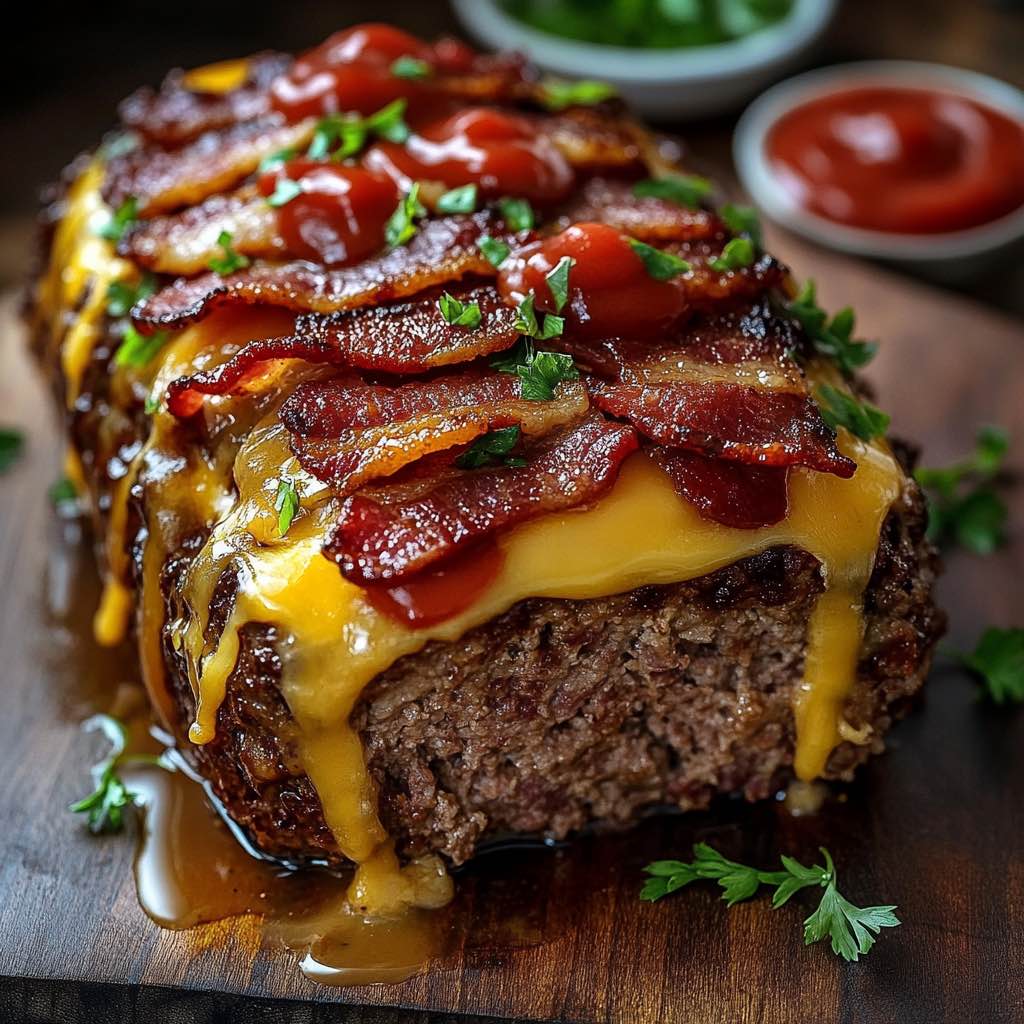
The Ultimate Bacon Cheeseburger Meatloaf Recipe: A Comfort Food Classic
Bacon cheeseburger meatloaf combines the beloved flavors of America’s favorite burger with the hearty comfort of traditional meatloaf. This innovative twist on classic meatloaf delivers all the satisfying tastes of a bacon cheeseburger in a family-friendly format that’s perfect for weeknight dinners or special occasions.
What Makes Bacon Cheeseburger Meatloaf Special
Traditional meatloaf has been a staple of American cuisine for generations, but bacon cheeseburger meatloaf elevates this humble dish to new heights. By incorporating the iconic flavors of crispy bacon, melted cheese, and classic burger seasonings, this recipe transforms ordinary ground beef into an extraordinary meal that appeals to both children and adults.
The genius of this dish lies in its ability to capture the essence of a bacon cheeseburger while maintaining the comforting, slice-and-serve convenience of meatloaf. Unlike individual burgers that require separate preparation and cooking, bacon cheeseburger meatloaf allows you to feed a crowd with minimal effort while delivering maximum flavor.
The combination of ground beef, bacon pieces, and cheese creates a rich, savory profile that’s enhanced by traditional burger condiments and seasonings. The result is a moist, flavorful meatloaf that tastes remarkably similar to your favorite bacon cheeseburger but in a more substantial, satisfying form.
Essential Ingredients for Perfect Results
The Meat Base
The foundation of exceptional bacon cheeseburger meatloaf starts with selecting the right ground beef. Choose ground beef with an 80/20 fat ratio for optimal flavor and moisture. This fat content ensures the meatloaf remains juicy throughout the cooking process while providing enough structure to hold its shape when sliced.
Ground chuck works particularly well for this recipe because it offers excellent flavor and texture. Avoid lean ground beef, as it tends to produce dry, crumbly meatloaf that lacks the rich taste and moist texture you want in this comfort food classic.
Bacon Selection and Preparation
Quality bacon makes a significant difference in the final result. Choose thick-cut bacon for the best flavor and texture contrast. The bacon should be cooked until crispy before incorporating it into the meatloaf mixture, as this prevents excess grease from making the meatloaf soggy while ensuring the bacon maintains its distinctive crunch.
Cook the bacon in a large skillet over medium heat until it reaches your desired level of crispness. Remove it from the pan and drain on paper towels before chopping it into small pieces. Reserve some of the bacon fat if desired, as it can add extra flavor to the meatloaf mixture.
Cheese Considerations
The cheese component is crucial for achieving authentic bacon cheeseburger flavor. Sharp cheddar cheese works exceptionally well because its bold flavor complements the bacon and beef while maintaining good melting properties. You can use either pre-shredded cheese or freshly grated cheese, though freshly grated often melts more smoothly.
Consider using a combination of cheeses for added complexity. A mixture of sharp cheddar and mild cheddar creates depth of flavor, while adding a small amount of American cheese can improve the melting characteristics and create that classic cheeseburger taste.
Binding and Moisture Ingredients
Proper binding ingredients ensure your meatloaf holds together while maintaining moisture. Fresh breadcrumbs work better than dried breadcrumbs because they absorb moisture more effectively and create a tender texture. Make fresh breadcrumbs by pulsing day-old bread in a food processor until fine crumbs form.
Eggs serve as the primary binding agent, while milk or cream adds moisture and richness. Some recipes benefit from adding a small amount of mayonnaise, which contributes to both moisture and flavor while helping to bind the ingredients together.
Step-by-Step Preparation Instructions
Preparing the Ingredients
Begin by preheating your oven to 350°F (175°C). This moderate temperature allows the meatloaf to cook evenly throughout without drying out the exterior before the interior reaches the proper temperature.
Cook six to eight strips of thick-cut bacon in a large skillet over medium heat until crispy. This typically takes 8-10 minutes, turning occasionally to ensure even browning. Once cooked, transfer the bacon to paper towels to drain and cool. When cool enough to handle, chop the bacon into small, uniform pieces.
Prepare your fresh breadcrumbs by processing 2-3 slices of day-old bread in a food processor until fine crumbs form. You’ll need approximately 1 cup of fresh breadcrumbs for this recipe.
Dice one medium onion finely, as large pieces can prevent the meatloaf from holding together properly. Some recipes benefit from sautéing the onion until translucent before adding it to the mixture, which mellows the flavor and improves the texture.
Mixing the Meatloaf
In a large mixing bowl, combine two pounds of ground beef with the prepared ingredients. Add the chopped bacon, 1½ cups of shredded sharp cheddar cheese, fresh breadcrumbs, diced onion, two beaten eggs, and ¼ cup of milk.
Season the mixture with one teaspoon each of salt, garlic powder, and onion powder, plus ½ teaspoon of black pepper. Add two tablespoons of ketchup and one tablespoon of Worcestershire sauce to enhance the burger flavor profile.
Mix the ingredients gently but thoroughly using your hands or a large spoon. Avoid overmixing, which can result in dense, tough meatloaf. The mixture should be just combined, with all ingredients evenly distributed throughout the beef.
Shaping and Glazing
Transfer the meatloaf mixture to a greased 9×5-inch loaf pan, or shape it into a free-form loaf on a lined baking sheet. If using a loaf pan, gently press the mixture into the pan without compacting it too firmly. For a free-form loaf, shape the mixture into an oval approximately 9 inches long and 5 inches wide.
Create a simple glaze by combining ¼ cup of ketchup with 2 tablespoons of brown sugar and 1 tablespoon of mustard. This sweet and tangy glaze complements the bacon cheeseburger flavors while creating an attractive, caramelized exterior.
Brush the glaze evenly over the top and sides of the shaped meatloaf. Reserve any remaining glaze for basting during cooking or serving alongside the finished dish.
Cooking Techniques for Optimal Results
Temperature and Timing
Bake the bacon cheeseburger meatloaf at 350°F for 55-65 minutes, or until the internal temperature reaches 160°F (71°C) when measured with a meat thermometer. The exact cooking time depends on the size and shape of your meatloaf, so use a thermometer rather than relying solely on time for accuracy.
If the top begins to brown too quickly before the interior reaches the proper temperature, tent the meatloaf loosely with aluminum foil. This prevents over-browning while allowing the interior to continue cooking.
For free-form meatloaves, check the temperature in the thickest part of the loaf. If using a loaf pan, insert the thermometer into the center of the meatloaf, being careful not to touch the bottom of the pan, which could give an inaccurate reading.
Resting and Serving
Allow the cooked meatloaf to rest for 10-15 minutes before slicing. This resting period allows the juices to redistribute throughout the meat, preventing them from running out when you cut into the loaf. The result is moister, more cohesive slices that maintain their shape better.
If you used a loaf pan, run a knife around the edges to loosen the meatloaf before turning it out onto a serving platter. For free-form loaves, use two large spatulas to carefully transfer the meatloaf to your serving dish.
Slice the meatloaf using a sharp knife in smooth, decisive cuts. Clean the blade between cuts to ensure neat, attractive slices. Each slice should hold together well and display the bacon and cheese pieces throughout the meat.
Flavor Variations and Customizations
Cheese Alternatives
While sharp cheddar provides the classic bacon cheeseburger taste, experimenting with different cheeses can create unique flavor profiles. Swiss cheese adds a nutty complexity that pairs beautifully with bacon, while pepper jack cheese introduces a subtle heat that complements the rich meat mixture.
For an indulgent twist, try incorporating cream cheese into the mixture. Mix 4 ounces of softened cream cheese with the other ingredients to create an extra-rich, creamy texture that melts beautifully during cooking.
Blue cheese crumbles add bold, tangy flavor that bacon lovers particularly enjoy. Use blue cheese sparingly, as its strong flavor can quickly overwhelm the other ingredients. Start with ½ cup of crumbles and adjust according to your taste preferences.
Seasoning Enhancements
Enhance the burger flavor profile by adding classic burger seasonings. Smoked paprika contributes depth and a subtle smokiness that complements the bacon. Add one teaspoon to the meat mixture for noticeable flavor enhancement.
Fresh herbs can elevate the dish significantly. Chopped fresh parsley adds color and brightness, while fresh thyme or oregano contributes earthy notes that balance the richness of the bacon and cheese.
For those who enjoy heat, incorporate finely diced jalapeños or a dash of hot sauce into the mixture. Remove the seeds from jalapeños to control the heat level, and start with small amounts until you achieve your desired spice level.
Bacon Variations
While traditional strips work well, consider using different bacon preparations for varied textures and flavors. Canadian bacon, diced small, provides a leaner option with a slightly different flavor profile. Pancetta adds an Italian twist with its distinctive seasoning and texture.
For extra indulgence, wrap the entire meatloaf in bacon strips before baking. This creates a bacon crust that becomes crispy during cooking while keeping the interior moist. Arrange the strips in overlapping rows to completely cover the meatloaf surface.
Turkey bacon offers a lighter alternative for those watching their fat intake, though it won’t provide the same rich flavor as traditional pork bacon. Cook turkey bacon until very crispy to maximize its contribution to the dish’s texture.
Nutritional Considerations and Healthier Options
Understanding the Nutritional Profile
Bacon cheeseburger meatloaf is undeniably rich, providing substantial protein along with significant amounts of fat and calories. A typical serving contains approximately 350-400 calories, with about 25 grams of protein and 20-25 grams of fat. The exact nutritional content varies based on ingredient choices and portion sizes.
The high protein content makes this dish satisfying and helps maintain stable blood sugar levels. However, the saturated fat content from the beef, bacon, and cheese means this should be enjoyed as an occasional treat rather than a regular meal for those watching their cardiovascular health.
Lighter Variations
Create a lighter version by substituting ground turkey or a mixture of ground turkey and lean ground beef for some of the regular ground beef. This modification can reduce the fat content by 20-30% while maintaining good flavor and texture.
Turkey bacon or center-cut bacon reduces the fat content compared to regular bacon while still providing the essential bacon flavor. Cook these leaner options until very crispy to maximize their textural contribution to the dish.
Reduce the cheese content slightly and choose lower-fat varieties when possible. Part-skim mozzarella or reduced-fat cheddar can work, though they may not melt as smoothly as full-fat versions.
Vegetable Additions
Incorporate finely diced vegetables to add nutrition and moisture while reducing the overall calorie density. Finely chopped mushrooms, bell peppers, or zucchini work well and complement the bacon cheeseburger flavors.
Grate vegetables like carrots or zucchini very finely and squeeze out excess moisture before adding them to the mixture. This technique adds nutrition and fiber while maintaining the meatloaf’s structure and preventing excess moisture from affecting the texture.
Consider adding a small amount of spinach, finely chopped, for extra nutrition. Frozen spinach works well if thawed and squeezed completely dry before incorporating into the meat mixture.
Perfect Side Dishes and Accompaniments
Classic Pairings
Bacon cheeseburger meatloaf pairs naturally with traditional comfort food sides. Mashed potatoes create the perfect creamy counterpoint to the rich, savory meatloaf. Prepare them with butter and cream for indulgent comfort, or use low-fat milk and roasted garlic for a lighter version.
French fries make an obvious pairing that completes the burger experience. Oven-baked sweet potato fries offer a healthier alternative with complementary flavors. Season them with paprika and garlic powder for extra flavor that harmonizes with the meatloaf.
Coleslaw provides a fresh, crunchy contrast to the rich meatloaf. The acidic dressing cuts through the fat while the cabbage adds textural interest. Classic creamy coleslaw works well, but vinegar-based slaws offer a lighter, more refreshing option.
Vegetable Sides
Roasted vegetables balance the richness of bacon cheeseburger meatloaf beautifully. Brussels sprouts, roasted until crispy and caramelized, provide nutty flavor and interesting texture. Toss them with balsamic vinegar and a touch of honey for added complexity.
Green beans, whether steamed, roasted, or sautéed, offer color and nutrition. Prepare them simply with garlic and almonds, or dress them up with bacon bits that echo the meatloaf’s flavors.
Roasted root vegetables like carrots, parsnips, and potatoes create a hearty, satisfying meal. Cut them into similar-sized pieces and roast with herbs like rosemary and thyme for aromatic appeal.
Sauce Options
While the meatloaf is flavorful on its own, additional sauces can enhance the experience. Classic ketchup remains the most popular choice, especially when mixed with a touch of brown sugar and mustard to create a tangy-sweet glaze.
Barbecue sauce complements the bacon flavors perfectly. Choose a smoky variety for the best flavor match, or make your own by combining ketchup, brown sugar, Worcestershire sauce, and smoked paprika.
Mushroom gravy creates a more sophisticated accompaniment that transforms the dish into an elevated comfort food experience. The earthy mushroom flavors pair beautifully with both the beef and bacon components.
Storage and Reheating Guidelines
Proper Storage Techniques
Store leftover bacon cheeseburger meatloaf in the refrigerator for up to four days. Wrap individual slices or the remaining portion tightly in plastic wrap or aluminum foil, or store in airtight containers to prevent drying out and absorbing other flavors from the refrigerator.
For longer storage, bacon cheeseburger meatloaf freezes well for up to three months. Wrap individual portions in plastic wrap, then aluminum foil, or use freezer-safe containers. Label with the date and contents for easy identification.
Cool the meatloaf completely before storing to prevent condensation that could make it soggy. Slice the meatloaf before freezing if you prefer to thaw individual portions rather than the entire loaf.
Reheating Methods
Reheat refrigerated meatloaf slices in the microwave for quick meals. Place slices on a microwave-safe plate, cover with a damp paper towel, and heat in 30-second intervals until warmed through. This method prevents the meatloaf from drying out during reheating.
For better texture and flavor, reheat meatloaf slices in a covered skillet over medium-low heat. Add a tablespoon of water or broth to create steam, which helps keep the meat moist while reheating. This method takes slightly longer but produces superior results.
Oven reheating works best for larger portions. Preheat the oven to 350°F, place the meatloaf in a covered baking dish with a tablespoon of water or broth, and heat for 15-20 minutes or until warmed through.
Creative Leftover Uses
Transform leftover meatloaf into new meals to prevent waste and add variety to your weekly menu. Crumble cold meatloaf over salads for a protein-rich lunch option. The bacon and cheese flavors work particularly well with mixed greens and ranch dressing.
Create meatloaf sandwiches using thick slices on toasted bread with lettuce, tomato, and mayonnaise. This essentially recreates a bacon cheeseburger in sandwich form, completing the flavor circle from burger to meatloaf and back to sandwich.
Use crumbled meatloaf as a pizza topping for a unique twist on traditional pizza. The bacon and cheese components work naturally on pizza, while the seasoned ground beef adds heartiness and flavor complexity.
Troubleshooting Common Issues
Preventing Dry Meatloaf
Dry meatloaf often results from using too lean ground beef or overcooking. Always choose ground beef with at least 15-20% fat content for moisture and flavor. If you prefer leaner meat, add extra moisture through ingredients like grated vegetables, additional eggs, or a small amount of mayonnaise.
Avoid overcooking by using a meat thermometer rather than relying solely on cooking times. Remove the meatloaf from the oven as soon as it reaches 160°F internally. Residual heat will continue cooking the meat slightly during the resting period.
Overmixing can also contribute to dry, dense texture. Mix the ingredients just until combined, using a light touch to maintain the meat’s natural texture.
Addressing Texture Problems
If your meatloaf falls apart when sliced, the mixture likely lacked sufficient binding ingredients. Ensure you’re using enough eggs and breadcrumbs for the amount of meat in your recipe. Fresh breadcrumbs work better than dried for binding purposes.
Dense, heavy texture usually results from overpacking the mixture into the pan or overmixing the ingredients. Handle the meat mixture gently and avoid compressing it too firmly when shaping.
Soggy meatloaf can occur if vegetables or other ingredients release too much moisture during cooking. Always drain cooked bacon thoroughly and squeeze excess moisture from any vegetables before adding them to the mixture.
Flavor Balance Solutions
If the bacon flavor seems insufficient, ensure you’re cooking the bacon until crispy before chopping and adding it to the mixture. Under-cooked bacon won’t provide the texture contrast and concentrated flavor needed for this dish.
Bland meatloaf typically needs more seasoning. Taste the raw mixture before cooking (though be aware of food safety concerns with raw meat) or cook a small portion first to test seasoning levels. Don’t forget that the mixture will taste less salty when raw than when cooked.
If the cheese doesn’t provide enough flavor impact, try using sharper varieties or increase the amount slightly. Some cheeses melt completely into the mixture, while others maintain more distinct pockets of flavor.
Advanced Techniques and Professional Tips
Glazing Mastery
Creating the perfect glaze elevates bacon cheeseburger meatloaf from good to exceptional. Apply the initial glaze before cooking, then add additional layers during the last 15-20 minutes of cooking for optimal caramelization and flavor development.
For extra depth, create a compound glaze by combining ketchup, brown sugar, mustard, and Worcestershire sauce. Brush this mixture on the meatloaf, then add another layer 20 minutes before the end of cooking time.
Consider using maple syrup instead of brown sugar for a more complex sweetness that complements both the bacon and beef flavors. The natural maple flavor adds sophistication while maintaining the comfort food appeal.
Temperature Control
Professional chefs often use lower cooking temperatures for more even cooking. Try baking at 325°F instead of 350°F, extending the cooking time by 10-15 minutes. This gentler heat prevents the exterior from overcooking before the interior reaches proper temperature.
Use an instant-read thermometer to check multiple spots in the meatloaf, especially if you’re making a large batch or free-form shape. Temperature can vary significantly within the same loaf, so checking several areas ensures even doneness.
Let the meatloaf rest in the turned-off oven with the door slightly ajar for 5-10 minutes after cooking. This gradual cooling prevents the sudden temperature change that can cause the meatloaf to crack or release juices too quickly.
Presentation Enhancement
For restaurant-quality presentation, unmold the meatloaf onto a serving platter and brush with fresh glaze before serving. Garnish with fresh herbs like chopped parsley or chives for color contrast and fresh flavor.
Create attractive slices by using a sharp, clean knife and wiping it clean between cuts. Slightly cooled meatloaf slices more cleanly than hot meatloaf, so allow adequate resting time before serving.
Consider individual portion sizes by preparing the mixture in muffin tins for perfectly portioned servings. This technique reduces cooking time to 25-30 minutes and creates impressive individual presentations.
Frequently Asked Questions
Can I make bacon cheeseburger meatloaf ahead of time?
Yes, you can prepare bacon cheeseburger meatloaf up to 24 hours in advance. Mix all ingredients, shape the meatloaf, and cover tightly with plastic wrap before refrigerating. Allow an extra 10-15 minutes of cooking time if baking directly from the refrigerator. You can also freeze the uncooked meatloaf for up to three months; thaw completely in the refrigerator before baking.
What’s the best way to tell when the meatloaf is done?
The most reliable method is using an instant-read meat thermometer inserted into the thickest part of the meatloaf. The internal temperature should reach 160°F (71°C) for food safety. Visual cues include the meatloaf pulling slightly away from the sides of the pan and the juices running clear when the loaf is pierced with a knife.
Why does my meatloaf fall apart when I slice it?
Meatloaf that falls apart usually lacks sufficient binding ingredients or hasn’t rested long enough after cooking. Ensure you’re using enough eggs and breadcrumbs for the amount of meat. Always let the cooked meatloaf rest for 10-15 minutes before slicing to allow the proteins to set and the juices to redistribute.
Can I substitute different types of meat?
Yes, you can substitute up to half the ground beef with ground turkey, pork, or veal. Ground turkey creates a lighter version, while ground pork adds extra richness. Avoid using all lean ground turkey, as it will produce dry results. A 50/50 mixture of ground beef and ground pork creates exceptional flavor and texture.
How do I prevent the bacon from making the meatloaf greasy?
Cook the bacon until very crispy and drain it thoroughly on paper towels before chopping and adding to the mixture. Pat the bacon pieces with additional paper towels if necessary to remove excess fat. Avoid adding any of the bacon drippings to the meatloaf mixture unless the recipe specifically calls for it.
Can I make this recipe gluten-free?
Absolutely. Replace the breadcrumbs with gluten-free alternatives such as crushed gluten-free crackers, gluten-free breadcrumbs, or ground oats. Ensure all other ingredients, including Worcestershire sauce and any seasonings, are certified gluten-free. The texture and flavor will remain very similar to the original recipe.
What should I do if my meatloaf cracks on top during cooking?
Surface cracking usually indicates the oven temperature is too high or the meatloaf is cooking too quickly. Reduce the temperature by 25°F and tent the meatloaf with aluminum foil if cracking occurs. In the future, avoid packing the mixture too tightly, as this can also contribute to cracking as the meat expands during cooking.
How can I make individual portions instead of one large loaf?
Shape the mixture into individual mini-loaves on a baking sheet, or use a muffin tin for perfectly portioned servings. Mini-loaves typically take 25-35 minutes to cook, while muffin tin portions need 20-25 minutes. Check the internal temperature of each portion to ensure proper doneness.
Is it safe to eat bacon cheeseburger meatloaf pink in the middle?
Unlike beef steaks, ground beef should never be served pink or undercooked due to food safety concerns. Ground beef must reach an internal temperature of 160°F throughout to eliminate harmful bacteria. Always use a meat thermometer to verify doneness rather than relying on visual cues alone.
Can I add vegetables to the meatloaf without affecting the texture?
Yes, but vegetables must be prepared properly to avoid excess moisture that can make the meatloaf soggy. Finely dice or grate vegetables and remove excess moisture by salting and draining them or by sautéing briefly before adding to the mixture. Mushrooms, onions, bell peppers, and carrots work particularly well when prepared correctly.
Conclusion
Bacon cheeseburger meatloaf represents the perfect marriage of two beloved American comfort foods, creating a dish that satisfies both nostalgic cravings and practical dinner needs. This hearty meal combines the familiar flavors of a bacon cheeseburger with the convenience and versatility of traditional meatloaf, resulting in a family-friendly dinner that’s both impressive and accessible.
The success of this recipe lies in balancing the rich, savory elements of crispy bacon and melted cheese with properly seasoned ground beef and the right binding ingredients. By following the detailed preparation methods, cooking techniques, and troubleshooting tips outlined in this comprehensive guide, home cooks can consistently create restaurant-quality results in their own kitchens.
Whether you’re preparing a weeknight family dinner, hosting a casual gathering, or simply craving the ultimate comfort food experience, bacon cheeseburger meatloaf delivers exceptional flavor and satisfaction. The recipe’s adaptability allows for personal customization through different cheese varieties, bacon preparations, and seasoning combinations, ensuring that each cook can make this dish uniquely their own.
The practical benefits of meatloaf preparation—including make-ahead capabilities, excellent leftover potential, and straightforward cooking methods—make this recipe particularly valuable for busy households. Combined with its crowd-pleasing flavors and impressive presentation possibilities, bacon cheeseburger meatloaf earns its place as a modern classic in American home cooking.
Remember that cooking is both art and science, so don’t hesitate to experiment with the variations and techniques suggested throughout this guide. With practice and attention to the key principles outlined here, you’ll develop the confidence to create consistently delicious bacon cheeseburger meatloaf that will become a requested favorite at your dinner table.
Bacon Cheeseburger Meatloaf
Description
Ingredients
-
2 pounds ground beef (80–90% lean)
-
8–10 slices bacon, cooked and crumbled (plus 2–4 slices whole for topping, optional)
-
1 cup shredded or small-diced cheddar cheese
-
2 large eggs, lightly beaten
-
1 cup breadcrumbs (panko or plain)
-
1/2 small onion, finely minced (optional)
-
1/4 cup mayonnaise
-
1/4 cup ketchup (plus 1/4 cup for glaze)
-
2 tablespoons yellow mustard
-
1 tablespoon Worcestershire sauce
-
1 teaspoon garlic powder
-
1 teaspoon kosher salt
-
1/2 teaspoon black pepper
-
Optional glaze add-ins: 1 tablespoon brown sugar or maple syrup, pinch cayenne
Instructions
-
Prep
-
Heat oven to 350°F (175°C). Line a sheet pan with foil and set a lightly oiled rack on top, or grease a 9×5-inch loaf pan.
-
Mix
-
In a large bowl, combine beef, crumbled bacon, cheese, eggs, breadcrumbs, onion (if using), mayonnaise, ketchup, mustard, Worcestershire, garlic powder, salt, and pepper. Mix gently until just combined; do not overwork.
-
Shape
-
Transfer mixture to the rack or loaf pan and shape into a tight loaf about 8×4 inches. If using whole bacon strips on top, lay them over the loaf, tucking ends under.
-
Glaze
-
Stir 1/4 cup ketchup with brown sugar or maple and cayenne if using. Brush half over the loaf.
-
Bake
-
Bake 45–55 minutes, brushing with remaining glaze halfway through, until internal temperature reaches 160–165°F (71–74°C).
-
Rest and serve
-
Let rest 10 minutes before slicing. Serve with pickle slices and extra ketchup/mustard if desired.