
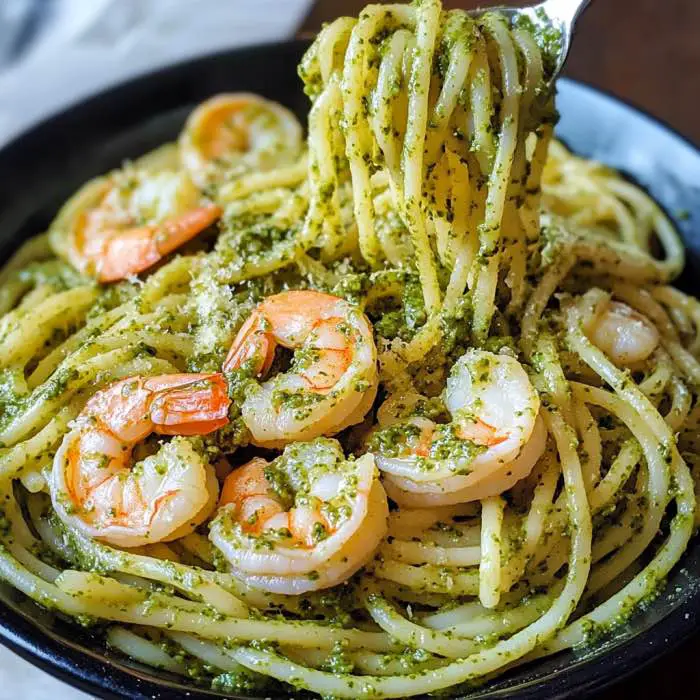
Shrimp Pesto Pasta: The Ultimate Guide to Perfect Homemade Seafood Pasta
Shrimp Pesto Pasta combines the vibrant flavors of fresh basil pesto with succulent seafood to create an irresistible meal. This beloved dish brings together the best of Italian cuisine with coastal influences. Moreover, it’s surprisingly simple to prepare at home. Whether you’re hosting a dinner party or craving a restaurant-quality meal, this shrimp pesto pasta recipe delivers exceptional results every time.
Table of Contents
-
What Makes Shrimp Pesto Pasta Special
-
Essential Ingredients for Perfect Results
-
Step-by-Step Cooking Instructions
-
Homemade vs Store-Bought Pesto
-
Choosing the Right Pasta Shape
-
Shrimp Selection and Preparation Tips
-
Flavor Variations and Customizations
-
Nutritional Benefits and Health Information
-
Storage and Leftover Tips
-
Common Mistakes to Avoid
-
Frequently Asked Questions
-
Conclusion
What Makes Shrimp Pesto Pasta Special
Shrimp pesto pasta stands out because it perfectly balances rich, herbaceous flavors with delicate seafood. The bright green pesto sauce, traditionally made with fresh basil, creates a beautiful contrast against pink shrimp. Furthermore, this dish offers incredible versatility in preparation methods.
The combination works exceptionally well because pesto’s garlic and pine nuts complement shrimp’s natural sweetness. In addition, the olive oil base in pesto helps carry flavors throughout the dish. Therefore, each bite delivers a harmonious blend of Mediterranean ingredients.
The Italian Connection
Traditional Italian cuisine emphasizes fresh, high-quality ingredients. Similarly, the best shrimp pesto pasta relies on premium components. However, this dish represents a modern fusion of classic Italian pesto with coastal seafood traditions.
Italian cooks often prepare similar dishes along the Ligurian coast, where both basil and fresh seafood are abundant. Consequently, this combination feels authentic despite its contemporary popularity.
Essential Ingredients for Perfect Results
Creating exceptional shrimp pesto pasta requires careful ingredient selection. Therefore, understanding each component’s role helps ensure optimal results.
For the Shrimp
-
1 pound large shrimp (21-25 count), peeled and deveined
-
2 tablespoons olive oil
-
3 cloves garlic, minced
-
1/2 teaspoon red pepper flakes
-
Salt and black pepper to taste
-
2 tablespoons white wine (optional)
For the Pesto
-
2 cups fresh basil leaves, packed
-
3 cloves garlic
-
1/3 cup pine nuts, toasted
-
1/2 cup extra virgin olive oil
-
3/4 cup freshly grated Parmesan cheese
-
Salt and pepper to taste
Additional Components
-
1 pound pasta (linguine, fettuccine, or penne)
-
1/2 cup pasta cooking water (reserved)
-
2 tablespoons butter
-
Fresh basil leaves for garnish
-
Extra Parmesan cheese for serving
-
Cherry tomatoes (optional)
Quality Considerations
Premium ingredients make a significant difference in the final result. For example, using fresh basil instead of dried creates vibrant flavor and color. Similarly, freshly grated Parmesan cheese melts better than pre-shredded varieties.
Wild-caught shrimp often provides superior taste and texture compared to farm-raised options. However, either choice works well when properly prepared. In addition, extra virgin olive oil contributes essential flavor depth to both the pesto and shrimp preparation.
Step-by-Step Cooking Instructions
Preparing perfect shrimp pesto pasta requires proper timing and technique. Therefore, following these detailed steps ensures consistent results.
Preparation Phase
First, bring a large pot of salted water to boil for the pasta. Meanwhile, prepare all ingredients and have them ready for cooking. This approach, called mise en place, prevents overcooking and ensures smooth execution.
Next, make the pesto by combining basil, garlic, and pine nuts in a food processor. Pulse several times to roughly chop the ingredients. Then, slowly stream in olive oil while processing until smooth. Finally, fold in grated Parmesan cheese and season with salt and pepper.
Cooking the Components
Step 1: Cook the Pasta
Add pasta to boiling water and cook according to package directions until al dente. However, reduce cooking time by 1-2 minutes since the pasta will finish cooking in the sauce. Reserve 1/2 cup pasta water before draining.
Step 2: Prepare the Shrimp
While pasta cooks, heat olive oil in a large skillet over medium-high heat. Season shrimp with salt and pepper, then add to the hot pan. Cook for 2-3 minutes per side until pink and opaque. Add minced garlic and red pepper flakes during the last minute.
Step 3: Combine Everything
Reduce heat to medium and add drained pasta to the skillet with shrimp. Toss gently to combine. Next, add pesto and butter, stirring until pasta is evenly coated. If the mixture seems dry, gradually add pasta water until reaching desired consistency.
Final Assembly
Remove the pan from heat and taste for seasoning. Add salt, pepper, or additional pesto as needed. Furthermore, a squeeze of fresh lemon juice brightens the overall flavor profile.
Transfer to serving bowls and garnish with fresh basil leaves, extra Parmesan cheese, and optional cherry tomatoes. Serve immediately while hot for the best experience.
Homemade vs Store-Bought Pesto
The choice between homemade and store-bought pesto significantly impacts the final dish quality. Therefore, understanding the differences helps you make informed decisions.
Homemade Pesto Advantages
Fresh homemade pesto offers unmatched flavor intensity and vibrant color. Moreover, you control all ingredients, avoiding preservatives and excess sodium. The texture remains smoother and more luxurious than most commercial versions.
Additionally, homemade pesto can be customized to personal preferences. For example, you might add extra garlic, use different nuts, or adjust the cheese quantity. This flexibility allows for creative variations.
Store-Bought Convenience
High-quality store-bought pesto provides excellent convenience for busy cooks. However, choose brands that list basil as the first ingredient and avoid those with excessive fillers. Some premium options rival homemade quality.
When using store-bought pesto, enhance it with fresh elements. For instance, stir in some fresh basil leaves, a drizzle of good olive oil, or extra Parmesan cheese. These additions restore freshness and improve flavor balance.
Cost Comparison
Homemade pesto typically costs less per serving, especially when basil is abundant and affordable. However, store-bought options eliminate preparation time and equipment needs. Therefore, consider your priorities when making this choice.
Choosing the Right Pasta Shape
Pasta shape selection affects how well the pesto adheres and how shrimp distributes throughout the dish. Therefore, understanding these relationships improves the overall eating experience.
Best Pasta Shapes for Shrimp Pesto
Linguine represents the classic choice because its flat surface holds pesto well while allowing shrimp to nestle between strands. Similarly, fettuccine offers similar benefits with slightly more substantial texture.
Penne works excellently because the tube shape captures both pesto and small shrimp pieces. Additionally, the ridged surface (penne rigate) provides extra sauce adherence. Fusilli also traps sauce effectively due to its spiral shape.
Shapes to Avoid
Very thin pasta like angel hair can become overwhelmed by the shrimp and pesto combination. Conversely, very large shapes like rigatoni might not distribute ingredients evenly. However, personal preference ultimately matters most.
Cooking Tips for Different Shapes
Each pasta shape requires slightly different cooking approaches. For example, long pasta like linguine needs gentle stirring to prevent breaking. Meanwhile, short shapes require more vigorous tossing to ensure even coating.
Always cook pasta one minute less than package directions when finishing in the sauce. This technique, called mantecatura, allows the pasta to absorb flavors while reaching perfect texture.
Shrimp Selection and Preparation Tips
Properly selecting and preparing shrimp dramatically impacts the final dish quality. Therefore, understanding these techniques ensures consistently excellent results.
Choosing Quality Shrimp
Fresh shrimp should smell like the ocean, not “fishy.” Moreover, they should feel firm to the touch with translucent flesh. Avoid shrimp with black spots, strong odors, or slimy texture.
Frozen shrimp often provides better quality than “fresh” shrimp that’s been thawed for unknown periods. However, ensure frozen shrimp hasn’t been previously treated with sodium tripolyphosphate, which affects texture and flavor.
Size Considerations
For shrimp pesto pasta, medium to large shrimp (21-30 count per pound) work best. They provide substantial bites without overwhelming the pasta. However, extra-large shrimp can be cut into pieces if preferred.
Smaller shrimp tend to get lost among the pasta and pesto. Conversely, jumbo shrimp might be too large for comfortable eating. Therefore, medium-large represents the optimal balance.
Preparation Techniques
Proper Thawing: Thaw frozen shrimp in the refrigerator overnight or under cold running water for 15-20 minutes. Never use warm water, as this affects texture.
Cleaning: Remove shells and devein shrimp using a small knife. However, leaving tails on provides better presentation if you don’t mind removing them while eating.
Seasoning: Season shrimp just before cooking to prevent moisture loss. Salt draws out water, potentially making shrimp tough if applied too early.
Cooking Techniques
High heat and short cooking time produce the best texture. Overcooked shrimp becomes rubbery and loses its delicate flavor. Therefore, remove shrimp from heat as soon as they turn pink and opaque.
The internal temperature should reach 120°F (49°C) for optimal texture. However, visual cues work well for most home cooks. Properly cooked shrimp curls slightly but maintains some flexibility.
Flavor Variations and Customizations
Shrimp pesto pasta serves as an excellent base for creative variations. Therefore, experimenting with different ingredients keeps this dish exciting and personalized.
Pesto Variations
Spinach Pesto: Replace half the basil with fresh spinach for a milder, more nutritious version. This variation appeals to those who find traditional pesto too intense.
Sun-Dried Tomato Pesto: Add chopped sun-dried tomatoes for deeper, more complex flavors. Additionally, this variation provides beautiful color contrast.
Walnut Pesto: Substitute walnuts for pine nuts to reduce cost while adding different nutty flavors. Furthermore, walnuts provide additional omega-3 fatty acids.
Protein Additions
While shrimp remains the star, other proteins complement this dish beautifully. For example, grilled chicken adds heartiness for larger appetites. Similarly, scallops provide another luxurious seafood option.
Pancetta or bacon introduces smoky, salty elements that balance the herbaceous pesto. However, use these ingredients sparingly to avoid overwhelming the delicate shrimp flavor.
Vegetable Enhancements
Cherry Tomatoes: Add halved cherry tomatoes during the last few minutes of cooking. They provide acidity and color while maintaining their shape.
Asparagus: Blanched asparagus spears complement both shrimp and pesto flavors. Moreover, they add textural variety and nutritional value.
Zucchini: Spiralized zucchini creates a lighter, more vegetable-forward version. Additionally, this substitution reduces carbohydrates for those following specific diets.
Cheese Alternatives
While Parmesan remains traditional, other cheeses create interesting variations. For instance, Pecorino Romano provides sharper, saltier flavors. Meanwhile, Gorgonzola adds creamy richness with tangy notes.
Nutritional yeast offers a vegan alternative that still provides umami depth. However, the flavor profile differs significantly from traditional cheese-based pesto.
Nutritional Benefits and Health Information
Shrimp pesto pasta provides numerous nutritional benefits when prepared with quality ingredients. Therefore, understanding these advantages helps justify this delicious indulgence.
Shrimp Nutrition
Shrimp offers exceptional protein content with minimal calories. Additionally, it provides important nutrients like selenium, vitamin B12, and omega-3 fatty acids. These nutrients support immune function, brain health, and cardiovascular wellness.
Moreover, shrimp contains astaxanthin, a powerful antioxidant that gives them their pink color. This compound may help reduce inflammation and support skin health.
Basil Benefits
Fresh basil contains volatile oils with anti-inflammatory properties. Furthermore, it provides vitamin K, which supports bone health and blood clotting. The herb also offers small amounts of vitamin A and manganese.
Traditional medicine has long recognized basil’s potential antimicrobial and stress-reducing properties. However, more research is needed to fully understand these benefits.
Olive Oil Advantages
Extra virgin olive oil contains monounsaturated fats that support heart health. Additionally, it provides vitamin E and antioxidant compounds called polyphenols. These substances may help reduce inflammation and protect against chronic diseases.
The Mediterranean diet, which emphasizes olive oil consumption, has been linked to numerous health benefits. Therefore, using quality olive oil in pesto contributes to overall wellness.
Portion Control Considerations
While nutritious, shrimp pesto pasta is calorie-dense due to olive oil and cheese content. Therefore, reasonable portion sizes help maintain balanced nutrition. A standard serving should be about 1 cup of pasta with 3-4 ounces of shrimp.
Adding vegetables like cherry tomatoes, spinach, or zucchini increases nutrient density while adding volume. This strategy helps create satisfying portions without excessive calories.
Storage and Leftover Tips
Proper storage techniques maintain food safety and quality for leftover shrimp pesto pasta. Therefore, following these guidelines prevents waste and ensures enjoyable reheated meals.
Refrigeration Guidelines
Store leftover shrimp pesto pasta in airtight containers within two hours of cooking. Moreover, refrigerate at 40°F (4°C) or below to prevent bacterial growth. Properly stored leftovers remain safe for 3-4 days.
Divide large portions into smaller containers for faster cooling and easier reheating. Additionally, this approach allows you to reheat only needed portions, maintaining quality for remaining servings.
Reheating Methods
Stovetop Method: Heat a small amount of olive oil or butter in a skillet over medium-low heat. Add pasta and toss gently until warmed through. This method preserves texture better than microwave heating.
Oven Method: Place pasta in a covered baking dish with a splash of white wine or broth. Heat at 350°F (175°C) for 10-15 minutes until thoroughly warmed.
Microwave Option: While not ideal, microwaving works for quick reheating. Use medium power and stir frequently to ensure even heating. Add a tablespoon of water if the pasta seems dry.
Freezing Considerations
Cooked shrimp pesto pasta can be frozen, though texture changes are inevitable. The pasta may become softer, and pesto color might darken slightly. However, flavor remains good for up to three months.
Freeze in portion-sized containers with tight-fitting lids. Thaw overnight in the refrigerator before reheating using the methods described above.
Fresh Ingredient Storage
Store homemade pesto separately from cooked pasta and shrimp when possible. Fresh pesto maintains better color and flavor when stored independently. Additionally, this approach allows for better portion control when reheating.
Unused pesto keeps in the refrigerator for up to one week when covered with a thin layer of olive oil. For longer storage, freeze pesto in ice cube trays, then transfer to freezer bags.
Common Mistakes to Avoid
Understanding common preparation errors helps ensure consistently successful shrimp pesto pasta. Therefore, learning from these mistakes saves time and prevents disappointing results.
Overcooking the Shrimp
The most frequent mistake involves cooking shrimp too long, resulting in tough, rubbery texture. Shrimp cook extremely quickly, often requiring only 2-3 minutes per side. Moreover, they continue cooking from residual heat even after removal from direct heat.
Shrimp Pesto Pasta
Description
Ingredients
-
12 oz (340g) spaghetti or linguine
-
1 lb (450g) shrimp, peeled and deveined
-
2–3 tbsp olive oil
-
3/4 cup basil pesto (store-bought or homemade)
-
1 pint (about 2 cups) cherry tomatoes, halved (optional)
-
2–3 garlic cloves, minced
-
3 cups baby spinach (optional)
-
1/4 cup grated parmesan cheese (plus more for serving)
-
Salt and pepper to taste
-
Optional garnish: chopped parsley or torn basil leaves
-
Optional: red pepper flakes, lemon juice
Instructions
-
Cook the Pasta
-
Bring a large pot of salted water to boil, cook pasta until al dente as per package directions, and reserve about 1 cup of pasta water before draining.
-
-
Cook the Shrimp
-
Toss raw shrimp with a pinch of salt and pepper.
-
Heat 2 tbsp olive oil in a large pan over medium-high heat. Add shrimp and sauté for 1–2 minutes per side until opaque. Transfer cooked shrimp to a plate.
-
-
Sauté Tomatoes and Garlic (Optional)
-
In the same pan, add another tbsp of olive oil if needed.
-
Sauté garlic for 30 seconds, add halved cherry tomatoes, and cook until they start to soften. Toss in spinach and cook until wilted, if using.
-
-
Combine Everything
-
Return shrimp and pasta to the pan. Add basil pesto and toss everything gently to coat thoroughly. Add reserved pasta water as needed to loosen the sauce.
-
-
Finish & Serve
-
Stir in Parmesan cheese and season to taste. Garnish with parsley, basil, lemon juice, or red pepper flakes as desired.
-
Serve immediately, topped with extra cheese.
-