
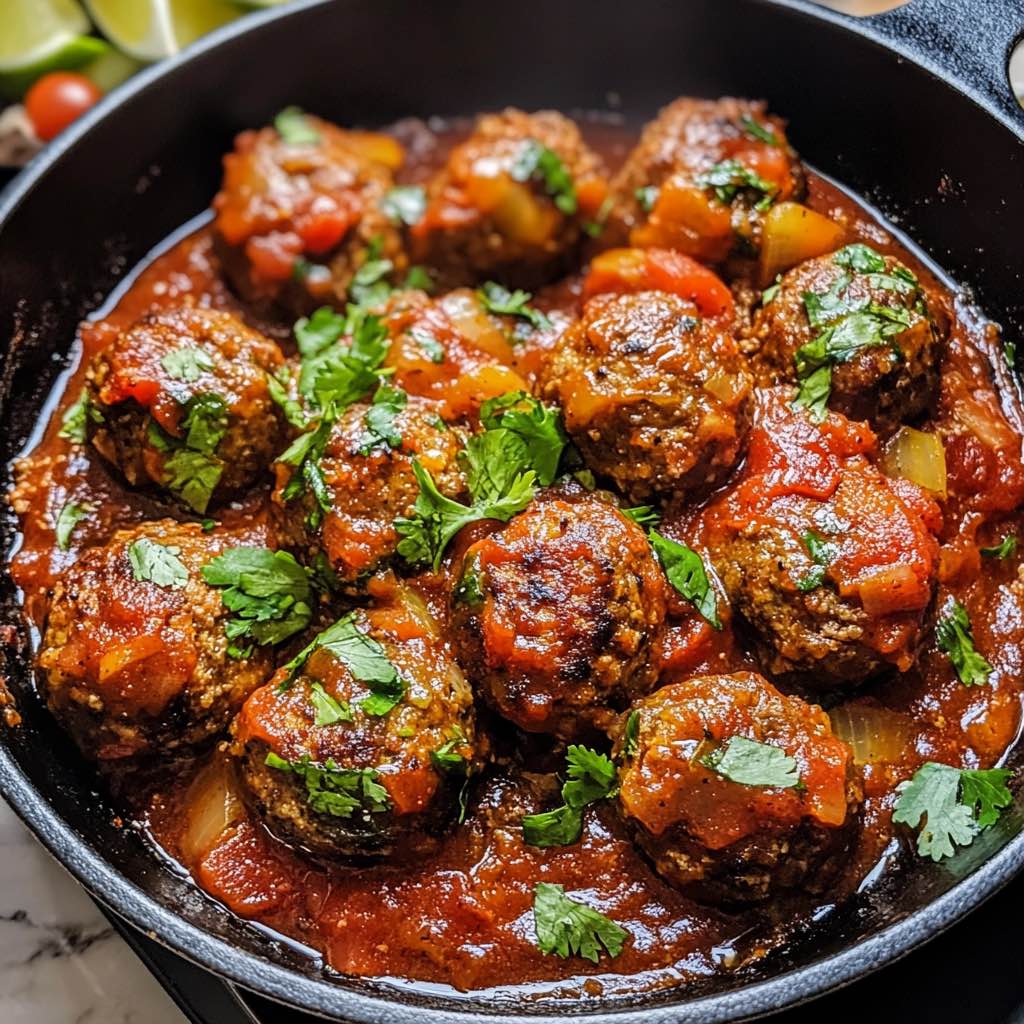
The Ultimate Guide to Tex-Mex Meatballs: Bold Flavors That Transform Your Dinner Table
Tex-Mex meatballs combine the hearty satisfaction of traditional meatballs with the vibrant, bold flavors of Southwestern cuisine. These protein-packed spheres of deliciousness bring together ground meat, zesty spices, and fresh ingredients to create a dish that’s both comforting and exciting. Whether you’re looking for a quick weeknight dinner or planning a crowd-pleasing party appetizer, Tex-Mex meatballs deliver incredible flavor with every bite.
The beauty of this fusion dish lies in its versatility and bold taste profile. Furthermore, these meatballs can be prepared using various cooking methods and paired with countless sides. In addition, they’re perfect for meal prep enthusiasts who want to batch-cook flavorful proteins for the week ahead.
Table of Contents
-
What Are Tex-Mex Meatballs?
-
Essential Ingredients for Perfect Tex-Mex Meatballs
-
Step-by-Step Recipe Guide
-
Cooking Methods and Techniques
-
Sauce Options and Flavor Variations
-
Serving Suggestions and Side Dishes
-
Storage and Meal Prep Tips
-
Nutritional Benefits and Health Considerations
-
Common Mistakes to Avoid
-
Recipe Variations and Adaptations
-
Frequently Asked Questions
-
Conclusion
What Are Tex-Mex Meatballs?
Tex-Mex meatballs represent a delicious fusion between traditional Italian-style meatballs and the bold flavors of Texas-Mexican cuisine. These savory spheres incorporate classic Southwestern ingredients like cumin, chili powder, jalapeños, and fresh cilantro. Moreover, they often feature ingredients such as corn, black beans, or diced tomatoes mixed directly into the meat mixture.
The origin of Tex-Mex cuisine dates back to the 1800s when Mexican and American cultures blended along the Texas border. Therefore, Tex-Mex meatballs embody this cultural fusion by combining familiar comfort food with exciting regional flavors. The result is a dish that appeals to both traditionalists and adventurous eaters.
Key Characteristics
These flavorful meatballs typically feature several distinctive elements:
-
Bold spice blends including cumin, chili powder, and paprika
-
Fresh herbs like cilantro and oregano
-
Vegetables such as onions, garlic, and peppers
-
Optional additions like corn kernels or diced jalapeños
-
Binding agents that complement the Southwestern theme
Versatility in Preparation
One of the most appealing aspects of Tex-Mex meatballs is their incredible versatility. However, the basic preparation remains straightforward while allowing for numerous creative variations. In addition, they can be served as appetizers, main courses, or even incorporated into larger dishes like pasta or rice bowls.
Essential Ingredients for Perfect Tex-Mex Meatballs
Creating exceptional Tex-Mex meatballs starts with selecting the right combination of high-quality ingredients. Each component plays a crucial role in developing the complex flavor profile that makes these meatballs so appealing.
Protein Base Options
The foundation of any great meatball is the protein selection. For example, you can choose from several excellent options:
-
Ground beef (80/20): Provides rich flavor and optimal fat content
-
Ground turkey: Offers a leaner alternative with mild taste
-
Ground pork: Adds extra juiciness and flavor depth
-
Combination meats: Mixing beef and pork creates the ultimate texture
Essential Spice Blend
The spice mixture is what transforms ordinary meatballs into Tex-Mex masterpieces. Therefore, include these key seasonings:
-
Cumin (1-2 teaspoons)
-
Chili powder (1-2 teaspoons)
-
Paprika (1 teaspoon)
-
Garlic powder (1 teaspoon)
-
Onion powder (1 teaspoon)
-
Oregano (1/2 teaspoon)
-
Salt and black pepper to taste
Fresh Aromatics and Vegetables
Fresh ingredients add brightness and texture to your Tex-Mex meatballs. Furthermore, these components provide moisture and flavor complexity:
-
Yellow or white onion, finely diced
-
Fresh garlic cloves, minced
-
Jalapeño peppers, seeded and minced
-
Fresh cilantro, chopped
-
Bell peppers, finely diced (optional)
Binding and Moisture Elements
Proper binding ensures your meatballs hold together while staying tender. In addition, these ingredients prevent dryness:
-
Large eggs (1-2 depending on batch size)
-
Fine breadcrumbs or panko
-
Milk or buttermilk for soaking breadcrumbs
-
Grated cheese (optional but recommended)
Optional Flavor Enhancers
These ingredients can elevate your Tex-Mex meatballs to the next level:
-
Corn kernels for sweetness and texture
-
Diced tomatoes for moisture and acidity
-
Hot sauce for extra heat
-
Lime zest for brightness
-
Smoked paprika for depth
Step-by-Step Recipe Guide
Creating perfect Tex-Mex meatballs requires attention to detail and proper technique. However, the process is straightforward when broken down into manageable steps.
Preparation Phase
Before beginning the mixing process, gather all ingredients and prepare your workspace. Therefore, take these preliminary steps:
-
Preheat your oven to 400°F (200°C)
-
Line a baking sheet with parchment paper
-
Dice all vegetables finely and uniformly
-
Measure out all spices and seasonings
-
Allow meat to come to room temperature
Creating the Breadcrumb Mixture
The breadcrumb base provides structure and moisture retention. Furthermore, this step ensures even distribution throughout the meat mixture:
-
Combine 1 cup fine breadcrumbs with 1/2 cup milk
-
Let the mixture sit for 5-10 minutes until absorbed
-
Gently stir to create a paste-like consistency
-
Set aside while preparing other components
Building the Flavor Base
Proper seasoning distribution is crucial for consistent flavor. Moreover, building layers of taste creates complexity:
-
In a large mixing bowl, combine all dry spices
-
Add minced garlic, diced onions, and jalapeños
-
Incorporate fresh cilantro and any optional vegetables
-
Mix thoroughly to distribute seasonings evenly
Combining the Meat Mixture
This critical step determines the final texture and flavor. Therefore, handle the mixture gently to avoid tough meatballs:
-
Add ground meat to the seasoning mixture
-
Incorporate the soaked breadcrumb mixture
-
Add beaten eggs one at a time
-
Mix gently with your hands until just combined
-
Avoid overmixing to prevent dense meatballs
Shaping and Sizing
Consistent sizing ensures even cooking throughout the batch. In addition, proper shaping techniques create attractive presentation:
-
Wet your hands with cold water to prevent sticking
-
Scoop meat mixture using a cookie scoop or spoon
-
Roll gently between palms to form smooth spheres
-
Aim for 1.5-2 inch diameter for main course portions
-
Place on prepared baking sheet with space between each
Cooking Process
Proper cooking technique ensures juicy interior with golden exterior. Furthermore, monitoring temperature prevents overcooking:
-
Bake for 20-25 minutes until golden brown
-
Internal temperature should reach 160°F (71°C)
-
Turn once halfway through for even browning
-
Let rest for 5 minutes before serving
Cooking Methods and Techniques
Tex-Mex meatballs can be prepared using several different cooking methods, each offering unique advantages. However, the key is choosing the technique that best suits your schedule and desired outcome.
Oven Baking Method
Baking represents the most hands-off approach to cooking Tex-Mex meatballs. Moreover, this method allows for easy batch cooking and consistent results:
Advantages:
-
Even cooking throughout
-
Minimal hands-on time required
-
Easy cleanup process
-
Perfect for meal prep batches
Technique Tips:
-
Use parchment paper for easy removal
-
Don’t overcrowd the baking sheet
-
Flip once for even browning
-
Monitor internal temperature carefully
Pan-Frying Technique
Pan-frying creates beautiful caramelization and rich flavor development. Therefore, this method works best for smaller batches:
Step-by-Step Process:
-
Heat 2 tablespoons oil in large skillet
-
Brown meatballs on all sides (8-10 minutes total)
-
Reduce heat and cover to finish cooking
-
Check internal temperature before serving
Slow Cooker Method
The slow cooker method produces incredibly tender Tex-Mex meatballs. Furthermore, this approach works perfectly for busy schedules:
Instructions:
-
Brown meatballs first in a skillet (optional but recommended)
-
Transfer to slow cooker with sauce
-
Cook on low for 4-6 hours
-
Serve directly from slow cooker
Air Fryer Technique
Air frying creates crispy exteriors while maintaining juicy centers. In addition, this method significantly reduces cooking time:
Cooking Parameters:
-
Temperature: 375°F (190°C)
-
Time: 12-15 minutes
-
Shake basket halfway through
-
Check doneness with thermometer
Sauce Options and Flavor Variations
The right sauce can transform good Tex-Mex meatballs into extraordinary ones. However, choosing the perfect pairing depends on your flavor preferences and serving style.
Classic Tex-Mex Tomato Sauce
This versatile sauce complements the bold meatball flavors without overwhelming them. Moreover, it’s simple to prepare and can be made ahead:
Ingredients:
-
2 cups diced tomatoes
-
1 onion, diced
-
3 garlic cloves, minced
-
1 bell pepper, diced
-
2 teaspoons cumin
-
1 teaspoon chili powder
-
Salt and pepper to taste
Preparation:
-
Sauté onions and peppers until soft
-
Add garlic and spices, cook 1 minute
-
Add tomatoes and simmer 20 minutes
-
Season to taste and serve warm
Creamy Queso Sauce
Rich and indulgent, queso sauce creates comfort food perfection. Furthermore, this sauce works excellently for party appetizers:
Key Components:
-
White American cheese or Velveeta
-
Whole milk or heavy cream
-
Diced jalapeños
-
Cumin and paprika
-
Optional: diced tomatoes with green chiles
Salsa Verde Variation
Bright and tangy salsa verde provides acidic contrast to rich meatballs. Therefore, this option works well for lighter presentations:
Preparation Method:
-
Roast tomatillos until charred
-
Blend with cilantro, onion, and jalapeños
-
Season with lime juice and salt
-
Simmer until thickened slightly
Chipotle Cream Sauce
Smoky chipotle peppers create complex heat and flavor. In addition, the cream base balances the spice level perfectly:
Components:
-
Heavy cream or sour cream base
-
Chipotle peppers in adobo sauce
-
Lime juice and zest
-
Fresh cilantro
-
Garlic and onion powder
Serving Suggestions and Side Dishes
Tex-Mex meatballs pair beautifully with numerous side dishes and accompaniments. However, the key is creating balanced meals that complement rather than compete with the bold flavors.
Traditional Rice and Bean Pairings
These classic combinations provide hearty, satisfying meals. Moreover, they offer excellent nutritional balance:
Spanish Rice Options:
-
Traditional Spanish rice with tomatoes
-
Cilantro lime rice for freshness
-
Brown rice for added nutrition
-
Cauliflower rice for low-carb alternative
Bean Varieties:
-
Refried beans for authentic flavor
-
Black beans with cumin and lime
-
Pinto beans with bacon
-
White beans with herbs
Fresh Vegetable Accompaniments
Crisp vegetables provide textural contrast and fresh flavors. Furthermore, they add important nutrients to the meal:
-
Mixed green salad with lime vinaigrette
-
Roasted bell peppers and onions
-
Grilled corn on the cob
-
Fresh pico de gallo or salsa
-
Avocado slices or guacamole
Bread and Tortilla Options
Warm bread products help soak up delicious sauces. Therefore, consider these excellent choices:
-
Warm corn tortillas for wrapping
-
Flour tortillas for soft tacos
-
Cornbread for Southern comfort
-
Garlic bread for Italian fusion
-
Rice and bean bowls for complete meals
Creative Presentation Ideas
Transform your Tex-Mex meatballs into exciting meal formats. In addition, these presentations work well for entertaining:
Meatball Subs:
-
Hoagie rolls with melted cheese
-
Caramelized onions and peppers
-
Chipotle mayo spread
Taco Bar Setup:
-
Warm tortillas and meatballs
-
Various toppings and sauces
-
Let guests customize their portions
Pasta Integration:
-
Serve over penne or rigatoni
-
Combine with Mexican-inspired pasta salad
-
Create fusion mac and cheese
Storage and Meal Prep Tips
Proper storage techniques ensure your Tex-Mex meatballs maintain their flavor and texture. Moreover, these strategies make meal planning much more efficient.
Refrigerator Storage Guidelines
Cooked Tex-Mex meatballs store well in the refrigerator for several days. However, proper containers and temperatures are essential:
Storage Duration:
-
Cooked meatballs: 3-4 days
-
Raw prepared mixture: 1-2 days
-
Leftover sauce: 5-7 days
Container Recommendations:
-
Airtight glass containers
-
Separate sauce from meatballs
-
Label with preparation date
-
Store at 40°F (4°C) or below
Freezer Storage Methods
Freezing extends storage life significantly while maintaining quality. Therefore, follow these guidelines for best results:
Freezing Techniques:
-
Flash freeze on baking sheets first
-
Transfer to freezer bags once solid
-
Remove excess air to prevent freezer burn
-
Label with contents and date
Thawing Instructions:
-
Refrigerator thawing: 12-24 hours
-
Quick thaw in cold water bath
-
Cook from frozen (increase cooking time)
-
Never thaw at room temperature
Meal Prep Strategies
Batch preparation saves time during busy weeks. Furthermore, having ready-made components simplifies dinner planning:
Weekly Prep Ideas:
-
Cook large batches on weekends
-
Portion into individual containers
-
Prepare sauce components separately
-
Pre-cut vegetables and aromatics
Reheating Best Practices
Proper reheating maintains texture and food safety. Moreover, different methods work better for different situations:
Microwave Method:
-
Use medium power setting
-
Cover to retain moisture
-
Stir halfway through heating
-
Check internal temperature
Oven Reheating:
-
350°F (175°C) for 15-20 minutes
-
Cover with foil to prevent drying
-
Add splash of broth if needed
-
Heat until steaming throughout
Nutritional Benefits and Health Considerations
Tex-Mex meatballs can be part of a healthy, balanced diet when prepared thoughtfully. However, making informed ingredient choices significantly impacts the nutritional profile.

Protein Content and Quality
High-quality protein forms the foundation of these meatballs. Moreover, protein provides essential amino acids for muscle maintenance:
Protein Benefits:
-
Complete amino acid profile
-
Supports muscle growth and repair
-
Promotes satiety and weight management
-
Helps stabilize blood sugar levels
Protein Content per Serving:
-
Typical serving (4 meatballs): 20-25 grams
-
Varies based on size and meat type
-
Turkey versions slightly lower in protein
-
Adding beans increases plant-based protein
Vitamin and Mineral Content
Fresh vegetables and herbs contribute important micronutrients. Therefore, maximizing vegetable content enhances nutritional value:
Key Nutrients:
-
Vitamin C from peppers and tomatoes
-
Folate from cilantro and onions
-
Iron from red meat options
-
Potassium from various vegetables
-
B vitamins from meat proteins
Healthy Preparation Modifications
Simple modifications can significantly improve the nutritional profile. Furthermore, these changes often enhance flavor rather than diminish it:
Healthier Alternatives:
-
Use lean ground turkey or chicken
-
Add finely chopped vegetables for moisture
-
Reduce sodium by using fresh herbs
-
Bake instead of frying
-
Use whole grain breadcrumbs
Dietary Adaptations
Tex-Mex meatballs can accommodate various dietary needs. In addition, these modifications maintain delicious flavor:
Gluten-Free Options:
-
Substitute breadcrumbs with crushed rice cereal
-
Use gluten-free oats as binder
-
Check all seasonings for gluten content
-
Serve with rice instead of pasta
Low-Carb Variations:
-
Replace breadcrumbs with almond flour
-
Add extra egg for binding
-
Serve over zucchini noodles
-
Focus on cheese and vegetable sides
Common Mistakes to Avoid
Understanding common pitfalls helps ensure success with Tex-Mex meatballs. Moreover, avoiding these mistakes saves time and prevents disappointment.
Overmixing the Meat Mixture
Excessive mixing creates tough, dense meatballs. Therefore, gentle handling is crucial for tender results:
Prevention Tips:
-
Mix ingredients just until combined
-
Use your hands for better control
-
Stop as soon as mixture holds together
-
Don’t knead like bread dough
Incorrect Sizing and Shaping
Inconsistent sizes lead to uneven cooking results. Furthermore, proper shaping ensures attractive presentation:
Sizing Guidelines:
-
Use cookie scoop for consistency
-
Aim for golf ball size (1.5-2 inches)
-
Wet hands to prevent sticking
-
Don’t pack mixture too tightly
Temperature and Timing Errors
Overcooking creates dry, tough meatballs. However, undercooking poses food safety risks:
Temperature Guidelines:
-
Internal temperature: 160°F (71°C)
-
Use meat thermometer for accuracy
-
Let rest 5 minutes before serving
-
Adjust cooking time for different sizes
Seasoning Imbalances
Proper seasoning distribution ensures consistent flavor. Moreover, tasting and adjusting prevents bland results:
Seasoning Tips:
-
Mix spices thoroughly before adding meat
-
Cook a small test portion to check flavor
-
Adjust seasonings before shaping all meatballs
-
Remember that flavors intensify during cooking
Sauce and Serving Mistakes
Poor sauce pairing can overwhelm delicate flavors. Therefore, balance is key to successful presentations:
Sauce Considerations:
-
Match sauce intensity to meatball spicing
-
Consider texture contrasts
-
Serve sauce on the side when possible
-
Warm sauce before serving
Recipe Variations and Adaptations
The basic Tex-Mex meatball recipe serves as an excellent foundation for creative variations. However, understanding how different modifications affect the final result helps ensure success.
Protein Variations
Different protein choices create unique flavor profiles and textures. Furthermore, mixing proteins can produce exceptional results:
Turkey and Pork Combination:
-
1 pound ground turkey (lean)
-
0.5 pounds ground pork (for fat content)
-
Results in juicy, flavorful meatballs
-
Slightly lighter than all-beef versions
Seafood Adaptations:
-
Ground shrimp and white fish
-
Add Old Bay seasoning
-
Reduce cooking time significantly
-
Serve with lime-based sauces
Vegetable-Forward Options
Increasing vegetable content adds nutrition and moisture. Moreover, vegetables contribute complex flavors and textures:
Vegetable Additions:
-
Finely diced zucchini or mushrooms
-
Corn kernels for sweetness
-
Diced bell peppers for crunch
-
Spinach for iron and color
Heat Level Modifications
Adjusting spice levels accommodates different preferences. Therefore, understanding heat sources helps create perfect customization:
Mild Versions:
-
Reduce or eliminate jalapeños
-
Use sweet paprika instead of hot
-
Serve spicy sauce on the side
-
Add more sweet vegetables
Extra Hot Variations:
-
Include serrano or habanero peppers
-
Add cayenne pepper to spice blend
-
Use hot sauce in the mixture
-
Serve with spicy chipotle sauce
Cultural Fusion Adaptations
Combining Tex-Mex flavors with other cuisines creates exciting variations. In addition, these fusions often produce surprising and delicious results:
Italian-Tex-Mex Fusion:
-
Add fresh basil and oregano
-
Include sun-dried tomatoes
-
Serve with marinara-salsa blend
-
Top with Mexican cheese blend
Asian-Inspired Version:
-
Add fresh ginger and soy sauce
-
Include water chestnuts for crunch
-
Serve with sweet and sour sauce
-
Garnish with green onions
Frequently Asked Questions
Can I make Tex-Mex meatballs ahead of time?
Yes, Tex-Mex meatballs are excellent for advance preparation. You can shape the raw meatballs and refrigerate them for up to 2 days before cooking. Furthermore, cooked meatballs can be refrigerated for 3-4 days or frozen for up to 3 months. However, the texture is best when they’re freshly cooked.
What’s the best way to keep meatballs moist?
Several techniques help maintain moisture in Tex-Mex meatballs. Therefore, include ingredients like soaked breadcrumbs, eggs, and finely diced vegetables. Moreover, avoid overmixing the meat mixture and don’t overcook them. In addition, choosing ground meat with appropriate fat content (80/20 for beef) ensures juiciness.
How can I make gluten-free Tex-Mex meatballs?
Creating gluten-free versions is simple with proper substitutions. Replace regular breadcrumbs with gluten-free alternatives like crushed rice cereal, almond flour, or gluten-free oats. Furthermore, ensure all seasonings and sauces are certified gluten-free. However, you may need to add an extra egg for binding.
What’s the ideal internal temperature for safety?
Food safety requires cooking Tex-Mex meatballs to an internal temperature of 160°F (71°C) for ground beef, pork, or lamb. However, ground turkey and chicken should reach 165°F (74°C). Therefore, always use a meat thermometer to verify doneness rather than relying on appearance alone.
Can I use frozen meatballs for this recipe?
While fresh is always best, you can adapt frozen meatballs for Tex-Mex preparation. However, you’ll need to add the seasonings through sauce rather than incorporating them into the meat mixture. Therefore, simmer frozen meatballs in seasoned Tex-Mex sauce to infuse flavor throughout.
How do I prevent meatballs from falling apart?
Proper binding prevents meatballs from breaking apart during cooking. Use adequate eggs and breadcrumb mixture for binding. Moreover, avoid overmixing, which can make them tough, and don’t skip the resting time after shaping. Furthermore, gentle handling during cooking prevents breakage.
Conclusion
Tex-Mex meatballs represent the perfect fusion of comfort food and bold Southwestern flavors. These versatile, protein-packed creations offer endless possibilities for customization while remaining approachable for cooks of all skill levels. From quick weeknight dinners to impressive party appetizers, these flavorful spheres deliver satisfaction with every bite.
The key to success lies in balancing traditional meatball techniques with authentic Tex-Mex seasonings and ingredients. Furthermore, understanding proper cooking methods, storage techniques, and serving suggestions ensures consistently delicious results. Whether you prefer them baked, pan-fried, or slow-cooked, Tex-Mex meatballs adapt beautifully to your preferred preparation method.
Remember that cooking is an art form that encourages experimentation and personalization. Therefore, use this comprehensive guide as your foundation while adapting the recipes to suit your family’s taste preferences and dietary needs. The beauty of Tex-Mex meatballs lies in their flexibility and bold flavor profile that never fails to impress.

Tex-Mex Meatballs
Description
Ingredients
For the meatballs:
-
1½ lbs ground beef (or ground turkey)
-
½ cup crushed tortilla chips (about 2 oz, pulsed to breadcrumb consistency)
-
1 large egg
-
4 oz canned green chiles, diced
-
2 cloves garlic, minced
-
¼ cup fresh cilantro, chopped
-
1 jalapeño, seeded and finely chopped
-
2 tsp kosher salt
-
1 tsp ground cumin
-
1 tsp chili powder
-
½ tsp chipotle powder
-
½ tsp garlic powder
-
½ tsp dried oregano
-
Freshly ground black pepper
For the sauce:
-
15 oz red enchilada sauce or crushed tomatoes
-
2 chipotle chiles in adobo, finely chopped
-
1 tbsp adobo sauce
-
½ large onion, chopped
-
2 cloves garlic, minced
-
1 tsp sugar (optional)
-
2 tbsp olive oil
For serving:
-
2 cups shredded Mexican cheese blend
-
Fresh cilantro for garnish
-
Lime wedges
-
Sour cream (optional)
Instructions
Prepare the meatballs:
-
Preheat oven to 425°F and line a baking sheet with parchment paper.
-
Make tortilla crumbs by pulsing 2 small corn tortillas in a food processor until they reach breadcrumb consistency.
-
Combine ingredients in a large bowl: ground beef, tortilla crumbs, egg, green chiles, garlic, cilantro, jalapeño, and all spices. Mix gently with your hands without overworking the meat.
-
Form meatballs using about ⅓ cup of mixture per ball (about 2 inches in diameter). An ice cream scoop helps ensure even portions.
-
Bake for 15 minutes until lightly browned but not fully cooked through.
Make the sauce:
6. Heat olive oil in a large skillet over medium heat. Sauté chopped onion until soft, about 5 minutes.
7. Add garlic and chipotles, cooking for 1 minute until fragrant.
8. Stir in sauce (enchilada sauce or crushed tomatoes), adobo sauce, and sugar. Bring to a simmer.
Finish cooking:
9. Transfer baked meatballs to the simmering sauce. Cover and cook for 7-10 minutes until meatballs reach 155°F internal temperature.
10. Top with cheese and cover until melted, about 3-5 minutes.
11. Garnish with fresh cilantro and serve with lime wedges.
Serving Suggestions
Serve these versatile meatballs over Spanish rice, in warm tortillas for tacos, or on crusty rolls for Tex-Mex meatball subs. They’re also excellent as appetizers for parties.