
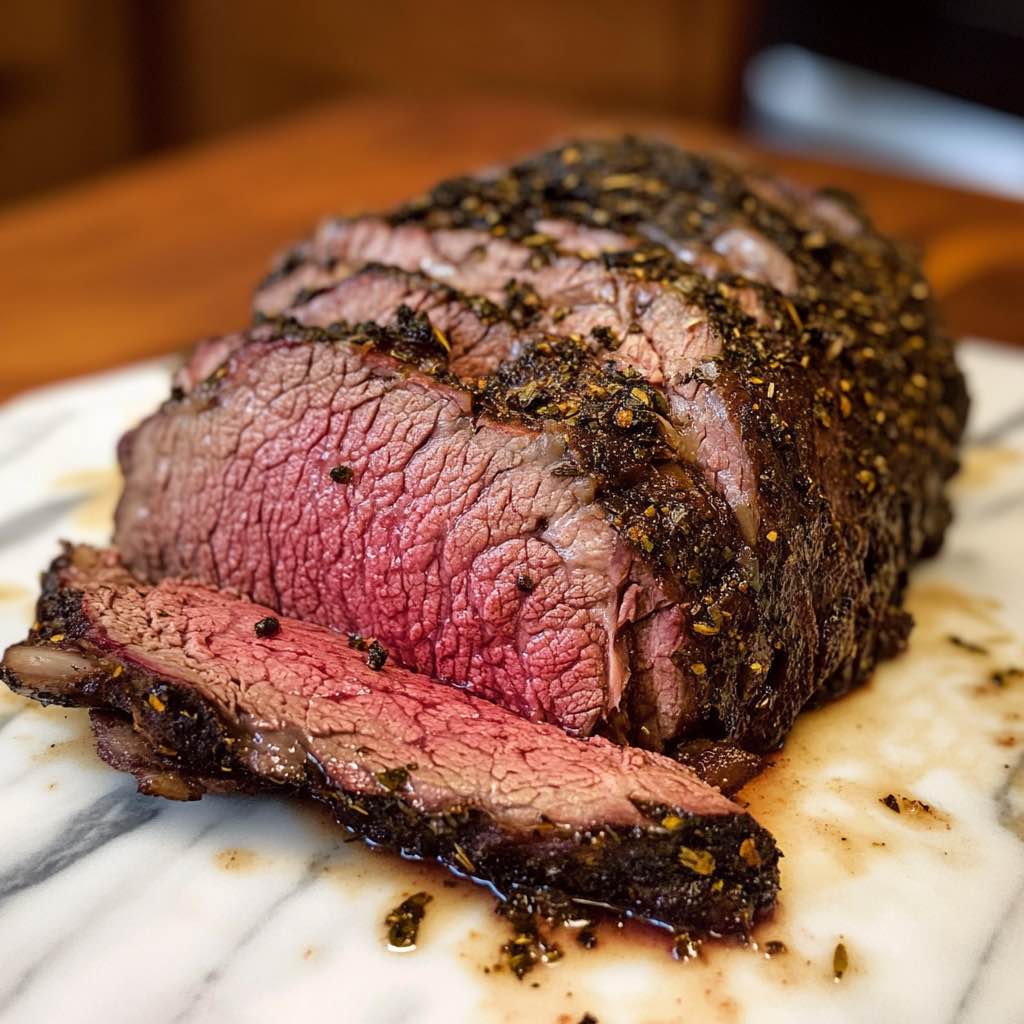
The Complete Guide to Sirloin Tip Roast: From Selection to Perfect Preparation
Introduction
The sirloin tip roast stands as one of the most versatile and flavorful cuts of beef available to home cooks. This lean yet tender cut offers exceptional value while delivering rich, beefy flavors that satisfy even the most discerning palates. Moreover, the sirloin tip roast adapts beautifully to various cooking methods, from slow roasting to braising.
Understanding how to properly select, prepare, and cook this cut transforms ordinary meals into extraordinary dining experiences. Furthermore, mastering the sirloin tip roast opens doors to countless recipe possibilities for family dinners and special occasions. Therefore, this comprehensive guide will equip you with everything needed to achieve consistently delicious results.
Table of Contents
Understanding Sirloin Tip Roast
What Is Sirloin Tip Roast?
The sirloin tip roast comes from the hindquarter of the cow, specifically from the bottom sirloin primal cut. Additionally, this cut is sometimes called the knuckle roast or ball tip roast in different regions. The sirloin tip roast typically weighs between 2 to 4 pounds, making it ideal for family meals.
This particular cut features relatively lean meat with moderate marbling throughout. Consequently, it offers excellent flavor while remaining healthier than heavily marbled cuts. However, the lean nature requires careful cooking to prevent dryness.
Nutritional Benefits
The sirloin tip roast provides exceptional nutritional value for health-conscious consumers. Specifically, a 3.5-ounce serving contains approximately:
-
26 grams of high-quality protein
-
8 grams of fat
-
Zero carbohydrates
-
Rich iron content
-
Abundant B-vitamins
-
Essential zinc and phosphorus
Furthermore, this cut offers one of the best protein-to-fat ratios among beef cuts. Therefore, it perfectly suits various dietary approaches, including low-carb and high-protein lifestyles.
Cost Effectiveness
Compared to premium cuts like ribeye or filet mignon, the sirloin tip roast delivers remarkable value. In addition, its versatility means one roast can provide multiple meals for families. Subsequently, smart shoppers often choose this cut for budget-friendly yet satisfying meals.
Selecting the Perfect Cut
Visual Quality Indicators
When selecting your sirloin tip roast, several visual cues indicate quality. First, look for bright red color throughout the meat. Additionally, avoid cuts with excessive browning or gray discoloration. The surface should appear fresh and moist without being slimy.
Marbling patterns also matter significantly. While this cut is naturally lean, some fat distribution enhances flavor and tenderness. Therefore, choose cuts with thin veins of white fat rather than large chunks.
Size Considerations
The ideal sirloin tip roast size depends on your intended use. For family dinners, 2-3 pound roasts work perfectly. However, larger gatherings benefit from 4-6 pound cuts. Additionally, consider cooking time when selecting size, as larger roasts require extended cooking periods.
Moreover, uniform shape ensures even cooking throughout the roast. Therefore, avoid irregularly shaped cuts that may cook unevenly.
Grade Classifications
Understanding beef grading helps in selection decisions. Prime grade offers the highest quality with superior marbling. Choice grade provides excellent quality at moderate prices. Select grade represents good quality with minimal marbling.
For sirloin tip roast, Choice grade typically offers the best balance of quality and value. Furthermore, this grade ensures sufficient marbling for flavor while maintaining reasonable pricing.
Essential Preparation Techniques
Proper Trimming Methods
Before cooking your sirloin tip roast, proper trimming enhances the final result. First, remove excess external fat, leaving only a thin layer for flavor and moisture. Additionally, trim any silver skin or tough connective tissue that won’t break down during cooking.
Use a sharp knife for precise cuts to avoid waste. Moreover, save quality trimmings for ground beef or stock preparation. However, don’t over-trim, as some fat contributes to flavor and prevents drying.
Bringing to Room Temperature
Allow your sirloin tip roast to reach room temperature before cooking. This process typically takes 30-60 minutes depending on size. Furthermore, room temperature meat cooks more evenly than cold meat straight from the refrigerator.
Place the roast on a cutting board and cover loosely with plastic wrap. Additionally, this step prevents the exterior from overcooking while the interior remains cold.
Scoring and Tying Techniques
Scoring the fat cap in a crosshatch pattern helps rendering and seasoning penetration. Make shallow cuts about 1/4 inch deep and 1 inch apart. However, avoid cutting into the meat itself.
For irregularly shaped roasts, tying with kitchen twine creates uniform thickness. Therefore, the roast cooks evenly throughout. Additionally, secure tying prevents the roast from falling apart during cooking.
Cooking Methods and Techniques
Oven Roasting Method
Oven roasting remains the most popular method for sirloin tip roast preparation. First, preheat your oven to 325°F for optimal results. Additionally, this moderate temperature ensures even cooking without excessive moisture loss.
Start by searing the roast in a hot skillet with oil. Sear all surfaces for 2-3 minutes each to develop flavor. Subsequently, transfer to a roasting pan and place in the preheated oven.
Cook approximately 20 minutes per pound for medium-rare doneness. However, use a meat thermometer for accuracy rather than relying solely on time. Furthermore, let the roast rest 10-15 minutes before slicing to redistribute juices.
Slow Cooker Preparation
The slow cooker method produces incredibly tender sirloin tip roast with minimal effort. First, sear the roast in a skillet as described above. Then, transfer to your slow cooker with vegetables and liquid.
Cook on low setting for 6-8 hours or high setting for 3-4 hours. Additionally, add root vegetables like carrots, potatoes, and onions for a complete meal. Moreover, the extended cooking time breaks down connective tissues for fork-tender results.
Braising Technique
Braising combines dry and moist heat cooking methods for exceptional results. Initially, sear the sirloin tip roast in a Dutch oven until browned. Subsequently, add liquid to cover halfway up the roast.
Cover tightly and cook in a 325°F oven for 2-3 hours. Furthermore, turn the roast halfway through cooking for even results. This method produces incredibly tender meat that falls apart easily.
Grilling Method
While less common, grilling sirloin tip roast creates delicious results with proper technique. First, set up indirect heat zones on your grill. Additionally, maintain temperatures around 325-350°F for best results.
Sear the roast over direct heat for 2-3 minutes per side. Then, move to the indirect zone and cover the grill. Cook until desired internal temperature is reached, typically 45-60 minutes.
Temperature Guidelines and Timing
Internal Temperature Targets
Achieving proper internal temperature ensures food safety while maintaining desired doneness. Use a reliable meat thermometer inserted into the thickest part of the roast. Additionally, avoid touching bone or fat when taking readings.
Temperature guidelines for sirloin tip roast:
-
Rare: 120-125°F
-
Medium-rare: 130-135°F
-
Medium: 135-145°F
-
Medium-well: 145-155°F
-
Well-done: 155°F and above
Moreover, remember that temperature continues rising 5-10 degrees during resting. Therefore, remove the roast slightly before target temperature.
Resting Importance
Resting allows juices to redistribute throughout the sirloin tip roast. Cover loosely with foil and rest for 15-20 minutes minimum. Furthermore, larger roasts benefit from extended resting periods up to 30 minutes.
During resting, internal temperature stabilizes and juices settle. Subsequently, slicing too early causes juice loss and drier meat. Therefore, patience during this step significantly improves final results.
Timing Calculations
Calculating cooking time helps with meal planning accuracy. Generally, allow 20-25 minutes per pound at 325°F for medium-rare doneness. However, factors like roast shape, starting temperature, and oven accuracy affect timing.
Additionally, always use temperature rather than time as the primary doneness indicator. Moreover, keep detailed notes for future reference with your specific equipment and preferences.
Seasoning and Marinades
Basic Seasoning Blends
Simple seasoning enhances the natural beef flavor of sirloin tip roast. A basic blend includes salt, black pepper, garlic powder, and onion powder. Additionally, herbs like rosemary, thyme, and oregano complement beef beautifully.
Apply seasoning 40-60 minutes before cooking for optimal penetration. Furthermore, salt draws out moisture initially, then reabsorbs with enhanced flavor. Therefore, this timing creates better seasoning throughout the roast.
Marinade Options
Marinades tenderize and flavor sirloin tip roast simultaneously. Acidic ingredients like vinegar, citrus juice, or red pepper break down tough fibers. Additionally, oil carries fat-soluble flavors while preventing moisture loss.
Effective marinade combinations include:
-
Red pepper and garlic with olive oil
-
Balsamic vinegar with herbs
-
Soy sauce and ginger mixture
-
Mediterranean herbs with lemon juice
Moreover, marinate 4-24 hours for best results, turning occasionally for even coverage.
Dry Rub Techniques
Dry rubs create flavorful crusts on sirloin tip roast surfaces. Combine spices, herbs, salt, and sometimes sugar for complex flavor profiles. Additionally, apply rubs 2-24 hours before cooking for maximum impact.
Popular dry rub ingredients include paprika, cumin, coriander, brown sugar, and chili powder. Furthermore, toast whole spices before grinding for enhanced flavor intensity. However, avoid over-salting, which can draw out excessive moisture.
Serving Suggestions and Pairings
Carving Techniques
Proper carving maximizes tenderness and presentation of sirloin tip roast. First, identify the grain direction by looking for muscle fiber lines. Subsequently, slice against the grain using a sharp knife for easier chewing.
Cut slices 1/4 to 1/2 inch thick for optimal texture. Additionally, angle your knife slightly for larger slice surfaces. Moreover, use a carving fork to steady the roast while slicing.
Sauce Accompaniments
Complementary sauces enhance sirloin tip roast without overwhelming its natural flavor. Classic options include:
-
Rich mushroom gravy made from pan drippings
-
Herb butter with fresh parsley and garlic
-
Horseradish cream sauce for sharp contrast
-
Red pepper reduction for elegant presentation
Furthermore, pan drippings create excellent sauce bases with minimal effort. Therefore, always reserve and strain cooking juices for sauce preparation.
Side Dish Pairings
Traditional side dishes complement sirloin tip roast perfectly. Roasted root vegetables like carrots, parsnips, and potatoes cook alongside the roast. Additionally, creamy mashed potatoes provide comfort food appeal.
Fresh options include:
-
Steamed green beans with almonds
-
Roasted Brussels sprouts with bacon
-
Glazed carrots with fresh herbs
-
Mixed greens salad with vinaigrette
Moreover, consider seasonal vegetables for variety throughout the year.
Leftover Applications
Transform leftover sirloin tip roast into new meals efficiently. Slice thin for sandwiches or wraps with horseradish sauce. Additionally, cube for hearty stews or soups with vegetables.
Other creative uses include:
-
Beef and barley soup
-
Stir-fry with fresh vegetables
-
Breakfast hash with potatoes
-
Pasta sauce with mushrooms
Furthermore, proper storage extends leftover usability up to four days refrigerated.
Storage and Food Safety
Proper Refrigeration
Store raw sirloin tip roast in the coldest part of your refrigerator below 40°F. Additionally, place on a plate to catch any drips and prevent cross-contamination. Use within 3-5 days of purchase for optimal quality.
For longer storage, wrap tightly in freezer paper or vacuum-sealed bags. Moreover, frozen sirloin tip roast maintains quality for 6-12 months when properly stored. However, thaw completely in the refrigerator before cooking.
Leftover Management
Cooked sirloin tip roast requires prompt refrigeration within two hours of cooking. Store sliced meat separately from gravy or sauces when possible. Additionally, use airtight containers to prevent moisture loss and odor absorption.
Properly stored leftovers remain safe for 3-4 days refrigerated. Furthermore, reheat gently to prevent additional moisture loss. Therefore, use low heat and add small amounts of broth if needed.
Freezing Guidelines
Freeze cooked sirloin tip roast for extended storage up to three months. Wrap portions in freezer paper, then place in freezer bags for double protection. Additionally, label packages with contents and date for easy identification.
Thaw frozen cooked roast slowly in the refrigerator overnight. Moreover, avoid microwave thawing, which can create uneven heating and texture issues. Subsequently, reheat gently in low oven or covered skillet.
Troubleshooting Common Issues
Preventing Dryness
Dry sirloin tip roast often results from overcooking or insufficient fat content. Monitor internal temperature carefully and remove promptly when target is reached. Additionally, avoid cooking beyond medium doneness for best texture.
Basting during cooking helps maintain moisture, especially for longer cooking methods. Furthermore, covering with foil during final stages prevents excessive browning while finishing cooking.
Addressing Toughness
Tough sirloin tip roast typically indicates inadequate cooking time or improper slicing. This lean cut benefits from slower cooking methods that break down connective tissues. Therefore, consider braising or slow cooking for problematic roasts.
Always slice against the grain to maximize tenderness. Additionally, thinner slices feel more tender regardless of actual texture. Moreover, marinades with acidic ingredients help tenderize before cooking.
Uneven Cooking Solutions
Uneven cooking often stems from irregular roast shape or inconsistent oven temperature. Tie irregularly shaped roasts for uniform thickness. Additionally, use an oven thermometer to verify actual temperature accuracy.
Rotate the roast halfway through cooking for even heat exposure. Furthermore, position the roast in the center of the oven away from hot spots. Moreover, avoid opening the oven door frequently, which causes temperature fluctuations.
Advanced Techniques and Tips
Reverse Searing Method
Reverse searing involves slow cooking followed by high-heat searing for optimal results. Start by cooking the sirloin tip roast at 250°F until nearly done. Subsequently, sear in a hot skillet for beautiful crust development.
This method provides superior temperature control and even cooking throughout. Additionally, the final searing step creates appealing color and enhanced flavor. Moreover, this technique works especially well for thicker roasts.
Smoking Applications
Smoking adds distinctive flavor to sirloin tip roast while maintaining tenderness. Use fruit woods like apple or cherry for mild smoke flavor. Additionally, maintain temperatures around 225-250°F for gentle cooking.
Plan 1.5-2 hours per pound when smoking sirloin tip roast. Furthermore, spritz occasionally with apple juice or broth for moisture. However, avoid over-smoking, which can create bitter flavors.
Injection Techniques
Flavor injections deliver seasoning deep into sirloin tip roast interior. Prepare liquid mixtures with broth, spices, and herbs for injection. Additionally, use a meat injector to distribute flavor throughout the roast.
Inject at multiple points spacing injections 1-2 inches apart. Moreover, inject slowly to prevent liquid from spurting out. Therefore, this technique works particularly well for larger roasts or competition cooking.
Frequently Asked Questions
How long does it take to cook a 3-pound sirloin tip roast?
A 3-pound sirloin tip roast typically requires 60-75 minutes at 325°F for medium-rare doneness. However, always use a meat thermometer rather than relying solely on time. Additionally, factors like starting temperature and oven accuracy affect cooking time.
Can I cook sirloin tip roast from frozen?
While possible, cooking frozen sirloin tip roast requires extended time and careful monitoring. Thawing completely in the refrigerator produces better, more even results. Therefore, plan ahead for optimal cooking outcomes.
What’s the difference between sirloin tip roast and tri-tip?
Sirloin tip roast comes from the bottom sirloin while tri-tip originates from the sirloin tip. Additionally, tri-tip has a more triangular shape and typically costs more. Both cuts offer excellent flavor but require different cooking approaches.
Should I cover my sirloin tip roast while cooking?
Covering depends on your desired outcome and cooking method. Uncovered roasting creates better browning but may cause drying. Additionally, covering helps retain moisture but reduces surface browning. Therefore, consider covering during final stages if browning too quickly.
How do I know when my sirloin tip roast is done?
Use a meat thermometer inserted into the thickest part for accurate doneness assessment. Target temperatures range from 130°F for medium-rare to 145°F for medium. Moreover, the meat should feel firm but not hard when properly cooked.
Can I cook vegetables with my sirloin tip roast?
Yes, root vegetables cook beautifully alongside sirloin tip roast. Add potatoes, carrots, and onions during the last hour of cooking. Additionally, these vegetables absorb delicious flavors from the meat drippings.
What should I do if my roast is cooking too fast?
If your sirloin tip roast cooks faster than expected, reduce oven temperature to 300°F. Additionally, tent loosely with foil to slow browning while finishing cooking. Moreover, check your oven’s accuracy with a separate thermometer.
Conclusion
Mastering the sirloin tip roast opens endless possibilities for delicious, satisfying meals that please family and guests alike. This versatile cut rewards proper selection, preparation, and cooking techniques with exceptional flavor and tenderness. Furthermore, understanding the various cooking methods allows you to adapt this roast to different occasions and preferences.
The key to success lies in careful temperature monitoring, proper seasoning, and adequate resting time. Additionally, experimenting with different marinades, rubs, and cooking methods helps you discover your favorite preparations. Moreover, the economical nature of sirloin tip roast makes it perfect for regular family meals and special occasions.
Whether you choose traditional oven roasting, slow cooking, or braising methods, this comprehensive guide provides the knowledge needed for consistently excellent results. Therefore, confidently select your next sirloin tip roast and create memorable meals that showcase this outstanding cut of beef.
Ready to put these techniques into practice? Share your sirloin tip roast success stories in the comments below, and don’t forget to check out our related guide on [beef cut selection and preparation] for even more cooking inspiration. Your journey to roast mastery starts with your next trip to the butcher shop!
Sirloin Tip Roast
Description
Ingredients
For the roast:
-
3-4 lb sirloin tip roast, trimmed
-
2 tbsp olive oil
-
2 tsp kosher salt
-
1 tsp freshly ground black pepper
-
2 tsp garlic powder
-
1 tsp onion powder
-
1 tsp dried rosemary, crushed
-
1 tsp dried thyme
-
1 tsp paprika
-
½ tsp cayenne pepper (optional)
For roasting:
-
2 tbsp butter
-
1 large onion, quartered
-
4 carrots, cut into 2-inch pieces
-
4 celery stalks, cut into 2-inch pieces
-
1 cup beef broth
-
2 tbsp Worcestershire sauce
Instructions
Preparation:
-
Remove roast from refrigerator 30-45 minutes before cooking to bring to room temperature.
-
Preheat oven to 450°F and position rack in lower third of oven.
-
Mix seasoning blend in a small bowl combining salt, pepper, garlic powder, onion powder, rosemary, thyme, paprika, and cayenne.
Searing:
4. Pat roast dry thoroughly with paper towels and rub all over with olive oil.
5. Season generously with the spice mixture, pressing it into all surfaces of the meat.
6. Heat a large oven-safe skillet or roasting pan over medium-high heat. Add butter and sear the roast on all sides until deep brown, about 3-4 minutes per side.
Roasting:
7. Add vegetables around the roast in the pan. Pour beef broth and Worcestershire sauce into the bottom (not over the roast).
8. Transfer to oven and immediately reduce temperature to 325°F.
9. Roast for 20-25 minutes per pound for medium-rare (130-135°F internal temperature) or until desired doneness:
-
Rare: 120-125°F
-
Medium-rare: 130-135°F
-
Medium: 135-145°F
-
Medium-well: 145-155°F
Resting and serving:
10. Remove from oven when roast reaches 5°F below target temperature (it will continue cooking while resting).
11. Tent with foil and let rest for 15-20 minutes before carving.
12. Slice against the grain into ¼-inch thick slices for maximum tenderness.