
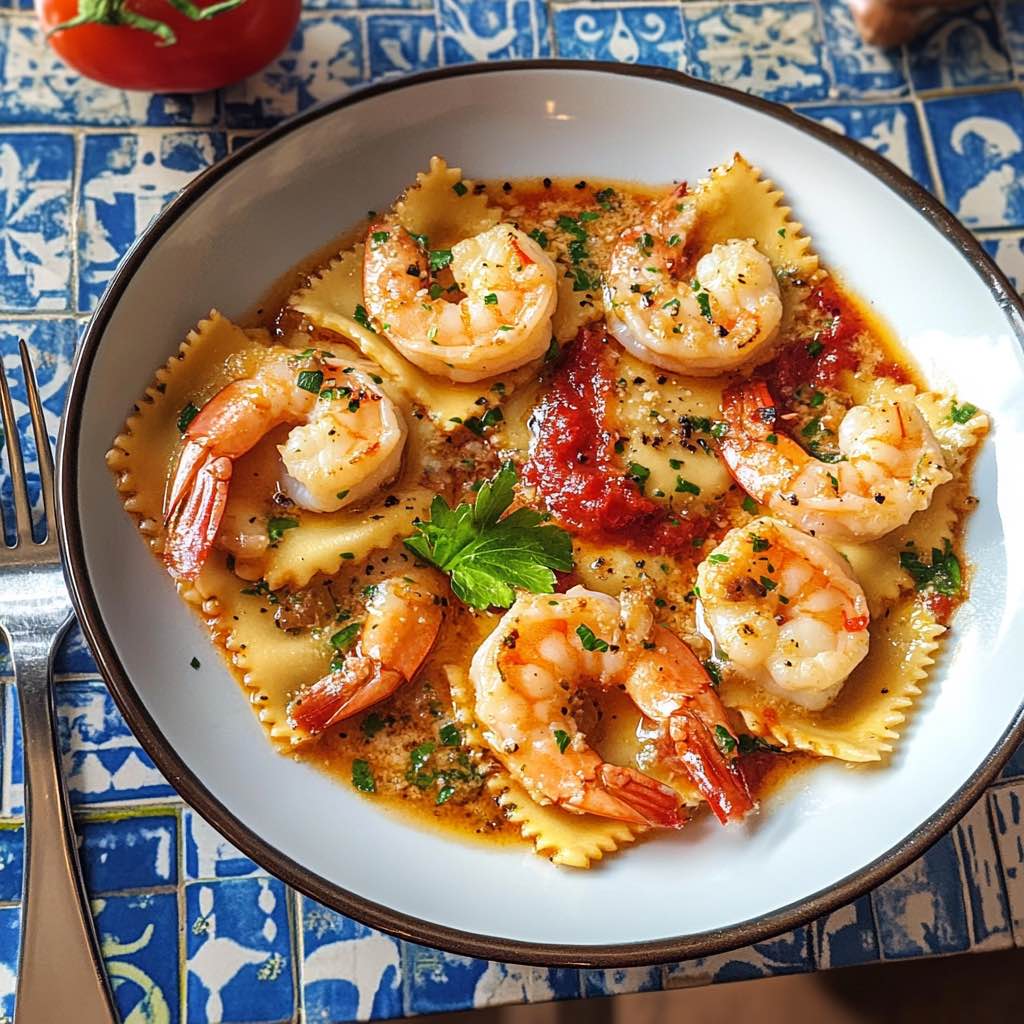
The Ultimate Guide to Lobster Ravioli and Shrimp: Gourmet Seafood Pasta Perfection
Introduction
Lobster ravioli and shrimp represents the pinnacle of gourmet seafood pasta cuisine. This luxurious combination brings together two premium shellfish ingredients to create dishes that rival the finest restaurant offerings. Whether you’re planning a romantic dinner or entertaining guests, mastering the art of lobster ravioli and shrimp will elevate your culinary repertoire to new heights.
The delicate sweetness of lobster paired with the tender succulence of shrimp creates an unforgettable flavor profile. Furthermore, these ingredients complement each other beautifully in both texture and taste. In addition, the versatility of this combination allows for countless creative preparations that will impress even the most discerning palates.
Table of Contents
-
Understanding Premium Seafood Ingredients
-
Essential Equipment and Tools
-
Homemade Lobster Ravioli Techniques
-
Perfect Shrimp Preparation Methods
-
Classic Sauce Pairings
-
Step-by-Step Recipe Guide
-
Professional Plating and Presentation
-
Storage and Reheating Tips
-
Nutritional Benefits
-
Common Mistakes to Avoid
-
Frequently Asked Questions
-
Conclusion
Understanding Premium Seafood Ingredients
Selecting Quality Lobster
When creating exceptional lobster ravioli and shrimp dishes, ingredient quality makes all the difference. Fresh lobster should smell like the ocean, not fishy. Therefore, always choose live lobsters when possible, as they guarantee maximum freshness and flavor.
Live lobsters should be active and heavy for their size. Moreover, their shells should be hard and free from cracks or black spots. However, if live lobsters aren’t available, frozen lobster meat can work well when properly thawed and drained.
The best lobster varieties for ravioli include:
-
Maine lobster for sweet, tender meat
-
Spiny lobster for firmer texture
-
Rock lobster for budget-friendly options
Choosing Premium Shrimp
Quality shrimp selection is equally important for your lobster ravioli and shrimp masterpiece. Fresh shrimp should have a mild, sweet scent and translucent appearance. In addition, they should feel firm to the touch without any slimy texture.
Consider these shrimp varieties:
-
Jumbo shrimp (16-20 count) for dramatic presentation
-
Large shrimp (21-25 count) for balanced portions
-
Wild-caught shrimp for superior flavor
-
Gulf shrimp for sweetness
Essential Equipment and Tools
Pasta Making Equipment
Creating homemade lobster ravioli requires specific tools for optimal results. A pasta machine ensures consistent dough thickness. Furthermore, a ravioli stamp or cutter creates uniform shapes that cook evenly.
Essential pasta tools include:
-
Stand mixer with dough hook attachment
-
Pasta machine or rolling pin
-
Ravioli stamps or cookie cutters
-
Clean kitchen towels
-
Large stockpot for cooking
Seafood Preparation Tools
Proper seafood preparation requires specialized equipment. Sharp knives ensure clean cuts without damaging delicate meat. Additionally, seafood crackers help extract lobster meat efficiently.
Necessary seafood tools:
-
Sharp paring knife
-
Kitchen shears
-
Lobster crackers
-
Seafood picks
-
Fine-mesh strainer
Homemade Lobster Ravioli Techniques
Creating Perfect Pasta Dough
The foundation of exceptional lobster ravioli and shrimp begins with superior pasta dough. Traditional Italian pasta dough uses semolina flour for texture and eggs for richness. However, adding a touch of olive oil creates more pliable dough that’s easier to work with.
Basic pasta dough recipe proportions:
-
2 cups semolina flour
-
3 large eggs
-
1 tablespoon olive oil
-
1 teaspoon salt
-
Water as needed
Mix ingredients until dough forms, then knead for 8-10 minutes until smooth. Therefore, proper kneading develops gluten structure for optimal texture. Wrap dough in plastic and rest for 30 minutes before rolling.
Preparing Lobster Filling
The lobster filling should highlight the natural sweetness of the meat. Overcooking lobster makes it tough and rubbery. Furthermore, gentle cooking preserves the delicate texture that makes lobster ravioli special.
Start by steaming lobster for 8-10 minutes until shells turn bright red. Cool completely before removing meat. In addition, dice lobster meat into small, uniform pieces for even distribution in ravioli.
Enhance the filling with:
-
Fresh ricotta cheese for creaminess
-
Minced fresh chives for color
-
Lemon zest for brightness
-
White pepper for subtle heat
Assembly Techniques
Proper ravioli assembly prevents filling from leaking during cooking. Roll pasta dough to setting 6 on most pasta machines for optimal thickness. Moreover, work quickly to prevent dough from drying out.
Assembly steps:
-
Place small spoonfuls of filling on dough
-
Brush edges with beaten egg
-
Top with second dough sheet
-
Press around filling to seal
-
Cut with ravioli stamp or knife
Perfect Shrimp Preparation Methods
Cleaning and Deveining
Properly prepared shrimp elevates your lobster ravioli and shrimp dish significantly. Remove shells while leaving tails on for presentation, if desired. However, completely peeled shrimp work better in pasta dishes.
Deveining removes the dark intestinal tract that can add gritty texture. Use a sharp paring knife to make a shallow cut along the back curve. Therefore, rinse under cold water to remove the vein completely.
Cooking Methods
Different cooking methods produce varying textures and flavors. Sautéing creates a golden exterior while maintaining tender interiors. Furthermore, quick cooking prevents overcooking that makes shrimp rubbery.
Popular shrimp cooking techniques:
-
Pan-searing for caramelized flavor
-
Poaching for delicate texture
-
Grilling for smoky notes
-
Steaming for pure taste
Seasoning Strategies
Proper seasoning enhances natural shrimp sweetness without overpowering. Salt and pepper form the foundation, while herbs add complexity. In addition, citrus brightens the overall flavor profile.
Complementary seasonings include:
-
Garlic powder for depth
-
Paprika for color and warmth
-
Fresh thyme for earthiness
-
Red pepper flakes for heat
Classic Sauce Pairings
Butter-Based Sauces
Rich butter sauces complement lobster ravioli and shrimp beautifully without competing with delicate seafood flavors. Brown butter adds nutty complexity while maintaining elegance. Moreover, herb-infused butter creates aromatic appeal.
Popular butter sauce variations:
-
Sage brown butter for earthy notes
-
Lemon butter for brightness
-
Herb butter for freshness
-
Garlic butter for richness
Cream Sauces
Cream sauces provide luxurious mouthfeel that pairs wonderfully with seafood pasta. Light cream sauces allow seafood flavors to shine through. However, avoid heavy cream that might overwhelm delicate tastes.
Elegant cream sauce options:
-
Light alfredo sauce
-
Lemon cream sauce
-
Herb cream sauce
-
Seafood bisque reduction
Oil-Based Sauces
Olive oil-based sauces offer lighter alternatives that highlight ingredient quality. Extra virgin olive oil provides fruity notes that complement seafood. Furthermore, these sauces won’t mask subtle flavors.
Simple oil sauce combinations:
-
Olive oil with garlic and herbs
-
Lemon olive oil with capers
-
Chili oil for gentle heat
-
Herb-infused oil for complexity
Step-by-Step Recipe Guide
Ingredients List
For Lobster Ravioli:
-
2 cups semolina flour
-
3 large eggs
-
1 tablespoon olive oil
-
1 teaspoon salt
-
1 cup cooked lobster meat, diced
-
1/2 cup ricotta cheese
-
2 tablespoons fresh chives, minced
-
1 teaspoon lemon zest
For Shrimp:
-
1 pound large shrimp, peeled and deveined
-
2 tablespoons olive oil
-
3 cloves garlic, minced
-
Salt and pepper to taste
-
2 tablespoons fresh parsley, chopped
Preparation Steps
Making the Ravioli:
Begin by creating pasta dough in a stand mixer or by hand. Combine flour and salt in mixing bowl. Therefore, create a well in center for wet ingredients. Add eggs, olive oil, and mix until dough forms.
Knead dough on floured surface for 8-10 minutes until smooth and elastic. Wrap in plastic wrap and rest for 30 minutes. However, don’t skip this crucial step as resting relaxes gluten.
Preparing the Filling:
Mix diced lobster meat with ricotta cheese, chives, lemon zest, salt, and pepper. Taste and adjust seasoning as needed. Furthermore, chill filling while preparing pasta dough for easier handling.
Assembling Ravioli:
Divide rested dough into four portions. Roll each portion through pasta machine, starting at widest setting and progressing to setting 6. Moreover, keep unused dough covered to prevent drying.
Place small spoonfuls of filling on pasta sheets, spacing 2 inches apart. Brush around filling with beaten egg for sealing. Top with second pasta sheet and press around filling to eliminate air pockets.
Cut ravioli using stamps or sharp knife. Therefore, ensure edges are well-sealed to prevent opening during cooking. Place finished ravioli on floured baking sheets.
Cooking Instructions
Cooking the Ravioli:
Bring large pot of salted water to gentle boil. Add ravioli carefully to avoid breaking. Cook for 3-4 minutes until they float to surface. Furthermore, fresh ravioli cooks much faster than dried pasta.
Remove ravioli with slotted spoon and drain briefly. However, reserve some pasta cooking water for sauce consistency adjustments.
Preparing the Shrimp:
Heat olive oil in large skillet over medium-high heat. Add shrimp and cook for 2-3 minutes per side until pink and cooked through. In addition, avoid overcrowding the pan for even cooking.
Add minced garlic during last minute of cooking. Season with salt, pepper, and fresh parsley. Therefore, garlic should be fragrant but not browned.
Professional Plating and Presentation
Plating Techniques
Restaurant-quality presentation elevates your lobster ravioli and shrimp from home cooking to fine dining. Warm plates before serving to maintain food temperature. Furthermore, clean plate edges for professional appearance.
Arrange 3-4 ravioli in center of each plate. Place 4-5 shrimp around ravioli attractively. Moreover, consider color contrast when selecting garnishes.
Garnishing Ideas
Fresh herbs add color and aroma to finished dishes. Microgreens provide elegant finishing touches. However, avoid overpowering delicate seafood flavors with strong garnishes.
Effective garnish options:
-
Fresh chive sprigs
-
Lemon wedges
-
Microgreens
-
Edible flowers
-
Grated Parmesan cheese
Sauce Application
Apply sauces thoughtfully to enhance rather than mask flavors. Drizzle sauces around plates rather than over food. In addition, use squeeze bottles for precise sauce placement.
Storage and Reheating Tips
Proper Storage Methods
Fresh ravioli should be consumed immediately for best texture. However, uncooked ravioli can be frozen for future use. Place on floured baking sheets and freeze until solid before transferring to freezer bags.
Cooked shrimp keeps in refrigerator for 2-3 days when properly stored. Moreover, store in airtight containers to maintain freshness and prevent odors.
Reheating Techniques
Gentle reheating preserves delicate textures. Steam leftover ravioli rather than microwaving to prevent toughness. Furthermore, add fresh herbs when reheating to refresh flavors.
For shrimp, quick sautéing in pan works best. However, avoid overcooking as shrimp will become rubbery. Therefore, heat just until warmed through.
Nutritional Benefits
Protein Content
Lobster ravioli and shrimp provides exceptional protein quality with all essential amino acids. Lobster contains approximately 28 grams of protein per cup. Moreover, shrimp offers similar protein density with fewer calories.
These complete proteins support muscle maintenance and growth. Furthermore, seafood proteins are easily digestible compared to some meat sources.
Essential Nutrients
Seafood provides important vitamins and minerals often lacking in other protein sources. Lobster contains significant amounts of vitamin B12 and zinc. In addition, shrimp provides selenium and phosphorus.
Key nutritional benefits include:
-
Omega-3 fatty acids for heart health
-
Iodine for thyroid function
-
Vitamin B12 for nerve health
-
Selenium for antioxidant protection
Caloric Considerations
Lobster and shrimp are relatively low in calories while being highly satisfying. A typical serving of lobster ravioli and shrimp contains approximately 400-500 calories. However, calorie content varies based on preparation methods and sauces used.
Common Mistakes to Avoid
Pasta Preparation Errors
Overworking pasta dough creates tough, chewy texture. Rest dough adequately to allow gluten relaxation. Furthermore, roll pasta to appropriate thickness for even cooking.
Common pasta mistakes:
-
Rolling dough too thick
-
Insufficient resting time
-
Overfilling ravioli
-
Poor edge sealing
-
Overcooking in boiling water
Seafood Cooking Issues
Overcooking is the most frequent mistake with delicate seafood. Lobster and shrimp continue cooking from residual heat. Therefore, slightly undercook them to prevent toughness.
Avoid these seafood errors:
-
Cooking at too high temperature
-
Not patting seafood dry before cooking
-
Overseasoning delicate flavors
-
Using old or poor-quality seafood
-
Ignoring cooking time guidelines
Sauce and Seasoning Problems
Heavy sauces mask subtle seafood flavors that make lobster ravioli and shrimp special. Balance is key when combining multiple premium ingredients. Moreover, taste throughout cooking process for proper seasoning levels.
Frequently Asked Questions
Can I make lobster ravioli ahead of time?
Yes, you can prepare lobster ravioli up to one day in advance. Store uncooked ravioli on floured baking sheets in the refrigerator, covered with plastic wrap. However, cook them within 24 hours for best results. Furthermore, you can freeze uncooked ravioli for up to three months.
What’s the best way to cook frozen lobster ravioli and shrimp?
Cook frozen ravioli directly from frozen in boiling salted water. Add 1-2 extra minutes to cooking time. For shrimp, thaw completely in refrigerator before cooking. Therefore, never cook frozen shrimp directly as it leads to uneven cooking.
How do I prevent ravioli from bursting during cooking?
Ensure proper sealing by brushing edges with beaten egg and pressing firmly to eliminate air pockets. Moreover, don’t overfill ravioli as this creates pressure during cooking. Cook in gently boiling water rather than a rolling boil to prevent agitation.
Can I substitute ingredients in the lobster filling?
While lobster is traditional, you can substitute other seafood like crab or scallops. However, maintain similar texture and moisture levels. In addition, ricotta can be replaced with mascarpone or cream cheese for different flavor profiles.
What side dishes pair well with lobster ravioli and shrimp?
Light sides work best to avoid competing with delicate seafood flavors. Consider arugula salad with lemon vinaigrette, steamed asparagus, or roasted cherry tomatoes. Furthermore, crusty bread helps soak up delicious sauces.
Conclusion
Mastering lobster ravioli and shrimp opens doors to restaurant-quality dining experiences at home. This luxurious seafood combination showcases culinary skills while delivering exceptional flavors that satisfy the most discerning palates. Therefore, investing time in proper techniques and quality ingredients pays dividends in dining satisfaction.
The versatility of lobster ravioli and shrimp allows for countless variations and personal touches. Moreover, these skills transfer to other pasta and seafood preparations, expanding your overall cooking repertoire. Practice these techniques regularly to build confidence and consistency.
Ready to create your own gourmet seafood masterpiece? Start with quality ingredients and follow these detailed guidelines for success.
Lobster Ravioli and Shrimp
Description
Ingredients
For the dish:
-
1 lb lobster ravioli (fresh or frozen)
-
1 lb large shrimp, peeled and deveined
-
2 tbsp olive oil
-
3 tbsp butter, divided
-
4 cloves garlic, minced
-
Salt and pepper to taste
-
1 tsp Italian seasoning
For the cream sauce:
-
1 cup heavy cream
-
½ cup chicken stock or seafood stock
-
⅓ cup Parmesan cheese, grated
-
2 tbsp cream cheese
-
2 tbsp sour cream
-
1 tbsp tomato paste (optional, for color)
-
3-4 tbsp fresh lemon juice
-
¼ cup white wine (optional)
For garnish:
-
¼ cup fresh parsley, chopped
-
Green onions, sliced
-
Lemon wedges
-
Extra Parmesan cheese for serving
Instructions
Cook the ravioli:
-
Bring a large pot of salted water to boil. Cook lobster ravioli according to package directions (usually 3-4 minutes for fresh, 4-5 minutes for frozen).
-
Drain and set aside, reserving ½ cup pasta water.
Sear the shrimp:
3. Pat shrimp dry and season with salt, pepper, and Italian seasoning.
4. Heat olive oil in a large skillet over medium-high heat. Sear shrimp for 2-3 minutes per side until pink and cooked through.
5. Remove shrimp to a plate and set aside.
Make the cream sauce:
6. Reduce heat to medium and add 1 tbsp butter to the same skillet. Add minced garlic and sauté for 30 seconds until fragrant.
7. Add wine (if using) and cook for 1 minute to reduce slightly.
8. Pour in chicken stock and bring to a simmer. Cook for 1-2 minutes.
9. Stir in heavy cream, cream cheese, sour cream, and tomato paste. Whisk until smooth and combined.
10. Add Parmesan cheese and cook until melted and sauce thickens slightly, about 2-3 minutes.
Combine and finish:
11. Return shrimp to the skillet and add the cooked ravioli. Gently toss to coat with sauce.
12. Add lemon juice and remaining 2 tbsp butter, stirring gently to combine.
13. Season with salt and pepper to taste. Add pasta water if needed to thin the sauce.
Serve:
14. Plate immediately with shrimp and ravioli evenly distributed. Garnish with fresh parsley, green onions, and extra Parmesan cheese.
15. Serve with lemon wedges for an extra burst of citrus.